
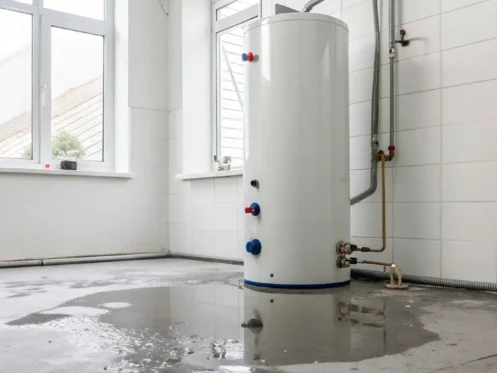
That slow drip from your water heater might seem like a minor annoyance you can deal with later, but it’s often a warning sign of a much bigger issue on the horizon. For homeowners in Tucson and Sahuarita, our hard water can accelerate corrosion, meaning leaks can escalate quickly. A water heater leaking hot water is not just wasting water; it’s a symptom that something inside the unit is failing. Ignoring it can lead to a sudden tank rupture, causing significant flooding and damage to your home. This article will explain why even a small leak deserves your immediate attention, what happens if you wait, and how proactive maintenance can prevent you from facing a plumbing emergency down the road.
Key Takeaways
- Identify the Leak’s Source First: Before making any decisions, figure out where the water is coming from. A drip from a valve or pipe fitting is often a simple fix, but water coming from the tank itself usually indicates internal corrosion and means a replacement is needed.
- Shut Off the Power and Water Immediately: Your first and most important action is to cut the power at your breaker box and turn off the water supply to the heater. This step prevents further damage and keeps the situation safe while you plan your next move.
- Weigh Repair Costs Against the Unit’s Age: If your water heater is less than eight years old and the fix is minor, a repair is a good choice. However, if the unit is older or the repair costs 50% or more than a new one, replacement is the smarter long-term investment.
Why Is My Water Heater Leaking?
Finding a puddle around your water heater is never a welcome sight. Whether you’re in Tucson or Sahuarita, a leak can quickly disrupt your day and cause a lot of stress. The good news is that most leaks have a clear cause, and you don’t have to solve the mystery alone. Understanding where the water is coming from is the first step toward getting it fixed. From simple loose connections to more serious tank corrosion, several common issues could be behind the problem. It’s tempting to panic, but taking a moment to identify the source can save you time and help you explain the situation to a professional.
Before you start troubleshooting, remember that safety comes first, especially with gas or electric units. While some leaks are minor drips, others can signal a major failure is on the way. This guide will help you understand the difference. We’ll cover the most common reasons for a leak, from a faulty drain valve to a corroded tank. Knowing what to look for will help you determine if you have a simple fix on your hands or if it’s time to call for backup.
A Loose or Faulty Drain Valve
At the bottom of your water heater tank, you’ll find a drain valve used for flushing sediment. Over time, this valve can become loose, or its internal washer can wear out, causing a slow but steady drip. Sometimes, the leak is as simple as a valve that wasn’t fully closed after the last maintenance check. While you might be tempted to grab a wrench and tighten it yourself, be careful not to overtighten, as this can crack a plastic valve and make the problem much worse. If the valve itself is faulty, it will need to be replaced. This is a straightforward job for a professional plumber who can handle it safely.
Too Much Pressure in the Tank
Your water heater is designed to handle a specific amount of pressure. If the temperature gets too high or the municipal water pressure spikes, the pressure inside the tank can build to dangerous levels. This excessive force can cause water to seep out through small cracks or fittings that wouldn’t normally leak. This isn’t just a plumbing issue; it’s a serious safety concern. High pressure can lead to a catastrophic tank failure. If you hear a hissing or boiling sound coming from your water heater, it’s a clear sign that the pressure is too high. A professional needs to diagnose the root cause, which could be a faulty thermostat or a problem with the T&P valve.
Rust and Corrosion Damage
Unfortunately, water heaters don’t last forever. The combination of water and steel eventually leads to rust. Anode rods inside the tank are designed to sacrifice themselves to corrosion, but once they’re depleted, the tank itself begins to rust from the inside out. The hard water we have in areas like Marana can speed up this process. If you see rusty, discolored water leaking from the bottom of the tank, it’s a clear sign of internal corrosion. Sadly, a corroded tank cannot be repaired. This type of leak means it’s time to start looking at a water heater replacement.
Loose Pipe Connections
Your water heater has several plumbing connections, including the hot and cold water lines at the top. These fittings can become loose over time due to normal vibrations and the expansion and contraction that happens as the water heats and cools. A leak from one of these connections will typically drip down the side of the tank, making it easy to spot. While it might seem like an easy fix, it’s important to identify the exact source. Simply tightening a connection might not solve the problem if a seal or gasket has failed. A professional can quickly assess the situation and ensure all your pipe connections are secure and leak-free.
A Malfunctioning T&P Valve
The Temperature and Pressure (T&P) relief valve is a critical safety feature, usually located on the side or top of your tank. Its job is to automatically open and release water if the temperature or pressure inside gets too high. However, these valves can sometimes fail and start leaking even when there’s no emergency. You might see a steady drip from the discharge pipe connected to the valve. A leaking T&P valve could signal dangerous pressure buildup, or it could just mean the valve itself is faulty. Either way, it’s not something to ignore. You should schedule a professional inspection to determine the cause and replace the valve if needed.
How to Find the Source of the Leak
Okay, you’ve spotted water, but where is it actually coming from? Finding the source is your first mission, and it will tell you whether you have a simple fix on your hands or need to call for backup. A little detective work now can save you a lot of stress later. Grab a flashlight and a dry cloth, and let’s trace that water back to its origin. We’ll start with the easiest culprits and work our way to the more serious ones.
Inspect All Connections First
Before you assume the worst, take a close look at the top of your water heater. You’ll see the hot and cold water pipes connecting to the unit. These fittings can sometimes loosen over time, causing a slow drip. Run your hand or a dry paper towel around each connection to feel for moisture. If you find a leak here, the solution might be as simple as tightening the fitting with a wrench. This is often the best-case scenario, so it’s always the first place you should check for any residential plumbing issue.
Check the Drain and T&P Valves
Next, let’s examine two important valves. The drain valve is located near the bottom of the tank and is used to empty it for maintenance. If it’s dripping, try tightening the knob gently. If it’s old and worn, it may need to be replaced. Higher up on the side or top of the tank, you’ll find the Temperature and Pressure (T&P) relief valve. This is a critical safety feature. If it’s leaking, it could mean the pressure inside the tank is too high. You can try lifting the lever to flush it, but if the dripping continues, the valve is faulty and needs immediate attention from a professional.
Is It a Leak or Just Condensation?
Sometimes, what looks like a leak is just condensation. This can happen when cold water fills the tank, causing moisture to form on the outside, similar to a cold glass on a hot day. This is especially common with gas heaters or electric units in humid rooms. To check, wipe the area completely dry with a cloth. Wait an hour or two and check it again. If the surface is still dry, you were likely just dealing with condensation. If the water has returned, you have an active leak that needs to be addressed.
Look for Cracks and Signs of Rust
This is the check that requires a close eye. Carefully inspect the tank itself, especially around the bottom where water is pooling. Are you seeing any rust streaks, corrosion, or small cracks in the metal? If so, this is a serious sign that the inner tank has failed. Over time, minerals in the water can corrode the tank from the inside out. Unfortunately, a corroded tank cannot be repaired. If you see rust or cracks, it’s a clear signal that your water heater is at the end of its life and you should schedule an inspection immediately to discuss a replacement.
What to Do Immediately When You Find a Leak
Finding a puddle around your water heater is stressful, but taking quick, decisive action can save you from a much bigger headache. The goal is to contain the situation and prevent further damage to your home. Before you even think about what caused the leak, follow these immediate steps to secure the area and protect your property. These actions are your first line of defense while you wait for professional plumbing services to arrive. Taking control of the situation right away can make a huge difference in minimizing the mess and the final repair bill.
Turn Off the Power and Water
First things first: safety. Before you do anything else, you need to cut the power and water supply to the heater. For an electric water heater, head to your home’s breaker box and flip the breaker that controls the unit. If you have a gas water heater, you’ll find a thermostat dial on the unit itself; turn it to the “Off” or “Pilot” setting. Next, shut off the water. Look for a valve on the cold water pipe that leads into the top of the tank and turn it clockwise until it stops. This is a critical step that prevents more water from entering the tank and feeding the leak, effectively stopping the problem from getting worse.
Drain the Tank to Prevent More Damage
If you’re dealing with more than a slow drip, draining the tank is the best way to stop the flow of water and prevent serious damage to your floors and walls. Grab a standard garden hose and connect one end to the drain valve located near the bottom of the water heater. Run the other end of the hose to a floor drain or safely outside your home. Once the hose is in place, open the drain valve. To help the tank drain faster, go to a sink inside your house and turn on a hot water faucet. This allows air to enter the system, breaking the vacuum and speeding up the process.
Clean Up Any Standing Water
With the immediate threat of more water gone, it’s time for cleanup. Mop up any standing water as quickly as you can. Use old towels, a mop, or even a wet/dry vacuum to soak up the water from the floor and any surrounding areas. Getting the area dry is critical for preventing long-term problems. Lingering moisture can warp flooring, damage drywall, and create the perfect environment for mold growth, which can cause a whole new set of issues for your home and health. Be thorough and check under and behind any nearby items to make sure you’ve gotten all the water.
Document the Damage for Insurance
Before you finish cleaning up, take a moment to document the scene. Use your phone to take clear pictures and videos of the leaking water heater and any damage the water has caused. Capture shots of the puddle, the source of the leak if you can see it, and any affected flooring, walls, or personal belongings. This evidence will be incredibly helpful if you need to file a homeowner’s insurance claim. Having a clear record makes the claims process much smoother and helps ensure you get the coverage you need for any necessary repairs or property restoration. It only takes a few minutes and can save you a lot of trouble later.
Can You Use Hot Water If Your Heater Is Leaking?
Discovering a leak from your water heater is stressful, and your first thought might be about whether you can still take a hot shower. The answer depends entirely on the size and source of the leak. A small, slow drip might not be an immediate crisis, but a more significant leak requires you to take action right away to prevent water damage and ensure your safety.
Knowing how to assess the situation will help you make the right call. In some cases, you can continue to use your hot water sparingly while you wait for a professional. In others, you’ll need to shut the whole system down immediately. Let’s walk through how to tell the difference and what to do while you wait for help to arrive.
When It’s Okay to Use the Water
If you’re dealing with a very small leak, like a slow drip from a valve or fitting, you can generally continue using your hot water. Most minor leaks don’t pose an immediate threat, and you’ll likely still have hot water available. While it’s fine to take a quick shower or wash a few dishes, it’s a good idea to use less hot water than usual. This helps reduce the pressure and workload on the tank while you wait for a technician to arrive. Think of it as a temporary solution, not a long-term fix. Any leak is a sign that your system needs professional attention, so be sure to call for residential plumbing services as soon as you notice a problem.
When You Need to Shut It Down Immediately
If the leak is more than a slow drip, you need to act fast. A steady stream of water or a rapidly growing puddle on the floor is a sign of a serious problem that requires an immediate shutdown. First, turn off the power supply. For an electric heater, find the corresponding switch on your circuit breaker. For a gas heater, turn the gas shut-off valve to the “Off” position. Once the power or gas is off, shut off the water supply to the tank using the cold-water inlet valve, which is usually located near the top of the heater. Taking these steps will help prevent further water damage and potential safety hazards. Once the unit is shut down, schedule an emergency service right away.
How to Monitor the Leak While Waiting for Help
While you wait for a plumber to arrive, you can take a few simple steps to manage the situation. First, place a bucket or shallow pan under the leak to catch the dripping water and protect your floor. Pay close attention to how quickly the bucket fills up. This information will be very helpful for your plumber, as it gives them a better idea of the leak’s severity before they even arrive. If the leak is coming from the tank itself, it’s often a sign of internal corrosion, and draining the tank might be necessary to prevent a major flood. If you feel comfortable doing so, you can attach a garden hose to the drain valve and empty the tank.
When to Call a Professional Plumber
While some home maintenance tasks are perfect for a Saturday afternoon, a leaking water heater usually isn’t one of them. Trying to fix it yourself can be risky, especially when gas or electricity is involved. Knowing when to step back and call for help can save you from a much bigger headache, potential water damage, and even safety hazards. If you spot any of the following issues, it’s time to put down the wrench and pick up the phone to schedule a professional plumbing service. A certified technician can accurately diagnose the problem and get your hot water running safely again.
Warning Signs Based on Age and Condition
Most water heaters have a lifespan of about 8 to 12 years. If yours is approaching the decade mark or older, a leak is often a sign that it’s nearing the end of its service life. As components wear out over time, they become more prone to failure. While a simple repair might seem tempting, sinking money into an aging unit can be a short-term fix for a long-term problem. A professional can assess the overall condition and help you decide if a repair is worthwhile or if a replacement would be a more cost-effective solution before a complete breakdown occurs.
Safety Risks with Gas and Electrical Parts
This is where DIY repairs can become genuinely dangerous. If you have an electric water heater, any leak creates a serious risk of electric shock. Water and electricity are a hazardous combination, and attempting a repair without proper training is not worth the risk. For gas water heaters, the stakes are even higher. A mistake could lead to a gas leak, which poses a significant fire or explosion hazard. Our technicians are trained to handle these systems safely, ensuring all connections are secure and your home in Tucson or Sahuarita remains protected. Don’t take chances; schedule a visit with a pro.
Complex Repairs That Need an Expert
Sometimes, the source of a leak isn’t obvious. If you’ve checked the common spots and still can’t figure out where the water is coming from, it’s time to call in an expert. A slow drip from an unknown location can be a sign of a more serious internal problem. Furthermore, if you suspect the leak is coming from the tank itself, that’s a definite red flag. A professional plumber has the tools and experience to trace the leak to its source and determine the best course of action, whether it’s a complex part replacement or a full unit installation.
Signs Your Tank Is About to Fail
A few key symptoms can tell you that your water heater is on the verge of a major failure. The most obvious is water pooling around the base of the unit, especially if you also see rust or corrosion on the tank itself. This often means the inner tank has corroded through, and a repair is no longer an option. Discolored or rusty water coming from your taps is another clear warning sign. Ignoring these signals can lead to a sudden rupture, flooding your home in Marana or Oro Valley and causing extensive damage. Regular check-ups through a maintenance agreement can help catch these issues early.
What Happens If You Ignore a Water Heater Leak?
It’s tempting to put a bucket under a slow drip and add “call a plumber” to your to-do list for later. But when it comes to your water heater, procrastination can be a costly mistake. What starts as a minor annoyance can quickly spiral into a major household disaster, affecting your home’s structure, your family’s safety, and your wallet. Understanding the real risks involved is the first step toward making a smart, timely decision to address the problem head-on. A small leak is your water heater’s way of sending up a flare, and ignoring it means waiting for the problem to explode, sometimes literally.
The Risk of Structural Damage and Mold
That slow, steady drip might not seem like much, but it’s silently waging war on your home. Water can seep into drywall, warp wooden subfloors, and ruin your baseboards and carpeting. Over time, this moisture creates the perfect breeding ground for mold and mildew, which can begin to grow in as little as 24 to 48 hours. Not only is mold unsightly, but it can also release spores into the air, potentially causing respiratory issues and allergic reactions for your family. Addressing the source of the leak is the only way to prevent minor water spots from turning into a major residential plumbing crisis that requires extensive and expensive remediation work.
Potential Electrical Hazards
Water and electricity are a dangerous combination, and a leaking water heater puts them in close proximity. If you have an electric model, water dripping onto wiring or electrical components can create a serious risk of short circuits, power outages, or even electric shock. For gas heaters, water can damage the electronic controls, leading to malfunctions. Beyond the electrical risk, a leak from the temperature and pressure (T&P) relief valve could signal excessive pressure inside the tank. If this safety feature fails, the tank could rupture, causing catastrophic flooding and damage. If you see any signs of a leak, it’s critical to schedule a professional inspection immediately to ensure your system is safe.
How a Small Leak Becomes a Big Expense
Ignoring a water heater leak is like turning a small, manageable bill into a massive, unexpected debt. The initial repair might be simple, like tightening a connection or replacing a valve. But if you wait, you’re looking at much bigger costs. You could face bills for repairing water-damaged floors and walls, professional mold removal, and replacing ruined personal belongings. On top of that, a leaking heater is an inefficient one, constantly wasting water and energy, which drives up your monthly utility bills. Eventually, a neglected leak will destroy the unit entirely, forcing you to pay for a full replacement instead of a simple fix. A small leak can even lead to major flooding that impacts your home’s drains and sewer lines.
Should You Repair or Replace Your Leaking Water Heater?
Deciding whether to repair or replace a leaking water heater can feel like a tough call, especially when you’re dealing with a puddle on the floor. The right choice depends on a few key factors: the source of the leak, the age of your unit, and the cost of the fix. A small, inexpensive repair on a newer heater is an easy decision. But if you’re looking at a significant bill for an older unit, replacement might be the smarter long-term investment.
Think of it this way: you want a solution that gives you peace of mind and reliable hot water, not just a temporary patch. Sometimes, a simple fix is all you need to get things back to normal. Other times, a leak is the final warning sign that your water heater is on its last legs. We’ll walk through the signs for each scenario so you can feel confident in your decision. Understanding these differences will help you figure out the most cost-effective and lasting solution for your home in Tucson.
When a Repair Makes Financial Sense
A repair is often the best route if the leak is coming from an external, replaceable part. For example, if the leak is from a loose drain valve at the bottom of the tank or a faulty temperature and pressure (T&P) relief valve, these are usually straightforward fixes. A professional plumber can often resolve these issues by simply tightening a connection or replacing the faulty valve. If your water heater is only a few years old and the repair cost is a fraction of a new unit’s price, a repair is almost always the right call. These types of residential plumbing services are quick and can get your system running safely again without a major expense.
Clear Signs You Need a Replacement
Some leaks are clear indicators that your water heater’s time is up. The most significant red flag is water seeping from the bottom of the tank itself. This almost always means the inner tank has rusted through, and unfortunately, that’s not something that can be repaired. You’ll need a full replacement. Similarly, if you see extensive rust or corrosion on the outside of the tank, it’s a sign that the structural integrity is compromised. Ignoring these signs can lead to a much bigger, more damaging leak down the road. If you see these symptoms, it’s best to schedule a consultation to discuss replacement options.
Comparing Costs and Considering Age
Age is a major factor in the repair-or-replace equation. Most tank water heaters last between 8 and 12 years. If your unit is approaching the 10-year mark or is already past it, investing in a major repair might not be wise. You could spend hundreds of dollars fixing one problem, only to have another part fail a few months later. As a general rule, if a repair costs 50% or more than a new unit, replacement is the better financial choice. Plus, modern water heaters are far more energy-efficient, so a new unit can help lower your utility bills, offering savings that offset the initial cost over time.
How to Prevent Future Water Heater Leaks
After dealing with a leak, the last thing you want is a repeat performance. The good news is that you can take proactive steps to keep your water heater in great shape and catch potential problems before they turn into a watery mess. A little bit of attention goes a long way in extending the life of your unit and giving you peace of mind. It’s all about combining a few simple DIY checks with regular professional oversight to prevent future issues.
Simple Maintenance You Can Do Yourself
You don’t have to be a plumbing expert to handle some basic water heater care. A great first step is to visually inspect your unit every few months. Look at the pipes, valves, and connections for any signs of moisture, rust, or corrosion. Catching these small issues early can prevent a major headache down the road. It’s also smart to follow the manufacturer’s maintenance schedule, which often includes flushing the tank once a year. This process removes sediment buildup that can cause corrosion and reduce efficiency. While you’re at it, checking the anode rod helps protect the tank from rusting from the inside out.
The Importance of Annual Professional Inspections
While your own inspections are helpful, they can’t replace a professional’s trained eye. Scheduling an annual inspection with a certified technician is one of the best investments you can make for your home’s plumbing system. A professional can spot subtle warning signs you might miss, test safety components like the T&P valve, and ensure everything is functioning correctly. This is especially important for gas water heaters, where safety is paramount. These yearly check-ups are the key to preventing unexpected breakdowns and costly emergency repairs. Our maintenance agreement makes it easy to stay on top of these essential visits without having to mark your calendar.
Common Myths About Water Heater Care
Let’s clear up a few common misconceptions about water heaters. First, the idea that a tiny leak is no big deal is a dangerous one. Even a slow drip wastes a surprising amount of water and can lead to mold and structural damage over time. It’s often a warning sign that a bigger failure is coming. Another myth is that any water around the unit is a leak. Sometimes, it’s just condensation, which can happen when a tank full of hot water is in a cool basement. A quick check can help you tell the difference. Finally, don’t fall for the “set it and forget it” mindset. Your water heater works hard every day and needs regular care to operate safely and efficiently.
An Emergency Plan for Tucson Homeowners
A leaking water heater can feel like a major crisis, but having a simple plan in place can make all the difference. When water is spreading across your floor, the last thing you want to do is scramble to figure out your next move. For homeowners in Tucson, Oro Valley, and the surrounding areas, a little preparation helps you stay in control and minimize damage. Think of it as a fire drill for your plumbing. By knowing exactly what to do and who to call, you can handle the situation calmly and effectively.
Build Your Home Emergency Kit
A leaking water heater can cause serious problems, from higher utility bills to significant water damage. Having a dedicated home emergency kit ready can help you manage the immediate mess. This isn’t about complex tools, just a few simple items stored together in an accessible spot. Your kit should include a bucket to catch drips, several old towels to soak up water, a mop, and a flashlight or headlamp for inspecting dark utility closets. It’s also smart to keep our contact information handy so you can schedule a service call without having to search for a number. This small step ensures you have everything you need to contain the situation while waiting for professional help to arrive.
Know Where Your Water Shut-Off Valve Is
The most critical first step is to stop the flow of water. Before you even find a leak, locate the water shut-off valve for your water heater. Every adult in your home should know where it is and how to use it. You can usually find the cold water shut-off valve on the pipe leading into the top of the heater; it will have either a lever or a round, wheel-like handle. To stop the water, turn it clockwise until it’s tight. If you can’t find it or it won’t budge, you can always use the main water shut-off for your entire house. Knowing how to quickly cut the water supply is a fundamental part of any residential plumbing emergency plan.
When to Contact Your Insurance Company
Even a small, slow leak can waste a lot of water and money over time, potentially leading to mold and structural issues. If you discover a leak that has caused damage, your first call after shutting off the water and power should be to us. Your second might be to your insurance agent. Before you clean up, take photos and videos of the leak and any affected areas. This documentation is essential for filing a claim. Your homeowner’s policy may cover sudden and accidental water damage, so it’s worth reviewing your coverage. Acting quickly to stop the leak and document the damage shows your insurance provider that you took responsible steps to mitigate the problem.
Related Articles
- Water Heater Leaking? Your Step-by-Step Guide
- Electric Water Heater Leaking From Bottom? What to Do
- Leaking Water Heater? An Emergency Step-by-Step Guide
Frequently Asked Questions
Is a small drip from my water heater really a big deal? Yes, you should take even a small drip seriously. While it might not seem like an emergency, it’s often a warning sign of a bigger issue, like a failing valve or internal corrosion. Ignoring it can lead to significant water damage, mold growth, and a much more expensive repair down the road. It’s always better to address it early.
Can I try to fix a minor leak myself? While it can be tempting to tighten a fitting yourself, it’s usually best to leave water heater repairs to a professional. These units involve high pressure, electricity, or natural gas, and a simple mistake can create a serious safety hazard for your home. A certified technician can correctly diagnose the problem and ensure the fix is done safely.
How long do water heaters typically last, especially with Tucson’s hard water? Most standard tank water heaters have a lifespan of about 8 to 12 years. Here in Tucson and the surrounding areas, our hard water can be tough on appliances. The mineral buildup can speed up corrosion inside the tank, potentially shortening the unit’s life. Regular maintenance, like flushing the tank, is key to getting the most out of your investment.
Besides water damage, what are the other risks of a leaking water heater? Water damage is the most obvious risk, but it’s not the only one. For electric models, a leak can create a serious shock hazard if water reaches the electrical components. For all types, a leak from the temperature and pressure valve can signal dangerously high pressure inside the tank, which could lead to a rupture. It’s a safety issue as much as it is a plumbing problem.
What’s the main benefit of a maintenance agreement for my water heater? A maintenance agreement is essentially a wellness plan for your home’s systems. The biggest benefit is prevention. During an annual visit, a technician can spot and fix small issues before they become major leaks. They’ll check safety features, flush out sediment that causes corrosion, and ensure the unit is running efficiently, which helps extend its life and prevent surprise breakdowns.