
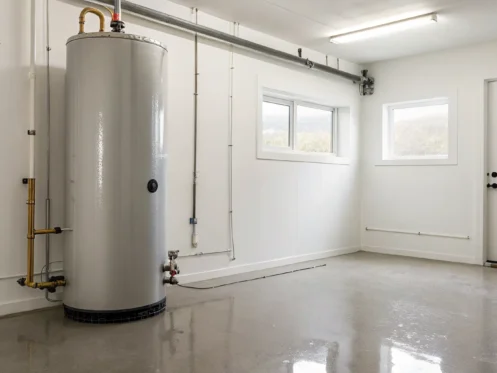
Let’s be direct: a leak coming from the top of your water heater is a serious safety issue. It’s more than just a mess to clean up. Water dripping near your unit’s electrical wiring or control panel creates a significant risk of a short circuit, which could lead to electrical shock or even a fire. This is why a water heater leaking from top is dangerous and demands a swift, careful response. Your first priority isn’t fixing the leak; it’s securing the area to prevent a catastrophe. We will outline the non-negotiable first three steps you must take to shut off the power and water before you do anything else.
Key Takeaways
- Act Fast with the Safety Trio: Your first moves should always be turning off the power, shutting off the water supply, and containing the spill to minimize immediate damage and safety risks.
- Leave Repairs to the Professionals: A leak at the top is often near dangerous electrical components and pressure valves, making it a job for a certified plumber, not a DIY project.
- Prevent Problems with Simple Maintenance: You can avoid future leaks by regularly inspecting your pipe connections, testing the safety valve annually, and scheduling a yearly professional tune-up.
Your Water Heater Is Leaking from the Top. Now What?
Finding a puddle around your water heater is never a good feeling. When the leak is coming from the top, it can feel especially alarming. But don’t panic. Taking a few immediate, specific actions can protect your home from serious damage and keep your family safe. Before you do anything else, follow these three steps in order. They are your first line of defense while you figure out your next move, which should be calling a professional for plumbing services.
Step 1: Turn Off the Power
Your first priority is safety. Water and electricity are a dangerous combination, so you need to cut the power to the unit immediately. If you have an electric water heater, go to your home’s breaker box and flip the breaker that controls the water heater. It should be clearly labeled. For a gas water heater, you’ll find a control knob or dial on the unit itself. Turn it to the “Off” position to shut off the gas supply. This simple action is the most important thing you can do to prevent the risk of electrical shock or a potential fire. Once the power is off, you can safely move on to the next step.
Step 2: Shut Off the Water
With the power off, your next goal is to stop the flow of water. Look for the cold water inlet pipe, which is one of the two pipes connected to the top of your water heater. On this pipe, you’ll find a shut-off valve. It might be a lever-style handle or a round, wheel-like handle. Turn the valve clockwise until it stops. This will cut off the water supply to the tank, preventing any more water from entering and leaking out. This step is crucial for minimizing the amount of water that can escape and cause damage to your floors, walls, and belongings. It effectively puts a stop to the problem getting any worse.
Step 3: Contain the Damage
Now that you’ve stopped the power and the water, it’s time to manage the mess. Grab some old towels, buckets, or a mop to soak up any water that has already pooled on the floor. If you have a wet/dry vacuum, now is the perfect time to use it. Water can cause significant problems very quickly, seeping into subflooring, warping wood, and damaging drywall. Acting fast can save you from costly repairs down the road. Once you’ve contained the immediate spill, your work is done. The next step is to call in a professional to diagnose the problem and perform a safe repair. You can schedule service online with our team to get an expert on the way.
How to Spot a Leak at the Top of Your Water Heater
Catching a water heater leak early can save you a lot of headaches and money. While some signs are as obvious as a puddle on the floor, others are much more subtle. Knowing what to look for is the first step in protecting your home from serious damage. Pay close attention to your water heater and check for these four common indicators of a leak at the top of the unit. Spotting them quickly can be the difference between a simple fix and a full-blown emergency requiring major residential plumbing work.
Puddles or Pooling Water
This is the most straightforward sign. If you see a puddle forming around the base of your water heater, look up. A leak starting from the top will often run down the side of the tank and collect on the floor. Check the area directly around the water inlet and outlet pipes, as well as the temperature and pressure (T&P) relief valve. Even a small amount of pooling water is a red flag. It indicates an active leak that can lead to significant water damage, including rotted wood and mold growth, if not addressed right away. Don’t just mop it up and forget it; it’s a clear signal that something needs immediate attention.
Rust and Corrosion on Pipes
Rust is a tell-tale sign of a slow, persistent water leak. Take a close look at the pipe connections on top of your water heater. Do you see any reddish-brown discoloration, flaking metal, or crusty buildup on the fittings? This corrosion happens when water has been seeping out over time. Loose or aging connections are often the culprits behind these small leaks. While it might seem like a minor cosmetic issue, it’s actually a warning that a connection is failing. Ignoring it could lead to a much larger leak down the road, so it’s best to have a professional schedule an inspection.
Dampness Near Electrical Parts
Water and electricity are a dangerous combination, and this is where a top-side leak becomes especially hazardous. Your water heater has electrical components, like the thermostat and control panel, located near the top of the unit. If you notice any moisture, condensation, or water droplets in this area, you have a serious problem. A leak dripping onto these parts can cause the unit to short out, creating a risk of electric shock or even an electrical fire. If you see any dampness near the electrical controls, your first step should be to shut off the power to the water heater at your circuit breaker immediately.
Hissing or Sizzling Sounds
Your water heater should operate relatively quietly. If you start hearing unusual noises like hissing or sizzling, it’s time to investigate. These sounds can indicate that water is leaking from the top and dripping onto hot internal components, like the burner assembly. The sound is the water instantly turning to steam as it hits a hot surface. This might not be a constant noise, so listen carefully, especially when the unit is actively heating water. A hissing sound can also be a sign of a faulty T&P valve releasing pressure, which is another serious issue. Either way, these sounds are your water heater’s way of telling you something is wrong.
Why a Leak from the Top Is a Serious Problem
A leak at the top of your water heater is more than a minor puddle; it’s a serious warning sign that demands immediate attention. Unlike a leak at the bottom, which often signals tank failure, a top leak is usually near critical electrical components and pressure valves. This location makes the problem particularly hazardous. Ignoring it can lead to dangerous situations, from electrical fires to major water damage that compromises your home’s structure. Understanding the specific risks involved will show you why it’s so important to act fast instead of waiting for the problem to get worse.
Risk of Electrical Shock and Fire
Water and electricity are a dangerous combination, and your water heater brings them very close together. A leak from the top can easily drip onto electrical components, causing the unit to short out. This creates a significant risk of severe electric shocks for anyone who touches the unit or the surrounding water. Even worse, a short circuit can spark an electrical fire, especially if flammable materials are stored nearby in your garage or utility closet. This isn’t just about a little water damage; it’s a serious safety hazard for your entire household.
Potential for Major Water Damage
Even a slow drip can quickly turn into a major flood. Hot water is especially destructive, and a constant leak can warp wooden beams, cause flooring to delaminate, and saturate your drywall. Before you know it, you could be facing thousands of dollars in structural repairs. The longer the leak continues, the more extensive the damage becomes, potentially affecting multiple rooms. Prompt water heater repair is the only way to prevent a small issue from becoming a costly disaster that disrupts your life.
Mold Growth and Air Quality Issues
Where there’s persistent moisture, mold is sure to follow. A leaking water heater creates the perfect damp, warm environment for mold and mildew to thrive, often in hidden places like behind walls or under floors. Mold doesn’t just cause unsightly stains and musty odors; it can seriously compromise your home’s air quality. Spores can spread through your HVAC system, triggering allergies, asthma, and other respiratory problems for your family. Protecting your home from water damage also means protecting your health from the effects of poor indoor air.
Danger of Tank Pressure Build-Up
If the leak is coming from the temperature and pressure (T&P) relief valve, you have a potentially explosive situation. This valve is a safety feature designed to release excess pressure from the tank. If it’s leaking, it means the pressure or temperature inside the tank is dangerously high. In a worst-case scenario, this immense pressure buildup could cause the tank to rupture or even explode, causing catastrophic damage to your property and posing a severe risk of injury. A leaking T&P valve is an emergency that requires immediate professional service.
Common Causes of Top Water Heater Leaks
When you find water pooling around your water heater, your first instinct might be to panic. But where the leak is coming from tells you a lot. A leak at the top is often caused by issues with the plumbing connections or valves attached to the tank. While still serious, these problems are usually more straightforward to fix than a leak from the bottom, which often signals the end of your water heater’s life. Understanding the potential causes can help you know what you’re dealing with before you call a professional.
Loose Pipe Connections
Your water heater is constantly working, heating and cooling water throughout the day. This cycle of expansion and contraction can cause vibrations that, over time, may loosen the connections where your cold water inlet and hot water outlet pipes meet the tank. These fittings are under constant pressure, so even a slightly loose connection can allow water to seep out and pool on top of the unit. Sometimes, the fix is as simple as tightening a nut, but it’s important to do it correctly to avoid damaging the pipes or over-tightening the connection, which can make the leak worse. If you’re not comfortable making the adjustment yourself, our team offers expert residential plumbing services to handle it safely.
A Faulty Pressure Relief Valve
Every water heater has a temperature and pressure (T&P) relief valve. This is a critical safety device designed to automatically open and release water if the temperature or pressure inside the tank gets dangerously high. If you see water leaking from this valve, it could mean one of two things: either the valve is doing its job because of excessive pressure, or the valve itself is faulty and needs to be replaced. In either case, this isn’t a problem to ignore. A malfunctioning T&P valve can create a serious safety hazard. It’s best to have a professional diagnose the problem to determine if it’s a pressure issue or a simple valve replacement.
Worn-Out Inlet and Outlet Nipples
The cold water inlet and hot water outlet nipples are the threaded fittings that connect your home’s plumbing lines directly to the water heater tank. Over years of service, these metal nipples can corrode and rust, especially in areas with hard water. As they deteriorate, the seals can fail, leading to a slow but steady leak that drips onto the top of your tank. You might notice rust stains around the base of the pipes where they connect to the heater. Replacing these nipples is a common repair, but it requires shutting off the water and partially draining the tank, a job best left to an experienced plumber.
An Old or Deteriorating Tank
While less common for top leaks, sometimes the issue is the tank itself. As a water heater ages, the protective inner lining can wear away, allowing rust to form. This corrosion can eventually eat through the steel tank, creating a pinhole leak. The constant stress from heating and cooling can also cause cracks to form over time. If the leak is coming from the tank shell and not a fitting, it’s a sure sign that your water heater has reached the end of its lifespan. This kind of failure can’t be repaired and will require a full replacement. Committing to regular maintenance can help identify signs of aging before a major leak occurs.
When to Call a Plumber vs. A DIY Fix
It’s tempting to tackle home repairs yourself, but a leaking water heater is one of those jobs best left to the pros. What seems like a simple fix can quickly turn into a much bigger, more expensive problem. Knowing when to put down the wrench and pick up the phone is key to protecting your home and your safety. If you find yourself in any of the following situations, it’s time to call for professional help.
The Leak Is Large or Has Multiple Sources
Even a small drip from the top of your water heater is a sign of trouble. Water damage, rust, and mold can set in quickly, and a minor leak is often a warning sign of a bigger failure on the horizon. Ignoring it won’t make it go away; it will just give it time to get worse. If you notice a significant amount of water or see drips coming from several different spots, that’s a clear signal that the problem is serious. A licensed plumber can accurately diagnose the issue and prevent a small problem from turning into a full-blown flood in your Tucson home.
You Suspect an Electrical Issue
This is the most critical reason to call a professional. Water and electricity are a hazardous combination. If water from the leak is dripping onto or near any of the water heater’s electrical components, you have a dangerous situation on your hands. This can cause the unit to short out, creating a risk of severe electrical shock or even an electrical fire. If you see dampness near wires or hear any sizzling sounds, do not touch the unit. Your first call should be to a professional who can safely handle the situation and perform the necessary water heater repairs.
Your Water Heater Is Getting Old
Most water heaters have a lifespan of about 8 to 12 years. If your unit is approaching or has passed the decade mark, a leak is often a sign that it’s nearing the end of its life. Over time, the tank can corrode from the inside, making it vulnerable to cracks and leaks. While a newer unit might just need a simple part replacement, a leak in an older tank often means it’s time for a full replacement. Pouring money into repairing an old, failing unit is rarely a good investment. A professional can assess its condition and help you decide if a repair or replacement makes more sense.
You Don’t Feel Safe Handling It
Trust your instincts. If you’re looking at the leak and feel unsure or unsafe about trying to fix it, that’s a good enough reason to call a plumber. Quick fixes like sealants or epoxy are not safe or effective for a pressurized water tank and can lead to a catastrophic failure. A professional has the right tools, training, and experience to handle the job correctly. Our team of certified technicians is ready to help homeowners in Tucson, Oro Valley, and Marana with any plumbing issue, big or small. Your safety and peace of mind are always worth the phone call.
How to Prevent Future Water Heater Leaks
Once you’ve handled an active leak, the last thing you want is a repeat performance. The good news is that a little proactive care can go a long way in preventing future problems. Staying on top of your water heater’s health not only protects your home from water damage but also helps your unit run more efficiently and last longer. These simple, routine checks are your best defense against another unexpected puddle in your garage or utility closet.
Inspect Your Connections Regularly
Every few months, take a moment to look at the top of your water heater. Check the cold water inlet and hot water outlet pipes for any signs of moisture. You’re looking for drips, puddles on top of the tank, or damp insulation around the pipes. These connections can loosen over time due to normal temperature changes and vibrations. Catching a small drip early is one of the easiest ways to prevent a small issue from turning into a major residential plumbing emergency.
Test the T&P Valve Annually
Your water heater’s temperature and pressure (T&P) relief valve is a critical safety feature. It’s designed to open and release water if the pressure or temperature inside the tank gets too high, preventing a potential rupture. To make sure it’s working correctly, you should test it at least once a year. Simply lift the lever for a few seconds to let a burst of water out, then let it snap back into place. If the valve keeps leaking after the test or doesn’t release any water, it needs to be replaced by a professional.
Schedule Professional Maintenance
While your own inspections are helpful, they can’t replace a professional tune-up. We recommend scheduling a maintenance agreement for your water heater once a year. During this visit, a certified technician can catch problems you might miss, like a deteriorating anode rod that prevents rust inside your tank. They will also flush out sediment buildup that can cause corrosion and reduce efficiency. An annual check-up is the best way to ensure your unit is operating safely and can help you know when it’s getting old and might need to be replaced before it fails.
Set the Right Temperature
Many manufacturers set water heater thermostats to 140°F, but for most households, 120°F is perfectly sufficient and much safer. Setting the temperature to 120°F reduces the risk of scalding, which is especially important if you have children or elderly family members at home. It also slows down the buildup of mineral deposits and corrosion inside your tank. This small adjustment puts less stress on the unit, which can help prevent overheating and the leaks that sometimes follow, all while saving you a little money on your energy bills.
Quick Fixes While You Wait for a Pro
After you’ve shut off the power and water and called for help, you might feel a little helpless. But there are a few safe, temporary steps you can take to manage the situation and minimize damage while our team is on the way. Think of these as first aid for your water heater; they aren’t permanent solutions, but they can make a big difference in the short term. Remember, these fixes are only for managing the immediate problem. A professional diagnosis is essential to address the root cause safely and effectively.
Gently Tighten Loose Fittings
If you can see the leak is coming from a pipe connection at the top of the tank, you might be able to slow it down. With the power and water safely off, you can take a pipe wrench and gently try to tighten the fitting. The key word here is gently. Overtightening can strip the threads and make the leak much worse. If you notice any rust or corrosion around the fitting, it’s best to leave it alone. Forcing a rusted part can cause it to break completely. This is a temporary measure to reduce water flow, not a permanent repair for your residential plumbing.
Check the Pressure Relief Valve
Your water heater has a temperature and pressure relief valve, or T&P valve, which is a critical safety feature. It’s designed to open and release water if the pressure or temperature inside the tank gets dangerously high. If you see water leaking from this valve, do not try to tighten or plug it. This is a sign that the valve is doing its job, indicating a serious pressure problem inside the tank. In a worst-case scenario, this pressure buildup could cause the tank to rupture. The best thing you can do is keep the area clear and make sure a professional is on their way. You can schedule an appointment with us right away to get it looked at.
Use Buckets and Towels to Manage Water
This might seem obvious, but it’s one of the most important things you can do to prevent costly water damage. Place buckets directly under any drips to catch the water. For larger puddles or water that’s spreading across the floor, use old towels, blankets, or a mop to soak it up. Containing the water protects your flooring, subflooring, and drywall from moisture, which can lead to rot and mold growth. Keeping the area as dry as possible will make the final repair process smoother and help you avoid a much bigger cleanup job later.
Related Articles
- Water Heater Leaking? Your Step-by-Step Guide
- Electric Water Heater Leaking From Bottom? What to Do
- Leaking Water Heater? An Emergency Step-by-Step Guide
- Water Heater Leaking? Here’s What to Do Right Now
Frequently Asked Questions
What are the absolute first things I should do if I find a leak? Before you do anything else, focus on safety. First, go to your breaker box and turn off the power to the water heater. If you have a gas model, turn the control knob on the unit to the “Off” position. Second, find the cold water pipe leading into the tank and turn the shut-off valve clockwise to stop the water supply. These two steps prevent electrical hazards and stop the leak from getting worse.
Is a small, slow drip from the top really that serious? Yes, you should always take it seriously. Even a tiny drip is a clear warning sign that a component is failing. Over time, that small amount of water can cause significant damage to your floors and walls, lead to mold growth, and potentially short out electrical parts. It’s much easier and less expensive to address the problem when it’s a small drip rather than waiting for a major failure.
Can I just use some sealant or plumbing tape to patch the leak myself? Please don’t. While those products are useful for other projects, they are not safe or effective for a pressurized water heater tank. The constant changes in temperature and pressure will cause these temporary fixes to fail, which could lead to a sudden and much larger flood. A proper repair requires the right parts and professional expertise to ensure it’s done safely.
How do I know if the leak means my water heater needs to be replaced? A key factor is age. Most water heaters last between 8 and 12 years. If your unit is in that range or older, a leak is often a sign that the tank itself is corroding and failing from the inside. Other signs include rusty water or inconsistent heating. A professional can inspect the unit to determine if a simple repair is possible or if a full replacement is the smarter long-term investment.
What does a professional do during a maintenance visit to prevent leaks? A professional maintenance check is like a health check-up for your water heater. A technician will inspect all the pipe connections for corrosion or looseness, test the temperature and pressure relief valve to ensure it works correctly, and check the anode rod, which protects the tank from rust. They will also flush sediment from the bottom of the tank, which improves efficiency and extends the unit’s life.