
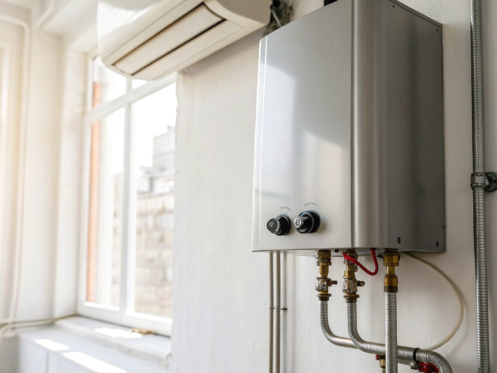
Tankless water heaters are fantastic for providing endless hot water—until they don’t. When your unit starts acting up, it can disrupt your entire routine. While a single breakdown is an inconvenience, recurring issues can be a sign of a deeper problem. The key to long-term reliability isn’t just fixing problems as they appear, but understanding how to prevent them in the first place. This guide is your complete resource for everything from diagnosing common issues to finding a qualified technician. We’ll cover the essential steps for a successful tankless water heater repair and show you how regular maintenance can prevent future headaches.
Key Takeaways
- Proactive Maintenance is Your Best Defense: You can prevent the most common problems, like mineral buildup from hard water, by flushing your system annually. Pairing this with a yearly professional inspection is the most effective way to avoid surprise breakdowns and extend your unit’s life.
- Know When to Call a Professional: While you can handle simple resets, always call an expert for issues involving gas, electrical components, or persistent error codes. Prioritizing safety prevents more dangerous and expensive problems from developing.
- Make a Smart Repair-or-Replace Decision: Use the 50% rule as a guide—if a repair costs more than half the price of a new unit, replacement is often the smarter choice. This is especially true for heaters over 15 years old that require frequent service.
What’s Wrong With Your Tankless Water Heater? (And Can You Fix It?)
That moment when you step into the shower expecting a stream of hot water, only to be met with an icy blast, is never fun. Tankless water heaters are generally reliable, but like any appliance, they can run into trouble. The good news is that many common issues have straightforward fixes. Some problems you can likely handle yourself with a little guidance, while others are a clear sign that it’s time to call in a professional. Let’s walk through some of the most frequent problems you might encounter and figure out the best next step.
Dealing with Mineral Buildup
If you live in Tucson, you’re no stranger to hard water. All those minerals, like calcium and magnesium, can build up inside your tankless water heater over time, creating a layer of scale. This buildup forces your unit to work harder to heat the water, reducing its efficiency and eventually causing it to fail. You can handle this yourself by flushing the system with a descaling solution every six to twelve months. Most home improvement stores sell kits for this. However, if it’s been a while or you’re not comfortable with the process, our team can handle it during a routine residential plumbing maintenance visit.
Why Is My Water Suddenly Cold? (System Overload)
A tankless water heater provides hot water on demand, but it has its limits. If you have multiple showers, the dishwasher, and the washing machine all running hot water at the same time, you might be asking too much of your unit. This can overload the system, causing it to shut down to protect itself. The immediate fix is to reduce your hot water usage at the same time. You may also need to reset the unit. If this happens frequently, it could be a sign that your water heater is too small for your household’s needs. A professional can help you determine if you need a larger model, and you can schedule an assessment with one of our technicians to find the right fit.
Fixing Ignition or Flame Issues
If your water heater isn’t producing any hot water at all, the problem could be with the ignition system. Before you panic, check the simple things first. If you have a gas model, make sure the gas valve is fully open. If it runs on propane, check that the tank isn’t empty. These simple oversights can sometimes be the culprit. However, if those basics check out, the issue is likely more complex, such as a faulty ignitor or a problem with the gas supply line. Working with gas lines is not a DIY job—it requires specific tools and expertise to do safely. For any kind of ignition or flame failure, your safest bet is to call a professional.
Clearing a Blocked Air Supply
Your tankless water heater needs a clear flow of air to operate safely and correctly. The intake and exhaust vents can sometimes get blocked by leaves, debris, or even nests from birds or insects. When the airflow is restricted, the unit can’t function properly and will usually shut down and display an error code. You can perform a quick visual inspection of the vent pipes to see if there are any obvious blockages near the openings. If you can’t see anything or the blockage is inside the pipe, it’s best to have a professional clear it. Regular tune-ups as part of a maintenance agreement can prevent these kinds of issues from happening in the first place.
What Do Those Error Codes Mean?
That blinking error code on your unit’s display is its way of telling you exactly what’s wrong. It can point to anything from an ignition failure to a blocked exhaust vent. Your first step should be to check the owner’s manual, which will have a list of codes and what they mean. Sometimes, the fix is as simple as resetting the unit. However, many error codes indicate an internal problem that requires a technician’s expertise. If the manual’s troubleshooting steps don’t solve the problem, it’s time to call for a professional water heater repair. Trying to fix a complex internal issue yourself could lead to more damage or create a safety hazard.
How Much Will Tankless Water Heater Repair Cost?
When your tankless water heater acts up, your first thought is probably about the cost. It’s a fair question—no one likes surprise expenses. The price to repair a tankless water heater can vary, but understanding the factors involved will help you feel more prepared. The good news is that not every issue is a major investment. We’ll break down what you can expect to pay to get your hot water flowing again.
A Look at Average Repair Costs
On average, most homeowners spend around $600 for a tankless water heater repair. However, that’s just a middle ground. Your bill could be as low as $75 for a minor fix or climb to $1,300 for a more involved job, with some complex repairs reaching nearly $2,000. Think of it like a car repair—a simple sensor replacement costs much less than a major engine issue. The key is getting a professional diagnosis to understand exactly what you’re dealing with before worrying about the worst-case scenario.
What Factors Influence the Final Price?
So, what causes that wide range in repair costs? It really comes down to parts and labor. A simple fix, like replacing a fuse, is on the lower end of the scale, usually costing between $50 and $150. However, if you need a major component replaced, like a gas valve, the price will be higher. The other factor is the plumber’s hourly rate, which can range from $45 to $200 an hour. A complex repair takes more time, adding to the final cost. Getting a clear quote from a trusted residential plumbing expert will ensure there are no surprises.
How Your Water Heater’s Brand Affects Repair Costs
You might not think about it when you buy it, but your water heater’s brand can play a role in repair costs. Some of the best tankless water heater brands are known for reliability, but their specialized parts can be more expensive or harder to find. Other brands use more universal parts, which can mean a quicker, more affordable repair. The unit’s initial cost, often $1,000 to over $3,500, usually reflects the technology inside. It’s always smart to discuss parts availability and common repair needs with your technician.
Which Tankless Water Heater Brands Are Easiest to Repair?
When your hot water suddenly disappears, the last thing you want is a complicated and lengthy repair process. The brand of your tankless water heater can play a surprisingly big role in how smoothly things go. Some manufacturers design their units for easier service, and their replacement parts are more widely available. This can mean the difference between a quick fix and waiting days for a special order to arrive. Understanding these differences can help you not only when you’re buying a new unit but also when you’re dealing with a repair on your current one. Let’s look at some of the top brands and what you can expect when they need a little TLC.
A Closer Look at Rinnai and Navien
Rinnai and Navien are heavyweights in the tankless market, and for good reason. Rinnai is often celebrated for its powerful performance and rock-solid durability, while Navien is a go-to for homeowners focused on top-tier energy efficiency. Both brands have a strong reputation for reliability, but when it comes to repairs, their designs and part availability set them apart. Technicians often find that parts for Rinnai and Navien units are more accessible, which is great news for you. A more common part means a faster diagnosis and a quicker return to hot showers.
What to Know About Bosch and Rheem
Bosch and Rheem are two other major players you’ll frequently see. Bosch brings its reputation for precision German engineering and innovative technology to the table, while Rheem is a classic American brand known for its dependable workhorse units. Both produce quality water heaters, but they can sometimes present unique challenges during repairs. Because of their specific designs, both brands may require unique parts that can affect repair times. This simply means that if a specialized component fails, your technician might need to order it directly, which could add a little time to the repair process.
Comparing Brands on Repair Needs and Part Access
So, which brand is the absolute easiest to fix? The truth is, it depends on what you value most. When you compare tankless water heater brands, it’s smart to consider the availability of replacement parts and how easy it is for a technician to access the internal components. A well-maintained unit from any quality brand can last 20 years or more, but brands like Rinnai and Navien often have more accessible parts, making residential plumbing services simpler. Ultimately, choosing from the top brands is about finding the right fit for your family’s lifestyle and your home’s needs.
When to Stop DIYing and Call a Pro
I love a good DIY project as much as anyone. There’s a real sense of accomplishment in fixing something yourself. But when it comes to complex appliances like a tankless water heater—which combines water, electricity, and sometimes gas—it’s crucial to know where to draw the line. Some issues go beyond a simple fix and can pose serious risks to your safety and your home if not handled correctly. Pushing your DIY limits here can lead to bigger, more expensive problems, or even void your manufacturer’s warranty.
Knowing when to put down the tools and pick up the phone is a skill in itself. It’s about recognizing the difference between a minor tweak and a major malfunction. If you’re facing inconsistent heating, strange noises, or error codes you can’t decipher, it’s usually a sign that a professional touch is needed. A certified technician has the diagnostic tools, replacement parts, and hands-on experience to solve the problem safely and efficiently. They can spot underlying issues you might miss and ensure the repair complies with local codes and safety standards, giving you peace of mind that the job is done right.
Don’t Ignore These Safety Red Flags
Your safety is always the top priority. If you notice any signs that could indicate a dangerous situation, don’t hesitate to call for professional plumbing services. A strong smell of gas or rotten eggs near your unit is an immediate red flag that requires you to shut off the gas supply and call for an emergency repair. Similarly, any visible water leaks, signs of scorching on the unit, or exposed wiring are clear indicators that you need an expert. Even something that seems minor, like a heater that completely fails to warm up your water, can signal a significant internal failure that’s best left to a pro. Ignoring these warnings can lead to much more serious issues.
Leave Complex Electrical Issues to the Experts
Tankless water heaters have intricate electrical systems, and working with them without proper training is a major risk. While it’s fine to perform basic checks, like making sure the unit is plugged in and the circuit breaker hasn’t tripped, you should never open the unit to troubleshoot wiring or electrical components. If you’ve confirmed the power is on but the heater still won’t ignite, the problem could be a faulty sensor or a broken ignition part. These aren’t simple swap-outs; they require a technician who understands the system’s electrical pathways and can perform the repair without causing further damage or creating a safety hazard.
Telltale Signs It’s Time for a Professional Repair
Your water heater will often give you clues when it needs professional attention. Are you getting lukewarm water when you want hot? Does the water pressure suddenly drop when you turn on the tap? These are common symptoms that point to internal problems like mineral buildup from hard water or a system overload. Other signs include the unit shutting itself off unexpectedly, loud banging or rumbling noises, or persistent error codes on the display. These aren’t just annoyances; they’re your water heater’s way of telling you something is wrong. When you see these signs, it’s time to schedule a service call with a qualified technician.
Can Regular Maintenance Prevent Expensive Repairs?
The short answer is a resounding yes. Think of regular maintenance as a small investment that pays off big by helping you avoid surprise breakdowns and hefty repair bills. Just like your car needs regular oil changes to keep the engine running smoothly, your tankless water heater needs a little attention to perform its best. When you catch small issues early, you prevent them from turning into major headaches that leave you with a cold shower and a big dent in your wallet.
A consistent maintenance routine keeps your unit running efficiently, which can lower your energy bills and extend the heater’s lifespan. It’s about being proactive rather than reactive. A well-maintained unit is less likely to fail when you need it most. The good news is that keeping your tankless water heater in top shape involves a mix of simple tasks you can handle yourself and an annual check-in with a professional. This combination is the key to getting the most out of your water heater for years to come.
Simple Maintenance You Can Do Yourself
You don’t have to be a plumbing expert to handle some basic upkeep. One of the most effective things you can do is flush your tankless water heater every year or so to prevent mineral buildup. Over time, minerals like calcium and magnesium from the water supply can accumulate inside the unit, forming a crusty layer called scale. This forces your heater to work harder, reduces its efficiency, and can eventually lead to clogs or damage. Flushing the system is a straightforward process that helps keep the internal components clean and clear, ensuring your heater runs as efficiently as the day it was installed.
The Value of a Professional Tune-Up
While DIY flushing is a great start, it doesn’t replace the trained eye of an expert. Scheduling an annual professional tune-up is one of the smartest things you can do for your water heater. A technician will perform a more thorough inspection, checking for things like gas pressure, burner combustion, and any signs of wear on electrical components. They can spot subtle issues you might miss and fix them before they escalate. Signing up for a maintenance agreement can make this even easier, ensuring your system gets the professional attention it needs to operate safely and reliably all year long.
How to Protect Your Heater from Hard Water
Here in Arizona, we’re no strangers to hard water. That high mineral content can be tough on your entire plumbing system, but it’s especially hard on your tankless water heater. The scaly buildup it leaves behind can clog the heat exchanger, restrict water flow, and significantly shorten the unit’s life. To combat this, it’s a good idea to flush your water heater more frequently—about every six months. This simple, proactive step is your best defense against the damaging effects of hard water, helping you protect your investment and ensure a consistent supply of hot water.
How to Find a Qualified Repair Technician
When your tankless water heater acts up, your first instinct might be to call any plumber. But these systems are more complex than traditional tanks, and not every technician has the specific skills to diagnose and fix them correctly. Finding the right professional isn’t just about getting the hot water back on; it’s about ensuring the repair is done safely and effectively, protecting your investment for years to come.
Hiring a qualified technician means you’re getting someone who understands the intricate electronics, unique venting requirements, and specific error codes of tankless models. They can pinpoint the problem quickly, have access to the right parts, and perform the repair according to manufacturer standards. Taking a few extra minutes to vet your options can save you from repeat visits, unnecessary expenses, and the headache of a job done poorly. Think of it as finding a specialist—because when it comes to tankless technology, that’s exactly what you need. Our team of certified technicians is always ready to help with expert service.
Key Qualities of a Great Technician
A great technician is more than just a person with a toolbox. Look for someone with certified expertise and specific training in tankless water heater technology. They should be able to talk confidently about different brands and their common issues. Experience is just as important—you want a pro who has worked on dozens, if not hundreds, of these units. They’ll recognize problems faster and know the most efficient way to fix them.
Beyond technical skills, pay attention to professionalism. Do they communicate clearly? Do they respect your home and your time? A reliable technician will offer transparent pricing, explain the repair process clearly, and stand behind their work. These qualities are signs you’ve found a true professional you can trust.
Smart Questions to Ask Before You Hire
Before you let anyone start working on your water heater, it’s smart to ask a few key questions to gauge their qualifications. This simple step can give you peace of mind and help you avoid a bad experience.
Start with these basics:
- Are you licensed and insured? This is non-negotiable. It protects you from liability if an accident happens on your property.
- What is your experience with my specific brand of tankless water heater? Familiarity with your unit’s make and model is a huge plus.
- Can you provide upfront pricing for the repair? You should know the potential cost before the work begins.
- Do you have recent reviews or references I can check? Reputable companies will have a history of satisfied customers.
Making Sense of Warranties and Guarantees
Understanding your warranty can save you a lot of money, but it can also be a bit confusing. If your tankless water heater is still under the manufacturer’s warranty, you’ll likely need to use a certified service provider authorized by the brand to ensure the repair is covered. Using an unauthorized technician could void your warranty entirely.
Always ask the repair company about their own guarantees on labor and parts. A trustworthy company will stand by their work with a service guarantee, giving you confidence that the fix will last. This is separate from the manufacturer’s warranty and shows the company is committed to quality service and your long-term satisfaction.
Repair or Replace? Making the Right Call
Deciding whether to repair your tankless water heater or invest in a new one can feel like a tough call. On one hand, a repair can be a quick, budget-friendly fix. On the other, a new unit is a long-term solution that could offer better efficiency and reliability. The right choice depends on a few key factors: your heater’s age, the cost of the repair, and how often it’s been acting up. Let’s walk through how to make a smart decision for your home and your wallet.
Consider Your Water Heater’s Age and Condition
One of the biggest perks of a tankless water heater is its long lifespan, which can be 20 years or more with proper care. However, age is more than just a number. If your unit is over 15 years old and starting to need frequent repairs, it might be nearing the end of its effective life. Pouring money into an aging system can become a losing battle. But if your heater is relatively young and has been well-maintained, a professional repair can often get it running smoothly again, saving you the cost of a full replacement. Think of it this way: a single, straightforward fix on a 7-year-old unit makes sense, while a third major repair on a 17-year-old one probably doesn’t. Our team can assess your unit’s condition and give you an honest opinion on its remaining lifespan.
Weighing the Cost of Repair vs. Replacement
When your water heater breaks down, it’s time to do a little math. A good rule of thumb is the 50% rule: if the cost of a repair is more than half the price of a new unit, replacement is usually the more financially sound option. This is especially true for older models, where one expensive fix can easily be followed by another. You also have to consider the cost of inconvenience. If your heater is constantly failing, those repeated service calls add up. A new, energy-efficient model might have a higher upfront cost, but it can lead to long-term savings on your utility bills and give you peace of mind. To get a clear picture, you can schedule an appointment with us for a repair quote.
Warning Signs It’s Time for a New Unit
Sometimes, your tankless water heater gives you clear signals that it’s time to say goodbye. If you find yourself calling for repairs every few months, that’s a major red flag. Constant error codes, fluctuating water temperatures, and strange noises like banging or rumbling are also signs of a system in decline. One of the most serious warnings is a leak. Even a small leak can point to internal corrosion and lead to significant water damage in your home. While a single issue can often be fixed, a combination of these problems suggests your unit is failing. If you’re experiencing any of these issues, it’s best to have a professional from our residential plumbing team take a look and advise you on the next steps.
Related Articles
- Common Issues for Tankless Water Heaters
- Is Your Water Heater Leaking From the Top?
- How To Know When To Replace The Water Heater
- Do I Need to Replace My Water Heater
- Water Heater Replacement Tucson | Water Heater Installation
Frequently Asked Questions
My water isn’t getting hot, but there’s no error code. What should I check first? Before you pick up the phone, it’s always a good idea to check the simple things. Make sure the unit has power and that the circuit breaker hasn’t been tripped. If you have a gas model, confirm that the gas valve is open. Sometimes, the issue is as simple as having too many hot water appliances running at once, which can overload the system. If you’ve checked these basics and are still getting cold water, it’s time to call a technician, as the problem is likely an internal component that requires a professional diagnosis.
Is it safe for me to just reset my unit when it acts up? Resetting your tankless water heater can often resolve a minor glitch, and it’s usually the first step your owner’s manual will recommend. It’s perfectly safe to do this for occasional issues. However, if you find yourself having to reset the unit frequently, or if the problem is accompanied by a serious red flag like a gas smell or a water leak, you should not reset it. Constant resets are a sign of a deeper problem that needs to be addressed by a qualified professional to ensure it’s handled safely.
How often should I really have my tankless water heater professionally serviced? Even if your unit seems to be working perfectly, scheduling a professional tune-up once a year is one of the best things you can do for it. This is different from the simple flushing you can do yourself. During a professional service call, a technician will inspect the burner, check the electrical connections, and test safety features. This annual check-in helps catch small issues before they become expensive breakdowns and is especially important here in Tucson to manage the effects of our hard water.
Why is my repair estimate so different from my neighbor’s? Tankless water heater repair costs can vary quite a bit because no two problems are exactly alike. The final price depends heavily on the specific part that needs to be replaced—a simple sensor is far less expensive than a major component like a heat exchanger. The brand of your unit and the complexity of the labor involved also play a big role. A straightforward fix that takes an hour will naturally cost less than a complex job that requires more time and diagnostic work.
If my unit is over 10 years old, should I just replace it instead of repairing it? Not necessarily. Tankless water heaters are built to last, with many lasting 20 years or more. A 10-year-old unit is only about halfway through its expected lifespan. If it has been well-maintained and needs a relatively minor repair, fixing it is often the most cost-effective choice. The time to seriously consider replacement is when the repair cost is more than 50% of the price of a new unit or when your older heater starts needing frequent and expensive service calls.