
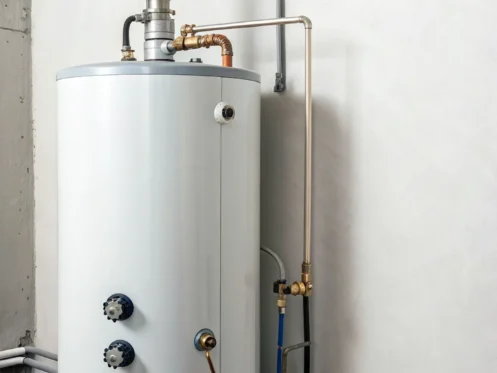
Here in Tucson, our homes and appliances face unique challenges, and our hard water can be particularly tough on plumbing systems. This mineral-rich water can cause sediment to build up in your water heater tank, reducing its efficiency and shortening its lifespan. That’s why a water heater that might last 12 years elsewhere could show signs of trouble much sooner in areas like Oro Valley or Sahuarita. As a local homeowner, it’s important to be aware of these regional factors. This guide will help you understand the specific warning signs to look for, giving you the knowledge of how to know if your water heater needs replacing in our desert climate.
Key Takeaways
- Know the signs of a failing unit: Pay attention to the clear warnings your water heater gives you, such as puddles on the floor, rumbling or popping sounds, and rusty hot water coming from your faucets.
- Use age and cost to guide your decision: For a traditional water heater over 10 years old, replacement is often the best choice, especially if a single repair costs more than half the price of a new unit.
- A professional inspection prevents emergencies: Acting proactively helps you avoid the stress and expense of sudden water damage. An inspection gives you a clear diagnosis so you can plan a repair or replacement on your own terms.
How Long Should a Water Heater Last?
It’s a question every homeowner asks eventually: How much longer will my water heater hold out? While there’s no exact expiration date, understanding the typical lifespan can help you plan ahead and avoid a cold shower or a flooded basement. The longevity of your water heater depends on its type, how well it’s been maintained, and even the quality of your local water supply here in Tucson. Knowing the general age range helps you decide whether a simple repair will do or if it’s time to start budgeting for a replacement.
Typical Lifespan by Type
Most traditional tank-style water heaters, the kind found in the majority of homes, last about 8 to 12 years. If you’ve kept up with regular service, you might get a few extra years out of it. On the other hand, tankless water heaters are built to last much longer, often reaching 20 years or more with proper care. The key to getting the most out of any unit is consistent upkeep. An annual check-up can prevent sediment buildup and catch small issues before they become big problems, which is why a professional maintenance agreement can be a smart investment.
How Age Affects Performance
Once a water heater passes the 10-year mark, it enters its golden years, and you should start paying closer attention. Older units are simply less efficient and more prone to problems. The internal parts begin to wear down, and the risk of a sudden leak increases significantly. A small drip can quickly turn into a major issue, leading to costly water damage in your home. If your unit is getting up there in age, it’s wise to consider a replacement before it fails completely. Our team can help you assess your current system and explore your options for a new, more efficient unit as part of our residential plumbing services.
5 Signs Your Water Heater Is Failing
Your water heater usually gives you a few warnings before it stops working completely. Paying attention to these signs can help you avoid a cold shower and a messy, expensive emergency. If you notice any of these issues happening in your Tucson home, it’s a good idea to have a professional take a look.
Inconsistent or No Hot Water
Are your showers getting shorter because the hot water runs out too quickly? Or maybe it takes forever for the water to heat up at the sink. When your water heater can’t keep up with your daily needs, it’s a clear sign that it’s losing power. This often happens as the heating elements wear out or sediment builds up in the tank, making it less efficient at its one job: heating your water.
Strange Noises
Your water heater should operate fairly quietly. If you start hearing rumbling, popping, or banging sounds coming from the tank, it’s time to pay attention. These noises are usually caused by a buildup of mineral sediment at the bottom of the tank. As the water heats, it has to push through this hardened layer, creating the sounds. This buildup forces your heater to work harder, which can lead to cracks and leaks over time.
Rusty or Cloudy Water
If the hot water coming from your faucets looks brown, orange, or has a metallic taste, it’s a major red flag. This discoloration often means the inside of your water heater tank is rusting away. The rust can mix with your water supply, indicating that the tank’s integrity is compromised. Once internal corrosion starts, a replacement is almost always necessary to ensure you have clean, safe hot water as part of your home’s residential plumbing system.
Leaks and Puddles
Finding water pooling around the base of your water heater is one of the most urgent warning signs. While a leak could come from a fitting or valve, it often indicates a crack in the tank itself. A leaking tank cannot be repaired and will only get worse, leading to significant water damage in your home. If you see any moisture, it’s best to schedule an inspection right away to prevent a bigger problem.
Unpleasant Smells
Does your hot water have a rotten egg smell? This unpleasant odor is typically caused by bacteria growing inside the tank. It can also be a sign that the anode rod, a component that prevents corrosion, is failing. While flushing the tank can sometimes solve the problem, a persistent smell often points to a deeper issue that needs professional attention to keep your water clean and your system healthy.
How to Assess Your Water Heater’s Condition
Before you pick up the phone, there are a few simple checks you can do yourself to get a better sense of your water heater’s health. Taking a few minutes to look things over can help you describe the problem more clearly when you call a professional. Here’s what to look for.
Complete a Visual Inspection
Start with a quick walk-around. The most obvious red flag is any water pooling on the floor around the base of your water heater. This isn’t just a minor drip; it often signals a serious issue like a crack or significant rust in the tank itself. If you see any standing water, it’s a sign that your unit might be on its last legs. You should also check the connections and pipes for any signs of moisture or slow drips, as even small leaks can point to bigger problems with your home’s residential plumbing.
Test the Water Temperature and Pressure
Next, pay attention to how your hot water behaves. Are your showers getting shorter because the hot water runs out faster than it used to? Does it take forever for the water to heat up at the kitchen sink? These are classic signs that your water heater is losing its efficiency. If the water never seems to get as hot as it once did, or if you get a sudden blast of cold water, the heating element or thermostat could be failing. These performance issues are more than just an annoyance; they’re your water heater’s way of telling you it’s struggling to keep up.
Check for Rust and Corrosion
Finally, check the water itself. If your hot water comes out looking brown, orange, or cloudy, it’s a major warning sign. This discoloration often means the inside of your tank is rusting away, and unfortunately, there’s no fixing that. You might also notice a metallic taste or smell. Don’t forget to look at the outside of the unit, too. Any visible rust on the tank or corrosion around the pipe fittings indicates that the system is deteriorating. If you spot any of these signs, it’s a good idea to schedule an inspection with a professional to get a clear diagnosis and avoid a sudden failure.
The Risks of Delaying a Replacement
I know that replacing a water heater probably isn’t at the top of your fun-to-do list. It feels like a big, expensive task that’s easy to push off. But trust me, waiting until your old unit gives out completely can create much bigger problems than just a cold shower. Delaying a replacement isn’t just an inconvenience; it can lead to costly damage, surprise expenses, and a whole lot of stress. Thinking about it proactively helps you stay in control of the situation, your schedule, and your budget. Let’s look at exactly what’s at stake when you put off getting a new water heater.
Potential for Water Damage
A small puddle of water near your water heater might not seem like a big deal, but it’s often the first sign of a serious internal problem, like a crack in the tank or severe rust. If you ignore it, that tiny leak can turn into a major flood without warning. Water damage can ruin your floors, warp drywall, and destroy personal belongings stored nearby. The cleanup and repairs can be incredibly expensive and disruptive. Taking care of your home’s residential plumbing systems proactively is the best way to prevent a small issue from becoming a catastrophic and costly mess.
Higher Energy Bills
Is your utility bill creeping up for no apparent reason? Your aging water heater could be the culprit. As water heaters get older, they lose their efficiency. Sediment builds up inside the tank, forcing the unit to work much harder and run longer to heat the same amount of water. This extra effort translates directly into higher energy consumption and a bigger bill for you each month. Investing in a new, energy-efficient model isn’t just about getting reliable hot water; it’s a smart financial move that can lower your monthly expenses and pay for itself over time.
Unexpected System Failure
There is never a good time for your water heater to fail, but it almost always seems to happen at the worst possible moment, like right before you have guests arriving or in the middle of a cold snap. An abrupt system failure leaves you scrambling for an emergency repair and dealing with the stress of having no hot water. Instead of waiting for a breakdown, it’s much better to plan a replacement on your own terms. You can avoid the panic of a sudden failure and ensure your home runs smoothly by having a new unit installed before the old one quits. If you’re worried your unit is on its last legs, you can schedule an inspection online to get a professional opinion.
Repair or Replace: How to Decide
When your water heater starts acting up, you’re faced with a big question: is it better to repair it or just replace the whole thing? It’s a tough call, especially when you’re staring at a puddle on your garage floor. The right choice depends on a few key factors, including the age of your unit, the cost of the fix, and how often you’ve had to call for service. Thinking through these points can help you make a smart financial decision instead of just a quick fix. Let’s break down how to weigh your options so you can feel confident in your choice.
Compare the Costs
First, let’s talk numbers. A simple repair might seem like the cheaper option upfront, but it isn’t always the most cost-effective solution in the long run. A good rule of thumb is the 50% rule: if a repair costs more than half the price of a new water heater, replacement is usually the better investment. This is especially true if your unit is already getting old. Pouring money into a water heater that’s over 10 years old often means you’ll just be paying for another repair in a few months. Our team can give you a clear, honest quote for both a repair and a new installation to help you compare the costs accurately.
Note the Frequency of Repairs
How often are you and your local plumber on a first-name basis? If you’re calling for water heater repairs more than once a year, your unit is sending you a clear signal. Constant breakdowns are a sign that internal parts are wearing out, and one fix is likely to lead to another. Think of it this way: each service call costs money and time. Those “small” repair bills can add up quickly, and before you know it, you could have paid for a significant portion of a brand-new, reliable water heater. A dependable hot water supply shouldn’t require constant attention.
Consider Long-Term Energy Savings
An older water heater doesn’t just cost you in repairs; it also hits your wallet every month on your utility bill. Water heater technology has improved a lot over the last decade, and new models are significantly more energy-efficient. According to ENERGY STAR, certified modern water heaters use about 10% less energy than older ones. Upgrading to a new, efficient unit can lower your monthly energy costs, and those savings add up year after year. While the initial investment is higher, a new water heater often pays for itself over time through reduced energy consumption and fewer repair bills.
Why a Professional Inspection Is Worth It
Trying to guess whether your water heater is on its last legs can be stressful. A professional inspection takes the guesswork out of the equation, helping you catch potential issues before they turn into a middle-of-the-night emergency. Think of it as a proactive check-up for one of your home’s most important appliances. Getting ahead of a problem can save you from the headache of unexpected cold showers and the high cost of water damage cleanup. It’s always better to replace your water heater on your own terms, not when you’re forced to.
When you schedule an inspection with Fusion Plumbing & Air, our goal is to give you a clear picture of your water heater’s health. We’ll assess its condition, identify any warning signs, and give you straightforward advice so you can make a confident decision. This simple step protects your home and your budget from the fallout of a sudden system failure. Instead of worrying about when it might break down, you can have peace of mind knowing exactly where you stand.
What Our Technicians Check
During a professional inspection, our certified technicians perform a thorough check of your entire water heater system. We look for the common signs of a failing unit, including any rust or corrosion on the tank, which can indicate it’s breaking down from the inside out. We also carefully inspect for water leaks around the base and its connections. Even a small puddle can be a red flag for a bigger problem, sometimes signaling that the tank itself is old and at risk of bursting. We’ll also listen for loud or unusual noises, check for rusty hot water, and confirm that your unit is still heating water effectively.
Get an Honest Recommendation
After our inspection, we’ll sit down with you and explain what we found in plain language. You’ll get an honest, no-pressure recommendation on whether a simple repair will do the trick or if it’s time to consider a replacement. As a general rule, if your water heater is over 10 years old or if a potential repair costs more than half the price of a new unit, replacing it is often the smarter move. Our priority is to provide you with the information you need to make the best financial decision for your home. You can always schedule an appointment online for a time that works for you.
Understand Your Replacement Options in Tucson
If a replacement is the best path forward, we’ll help you understand your options. In Tucson, factors like water hardness and energy efficiency are important considerations. A newer, more efficient water heater can significantly lower your monthly energy bills and reduce the need for frequent repairs, saving you money over time. We can walk you through the different types of water heaters available, from traditional tank models to modern tankless systems, and help you choose one that fits your family’s needs and your budget. Our team handles the entire installation process, ensuring your new unit is set up for reliable performance for years to come.
Related Articles
- Water Heater Leaking? Here’s What to Do Right Now
- Do Plumbers Fix Water Heaters? A Complete Guide
- Tankless Water Heater Repair: A Complete Guide
- Do I Need to Replace My Water Heater | Fusion Plumbing & Air
- How To Know When To Replace The Water Heater | Fusion
Frequently Asked Questions
How often should I have my water heater professionally inspected? It’s a great idea to have a professional look at your water heater once a year. An annual check-up helps catch small issues, like sediment buildup or a worn-out part, before they cause a major failure. This regular maintenance can extend the life of your unit and give you peace of mind, especially if your heater is approaching the 10-year mark.
My water heater is making rumbling noises, but the water is still hot. Can I just ignore it for now? I wouldn’t recommend ignoring those sounds. Rumbling or popping noises are usually caused by a layer of mineral sediment at the bottom of the tank that has hardened. Your heater has to work extra hard to heat water through that layer, which causes stress on the tank. Over time, this can lead to cracks and leaks, so it’s best to have it checked out sooner rather than later.
What can I do to help my water heater last longer? The single best thing you can do is schedule regular professional maintenance. A technician can flush the tank to remove sediment, which is a major cause of inefficiency and damage, especially with Tucson’s hard water. They will also check the anode rod, a key part that prevents rust, and replace it if needed. Consistent care is what helps a water heater reach and sometimes even exceed its expected lifespan.
If I find a puddle of water around my water heater, what should I do first? The first step is to shut off the water supply to the heater to prevent further flooding; there should be a valve on the cold water pipe leading into the unit. Next, if you have a gas heater, turn the gas off. If it’s electric, shut off the power at your circuit breaker. Once you’ve contained the immediate risk, give a professional a call right away to assess the situation.
Are tankless water heaters really that much better than traditional ones? Tankless models offer some great advantages, like a much longer lifespan (often 20 years or more) and significant energy savings since they only heat water on demand. They also take up less space. However, the initial installation cost is higher than for a traditional tank heater. The best choice really depends on your family’s hot water needs, your budget, and your long-term goals for energy efficiency.