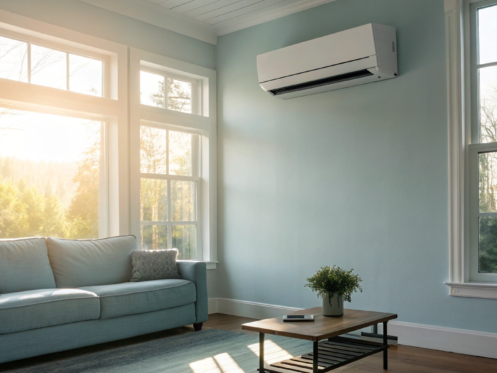
Your air conditioner is trying to tell you something. Hearing it run without feeling any cool air is a clear signal that something is wrong, but what? Solving the mystery of an AC not cooling requires a bit of detective work. The issue could be as simple as a wrong thermostat setting or a dirty filter blocking airflow. Or, it could be a more serious clue pointing to low refrigerant or a failing compressor. This article will serve as your field guide, helping you investigate the most common suspects and interpret the signs your system is giving you. Let’s start gathering the evidence to figure out what’s really going on.
Key Takeaways
- Check the Basics Before You Call: Many cooling problems have simple solutions. Before scheduling a service, confirm your thermostat is set to “cool,” swap out a dirty air filter, and ensure your vents aren’t blocked by furniture.
- Know the Signs of a Serious Issue: Don’t ignore major red flags like ice on your AC lines, hissing or grinding sounds, or a circuit breaker that repeatedly trips. These symptoms point to problems that require a professional technician.
- Prioritize Proactive Maintenance: The easiest way to prevent a mid-summer breakdown is with consistent care. Commit to changing your air filter monthly and scheduling a professional tune-up each spring to keep your system running smoothly.
Why Is My AC Running But Not Cooling?
There’s nothing more frustrating than hearing your air conditioner running on a hot Tucson day, only to realize your home isn’t getting any cooler. When your AC runs but doesn’t cool, it means the fans are working, but the cooling process itself has failed. This can happen for many reasons, ranging from a simple fix you can handle yourself to a more complex issue that needs a professional’s touch. Let’s walk through the most common culprits, starting with the easiest ones to check.
Dirty Air Filter
Your AC’s air filter is its first line of defense, trapping dust, pollen, and other debris from circulating through your home. When it gets clogged, it severely restricts airflow. Think of it like trying to breathe through a thick blanket—the system has to work much harder to pull in air. This strain means not enough warm air can get to the evaporator coils to be cooled, leaving your AC running endlessly without actually lowering the temperature. Checking and changing your air filter is one of the easiest and most important pieces of regular AC maintenance.
Low Refrigerant
Refrigerant is the lifeblood of your air conditioner; it’s the chemical compound that absorbs heat from inside your home and releases it outside. If your system is low on refrigerant, it’s almost always because of a leak. Without enough refrigerant, the heat exchange process can’t happen effectively, and your AC will just blow around room-temperature air. You might also notice ice forming on the copper lines of your outdoor unit. Handling refrigerant requires special certification, so if you suspect a leak, it’s time to call in a professional for AC repair.
Thermostat Issues
Sometimes the problem isn’t with the AC unit itself, but with its “brain”—the thermostat. A simple mistake in the settings can be the cause. For instance, if the thermostat is set to “Fan” instead of “Cool,” the blower will run, but the cooling system won’t engage. It could also be that the batteries are dead or the device is malfunctioning and not properly communicating with your AC unit. Before you panic, double-check that your thermostat is on the correct setting and the target temperature is lower than the current room temperature.
Blocked Vents
Your AC might be producing plenty of cold air, but if that air can’t get into your rooms, you won’t feel it. This often happens when air vents (also called registers) are blocked. Take a quick tour of your home and check that all your supply vents are open and not obstructed by furniture, rugs, or curtains. Blocked vents disrupt the system’s airflow balance, which can create pressure buildups and prevent cool air from circulating where you need it most. It’s a simple check that can make a huge difference.
Dirty Coils
Your AC has two sets of coils that work together: the evaporator coil inside and the condenser coil outside. The evaporator coil absorbs heat from your indoor air, while the condenser coil releases that heat outdoors. Over time, both can get covered in a thick layer of dirt and grime. This buildup acts like an insulator, making it much harder for the coils to do their job of transferring heat. The result is a system that runs inefficiently and struggles to cool your home. Regular professional maintenance is the best way to keep these coils clean and working properly.
Compressor Failure
The compressor is the heart of your outdoor AC unit. Its job is to pressurize and circulate the refrigerant through the system, which is essential for the cooling cycle. If the compressor fails, the entire heat transfer process comes to a halt. The fans in your indoor and outdoor units might still run, but without a working compressor, the refrigerant isn’t moving, and no cooling will occur. A failed compressor is a serious issue and one of the more expensive repairs, often signaled by loud or unusual noises from the outdoor unit.
Electrical Problems
Your air conditioner relies on a series of electrical components to function correctly, and a problem with any of them can stop the cooling process. A tripped circuit breaker or a blown fuse could cut power to your outdoor condenser unit while leaving the indoor fan running. Other common culprits include a faulty capacitor, which helps the motors start and run, or frayed wiring. If you’ve checked your breaker box and the issue persists, it’s best to schedule a service call. Electrical work can be dangerous and is best left to a certified technician.
AC Not Cooling? Check These 4 Things First
When your AC runs but your home stays hot, it’s easy to assume the worst. But before you panic, a few basic checks can help you identify—and sometimes fix—the problem yourself. If these steps don’t bring back the cool air, you’ll know it’s time to call in the pros for AC repair.
Confirm Your Thermostat Settings
First, head to your thermostat. Incorrect settings are a common culprit. Make sure the system is set to “COOL” and the fan is on “AUTO.” If the fan is set to “ON,” it will run continuously, blowing air even when the cooling cycle is off. Switching it to “AUTO” ensures the fan only runs when the AC is actively cooling, which is what you want for a comfortable home.
Inspect Your Air Filter
A clogged air filter is a top reason an AC stops cooling. It restricts airflow, forcing your system to work much harder and eventually fail to cool. Pull out your filter and hold it to the light. If you can’t see through it, it’s time for a replacement. In a dusty climate like Tucson’s, it’s smart to check your filter monthly to keep your system running smoothly.
Check Your Vents and Registers
Your AC might be working perfectly, but if the cool air can’t get into your rooms, you won’t feel it. Walk through your home and check all the air vents. It’s easy for them to get blocked by furniture, curtains, or rugs. Make sure every vent is open and has a clear path for air to flow. This simple step can make a huge difference in your home’s comfort.
Look at the Outdoor Unit
The outdoor part of your AC, the condenser, releases heat from your home. If it’s covered in dirt, leaves, or grass, it can’t do its job. The coils get clogged and trap heat, preventing your system from cooling. Carefully clear away debris from around the unit, ensuring at least two feet of clear space. For a deeper clean, professional maintenance is your best bet.
How a Dirty Air Filter Stops Your AC From Cooling
A dirty air filter is a surprisingly common culprit when your AC isn’t cooling your home properly. It’s a small part that plays a huge role in your system’s overall health and performance. When it gets clogged with dust, pet dander, and other airborne particles, it creates a domino effect that can leave you feeling the heat. Understanding how this simple component impacts your entire cooling system can save you from unnecessary discomfort and expensive repair bills. Let’s look at the specific ways a dirty filter can sabotage your comfort.
Restricts Airflow
A clean air filter allows air to pass through easily, but a dirty one is like a roadblock. When the filter is clogged, it severely restricts the amount of air that can get into your HVAC system. Think of it like trying to breathe with a stuffy nose—it takes a lot more effort. This blockage means your AC can’t pull in enough warm air to cool, and it can’t push enough cool air back out into your home. You might notice weak airflow coming from your vents, and some rooms may feel much warmer than others. This simple issue is often the root cause of inadequate cooling performance.
Reduces Energy Efficiency
When your AC has to fight to pull air through a clogged filter, it works much harder than it should. This extra effort requires more energy, which directly translates to higher utility bills. You end up paying more for less comfort. According to the Department of Energy, regularly replacing a dirty, clogged filter can lower your air conditioner’s energy consumption by 5% to 15%. Keeping your filter clean is one of the easiest and most effective ways to maintain your system’s efficiency and keep your summer energy costs in check. It’s a small task with a big impact on your wallet.
Strains Your System
The constant struggle to move air puts significant strain on your entire AC system, especially the fan motor. This added stress can cause parts to wear out faster, leading to premature breakdowns and costly repairs. Over time, a consistently dirty filter can even contribute to a complete system failure, forcing you to replace the unit much sooner than expected. Protecting your investment starts with simple upkeep. By making filter changes a regular part of your home maintenance routine, you can prevent unnecessary wear and tear and extend the life of your HVAC system. Our maintenance agreements always include this essential check.
Signs It’s Time for a New Filter
Not sure if your filter is the problem? Your AC will give you a few tell-tale signs. If you notice that the air coming from your vents feels weaker than usual, that’s a major red flag. You might also see your energy bills creeping up without any other explanation. Another common symptom is your AC unit cycling on and off more frequently as it struggles to reach the temperature set on your thermostat. Of course, the most obvious sign is the filter itself—if you pull it out and it looks gray, dusty, or clogged, it’s definitely time for a change. Check it monthly and replace it as needed to keep your system running smoothly.
Spotting the Signs of a Refrigerant Leak
A refrigerant leak is one of those AC issues that definitely isn’t a DIY fix. Refrigerant, often known by the brand name Freon, is the chemical that cools the air in your system. When it leaks out, your AC can’t do its job, and the problem will only get worse. Catching the signs early can save you from a much bigger headache and a more expensive repair down the line.
Key Warning Signs
The most obvious sign of low refrigerant is your AC running but not blowing cold air. You might feel cool—but not cold—air coming from your vents, or it might feel lukewarm. You may also notice that your air conditioner has to run much longer than it used to just to cool your home down a few degrees. Because the system is working overtime, you’ll likely see a sudden spike in your energy bills. If your home just isn’t getting comfortable no matter how low you set the thermostat, a refrigerant leak is a likely suspect.
Ice on the Coils
It seems counterintuitive, but ice forming on your AC unit is a classic sign of a cooling problem. A refrigerant leak causes a pressure drop inside the system, making the evaporator coils extremely cold. This causes moisture in the air to freeze onto the coils, creating a layer of ice. If you spot ice on the copper refrigerant lines or the indoor or outdoor coils, turn your AC system off immediately. This allows the ice to melt and can help prevent serious damage to your compressor. Once it’s off, it’s time to call for professional cooling services.
Hissing or Bubbling Noises
Your air conditioner should run with a consistent, low hum. If you suddenly hear unusual sounds, pay close attention. A hissing or bubbling sound coming from your AC unit often indicates an active refrigerant leak. The hissing is the sound of the refrigerant gas escaping from a crack in the coils or lines. These noises are a clear signal that your system is losing refrigerant and needs immediate attention from a qualified technician to find and seal the leak.
What to Do Immediately
If you suspect a refrigerant leak, the first thing you should do is turn your air conditioner off completely at the thermostat. This stops the system from running with low refrigerant, which can cause severe and costly damage to the compressor—the heart of your AC unit. Don’t try to chip away at any ice or poke around the unit yourself. The next and most important step is to call a professional. A certified technician can safely locate the leak, repair it, and recharge your system with the correct amount of refrigerant.
Why You Shouldn’t Handle Refrigerant Yourself
Handling refrigerant is a job exclusively for certified professionals for two big reasons: safety and legality. Refrigerant is a chemical that can be harmful. Direct contact can cause frostbite on your skin, and inhaling the fumes can lead to dizziness or other health issues. Plus, the Environmental Protection Agency (EPA) requires technicians to have special certification to handle refrigerants to prevent environmental damage. Our team has the training and tools to manage refrigerant safely, so you can schedule an appointment online with confidence.
Could an Electrical Problem Be the Culprit?
When your air conditioner stops cooling, your first instinct might be to check the thermostat or the unit itself. But sometimes, the problem isn’t with the AC at all—it’s with the electrical system that powers it. Electrical issues are a common source of cooling failures, preventing your system from getting the power it needs to function correctly. From a simple tripped breaker to more complex wiring problems, an interruption in the electrical supply can shut your whole system down.
While some electrical checks are straightforward enough for a homeowner to handle, many require a professional touch. Faulty wiring or failing components can be dangerous to diagnose and repair without the right training and tools. Understanding the signs of an electrical issue can help you identify the problem and know when it’s time to call for expert cooling services. If your AC unit won’t turn on, makes strange buzzing sounds, or repeatedly trips a circuit breaker, an electrical fault is a likely suspect.
Tripped Breakers or Blown Fuses
One of the most common electrical issues is a tripped circuit breaker. Your breaker box is designed to protect your home’s electrical system and appliances from power surges. If the circuit dedicated to your AC unit becomes overloaded, the breaker will “trip,” cutting off power as a safety measure. This can happen during a power surge or if the AC motor is drawing too much electricity.
Before you do anything else, find your home’s main electrical panel and look for the breaker connected to your air conditioner. If it’s in the middle or “off” position, you can try resetting it by flipping it completely off and then back on. If the AC starts working again, you’re all set. However, if the breaker trips again right away, don’t keep resetting it. This indicates a deeper problem that needs a professional diagnosis.
Faulty Wiring
Over time, the electrical wiring that powers your AC unit can become frayed, loose, or damaged. This can be caused by anything from normal wear and tear to pests chewing on the wires. Faulty wiring is a serious issue because it can prevent your AC from getting consistent power, leading to intermittent operation or a complete shutdown. You might hear buzzing sounds or notice a faint burning smell near your unit, which are clear warning signs.
Because of the risk of electrical shock and fire, you should never attempt to fix wiring issues yourself. This is a job strictly for a qualified technician. A professional can safely inspect the connections at the unit, the thermostat, and the breaker box to find the source of the problem and perform the necessary repairs to get your system running safely again.
Capacitor and Motor Issues
Inside your air conditioner, a component called a capacitor acts like a battery, providing the initial jolt of energy needed to start the compressor and fan motors. When a capacitor fails, the motors may struggle to start or won’t start at all. You might hear a humming or clicking noise as the motor tries to turn on without success. In some cases, the fan might run, but the compressor won’t engage, so your AC will blow warm air instead of cold.
Like faulty wiring, replacing a capacitor is not a DIY project. Capacitors store a powerful electrical charge even when the power is off, and mishandling them can result in a severe electrical shock. If you suspect a bad capacitor is the problem, it’s best to have a professional technician test and replace it safely.
When to Check Your Breaker Box
If your AC system suddenly stops working, the very first electrical check you should perform is at your breaker box. It’s a simple step that can sometimes solve the problem in seconds and save you the cost of a service call. Head to your electrical panel—often found in a garage, basement, or utility closet—and locate the circuit breaker labeled for your “AC,” “HVAC,” or “Air Conditioner.”
Check to see if the switch has been tripped to the “off” or middle position. If it has, firmly push it to the “off” position before flipping it back to “on.” If this restores power and your AC starts cooling again, you’ve found the culprit. If it trips again, however, it’s a clear signal that there’s an underlying issue causing an overload. At that point, it’s time to stop troubleshooting and call for professional AC repair.
Safe DIY Fixes to Try Before You Call for Help
When your AC stops cooling, especially during a Tucson summer, it’s easy to feel a little panic. But before you pick up the phone, there are a few simple, safe things you can check yourself. Sometimes, the solution is surprisingly easy and can save you the time and cost of a service call. These quick troubleshooting steps can help you rule out common issues. If you run through these fixes and the air still isn’t cold, you’ll know it’s definitely time to bring in a professional for cooling services.
Check Your Thermostat and Breaker Box
First, let’s start with the control center: your thermostat. Make sure it’s set to “cool” and the temperature is set lower than the current room temperature. It sounds basic, but it’s a common oversight! Also, check that the fan is set to “auto,” not “on.” If the fan is always on, it will circulate air even when the cooling cycle is off, making the air feel warmer. If the thermostat settings are correct, head to your home’s breaker box. Find the breaker for your AC unit and see if it has been tripped. If it’s in the middle or off position, flip it completely off and then back on again.
Clear Debris Around the Outdoor Unit
Your air conditioner’s outdoor unit, the condenser, needs to breathe. Over time, leaves, grass clippings, dirt, and other yard debris can build up around it, blocking airflow and making it work harder to cool your home. Take a walk outside and inspect the unit. Carefully clear away any debris from the sides of the condenser. For finer dirt and dust, you can gently rinse the unit with a garden hose—just be sure to turn the power off at the breaker first. Keeping this area clean is a simple way to maintain your system’s efficiency.
Safely Reset Your AC System
If the thermostat and condenser look good, a simple system reset might do the trick. Think of it like restarting your computer when it’s acting up; it can often clear minor electronic glitches. To do this safely, start by turning off your thermostat. Next, go to your breaker box and switch off the breaker that powers your AC unit. Leave it off for a full minute to allow the system to reset completely. Then, turn the breaker back on and switch your thermostat back to the “cool” setting. Give it a few minutes to see if cold air starts flowing.
Look for Obvious Ductwork Issues
Your ductwork is the delivery system for all that wonderful cold air. If there’s a problem with the ducts, the air might not be making it to your rooms. You don’t need to crawl through your attic, but you can do a quick visual check. Look at any accessible ductwork in your garage, basement, or closets. Do you see any sections that have come apart or have large, obvious holes? Also, make sure all your vents are open and not blocked by furniture or rugs. If you spot a major issue with your ducts, it’s best to schedule an appointment to have it professionally repaired.
Know When to Call a Professional for AC Repair
While there are a few AC fixes you can handle on your own, some problems are complex, dangerous, or require specialized tools. Trying to tackle these issues yourself can lead to more expensive damage or, worse, put your safety at risk. Knowing when to step back and call in a certified technician is key to getting your home cool again quickly and safely. If you’ve tried the basic checks and are still sweating it out, it’s probably time to let an expert take a look.
Refrigerant Leaks
If your AC is running but the air feels warm, you might have a refrigerant leak. Refrigerant is the substance that actually cools the air, and if it’s low, your system can’t do its job. You might also notice ice building up on the copper lines or hear a hissing sound. Because refrigerant is a regulated chemical, handling it requires special certification and equipment. This is not a DIY situation. A professional technician can find the source of the leak, repair it, and safely recharge your system with the correct amount of refrigerant.
Electrical Repairs
Electrical issues are another common reason for an AC to stop cooling, and they should always be handled by a professional. If your circuit breaker trips every time the AC kicks on, it’s a clear sign of an underlying electrical problem. This could be anything from faulty wiring to a failing motor. Attempting to fix these problems without proper training is extremely dangerous and can pose a fire hazard. For any electrical issues with your system, it’s best to schedule a professional AC repair to ensure everything is handled safely and correctly.
Compressor Problems
Think of the compressor as the heart of your air conditioning system. It’s responsible for circulating refrigerant between the indoor and outdoor units. If the compressor fails, your AC won’t cool at all. Diagnosing and fixing compressor issues is a complex job that requires a deep understanding of how HVAC systems work. It’s a critical component, and an incorrect repair can easily lead to irreversible damage, forcing you to replace the entire unit. If you suspect a compressor problem, calling a pro is the smartest move.
When You Have Safety Concerns
Your senses can tell you a lot about your AC’s health. If you notice anything that feels unsafe, don’t hesitate to call for help. Strange noises like grinding, squealing, or banging are major red flags. A burning smell could indicate an electrical problem, while a hissing sound often points to a refrigerant leak. If you see ice forming on the coils, turn the system off immediately to prevent further damage. When it comes to your home and family’s safety, it’s always better to be cautious and let a trained technician from a trusted HVAC company take over.
How to Prevent Cooling Problems in the Future
An ounce of prevention is worth a pound of cure, especially when it comes to your AC in the middle of a Tucson summer. Staying ahead of potential issues not only saves you from a sweltering home but also helps you avoid expensive emergency repairs. By incorporating a few simple habits into your routine, you can keep your air conditioner running smoothly and efficiently all season long. Here’s how you can prevent common cooling problems before they start.
Stick to a Filter Replacement Schedule
One of the easiest and most effective ways to maintain your AC is by regularly changing the air filter. A dirty filter chokes your system, restricting airflow and forcing it to work much harder to cool your home. This extra strain can lead to reduced efficiency, higher energy bills, and even system failure. During the hot summer months, you should plan to change your filter every month. In the off-season, every three months is usually sufficient. Set a recurring reminder on your phone—it’s a five-minute task that can save you a major headache and is a key part of our recommended cooling services.
Keep Coils and Outdoor Units Clean
Your outdoor AC unit, or condenser, is responsible for releasing the heat pulled from inside your home. For it to work properly, it needs clear, unobstructed airflow. Take a walk outside and check on your unit periodically. Remove any leaves, grass clippings, or other debris that has collected around it. It’s also a good idea to trim back any shrubs or plants to give the unit at least two feet of clearance on all sides. You can even gently rinse the exterior fins with a garden hose to wash away dust and dirt, which helps the system cool more effectively.
Schedule Professional Tune-Ups
While DIY maintenance is helpful, nothing replaces a professional inspection. Regular maintenance checks can extend the life of your air conditioner and ensure it runs at peak efficiency. During a tune-up, a certified technician will clean internal components, check refrigerant levels, inspect electrical connections, and identify any small issues before they become major problems. We recommend scheduling a professional visit each spring before the summer heat arrives. Signing up for a maintenance agreement is a great way to make sure you never miss a tune-up and keep your system in top shape.
Follow a Seasonal Prep Checklist
Getting your AC ready for summer doesn’t have to be complicated. A simple seasonal checklist can make all the difference. As the weather starts to warm up, start by putting in a fresh air filter. Next, head outside to clear any debris from around your condenser unit. It’s also smart to test your system for a few hours on a mild day to make sure everything is working correctly before the first real heatwave. The most important step? Get your professional tune-up on the calendar. You can easily schedule online to have one of our experts ensure your system is ready to handle the season.
Related Articles
- Should I Replace vs. Repair My Air Conditioning Unit | Fusion
- AC Noises To Keep In Mind And How To Fix Them | Fusion
- 10 Reasons Why Your AC Unit Is Short Cycling | Fusion
- 6 Steps For AC Health In The Summer | Fusion Plumbing & Air
- How To Clean My AC Unit | Fusion Plumbing & Air
Frequently Asked Questions
How often should I really change my air filter in a dusty place like Tucson? In our dusty desert climate, your air filter works overtime. A good rule of thumb is to check it every 30 days, especially during the heavy-use summer months and monsoon season. If you have pets or allergy sufferers at home, you’ll definitely want to stick to a monthly schedule. A clean filter is the single best thing you can do to help your AC breathe easy and run efficiently.
My AC isn’t blowing cold air. Can’t I just get the refrigerant “topped off”? This is a common misconception. Your air conditioner operates in a closed loop, meaning it doesn’t “use up” refrigerant like a car uses gas. If your system is low on refrigerant, it’s because there is a leak somewhere. Simply adding more without fixing the leak is only a temporary patch that ignores the root problem. A professional needs to find and repair the leak to provide a lasting solution.
What should I do if my AC breaker keeps tripping? A circuit breaker that trips repeatedly is a serious warning sign. It’s your home’s safety system telling you that the AC is drawing too much electricity, which could be caused by a failing part or a dangerous wiring issue. Do not keep resetting it. Turn the system off and call a certified technician to diagnose the electrical fault safely.
Why is it bad to run my AC if there’s ice on the coils? Seeing ice on your AC unit means something is wrong, usually low refrigerant or poor airflow. Continuing to run the system with ice buildup can cause major problems. The ice acts as an insulator, blocks airflow, and puts immense strain on the compressor. This can lead to a complete system failure, which is a far more expensive repair. Turn the unit off to let it thaw and call for service.
What’s the real difference between the “ON” and “AUTO” fan settings on my thermostat? When your fan is set to “AUTO,” it only runs when the air conditioner is actively cooling your home. This is the most efficient setting for comfort and energy savings. If you set the fan to “ON,” it will run continuously, 24/7, even when the cooling cycle is off. This circulates air constantly but can make your home feel less cool and more humid, as it doesn’t give moisture time to drain from the coils.