
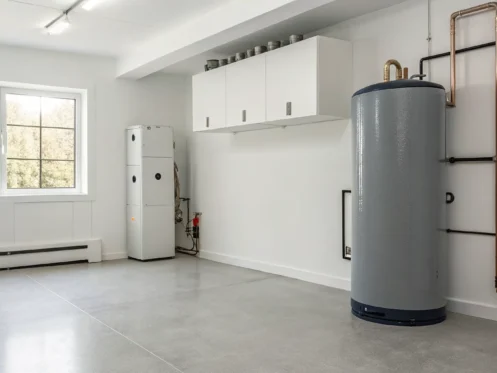
There are two ways a water heater replacement usually happens: you either plan for it, or it fails suddenly, leaving you with a cold shower and a flooded garage. A planned replacement gives you time to research options and find the best fit for your home and budget. An emergency replacement often comes with higher costs and rushed decisions. Understanding the full picture of the water heater replacement cost ahead of time is the best way to prepare. This article will walk you through the expenses, from the unit itself to installation, so you can make a smart, proactive choice for your Tucson-area home.
Key Takeaways
- Budget for the full installation: Your total cost includes more than just the water heater; it covers professional labor, permits, potential system upgrades, and the disposal of your old unit.
- Consider the long-term value: A cheaper tank might save you money today, but an energy-efficient tankless or hybrid model can pay for itself over time through lower monthly utility bills.
- Be proactive to lower your cost: If it’s not an emergency, take time to research tax credits and rebates, ask about financing plans, and compare quotes from reputable professionals to get the best value.
How Much Does a New Water Heater Cost?
Figuring out the price for a new water heater can feel like a moving target. The final cost isn’t just about the sticker price on the unit; it includes the type of heater, its size, and the complexity of the installation. Whether you’re in Tucson, Oro Valley, or Sahuarita, the right water heater for your home depends on your family’s needs and your budget. Let’s break down the typical costs for the most common types of water heaters so you can get a clearer picture of the investment.
Traditional Tank Water Heaters
This is the classic water heater you’re probably most familiar with. A traditional tank model keeps a reservoir of water hot and ready for you. The total replacement cost, including installation, typically falls between $1,900 and $9,000. The unit itself can range from about $600 to $2,500, with the final price depending on factors like the tank size (a 40-gallon tank is common for many families), fuel type, and brand. For many homeowners, this remains a reliable and cost-effective choice for their residential plumbing needs. A larger tank will cost more upfront, but it’s essential for ensuring you don’t run out of hot water during peak use.
Tankless Water Heaters
If you’re interested in energy efficiency and an endless supply of hot water, a tankless water heater is an excellent option. These units heat water on demand instead of storing it, which can lead to long-term savings on your utility bills. The upfront cost, including installation, is generally between $1,400 and $3,900. While the initial investment can be higher than a traditional tank, tankless models can last 20 years or more, almost double the lifespan of some tank heaters. They also take up much less space, which is a great perk for smaller homes or utility closets.
Hybrid (Heat Pump) Water Heaters
Hybrid models, also known as heat pump water heaters, are the most energy-efficient option on the market. They work by pulling heat from the surrounding air and transferring it to the water. This technology makes them incredibly efficient, but also more expensive upfront, with costs ranging from $3,500 to $9,000. While the initial price is higher, the significant savings on your monthly electricity bills can offset the cost over the unit’s lifespan. If reducing your home’s energy consumption is a top priority, a hybrid water heater is definitely worth considering. Regular check-ups under a maintenance agreement can also ensure it runs at peak efficiency for years.
Gas vs. Electric: How It Affects the Price
The fuel source your water heater uses plays a big role in both its purchase price and long-term operating cost. Generally, electric water heaters are slightly cheaper to buy, with a typical range of $2,000 to $4,500. Natural gas models are often in a similar range, from $1,900 to $4,500. The bigger difference comes in your monthly bills. In many areas, natural gas is less expensive than electricity, so a gas water heater can save you money over time. Your home’s existing connections will be a major factor in this decision, as adding a new gas line can increase installation costs. We can help you evaluate your home’s setup and decide which option makes the most sense for your heating services and budget.
What Factors Drive Your Total Replacement Cost?
When you get a quote for a new water heater, you’ll notice the final price is more than just the cost of the unit itself. Several key factors come together to determine your total investment, which can range from around $1,900 to over $9,000. The type and size of the heater you choose, where it’s located in your home, and even the brand’s reputation all play a significant role.
Understanding these variables helps you see exactly where your money is going. It also prepares you to ask the right questions when you get a quote from a professional. A straightforward installation of a basic model will cost much less than a complex job involving a high-efficiency unit. Let’s break down the main components that influence the price of your residential plumbing project so you can create a realistic budget.
The Right Size and Capacity for Your Home
It makes sense that a larger water heater costs more than a smaller one, but choosing the right size is about more than just the initial price. A unit that’s too small will leave you with cold showers, while one that’s too large will waste energy and money every month. Your technician will help you select the perfect capacity based on your household size and water usage habits.
To give you a general idea, a standard gas or electric tank heater can run from $1,900 to $4,500 installed. If you’re looking at a more efficient tankless model, you can expect a price between $3,500 and $6,000. High-efficiency hybrid or heat pump water heaters are at the top of the range, typically costing $3,500 to $9,000.
Installation Difficulty and Location
Where your water heater lives in your home can have a big impact on labor costs. If the unit is in an easily accessible spot like a garage, the installation will be simpler and more affordable. However, if it’s tucked away in a tight closet, a cramped attic, or a hard-to-reach crawl space, the job becomes more complex and time-consuming for the technicians.
Other factors can also increase the cost. If your new water heater requires new water lines, gas pipes, or electrical wiring, that additional work will be factored into the final price. In some cases, permits are required for installation, which can add anywhere from $25 to $300 to the total. You can schedule an appointment online for a professional to assess your specific setup.
Brand Quality and Energy Efficiency
When you’re shopping for a water heater, you’ll find a wide range of brands at different price points. While it can be tempting to go for the cheapest option, investing in a well-known, reputable brand often pays off in the long run. These units typically come with better warranties, more reliable performance, and a longer lifespan, saving you from premature replacement costs.
Similarly, energy-efficient models usually have a higher upfront cost but can lead to significant savings on your monthly utility bills. A tankless or hybrid water heater might cost more to install, but its lower operating costs can offset the initial investment over time. Regular service through a maintenance agreement is also key to protecting your investment and ensuring it runs efficiently for years.
Your Location and Local Labor Rates
Labor is one of the biggest components of your total replacement cost, often making up more than half of the final bill. The rates for professional plumbers vary depending on where you live, so costs in Tucson might be different from those in other cities. This is why getting a quote from a local, trusted company is so important for an accurate estimate.
The type of unit you choose also affects labor costs. Installing a traditional tank-style water heater is generally a more straightforward process, with labor costs typically falling between $150 and $450. A tankless water heater, on the other hand, requires more complex plumbing and venting work, so labor can range from $600 to $1,900. At Fusion Plumbing & Air, we provide clear, upfront pricing for homeowners in Tucson, Marana, and Sahuarita.
How Much Should You Budget for Professional Installation?
When you get a quote for a new water heater, you’ll notice the total price is much more than just the cost of the unit itself. Professional installation is a significant part of the investment, and honestly, it’s the most important one. This isn’t a simple DIY project. You’re dealing with water, gas or high-voltage electricity, and ventilation, all of which need to be handled correctly to keep your home and family safe. A licensed plumber ensures your new unit is installed to code, runs efficiently, and is covered by its warranty.
So, what exactly are you paying for? The total installation cost depends on a few key things: the type of water heater you choose, whether your home needs any modifications to accommodate it, and local permit requirements. Understanding these components will help you make sense of your quote and see why hiring a pro is money well spent. Let’s break down what goes into the cost of a professional installation so you can budget with confidence.
What Goes Into Labor Costs?
Labor often accounts for more than half of your total replacement cost. This fee covers the time and expertise of the certified technicians who will safely disconnect and remove your old unit, put the new one in place, and make sure everything is connected and running perfectly. For a standard tank-style water heater, labor can range from a few hundred dollars, while installing a more complex tankless unit can be significantly more. You’re not just paying for someone to carry a heavy appliance; you’re paying for their training, insurance, and the peace of mind that comes from knowing the job was done right.
Installing a Tank vs. a Tankless Unit
The type of water heater you choose has a big impact on installation costs. If you’re simply swapping an old tank heater for a new one of the same size and type, the job is pretty straightforward. However, if you’re upgrading from a traditional tank to a tankless model, the installation is more involved. This switch often requires rerouting water lines, upgrading gas lines for proper flow, and installing new ventilation. These extra steps require more time and materials, which is why the installation cost for a tankless water heater is typically higher than for a standard tank.
Extra Plumbing or Electrical Needs
Sometimes, a new water heater installation reveals that your home’s existing infrastructure needs an update. For example, if you’re moving the unit to a new location or if your current plumbing or electrical wiring isn’t up to code, your technician will need to make adjustments. This could involve running new water lines, installing a new electrical circuit, or upgrading a gas line. While these modifications add to the overall cost, they are essential for the safe and efficient operation of your new water heater. A full-service company can handle all these residential plumbing and electrical tasks in one go.
Factoring in Permits and Inspections
Most cities and towns, including Tucson, Marana, and Sahuarita, require a permit for water heater installation. This isn’t just red tape; it’s a safety measure to ensure the work is performed correctly and meets all local building codes. The cost of a permit can range from about $25 to over $250, depending on your location. A reputable plumbing company will handle the entire permitting process for you, from filing the paperwork to scheduling the final inspection. This fee is a small price to pay for the assurance that your installation is safe, compliant, and professionally verified.
What Hidden Costs Should You Prepare For?
When you get a quote for a new water heater, the price of the unit and the basic installation are usually front and center. But the final bill can sometimes include costs you didn’t see coming. Being aware of these potential expenses ahead of time helps you create a realistic budget and avoid surprises. From disposing of your old unit to making sure your home is up to current safety standards, several factors can add to the total cost.
Understanding these variables is key to a smooth replacement process. A professional plumber will outline these needs in their quote, but it’s always smart to know what to ask about. These “hidden” costs are often necessary for a safe and compliant installation, ensuring your new water heater works perfectly for years to come. Let’s break down what you should be prepared for.
Disposing of Your Old Water Heater
Once your new water heater is installed, the old one has to go somewhere. You can’t just leave it on the curb with your weekly trash. Water heaters are bulky and contain materials that need to be disposed of properly according to local regulations in areas like Tucson and Oro Valley. Many homeowners are surprised to learn there’s a fee for this service. A professional company like Fusion Plumbing & Air will typically include the disposal of your old unit in their replacement service, but it’s always a good idea to confirm this when you get your quote. This ensures your old tank is handled responsibly without you having to figure out the logistics.
The Added Cost of an Emergency Replacement
A water heater never fails at a convenient time. If you wake up to a cold shower or a leaking tank on a weekend or holiday, you’ll need an emergency replacement. While getting the problem fixed quickly is the top priority, be prepared for the cost to be higher. Emergency service calls outside of standard business hours often come with a premium charge. The best way to avoid this situation is with preventative care. Regular maintenance can catch small issues before they become catastrophic failures, saving you the stress and extra expense of an urgent, after-hours call. You can always schedule an appointment online to get ahead of potential problems.
Potential Upgrades to Your Home’s Systems
Switching to a different type of water heater can involve more than a simple swap. For example, if you’re upgrading from a standard electric tank to a gas tankless model, you’ll need new gas lines and ventilation. Even moving from a tank to a tankless electric unit might require significant electrical work to handle the higher power demand. These modifications to your home’s systems add labor and material costs to the project. When you get a quote, your plumber should assess your current setup and detail any necessary upgrades for your new unit to function safely and efficiently.
Updates to Meet Current Safety Codes
If you live in an older home in Marana or Sahuarita, your original plumbing and venting might not meet today’s building codes. Safety standards evolve, and a water heater replacement is the perfect time to bring your system up to date. Common code-required updates include installing a thermal expansion tank, upgrading water or gas pipes, or improving the ventilation route. These are not optional add-ons; they are legal requirements to ensure your family’s safety and pass a city inspection. A qualified technician will know the local codes and include any necessary updates in your estimate, protecting you from future issues. Regular maintenance checks can also identify code-related issues early.
How to Save Money on Your Water Heater Replacement
A new water heater is a significant investment, but it doesn’t have to break the bank. With a little planning and research, you can find ways to lower the overall cost without sacrificing quality. Thinking strategically about your purchase can lead to immediate discounts and long-term savings on your utility bills. Let’s walk through some practical steps you can take to make your water heater replacement more affordable. From government incentives to smart shopping, there are several paths to a better price.
Look for Tax Credits and Rebates
Before you buy, check for available financial incentives. You may be eligible for federal tax credits of up to $2,000 if you choose a high-efficiency model like a hybrid heat pump water heater. These credits are designed to encourage homeowners to install energy-saving appliances. On top of that, many local utility companies in the Tucson area offer their own rebates for similar upgrades. A quick search on your utility provider’s website or a call to their customer service line can uncover savings you might have otherwise missed.
Explore Financing and Payment Plans
A large, one-time payment can be a major hurdle for many homeowners. The good news is you don’t always have to pay for everything at once. Many professional plumbing companies understand this and offer financing options that allow you to spread the cost over several months or years. This makes the expense much more manageable by breaking it down into predictable monthly payments. At Fusion Plumbing & Air, we provide flexible financing solutions to help you get the reliable hot water you need without the upfront financial strain.
Weigh Upfront Cost vs. Long-Term Savings
It’s tempting to choose the water heater with the lowest price tag, but that isn’t always the most cost-effective decision. Energy-efficient models, like tankless or hybrid units, often have a higher initial cost but can lead to significant savings on your monthly energy bills. Over the lifespan of the unit, these savings can easily outweigh the higher purchase price. Think of it as an investment in your home’s efficiency. Pairing an efficient unit with a regular maintenance agreement ensures it runs optimally for years, maximizing your return.
Get Multiple Quotes and Plan Ahead
If your water heater isn’t in an emergency failure state, you have the advantage of time. Use it to gather quotes from a few different reputable plumbing companies. This allows you to compare not just the price but also the proposed equipment, warranty, and the company’s reputation. Planning ahead helps you avoid the premium you’d pay for an emergency replacement. When you’re ready to get a clear, no-obligation estimate, you can schedule an appointment online with our team to see how we can help.
Related Articles
- Gas Water Heater Replacement: What You Need to Know
- Hot Water Tank Replacement: A Complete Guide
- Water Heater Leaking? Your Step-by-Step Guide
- How to Know If Your Water Heater Needs Replacing
Frequently Asked Questions
How do I know which type of water heater is best for my home? The best choice really depends on your priorities. If you’re looking for a reliable and budget-friendly option, a traditional tank water heater is a great fit. If you want endless hot water and long-term energy savings, a tankless model is an excellent investment. For homeowners focused on maximum energy efficiency and lowering their carbon footprint, a hybrid water heater is the top of the line. Consider your family’s size, your daily hot water usage, and your budget to help narrow down the right fit.
Is it really worth paying more for an energy-efficient model? In most cases, yes. While tankless and hybrid water heaters have a higher initial price, they can save you a significant amount of money on your monthly utility bills. Over the lifespan of the unit, which is often much longer than a standard tank heater, these savings can more than make up for the upfront cost. Think of it as an investment that pays you back over time through lower energy consumption.
How can I tell if my water heater needs to be replaced soon? There are a few key warning signs to watch for. If your water heater is approaching 10 years old, it’s a good time to start planning for a replacement. Other red flags include rusty or discolored water coming from your taps, rumbling or popping noises from the tank, or finding small puddles of water around the unit. Catching these signs early can help you avoid a messy and expensive emergency failure.
Can I save money by installing the water heater myself? While it might seem like a way to cut costs, installing a water heater is a job best left to professionals. You’re dealing with high-voltage electricity or natural gas lines, as well as complex plumbing connections. A mistake can lead to dangerous leaks, property damage, or even void your new unit’s warranty. A licensed plumber ensures the installation is done safely, correctly, and up to local code.
What’s the difference between an estimate and a quote? An estimate is a general ballpark figure for your replacement cost, often given over the phone based on average prices. A quote, on the other hand, is a firm, detailed price that a technician provides after inspecting your home in person. A formal quote accounts for your specific plumbing setup, any necessary code upgrades, and the exact model you choose, which helps you avoid any surprise fees on the final bill.