
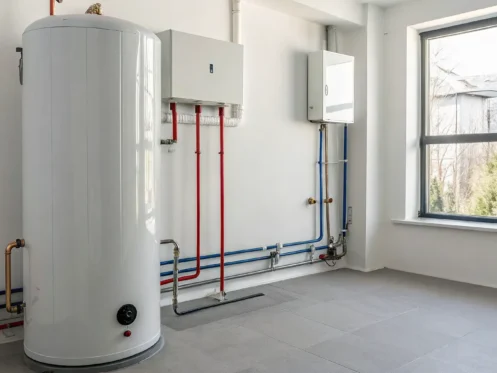
That strange rumbling sound from your utility closet isn’t just a quirk; it’s often your water heater telling you it’s on its last legs. Waiting for it to fail completely usually means a frantic, expensive emergency call. A much better strategy is to plan ahead. Understanding the typical water heater replacement cost 50 gallon units have allows you to budget without the pressure of a sudden breakdown. This article will walk you through the common warning signs that it’s time for a new unit and provide a clear breakdown of the costs, helping you handle the replacement on your own terms.
Key Takeaways
- Look beyond the price tag: The total cost to replace a 50-gallon water heater includes the unit, professional labor, permits, and any necessary plumbing or electrical modifications, so it’s important to budget for the entire project.
- Plan your replacement to save money: If your water heater is over eight years old or showing signs of failure, replacing it proactively helps you avoid expensive emergency service fees and gives you time to find rebates for energy-efficient models.
- Always hire a licensed professional: A DIY installation can void your warranty and lead to dangerous mistakes, while professional service ensures the job is done safely, meets local codes, and protects your investment.
How Much Does It Cost to Replace a 50-Gallon Water Heater?
Figuring out the budget for a new water heater can feel a bit overwhelming because there isn’t a single, simple price tag. The total cost to replace a 50-gallon water heater typically lands somewhere between $600 and $4,000. That’s a wide range, right? It’s because the final bill is a combination of two main things: the cost of the water heater unit itself and the price of professional installation. Let’s break down what you can expect to pay for each part of the process so you can feel confident in your investment.
Breaking Down Unit Costs
First, let’s talk about the appliance itself. The cost for a new 50-gallon water heater unit generally falls between $300 and $1,200. The price varies depending on the type you choose. Electric models are often on the lower end of the spectrum, usually costing between $300 and $1,000. Gas models tend to be a bit more, ranging from $500 to $1,200. This price is just for the physical tank and doesn’t include getting it installed in your home. Factors like the brand, warranty length, and energy efficiency rating will also influence the final price of the unit.
Factoring in Installation
Once you have your new water heater, you need a professional to install it safely and correctly. The cost for professional installation can range from $600 to $3,000. This fee covers the technician’s time and expertise to remove your old unit, put the new one in place, and connect it to your home’s plumbing and energy source (gas or electric). If your replacement is a straightforward swap, the cost will be on the lower end. However, if the job requires moving the unit, updating pipes, or making other modifications to meet current building codes, the installation price will be higher.
Estimating the Total Replacement Cost
When you add the unit price and installation fees together, you get your total replacement cost. Most homeowners in Tucson spend around $1,800 for a standard 50-gallon water heater replacement. The total project cost includes the unit, labor, and often some extra materials like new pipes or fittings. It’s also important to remember that this estimate might not include permit fees or the cost to dispose of your old unit. When you get a quote, make sure it provides a clear breakdown of all expenses so you know exactly what you’re paying for.
What Factors Influence the Final Price?
When you’re planning for a new 50-gallon water heater, it’s tempting to look up the price of a unit online and call it a day. However, the final invoice for a full replacement involves much more than just the appliance itself. The total cost is a combination of the equipment, the skilled labor required for a safe installation, and any necessary modifications to your home’s existing infrastructure. Understanding these variables is the key to creating an accurate budget and avoiding unexpected expenses when planning your water heater replacement.
Several key factors come into play. The type of water heater you select is the most significant starting point. A traditional gas or electric model has a different price point than a high-efficiency hybrid unit, and this choice also impacts your future energy bills. The complexity of the installation itself is another major component. A simple swap-out in an open garage will cost less than installing a unit in a cramped attic or moving it to a new location. Furthermore, local labor rates in the Tucson area and the cost of required city permits contribute to the final price. Finally, there are often necessary upgrades, like bringing plumbing up to current code or adding an expansion tank, that ensure your new system is safe and compliant. We’ll break down each of these elements so you can feel confident about your investment.
Water Heater Type and Energy Source
The first major decision you’ll make is what kind of water heater you want, and this choice heavily influences the cost. A standard 50-gallon electric or gas model will be on the lower end of the price spectrum, while a high-efficiency hybrid or solar unit will have a higher upfront cost. The total price for a new unit can range anywhere from $600 to over $4,000. Your energy source, whether it’s gas, electric, or solar, also plays a big role. It affects not just the initial purchase price but also your monthly utility bills for years to come. It’s a balance between the upfront investment and long-term savings.
Installation Complexity and Location
Where your water heater lives and how difficult it is to install are huge factors in the labor cost. A straightforward swap in an easily accessible garage or closet will be less expensive than a more complex job. For instance, if you’re moving the unit to a new location, or if it’s tucked away in a tight attic or crawl space, the installation will take more time and effort. Professional installation costs can vary, but you can generally expect to spend between $900 and $2,500 for the complete job. Getting a clear, upfront quote is the best way to know what to expect for your specific situation. You can always schedule an appointment online to have a technician assess your home.
Local Labor Rates and Permit Fees
Labor costs make up a significant portion of your total bill, typically accounting for 20% to 50% of the final price. In the Tucson area, hourly rates for a licensed plumber can vary, but this expertise is what ensures your installation is done safely and correctly. Another cost to be aware of is the city permit. Most municipalities, including Tucson, require a permit for water heater installations to ensure they meet safety standards. This fee can range from a small amount to several hundred dollars. A professional plumbing company will handle the entire permitting process for you, taking one more thing off your plate and ensuring your project is fully compliant with local codes.
Necessary Upgrades or Modifications
Sometimes, replacing a water heater uncovers the need for a few extra updates to ensure everything is safe and up to code. These potential add-ons can affect your total budget. For example, your old tank needs to be disposed of properly, which often comes with a small fee. You might also need to install a new expansion tank, which helps protect your plumbing system from pressure changes. If your home is older, there’s a chance some of your plumbing, venting, or electrical connections may need to be brought up to current building codes. These upgrades are not just suggestions; they are essential for the safety and longevity of your new water heater and overall residential plumbing.
Comparing 50-Gallon Water Heater Types and Their Costs
Once you’ve settled on a 50-gallon size, the next big choice is the type of heater. The fuel source plays a huge role in both the upfront price and what you’ll pay each month on your utility bills. Let’s look at the most common options for homes in Tucson and the surrounding communities.
Electric Water Heaters
Electric water heaters are generally the most affordable option upfront. The unit itself can cost between $300 and $1,000, with a total replacement cost, including installation, ranging from $500 to $2,500. While they are cheaper to purchase, their operating costs can be higher over time due to electricity rates. This makes them a great choice if your priority is a lower initial investment. Our team can help you determine if an electric model fits your home’s needs and budget as part of our residential plumbing services.
Gas Water Heaters
Gas water heaters tend to have a higher initial cost, with units priced from $500 to $1,200. When you factor in professional installation, the total can range from $1,100 to $4,000. Although the upfront investment is larger, gas models are often more economical to operate month-to-month, potentially saving you money in the long run. Because installation involves connecting to a gas line, it’s a job that requires certified professionals who specialize in heating services to ensure everything is safe and up to code.
Hybrid (Heat Pump) Water Heaters
Hybrid, or heat pump, water heaters are the top-tier choice for energy efficiency. They are also the most expensive, with units costing $1,500 to $3,000 and total installation often pushing the price over $3,000. The payoff comes from significant long-term savings, as these models can cut your water heating energy costs substantially, saving you $300 or more each year. To protect this high-efficiency investment and ensure it performs optimally for years to come, a regular maintenance agreement is a smart move.
Tank vs. Tankless Options
Most 50-gallon heaters use a traditional tank design, which stores and keeps water hot. A typical tank-style unit provides 50 to 60 minutes of continuous hot water and lasts 10 to 15 years. In contrast, tankless models heat water on demand and can be more energy-efficient, but they have a higher purchase price. For many families in Oro Valley and Marana, the consistent performance and lower initial cost of a 50-gallon tank heater make it the ideal solution. If you’re ready to discuss what’s right for your home, you can schedule online with one of our experts.
Is It Time to Replace Your Water Heater?
Figuring out your budget for a new water heater is important, but knowing when to replace it can save you from a major headache (and a freezing cold shower). An old, failing water heater can quit without warning, sometimes leading to leaks and water damage. Being proactive and recognizing the signs of failure helps you plan the replacement on your own terms, avoiding the stress and higher costs of an emergency call. So, how do you know when your water heater is on its last legs?
Warning Signs Your Water Heater Is Failing
Your water heater will usually give you a few hints that it’s nearing the end of its life. Keep an eye (and an ear) out for these common red flags. You might hear strange rumbling or popping sounds coming from the tank, which often means sediment has built up inside and is causing the system to work harder. Other telltale signs include puddles or moisture around the base of the unit, lukewarm water that never gets truly hot, or rusty, discolored water coming from your taps. If you notice any of these issues, it’s a good idea to have a professional take a look at your residential plumbing system.
Considering Your Water Heater’s Age
Even if it seems to be working fine, age is a major factor in your water heater’s reliability and efficiency. A traditional tank-style water heater typically lasts between 8 and 12 years. If you aren’t sure how old your unit is, you can usually find the installation date or serial number on a sticker on the side of the tank. If your heater is approaching or has passed the decade mark, it’s running on borrowed time. An older unit is not only less energy-efficient, costing you more on utility bills, but it’s also at a much higher risk of springing a leak. Planning for a replacement before it fails is always the smartest move.
Repair vs. Replace: Making the Call
When your water heater acts up, you face the classic dilemma: should you repair it or replace it? For a relatively new unit with a minor issue, a repair often makes sense. Problems like a faulty thermostat or a bad heating element can be fixed without too much expense. However, if the repair bill is getting close to half the cost of a new water heater, replacement is almost always the more economical choice in the long run. A major repair on an old unit is often just a temporary fix before another part fails. A professional can diagnose the problem and give you a clear breakdown of costs, helping you make an informed decision. If you’re unsure, you can always schedule an inspection with our team.
Pro Installation vs. DIY: A Cost Comparison
When it’s time to replace your water heater, one of the first questions you’ll likely ask is, “Can I just do this myself?” The idea of saving on labor costs is tempting, but it’s important to weigh the initial savings against the potential risks and hidden expenses. A water heater isn’t like a piece of furniture; it’s a major appliance connected to your home’s plumbing, electrical, and sometimes gas systems. An improper installation can lead to leaks, water damage, inefficient performance, or even dangerous situations.
This decision isn’t just about money. It’s about safety, peace of mind, and protecting your investment. Before you head to the hardware store, let’s break down what you’re really comparing when you pit a professional installation against a weekend DIY project. We’ll look at the tangible benefits of hiring a pro, the unexpected costs of going it alone, and the critical role that warranties and local codes play in the process.
The Benefits of Professional Installation
When you pay for professional installation, you’re getting more than just a pair of hands to carry the new unit into your basement. You’re paying for expertise and safety. A licensed plumber knows how to handle every connection, from water lines to electrical or gas hookups, ensuring everything is secure and up to code. This prevents leaks, reduces the risk of fire or carbon monoxide issues, and guarantees your new water heater operates at peak efficiency from day one. Hiring a licensed professional means the job is done right the first time, giving you total peace of mind.
The Risks and Hidden Costs of DIY
While you might save on the upfront labor cost, a DIY installation can come with its own set of expenses. You may need to buy or rent specialized tools, and if you make a mistake, the cost of repairs can quickly surpass what you would have paid a professional. Tasks like replacing a water heater require a lot of skill. A small error, like an improperly soldered pipe or a faulty gas line connection, can lead to significant water damage or create a serious safety hazard in your home. What starts as a money-saving project can easily turn into a much larger and more expensive problem.
Why Your Warranty and Local Codes Matter
Two critical factors that are often overlooked in the DIY vs. pro debate are your warranty and local building codes. Most manufacturers state that their warranty is only valid if the water heater is installed by a licensed professional. Attempting a DIY installation could void your warranty, leaving you on the hook for any future repairs or replacements. Furthermore, most cities, including Tucson, require a permit for water heater installation. A professional team handles the permitting process for you, ensuring your new unit complies with all local safety regulations and passes inspection, which is something you don’t want to handle on your own.
What Other Costs Should You Budget For?
When you’re planning for a new water heater, the price of the unit and the cost of installation are the two biggest numbers on your mind. But a few other expenses can pop up, and it’s always better to know about them ahead of time. Budgeting for these potential costs ensures there are no surprises on the final bill. Thinking through the entire scope of the project, from permits to disposal, gives you a much more accurate picture of your total investment and helps you plan accordingly.
Permits, Inspections, and Code Upgrades
Believe it or not, replacing a water heater often requires a permit from your city. It might seem like a hassle, but it’s all about safety. A permit ensures the installation is inspected and meets local building codes, protecting your home and family. The cost for these permits can vary quite a bit depending on where you live in the Tucson area. A licensed technician will know exactly what’s required and can handle the paperwork for you. If your current setup isn’t up to code, some upgrades may be necessary, which a professional can identify during the initial assessment for your residential plumbing project.
Electrical or Gas Line Adjustments
Are you switching from a gas to an electric model? Or is your new water heater a different size or shape than your old one? If so, you might need some adjustments to your home’s existing infrastructure. This could involve rerouting a gas line, updating electrical wiring and circuits, or modifying the plumbing connections to ensure a perfect fit. These changes are crucial for the safe and efficient operation of your new unit. A qualified plumber can assess your current setup and let you know if any of these adjustments will be part of your installation process, making sure everything is handled correctly from the start.
Disposal Fees for Your Old Unit
Once your shiny new water heater is installed, what happens to the old one? Water heaters are big, heavy, and can’t just be left on the curb. Most professional installation services include hauling away and properly disposing of your old unit. This service typically has a fee, but it saves you the major headache of figuring out how to get rid of a bulky metal tank. It’s a small price to pay for the convenience of having the entire job taken care of. When you schedule your replacement, you can rest easy knowing your old appliance will be handled responsibly.
How Can You Save on Your Water Heater Replacement?
A new water heater is a necessary investment, but that doesn’t mean you can’t be smart about the cost. With a little planning, you can find significant savings on your replacement without sacrificing quality or reliability. Here are a few practical ways to manage the expense and make a decision you feel good about.
Find Rebates for Energy-Efficient Models
Choosing an energy-efficient water heater is one of the best ways to save money, both now and in the future. Models with an ENERGY STAR certification are designed to use less energy, which directly translates to lower monthly utility bills. Even better, these efficient units often qualify for financial incentives. You can use the ENERGY STAR Rebate Finder to see what’s available. It’s also a great idea to check with your local Tucson utility company, as many offer their own programs to help homeowners pay for an efficient new water heater. These rebates can take a nice chunk out of the initial purchase price.
Plan Ahead to Avoid Emergency Fees
We’ve all been there. The water heater finally gives out on a Friday night or over a holiday weekend, leaving you with no hot water and a sudden crisis. While it’s tempting to just call for an emergency repair, that immediate service comes at a premium. Plumbers often charge extra for after-hours and weekend calls because they have to drop everything to help. If your water heater is showing signs of failure, like making strange noises or producing rusty water, it’s best to act proactively. You can schedule an appointment during regular business hours to avoid those emergency fees and handle the replacement on your own terms.
Ask About Financing and Maintenance Plans
A large, unexpected expense can put a strain on any budget. That’s why we offer flexible financing options to help spread out the cost of a new water heater over time. This allows you to get the right unit for your home without having to pay the full amount all at once. To protect your new investment, consider a preventative maintenance agreement. Regular service, like flushing the tank to remove sediment buildup, helps your water heater run more efficiently and can significantly extend its lifespan. This simple step helps you avoid premature breakdowns and costly future repairs, saving you money in the long run.
Thinking Long-Term: Future Operating Costs
Making a big purchase like a new water heater isn’t just about the price tag you see today. The true cost of ownership unfolds over the next decade or more. Thinking about future operating costs, from your monthly utility bills to potential repairs, helps you make a smarter investment for your home. A little planning now can lead to significant savings and fewer headaches down the road, ensuring you choose a unit that’s both effective and economical for years to come.
How Efficiency Impacts Your Monthly Bills
It’s easy to focus on the upfront cost, but the energy efficiency of your new water heater directly affects your monthly bills. While a high-efficiency model, like a hybrid water heater, might have a higher initial price, it can save you hundreds of dollars a year in energy costs. Think of it as an investment that pays you back every month. Over the lifespan of the unit, these savings can easily surpass the initial price difference. When you get a quote, ask about the estimated annual operating cost to get a full picture of what you’ll be paying for your heating services.
Understanding Maintenance and Warranty Coverage
Your water heater is an appliance you rely on daily, so protecting it is key. Regular maintenance is the best way to extend its lifespan and keep it running efficiently. For example, flushing the tank once a year helps prevent sediment buildup, a common issue in Tucson that can reduce performance and cause damage. It’s also important to understand the manufacturer’s warranty. A good warranty provides peace of mind, but many require proof of professional maintenance to remain valid. Our maintenance agreement can help you stay on schedule and protect your investment.
Planning for Your Next Replacement
When you start planning for a replacement, remember to budget for the total cost. This includes the unit itself, professional installation, any new pipes or materials needed, and potential permit fees. If your current water heater is getting old or showing signs of trouble, don’t wait for it to fail completely. Being proactive allows you to research your options without the pressure of an emergency. A professional assessment can help you understand your home’s needs and make an informed decision. When you’re ready, you can schedule online with our team for a no-pressure consultation.
Get Your Water Heater Replaced Right in Tucson
When it’s time for a new water heater, choosing the right team for the job is just as important as picking the right unit. A local installation ensures your new appliance meets all regional standards and is perfectly suited for your home. Here in the Tucson area, working with a trusted professional means you get peace of mind knowing the work is done correctly, safely, and affordably.
Local Experts Who Know Tucson’s Codes
Swapping out a water heater isn’t just a simple plug-and-play task. The City of Tucson has specific building codes and permit requirements for these installations to ensure everything is safe. Failing to follow these rules can lead to fines or problems with a future home inspection. That’s why working with a team that understands local regulations is so important. Our technicians handle the entire process, from securing the necessary permits to making sure your new unit complies with every code. We manage the details so you can relax, knowing your residential plumbing is in expert hands and your home is protected.
Serving Oro Valley, Marana, and Sahuarita
A 50-gallon water heater is often the perfect size for a family of three to five, which makes it a popular choice for homes across Tucson, Oro Valley, Marana, and Sahuarita. But is it the right size for you? Your daily hot water usage, the number of bathrooms, and even the types of appliances you own all play a role. Instead of guessing, let a professional help. We can assess your household’s unique needs to confirm if a 50-gallon tank is your best fit or if another size would serve you better. We’re proud to serve our neighbors throughout the greater Tucson area, including Oracle Foothills, and make it easy to schedule an appointment online.
Reliable Service with Flexible Financing
We get it, a new water heater is a major home investment. With costs often ranging from a few hundred to a few thousand dollars, it can feel like a stressful, unexpected expense. You shouldn’t have to choose between your budget and having reliable hot water. That’s why we offer flexible financing options to help spread out the cost and make the replacement more manageable. We believe in providing dependable service that fits your financial situation. To keep your new unit running efficiently for years to come, you can also ask about our maintenance agreement, which helps prevent future surprises and protects your investment.
Related Articles
- Gas Water Heater Replacement: What You Need to Know
- Hot Water Tank Replacement: A Complete Guide
- Water Heater Leaking? Your Step-by-Step Guide
- How to Know If Your Water Heater Needs Replacing
Frequently Asked Questions
Why is the price range for a replacement so wide? The final cost varies so much because it’s a combination of two things: the water heater itself and the installation. A basic electric model has a very different price than a high-efficiency hybrid unit. Similarly, a straightforward installation in an accessible garage will cost less in labor than a complex job that requires moving the unit, updating plumbing, and securing permits.
Is it really worth paying more for a high-efficiency water heater? For many homeowners, the answer is yes. While a high-efficiency model has a higher upfront cost, it can save you a significant amount on your monthly energy bills. Over the 10 to 15-year lifespan of the unit, those savings can easily add up to more than the initial price difference. It’s a long-term investment that pays you back every month.
How do I know if a 50-gallon tank is the right size for my family? A 50-gallon water heater is a popular choice and often works well for households of three to five people. However, your specific needs depend on your lifestyle. Consider how many bathrooms you have, how often you run appliances like the dishwasher, and your family’s daily routines. The best way to be certain is to have a professional assess your hot water usage to confirm the perfect size for your home.
Can I save money by installing the water heater myself? While it’s tempting to try and save on labor costs, installing a water heater is a job best left to a professional. An incorrect installation can lead to leaks, void the manufacturer’s warranty, and create serious safety risks with gas or electrical lines. Hiring a licensed plumber ensures the job is done safely, correctly, and up to local code, giving you valuable peace of mind.
What’s the first thing I should do if I think my water heater is failing? If you notice warning signs like strange noises, leaks, or lukewarm water, the best first step is to schedule an inspection with a professional. Acting proactively allows a technician to diagnose the issue and give you a clear quote for repair or replacement without the stress and higher cost of an emergency call. This puts you in control of the situation.