
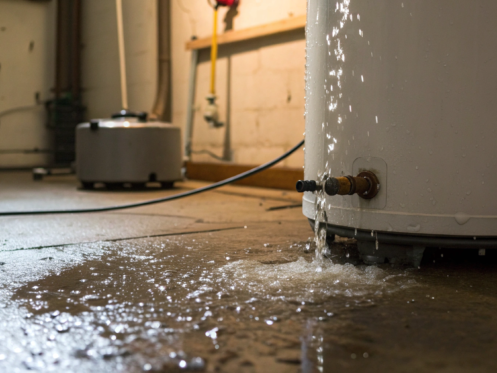
A water heater leaking is more than just a mess; it’s a mystery you need to solve quickly. Is it a simple loose connection you can tighten in five minutes, or is it a sign that your tank has reached the end of its life? The answer determines your next steps and your budget. Understanding the common causes—from a faulty valve to internal corrosion—is the key to making a smart decision. In this article, we’ll help you play detective. We’ll show you how to systematically inspect your unit to pinpoint the source of the leak, so you can understand what you’re dealing with before you decide whether to repair or replace.
Key Takeaways
- Control the Situation Immediately: Your first priority is to stop the water and power. Turn off the water supply valve to the tank, then shut off the corresponding circuit breaker (for electric) or gas valve. This prevents further damage and makes the area safe.
- Find the True Source of the Leak: A puddle doesn’t always mean the tank has failed. Carefully check for drips from the pipes on top, the T&P valve on the side, or the drain valve at the bottom. Identifying the origin helps you understand if it’s a simple fix or a sign of a bigger problem.
- Know Your Limits with Repairs: While tightening a loose connection is a manageable DIY task, repairs involving gas lines, electrical components, or a corroded tank are best left to a professional. Prioritizing safety and getting an expert diagnosis can save you from a much costlier mistake.
What to Do Immediately If Your Water Heater Is Leaking
Finding a puddle spreading from your water heater is an instant stomach-dropper. But don’t panic—you’ve got this. Taking a few immediate, decisive steps can prevent a small problem from becoming a full-blown flood and causing serious damage to your home. Your priority is to stop the flow of water and energy to the unit to make the situation safe. Follow this action plan to get things under control before you do anything else.
First, turn off the water supply
This is your top priority. Stopping the water at its source will prevent the tank from refilling and feeding the leak. Look for a valve on the cold water pipe that enters the top of your water heater. It will likely have a wheel-style handle or a lever. Turn the wheel clockwise all the way or pull the lever so it’s perpendicular to the pipe. This simple action can save you from significant water damage while you figure out the next steps. If you can’t find the valve or it won’t turn, you may need to shut off the main water supply to your entire house.
Next, shut off the power or gas
Safety first. Water and electricity are a dangerous combination, and a gas leak is a serious hazard. If you have an electric water heater, go to your home’s main electrical panel (the breaker box) and flip the breaker dedicated to the water heater to the “OFF” position. For a gas water heater, you’ll find a gas shut-off valve on the pipe leading to the unit. Turn the valve a quarter turn so it’s perpendicular to the pipe, cutting off the gas supply. This step is crucial for preventing electrocution or a potential gas emergency.
Clean up the water and call a professional
Now that you’ve secured the water and power, it’s time to manage the mess and get an expert on the line. Use old towels, buckets, or a wet-dry vac to remove the standing water and prevent it from seeping into your flooring, subfloor, or drywall. Once the immediate area is clear, it’s time to call for backup. Water heater issues can be complex and often require a professional diagnosis. Our team of certified technicians can quickly identify the source of the problem and advise you on the best course of action. You can schedule an emergency service call with us 24/7 to get your home back to normal.
Why Do Water Heaters Leak?
Finding a puddle around your water heater is never a welcome sight. But before you panic, it helps to understand that leaks can happen for a number of reasons—some are simple fixes, while others signal a more serious problem. Most issues boil down to a handful of common culprits, from loose fittings to an aging tank. Identifying the cause is the first step toward getting your hot water running safely again. Understanding what’s going on can help you decide whether it’s a quick DIY task or a job that requires professional plumbing services.
Below, we’ll walk through the most frequent causes of water heater leaks, so you can get a better idea of what you might be dealing with.
Loose Pipe Connections
Often, the simplest explanation is the right one. The leak might not be from the tank itself but from the plumbing connections on top of the unit. The cold water inlet and hot water outlet pipes can become loose over time due to vibrations or normal expansion and contraction. Most of these leaks are slow drips that you can spot by checking for moisture around the fittings. While tightening a connection sounds easy, it’s important to be gentle to avoid causing more damage. If you’re not comfortable handling it, it’s always best to have a professional take a look.
Faulty Temperature and Pressure (T&P) Valve
Every water heater has a Temperature and Pressure (T&P) relief valve as a critical safety feature. Its job is to release water if the temperature or pressure inside the tank gets dangerously high. If you see water leaking from this valve, it could mean one of two things: either the valve itself is faulty and needs replacing, or it’s doing its job because of excessive pressure in the tank. A leaking T&P valve is a clear sign that something needs immediate attention to prevent a much bigger problem.
Damaged Drain Valve
At the bottom of your water heater, you’ll find a drain valve used for flushing out sediment. Over time, this valve—often made of plastic—can become brittle, crack, or simply not close tightly after use, resulting in a slow, persistent leak. Sometimes, sediment can get stuck in the valve, preventing it from sealing properly. While replacing a drain valve is possible, it does require draining the entire tank first, which can be a tricky and messy job if you haven’t done it before.
High Water Pressure
Your home’s water pressure can also be the villain. If the pressure is set too high, it puts constant strain on your entire plumbing system, including your water heater. This excessive force can cause seals to fail and connections to leak. It can also force the T&P valve to open frequently. Too much pressure is a system-wide issue that can shorten the lifespan of your appliances, so it’s worth checking if you suspect it’s the cause of your leak. A plumber can test your home’s pressure and install a pressure-reducing valve if needed.
Tank Corrosion
Unfortunately, this is the most serious cause of a water heater leak. Over years of service, the inside of the steel tank can begin to rust and corrode. Once corrosion creates a hole, the tank itself is compromised, and a leak will appear, usually at the bottom. If your water heater is more than 8-10 years old and you see rusty water pooling beneath it, internal corrosion is the likely cause. A corroded tank cannot be repaired; the only solution is to replace the entire unit.
Sediment Buildup
Here in Tucson, we have notoriously hard water, which is full of minerals. These minerals can settle at the bottom of your water heater tank over time, creating a thick layer of sediment. This buildup forces your water heater to work harder to heat the water, causing the bottom of the tank to overheat and weaken. Eventually, this stress can lead to cracks and leaks. Regular flushing as part of an annual maintenance plan is the best way to prevent sediment from accumulating and damaging your water heater.
How to Find the Source of the Leak
Once you’ve shut off the power and water, it’s time to play detective. Finding the exact source of the leak will tell you whether you’re dealing with a simple fix or a major problem. Grab a flashlight and a dry paper towel—the paper towel will make it easier to spot small drips. Systematically check each of the common culprits, starting from the top and working your way down. This methodical approach helps you pinpoint the issue without getting overwhelmed.
Check the Top Connections
Start your inspection at the very top of the water heater. You’ll see two pipes connected to the tank: the cold water inlet and the hot water outlet. Most leaks originate from these fittings. Carefully look for any signs of moisture, dripping, or chalky white or rusty buildup around the connections. Sometimes, the nuts just need a gentle tightening with a wrench to stop the drip. However, if the leak persists, it could be due to a worn-out washer or corroded pipe, which is a more involved residential plumbing repair.
Inspect the T&P Relief Valve
Next, find the temperature and pressure (T&P) relief valve. This is a critical safety device, usually located on the side or top of the tank, with a pipe extending down toward the floor. Its job is to release water if the temperature or pressure inside the tank gets too high. If you see water dripping from the end of this pipe or around the valve itself, it could mean one of two things: the valve is faulty, or your tank has dangerously high pressure. While replacing the valve is possible, it’s important to diagnose the root cause first.
Examine the Drain Valve
Move your inspection to the bottom of the tank to find the drain valve. It looks like a small spigot or hose bib. This valve is used to drain the tank for maintenance, but it can become a source of leaks over time, especially if it’s made of plastic. Check to see if water is dripping from the nozzle or seeping from where the valve screws into the tank. Sometimes, the valve isn’t fully closed or has become loose. If it’s cracked or broken, it will need to be replaced. Regular flushing as part of a maintenance agreement can help keep this valve in good working order.
Look for Tank Damage
While you’re at the bottom of the unit, look for water pooling directly underneath the tank. This is the one you don’t want to see. A leak coming from the bottom of the tank itself is almost always a sign of internal corrosion. Over time, the inner lining of the tank can rust through, causing a breach. Unfortunately, this is not a repairable problem. If the tank itself has failed, the only solution is to replace the entire water heater. It’s a clear signal that your unit has reached the end of its life.
Is It a Leak or Just Condensation?
Before you panic, make sure you’re actually dealing with a leak. Sometimes, what looks like a leak is just condensation. This can happen when a large amount of cold water enters the tank, causing moisture to form on the outside, similar to a cold glass on a hot day. To check, wipe the area completely dry with a cloth. Wait an hour or two and check it again. If the surface is still dry, you were likely just dealing with condensation. If the moisture has returned, you have a leak.
Can You Fix a Leaking Water Heater Yourself?
Spotting a leak from your water heater can definitely send a wave of panic through you. But before you assume the worst, take a deep breath. Some minor leaks are manageable for a confident DIYer with the right tools and a bit of know-how. Issues like a loose connection or a leaky drain valve can sometimes be fixed without calling for backup.
However, working with water heaters involves electricity, natural gas, and scalding hot water, so safety has to be your top priority. Let’s walk through a few common fixes you might be able to handle and, more importantly, the precautions you need to take.
Safety Precautions to Take First
Before you even think about picking up a wrench, you need to make the area safe. This isn’t a step you can skip. First, shut off the power to the water heater at your circuit breaker. If you have a gas model, turn the gas valve to the “Off” position. Next, find the cold water shut-off valve, which is usually located above the tank, and turn it to close off the water supply.
Clear the area around the water heater of any clutter or flammable materials. It’s also a good idea to wear sturdy gloves and safety glasses. Remember, you should never try to relieve the pressure from the tank yourself or add cool water to a hot, leaking tank. Your safety is the most important thing, so always prioritize these steps before attempting any residential plumbing repairs.
How to Tighten Loose Connections
Many leaks are simply the result of a loose connection. Check the cold water inlet and hot water outlet pipes at the top of your water heater. Do you see any dripping from the fittings? If so, you may just need to tighten them. Using a pipe wrench, gently turn the fitting clockwise—just a quarter-turn or so should do it.
Be careful not to overtighten the connections, as this can strip the threads and make the leak much worse. After you’ve tightened them, you can slowly turn the water back on to see if the dripping has stopped. This simple fix often solves the problem without any need for replacement parts.
How to Replace a Faulty Drain Valve
The drain valve is located near the bottom of the tank and is used to flush sediment. Over time, these plastic valves can become brittle and start to leak. Replacing it is a bit more involved but doable. You’ll need to completely drain the tank first by connecting a garden hose to the valve and running it to a floor drain or outside.
Once the tank is empty, you can use a wrench to unscrew the old valve. Have the new valve ready to go—wrap the threads with plumber’s tape and screw it into place. Tighten it until it’s snug, then refill the tank and check for leaks. If draining a 40- or 50-gallon tank sounds like a hassle, it’s a good time to call for help.
How to Adjust Water Pressure
If you notice water leaking from the temperature and pressure (T&P) relief valve, your first thought might be that the valve is broken. But often, the valve is just doing its job. The T&P valve is a safety feature designed to release water when the pressure or temperature inside the tank gets too high. A leak here often points to excessive water pressure in your home’s entire plumbing system.
You can buy a simple water pressure gauge from a hardware store to test it yourself at an outdoor spigot. If your home’s pressure is above 80 PSI, it’s too high. The solution isn’t a new T&P valve but addressing the pressure issue, which usually requires a professional adjustment or installation of a pressure-reducing valve.
Common DIY Mistakes to Avoid
Trying to save a few bucks with a DIY repair can sometimes lead to a much bigger headache. One of the most common mistakes is using the wrong tools or replacement parts. Every water heater model is slightly different, and a part that looks “close enough” can fail and cause significant water damage. Another frequent error is overtightening fittings, which can crack connections and turn a small drip into a major leak.
If you feel unsure at any point or don’t have the exact tools for the job, it’s always smarter to pause and get a professional opinion. A quick fix isn’t worth the risk of a flood, so don’t hesitate to schedule a service call if you’re out of your comfort zone.
When to Call a Professional Plumber
While it’s tempting to tackle every home repair yourself, a leaking water heater often falls into the “call a pro” category. Some issues are simply too complex or dangerous for a DIY fix. Trying to handle certain repairs without the right tools and training can lead to bigger leaks, extensive water damage, or even serious personal injury. A professional plumber can quickly and accurately diagnose the problem, from a simple loose fitting to a system-wide pressure issue, ensuring the repair is done correctly the first time.
Calling for help isn’t admitting defeat; it’s making a smart, safe decision for your home and family. Professionals have the experience to spot underlying problems you might miss and can offer solutions that save you money in the long run. If you find yourself unsure about the source of the leak, dealing with gas or electrical components, or suspecting the tank itself has failed, it’s time to put down the wrench and pick up the phone. Our team is ready to provide expert residential plumbing services to get your hot water running safely again.
Gas Water Heater Risks
If you have a gas water heater, any repair involving the gas line is a non-negotiable job for a professional. A mistake can lead to a gas leak, which creates a serious risk of fire, explosion, or carbon monoxide poisoning. Even if the leak seems to be just water, the repair process might disturb the gas connections. For your safety, you should always turn off the gas supply to the unit if you suspect a problem. Don’t take any chances with your family’s well-being; let a certified technician handle any work on a gas-powered appliance.
Electrical Hazards
Working with an electric water heater presents its own set of dangers, primarily the risk of electrocution. Water and electricity are a lethal combination, and even a small amount of water can create a hazardous situation. Before attempting any inspection, you must always turn off the power to the water heater at your circuit breaker. A professional plumber is trained to work safely around these electrical components, from the heating elements to the thermostat. If you’re not 100% confident in your ability to handle the electrical aspects safely, it’s best to schedule an appointment online with our team.
When the Tank Needs Replacing
Sometimes, a leak is a clear sign that your water heater’s life is over. If you notice water pooling directly under the tank, it’s often a sign of internal corrosion. As research confirms, if the leak is from the tank itself, it usually means the inner lining has corroded through. Unfortunately, a corroded tank cannot be repaired—it must be replaced. A professional can confirm that the tank is the source of the leak and help you choose and install a new, efficient unit that fits your home’s needs, preventing a catastrophic failure and major water damage.
For Complex Valve and Connection Repairs
A leak from the temperature and pressure (T&P) relief valve might seem straightforward, but it often points to a bigger issue. A constantly leaking T&P valve can indicate that the water pressure in your entire home is too high, which can strain your pipes and other appliances. While you might be able to replace the valve, you won’t solve the underlying pressure problem. If a simple fix doesn’t work or you’re dealing with persistent drips from valves and connections, it’s time to call a professional. We can diagnose the root cause and perform the right drains and sewer services to protect your plumbing system.
Repair or Replace? How to Decide
When your water heater starts leaking, the big question is whether to fix it or get a new one. This decision often comes down to a few key factors: the age of your unit, the type of problem, and the cost of the repair. Thinking through these points can help you make a smart choice that saves you money and stress in the long run.
Age and Efficiency
A water heater’s typical lifespan is about 8 to 20 years. If your unit is approaching the decade mark or older, repairs can become a temporary fix for a recurring problem. As parts wear out, you might find yourself paying for one repair after another. Plus, older models are simply less energy-efficient. Investing in a new, modern water heater can save you money on your utility bills and prevent the headache of future breakdowns. When an older unit starts leaking, replacement is often the most practical and cost-effective solution for your home’s plumbing system.
The Extent of Tank Corrosion
One of the most definitive signs you need a new water heater is a corroded tank. If you find a pool of water on the floor around the unit, it’s very likely the inner tank has rusted through. Unfortunately, this is not a fixable problem. The tank is the heart of the water heater, and once it fails, the entire unit must be replaced. This is a common issue in heaters over eight years old and poses a serious risk of major water damage. Acting quickly is key to protecting your home from a much bigger mess.
Comparing Repair vs. Replacement Costs
When you’re facing a repair bill, it’s smart to compare it to the cost of a new unit. A good guideline is the 50% rule: if a repair costs half as much as a new water heater, replacement is usually the better long-term investment. This is especially true for older units or major problems like a cracked tank. Putting a lot of money into an aging appliance often doesn’t make financial sense. We know a new water heater is a big decision, so feel free to schedule an appointment with us to get a clear quote and discuss your options.
Signs It’s Time for a New Unit
A puddle on the floor is a clear signal, but other signs also point to a failing water heater. Is your hot water rusty or discolored? That’s a classic sign of internal tank corrosion. Are you hearing loud rumbling or banging noises? This often means there’s a heavy layer of hardened sediment inside, which forces the unit to work harder and can lead to cracks. If you’re constantly running out of hot water, your heater simply can’t meet your needs anymore. These are all strong indicators that it’s time to start thinking about a replacement.
Understanding Water Heater Repair Costs
When you’re dealing with a leaking water heater, one of the first questions that comes to mind is, “How much is this going to cost?” It’s a valid concern, and the answer depends on whether you’re looking at a simple fix or a full replacement. The final price tag can vary quite a bit based on the type of unit you have, the specific part that failed, and the complexity of the job.
While it’s impossible to give a precise number without seeing the problem firsthand, understanding the typical costs can help you budget and make an informed decision. Think of it as gathering intelligence before you make your move. Below, we’ll break down the average expenses for both repairs and replacements, so you have a clearer picture of what to expect. The best way to get a firm number is to have a professional take a look, but this guide will give you a solid starting point.
Typical Repair Expenses
For most homeowners, a water heater repair will fall somewhere between $222 and $989, with the national average sitting around $605. A simple fix, like tightening a loose connection or replacing a drain valve, will land on the lower end of that spectrum. More involved repairs, such as replacing a heating element or a thermostat on an electric unit, will cost more. The type of water heater you own and the specific nature of the problem are the biggest factors influencing the final cost. Getting a clear diagnosis from a trusted plumber is the first step to understanding where your repair will fall within this range.
The Cost of a New Water Heater
Sometimes, a repair isn’t the most cost-effective solution, especially if your unit is old or has major issues. When it’s time for a replacement, the costs can vary significantly. For example, installing a new tankless water heater typically ranges from $550 to $1,850. If you’re thinking about upgrading from a traditional tank-style heater to a more efficient tankless system, the project can be more involved and may cost up to $5,000. While it’s a bigger upfront investment, a new water heater can offer better energy efficiency and long-term reliability, making it a smart choice for many homeowners. Our team can help you explore all your water heater installation options.
What Affects the Final Price?
Several key factors will determine your final bill for a repair or replacement. The type of water heater is a major one; for example, the equipment for a standard gas water heater can range from $700 to $1,400, while electric units are in a similar bracket of $700 to $1,500. The size of the unit also matters—a larger tank will naturally cost more. Finally, any complications that arise during the job, like needing to reroute pipes or upgrade electrical connections, can add to the total. To avoid surprises, it’s always best to get an upfront, detailed quote before any work begins. You can schedule an appointment with us for a clear and honest assessment.
How to Prevent Future Water Heater Leaks
Dealing with a water heater leak is stressful, but the good news is that you can take simple, proactive steps to prevent one from happening in the first place. A little attention goes a long way in extending the life of your unit and keeping your home dry. Instead of waiting for a puddle to appear, you can stay ahead of potential problems by making a few key habits part of your home care routine.
Think of it like regular check-ups for your car—you don’t wait for it to break down on the side of the road to get an oil change. Your water heater deserves the same care. Consistent maintenance not only helps you avoid the cost and headache of an emergency repair but also keeps your unit running efficiently, which can save you money on energy bills. By performing some basic upkeep, scheduling professional inspections, and learning to spot trouble before it starts, you can protect your investment and gain some valuable peace of mind.
Perform Annual Maintenance
One of the most effective ways to prevent leaks is to perform annual maintenance. Over time, sediment and mineral deposits from your water supply can build up at the bottom of the tank. This layer of gunk forces your water heater to work harder, causes corrosion, and can lead to leaks. Flushing the tank once a year clears out this sediment. You should also check the anode rod—a metal rod that sacrifices itself to protect the tank from rust. If it’s mostly worn away, it needs to be replaced. This simple upkeep keeps your heater running efficiently and can significantly extend its lifespan. Many homeowners find that a maintenance agreement makes it easy to stay on schedule without having to think about it.
Schedule Professional Inspections
While annual flushing is a great start, it’s also smart to have a professional plumber inspect your water heater every year or two. A trained technician can spot subtle issues you might miss, like a faulty T&P valve, early signs of corrosion on the tank, or incorrect water pressure. For your safety and an accurate assessment, it’s always best to call a professional for a thorough check-up. They have the tools and expertise to test components, identify potential weak spots, and ensure everything is working correctly. A professional inspection is a small investment that can prevent a major, costly failure down the road. Our team of experts provides comprehensive residential plumbing services to keep your system in top shape.
Watch for Early Warning Signs
You know your home best, so keep an eye out for any changes with your water heater. The most obvious sign of a problem is, of course, any water or moisture on or around the unit. Even a small puddle can indicate a serious issue, like a crack in the tank. Other red flags include rusty or discolored hot water, popping or rumbling sounds coming from the tank (a sign of sediment buildup), or water that just isn’t getting as hot as it used to. If you notice any of these warning signs, don’t ignore them. Catching a problem early often means the difference between a simple, affordable repair and a full-blown replacement.
Common Water Heater Leak Myths, Busted
When you find a puddle under your water heater, it’s easy to jump to conclusions or rely on old advice you’ve heard. Unfortunately, a lot of common “knowledge” about water heater leaks is inaccurate and can lead to bigger problems. Let’s clear up a few of the most persistent myths so you can handle the situation with confidence.
Understanding the truth behind these myths helps you make smarter, safer decisions for your home. Instead of ignoring a small drip or attempting a risky repair, you’ll know exactly what’s at stake and when it’s time to call for professional help.
Myth: Small Leaks Aren’t a Big Deal
It’s tempting to put a bucket under a tiny drip and forget about it, but this is one of the most dangerous assumptions you can make. Even a slow, seemingly insignificant leak is a clear warning sign that something is wrong. Over time, that small leak can cause serious structural damage to your floors and walls, creating the perfect environment for mold to grow.
What starts as a minor issue can quickly escalate into a major failure, potentially flooding your home and causing thousands of dollars in damage. A leaking water heater is never something to ignore. Addressing it promptly saves you from much larger headaches and expenses down the road.
Myth: All Leaks Come from the Tank
Many people assume a leak automatically means the entire tank is rusted through and needs to be replaced. While tank corrosion is a common cause of leaks, it’s not the only one. Often, the problem is much simpler and less expensive to fix.
Leaks frequently originate from loose connections, a worn-out drain valve at the bottom of the tank, or a faulty temperature and pressure (T&P) relief valve. These components can often be tightened or replaced without needing a whole new unit. Before you panic about the cost of a replacement, it’s important to have a professional accurately diagnose the source of the leak. Our team can handle all types of residential plumbing issues, from simple fixes to full replacements.
Myth: DIY Fixes Are Always Cheaper and Safe
Taking on a home repair project yourself can be satisfying, but a water heater is not the place to experiment. Attempting a DIY fix without the right knowledge or tools can easily make the problem worse. Using the wrong parts can lead to more leaks, and improper handling of gas or electrical lines is incredibly dangerous.
Most importantly, you should never try to relieve the pressure from the tank yourself, as this can lead to a serious explosion. The safest and most effective solution is to have a certified technician handle the repair. When you’re dealing with a combination of water, electricity, or gas, it’s always best to schedule an appointment online with a professional who can get the job done right.
Related Articles
- Is Your Water Heater Leaking From the Top?
- How To Know When To Replace The Water Heater
- Common Issues for Tankless Water Heaters
- Do I Need to Replace My Water Heater
Frequently Asked Questions
Is a leaking water heater considered an emergency? Yes, you should always treat a leaking water heater as an emergency. Even a small drip can point to a serious internal problem that could lead to a sudden burst and major flooding. The immediate risk of water damage to your floors, walls, and belongings is significant. For your safety and to prevent costly damage, it’s best to shut off the water and power to the unit right away and call a professional for an assessment.
My water heater is making a popping sound. Is that related to a leak? That popping or rumbling noise is a definite warning sign. It’s typically caused by a thick layer of mineral sediment at the bottom of the tank. When the burner fires up, it has to heat the water through that layer of gunk, causing the water trapped underneath to boil and create those sounds. This process puts immense stress on the tank, which can weaken the metal and eventually cause cracks and leaks.
How long should a water heater last, and does Tucson’s hard water affect that? A standard tank-style water heater generally lasts about 8 to 12 years. However, here in Tucson, our notoriously hard water can shorten that lifespan. The high mineral content leads to faster sediment buildup inside the tank. Without annual flushing to clear it out, this sediment can cause the unit to corrode from the inside out, leading to premature failure and leaks.
Can I still use hot water if the leak is very small? It’s not a good idea. Continuing to use a leaking water heater puts more stress on an already failing system, which could cause the leak to get worse suddenly. More importantly, if you have an electric model, any water present creates a serious risk of a short circuit or electrocution. For gas models, a leak could damage the burner assembly. The safest course of action is to shut down the unit completely until it can be properly inspected.
If I need a new water heater, how do I choose the right one? Choosing a new water heater involves considering your household’s needs, your budget, and your energy efficiency goals. You’ll need to decide on the right size to ensure you don’t run out of hot water, and you’ll also have to choose between a traditional tank-style unit and a more efficient tankless model. A professional can walk you through the options and help you select the best fit for your home and family.