
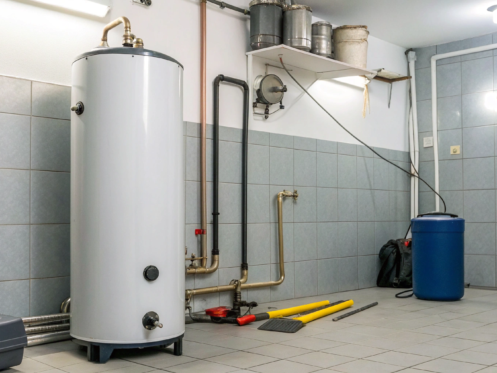
Whether your old water heater finally gave out or you’re upgrading to a more efficient model, you’re in the right place. We’ve created a complete, step-by-step guide to walk you through every phase of the project. From choosing the right type and size for your Tucson home to gathering the correct tools, understanding local permits, and performing the final safety checks, we’ve got you covered. A successful water heater installation requires careful planning and attention to detail. Consider this your comprehensive roadmap, designed to give you the knowledge and confidence you need to get the job done right from start to finish.
Key Takeaways
- Choose the Right Type and Size First: Your daily comfort and utility bills depend on getting this right. Base your decision on your household’s hot water usage—consider tank capacity for families with predictable schedules and flow rate (GPM) for tankless models if you need an endless supply.
- Prioritize a Safe and Compliant Installation: Before you begin, confirm local permit requirements and understand the specific safety protocols for your unit. Gas heaters require expert handling of gas lines and ventilation, while electric models need correct high-voltage wiring to prevent serious hazards.
- Know When to Call a Professional: A DIY installation can void your warranty and create dangerous situations if done incorrectly. If you’re switching fuel types, running new lines, or feel unsure about any step, hiring a licensed technician is the smartest way to protect your home and investment.
What Type of Water Heater Do You Need?
Choosing a new water heater is a big decision. The right one impacts your daily comfort and your utility bills, so it helps to know your options before you buy. Each type has unique benefits, and the best fit depends on your family’s size, your home, and your budget. Let’s walk through the most common models to help you find the perfect match.
Tank Water Heaters
This is the type of water heater most of us are familiar with. A tank water heater, also called a storage-tank heater, keeps a reservoir of hot water ready for you to use. These tanks typically hold between 20 and 80 gallons and are available in both gas and electric models. They are often the most affordable option upfront and have a straightforward installation process. If you have a family with predictable hot water needs, a traditional tank heater is a reliable and time-tested choice for your home’s residential plumbing system.
Tankless Water Heaters
If you’re tired of running out of hot water mid-shower, a tankless water heater might be your solution. Also known as on-demand water heaters, these units heat water instantly as it flows through them, so you get a virtually endless supply. Because they don’t have to keep a large tank of water hot 24/7, they are significantly more energy-efficient than traditional models. While the initial cost is higher, the long-term savings on your energy bills and the convenience of constant hot water make them a popular upgrade for many Tucson homeowners.
Heat Pump Water Heaters
A heat pump water heater, or a hybrid model, is an incredibly efficient electric option. Instead of generating heat directly, it pulls warmth from the surrounding air and transfers it to the water in the tank. Think of it as a refrigerator working in reverse. This process uses much less electricity than a standard electric water heater, which can lead to substantial savings over the unit’s lifetime. They do require more space for proper air circulation and have a higher upfront cost, but they are a fantastic choice for anyone focused on reducing their home’s energy consumption.
Solar Water Heaters
Living in sunny Arizona makes a solar water heater an especially smart investment. These systems use solar collectors, often installed on your roof, to capture the sun’s energy and heat your water. While they require a significant upfront investment and need a backup system for cloudy days, the long-term payoff is huge. You can dramatically reduce your energy bills and shrink your carbon footprint. If you’re interested in harnessing the power of the sun, you can schedule an appointment with our experts to see if a solar water heater is right for your property.
How to Choose the Right Size Water Heater
Picking the right size water heater is about more than just making sure you don’t run out of hot water mid-shower. It’s also about efficiency. A unit that’s too small will constantly struggle to keep up, leaving you with lukewarm water when you need it most. On the other hand, a water heater that’s too large will waste energy by heating water you don’t use, leading to higher utility bills.
The perfect size for your home depends on a few key factors: the number of people in your household, your family’s hot water habits, and the type of water heater you choose. Whether you’re looking at a traditional tank model or a modern tankless unit, getting the size right from the start will save you a lot of headaches down the road. Let’s walk through how to find the perfect fit for your home.
Calculate Your Household’s Hot Water Needs
Before you can choose a size, you need a clear picture of how much hot water your household actually uses. Think about your “peak hour demand”—that busiest time of day when the shower is running, the dishwasher is on, and someone might be washing their hands. A good starting point is to estimate about 10 to 15 gallons of hot water per person per day. So, for a family of four, you’d be looking at a daily need of 40 to 60 gallons. This simple calculation helps you get a baseline for what your new water heater needs to handle.
Understand Tank Capacity Guidelines
If you’re leaning toward a traditional tank water heater, the size you need is directly related to your household size. These general guidelines are incredibly helpful for most families. For one to two people, a 30-gallon tank is usually enough. A family of three to four people will likely be comfortable with a 40-gallon tank. If you have four to five people under one roof, a 50-gallon tank is a safe bet. Remember, these are just starting points. If your family takes long showers or you frequently run multiple hot water appliances at once, you might consider sizing up. Getting this right is a key part of any water heater installation.
Check Flow Rate for Tankless Units
Tankless water heaters are a different story. Instead of storing hot water, they heat it on demand, so capacity isn’t the main concern. Instead, you need to look at the flow rate, which is measured in gallons per minute (GPM). To find the right GPM, add up the flow rates of all the fixtures you might use at the same time. For example, a standard shower uses about 2.5 GPM and a dishwasher uses around 2 GPM. If you plan to run both simultaneously, you’ll need a unit with a flow rate of at least 4.5 GPM. This ensures you have a steady stream of hot water exactly when you need it.
Gather Your Tools and Materials
There’s nothing more frustrating than getting halfway through a project only to realize you’re missing a crucial tool. Before you even think about turning off the water supply, take some time to gather everything you’ll need. A little preparation now will save you a lot of headaches later. Think of it as setting up your command center.
This list covers the most common items for a standard water heater installation, but always double-check the manufacturer’s manual for your specific model. You might find you need a few extra things depending on whether you’re installing a gas, electric, or tankless unit. Having everything laid out and ready to go will make the entire process feel smoother and more manageable.
Your Tool Checklist
You don’t need a workshop full of brand-new equipment, but a few key tools are non-negotiable for this job. Most of these are probably already in your toolbox. Your basic toolkit should include a couple of adjustable wrenches for tightening fittings, pipe wrenches for gripping pipes securely, and a set of screwdrivers. You’ll also want a tape measure for checking dimensions and a tubing cutter to get clean, straight cuts on your pipes. If you’re working with copper pipes, a soldering torch, lead-free solder, and flux will be necessary to create watertight connections.
Your Materials Checklist
With your tools ready, it’s time to round up your materials. You’ll need the right pipe fittings to connect your new heater to your home’s plumbing, along with Teflon tape to seal the threaded connections and prevent leaks. It’s also a great idea to install new flexible water lines, as they are often easier to work with than rigid pipe. One of the most important items is a drain pan, which sits under the water heater to catch any potential drips or leaks, protecting your floor from water damage. For electric models, make sure you have the correct gauge of electrical wire and wire nuts.
Essential Safety Gear
Safety should always be your top priority. This isn’t the time to cut corners, so make sure you have the right protective gear. A good pair of work gloves will protect your hands from sharp edges and hot pipes, while safety goggles are a must for shielding your eyes from debris. If you are installing a gas water heater, a carbon monoxide (CO) detector is absolutely essential. Install one near the unit and on every level of your home to keep your family safe from this invisible danger.
How to Stay Safe During Installation
Installing a water heater involves working with electricity, gas lines, and water, which means safety has to be your number one priority. A DIY installation can be rewarding, but it’s not worth risking your safety or damaging your home. Before you even pick up a tool, it’s critical to understand the potential hazards and how to handle them. Taking the right precautions will protect you from electrical shocks, gas leaks, and water damage. Think of these steps not as suggestions, but as essential rules for a safe and successful installation. If you ever feel unsure or uncomfortable with any part of the process, it’s always best to stop and call a professional.
Working with Electricity
Working with electrical wiring is one of the most dangerous parts of installing a water heater. Before you do anything else, you must shut off the power to your old unit at the circuit breaker. Don’t just assume it’s off—double-check it. Use a non-contact circuit tester on the wires to confirm there is no live current. This simple step can prevent severe injury or even death from electrical shock. Always treat every wire as if it’s live until you’ve proven it’s not. If you’re not completely confident in your ability to handle the electrical components, this is a clear sign to contact a certified technician.
Handling Gas Lines Safely
If you’re installing a gas water heater, the stakes are even higher. This is a complex job that involves connecting gas lines, which requires precision and expertise. An incorrect installation can lead to catastrophic consequences, including gas leaks, fires, explosions, and deadly carbon monoxide poisoning. Gas line work is heavily regulated by local building codes for a reason. Because of the significant risks involved, we strongly recommend leaving all gas water heater installations to a licensed professional. They have the training and tools to do the job safely and ensure everything is up to code.
General Safety Guidelines
Beyond the specific risks of gas and electricity, there are several general safety rules to follow. Always wear protective gear, including gloves and safety goggles, to shield yourself from sharp metal edges, burns, and chemicals. Before you start, shut off the main water supply to the house to prevent any unexpected flooding. Proper ventilation is also crucial, especially for gas models. Make sure the venting system is clear and functioning correctly to safely remove exhaust fumes and prevent carbon monoxide from building up in your home. A clear and organized workspace will also help you avoid trips and falls.
Understand Permits and Local Codes
Before you even think about turning off the water supply, let’s talk about the less glamorous but absolutely essential part of the job: paperwork and rules. I know, it’s not as exciting as installing the new unit, but getting the permits and understanding local codes is a critical step you can’t afford to skip. This process ensures your installation is safe, legal, and won’t cause you major headaches down the road. Many cities and towns, including here in Tucson, have specific requirements for installing a major appliance like a water heater. These rules are in place to protect you, your family, and your property from potential hazards like gas leaks, water damage, or electrical fires.
Taking the time to understand these requirements upfront will make the entire installation process smoother and give you peace of mind knowing the job was done right. Think of it as the foundation of your project. Without a solid, legally compliant foundation, the whole thing could come crashing down—sometimes literally. If navigating municipal websites and codebooks sounds like a chore, this is often the point where homeowners decide to call in a professional. And honestly, that’s a smart move. A licensed plumber not only knows the installation process inside and out but is also an expert on the local codes and permit requirements, saving you time, stress, and the risk of a costly mistake. They handle the paperwork, ensure every connection is up to snuff, and make sure the final product passes inspection with flying colors.
Know When You Need a Permit
So, do you actually need a permit to replace your water heater? In most cases, the answer is yes. Many municipalities require a permit for this type of work to ensure the installation is performed correctly and safely. This isn’t just red tape; it’s a safeguard. A permit triggers a final inspection, which verifies that the unit is installed according to safety standards, helping to prevent dangerous situations. To find out the specific requirements for your home, you’ll want to check with your local building department. Skipping this step can lead to fines and may even cause problems if you decide to sell your home later.
Follow Local Building Codes
Getting a permit is the first step; the next is making sure your work adheres to all local building codes. These codes cover everything from the type of pipes you can use to proper ventilation for gas heaters and the use of seismic straps to secure the tank. Following these guidelines is vital for a safe and successful installation. National, state, and local codes are designed to ensure your water heater operates efficiently and doesn’t pose a risk. Since these regulations can be complex and change over time, it’s important to work with the most current information. If you’re feeling unsure, our team is always up-to-date on the latest residential plumbing codes.
Prepare for Inspections
If your project requires a permit, it will almost certainly require an inspection once the work is complete. An inspector will visit your home to check that the new water heater has been installed according to all code requirements. They’ll look at the connections, ventilation, pressure relief valve, and overall safety of the setup. Passing this inspection is the final seal of approval on your project. If you’re not completely confident in your ability to meet every single requirement, it’s wise to get help from a qualified professional. We can handle the entire process for you, from installation to final inspection, so you can schedule online and know the job will be done right.
Your Step-by-Step Installation Guide
Alright, you’ve got your new water heater, and you’re ready to get it running. This part of the project requires careful attention to detail, but by taking it one step at a time, you can handle it. Think of this as a general roadmap—your manufacturer’s instruction manual is your most important tool, so keep it handy and follow it closely. Before you begin, make sure you’ve turned off the water supply, as well as the gas or electricity to your old unit. Safety first, always.
Prepare the Area and Remove the Old Unit
First, let’s get the old unit out of the way. You’ll need to drain the tank completely by connecting a hose to the drain valve and running it to a floor drain or outside. While it’s draining, take a moment to evaluate the existing pipes and connections. Look for any signs of corrosion or leaks, as these issues will need to be addressed before you can install the new heater. If you spot anything concerning, it’s a good idea to pause and consult a professional.
Once the tank is empty, you can disconnect the water lines and the gas or electrical connections. With everything detached, carefully remove the old unit. This is often a two-person job. Finally, clean the area where your new water heater will sit, making sure it’s a level and stable surface.
Install the New Water Heater
Now for the main event. Carefully move your new water heater into position. It’s crucial to install the new unit according to the manufacturer’s instructions, ensuring that all connections are secure and that the unit is perfectly level. An unlevel water heater can cause operational problems and may not be covered by your warranty.
To make the process a bit smoother, consider using flexible water connectors and compression fittings. These can simplify the installation and make any future service calls much easier. Take your time with this step—double-checking your work here will save you from headaches later. A proper setup is key to your water heater’s efficiency and longevity.
Connect Utilities and Test Your Work
With the new unit in place, it’s time to hook everything up. Connect the cold water inlet and hot water outlet pipes, using Teflon tape on the threads to create a tight seal and prevent leaks. Once the water lines are secure, you can reconnect the gas or electrical supply.
Before you turn on the power or ignite the pilot light, you must fill the tank completely with water. Open the main water supply and turn on a hot water faucet somewhere in your house. Once water flows steadily from the faucet, the tank is full. Now, carefully check all your connections for any drips or leaks. After confirming everything is dry, you can turn on the power or light the gas pilot. If any part of this feels overwhelming, don’t hesitate to schedule an appointment with a pro.
Gas vs. Electric: What’s the Difference in Installation?
When you’re choosing a new water heater, the installation process is a huge piece of the puzzle. Gas and electric models have very different requirements, and what seems like a simple swap can quickly become a complex project. Understanding these differences will help you decide whether to tackle the job yourself or call in a professional for a safe and successful installation. The hookups, safety protocols, and required expertise vary quite a bit between the two, so it’s smart to know what you’re getting into before you start.
What to Know About Gas Installation
Installing a gas water heater is a job that demands precision and expertise. Because it involves connecting to a gas line, the risks are significantly higher than with an electric model. A proper installation requires careful handling of the gas supply, ensuring secure connections to prevent dangerous leaks. It also involves setting up a ventilation system, or flue, to safely channel exhaust gases like carbon monoxide out of your home. An improper gas water heater installation can lead to serious hazards, including gas leaks, fires, or carbon monoxide poisoning. For these reasons, we always recommend having your gas water heater installed by a certified technician.
What to Know About Electric Installation
Generally, installing an electric water heater is more straightforward. If you’re simply swapping an old electric unit for a new one in the same location, the process is much simpler than a gas installation because there are fewer connections to manage. You won’t have to worry about gas lines or venting. However, it’s not without its challenges. Electric water heaters require a dedicated high-voltage circuit. You’ll need to ensure the wiring is the correct gauge and that the circuit breaker is properly rated for the unit’s power draw. While some experienced homeowners feel comfortable with this work, it’s still a job that requires careful attention to electrical safety codes.
Key Differences in Utility Hookups
The biggest difference between installing a gas and an electric water heater comes down to the utility hookups. An electric model needs a dedicated 240-volt circuit, which might require a new wire run from your electrical panel. A gas water heater, on the other hand, needs a connection to your home’s gas supply line and a vent pipe that runs to the exterior of your home. If you’re switching from an electric to a gas model, the project becomes much more involved. You’ll need a professional to run new gas lines and install the necessary ventilation. No matter which type you choose, it’s crucial that the connections are done right to ensure safety and efficiency. If you have any doubts, it’s always best to schedule a professional installation.
Common Installation Mistakes to Avoid
Installing a water heater might seem straightforward, but a few common missteps can lead to big problems, from inefficient performance to serious safety hazards. Even the most confident DIYer can overlook a critical detail. Getting it right the first time not only ensures you have reliable hot water but also protects your home and family. Knowing what to watch out for is half the battle.
Many homeowners find that the peace of mind that comes with professional installation is well worth it. If you run into any issues or feel unsure about a step, remember that expert residential plumbing services are always available to help. The goal is a safe, efficient system, and avoiding these common mistakes will get you there.
Avoid Sizing and Placement Errors
Choosing the wrong size water heater is a frequent mistake. A unit that’s too small will leave you with lukewarm showers, while one that’s too large will waste energy and money. But sizing isn’t just about capacity. You also need to consider the physical placement. Before you even buy a new unit, have a clear plan for removing the old one. Measure doorways, hallways, and stairs to ensure a smooth exit. Also, think about your home’s infrastructure. If you’re switching from an electric to a gas model, for example, you’ll need to confirm your home is equipped for the change.
Prevent Connection and Ventilation Issues
This is where installation gets serious, especially with gas models. A tiny mistake when hooking up water or gas lines can cause major leaks and water damage. For gas water heaters, proper ventilation is non-negotiable. Incorrectly installed vents can release carbon monoxide—a colorless, odorless gas—into your home, creating a life-threatening hazard. All connections must be secure and leak-free, and the venting system must have a clear, unobstructed path to the outside. Because working with gas lines carries significant risks, it’s often the point where homeowners decide to call a professional.
Stay Compliant with Local Codes
Building codes and permit requirements aren’t just bureaucratic red tape; they are essential safety regulations designed to protect you. Many areas, including Tucson, require a permit for water heater installation to ensure the work is done correctly and safely. Failing to get one can result in fines and issues if you decide to sell your home later. Always read the manufacturer’s installation manual thoroughly and follow every instruction. If you’re not familiar with local plumbing and building codes, it’s easy to miss a crucial requirement. You can always schedule an installation with a licensed plumber who understands these rules inside and out.
When Should You Call a Professional?
Tackling a home improvement project yourself can be incredibly rewarding, but some jobs carry risks that just aren’t worth taking. Water heater installation often falls into that category. While a straightforward electric-for-electric swap might seem manageable for a seasoned DIYer, things get complicated quickly, especially when gas lines, new plumbing, or significant electrical work are involved. It’s crucial to be honest about your skill level and the scope of the project before you begin.
Knowing when to call in a professional isn’t about giving up; it’s about making a smart, safe decision for your home and family. A small mistake during installation can lead to big problems down the road, from slow leaks causing water damage to inefficient performance that drives up your utility bills. More seriously, improper installation can create safety hazards like gas leaks, carbon monoxide poisoning, or electrical fires. A professional not only has the right tools and experience but also understands the specific Tucson-area codes and permit requirements that you might overlook. Our team handles all types of cooling and heating systems, ensuring a safe and compliant installation every time. Let’s break down the specific situations where calling an expert is the best choice you can make.
When the Job Gets Complicated
If your project involves anything more than a simple like-for-like replacement, it’s time to pause. Installing a gas water heater, for example, is a complex task that requires specialized knowledge. It involves connecting to a gas line, ensuring the unit has proper ventilation to prevent deadly carbon monoxide buildup, and complying with strict local building codes. These aren’t steps you can afford to guess on. The same goes for switching from an electric to a gas model or installing a tankless unit that requires new plumbing and electrical circuits. Our team is experienced with all types of heating services and can handle these complexities safely and efficiently.
To Protect Your Safety and Warranty
Your safety should always be the top priority. Working with gas lines and high-voltage electricity is dangerous without proper training and tools. A licensed technician eliminates that risk. Beyond personal safety, there’s your warranty to consider. Many manufacturers will void a water heater’s warranty if it isn’t installed by a qualified professional. A small DIY mistake could leave you responsible for the full cost of future repairs or even a replacement. When you’re ready for a professional installation, you can schedule online with us. You’re not just paying for the service; you’re investing in peace of mind, knowing the job is done right and your warranty is protected.
How to Maintain Your New Water Heater
You’ve successfully installed your new water heater—great job! Now, let’s talk about keeping it running smoothly for years to come. A little bit of regular maintenance goes a long way in extending its lifespan, improving efficiency, and preventing surprise breakdowns. Think of it as a simple check-up to protect your investment. These routine tasks are easy to handle and can save you from the headache of unexpected cold showers or costly repairs. By staying on top of a few key things, you ensure your water heater operates safely and effectively, giving you the reliable hot water you depend on every day.
Your Regular Inspection Checklist
Set aside a few minutes every few months to give your water heater a quick once-over. First, look for any signs of leaks around the connections and the base of the tank itself. Small drips can turn into big problems, so catching them early is key. Next, check for any rust or corrosion on the tank or pipes. You’ll also want to make sure the area around the unit is clear of clutter and flammable materials. Finally, check that the temperature is set to about 120°F—this is the sweet spot for preventing scalding while still being energy-efficient. If you spot anything that doesn’t look right, it’s always best to get a professional opinion on your residential plumbing system.
Simple Preventive Maintenance Tasks
Beyond visual inspections, a few hands-on tasks will keep your water heater in prime condition. Once a year, you should flush the tank to clear out any sediment buildup, which can reduce efficiency and damage the unit over time. It’s also a good idea to test the temperature and pressure (T&P) relief valve to make sure it’s working correctly—this is a critical safety feature. Every few years, have the anode rod inspected, as this little part protects your tank from corrosion. If you live in an area with hard water, like Tucson, consider a water softener to prevent mineral buildup. If you’d rather leave it to the experts, our maintenance agreement can handle all of this for you.
Related Articles
- Common Issues for Tankless Water Heaters | Fusion Plumbing
- How To Know When To Replace The Water Heater | Fusion
- Do I Need to Replace My Water Heater | Fusion Plumbing & Air
- Water Heater Replacement Tucson | Water Heater Installation
- How to Know What Size Water Heater You Need | Fusion Plumbing
Frequently Asked Questions
How long should my new water heater last? A well-maintained water heater is a long-term investment in your home’s comfort. For a traditional tank model, you can generally expect it to last about 8 to 12 years. Tankless water heaters often have a longer lifespan, typically lasting 20 years or more. Regular maintenance, like flushing the tank annually, is the best way to get the most out of your unit, no matter which type you choose.
What’s the main difference between a tank and a tankless water heater? The biggest difference comes down to how they provide hot water. A traditional tank heater stores and continuously heats a large reservoir of water, so it’s always ready for you. A tankless heater, on the other hand, heats water instantly as you need it, which means you get an endless supply and it’s more energy-efficient. Your choice really depends on whether you prefer the lower upfront cost of a tank model or the long-term energy savings and convenience of a tankless one.
Do I really need a permit to replace my water heater? In most places, including Tucson, the answer is yes. A permit isn’t just about following rules; it’s a crucial safety measure. It ensures that the installation is inspected by a professional to confirm it meets all local building codes, which protects your home from potential hazards like water damage, electrical issues, or gas leaks. It’s always best to check with your local building department before starting any work.
Is it safe to install a gas water heater myself? Working with gas lines is a job best left to a licensed professional. An incorrect connection can lead to dangerous gas leaks, which create a risk of fire, explosion, or carbon monoxide poisoning. A certified technician has the training, tools, and knowledge of local codes to ensure the installation is done safely and correctly, giving you complete peace of mind.
How can I tell if my water heater is the wrong size for my home? If you find yourself running out of hot water during your daily routine, your tank is likely too small for your household’s needs. On the flip side, if your energy bills seem unusually high, your water heater might be too large, causing it to waste energy by heating water you don’t use. The right size should comfortably meet your family’s peak demand without being overworked or wasteful.