
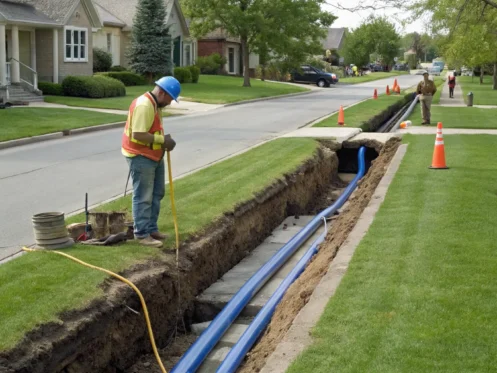
Your home is more than just the building; it’s the garden you planted, the driveway you paved, and the lawn where your kids play. The thought of a major sewer repair destroying all that hard work is a tough pill to swallow. Luckily, fixing a broken pipe no longer has to mean sacrificing your property. The choice between trenchless sewer repair vs traditional excavation is often a choice to protect your home’s exterior. This article will explore how modern, minimally invasive techniques can solve your plumbing problems while leaving your yard and hardscaping completely intact, saving you time, money, and a major headache.
Key Takeaways
- Preserve your yard with trenchless repair: This modern approach fixes sewer lines from the inside using small access points, which means your landscaping, driveway, and patio remain intact without the need for destructive trenching.
- Look beyond the initial quote to find the true cost: Traditional repair often involves hidden expenses for restoring your property after the work is done; trenchless methods can be more cost-effective because they eliminate the need to pay for new sod, concrete, or landscaping.
- A camera inspection is the essential first step: You can’t choose the right solution without knowing the exact problem, so a professional camera inspection is necessary to identify the specific damage and determine the most effective repair method for your home.
What is Traditional Sewer Repair?
When you think of major plumbing work, you probably picture a team digging a trench in a yard. That’s a pretty accurate image of traditional sewer repair. This method, also known as the “open cut” or “trench” method, is the conventional way professionals have fixed underground pipes for decades. It involves excavating the soil and landscaping directly above your damaged sewer line to physically access, remove, and replace the broken section of pipe.
While newer, trenchless methods have become popular, traditional repair is still a highly effective and sometimes necessary solution for major drains and sewer problems. Think of it as major surgery for your plumbing system. It’s more invasive, yes, but it’s often the most reliable way to handle a complete sewer line replacement, especially when a pipe has collapsed or is severely damaged. For homeowners in Tucson and surrounding communities like Marana and Sahuarita, understanding this process helps you know what to expect when facing a serious sewer issue.
How the Excavation Process Works
The traditional repair process starts with your plumbing team digging a trench along the path of the damaged sewer line. Using heavy machinery like a backhoe, they carefully remove the earth, grass, and any obstacles like pavement or walkways to expose the pipe. This excavation process can be quite disruptive to your property, which is a major consideration for many homeowners. Once the pipe is accessible, the damaged section is cut out and a brand-new, durable pipe is installed. After testing the new line, the trench is backfilled, and your yard is put back together as neatly as possible.
When is Traditional Repair Necessary?
While less invasive options are often preferred, there are specific situations where traditional repair is the only way to go. If your sewer line is completely collapsed, has severe structural damage, or is significantly misaligned (a condition known as a “bellied” pipe), trenchless methods might not work. In these cases, excavation is the only way to fully remove the old pipe and properly install a new one with the correct slope for proper drainage. A professional diagnosis is key, but for the most severely deteriorated pipes, this tried-and-true method ensures a complete and lasting fix.
What is Trenchless Sewer Repair?
Sewer line problems are stressful enough without adding a torn-up yard to the mix. That’s where trenchless sewer repair comes in. As the name suggests, this modern approach allows professionals to fix or replace your underground drains and sewer lines without digging a massive trench across your property. Forget the backhoes and piles of dirt; instead of excavating your entire lawn, driveway, or patio, trenchless methods use just one or two small access points to get the job done from the inside out.
This technique is a game-changer for homeowners in Tucson and Sahuarita, saving not only your landscaping but also a significant amount of time and hassle. It’s a cleaner, faster, and often more cost-effective way to handle serious pipe issues like cracks, blockages from tree roots, or collapses. By avoiding extensive digging, you also avoid the extra costs of restoring your property after the repair is complete, like replanting grass, fixing concrete, or rebuilding a deck. There are two primary methods for trenchless repair, each suited for different situations: Cured-in-Place Pipe Lining (CIPP) and Pipe Bursting. Understanding how each one works can help you have a more informed conversation with your plumbing expert about the best solution for your home.
Cured-in-Place Pipe Lining (CIPP)
Think of CIPP as creating a brand-new pipe directly inside your old one. This method is perfect for pipes that have cracks, leaks, or root intrusion but are still mostly intact. The process starts with a flexible, resin-saturated liner being inserted into the damaged pipe through an access point. Once it’s in place, the liner is inflated to press against the walls of the original pipe. It’s then cured, or hardened, using heat or UV light, which creates a smooth, seamless, and incredibly durable new pipe. Because it’s joint-free, the new liner is highly resistant to future root intrusion and corrosion, extending the life of your sewer system for decades.
Pipe Bursting: The No-Dig Alternative
When a sewer line is too damaged for a liner or has completely collapsed, pipe bursting is the go-to solution. This trenchless method completely replaces the old pipe without major excavation. A powerful machine pulls a new, high-density polyethylene (HDPE) pipe through the path of the old one. At the front of the new pipe is a conical “bursting head” that fractures the old, damaged pipe outward into the surrounding soil as it moves forward. The new pipe immediately takes its place, giving you a brand-new, seamless sewer line. This technique can even be used to install a larger diameter pipe, improving your system’s capacity and flow for years to come.
Cost Comparison: Which Method Saves You More?
When you’re facing a major sewer line issue, cost is understandably a top concern. Many homeowners in Tucson look at the initial quote and assume traditional repair is the more budget-friendly option. However, it’s crucial to look beyond that first number and consider the total project cost. The true cost of a sewer repair includes not just the pipe replacement itself, but also all the work required to get your property back to its original condition. This is where the two methods really start to differ.
Trenchless methods often provide better long-term value by avoiding the destructive and costly process of excavation. While the technology itself can sometimes have a higher upfront price tag, it saves you from the “hidden” expenses that come with digging up your yard, driveway, or patio. On the other hand, traditional repair might seem cheaper initially, but the costs of restoration can quickly add up, turning a seemingly good deal into a much larger financial burden. To make an informed decision for your home in Marana or Sahuarita, you need to weigh the complete project cost, not just the price of fixing the pipe. Let’s break down where your money really goes with each method.
Upfront Costs vs. Long-Term Value
Trenchless sewer repair is a perfect example of looking at the bigger picture. Because the process is faster and less invasive, it minimizes damage to your property. Think about it: your driveway, garden, and patio can remain completely untouched. This means you won’t have to spend extra money on landscaping or concrete work after the sewer line services are complete. Trenchless technology offers a modern, efficient solution that protects your property’s value and saves you from the headache and expense of major restoration work. It’s a smart investment that often proves to be more cost-effective in the long run.
The Hidden Expenses of Traditional Repair
The initial quote for a traditional sewer repair rarely tells the whole story. The process involves digging a long, deep trench across your property, which is where the hidden costs start to pile up. After the new pipe is in place, you’re left with the bill for restoring everything that was destroyed. This can include re-sodding your lawn, rebuilding retaining walls, repaving your driveway, or even repairing public sidewalks. These restoration expenses, combined with the higher labor costs for extensive excavation, can quickly make traditional repair the more expensive option. When you schedule an inspection, we can help you understand the full scope of costs for both methods.
Time & Disruption: How Long Will Your Project Take?
When you’re facing a major sewer line problem, one of your biggest concerns is likely how long the repair will take and how much it will disrupt your life. The difference between traditional and trenchless methods is significant, not just in technique but in the impact on your property and schedule. A project that takes weeks with one method might only take a day with another. Let’s look at what you can expect from each approach so you can plan accordingly and choose the best fit for your home and lifestyle.
The Timeline and Impact of Traditional Repair
Traditional sewer repair is an intensive process. It involves bringing in heavy machinery to dig a long, deep trench across your property to expose the entire damaged pipe. This excavation alone can take several days. Once the old pipe is removed and the new one is installed, the trench has to be backfilled. The whole project can easily stretch from a few days to over a week, depending on the length of the pipe and the complexity of your landscape.
The disruption goes beyond the timeline. You’ll have a large, open trench in your yard, which can be a safety hazard and an eyesore. This process often requires tearing up lawns, gardens, driveways, or patios that are in the pipe’s path. After the plumbing work is done, you’re left with the separate, time-consuming project of restoring your property, which adds to the overall inconvenience of most drains and sewer projects.
The Speed and Convenience of Trenchless Methods
Trenchless sewer repair offers a much faster and more convenient solution. Instead of digging a trench, our technicians create one or two small access points to reach the damaged pipe. From there, we can either reline the existing pipe or pull a new one through it. Because there’s no major excavation, most trenchless repairs can be completed in less than a day.
This minimally invasive approach means your yard stays intact. Your landscaping, driveway, and patio are safe, saving you the time, money, and headache of restoration. For homeowners in Tucson, Marana, and Sahuarita, this means a quicker return to normalcy with far less mess. If a fast, low-impact solution is your priority, you can schedule an online consultation to see if it’s right for your home.
Durability: Which Repair Lasts Longer?
When you invest in a major home repair, you want it to last. The last thing you need is to face the same problem again in a few years. When it comes to your sewer line, both traditional and trenchless methods are designed to be long-term solutions, but they get there in different ways. Think of it like fixing a road: one method involves completely tearing out the old asphalt to lay a brand new surface, while the other applies a new, high-tech layer over the existing road to make it smooth and strong again.
Both approaches give you a reliable result, but the materials and techniques used in each process lead to different expectations for longevity. A brand-new pipe installed through excavation is certainly durable, but the seamless, modern materials used in trenchless repairs offer their own impressive lifespan. This isn’t just about patching a problem; it’s about installing a solution that will protect your home for decades. The choice you make will impact your property for a very long time, so it’s worth weighing the durability of each option carefully. Understanding how long each type of repair holds up is a critical piece of the puzzle, helping you make the best decision for your home, your property, and your peace of mind. Let’s look at what you can expect from each method.
The Lifespan of Traditional Pipe Repairs
Traditional sewer repair involves digging a trench to completely remove the damaged pipe and replace it with a new one. The new pipes are typically made from modern, durable materials like PVC, which are designed to last for 50 to 100 years. Because you’re getting an entirely new pipe, this method is an incredibly effective and permanent solution. For certain situations, like a completely collapsed or back-pitched line, excavation is the only viable option. When our team handles these complex drains and sewer issues, you can be confident that the new line will serve your home reliably for decades to come.
How Long Trenchless Repairs Last
Trenchless methods, like pipe lining, create a new pipe right inside the old one. This is done using a strong epoxy resin liner that hardens in place, forming a seamless and joint-free pipe. This new pipe is incredibly durable and resistant to corrosion, cracks, and even invasive tree roots. How long does it last? With proper installation, a trenchless repair can extend the life of your sewer system by 50 years or more. Many repairs also come with a warranty, giving you extra assurance. It’s a modern solution that provides a long-lasting fix without the disruption of digging up your yard.
What Are the Limitations of Each Method?
While trenchless technology offers a fantastic, modern solution for many sewer line issues, it’s not a universal fix. Likewise, the traditional excavation method has its place, but it comes with significant trade-offs. Understanding the limitations of each approach is key to making an informed decision for your property. The best method always depends on the specific type and severity of the damage to your pipe.
The condition of your existing sewer line is the biggest factor. A simple crack or root intrusion is a perfect candidate for a trenchless fix. However, a pipe that has completely collapsed or shifted underground presents a different challenge. That’s why a professional camera inspection is so important. It gives us a clear picture of what’s happening below ground so we can recommend the most effective and lasting solution for your home’s drains and sewer system.
When Trenchless Repair Isn’t an Option
Trenchless sewer repair is incredibly effective, but it does have its limits. This method works by repairing the pipe from the inside, so it relies on the existing pipe to act as a host. If the original pipe is too severely damaged, a trenchless approach may not be possible.
For example, if a pipe has completely collapsed on itself, there is no clear path to insert a new liner or bursting head. The same is true for pipes that are severely misaligned or have significant “bellies” (dips where water and waste collect). In these cases, the structural integrity is too compromised for a trenchless fix to be successful. The only viable option is to excavate and perform a traditional replacement.
The Drawbacks of Traditional Methods
The most obvious drawback of traditional sewer repair is the disruption it causes. To access the damaged pipe, a large trench must be dug across your property. This process is labor-intensive and can easily destroy landscaping, patios, driveways, and walkways that are in the way. It’s a messy and invasive process that can take several days to complete, leaving a large portion of your yard unusable.
Beyond the initial inconvenience, you also have to consider the secondary costs. The quote for the pipe repair itself doesn’t include the expense of restoring your property afterward. Re-sodding your lawn, pouring new concrete, or rebuilding a deck can add a significant amount to the total project cost, turning a plumbing repair into a full-blown landscaping project.
Which Sewer Repair Method is Right for You?
Choosing between trenchless and traditional sewer repair can feel like a big decision, but it doesn’t have to be complicated. The right choice really comes down to the specific situation at your property. A professional plumber will always perform a camera inspection to diagnose the problem accurately, but understanding the key factors yourself can help you feel more confident in the process. By looking at the type of damage, the pipe’s location, and your budget, you can get a clear picture of which method makes the most sense for your home or business in Tucson.
Key Factors to Consider
The first thing to consider is the extent of the sewer line damage. If a pipe is completely collapsed or has severe structural issues, traditional excavation might be the only way forward. However, for cracks, leaks, and root intrusion in a pipe that is still mostly intact, trenchless methods are ideal. The location of the pipe is also a major factor. If your sewer line runs under a driveway, mature trees, or custom landscaping, trenchless repair will save you the headache and cost of major restoration work. Because it requires less labor and equipment, trenchless repair is often faster and more affordable when you account for these hidden expenses.
Common Questions and Misconceptions
Let’s clear up a few common myths about sewer repair. Many people assume trenchless methods are automatically more expensive, but that’s often not the case. When you factor in the cost of rebuilding a deck or replanting your garden, trenchless repair can offer significant savings. Another misconception is that trenchless solutions are just a temporary fix. In reality, the epoxy resin used in pipe lining creates a new, durable pipe inside the old one that can last for decades. Finally, homeowners with older properties sometimes worry their pipes are too old for modern repairs, but trenchless technology is highly effective on materials like cast iron and clay.
Start with a Professional Diagnosis
Before you can decide between trenchless and traditional repair, you need to know exactly what you’re dealing with. A sewer line problem isn’t something you can eyeball; the issue is hidden underground. Making a decision without a clear picture of the damage can lead to choosing the wrong repair method, which costs you more time and money down the road. That’s why the entire process should always begin with a thorough, professional diagnosis from a trusted plumbing team. This step removes the guesswork and sets the stage for a successful, long-lasting repair.
Why a Camera Inspection Comes First
A camera inspection is the only way to get a clear view of what’s happening inside your sewer pipes. A technician feeds a small, high-definition waterproof camera into your sewer line to see the pipe’s interior in real-time. This allows them to pinpoint the exact location and cause of the problem, whether it’s invasive tree roots, cracks, corrosion, or a complete collapse. This detailed look is essential for determining the extent of the damage and deciding if trenchless or traditional repair is the better fit. Without it, any recommendation is just a guess. A proper inspection ensures the chosen repair method addresses the root cause, preventing future headaches and repeat issues with your drains and sewer lines.
Finding a Qualified Sewer Expert in Tucson
Once you understand the problem, you need the right team to fix it. When searching for a sewer expert in Tucson, Marana, or Sahuarita, look for a company with proven experience in both trenchless and traditional repair methods. A team that offers both options will give you an honest recommendation based on your specific situation, not just the one service they happen to provide. Ask about their diagnostic process and ensure they start with a camera inspection. A reliable expert will be transparent, answer your questions, and provide a clear plan. At Fusion Plumbing & Air, our certified technicians have the tools and expertise to handle any sewer issue, ensuring the job is done right with minimal disruption to your property. You can schedule an appointment online to get a professional diagnosis.
Related Articles
- Trenchless Sewer Line Repair: The Ultimate Guide
- Trenchless Sewer Replacement: A Complete Guide
- Sewer Line Repair: A Complete Homeowner’s Guide
Frequently Asked Questions
How do I even know if I have a sewer line problem? You’ll usually notice a few key warning signs around your home. Persistent slow drains, gurgling sounds from your toilets, or unpleasant odors in your yard are common red flags. You might also see soggy patches of grass or unusually green spots on your lawn where the sewer line runs. If you’re experiencing any of these issues, it’s a good idea to have a professional take a look.
Is trenchless repair always cheaper than traditional repair? Not always, if you’re only looking at the initial quote. It’s important to consider the total project cost. Traditional repair often comes with extra expenses for restoring your property, like repaving a driveway or replanting your garden. When you factor in those restoration costs, trenchless repair frequently ends up being the more affordable option overall.
Can trenchless methods fix any type of sewer pipe damage? Trenchless repair is a fantastic solution for many issues, like cracks, leaks, and root intrusion. However, it isn’t suitable for every situation. If a pipe has completely collapsed or is severely misaligned, there isn’t a clear path for the new liner or pipe to follow. In those cases, traditional excavation is necessary to fully replace the damaged section.
Will a trenchless repair last as long as a completely new pipe? Yes, it’s designed to be a long-term solution. The epoxy liner used in trenchless repairs creates a brand-new, seamless pipe inside the old one. This new pipe is incredibly strong, resistant to corrosion and roots, and is expected to last for 50 years or more. It’s a durable fix that provides lasting peace of mind.
What’s the first step if I think my sewer line needs to be repaired? The very first step is to get a professional diagnosis. A qualified plumber will perform a camera inspection to see exactly what’s happening inside your pipes. This takes the guesswork out of the equation and allows them to identify the precise location and cause of the problem, which is essential for recommending the right repair method for your home.