
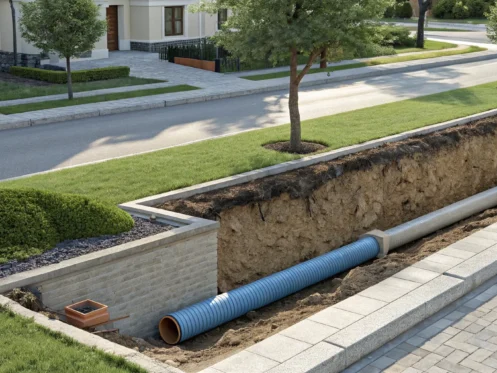
A sewer line issue is one of the most significant and unexpected expenses a homeowner can face. While the cost of the pipe repair itself is a major factor, the hidden costs of traditional methods can be staggering. Repaving a driveway, replanting a garden, and fixing a patio can add thousands to the final bill. This is where trenchless sewer line repair becomes such a smart financial decision. While the initial quote can sometimes be comparable to older methods, it eliminates all those secondary restoration costs. You’re investing in a durable, long-lasting solution that not only fixes the problem but also preserves your property’s value and appearance.
Key Takeaways
- Protect your property from excavation: Trenchless repair fixes your sewer line from the inside out, which means your lawn, garden, and driveway are safe from being dug up. It’s a less disruptive way to handle a major plumbing problem.
- It’s a targeted solution, not a cure-all: This method is perfect for pipes with cracks, leaks, or root damage, but it can’t fix a line that has completely collapsed. A professional camera inspection is the only way to determine the right approach for your home.
- Look at the total investment: While the upfront quote might seem higher, trenchless repair often saves you money. It eliminates the significant secondary costs of restoring your property, like replanting your lawn or repaving your driveway.
What Is Trenchless Sewer Line Repair?
When you hear “sewer line repair,” you probably picture a giant trench cutting through your beautiful lawn, driveway, or garden. For years, that was the only way to fix underground pipes. Thankfully, technology has given us a much better option: trenchless sewer line repair. This modern approach allows professional plumbers to repair or replace damaged sewer pipes without having to dig up your entire yard. Instead of a massive trench, the work is done through a few small access points.
This method is a game-changer for homeowners in Tucson and Sahuarita. It means your landscaping, patio, and driveway can stay intact while we fix the problem underground. Trenchless repairs are less invasive, much faster, and save you the headache and cost of restoring your property after the job is done. Whether you’re dealing with cracks from tree roots or an older, corroded pipe, our drain and sewer services can solve the issue with minimal disruption to your life and home. It’s a cleaner, more efficient way to handle one of plumbing’s biggest jobs.
How Does Trenchless Technology Work?
The process starts with a detailed camera inspection. A technician feeds a high-resolution camera into your sewer line to get a clear picture of the problem. This lets us pinpoint the exact location and extent of the damage, whether it’s a crack, a blockage from roots, or a collapsed section. Once we have a diagnosis, we can proceed without any guesswork.
Using small entry and exit points, we access the damaged pipe. From there, we use specialized equipment to either reline the existing pipe or pull a brand-new one through it. The entire repair happens underground, which is why it’s so much less disruptive than traditional methods.
CIPP Lining vs. Pipe Bursting: What’s the Difference?
There are two primary methods for trenchless repair, and the right one depends on your pipe’s condition. The first is Cured-In-Place Pipe (CIPP) lining. Think of it as creating a new, seamless pipe inside the old one. We insert a flexible, resin-coated liner into the damaged pipe and inflate it. The resin then hardens, forming a strong, durable pipe wall. CIPP lining is great for fixing cracks, leaks, and root intrusion in pipes that are still structurally sound.
The second method is pipe bursting. This technique is used when the original pipe is too damaged to be relined. We pull a new, high-density pipe through the old one, which fractures the old pipe outward as the new one takes its place. It’s an effective way to completely replace a sewer line without excavation.
The Pros and Cons of Trenchless Repair
Deciding on the best way to handle a sewer line problem can feel overwhelming, but understanding your options is the first step. Trenchless repair is a modern approach that offers some fantastic benefits, but it also has a few limitations. Let’s walk through the pros and cons so you can feel confident about making the right choice for your home.
Pro: Less Disruption and Faster Repairs
The biggest advantage of trenchless sewer repair is right in the name: no trench. Instead of digging up your entire lawn, driveway, or garden, our technicians can fix the pipe through just one or two small access points. This means your beautiful landscaping stays intact. This method is also much faster than traditional excavation. While older methods could take several days and turn your yard into a construction zone, a trenchless repair can often be completed in a single day. You get your plumbing back to normal with minimal hassle and disruption to your daily life.
Pro: A Durable, Cost-Effective Solution
Trenchless methods provide a long-lasting fix for your drains and sewer lines. The new pipe lining material is incredibly strong and seamless, which helps it resist corrosion, cracks, and even invasive tree roots. You’re essentially getting a brand-new pipe that’s built to last for decades. While the upfront cost can sometimes be higher, trenchless repair is often more cost-effective in the long run. You won’t have to spend thousands of dollars on extra costs like replanting your lawn, fixing your patio, or repaving your driveway, which makes it a smart financial decision for many homeowners in Tucson.
Con: The Initial Investment
It’s true that the initial quote for a trenchless repair can sometimes be higher than for a traditional dig-and-replace job. The specialized equipment and advanced materials used in the process contribute to this higher upfront cost. However, it’s important to look at the total expense. When you factor in the money you save on landscape restoration, the shorter project time, and the long-term durability of the repair, the overall value often becomes clear. We always provide a transparent breakdown of costs so you can see exactly what you’re paying for and make an informed choice.
Con: When It Might Not Be an Option
Trenchless technology is an amazing solution, but it isn’t suitable for every situation. If a sewer pipe is completely collapsed, has severe dips (called “bellies”), or is significantly misaligned, trenchless methods might not work. In these cases, the pipe is too damaged for a liner to be inserted or for a new pipe to be pulled through effectively. When you schedule an inspection, our team will use a camera to assess the condition of your pipes and determine if trenchless repair is a viable option or if a traditional excavation is the only way to guarantee a proper, lasting fix.
Is Trenchless Sewer Repair Right for You?
Deciding on the best way to handle a sewer line problem can feel overwhelming, but it often comes down to a few key factors. Understanding the condition of your pipes and your property will help you determine if trenchless technology is the right fit. Let’s walk through the signs to watch for and the scenarios where trenchless methods shine, as well as when a traditional approach is still the best option.
Warning Signs Your Sewer Line Is in Trouble
Your home often gives you clues when there’s a problem with the sewer line. If you notice slow drains throughout your house, persistent clogs, gurgling noises from your toilets, or foul odors inside or outside your home, don’t ignore these warning bells. Wet, soggy patches or unusually green spots in your yard can also point to a leak underground. A sudden sewage backup is the most urgent sign that you need immediate help. If any of these issues sound familiar, it’s time to get a professional sewer line inspection to diagnose the problem before it gets worse.
The Best Scenarios for Trenchless Methods
Trenchless sewer repair is a fantastic solution for fixing pipes without turning your yard into a construction zone. This method is ideal if your pipes are cracked, leaking, or clogged with tree roots but are still structurally intact. If you want to avoid digging up your driveway, garden, or mature landscaping in Tucson or Sahuarita, trenchless is the way to go. It’s also a great long-term fix for older sewer systems made of materials like cast iron or clay. By creating a new, seamless pipe within the old one, you get a durable repair that can last for decades.
When Traditional Digging Is Still the Answer
Trenchless repair is powerful, but it isn’t a magic wand for every situation. If a pipe is completely collapsed, crushed, or severely misaligned, traditional excavation might be the only way to fix it. You can’t reline a pipe that isn’t there or has lost its shape entirely. This method is also necessary for major breaks where sections of the pipe are missing. While it’s more disruptive, digging provides direct access to the damaged area for a complete replacement. A thorough camera inspection will always determine the best course of action, so you can schedule an appointment to get a clear picture of your pipe’s condition.
Understanding the Cost of Trenchless Sewer Repair
When you’re facing a sewer line problem, the cost is often the first thing on your mind. Trenchless repair can be an incredibly smart investment, but the price isn’t one-size-fits-all. The final cost depends on the specifics of your property and the extent of the damage. Understanding these factors will help you see the complete picture and recognize the long-term value this modern solution offers.
Unlike traditional methods that require extensive digging, trenchless technology is a less invasive process. While the upfront quote might sometimes be higher than a conventional dig, it’s crucial to look at the total expense, including the money you’ll save on restoring your property. Let’s break down what influences the price and how it compares to older repair methods.
What Factors Influence the Price?
Trenchless sewer repair uses advanced technology to fix pipes from the inside out, which means we don’t have to dig a large trench across your yard. The cost of this service is shaped by a few key factors. The length and depth of the pipe that needs repair, the severity of the damage, and the specific trenchless method we use all play a part. For example, relining a pipe might have a different cost than bursting an old one to install a new line. The accessibility of your sewer line can also influence the price. Our team will always perform a thorough inspection to give you a clear and accurate estimate based on your home’s unique situation.
Trenchless vs. Traditional: A Cost Comparison
At first glance, a traditional dig-and-replace quote might seem lower. However, it’s important to consider the hidden costs that come with excavation. After the pipe is fixed, you’re left with the expense of repairing your lawn, garden, driveway, or patio. These restoration costs can add up quickly. Trenchless repair avoids this entirely, saving you both money and a major headache. Furthermore, trenchless methods use highly durable materials that create a seamless, long-lasting fix for your drains and sewer lines. This durability often makes trenchless repair the more cost-effective solution in the long run, protecting your property for years to come.
Making Your Repair More Affordable
We know that a sewer line repair is an unexpected expense, and we want to make the process as manageable as possible. The best way to start is by getting a detailed, professional estimate. This helps you understand exactly what you’re paying for without any surprises. At Fusion Plumbing & Air, we also offer flexible financing options to help fit the repair into your budget. Remember, by choosing a trenchless method, you’re already saving on the significant costs of landscape and hardscape restoration. When you’re ready to get a clear quote for your Tucson home, you can easily schedule an appointment online with our team.
What to Expect From the Trenchless Repair Process
Deciding on a major home repair can feel overwhelming, but knowing what’s involved makes the process much smoother. Trenchless sewer repair is a streamlined solution that avoids turning your yard into a construction zone. From the initial inspection to the final checks, the process is designed to be efficient and minimally invasive. We’ll walk you through what happens during the repair, how to care for your new sewer line, and clear up a few common myths so you can feel confident in your decision.
A Step-by-Step Look at the Repair
The process starts with a camera inspection to get a clear look at the problem inside your sewer line. Once we’ve diagnosed the issue, we create one or two small access points to reach the damaged pipe. From there, we often use a method called Cured-in-Place-Pipe (CIPP) lining. This involves inserting a flexible, resin-coated tube into the old pipe and inflating it. The resin then hardens, creating a brand-new, seamless pipe within the old one. During this curing process, your water may be shut off for a few hours, so it’s a good idea to plan ahead. After the new pipe is in place, we do a final camera inspection to ensure everything is working perfectly.
How to Care for Your New Sewer Line
Your new trenchless sewer line is incredibly durable, but a little care goes a long way in protecting your investment. The best thing you can do is be mindful of what goes down your drains. Avoid flushing anything other than toilet paper, especially so-called “flushable” wipes, grease, and harsh chemicals, as these can cause clogs. To keep things flowing smoothly, consider a maintenance agreement for regular check-ups. Catching small issues early is the key to preventing a major headache down the road. Proactive care ensures your plumbing system remains reliable for decades to come.
Debunking Common Trenchless Myths
There’s a lot of information out there, so let’s clear up a few misconceptions. One common myth is that trenchless repair is a cure-all for every sewer problem. While it’s highly effective for cracks and root intrusion, it may not be an option for a completely collapsed or severely misaligned pipe. In those rare cases, traditional excavation might be necessary. Another myth is that it works on any pipe material, but older, brittle clay pipes can sometimes pose a challenge. The best way to know for sure is to have a professional assess your specific situation and recommend the right solution for your home in Tucson.
How to Choose the Right Trenchless Repair Company
Choosing a contractor for trenchless sewer repair is a big decision. This isn’t just a simple fix; it’s a major investment in the health of your home’s plumbing system. Since the work happens underground, you have to trust that the team you hire is doing the job correctly with the right equipment and expertise. The right partner will not only solve your immediate problem but also provide a lasting solution that gives you peace of mind for decades. Taking the time to find a qualified, trustworthy company protects your property and your wallet. It ensures the job is done right the first time, saving you from future headaches and costly repeat repairs.
What to Look for in a Contractor
First things first: not every plumbing company offers trenchless repair. It’s a specialized skill that requires specific training and expensive equipment, so you’ll want to find a contractor who truly focuses on it. Look for a company with a proven track record of successful trenchless projects in the Tucson area. Check for proper licensing and insurance to ensure you’re protected. Online reviews and testimonials are also your best friend here, as they offer real-world insight into the company’s professionalism and quality of work. A reputable contractor will have a history of satisfied customers and be transparent about their experience with modern drains and sewer solutions.
Key Questions to Ask Before You Hire
Before you sign on the dotted line, come prepared with a list of questions. The best way to gauge a contractor’s expertise is to see how they answer them. Ask about their experience with your specific type of problem and which trenchless method they recommend, whether it’s CIPP lining or pipe bursting, and why. Inquire about the warranty they offer on both materials and labor. It’s also smart to get detailed, written estimates from a few different qualified companies. Don’t be afraid to ask for a breakdown of the costs so you understand exactly what you’re paying for. A professional will be happy to walk you through the process and schedule an inspection to give you a clear and accurate quote.
Contractor Red Flags to Watch Out For
Be wary of any contractor who gives you a quote over the phone without performing a video camera inspection first. A thorough diagnosis is essential. A major red flag is a company that pushes trenchless repair as a one-size-fits-all solution. Trenchless methods aren’t right for every situation. If a pipe is completely collapsed or has severe sags (low spots), traditional excavation might be the only viable option. A trustworthy professional will be honest about the limitations and recommend the best approach for your specific issue, even if it’s not trenchless. If a contractor seems to be glossing over potential problems or pressuring you into a quick decision, it’s best to walk away and find someone more transparent.
Related Articles
- Trenchless Sewer Line Repair: The Ultimate Guide
- Sewer Line Repair: A Complete Homeowner’s Guide
- Trenchless Sewer Replacement: A Complete Guide
- Trenchless Sewer Replacement: A Complete Guide
Frequently Asked Questions
How long does a trenchless sewer repair usually take? One of the best parts of trenchless repair is how quickly it can be done. While traditional excavation can take several days and leave your yard a mess, most trenchless jobs are completed in just a single day. You can leave for work in the morning and come home to a fully functional sewer line without the major disruption.
Is the new pipe lining as strong as a traditional pipe? Absolutely. In many cases, it’s even stronger. The epoxy resin used in CIPP lining creates a seamless, joint-free pipe that is highly resistant to corrosion, cracks, and invasive tree roots. This modern material is designed to last for 50 years or more, giving you a durable, long-term solution that often outperforms older pipe materials like clay or cast iron.
Will I have to move out of my house during the repair? You can definitely stay home during the process. The work is contained to a few small access points outside, so you won’t have a construction crew inside your house. We may need to turn off your water for a few hours while the new pipe lining cures, but we will always let you know in advance so you can plan accordingly.
Why is a camera inspection so important before the repair? A camera inspection is the most critical first step because it allows us to see exactly what’s happening inside your pipes. Without it, any repair plan is just a guess. The camera shows us the precise location and severity of the damage, which tells us if trenchless repair is the right option and which method will be most effective for your home.
Can trenchless repair fix a pipe that’s completely collapsed? Trenchless methods are incredibly effective, but they do have limits. If a pipe is completely crushed or has caved in on itself, trenchless repair is not an option. Both pipe lining and pipe bursting require a path through the old pipe to work. In cases of total collapse, traditional excavation is the only way to remove the damaged section and install a new one.