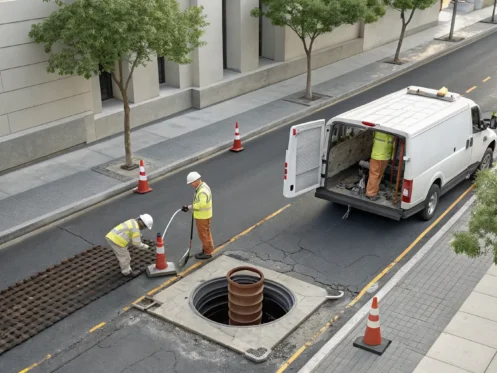
If you live in an older home in Tucson or Oro Valley, your plumbing system might be living on borrowed time. Pipes made from cast iron or clay were built to last, but not forever. Over decades, they become brittle, corrode, and become vulnerable to cracks and tree root intrusion. You don’t have to wait for a catastrophic failure to take action. Trenchless pipe lining offers a proactive way to reinforce your aging sewer lines from within, essentially giving you a brand-new, ultra-durable pipe without the headache of a full excavation. It’s a permanent upgrade that protects your property and gives you peace of mind.
Key Takeaways
- Repair pipes without the mess: Trenchless pipe lining fixes your sewer line from the inside, saving your yard, driveway, and patio from destructive digging. This no-dig approach is faster and often more affordable than traditional excavation.
- Solve persistent plumbing problems for good: This technology is ideal for fixing recurring issues like clogs, leaks, and tree root intrusion in pipes that are still structurally sound. It creates a seamless new pipe with a 50-year lifespan, offering a permanent solution.
- Hire an expert for a reliable repair: The quality of a trenchless repair depends on the technician’s experience and equipment. Be sure to choose a licensed specialist who can explain their process, provide a warranty, and confirm they use high-quality materials.
What is Trenchless Pipe Lining?
When you hear you have a sewer line problem, you might picture a backhoe digging a massive trench through your beautiful yard. For years, that was the only way to fix things. Thankfully, there’s a much better method now. Trenchless pipe lining is a way to fix old sewer pipes without digging up your whole yard. It’s a less messy and often cheaper option than traditional digging. Instead of excavating and replacing the entire pipe, this technology allows us to repair it from the inside.
Think of it as creating a brand-new, durable pipe directly inside the old, damaged one. This approach is perfect for fixing common issues like cracks, leaks, corrosion, or damage from tree roots. We can address these complex drains and sewer problems without destroying your landscaping, patio, or driveway. For homeowners in Tucson, Oro Valley, and Marana, it means a faster, cleaner, and more efficient repair that saves you from a major property headache.
How Cured-in-Place Pipe (CIPP) Creates a New Pipe
So, how exactly do we build a new pipe inside an old one? The most common technique is called Cured-in-Place Pipe (CIPP). It’s a straightforward and highly effective process. Cured-in-Place Pipe (CIPP) lining involves inserting a flexible tube coated with a special resin into the old pipe through an existing access point. There’s no need for major digging.
Once the liner is positioned correctly, compressed air is used to push this tube outward, making it stick to the inside walls of the old pipe. The liner molds perfectly to the shape of the host pipe, covering any cracks or gaps. The resin then hardens over several hours, creating a strong, seamless “new” pipe inside the old one.
Understanding the Resin-Lining Process
The key to this durable repair is the powerful epoxy resin used to coat the liner. This isn’t just a temporary patch; it’s a structural fix that results in a pipe that is often stronger and more resilient than the original. The materials we use in CIPP pipe lining offer a 50-year lifespan, so you can count on it for decades to come. Many people are surprised when they learn that epoxy pipe lining typically costs less than a conventional pipe replacement.
When you consider the extra costs of restoring your lawn, driveway, or garden after a traditional dig, the savings become even clearer. It’s a smart investment in your home’s residential plumbing system that provides lasting results without the disruptive mess.
Why Choose Trenchless Pipe Repair?
When you hear “sewer repair,” you probably picture a giant trench dug across your beautiful yard. But what if there was a better way? Trenchless pipe lining offers a modern solution that fixes your pipes from the inside out, saving your landscape, your time, and your wallet. It’s a game-changer for plumbing problems. Let’s look at why so many homeowners in Tucson and Sahuarita are choosing this innovative method for their drains and sewer lines.
Protect Your Yard from Major Excavation
The most immediate benefit of trenchless pipe lining is right in the name: no trench. This “no-dig” approach means we can repair your broken sewer pipes without having to excavate your property. Your beautiful desert landscaping, carefully laid patio, and pristine driveway can all stay exactly where they are. Instead of dealing with the mess and disruption of a backhoe tearing up your yard for days or weeks, our technicians can complete the entire repair through small access points. It’s a clean, efficient process that protects the property you’ve worked so hard to maintain, whether you’re in Oro Valley or Marana.
Save Time and Money on a Long-Term Fix
Traditional pipe replacement is a major undertaking that can take weeks, even months, to complete. Trenchless pipe lining, on the other hand, is remarkably fast. A typical residential job can be finished in just two to four days. This speed translates directly into savings. Because there’s no major excavation, labor costs are significantly lower, often making the process 50% to 70% less expensive than digging. You also avoid the secondary costs of restoring your landscape, repairing your driveway, or rebuilding a deck. It’s a smarter, more efficient investment in your home’s plumbing. Ready to see how much you could save? You can schedule an inspection online with our team.
Enjoy Decades of Durability
Trenchless pipe lining isn’t just a quick fix; it’s a permanent solution that essentially gives you a brand-new pipe inside the old one. The hardened epoxy liner we install is incredibly strong and seamless, eliminating the joints where leaks and root intrusion often start. This new pipe is resistant to corrosion, rust, and chemicals, giving it an impressive lifespan of 50 years or more. You get the peace of mind that comes with a durable, long-lasting repair that strengthens your entire plumbing system. It’s a modern upgrade that protects your home for decades to come, making it a core part of our residential plumbing services.
A More Environmentally Friendly Solution
Choosing trenchless repair is also a choice to protect our local environment. By avoiding large-scale digging, we prevent soil disruption and keep tons of old pipe material out of landfills. The process uses less heavy machinery, which means a smaller carbon footprint from fuel consumption. This greener choice is a safe and reliable technology that minimizes the impact on the surrounding ecosystem. For homeowners in the Tucson area who value sustainability, trenchless pipe lining offers a way to solve a serious plumbing issue while being kinder to the planet. It’s a responsible repair method that aligns with a modern, eco-conscious mindset.
Signs You Might Need Pipe Lining
Your home’s plumbing system is an unsung hero, working silently behind the scenes. But when problems arise, it often sends out clear distress signals. Paying attention to these warnings can save you from a major headache and costly emergency repairs later on. If you’re noticing strange issues with your drains or weird smells around your property, your sewer line might be compromised. Here are a few key signs that indicate it might be time to consider trenchless pipe lining.
Stubborn Clogs and Frequent Sewer Backups
An occasional clog in a sink or toilet is one thing, but if you’re constantly reaching for the plunger, you might have a bigger issue. When multiple drains in your home are slow or you experience frequent backups, it’s a strong indicator of a problem in your main sewer line. These persistent blockages can be caused by cracks, corrosion, or obstructions deep within the pipe. Instead of just treating the symptom, pipe lining addresses the root cause by creating a smooth, seamless new pipe inside the old one. If you’re tired of dealing with recurring drain and sewer problems, it’s time to look at a more permanent solution.
Unpleasant Odors Coming from Your Drains or Yard
That unmistakable smell of sewage is a major red flag you should never ignore. If you notice foul odors coming from your drains or wafting through your yard, it likely means that wastewater is leaking from a crack or break in your sewer line. This isn’t just unpleasant; it can also pose a health risk to your family and pets. Gurgling sounds from your drains often accompany these smells, signaling that air is trapped in the line due to a blockage or break. A professional camera inspection can pinpoint the source of the leak, which can often be sealed from the inside with pipe lining, restoring your peace of mind.
Damage from Invasive Tree Roots
The beautiful, mature trees that give Tucson its character can sometimes be a hidden threat to your plumbing. Tree roots are naturally drawn to the moisture and nutrients inside your sewer line, and they can infiltrate even the tiniest cracks in a pipe. Once inside, these roots expand, creating dense blockages and widening the cracks, which can eventually cause the pipe to collapse. If you have large trees on your property and are experiencing frequent clogs, invasive roots are a likely culprit. Trenchless pipe lining creates a durable barrier that is impenetrable to roots, effectively solving the problem without having to remove your beloved trees.
Your Home Has Old Cast Iron or Clay Pipes
Many older homes in Tucson, Oro Valley, and the surrounding areas were built with cast iron or clay sewer pipes. While durable for their time, these materials have a limited lifespan. Cast iron pipes are prone to rust and corrosion from the inside out, leading to rough surfaces that snag waste and eventually crack. Clay pipes are brittle and susceptible to cracking under pressure or from invading tree roots. If you know your home has these older pipes, it’s wise to consider a proactive approach. Pipe lining can reinforce them before a major failure occurs, extending the life of your sewer system for decades to come.
Understanding the Cost of Trenchless Pipe Lining
When you’re facing a major pipe problem, the potential cost is often the first thing on your mind. While trenchless pipe lining is a significant investment in your home’s infrastructure, it’s often more affordable than you might think, especially when you consider the alternative. The final price tag depends on a few key variables, but understanding them can help you see why this modern solution offers incredible value.
What Factors Influence the Price?
The cost for trenchless pipe lining typically falls between $10,000 and $20,000. The exact price for your project will depend on several factors, including the length and diameter of the pipe that needs repair, how easy it is to access, and the extent of the existing damage. For example, a long, severely cracked sewer line will naturally cost more to fix than a shorter pipe with minor root intrusion. The best way to get a clear number is to have a professional perform a camera inspection. This allows a technician to see exactly what’s happening inside your drains and sewer lines and provide an accurate, detailed quote.
Trenchless vs. Traditional: A Cost Comparison
One of the biggest advantages of trenchless repair is how much money it saves compared to old-school methods. Traditional pipe replacement, which involves digging a large trench across your property, can easily cost between $40,000 and $50,000. That price doesn’t just cover the plumbing work; it also includes the massive expense of excavation, labor, and restoring your destroyed landscaping, driveway, or patio. Plus, a traditional replacement can take up to two months to complete. Trenchless lining, on the other hand, is usually finished in just two to four days, saving you thousands in labor and restoration costs while minimizing disruption to your life.
Exploring Financing and Insurance Options
Paying for a major pipe repair can feel overwhelming, but you may have options to help manage the cost. It’s worth checking your homeowner’s insurance policy, as some plans cover trenchless repairs, especially if you have an optional sewer line endorsement. These endorsements often have coverage limits between $10,000 and $20,000, which can significantly reduce your out-of-pocket expense. Many professional plumbing companies also offer financing options to break the total cost into more manageable monthly payments. When you need a reliable fix for your home’s residential plumbing, these options can make an urgent repair much less stressful on your budget.
Is Trenchless Pipe Lining the Right Choice for You?
Trenchless pipe lining is an incredible solution for many sewer line issues, but it’s not a one-size-fits-all fix. The best approach depends entirely on the condition of your existing pipes. Understanding when pipe lining is the perfect fit versus when a traditional replacement is necessary will help you make a confident decision for your home. A professional camera inspection is the only way to know for sure, but here are the key factors our technicians consider.
When is Pipe Lining the Ideal Solution?
Trenchless pipe lining is a fantastic option if your pipes are still structurally intact but are causing problems. It’s especially effective for fixing issues in older homes with corroded cast iron pipes that are prone to leaks, cracks, and root intrusion. If your main sewer line has cracks, pinhole leaks, or is letting in tree roots but hasn’t collapsed, you’re likely a great candidate. This method allows us to repair your drains and sewer lines without digging up your beautiful yard or patio. It’s the ideal way to restore your pipes with minimal disruption to your property and daily life.
When a Full Replacement is Unavoidable
While pipe lining can solve a lot of problems, it does have its limits. The process requires a host pipe to mold the new liner, so if the original pipe has completely collapsed or has large sections missing, lining isn’t an option. It also won’t work if the pipe has shifted so much that the sections are no longer aligned (called an offset pipe) or if it has a significant dip or “belly” that collects waste and water. In these severe cases, a traditional excavation and replacement is the only way to guarantee a functional sewer line. The first step is always a thorough inspection to assess the damage, which you can schedule online with our team.
Common Myths About Pipe Lining, Debunked
There are a few common misconceptions about trenchless pipe lining that we hear all the time. The biggest one is that it’s just a temporary patch. This couldn’t be further from the truth. Cured-in-place pipe (CIPP) lining creates a brand-new, seamless pipe inside the old one that is incredibly durable and has a life expectancy of 50 years or more. Another myth is that it’s too expensive. While the upfront cost can be higher than a simple spot repair, it’s often more affordable than a full excavation once you factor in the cost of restoring your landscaping, driveway, or patio. It’s a long-term investment in your home’s plumbing.
The Trenchless Lining Process, Step-by-Step
Trenchless pipe lining might sound complex, but it’s a straightforward and highly effective process when handled by experts. It’s all about precision and following a proven method to restore your pipes from the inside out, without turning your yard into a construction zone. To give you a better idea of what to expect, let’s walk through how our team at Fusion Plumbing & Air handles a pipe lining project from start to finish.
Step 1: Inspecting the Damage with a Camera
Before we do anything else, we start with a detailed video camera inspection. We guide a small, high-resolution camera through your pipes to get a clear look at what’s going on inside. This is a crucial first step because it allows us to see the exact nature of the problem, whether it’s cracks, corrosion, or blockages from tree roots. More importantly, this inspection confirms if your pipe is a good candidate for lining. A pipe that is structurally sound but has leaks is perfect, while a completely collapsed pipe might require a different solution. This diagnostic ensures we’re choosing the most effective repair for your home’s specific drains and sewer system.
Step 2: Cleaning and Prepping the Existing Pipe
Once we’ve confirmed that pipe lining is the right move, our next job is to give the existing pipe a thorough cleaning. Over time, pipes can build up layers of grease, scale, and other debris that would prevent the new liner from adhering properly. To handle this, we typically use hydro jetting, a process that sends a powerful stream of water through the pipe to scour the interior walls clean. This removes even the most stubborn blockages and creates a smooth, pristine surface. Think of it like prepping a wall before you paint; a clean slate is essential for a flawless, long-lasting finish that will keep your pipes flowing freely.
Step 3: Installing and Curing the New Liner
With the pipe perfectly clean, we’re ready to install the new liner. We begin with a flexible tube, or liner, that’s saturated with a special epoxy resin. This liner is carefully inserted into the damaged pipe through an existing access point, so there’s no need for digging. Once it’s in position, we inflate a bladder inside the liner, pressing it firmly against the walls of the original pipe. The resin then cures, or hardens, over several hours. This process transforms the flexible liner into a tough, seamless, and corrosion-resistant new pipe right inside the old one. It effectively seals all cracks and weak points, creating a brand-new pipe that’s built to last.
Step 4: Performing the Final Quality Check
Our work isn’t done until we’ve verified a perfect installation. After the new liner has fully cured and hardened, we conduct one last video camera inspection. We run the camera through the newly lined pipe to ensure the surface is smooth, the liner has bonded correctly, and there are absolutely no imperfections. This final check is our quality guarantee to you. It provides complete peace of mind that the job was done right and that your plumbing system is secure for decades to come. If you’re experiencing issues, the best first step is to schedule an inspection online so we can see exactly what’s going on.
How to Care for Your Newly Lined Pipes
You’ve just made a smart investment in your home’s plumbing system by choosing trenchless pipe lining. This new, seamless pipe is built to last for decades, but a little proactive care will go a long way in protecting it. Think of it like a new car; you wouldn’t skip the oil changes, right? The same principle applies here. By adopting a few simple habits, you can ensure your pipes remain free-flowing and efficient for years to come, helping you avoid future headaches and expenses.
Simple Tips for a Long-Lasting Repair
The best thing you can do for your newly lined pipes is to keep them as clean as possible. This helps them function at peak efficiency and extends the life of the repair. A great habit to start is running cold water for about 15 seconds before and after using your garbage disposal. This helps flush food particles completely through the system. For other drains, periodically flush them with hot water to help dissolve any buildup from soap or hair products. These small, consistent actions are your first line of defense against clogs and backups in your drains and sewer lines.
What to Avoid Putting Down Your Drains
Even with a brand-new liner, your pipes are not invincible. It’s crucial to be mindful of what you send down the drain. Things like grease, coffee grounds, and fibrous food scraps should always go in the trash, as they can solidify and create stubborn blockages. In the bathroom, the only things that should be flushed are human waste and toilet paper. So-called “flushable” wipes, cotton swabs, and dental floss don’t break down and are notorious for causing clogs. Sticking to good drain habits is the easiest way to prevent problems before they start.
Your Recommended Maintenance Schedule
To truly protect your investment, regular professional check-ups are key. We recommend having your sewer line inspected with a camera at least once a year. This allows a technician to spot any potential issues, like invasive tree roots trying to find their way back in, long before they become serious problems. A routine inspection and cleaning will keep your system in top shape and give you peace of mind. Consider signing up for a maintenance agreement to make scheduling these essential services simple and affordable.
How to Find the Right Pipe Lining Expert in Tucson
Trenchless pipe lining is a fantastic solution for sewer line problems, but the success of the repair depends entirely on the skill of the team doing the work. Since this isn’t a typical plumbing task, you want to find a specialist who knows the technology inside and out. Choosing the right expert in Tucson means the difference between a seamless, long-lasting fix and a costly do-over.
When you’re looking for a pro in areas like Oro Valley, Marana, or Sahuarita, you need a company with a proven track record. The right team will not only have the correct equipment but also the hands-on experience to handle any surprises your old pipes might have in store. Let’s walk through what you should look for to ensure your pipe lining is done right the first time.
Why Experience Matters for a Flawless Repair
Trenchless pipe lining is a precise, industry-standard process, but it’s not as simple as just pushing a liner into a pipe. An experienced technician knows how to properly clean the host pipe, mix the resin for a perfect cure, and verify the liner is flawlessly installed. This expertise ensures the new pipe bonds correctly and lasts for decades. A seasoned professional can provide a truly cost-effective solution that minimizes disruption and delivers lasting results. Without that experience, you risk an incomplete seal or a liner that fails prematurely, turning a convenient repair into a major headache.
Must-Have Qualifications and Equipment
Not every plumbing company is equipped to handle trenchless repairs. The right expert will have specialized camera inspection tools to accurately diagnose the problem, high-pressure hydro jetting equipment to thoroughly clean the pipe, and the CIPP lining machinery itself. Ask if the company is licensed, bonded, and insured for this specific type of work. It’s also important to inquire about the quality of their materials. High-grade CIPP liners are designed to have a 50-year lifespan, so you want to be sure your contractor isn’t using subpar products. Fusion’s team of certified technicians has the training and tools to handle all your drains and sewer needs.
Key Questions to Ask Before You Hire
Before you commit, it’s smart to have a list of questions ready. This will help you gauge a company’s expertise and feel confident in your decision. Don’t hesitate to ask:
- How many trenchless pipe lining jobs have you completed?
- What kind of warranty do you offer on the materials and labor?
- Can you walk me through your specific process, from inspection to final review?
- Are your technicians certified in CIPP lining?
- What potential issues could arise, and how would you handle them?
A trustworthy expert will be happy to answer your questions and explain why this method is a permanent solution, not just a quick patch job. When you’re ready, you can schedule an appointment online to get a professional assessment.
Related Articles
- Trenchless Sewer Line Repair: The Ultimate Guide
- Trenchless Sewer Replacement: A Complete Guide
- Trenchless Sewer Replacement: A Complete Guide
Frequently Asked Questions
Is trenchless pipe lining a permanent fix or just a temporary patch? It’s absolutely a permanent fix. The process creates a brand-new, structural pipe inside of your old one. The epoxy resin liner is incredibly strong and seamless, which means it’s resistant to cracks, corrosion, and future tree root invasions. With a life expectancy of 50 years or more, you can think of it as a long-term upgrade for your home’s plumbing system, not just a quick patch.
How do I know if my pipes are too damaged for this process? Pipe lining is a great solution for pipes with cracks, leaks, or root intrusion, but it does require the original pipe to be mostly intact. If your pipe has completely collapsed or has shifted so much that the sections no longer line up, a full replacement might be necessary. The only way to know for sure is with a professional camera inspection, which lets us see the exact condition of your pipes and recommend the best solution.
Will my yard be completely untouched during the repair? While the main benefit is avoiding a massive trench across your property, the process isn’t entirely invisible. Our technicians will typically need one or two small access points to insert and work with the liner. However, these are minimal compared to the large-scale excavation of traditional methods, so your landscaping, driveway, and patio will be preserved.
How long does a typical pipe lining project take? One of the best parts of trenchless repair is how fast it is. Most residential projects are completed in just two to four days from start to finish. This includes the initial camera inspection, thoroughly cleaning the pipe, installing and curing the new liner, and performing a final quality check. It’s a much quicker and less disruptive process than a traditional replacement, which can take weeks.
Does making the pipe smaller with a liner affect its performance? This is a great question, but it’s not something you need to worry about. While the liner does slightly reduce the pipe’s inner diameter, the new surface is incredibly smooth and seamless. This new surface allows waste and water to flow much more efficiently than it did through the old, rough, or corroded pipe. In most cases, homeowners notice an improvement in their plumbing’s performance after the lining is installed.