
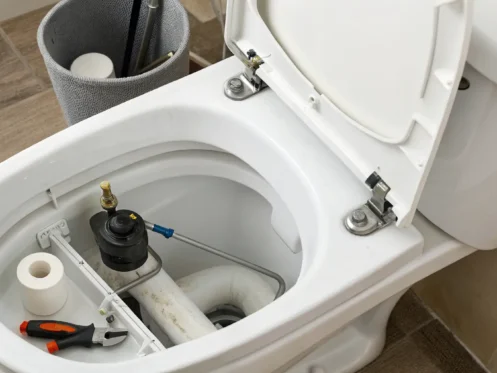
That phantom flushing sound in the middle of the night can be unsettling. If your toilet keeps running randomly after flushing, it’s easy to assume the worst. But more often than not, the problem is a simple mechanical issue inside the tank. Before you call for backup, you can do a little detective work yourself. The fix is often as simple as adjusting a chain or replacing a small rubber seal that costs less than ten dollars. We’ll show you how to lift the lid, identify the four most common causes, and determine whether it’s a quick DIY fix or time to call a pro.
Key Takeaways
- Start your inspection inside the tank: The cause of a running toilet is usually a simple mechanical part, like a worn-out flapper, a tangled chain, or a misaligned float, which you can often identify just by looking.
- Many common repairs are DIY-friendly: You can solve most running toilet issues yourself without calling a professional. Replacing a flapper or adjusting the float are inexpensive fixes that only require a quick trip to the hardware store.
- Act quickly to prevent waste and damage: A running toilet can waste hundreds of gallons of water a day, increasing your utility bill and creating excess moisture that can lead to flooring damage or mold.
Why Does My Toilet Keep Running?
That constant sound of a running toilet isn’t just annoying; it’s a sign that water is being wasted. Most of the time, the problem is a simple mechanical issue inside the tank. Before you get too worried, let’s walk through the four most common culprits behind a toilet that won’t stop running. Identifying the cause is the first step to fixing it and getting your home back to normal. These are some of the most frequent issues we see with residential plumbing in Tucson.
The Flapper Isn’t Sealing
If your toilet runs intermittently, sometimes called “ghost flushing,” the problem is likely a faulty flapper. The flapper is the rubber seal at the bottom of your tank that lifts when you flush. Over time, it can wear out, get brittle, or accumulate mineral buildup, preventing it from creating a watertight seal. This allows water to slowly leak from the tank into the bowl. Once the water level in the tank drops, the fill valve kicks on to refill it, starting the cycle all over again.
The Float or Chain Is Out of Place
The flush handle is connected to the flapper by a small chain. If this chain is too short, it will hold the flapper open, allowing water to run continuously. If the chain is too long, it can get tangled or caught underneath the flapper, preventing it from sealing properly. Similarly, the float, which is the ball or cup that rises with the water level, tells the fill valve when to shut off. If the float is set incorrectly or gets stuck, the valve may not get the signal to stop filling the tank.
The Fill Valve Won’t Shut Off
The fill valve is the tall mechanism that refills the tank with water after you flush. If you hear a constant hissing sound, it could mean the fill valve is broken or clogged with debris. When it’s working correctly, the fill valve shuts off completely once the float reaches its set height. A faulty valve might fail to close, allowing water to keep flowing into the tank. This excess water then drains into the overflow tube, causing the toilet to run nonstop.
The Water Level Is Too High
Take a look inside your toilet tank. You’ll see a tall, open pipe in the middle, which is the overflow tube. The water level should always be about an inch below the top of this tube. If the water is spilling over the top, it means the float is set too high. This tells the fill valve to let too much water into the tank. The extra water constantly drains down the overflow tube and into the bowl, forcing the fill valve to run continuously to replace it.
How to Find the Cause of Your Running Toilet
That constant, faint sound of running water from your toilet is more than just a minor annoyance. It’s the sound of water, and money, literally going down the drain. A running toilet can waste hundreds of gallons of water every day, leading to a surprise spike in your utility bill and putting unnecessary strain on your plumbing system. The good news is that you don’t have to be a plumbing expert to figure out what’s wrong. Most of the time, the culprit is a small, inexpensive part inside the toilet tank that has worn out or shifted out of place.
Before you start worrying about a major repair, let’s do a little detective work. The entire mechanism for flushing and refilling is right inside that tank, and finding the problem is usually a simple process of elimination. We’ll walk through the four most common causes: a faulty flapper, a misplaced chain or float, a malfunctioning fill valve, or mineral buildup. By taking a few minutes to inspect these parts, you can identify the source of the leak and decide whether it’s a quick DIY fix or time to call in a pro. So, let’s lift the lid and get started.
Start With the Flapper
The flapper is the most common reason for a running toilet. This rubber seal at the bottom of your tank is supposed to create a watertight barrier, but it wears out over time. Hard water minerals can cause it to warp or corrode, preventing it from sealing properly. To check it, reach into the tank and feel the flapper. If it feels brittle or your fingers come away with a black, chalky residue, it’s time for a replacement. You can also add a few drops of food coloring to the tank water. If the color seeps into the bowl without flushing, you’ve found your leak. A worn-out flapper is a simple fix, but it’s one of the most frequent residential plumbing issues we see.
Examine the Chain and Float
If the flapper looks fine, your next stop is the chain and float. The chain connects the flush handle to the flapper, and if it’s too short, it will hold the flapper slightly open. If it’s too long, it can get tangled or caught underneath the flapper, breaking the seal. The chain should have just a little bit of slack. Next, look at the float, which is the ball or cup that rises with the water level. If the float is set too high, the water level will rise above the overflow tube (the tall pipe in the middle of the tank), causing water to constantly drain out. This forces the fill valve to keep running to replace the lost water.
Test the Fill Valve
The fill valve is the tall assembly that refills the tank with water after you flush. If you’ve checked the flapper and float and the toilet is still running, the fill valve might be the problem. A broken or clogged fill valve won’t shut off properly, allowing water to run continuously. You can often hear a faint hissing or trickling sound coming from the valve long after the tank should have filled. To test it, flush the toilet and gently lift the float arm as the tank refills. If the water stops, the problem is likely the float’s position. If the water keeps running, the fill valve itself is probably faulty and needs to be replaced. If you’re not comfortable replacing it yourself, you can always schedule an appointment online with our team.
Check for Mineral Buildup
Here in Tucson, hard water can be tough on our plumbing fixtures. Over time, mineral deposits can build up on the flush valve seat, which is the ring the flapper rests on. Even a small amount of debris or buildup can prevent the flapper from creating a perfect seal, leading to a slow, constant leak into the bowl. To check for this, turn off the water supply and flush the toilet to drain the tank. Then, run your finger along the valve seat to feel for any rough patches. If you find any, use a non-abrasive sponge or cloth to clean it thoroughly. Regular inspections are part of a good maintenance agreement and can prevent these issues from happening in the first place.
DIY Fixes for a Running Toilet
Once you’ve pinpointed the problem, you can often fix it yourself with a quick trip to the hardware store. Many of these common residential plumbing issues don’t require a professional, just a little patience and the right guidance. Before you start, remember to turn off the water supply to the toilet using the valve on the wall behind it, then flush to drain the tank.
Fix or Replace the Flapper
The rubber flapper is the most common cause of a running toilet. Over time, this seal at the bottom of your tank can get dirty, warp, or break down from mineral buildup, which prevents it from closing properly. To check it, gently rub the underside of the flapper with your finger. If you get a black, rubbery residue on your finger, the flapper is corroding and needs to be replaced. If it just looks dirty, you can try cleaning it with a cloth and some mild soap. If it’s warped or damaged, replacing it is an easy and inexpensive fix that can solve the problem instantly.
Adjust the Toilet Chain
The small chain connecting the flush handle to the flapper needs to be just the right length. If the chain is too short or tangled, it will hold the flapper open, allowing water to leak continuously from the tank into the bowl. If it’s too long, it might get caught under the flapper, also preventing a tight seal. You’re looking for a chain with just a little bit of slack when the flapper is closed. You can easily adjust the length by moving the clip to a different link on the chain until you get it right.
Replace the Fill Valve
If the flapper and chain are in good shape, the fill valve might be the issue. This is the tall mechanism that refills the tank with water after you flush. If it’s broken, clogged, or worn out, it may not shut off when the tank is full, causing water to run constantly. Replacing a fill valve is a more involved task than changing a flapper, but it’s still a manageable DIY project for many homeowners. You can find replacement kits at any home improvement store, and they usually come with detailed instructions to guide you through the process.
Set the Right Water Level
The water level in your tank is controlled by the float. If the float is set too high, the water will constantly spill into the overflow tube, and the fill valve will never shut off. Most modern toilets have an adjustment screw or knob on the fill valve that you can turn to lower the float. Your goal is to set the water level so it stops about an inch below the top of the overflow tube. This simple adjustment ensures the fill valve shuts off at the right time, stopping the flow of water and quieting your toilet.
When Is It Time to Call a Plumber?
While I’m a huge fan of rolling up your sleeves and tackling home repairs, there are times when a DIY project can turn into a much bigger headache. A running toilet might seem like a simple annoyance, but it can sometimes signal a more complicated issue that needs a professional touch. If you’ve tried the basic fixes and are still hearing that constant trickling sound, it might be time to put down the wrench and pick up the phone. Knowing when to call for backup can save you time, money, and a whole lot of frustration.
Your DIY Fixes Aren’t Working
You’ve jiggled the handle, adjusted the flapper chain, and checked the float, but your toilet is still running. First off, kudos for trying! But if your best efforts haven’t stopped the water, it’s a strong indicator that the problem is more than a simple adjustment. The issue could be a worn-out flapper that needs replacing, a faulty fill valve, or even a subtle, hard-to-spot leak inside the tank. Sometimes, it’s a cracked overflow tube, which is a job best left to a professional. Continuing to tinker with it could potentially make things worse. When your DIY solutions fall short, our residential plumbing experts in Tucson are ready to step in and solve the problem for good.
You See Signs of Water Damage
A constantly running toilet is more than just an annoying sound; it’s a serious water-waster. It can waste up to 200 gallons of water in a single day, which will definitely show up on your next utility bill. More importantly, all that excess water has to go somewhere. Keep an eye out for subtle signs of water damage, like discoloration on the ceiling below the bathroom, peeling paint or wallpaper, or flooring that feels soft or warped around the base of the toilet. These are red flags that a small leak has become a much bigger problem. If you notice any of these signs, it’s crucial to call a plumber immediately to prevent costly structural damage and mold growth.
Internal Parts Are Broken or Complex
Sometimes you lift the tank lid and immediately know you’re out of your depth. Modern toilets, especially dual-flush and low-flow models, can have complex internal mechanisms that aren’t very intuitive. If you see cracked plastic pieces, heavily corroded parts, or a setup that just doesn’t match any online tutorials, it’s wise to pause. Forcing a part or using the wrong replacement can lead to a bigger leak or even a cracked tank. Our team has seen it all, from homes in Marana to businesses in Sahuarita. We have the right parts and expertise to fix any toilet, no matter how complex. Don’t risk turning a small repair into a major replacement; you can schedule an appointment online and let us handle it.
What Happens If You Ignore a Running Toilet?
That constant hissing sound from your toilet is more than just a minor annoyance. While it’s easy to tune out, ignoring a running toilet can lead to some serious, and expensive, problems down the line. From wasted resources to potential home damage, this is one plumbing issue you don’t want to put on the back burner.
You’ll Waste Water and Money
A running toilet is a silent drain on your wallet. It can waste up to 200 gallons of water in a single day, which adds up to an astonishing 6,000 gallons in a month. This isn’t just a small leak; it’s a significant amount of water flowing straight through your pipes and onto your utility bill. You might not notice it until you get a surprisingly high water bill, leaving you wondering what happened. Taking care of the problem quickly is one of the easiest ways to control your home’s water consumption and keep your bills predictable. Our team handles all kinds of residential plumbing issues that cause water waste.
It Can Cause Damage and Mold
Beyond the water bill, a constantly running toilet introduces excess moisture into your bathroom, creating the perfect environment for problems to develop. This moisture can seep into the flooring around the base of the toilet, potentially causing the subfloor to rot and weaken over time. Even worse, the persistent dampness is an open invitation for mold and mildew to grow. Mold can cause musty odors, damage surfaces, and create unhealthy air quality in your home. What starts as a simple toilet issue can quickly become a much larger and more costly project involving mold remediation and floor repairs.
You’ll Wear Out Toilet Parts Faster
Your toilet’s internal components aren’t designed for continuous operation. When a toilet runs constantly, it puts unnecessary wear and tear on parts like the flapper, fill valve, and other seals. The flapper, which is often the culprit, is typically made of rubber that can degrade and warp over time from being submerged in water and exposed to chemicals. A constantly running system accelerates this process, meaning you’ll have to replace these parts more frequently. Addressing the root cause not only stops the noise but also extends the life of your toilet’s mechanisms. If you find the parts are already worn, you can schedule online with us for a quick replacement.
How to Prevent Future Toilet Problems
Once you’ve fixed your running toilet, you don’t want it to happen again. A little proactive care can go a long way in keeping your toilet working correctly and preventing surprise water bills. By paying attention to your toilet’s performance and staying on top of a few simple tasks, you can avoid most common issues. Think of it as a small investment of time that saves you from future headaches and expenses.
Perform Regular Maintenance
Your toilet benefits from regular check-ups. A running toilet wastes a lot of water and money, but you can often catch the problem early. Every six months, take a few minutes to lift the tank lid and just watch and listen. Make sure everything moves smoothly when you flush and that the water stops filling at the right level. This simple habit helps you spot wear and tear before it leads to a constant leak. For total peace of mind, consider a professional maintenance agreement that covers all your home’s plumbing systems.
Know When to Replace Parts
The small parts inside your toilet tank don’t last forever. The rubber flapper, for instance, can warp or get mineral buildup over time, which stops it from creating a tight seal. The fill valve can also wear out and fail to shut off properly. If you notice these parts look worn, discolored, or brittle, it’s a good idea to replace them. These components are inexpensive and available at most hardware stores. Replacing them before they fail is a smart, preventative step. If you’re not comfortable with DIY repairs, our team is always ready to help with any residential plumbing needs.
Watch for Early Warning Signs
Your toilet often gives clues that something is wrong before it becomes a major issue. Listen for faint hissing or trickling sounds coming from the tank long after you’ve flushed. This usually means water is slowly leaking from the tank into the bowl. You might also notice the toilet randomly refilling for a few seconds, sometimes called “ghost flushing.” If you have to jiggle the handle to make the toilet stop running, that’s another clear sign. Catching these warnings lets you address the problem before it gets worse. If you spot a crack in the tank or overflow tube, it’s best to schedule a professional to take a look.
Related Articles
- How to Fix a Running Toilet After Flushing: DIY Guide
- How to Stop a Toilet That Randomly Runs at Night
- How to Fix a Dual Flush Toilet That Keeps Running
- Plumber for Running Toilet: Your Complete Guide
- Running Toilet Repair: A Step-by-Step Guide
Frequently Asked Questions
How much money is a running toilet actually costing me? It’s easy to underestimate, but a running toilet can waste hundreds of gallons of water every single day. This can cause a noticeable spike in your monthly water bill, sometimes adding a significant amount to what you normally pay. Think of it as leaving a faucet on 24/7. Fixing it quickly is one of the simplest ways to manage your home’s utility costs.
Are those drop-in toilet bowl cleaning tablets a bad idea? While they seem convenient for keeping the bowl clean, I generally advise against using them. The chemicals in those tablets can speed up the breakdown of the rubber and plastic parts inside your tank, especially the flapper. This can cause it to become brittle and fail much sooner than it should, leading to the very leaks you want to avoid.
What is “ghost flushing” and is it a serious problem? Ghost flushing is that strange moment when your toilet refills on its own, even though no one has flushed it. It’s a classic sign of a slow leak, usually from a worn-out flapper that is allowing water to seep from the tank into the bowl. While it’s not an emergency, it is a type of running toilet that wastes water and should be addressed.
How often should I expect to replace the parts inside my toilet? There’s no exact timeline, but the internal parts of a toilet typically last for several years. However, factors like how often the toilet is used and the quality of your water can affect their lifespan. Here in Tucson, our hard water can cause mineral buildup that wears parts out faster. A good practice is to check them once a year for any signs of wear or corrosion.
Can I just turn the water off to the toilet until I get it fixed? Absolutely. If you can’t fix the toilet right away, shutting off its water supply is a smart temporary solution. This will stop the water waste and prevent any potential water damage. Just turn the small valve on the wall behind the toilet clockwise until it stops. Remember, this is just a temporary fix until you can get the toilet properly repaired.