
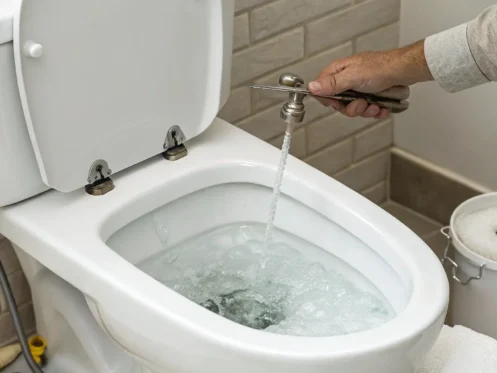
Living in Tucson, we’re all conscious of how precious water is. That makes the sound of a running toilet more than just irritating; it’s a wasteful problem we need to fix quickly. Often, our area’s hard water is the secret villain, causing mineral buildup that wears down the simple parts inside your toilet tank. This buildup can prevent the flapper from sealing correctly, which is a common reason for a toilet flush constantly running. Before you worry, know that this is a very common issue for local homeowners. Let’s look at the simple steps to identify and solve the problem for good.
Key Takeaways
- Pinpoint the problem with simple tests: Before you buy any parts, look inside the tank for obvious issues like a tangled chain. Use a few drops of food coloring in the tank water to confirm if a worn-out flapper is causing a silent leak into the bowl.
- Focus on the flapper and float first: A running toilet is most often caused by a warped flapper that no longer seals properly or a float that is set too high, causing water to spill into the overflow tube. These parts are inexpensive to replace and simple to adjust.
- Don’t ignore persistent leaks or cracks: If you’ve tried the basic fixes and the toilet still runs, or if you notice any cracks in the porcelain tank or bowl, it’s time to call a professional. These signs point to bigger issues that can lead to water damage if not addressed correctly.
Why Won’t My Toilet Stop Running?
That constant hissing or trickling sound from your toilet isn’t just annoying; it’s a sign that water, and your money, are going straight down the drain. A running toilet can waste hundreds of gallons of water a day, leading to a surprisingly high water bill. The good news is that the cause is usually one of a few simple mechanical issues inside the tank. Before you start worrying about a major plumbing problem, let’s walk through the most common reasons your toilet won’t quit running. Most of the time, it’s a quick fix you can handle yourself.
A Worn-Out Flapper
More often than not, a worn-out flapper is the culprit behind a running toilet. The flapper is the rubber or plastic seal at the bottom of your tank that lifts when you flush and then drops back down to stop water from entering the bowl. Over time, these seals can warp, crack, or get brittle from age and mineral buildup in the water. When the flapper doesn’t create a perfect seal against the flush valve seat, water continuously leaks from the tank into the bowl. This forces the fill valve to keep turning on to refill the tank, creating that constant running sound.
Your Tank’s Water Level is Off
Take a look inside your toilet tank. You’ll see a vertical pipe, which is the overflow tube. If the water level in the tank is so high that it’s spilling into this tube, your toilet will run nonstop. This is usually an issue with the float, which is the component that tells the fill valve when to shut off. If the float is set too high, the tank will overfill before the valve gets the signal to stop. Adjusting the float down a bit can often solve the problem instantly, ensuring the water stops at the correct level, just below the top of the overflow tube.
A Faulty Fill Valve
If you’ve checked the flapper and the water level seems fine, the fill valve itself might be the issue. The fill valve, also known as the ballcock, is the mechanism that refills the tank after a flush. These parts have internal seals and moving pieces that can wear out or get clogged with debris over time. A faulty fill valve might fail to shut off completely, causing a slow, steady leak into the tank. It can also cause the toilet to run intermittently, turning on and off by itself. While replacing a fill valve is a manageable DIY project, it’s a bit more involved than changing a flapper.
A Tangled or Misaligned Chain
The small chain that connects the flush handle lever to the flapper plays a surprisingly important role. If this chain is too short or gets tangled, it can hold the flapper slightly open, preventing it from sealing properly. On the other hand, if the chain is too long, it can get caught underneath the flapper, also breaking the seal. The chain should have just a little bit of slack when the flapper is closed, typically about one or two links’ worth. It’s a simple thing to check and can often be the reason your toilet’s drain system is working overtime.
How to Find the Source of the Problem
Before you can fix a running toilet, you need to play detective and figure out what’s causing the problem. The good news is that you don’t need any special tools for this part, just a few minutes and a keen eye (and ear). These simple diagnostic steps will help you pinpoint the culprit, whether it’s a faulty part or a simple adjustment. By narrowing down the cause, you can approach the repair with confidence and avoid unnecessary replacements. Let’s walk through a few easy tests you can do right now to find the source of that constant running water.
Start With a Quick Visual Check
Your first step is to simply lift the tank lid and take a look inside. Often, the problem is immediately obvious. Check the flush handle; sometimes a sticky or loose handle is the reason for a weak flush or a constantly running toilet. Next, look at the lift chain that connects the flush lever to the flapper. Is it tangled, caught on something, or does it have too much slack? An improperly adjusted chain can prevent the flapper from sealing correctly. This is one of the most common residential plumbing issues and, thankfully, one of the easiest to fix.
Try the Food Coloring Test
If a visual check doesn’t reveal the problem, it’s time for a classic plumber’s trick: the food coloring test. This is the best way to determine if your flapper is leaking. Just add a few drops of dark food coloring into the toilet tank (not the bowl) and wait about 15 to 20 minutes without flushing. After the time is up, look inside the toilet bowl. If you see any colored water in the bowl, you have a slow leak. This means the flapper isn’t creating a tight seal, allowing water to seep from the tank into the bowl, which is what triggers the toilet to keep refilling.
Check the Water Level and Float
The water level in your tank is controlled by a float. If the float is set too high, water will continuously spill into the overflow tube, and the fill valve will never shut off. Look for a line marked inside the tank indicating the proper water level; it should be about an inch below the top of the overflow tube. If the water is flowing into the tube, your float needs to be adjusted downward. Whether you have an older-style ball float or a more modern cup-style float, a simple adjustment can often solve the problem and stop the constant water flow.
Listen for Telltale Sounds
Sometimes, the sound your toilet makes can tell you exactly what’s wrong. A toilet that runs intermittently, turning on and off by itself, is experiencing what plumbers call a “phantom flush.” This sound is a dead giveaway for a very slow leak from the tank into the bowl. The cause is almost always a worn-out or warped flapper that is no longer creating a perfect seal. Over time, the tank slowly loses water until the float drops low enough to trigger the fill valve, refilling the tank. Then the cycle starts all over again.
How to Fix a Running Toilet
Once you’ve pinpointed the cause, you can get to work. Most running toilet issues can be solved with a few simple adjustments or a quick part replacement. These fixes don’t require a lot of plumbing know-how, just a little patience. Before you start any of these steps, remember to turn off the water supply to your toilet using the valve on the wall behind it. Then, flush the toilet to drain the tank.
Replace the Flapper
The flapper is the most common culprit behind a running toilet. Over time, this rubber seal can get old, warped, or covered in mineral buildup, preventing it from sealing the drain properly. After you’ve emptied the tank, take a close look at the flapper. If you see any damage or it feels brittle, it’s time for a replacement. Luckily, flappers are inexpensive and easy to find at any hardware store. Simply unhook the old one from the overflow pipe and the lift chain, and clip the new one into place.
Adjust the Float Arm
If the water level in your tank is too high, it will constantly spill into the overflow tube, causing the fill valve to run nonstop. This is usually an issue with the float. For older toilets with a float ball on a metal arm, you can gently bend the arm downward. This small adjustment lowers the point at which the float shuts off the fill valve, stopping the water at the correct level. For newer toilets with a column float, you’ll typically find a screw or clip you can adjust to lower the float’s position.
Repair or Replace the Fill Valve
If you’ve already tried replacing the flapper and adjusting the float, the problem might be the fill valve itself. Debris from your water line can sometimes clog the valve, or the part can simply wear out. While replacing a fill valve is a manageable DIY project, it’s a bit more involved than the other fixes. If you’re not comfortable with the process or if the toilet continues to run after your attempts, it’s a good sign that you need professional drains and sewer services. A faulty fill valve can waste a significant amount of water, so it’s best not to let it go.
Fix the Lift Chain
The small chain connecting the flush lever to the flapper plays a big role. If the chain is too short or tangled, it will hold the flapper open, allowing water to leak continuously from the tank into the bowl. If it’s too long, it won’t lift the flapper high enough for a full flush. The ideal length allows for just a little bit of slack when the flapper is closed. You can easily adjust the chain by moving the clip to a different link until you get it just right.
What Tools Do You Need for the Job?
Before you roll up your sleeves, it’s a good idea to gather everything you’ll need. The good news is that you probably won’t have to run out and buy a whole new set of tools. Most of the issues that cause a toilet to run can be fixed with a few basic items you already have, plus a replacement part or two from the local hardware store. Getting organized first makes the whole process smoother and helps you finish the job faster.
Your Basic Toolkit
You don’t need to be a professional plumber to have the right tools for this fix. Most of the work happens inside the toilet tank, which is pretty accessible once you remove the lid. To get started, grab a flathead screwdriver and a pair of pliers. It’s also smart to have an old towel and a sponge handy to soak up any water you might spill. That’s really it. With these simple tools, you’ll be able to handle most of the adjustments and replacements needed to stop that annoying running sound for good.
Essential Replacement Parts
Sometimes, a simple adjustment isn’t enough, and you’ll need to replace a part. The most common culprits are the flapper, the fill valve, and the float. Over time, a flapper can warp and fail to create a tight seal, while small bits of debris in your water line can clog the fill valve. If the float is set too high or becomes waterlogged, it won’t signal the fill valve to shut off. I recommend taking a picture of your toilet’s inner workings or bringing the old part with you to the store to make sure you get an exact match.
A Quick Word on Safety
While a running toilet isn’t a safety hazard in the traditional sense, it’s a major source of wasted water. A single toilet can waste thousands of gallons of water each month, which will definitely show up on your next utility bill. Fixing it quickly is not just about saving money; it’s also about conserving one of our most precious resources here in Tucson. If you’ve tried a few fixes and are still having trouble, don’t hesitate to get professional help. Our team handles all types of residential plumbing issues and can get your toilet working properly in no time.
Common DIY Mistakes to Avoid
Fixing a running toilet can feel like a home repair victory, but a few common missteps can quickly turn a simple project into a soggy mess. Even with the best intentions, it’s easy to make a small mistake that either fails to solve the problem or creates a new one. By being aware of these potential pitfalls, you can approach your DIY repair with confidence and get your toilet back in working order without any extra stress. Let’s walk through the most frequent mistakes and how you can steer clear of them.
Don’t Over-Tighten Connections
When you’re trying to stop a leak, it’s tempting to tighten every nut and bolt as much as you can. However, more force isn’t always better. Most toilet components, including the tank and the bowl, are made of porcelain, which can easily crack under too much pressure. The internal parts are often plastic, and over-tightening can strip their threads, making a secure seal impossible. A good rule of thumb is to tighten connections until they are snug, then give them an extra quarter-turn. For plastic parts, hand-tightening is often all you need to create a waterproof seal without risking damage.
Avoid Using the Wrong Parts
Toilets might look similar, but their internal mechanisms can vary significantly between brands and models. Grabbing a “universal” flapper or fill valve off the shelf might not work for your specific toilet. Using the wrong part can lead to an improper seal, which means your toilet will keep running no matter what you do. Before heading to the store, take a clear picture of the inside of your tank or, better yet, bring the old part with you. This simple step ensures you get an exact match and your residential plumbing repair is successful on the first try.
Always Shut Off the Water First
This might seem obvious, but in the rush to fix the problem, it’s a step that sometimes gets overlooked. Before you do anything inside the toilet tank, you must turn off the water supply. Failing to do so can lead to an unexpected and continuous flow of water all over your bathroom floor. The water shut-off valve is typically located on the wall behind the toilet. Turn the handle clockwise until it stops. Once the water is off, flush the toilet to drain the tank completely. This gives you a dry, controlled environment to work in and prevents a minor repair from becoming a major flood.
Don’t Ignore Mineral Buildup
Here in Tucson, we have hard water, which can leave mineral deposits inside your toilet tank over time. This buildup of calcium and lime can prevent parts from moving freely or sealing correctly. For example, debris can clog the fill valve, or sediment can build up on the rim of the flush valve, preventing the flapper from creating a tight seal. While you have the tank open, take a moment to inspect for and clean away any visible buildup. A simple scrub with a brush and some vinegar can make a huge difference and is a great way to prevent future drain and sewer issues.
When Is It Time to Call a Plumber?
While many running toilet issues are simple enough for a quick DIY fix, some problems are signs of a bigger issue that needs a professional touch. Knowing when to put down the wrench and pick up the phone can save you from a major headache, a water-damaged floor, and a much more expensive repair down the road. If you’ve tried the fixes we’ve covered and are still hearing that phantom flushing sound, it’s probably time to call in an expert.
Sometimes, a persistent problem is your home’s way of telling you there’s a deeper issue that a simple part replacement won’t solve. Our team handles all kinds of residential plumbing challenges for homeowners across Tucson, Marana, and Sahuarita. Don’t hesitate to reach out when you’re in over your head. Here are a few clear signs that it’s time to let a professional take over.
The Problem Won’t Go Away
You’ve replaced the flapper, you’ve checked the chain, and you’ve adjusted the float, but your toilet just keeps running. When you’ve exhausted all the common DIY solutions and the problem persists, it’s a strong indicator that the cause is something less obvious. It could be a worn-out fill valve seat, a hidden leak, or even an issue with your water pressure. Instead of spending another weekend troubleshooting, this is the perfect time to let a professional plumber accurately diagnose and fix the root cause. A persistent problem is no match for an expert with the right tools and experience.
You Spot a Crack in the Porcelain
This is one sign you should never ignore. If you notice a crack, no matter how small, in your toilet’s tank or bowl, it’s a serious issue. A crack can quickly lead to a major leak, causing significant water damage to your floors, subfloors, and even the ceiling of the room below. This isn’t a simple repair; it’s a replacement waiting to happen. Turn off the water supply to the toilet immediately using the shut-off valve on the wall behind it. Then, call a plumber right away. A professional can safely replace the toilet and ensure everything is installed correctly to prevent future disasters.
The Inner Workings Seem Too Complicated
Let’s be honest, toilet tank mechanics can be surprisingly complex. If you open the lid and feel completely overwhelmed by the collection of tubes, valves, and arms, that’s perfectly okay. Sometimes the issue is with a tricky component like the fill valve assembly, which can get clogged with sediment and is difficult to service without the right know-how. Rather than risk breaking a part and making the problem worse, it’s always a smart move to call for professional help. Our technicians can quickly identify the issue and get your toilet working properly again, saving you time and stress.
It’s a Recurring Issue
Have you fixed your running toilet only to have the problem return a few weeks or months later? A recurring issue is a clear sign that you’re only fixing a symptom, not the underlying cause. A toilet that runs constantly can waste thousands of gallons of water every month, driving up your utility bills. Instead of putting a temporary bandage on the problem, let a professional provide a permanent solution. We can get to the bottom of why the issue keeps happening and perform a lasting repair. When you’re ready to fix it for good, you can schedule an appointment online with our team.
How to Prevent a Running Toilet in the Future
Once you’ve fixed your running toilet, the last thing you want is a repeat performance. A little proactive care can go a long way in keeping your toilet working correctly and your water bill down. By paying attention to a few key areas, you can catch small issues before they turn into late-night plumbing emergencies. These simple habits will help you maintain a quiet, efficient toilet for years to come.
Perform Regular Check-Ups
Think of this as a quick health check for your toilet. Every six months or so, take a minute to lift the tank lid and look inside. Regular maintenance is essential to prevent common toilet issues. Check that the handle isn’t sticking and that the chain is hanging freely without any kinks. You’ll also want to inspect the flapper and other parts for any signs of wear, like discoloration or warping. Catching these small things early is the best way to avoid a running toilet. For a truly hands-off approach, consider a maintenance agreement to have a professional keep an eye on your entire plumbing system.
Clean Your Tank the Right Way
It might not be on your regular cleaning list, but your toilet tank needs some attention, too. Over time, sediment and mineral buildup from the water line can collect inside the tank. This debris can clog the fill valve or prevent the flapper from creating a tight seal, which are two common causes of a running toilet. To clean it, turn off the water supply and flush to drain the tank. Then, gently scrub the inside with a brush and a mild cleaner. Avoid using harsh chemical tablets in the tank, as they can corrode the plastic and rubber parts.
Consider Your Water Quality
Here in Tucson, we know a thing or two about hard water. The high mineral content can take a toll on your plumbing fixtures, including your toilet. These minerals can build up on the flapper, creating a gritty surface that prevents it from sealing properly. Sediment can also clog the small openings in the fill valve, causing it to run constantly. If you notice a lot of white, chalky buildup inside your tank, it’s a sign that hard water is affecting your toilet’s performance. Keeping an eye on your home’s drains and sewer lines can also give you clues about your water quality.
Know When to Replace Parts
The internal components of your toilet won’t last forever. Flappers, fill valves, and gaskets are typically made of rubber and plastic, which can degrade over time. It’s helpful to understand when to replace these parts before they fail completely. If you have tried replacing the flapper and adjusting the float, but the toilet still runs, it might be time for a new fill valve. If you’re not comfortable tackling the job yourself or the problem persists, don’t hesitate to call a professional. You can easily schedule an appointment online with our team to get it fixed right.
How to Shut Off Your Toilet’s Water in an Emergency
An overflowing toilet can cause instant panic, but knowing how to quickly shut off the water will save you from a major mess. It’s a simple skill every homeowner should have, and it’s easier than you might think. Don’t worry, you’ve got this.
First, locate the water supply valve. Look at the wall directly behind or beside your toilet, close to the floor. You should see a small, typically oval-shaped handle connected to a flexible hose that runs up to the bottom of the toilet tank. This is your shutoff valve.
Once you’ve found it, turn the handle clockwise until it stops. A good way to remember this is “righty-tighty, lefty-loosey.” Turning it to the right will tighten the valve and stop the flow of water. Be firm but don’t force it too hard, as older valves can be delicate. If the valve is stuck and won’t budge with reasonable pressure, it’s best not to risk breaking it.
After you’ve turned the valve, flush the toilet to drain the water from the tank. The tank shouldn’t refill, which confirms you’ve successfully cut off the water supply. Now that you’ve stopped the immediate emergency, you can address the clog or leak without water continuing to pour out. If you’ve stopped the overflow but can’t fix the underlying problem, or if that shutoff valve won’t move, it’s time to call in the experts. Our team handles all types of residential plumbing issues and can get your toilet back in working order.
Related Articles
- Running Toilet Repair: A Step-by-Step Guide
- How to Stop a Toilet That Randomly Runs at Night
- How to Fix a Running Toilet After Flushing: DIY Guide
Frequently Asked Questions
How much water is a running toilet really wasting? It’s much more than you might think. A toilet that runs constantly can waste over 200 gallons of water every single day. That adds up to thousands of gallons a month, which can cause a surprising spike in your water bill. In a place like Tucson where water is a precious resource, fixing it quickly is good for both your wallet and the environment.
My toilet turns on for a few seconds and then stops. What’s causing this? This is often called a “phantom flush,” and it’s a classic sign of a slow leak. The most common cause is a worn-out flapper that isn’t creating a perfect seal. Water slowly seeps from the tank into the bowl over time. Once the water level in the tank drops low enough, it triggers the fill valve to turn on and refill it. Then the cycle starts all over again.
Are those cleaning tablets you drop in the tank bad for my toilet? Yes, we generally advise against using them. While they might keep your bowl clean, the chemicals in those tablets, particularly bleach, can damage the plastic and rubber components inside your tank. They can cause the flapper and other seals to become brittle and fail prematurely, which often leads to the very leaks you’re trying to prevent.
How can I tell if I need a new flapper or a new fill valve? A great way to check the flapper is with the food coloring test. Put a few drops of food coloring in the tank and wait about 20 minutes without flushing. If color appears in the bowl, your flapper is leaking. A faulty fill valve, on the other hand, might not shut off properly, causing water to constantly run into the overflow tube, or it might make a hissing sound long after the tank should be full.
I’m not comfortable doing this myself. What should I do? That’s completely fine. While many of these are simple fixes, not everyone wants to spend their weekend working on a toilet, and some issues are more complex than they appear. If you’ve tried a few things and are still stuck, or if you’d just rather have an expert handle it, give a professional a call. Our team can diagnose the problem quickly and ensure the repair is done right the first time.