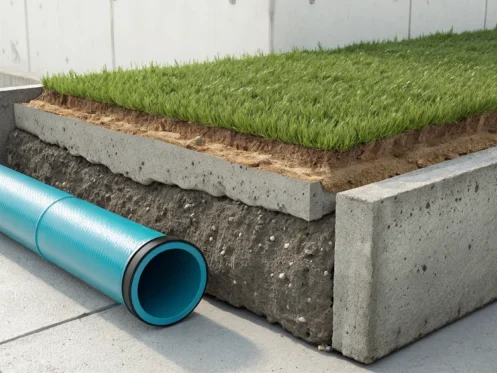
Let’s be honest, a broken sewer line is an unexpected expense nobody wants. While your first concern is fixing the pipe, the hidden costs of traditional repair can quickly add up. Excavation requires heavy equipment, hours of labor, and the added expense of restoring your lawn, patio, or driveway. A sewer pipe repair sleeve offers a more budget-friendly and predictable alternative. By avoiding the need to dig, this trenchless method eliminates those secondary restoration costs entirely. You pay for a precise, efficient repair, not for a major construction project, making it a financially savvy choice for protecting your property and your wallet.
Key Takeaways
- Sleeves are a no-dig, budget-friendly repair: This method fixes your sewer line from the inside, saving you from the significant cost and disruption of excavating your lawn or driveway.
- It’s a long-term structural solution: A pipe sleeve creates a brand-new, durable pipe that resists corrosion and root intrusion, designed to last for 50 years or more.
- A professional diagnosis is key: A sleeve is perfect for specific issues like cracks or leaks but not for widespread damage; a camera inspection is the only way to determine if this trenchless repair is the right choice for your situation.
How Does a Sewer Pipe Repair Sleeve Work?
When you hear “sewer repair,” you probably picture a giant trench dug across your beautiful lawn. For years, that was the only way to fix a broken pipe. But now, there’s a much smarter solution: a sewer pipe repair sleeve. This trenchless technology allows professionals to fix your pipes from the inside out, without the destructive digging. It’s a game-changer for homeowners in Tucson, saving your landscaping, time, and often, your budget. Let’s look at how this innovative process works.
The No-Dig Repair Process
The best part about a sewer pipe repair sleeve is that it lives up to its “no-dig” name. Instead of excavating your yard to access the damaged pipe, our technicians can make the repair entirely underground. This method provides a strong, watertight seal from within the existing pipe, reinforcing its structure without the mess. Because we don’t have to dig a large trench, the process is much faster and less disruptive to your property. You get a permanent fix for your sewer line issues without sacrificing your garden or driveway in the process.
The Technology Behind the Sleeve
So, how do we create a new pipe inside of an old one? It starts with a high-tech camera inspection to pinpoint the exact location and extent of the damage. After cleaning the pipe, we insert a flexible tube, or liner, that’s coated with a special epoxy resin. Once it’s perfectly in place, we use heat or steam to cure the resin. This hardens the liner, causing it to mold to the inside of the existing pipe and seal any cracks or gaps. The result is a smooth, durable, and seamless new pipe that restores flow and prevents future problems.
Why Choose a Sewer Pipe Repair Sleeve?
When you’re facing a sewer line problem, the thought of digging up your yard can be as stressful as the repair itself. For years, excavation was the only way to fix broken pipes, leaving homeowners with a torn-up lawn and a hefty restoration bill. Thankfully, modern plumbing offers a smarter solution. A sewer pipe repair sleeve fixes your pipes from the inside out using trenchless technology. This no-dig approach is a superior alternative, saving you money, protecting your property, and providing a durable, long-lasting fix for your drains and sewer system.
Instead of dealing with a massive trench, our technicians can repair the damaged line through a small access point, preserving your landscape and saving you from the headache of major construction. This method is not just about convenience; it’s about providing a more efficient and effective solution that addresses the root of the problem without turning your property upside down. It’s a modern fix for a common, frustrating issue that affects homeowners in Tucson, Marana, and Sahuarita. By choosing a pipe sleeve, you’re opting for a repair that respects your time, your budget, and your property, making it the clear choice for savvy homeowners.
Save Money by Skipping the Excavation
The biggest cost of traditional sewer repair often isn’t the pipe, but the excavation needed to reach it. Digging a trench involves heavy equipment, hours of labor, and the destruction of your lawn, garden, or driveway. Afterward, you’re left with the separate and often surprising expense of putting it all back together. Sewer pipe sleeves eliminate these secondary costs entirely. By avoiding the need to dig, you save significantly on labor and completely sidestep the cost of landscape restoration. It’s a direct and budget-friendly approach to fixing the problem without the hidden fees of a major digging project.
Protect Your Property and Save Time
Your property is a major investment, and trenchless pipe sleeving is a minimally invasive process that keeps your yard and driveway intact. Because the work is done through existing access points, the disruption to your daily life is minimal. This method is also incredibly fast. While traditional repairs can take several days or even a week, most sleeve installations are completed in just one day. This means less chaos and a quicker return to your normal routine. You can schedule an appointment online and have your system fixed without the prolonged headache of a construction zone in your front yard.
Get a Durable, Long-Lasting Solution
Don’t mistake a pipe sleeve for a temporary patch. This technology creates a brand-new, structural pipe within the old one. The epoxy resin cures into a seamless, rigid shell that is resistant to corrosion, cracks, and root intrusion. In fact, the new lined pipe is often stronger than the original. A professionally installed sleeve is designed to last for 50 years or more, offering a permanent solution you can rely on. It’s a smart investment in the long-term health of your home’s plumbing system, giving you peace of mind for decades to come.
What Are the Different Types of Sewer Pipe Sleeves?
When it comes to trenchless pipe repair, there isn’t a one-size-fits-all solution. The right method depends on the type of pipe you have and the extent of the damage. Think of these different sleeves as specialized tools in a plumber’s toolkit, each designed for a specific kind of problem. Understanding the main types can help you feel more confident when discussing your options with a professional. Let’s look at the three most common methods we use to solve drains and sewer problems for homeowners in Tucson, Marana, and Sahuarita.
Cured-in-Place Pipe (CIPP)
Cured-in-Place Pipe, or CIPP, is one of the most popular no-dig repair methods, perfect for fixing pipes with cracks or leaks without tearing up your yard. The process involves inserting a flexible, resin-coated liner directly into the damaged pipe. Once it’s in position, we use hot steam to inflate and harden the liner. This creates a brand-new, seamless pipe right inside the old one, molding perfectly to seal any cracks and prevent future root intrusion. It’s a fantastic, minimally invasive way to restore your pipe’s integrity from the inside out.
Pull-in-Place Liners
The pull-in-place method is your go-to solution for pipes with larger gaps or more significant damage in a specific section. As the name suggests, we pull a liner saturated in epoxy resin through the damaged area. This technique requires two access points: one to feed the liner in and another to pull it through. After it’s positioned correctly, we inflate the liner, pressing it firmly against the walls of the original pipe. The epoxy then cures, creating a strong, durable patch that restores flow and function.
Pipe Bursting
When a sewer line is too damaged for a liner or needs to be upsized, pipe bursting is the answer. This trenchless method completely replaces the old pipe without major excavation. We dig small access pits at either end of the damaged pipe section. A powerful bursting head is pulled through the old pipe, fracturing it outward while simultaneously pulling a brand-new pipe into place behind it. You’re left with a completely new, seamless pipe that can last for decades, all while leaving your landscaping virtually untouched.
What Does the Installation Process Involve?
So, how does this no-dig magic actually happen? It’s not as complicated as it sounds. The installation process for a sewer pipe repair sleeve is a precise, multi-step method that our technicians have perfected. It’s all about using smart technology to fix the problem from the inside out, saving your lawn, driveway, and sanity. Let’s walk through exactly what you can expect when our team arrives to give your old pipes a new lease on life. This trenchless approach is a game-changer for homeowners in Tucson, Oro Valley, and Marana who want an effective repair without the mess.
Step 1: Camera Inspection and Assessment
First things first, we need to see exactly what we’re dealing with. We start with a thorough camera inspection of your sewer line. A high-resolution, waterproof camera is fed into the pipe, giving us a live video feed of the interior. This allows us to pinpoint the exact location and extent of any cracks, breaks, or blockages. Think of it as a diagnostic check-up for your pipes. This detailed assessment is critical because it helps us confirm that a sleeve is the right solution and allows us to plan the repair with precision, ensuring we address every issue without any guesswork.
Step 2: Cleaning and Prepping the Pipe
Once we have a clear picture of the problem, the next step is to prepare the existing pipe for its new liner. We thoroughly clean the inside of the pipe to remove any sludge, grease, tree roots, or other debris that has built up over time. A clean, smooth surface is essential for the new sleeve to bond correctly and create a perfect seal. We often use high-pressure water jetting for this task, which scours the pipe walls clean. This preparation ensures the new liner will fit snugly and function flawlessly for years to come, restoring your residential plumbing system to optimal condition.
Step 3: Inserting and Curing the Sleeve
With the pipe clean and ready, it’s time for the main event. We insert a flexible, felt tube that has been saturated with a special epoxy resin into the damaged pipe. Once it’s in position, we inflate a bladder inside the tube, pressing it firmly against the walls of the old pipe. The resin is then left to cure, a process that hardens it into a solid, seamless, and incredibly durable new pipe within the old one. After the curing is complete, the bladder is deflated and removed, leaving you with a fully restored sewer line. If this sounds like the right fix for your home, you can schedule an assessment with our team online.
Cost and Lifespan: What to Expect
When you’re facing a sewer line problem, two big questions immediately come to mind: How much will this cost, and how long will the fix last? These are valid concerns, and the answers can vary dramatically depending on the repair method you choose. For many homeowners in Tucson and Marana, the thought of a major plumbing repair brings to mind images of a torn-up yard and a hefty bill. Traditional dig-and-replace methods can be disruptive and expensive, but there’s a modern alternative that changes the game. A sewer pipe sleeve, also known as a trenchless repair, often comes out ahead of traditional excavation in both cost and durability. It’s not just about patching a problem; it’s about investing in a long-term solution that protects your property and your budget. This technology allows professionals to repair your pipes from the inside, avoiding the need for destructive trenching. Before you commit to a major plumbing project, it’s helpful to compare the upfront and long-term value of each approach. Understanding the costs and the impressive durability of this technology can help you make a confident decision for your home. Let’s break down what you can expect when you opt for a no-dig repair.
Comparing Costs: Sleeve vs. Traditional Replacement
At first glance, the cost of materials for a traditional dig-and-replace repair might seem straightforward. However, the total price tag quickly grows. Traditional methods require heavy machinery, extensive labor to dig a trench across your yard, and the added expense of restoring your property afterward. This can mean repairing your driveway, replanting your garden, or fixing your patio.
In contrast, trenchless pipe lining is typically more affordable because it eliminates the need for major excavation. The process requires less labor and time, which directly translates to savings. By choosing a sleeve, you’re paying for a targeted, efficient repair, not for hours of digging and landscape reconstruction. This makes it a smarter financial choice for many homeowners dealing with damaged drains and sewer lines.
How Long Do Repair Sleeves Last?
A common question we hear is whether a pipe sleeve is as durable as a brand-new pipe. The answer is a resounding yes. A properly installed epoxy sleeve is designed to last for decades. The materials create a hard, seamless pipe within your existing one that is incredibly resistant to corrosion, cracks, and root intrusion.
Industry standards and manufacturer testing show that a cured-in-place pipe liner can last 50 years or more. Think of it less as a patch and more as a complete structural renewal of your sewer line. This impressive lifespan often meets or exceeds that of some traditional pipe materials. With routine care, like what’s included in a professional maintenance agreement, you can trust that your repaired pipe will function flawlessly for a very long time.
Common Myths About Sleeve Repairs
Some people believe that a sewer pipe sleeve is just a temporary fix, like putting a bandage on a major problem. This is one of the biggest myths about the technology. A pipe sleeve isn’t a simple patch; it’s a structural repair that creates a new, durable pipe inside the old one. It fully restores the integrity of your sewer line without digging up your yard.
Another misconception is that it can’t fix significant damage. While there are limitations, CIPP technology can effectively repair long cracks, gaps, and root damage along extended sections of pipe. The best way to clear up any confusion is to get a professional opinion. A thorough camera inspection will reveal the exact condition of your pipes and determine if a sleeve is the right solution for you. You can schedule an assessment with our team to get a clear picture of your options.
Is a Sewer Pipe Sleeve the Right Fix for You?
Deciding on the best way to fix a sewer line can feel overwhelming, but it really comes down to understanding the specific problem you’re facing. A sewer pipe repair sleeve is an incredible tool for certain situations, offering a targeted fix without turning your yard into a construction zone. However, it’s not a universal solution for every pipe problem. The key is to match the repair method to the type and extent of the damage.
Think of it like fixing a small tear in your favorite jeans. If there’s one specific rip, a patch (the sleeve) is the perfect, efficient solution. But if the fabric is worn thin all over, you might need a more comprehensive approach. The same logic applies to your sewer lines. For homeowners in Tucson and Sahuarita, figuring out if a sleeve is the right call starts with a clear picture of what’s happening underground.
When to Use a Sleeve (and When Not To)
A sewer pipe sleeve is the ideal fix for localized issues. If your sewer line has a single crack, a small puncture from a root, or a leaking joint in one specific spot, a sleeve can resolve the problem precisely and economically. It targets the damaged section without requiring a full-scale overhaul of your entire pipe system. This makes it a smart choice when the rest of your sewer line is still in good condition.
On the other hand, a sleeve isn’t the right tool for widespread damage. If your pipes are old and suffering from extensive corrosion, multiple cracks, or have completely collapsed, a single sleeve won’t be enough. In these cases, a more comprehensive solution like full pipe relining or a traditional replacement is necessary to ensure the long-term health of your drains and sewer system.
Factors to Consider Before Deciding
Before you commit to a repair method, it’s helpful to weigh a few key factors. First, consider the cost and disruption. Trenchless methods like pipe sleeves are often more affordable than traditional excavation because they don’t involve extensive digging, which saves on labor and restoration costs for your landscaping. This also means the repair is much faster and less disruptive to your daily life. You won’t have to deal with a giant trench in your yard for days on end.
Another important factor is the overall condition of your pipes. A professional camera inspection will reveal if the damage is isolated or a symptom of a larger, system-wide problem. If the pipe is generally sound, a sleeve is a great investment.
Getting a Professional Assessment
You don’t have to make this decision on your own. The most critical step is to get a professional assessment from an experienced plumber. A trained technician can perform a sewer camera inspection, which involves sending a small, high-resolution camera down the pipe to get a clear view of the problem. This diagnostic tool shows us exactly where the damage is, what caused it, and how severe it is.
This detailed look is the only way to know for sure if a sewer pipe sleeve is the right fix for your home in Marana or Oro Valley. Based on the findings, a professional can give you a clear recommendation tailored to your specific situation. If you suspect a problem, it’s always best to schedule an inspection and get an expert opinion.
Related Articles
- Sewer Line Repair: A Complete Homeowner’s Guide
- Trenchless Sewer Replacement: A Complete Guide
- Trenchless Sewer Replacement: A Complete Guide
Frequently Asked Questions
How long does a sewer sleeve installation usually take? One of the biggest advantages of this technology is its speed. While a traditional dig-and-replace repair can take several days and leave your yard a mess, most sewer sleeve installations are completed in just one day. Because we don’t have to do any major digging, the process is incredibly efficient and minimizes the disruption to your home and routine.
Is a pipe sleeve really a permanent fix? Absolutely. It’s a common misconception that a sleeve is just a temporary patch, but it’s actually a long-term structural repair. The process creates a brand-new, seamless pipe inside of the old one. This new pipe is incredibly durable, resistant to corrosion and root intrusion, and is designed to last for 50 years or more, giving you lasting peace of mind.
Can a sleeve fix a pipe that’s totally collapsed? A pipe sleeve is designed to repair cracks, gaps, and leaks in a pipe that is still mostly intact. It needs the existing pipe to act as a host or mold. If a section of your sewer line has completely collapsed, a sleeve won’t be the right solution. In that case, we would likely recommend another trenchless method, such as pipe bursting, which replaces the old pipe entirely without major excavation.
Will this work on older pipes, like cast iron or clay? Yes, pipe sleeving is a very versatile solution that works well with most common types of pipe materials, including older cast iron, clay, and PVC pipes. It’s an excellent way to restore the integrity of aging pipes that have developed cracks or leaks over time, reinforcing them from the inside out without the risks associated with digging around an older foundation.
How do I know if the damage is localized enough for a sleeve? The only way to know for sure is with a professional camera inspection. We send a high-resolution camera through your sewer line to get a clear view of its condition from end to end. This allows us to see the exact location and severity of any damage, helping us determine if the problem is isolated enough for a sleeve or if a more comprehensive solution is needed.