
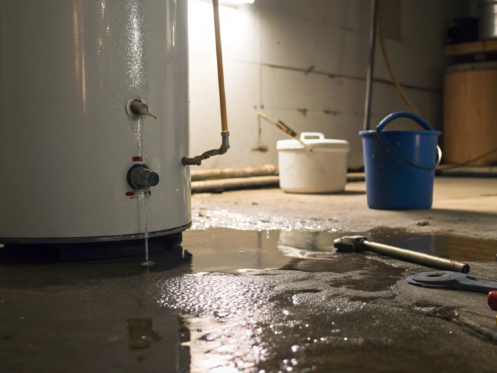
That small puddle under your water heater might not look like much, but it represents a serious threat to your wallet. A leaking water heater isn’t just a plumbing problem; it’s a financial one. The cost of water damage to floors and drywall can be staggering, not to mention the expense of mold remediation. Even a slow drip wastes heated water, driving up your utility bills month after month. Acting quickly is the single best thing you can do to protect your home and your budget. Here, we’ll cover the immediate steps to stop the damage and help you decide on the most cost-effective solution.
Key Takeaways
- Prioritize Safety and Damage Control: When you find a leak, your first actions should be to cut the power (or gas) and shut off the water supply to the heater. This immediately contains the problem and prevents further water damage while you assess the situation.
- Identify the Source to Decide Your Next Move: A leak’s location tells you a lot about its severity. Drips from connections or valves are often simple repairs, whereas water pooling under the tank itself is a strong indicator of internal failure and the need for a replacement.
- Proactive Maintenance is Your Best Defense: You can prevent most leaks by performing simple, regular maintenance. Annually flushing the tank to clear out sediment and scheduling professional tune-ups will extend your unit’s lifespan and help you catch small problems before they become costly emergencies.
Why Is Your Water Heater Leaking?
Finding a puddle around your water heater is never a welcome sight. But before you panic, it helps to understand what might be going on. A leak can stem from several different issues, ranging from a simple fix to a sign that your unit is on its last legs. Most of the time, the problem can be traced back to one of a few common culprits. Identifying the source is the first step toward getting it fixed and preventing serious water damage to your home. Let’s walk through the most likely reasons your water heater is leaking so you can figure out your next move.
Loose Connections and Fittings
One of the most common and often simplest causes of a water heater leak is a loose connection right at the top of the unit. Your water heater has cold water inlet and hot water outlet pipes connected to it, and over time, these fittings can loosen. You might notice water dripping down the side of the tank from these connection points. Sometimes, a gentle tightening with a wrench is all it takes to solve the problem. However, if you overtighten them or the leak persists, it’s best to call in a professional for residential plumbing services to avoid causing more damage.
A Faulty Drain Valve
At the bottom of your water heater tank, there’s a drain valve used for maintenance, like flushing out sediment. This valve can sometimes be the source of a leak. It might not be closed tightly enough, or the valve itself could be old, cracked, or defective. If you see water pooling directly under this spigot-like valve, it’s a good indicator that it’s the problem. While replacing a drain valve isn’t the most complex job, it does require draining the entire tank first, which can be a hassle. If you’re not comfortable doing it yourself, a plumber can handle it quickly.
High Water Pressure
Your water heater has a safety feature called the temperature and pressure (T&P) relief valve. Its job is to release water if the pressure or temperature inside the tank gets dangerously high. If you see water leaking from this valve, it could mean the valve is faulty, but it often indicates a bigger problem: excessive pressure in your home’s plumbing system. This is a serious issue because constant high pressure can damage not just your water heater tank but other appliances and pipes, too. It’s a problem that definitely needs a professional diagnosis to protect your home.
Sediment Buildup and Corrosion
Here in Arizona, we have notoriously hard water, which is full of minerals. Over the years, these minerals can settle at the bottom of your water heater tank, creating a thick layer of sediment. This buildup forces your water heater to work harder to heat the water, causing the bottom of the tank to overheat and weaken. Eventually, this stress can lead to small cracks and leaks. Regular maintenance, like flushing the tank annually, is the best way to prevent this. Signing up for a maintenance agreement can help you stay on top of this task and extend the life of your unit.
A Cracked Tank
A leak coming from the tank itself is unfortunately the most serious issue. This usually happens when the inner lining of the tank has corroded and cracked, which is a clear sign that the water heater has reached the end of its lifespan. A cracked tank cannot be repaired; the entire unit will need to be replaced. If you see rusty water or notice the leak is coming from the body of the tank rather than a specific valve or fitting, it’s time to schedule an appointment for a replacement as soon as possible to avoid a major flood.
How to Find Where the Leak Is Coming From
Once you’ve safely shut everything down, it’s time to play detective. Finding the exact source of the leak is the key to understanding how serious the problem is. Sometimes, water can travel along pipes or the side of the tank, making the leak appear to be in one place when it’s actually starting somewhere else. Grab a flashlight and a dry paper towel and get ready to do a thorough inspection. A slow drip from a loose fitting is a much different situation than a steady stream from a crack in the tank. By carefully checking each potential trouble spot, you can get a clear picture of what you’re dealing with and whether it’s a simple fix or a job for a professional. This process will help you explain the issue clearly when you call for residential plumbing help.
Inspect the Top Connections
Start your search at the top of the water heater. This is where the cold water inlet and hot water outlet pipes connect to the tank. These connections are common culprits for slow drips. Carefully look and feel around the base of each pipe fitting for any signs of moisture. A great trick is to wipe the area with a completely dry paper towel—it will instantly show you even the smallest amount of wetness. If you find a leak here, the cause might be a loose connection. You may be able to gently tighten it with a wrench, but be careful not to overtighten, as that can damage the fitting and make the leak worse.
Check the Drain Valve
Next, move your inspection to the bottom of the tank and locate the drain valve. This valve, which looks like a small spigot, is used to empty the tank for maintenance. Leaks here are very common and can come from two places: the spout itself or the threaded connection where the valve screws into the tank. First, make sure the valve handle is turned completely to the “closed” position. If water is still dripping from the spout, the valve’s internal seal may have failed. If the leak is coming from around the base of the valve, the connection might be loose. These plastic valves can become brittle over time and may need to be replaced.
Look for Rust or Corrosion
While you’re examining the tank, keep a sharp eye out for any rust or corrosion, especially around seams and fittings. Rusty streaks or bubbling paint are major red flags. If you see water leaking from a corroded spot, it’s a strong sign that the tank’s inner wall has rusted through. This is particularly true if the leaking water has a brownish, rusty color. Unfortunately, a corroded tank is a fatal flaw. The structural integrity is compromised, and it cannot be repaired. At this point, the only safe and effective solution is to schedule an appointment for a full water heater replacement.
Test the Unit While It’s Running
Some leaks are sneaky and only appear under specific conditions. If you can’t find an obvious drip, you may need to observe the heater while it’s running a heating cycle (after you’ve safely turned the power and water back on for a brief test, of course). Leaks from the temperature and pressure (T&P) relief valve often happen when the pressure inside the tank increases during heating. If you see water coming from the T&P valve’s discharge pipe, it could mean the valve is faulty or, more seriously, that there’s excessive pressure in your system. This is a critical safety feature, and any issues with it should be addressed by a professional immediately.
Examine the Bottom of the Tank
Finally, pay close attention to any water pooling directly under the water heater. If you’ve ruled out the drain valve and T&P discharge pipe, and water seems to be seeping from the very bottom of the tank jacket, you’re likely dealing with an internal tank failure. This is especially common in water heaters that are over 10 years old. The inner tank has probably developed a crack or corroded through, and the water is collecting in the space between the tank and its outer shell. Just like a widespread corrosion issue, a leak from the bottom of the tank itself is not repairable and means it’s time for a replacement.
Found a Leak? Here’s What to Do Right Now
Discovering a puddle around your water heater is definitely a stressful moment. But before you panic, take a deep breath. By taking a few immediate, simple steps, you can prevent a minor leak from turning into a major flood and causing serious water damage to your home. Think of this as first aid for your plumbing system. These actions will help contain the problem and keep things safe until a professional can arrive to diagnose the issue and perform a permanent fix. Acting quickly is the most important thing you can do right now. A small leak can saturate drywall, warp flooring, and create a breeding ground for mold in just a matter of hours. This guide will give you the confidence to manage the situation effectively, protecting your property and giving you peace of mind. Remember, the goal right now isn’t to fix the leak yourself, but to safely stop it from getting worse. We’ll cover shutting off the power, stopping the water flow, draining the tank, and cleaning up the mess. These steps are straightforward and can be done by most homeowners, so let’s walk through them together.
Turn Off the Power or Gas
Your absolute first priority is safety. Water and electricity are a dangerous combination, and a gas leak is even more hazardous. Before you do anything else, you need to cut the power or gas supply to the water heater. If you have an electric water heater, go to your home’s main electrical panel (the breaker box). Find the breaker that controls the water heater—it should be clearly labeled—and flip it to the “OFF” position. For a gas water heater, look for the gas supply line that runs to the unit. You’ll find a shut-off valve on this pipe. Turn the handle a quarter turn so it’s perpendicular to the pipe. This will stop the flow of gas.
Shut Off the Water Supply
Now that the unit is safely powered down, you need to stop more water from flowing into the tank and feeding the leak. Find the cold water inlet pipe, which is usually located near the top of the water heater. There will be a valve on this pipe, often with a wheel-like handle or a lever. Turn the handle clockwise as far as it will go to shut off the water supply. This is one of the most important steps in your home’s residential plumbing first-aid, as it isolates the problem and prevents the leak from continuing to draw from your main water line. Once the valve is closed, no new water can enter the tank.
Drain the Tank
Even with the water supply off, the tank is still full of water that can continue to leak out. The next step is to drain it completely. You’ll need a standard garden hose for this. Attach one end of the hose to the drain valve located at the bottom of the water heater tank. Run the other end of the hose to a safe drainage point, like a floor drain or outside your home. Once the hose is in place, open the drain valve. To help the water flow out faster, go to a sink inside your house and turn on the hot water tap. This allows air to enter the tank, breaking the vacuum and speeding up the draining process.
Clean Up and Contain the Water
With the immediate crisis handled, your final step is damage control. Grab some old towels, a mop and bucket, or a wet/dry vacuum to clean up all the standing water on the floor. The faster you can dry the area, the better your chances of preventing long-term damage. Water can quickly seep into flooring, subflooring, and drywall, creating the perfect environment for mold and mildew to grow. A thorough cleanup will protect your home and your health while you wait for a professional plumber to arrive. Once the area is dry, you can place a bucket under the leak to catch any remaining drips.
Can You Still Use Water If Your Heater Is Leaking?
This is the big question when you find a puddle spreading from your utility closet. The short answer is yes, you can typically still use your water, but with some important exceptions. A leaking water heater doesn’t mean you have to shut off the water to your entire house. It does, however, mean you need to take a few critical steps to prevent further damage and keep your home safe before you go about your day.
The key is to isolate the problem. By shutting off the power and the water supply that feeds directly into the water heater, you can stop the leak from getting worse and remove any immediate safety hazards. Once you’ve done that, your home’s cold water lines will still work as usual. This means you can still flush toilets, wash your hands with cold water, and even run the dishwasher or washing machine on a cold cycle. It’s a temporary solution, of course, because you won’t have any hot water until the heater is repaired or replaced. Think of it as a way to keep your household running while you arrange for a professional to take a look.
Safety First: What to Consider
Before you do anything else, let’s focus on safety. When you see water pooling around your water heater, your first job is to confirm where it’s coming from. Is it definitely the heater, or could it be condensation or a leak from another appliance? Once you’re sure the water heater is the source, your top priority is to cut the power. For an electric model, go to your breaker box and flip the switch for the water heater. If you have a gas heater, turn the thermostat knob to the “Off” position. This is a non-negotiable step to prevent the risk of electrical shock.
When It Might Be Okay
After you’ve safely turned off the power and shut off the cold water supply valve leading to the heater, you can relax a bit. Your home’s main water supply can stay on, which means you can still use any fixture or appliance that relies on cold water. You can flush toilets, use the cold tap at your sinks, and run your washing machine on a cold cycle. Any hot water that was left in the tank will eventually run out, leaving you with only cold water until the unit is fixed. It’s not perfect, but it keeps your home functional while you wait for a plumber.
Potential Risks and Dangers
A small leak might seem like just an annoyance, but ignoring it can lead to serious problems. The most obvious risk is water damage. Even a slow drip can saturate drywall, warp flooring, and compromise your home’s structure over time. This constant moisture also creates the perfect environment for mold and mildew, which can cause health issues for your family. Don’t forget the electrical hazard—if water reaches nearby outlets or wiring, it can create a dangerous situation. That’s why it’s so important to address the problem quickly with professional residential plumbing services instead of putting it off.
Repair or Replace? Making the Right Call
Once you’ve stopped the immediate leak, you’re faced with a big question: is this a simple fix or is it time for a new water heater? The answer depends on the source of the leak, the age of your unit, and the cost of the repair. Making the right call can save you from future headaches and unexpected expenses. Let’s walk through the key factors to help you decide.
When to Repair
The good news is that not every leak spells doom for your water heater. If the water is coming from a fitting or a connection point, like the temperature and pressure (T&P) relief valve or the pipes at the top of the unit, a repair is often possible. These issues can be caused by something as simple as a loose connection that a plumber can tighten or a faulty valve that can be replaced. Leaks from the drain valve at the bottom can also typically be fixed. These types of repairs are usually straightforward and much less expensive than a full replacement.
Signs You Need a Replacement
Unfortunately, some leaks are a clear sign that your water heater’s time is up. The most critical red flag is water pooling at the bottom of the tank, especially if you have an older unit. This almost always indicates that the inner tank has corroded and cracked. A cracked tank cannot be repaired; the entire unit must be replaced. If you see significant rust on the tank or notice rusty water coming from your taps, that’s another strong signal that internal corrosion has taken hold and a replacement is your only option for reliable residential plumbing.
Consider the Age and Efficiency
A water heater’s age is a major factor in the repair-or-replace debate. Most traditional tank water heaters have a lifespan of about 8 to 12 years. If your unit is approaching or has surpassed that age, investing in a significant repair might not be the wisest financial move. An older unit is not only more likely to fail again soon, but it’s also far less energy-efficient than modern models. Replacing an aging, inefficient water heater can lead to noticeable savings on your monthly utility bills, helping the new unit pay for itself over time.
Comparing the Costs
Ultimately, your decision may come down to simple math. Get a quote for the repair and compare it to the cost of a new water heater installation. If the repair cost is close to 50% or more of the price of a new unit, replacement is almost always the better long-term investment. While a new water heater is a bigger upfront expense, it comes with a new warranty, improved efficiency, and peace of mind. When you’re ready to explore your options, you can schedule an appointment online to get a clear estimate from a professional.
The Dangers of Ignoring a “Small” Leak
It’s easy to spot a puddle under your water heater and think, “I’ll get to that later.” But even a tiny drip can quickly spiral into a major headache. Ignoring a leak, no matter how small it seems, sets the stage for expensive damage, unhealthy living conditions, and serious safety risks. Acting quickly is the best way to protect your home and your wallet from the consequences of water heater trouble. The longer you wait, the more complex and costly the problem becomes.
Serious Water Damage to Your Home
That small puddle can be deceptive. Water has a way of finding its way into every nook and cranny, and a persistent leak gives it plenty of time to do so. A leaking water heater can cause serious home damage, seeping into subfloors, ruining carpets, and soaking into drywall. Before you know it, you could be looking at warped floorboards and crumbling walls. What started as a simple plumbing issue can turn into a full-blown home renovation project. Addressing the source of the leak with professional residential plumbing services is the only way to prevent this cascading damage and keep your home’s structure sound.
Mold and Mildew Growth
Where there’s persistent moisture, mold is sure to follow. A leaking water heater creates the perfect damp, dark environment for mold and mildew to thrive, often in places you can’t see, like behind walls or under flooring. Even small leaks can lead to significant mold growth, which can compromise your home’s air quality and pose health risks for your family, especially for those with allergies or asthma. Getting rid of a mold infestation is a difficult and expensive process, so it’s far better to prevent it from starting by fixing the leak as soon as you find it.
Higher Utility Bills
A leaking water heater doesn’t just waste water; it also wastes energy. As hot water drips out, the unit has to work harder and run longer to heat the fresh, cold water that replaces it. This constant cycle means your water heater is using more gas or electricity than it should, causing a noticeable spike in your monthly utility bills. Essentially, you’re paying to heat water that just ends up on your floor. An efficient water heater is key to keeping energy costs down, and regular check-ups can help ensure it’s running properly.
Potential Safety Hazards
Beyond property damage and high bills, a leaking water heater can create genuine safety risks. If you have an electric model, water coming into contact with electrical components can lead to short circuits, power outages, or even the risk of electrical shock. For gas heaters, a leak can corrode critical parts and create other system failures. These aren’t risks you want to take. If you see a leak, it’s always safest to schedule an appointment with a professional who can safely diagnose and resolve the issue.
When to Call a Professional Plumber
While it’s great to be handy, some jobs are best left to the experts, especially when water and electricity or gas are involved. A leaking water heater often falls into that category. Knowing when to put down the wrench and pick up the phone can save you from a much bigger headache, more extensive damage, and costly repairs down the road. If you’re facing any of the situations below, it’s time to call in a pro.
For Emergency Situations
A small drip can seem manageable, but some leaks are true emergencies. If you see a significant amount of water pooling around the base of your heater, or if the leak is more of a steady stream than a drip, you need to act fast. Water damage can set in quickly, affecting your floors, subfloors, and drywall. This is especially urgent if the water is near any electrical outlets. A professional plumber can provide emergency services to quickly stop the leak, assess the cause, and prevent a minor issue from turning into a major disaster for your home.
When It’s Not a DIY Job
It’s tempting to try a quick fix, and sometimes tightening a loose connection is all it takes. But if you’ve tried the simple solutions and the leak persists, it’s a sign of a deeper problem. Continuing to tinker with it could make things worse. If you suspect a valve is broken or can’t pinpoint the source of the leak, it’s time to step back. For your safety and to ensure the problem is fixed correctly, it’s always best to get an expert opinion. A certified technician has the tools and experience to diagnose the issue accurately and safely. You can schedule an appointment online to have a professional take a look.
If You Need a New Unit
Sometimes, a leak is the final sign that your water heater has reached the end of its life. If you notice water collecting at the bottom of the tank, especially if the unit is over 10 years old, the internal tank has likely corroded and cracked. Unfortunately, a cracked tank can’t be repaired—it needs to be replaced. A professional can confirm if the tank is failing and guide you through the process of choosing and installing a new water heater. They’ll ensure your new unit is the right size for your household and installed correctly for safe, efficient operation, handling all your residential plumbing needs.
How to Prevent Future Water Heater Leaks
Dealing with a water heater leak is stressful, but the good news is that you can take simple, proactive steps to prevent one from happening again. A little bit of maintenance goes a long way in extending the life of your unit and giving you peace of mind. Think of it as a health check-up for one of your home’s hardest-working appliances. By staying on top of a few key tasks, you can catch small issues before they turn into a full-blown flood and an emergency call. These preventative measures not only protect your home from water damage but also help your water heater run more efficiently, which can save you money on your utility bills.
Schedule Regular Inspections
One of the easiest things you can do is give your water heater a quick visual inspection every few months. You don’t need to be a plumbing expert to spot trouble. Look for signs of rust, leaks, or damage on the valves, connections, and the tank itself. Pay close attention to the pipes going in and out of the unit and the area on the floor around it. Catching a tiny drip or a spot of corrosion early can stop a major breakdown in its tracks. If you want to make this process even easier, consider signing up for a maintenance agreement to have a professional keep an eye on things for you.
Flush the Tank Annually
Over time, minerals like calcium and magnesium in Tucson’s hard water can settle at the bottom of your water heater tank, creating a layer of sediment. This buildup can cause the tank to corrode from the inside out, reduce its efficiency, and even lead to leaks. Flushing the tank once a year is the best way to clear out this gunk. While some handy homeowners tackle this themselves, it can be a messy and complicated job. A professional plumber can perform a thorough flush to ensure all the sediment is removed safely, keeping your unit running smoothly and efficiently for years to come.
Check and Replace the Anode Rod
Inside your water heater tank is a hidden hero called the anode rod. Its job is to attract corrosive elements in the water, essentially sacrificing itself to protect the steel tank from rusting. This rod doesn’t last forever and typically needs to be replaced every three to five years, depending on your water quality. If the anode rod corrodes completely, the tank itself will start to rust, leading to an inevitable leak. Checking and replacing the anode rod is a crucial part of water heater maintenance and a task best left to a professional who has the right tools for the job.
Invest in Professional Tune-Ups
While DIY inspections are helpful, nothing beats a comprehensive tune-up from a certified technician. For safety and an accurate fix, it’s always best to contact an authorized service provider. During a professional maintenance visit, a plumber will inspect the entire unit, flush the tank, check the anode rod, test the pressure relief valve, and ensure everything is operating safely and efficiently. Investing in an annual tune-up is the most effective way to prevent future leaks, improve your unit’s performance, and extend its lifespan. When you’re ready, you can easily schedule an appointment online to get your water heater the care it needs.
Related Articles
- Is Your Water Heater Leaking From the Top?
- How To Know When To Replace The Water Heater
- Do I Need to Replace My Water Heater
- Common Issues for Tankless Water Heaters
- How to Repair a Leaky Toilet
Frequently Asked Questions
How long should my water heater actually last? Most standard tank-style water heaters have a lifespan of about 8 to 12 years. If you’re not sure how old yours is, you can usually find the manufacture date on the serial number sticker. Keep in mind that here in Arizona, our hard water can be tough on appliances. Regular maintenance, like flushing the tank, is the best way to help your unit reach or even exceed that average lifespan.
My water heater is making a popping or rumbling noise. Is that a sign of a leak? That sound is a classic symptom of sediment buildup at the bottom of your tank. As the burner heats the water, it has to boil its way through that layer of mineral deposits, causing those popping noises. While it’s not a leak itself, it’s a major warning sign. This buildup can cause the tank to overheat and corrode, which is one of the leading causes of leaks and tank failure.
Is it ever normal to see a little bit of water around the unit? Generally, no. While a tiny bit of condensation on the pipes can happen during humid weather, any standing water or consistent drip on the floor is a red flag. A leak is a leak, no matter how small it seems at first. It’s always best to investigate the source right away rather than assuming it’s normal, as even a slow drip can lead to significant water damage over time.
If the leak is just a loose pipe on top, can I fix it myself? If you’re comfortable and have the right wrench, you can try giving the fitting a very gentle quarter-turn to see if that stops the drip. However, you have to be extremely careful not to overtighten it, as this can crack the fitting and turn a small problem into a much bigger one. If that gentle tightening doesn’t work, or if you’re at all unsure, it’s much safer to call a professional.
If my tank is cracked, how quickly do I need to act? Immediately. A cracked tank is not a “wait and see” situation. The crack will only get worse, and the tank could fail completely at any moment, releasing 40 or 50 gallons of water onto your floor all at once. As soon as you suspect the tank itself is leaking, you should shut off the power and water and schedule a replacement right away to prevent a major flood.