
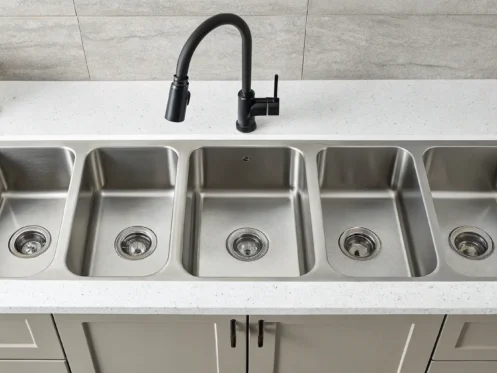
A kitchen sink clog rarely happens all at once. It’s usually the result of weeks or months of buildup from things we send down the drain without a second thought. Cooking grease, coffee grounds, and tiny food particles stick to the inside of your pipes, gradually creating a stubborn blockage. Understanding what causes these clogs is the first step toward preventing them and fixing the one you have now. In this guide, we’ll explore the common culprits behind a stopped-up sink and give you a complete toolkit for DIY kitchen sink clog removal. Knowing the why makes the how much easier.
Key Takeaways
- Practice smart drain habits daily: The most effective way to handle clogs is to prevent them. Make it a habit to scrape food into the trash, avoid pouring grease down the sink, and use a drain strainer to catch debris before it causes a problem.
- Start with safe, simple solutions: Before reaching for harsh chemicals, try clearing minor clogs with household staples. A flush with hot water and dish soap or a baking soda and vinegar mixture can often dissolve grease and grime effectively and safely.
- Recognize when to call a professional: If your DIY efforts fail, the clog returns, or multiple drains are backing up, it’s a sign of a more serious issue. These situations often point to a deeper blockage that requires professional tools to fix correctly.
Why Is Your Kitchen Sink Clogged?
A slow-draining or completely stopped-up kitchen sink is one of the most common plumbing headaches. Most of the time, clogs don’t happen overnight. They’re the result of a slow buildup of everyday materials that find their way down the drain. From last night’s dinner scraps to the soap you use to wash your hands, a lot goes into your pipes. Understanding the cause is the first step to finding the right solution. Let’s look at the most frequent reasons your kitchen sink might be giving you trouble.
Common Culprits: Food, Grease, and More
Your kitchen sink drain handles more than just water. Over time, a combination of food particles, soap scum, and other debris can accumulate and create a stubborn blockage. Things like coffee grounds, pasta, rice, and fibrous vegetable peels are major offenders because they can expand or get tangled inside your pipes. Even small food scraps rinsed off plates contribute to the problem. This gradual buildup narrows the passage for water, eventually leading to a complete clog. When these materials create a serious blockage, professional drain cleaning is often the most effective solution.
How Grease and Cooking Oils Create Blockages
It might seem harmless to pour leftover cooking grease down the drain, especially if you follow it with hot water. Unfortunately, this is one of the fastest ways to create a serious clog. As fats, oils, and grease cool, they solidify and stick to the inside of your pipes. Think of it like plaque building up in an artery. This greasy residue catches other food particles and debris, forming a thick, waxy sludge that water can’t get through. This is why you should always dispose of cooking grease in the trash.
The Slow Buildup of Soap Scum and Minerals
You might not think of soap as a problem, but some types leave behind a waxy film that lines your pipes. This soap scum acts like a magnet, trapping food bits and other gunk that flows down the drain. On top of that, Tucson’s hard water is rich in minerals like calcium and magnesium. These minerals can build up inside your pipes, creating a hard scale that restricts water flow. This combination of soap scum and mineral deposits makes your pipes narrower and much more likely to clog. For persistent issues, a professional can assess your residential plumbing system for scale buildup.
Your Clog-Busting Toolkit
Before you reach for the phone, it’s worth knowing that you might already have everything you need to tackle a minor kitchen sink clog. For more stubborn blockages, a quick trip to the hardware store for a specialized tool can often do the trick. Having the right items on hand can save you time and frustration. Think of it as first aid for your plumbing. Here’s a breakdown of the tools and supplies that can help you clear a clog and get your sink draining smoothly again.
Everyday Items You Already Have
You’d be surprised what a few common kitchen staples can do. For greasy, slow-moving drains, start by carefully pouring a pot of boiling water directly down the drain. If you have PVC pipes, use hot tap water instead, as boiling water can cause damage. For a bit more power, try a combination of baking soda and vinegar. Pour about a cup of baking soda down the drain, followed by a cup of white vinegar. Cover the drain opening, let the mixture fizz for about 15 minutes, and then flush it with hot water. Another effective option is mixing one cup of baking soda with a half cup of salt, letting it sit for a few hours before flushing.
Specialized Tools for Tougher Clogs
When household remedies don’t cut it, you may need to step up your game. A plumbing snake, also called a drain auger, is a fantastic tool for reaching clogs deep in your pipes. You can find a basic one for around $20 to $30. Just feed the snake into the drain until you feel the blockage, then turn the crank to break it up. Another common culprit is the P-trap, the U-shaped pipe under your sink. Place a bucket underneath, unscrew the connectors, and clear out any gunk you find inside. If these tools don’t resolve your drains and sewer issues, it might be time for professional help.
Essential Safety Gear
Safety should always be your top priority when working on your plumbing. Always wear protective gloves to keep your hands clean and safe from grime. If you’re manually clearing a clog, you might be tempted to reach into the drain, but never put your hand down a sink equipped with a garbage disposal. Even when it’s off, the blades are sharp. It’s also a good idea to wear safety glasses, especially when working with the P-trap, to protect your eyes from any unexpected splashes. Taking these simple precautions ensures your DIY project doesn’t end with an injury.
5 DIY Methods to Unclog Your Kitchen Sink
A slow-draining or completely stopped kitchen sink can throw a wrench in your day. Before you reach for the phone, there are several effective methods you can try yourself using common household items and a little bit of effort. These five techniques are go-to solutions for tackling the most frequent types of kitchen sink clogs, from simple grease buildup to more stubborn blockages. We’ll walk through each one step-by-step, starting with the simplest and moving on to more advanced solutions for tougher jobs. It’s always a good idea to have these tricks up your sleeve, as they can save you time and money. Most kitchen clogs are caused by a gradual accumulation of food scraps, grease, and soap, which means these DIY fixes are often all you need to get things moving again. Remember to always prioritize safety, and if a clog seems too stubborn or you’re just not comfortable with a particular method, don’t force it. Knowing when to tackle a problem yourself and when to call for backup is key. For those persistent or severe clogs that just won’t budge, professional drain and sewer services are your best bet. But for now, let’s roll up our sleeves and see if we can get your sink flowing freely with these proven methods.
The Hot Water and Dish Soap Flush
This is the simplest trick in the book and works wonders on clogs caused by grease and soap scum. The hot water helps melt the greasy buildup, while the dish soap acts as a degreaser to break it down and flush it away. Start by boiling a kettle full of water. While it’s heating, squirt a generous amount of liquid dish soap down the drain. Carefully pour the entire kettle of boiling water directly into the drain opening. The combination should be enough to dissolve minor obstructions. You can repeat this process a couple of times if the drain is still slow. It’s a great first step before trying more involved methods.
The Baking Soda and Vinegar Fizz
For a natural yet powerful approach, look no further than your pantry. This classic combination creates a chemical reaction that fizzes and expands, helping to dislodge food particles and grime clinging to your pipes. First, pour about one cup of baking soda directly into the drain. Follow it with one cup of plain white vinegar. Immediately cover the drain with a stopper or plug to direct the fizzing action downward. Let the mixture work its magic for about 15 to 30 minutes. Once the time is up, flush the drain thoroughly with a pot of hot (not boiling) water to wash away the loosened debris.
How to Use a Plunger the Right Way
A plunger is a powerful tool, but only if you use it correctly. For a kitchen sink, you’ll want a flat-rimmed plunger. Before you start, if you have a double-basin sink, be sure to seal off the other drain with a wet cloth or a stopper. This ensures all the pressure is focused on the clog. Next, fill the clogged sink with a few inches of warm water, just enough to cover the plunger’s cup. Place the plunger directly over the drain, creating a tight seal. Then, push and pull in a vigorous, vertical motion for about 30 seconds. The suction created should be enough to dislodge most blockages.
Clearing Out the P-Trap
If the methods above don’t work, the clog might be in the P-trap, the U-shaped pipe under your sink. This part of the pipe is designed to hold water and block sewer gases, but it also commonly catches debris. To clean it, first place a bucket directly underneath the pipe to catch any water and gunk. Use a wrench or pliers to loosen the slip nuts on either end of the U-shaped section. Once they’re loose, you can unscrew them by hand and remove the trap. Empty its contents into the bucket, clean it out with a brush, and then reassemble everything, making sure the connections are snug to prevent leaks.
Using a Drain Snake for Deep Clogs
When you’re dealing with a clog that’s deeper down the line, a drain snake (also called a plumber’s auger) is your best friend. This flexible tool can reach far into your pipes to break up or pull out stubborn blockages. Start by feeding the end of the snake into the drain opening. Push it in gently until you feel resistance, which is likely the clog. Once you hit it, begin turning the crank on the handle. This will either break the clog apart or allow the snake’s tip to grab onto it. Slowly pull the snake back out, and hopefully, the clog will come with it. If this doesn’t work, the problem may require professional attention, so don’t hesitate to schedule an appointment with our team.
When to Call a Professional Plumber
While tackling a clog yourself can be satisfying, knowing when to step aside and call for backup is just as important. Some plumbing problems are more than a simple blockage and require professional tools and expertise to fix correctly. Pushing a DIY solution too far can sometimes make the problem worse or damage your pipes. If you notice any of the following signs, it’s time to put down the plunger and pick up the phone. Calling a professional ensures the job is done safely and effectively, saving you from a much bigger headache down the road.
Signs Your DIY Efforts Aren’t Enough
You’ve tried flushing with hot water, the baking soda and vinegar volcano fizzled out, and you’ve plunged until your arm is sore, but the water is still standing still. When you’ve exhausted all the common DIY methods and the clog won’t budge, it’s a clear signal that the blockage is too severe for household solutions. The problem could be a very dense clog located far down the pipe, beyond the reach of a simple drain snake. Instead of risking damage to your pipes with more aggressive attempts, it’s best to get help from a residential plumbing expert who has the right equipment to handle it.
When Multiple Drains Are Backed Up
Take a moment to check other drains in your house. Is the bathroom sink, shower, or toilet also draining slowly? If so, you’re likely dealing with a much bigger issue than a simple kitchen sink clog. When multiple fixtures are affected, it usually points to a blockage in your main sewer line. This can be caused by anything from accumulated debris to invasive tree roots. A main line clog is a serious problem that can lead to messy sewage backups in your home. This is a job that absolutely requires professional drains and sewer services to diagnose and clear safely.
If the Clog Keeps Coming Back
Maybe you’ve had some success clearing the clog, only for it to return a few days or weeks later. A recurring clog is a classic sign of an underlying issue that your DIY methods aren’t fully resolving. You might be clearing just enough of the blockage to let water pass temporarily, while the bulk of the problem remains. This could be due to a large buildup of grease further down the line or even an issue with the pipe itself. A professional plumber can use a camera to inspect the line, identify the true cause, and provide a lasting solution. If you’re tired of fighting the same clog, it’s time to schedule an appointment online.
How to Stay Safe During DIY Clog Removal
When you’re staring down a sink full of murky water, your first instinct is to fix it as fast as possible. But before you jump into action, let’s talk about safety. Taking a few simple precautions can prevent a minor plumbing issue from turning into a trip to the emergency room or a much bigger repair bill. Protecting yourself, your home, and your pipes is just as important as clearing the clog itself. Let’s walk through the essential safety steps for any DIY drain-clearing project.
Gear Up: Protecting Your Eyes and Skin
First things first: put on some protective gear. The standing water in your sink isn’t just water; it’s a mix of old food, soap scum, and bacteria. You definitely don’t want that splashing on your skin or in your eyes. Grab a pair of sturdy, waterproof gloves (kitchen gloves are perfect) to protect your hands. Next, find some safety goggles or glasses. It might feel like overkill, but a plunger can send water flying in unexpected directions. Protecting your eyes from a splash of grimy water is a simple step that makes a huge difference.
Why You Should Avoid Chemical Drain Cleaners
I know how tempting it is to reach for a bottle of chemical drain cleaner. They promise a quick, easy fix. However, these harsh chemicals often do more harm than good. They can corrode your pipes, especially if you have older metal or PVC plumbing, leading to leaks and costly repairs. Worse, they are incredibly dangerous. The fumes can be harmful to inhale, and a small splash can cause serious chemical burns on your skin and eyes. If the chemical fails to clear the clog, it just leaves a pool of toxic liquid in your sink, making it hazardous for anyone who works on it next. Our professional drain cleaning services are a much safer and more effective solution.
Proper Tool Handling and Ventilation
Whether you’re using a simple plunger or a drain snake, using your tools correctly is key to avoiding injury. When plunging, use a firm, steady motion rather than aggressive force, which can cause you to slip or damage the pipe seal. If you’re using a drain snake, guide it gently and don’t try to force it past a hard blockage. It’s also important to keep your kitchen well-ventilated. Open a window or turn on an exhaust fan to help dissipate any unpleasant odors from the clog. If you feel unsure about handling the tools or the clog is too stubborn, don’t hesitate to schedule an appointment with us.
How to Prevent Future Kitchen Sink Clogs
Dealing with a clogged kitchen sink is a hassle, but the good news is that you can take simple steps to keep it from happening again. The best way to handle clogs is to prevent them from forming in the first place. By being mindful of what goes down your drain and adopting a few easy maintenance habits, you can keep your pipes clear and water flowing freely. These preventative measures don’t take much time, but they make a huge difference. If you find yourself facing clogs over and over again despite your best efforts, it might be a sign of a deeper issue. In those cases, professional drain and sewer services can identify and resolve the root cause.
What Should Never Go Down Your Drain
Your kitchen sink isn’t a trash can, and treating it like one is the fastest way to a clog. The number one rule is to avoid pouring grease, fats, and oils down the drain. When hot grease cools, it solidifies inside your pipes, creating a sticky trap for other food particles. Other common culprits include coffee grounds, eggshells, and starchy foods like pasta and rice, which can expand with water and form a thick paste. It’s best to scrape all food scraps into the trash or compost bin before rinsing your plates.
Simple Maintenance: Drain Screens and Regular Checks
A few small habits can make a big impact on your drain’s health. First, use a drain screen or strainer in your sink. This simple tool catches food particles and other debris before they have a chance to cause trouble. Just remember to empty it regularly. Another easy tip is to flush your drain with hot water after each use, especially after washing greasy dishes. This helps melt away any fresh grease buildup before it has a chance to harden. These small actions are key to good residential plumbing care.
A Quick Monthly Cleaning Routine
To keep your drain clear and smelling fresh, set aside a few minutes each month for a quick cleaning. A simple, non-corrosive mixture of baking soda and vinegar works wonders. Start by pouring about a cup of baking soda down the drain, followed by a cup of white vinegar. Let the mixture fizz for about 15 minutes, then flush it all down with a pot of very hot (but not boiling) water. This natural solution helps break down minor buildup from soap scum and food residue, keeping your pipes clear.
Related Articles
- Clogged Drain Cleaning: A Step-by-Step Guide
- 4 Easy Ways for Cleaning a Clogged Bathtub Drain
- 5 Signs You Have a Main Sewer Line Clog
- The Ultimate Plumbing Maintenance Checklist
- When to Call an Emergency Plumber: A Quick Guide
Frequently Asked Questions
Why are chemical drain cleaners a bad idea? While they seem like a quick fix, liquid drain cleaners are incredibly harsh. They contain powerful chemicals that can eat away at your pipes, especially older ones, potentially causing leaks down the road. They also pose a significant safety risk. The fumes can be harmful, and if the liquid splashes, it can cause serious burns. If the cleaner fails to work, you’re left with a sink full of toxic chemicals, which is dangerous for you and any plumber who comes to help.
What’s the most common thing people put down the drain that they shouldn’t? Without a doubt, the biggest offender is grease. It might be liquid when you pour it, but as it travels down your pipes, it cools and solidifies into a thick, waxy substance. This gunk acts like a magnet, catching food scraps and other debris to form stubborn blockages. Always let grease cool and dispose of it in the trash to keep your pipes healthy.
My garbage disposal has a bad odor. Could this be related to a clog? Yes, a foul smell is often a sign that food particles are trapped and decaying somewhere in the disposal or the drainpipe. This buildup can eventually lead to a full-blown clog. A good cleaning routine, like the baking soda and vinegar method, can help manage odors and clear out minor residue. If the smell persists, it could indicate a more significant blockage that needs professional attention.
How can I tell if the problem is just my kitchen sink or a bigger sewer line issue? A simple way to check is to look at other drains in your home. If only your kitchen sink is slow or stopped up, the clog is likely isolated to that specific pipe. However, if you notice your toilet gurgling, your shower draining slowly, or other fixtures backing up at the same time, it strongly suggests a blockage in your main sewer line, which requires immediate professional service.
I’ve tried plunging and the baking soda trick, but my sink is still clogged. What should I do now? If you’ve given the common DIY methods a fair shot and the water still isn’t draining, it’s time to stop. Forcing the issue with more aggressive attempts could damage your pipes. A persistent clog usually means the blockage is either too dense or too far down the line for household tools to reach. This is the perfect time to call a professional plumber who has the equipment to diagnose and clear the problem safely.