Let’s be direct: figuring out the hydro jetting cost isn’t as simple as looking up a price online. The final bill is tailored to the unique needs of your plumbing system. A simple clog in an easily accessible pipe will cost less than clearing a main sewer line filled with invasive tree roots. Factors like the length of your pipes, their overall condition, and whether a camera inspection is needed all play a role. This guide is designed to give you a clear picture of what to expect. We’ll walk through the different variables so you can understand your quote and see why this service is a smart, long-term investment for your home’s health.
Key Takeaways
- Understand What Influences the Price: The cost of hydro jetting isn’t a flat rate; it’s tailored to your specific situation. Factors like the clog’s severity, your pipe’s condition, and ease of access all play a role in the final quote.
- Choose a Thorough Clean Over a Temporary Patch: While snaking or chemicals might seem cheaper upfront, they often just poke a hole in the problem. Hydro jetting provides a comprehensive cleaning that removes buildup from pipe walls, preventing the same clog from quickly returning.
- Always Hire a Pro to Protect Your Pipes: The high pressure used in hydro jetting can damage older or fragile pipes if not handled correctly. A professional performs a camera inspection first to ensure your plumbing is safe for the procedure, preventing a simple clog from turning into a major repair.
What Exactly Is Hydro Jetting?
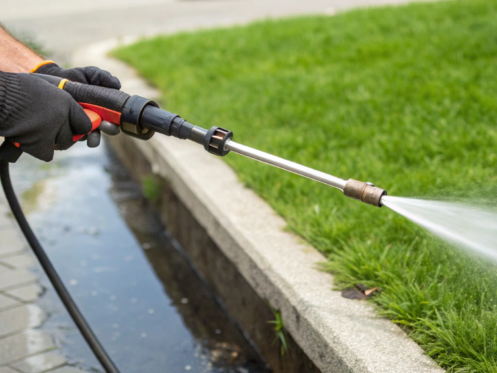
If you’ve ever dealt with a drain clog that just won’t quit, you’ve probably heard the term “hydro jetting.” Think of it as a pressure washer for the inside of your pipes. It’s a highly effective method for clearing out your plumbing lines using a high-pressure stream of water. Unlike a traditional drain snake that just pokes a hole through a blockage, hydro jetting thoroughly scours the entire inner surface of the pipe, removing years of buildup.
This technique is powerful enough to clear tough clogs caused by accumulated grease, soap scum, hair, and even invasive tree roots. A professional plumber uses a specialized hose and nozzle to direct water at pressures up to 4,000 PSI, effectively blasting away debris and washing it down the line. It’s one of the most comprehensive ways to clean your drains and sewer lines, restoring them to a near-original condition without the use of harsh chemicals. This deep clean not only solves your immediate problem but also helps prevent future blockages from forming, giving you peace of mind and better-flowing pipes.
How High-Pressure Water Clears Your Pipes
The magic of hydro jetting lies in its simple yet powerful approach. A technician inserts a flexible, high-pressure hose into your plumbing system through an access point called a cleanout. A specialized nozzle at the end of the hose shoots jets of water both forward and backward. The forward-facing jet breaks up the clog, while the rear-facing jets propel the hose forward and blast away clogs and buildup from the pipe walls. This process flushes all the dislodged gunk safely down the sewer line, leaving your pipes completely clear. It’s a full-pipe cleaning, not just a quick fix.
When to Choose Hydro Jetting
Hydro jetting is the go-to solution for serious or recurring blockages. If you have stubborn clogs that other methods can’t clear, like snaking, this is likely your best bet. It’s especially effective for grease buildup in kitchen lines or tree root intrusion in main sewer lines—problems that a simple auger can’t fully resolve. It’s also an excellent preventative measure. For homes with older plumbing or businesses like restaurants that deal with a lot of grease, scheduling regular hydro jetting can help prevent small plumbing issues from turning into messy, expensive emergencies down the road.
What Factors Into the Cost of Hydro Jetting?
When you’re staring down a stubborn clog that just won’t quit, hydro jetting can feel like calling in the special forces for your plumbing. It’s a powerful and thorough solution, but its cost isn’t a simple, flat rate. The final price tag is a custom fit for your home’s specific situation. Think of it this way: every plumbing system has its own history and quirks, and the cost of service reflects the unique challenges your pipes present.
Understanding what goes into a hydro jetting quote helps you see the value behind the numbers. It’s not just about clearing a blockage; it’s about doing it safely and effectively for the long term. The final cost depends on a few key things: the nature of the clog itself, how easy it is for a technician to access your pipes, the condition of those pipes, and even your location. Getting familiar with these factors will help you understand exactly what your plumber is looking at and why they’re recommending a specific approach for your home.
The Type and Severity of the Clog
Not all clogs are created equal. A simple blockage caused by soap scum and hair in a bathroom sink is one thing, but a main sewer line packed with years of hardened grease, sludge, or invasive tree roots is a completely different challenge. A more severe clog requires more time, higher water pressure, and specialized equipment to break it apart and flush it away. A plumber might need to work on a tough blockage for much longer, which directly impacts the labor cost. These are the kinds of stubborn drains and sewer issues that can bring your entire home to a standstill and require a more intensive solution.
Pipe Length and Accessibility
The physical layout of your plumbing system plays a huge role in the cost. To do the job right, a plumber needs a good access point to insert the hydro jetting hose. Many homes have a dedicated “cleanout,” which makes this process straightforward and less expensive. However, if your home doesn’t have an easily accessible cleanout, the job gets more complex. A technician might need to remove a toilet or get on the roof to access the plumbing vent, which adds time and labor to the bill. The total length of the pipe that needs cleaning also matters—longer sewer lines simply take more time to service from end to end.
Your Location and Chosen Plumber
Where you live can influence the price of plumbing services, as local market rates in the Tucson area play a part. Beyond that, the company you choose to hire is a major factor. An established, reputable company with certified technicians and professional-grade equipment will likely have different rates than a smaller operator. While it can be tempting to just go with the lowest quote, remember that you’re paying for expertise, safety, and reliability. It’s always best to work with a trusted professional who provides a clear, upfront estimate before any work begins, so you know exactly what to expect when you schedule your service.
The Age and Condition of Your Pipes
Before blasting your pipes with thousands of PSI of water pressure, a responsible plumber will always consider their condition. Older pipes, particularly those made from materials like clay or cast iron, can become brittle and fragile over time. They might have hidden cracks or weak spots that can’t withstand the force of hydro jetting. To avoid causing a bigger problem, a plumber will often recommend a video camera inspection first. This allows them to get a clear look at the inside of your pipes, assess their integrity, and confirm that hydro jetting is a safe option. While this inspection adds to the initial cost, it’s a critical step that prevents a much more expensive pipe repair down the line.
How Much Does Hydro Jetting Usually Cost?
Alright, let’s talk numbers. While the final price tag depends on the factors we just covered—like how bad the clog is and how easy your pipes are to access—we can definitely look at some typical price ranges. This will give you a solid idea of what to budget for when you call a professional. Keep in mind that these are general estimates, and the best way to know for sure is to get a specific quote for your situation. For a clear, upfront price on your drain and sewer needs, it’s always best to have a technician take a look.
Typical Costs for Homes
For most homeowners, hydro jetting is a manageable expense that saves a lot of headaches down the road. On average, you can expect the cost to be around $475. Most residential jobs fall somewhere in the $350 to $600 range. Of course, this can shift based on the complexity of the job. A simpler clog might be on the lower end, while a more severe blockage in a long sewer line could push the price higher. It’s a smart investment for a deep clean that traditional methods just can’t match.
What Businesses Can Expect to Pay
If you’re a business owner, you know that a plumbing problem can shut you down fast. Commercial hydro jetting costs are typically higher than residential ones because the plumbing systems are larger and more complex, and the clogs can be more stubborn (think grease traps in a restaurant). Businesses can generally expect to pay between $500 and $2,500 for hydro jetting services. While it’s a bigger number, it’s a critical service for preventing costly downtime and keeping your operations running smoothly.
The Cost of an Emergency Call
Plumbing emergencies rarely happen at a convenient time. If you find yourself with a completely blocked sewer line on a weekend or in the middle of the night, you’ll likely need an emergency call. Most plumbing companies, including ours, offer 24/7 service for these situations. You can typically expect to pay an additional $100 to $150 for after-hours work. While nobody loves an extra fee, having a pro available to solve your problem immediately is often worth the peace of mind. You can always schedule service online to get the process started.
What Other Costs Might Come Up?
When you get a quote for hydro jetting, it’s smart to ask what’s included. The base price usually covers the main service, but a few other necessary steps can affect your final bill. Think of it like getting your car repaired—sometimes the mechanic finds another issue once they look under the hood. A transparent plumber will walk you through any potential add-ons before they start work, so you’re never caught off guard.
Understanding these potential costs ahead of time helps you budget accurately and see the full value of the service. From preliminary inspections to ensuring proper access, each step plays a role in getting your drains and sewer lines flowing freely and safely for the long haul. Let’s break down the most common additional services you might encounter.
Video Camera Inspections
Before a plumber sends a high-pressure stream of water into your pipes, they need to see what’s going on in there. A video camera inspection is a crucial first step. This process involves feeding a small, waterproof camera into your sewer line to get a real-time look at its condition. It helps the technician pinpoint the exact location and nature of the clog. More importantly, it ensures your pipes are sturdy enough to handle the force of hydro jetting. An inspection can reveal cracks, weak points, or collapses that could be made worse by the pressure, preventing a much bigger problem.
Installing a Cleanout
To perform hydro jetting, your plumber needs an access point to your sewer line, called a cleanout. This is typically a capped pipe that provides a direct entry point. If your home doesn’t have one that’s accessible, one will need to be installed. While this adds to the upfront cost, it’s a valuable long-term investment. According to some plumbing cost guides, installing a cleanout can be a significant expense, but it makes all future drain cleaning and inspections much faster, easier, and more affordable. Think of it as a permanent solution that simplifies future maintenance.
Removing and Reinstalling a Toilet
Sometimes, the best or only way to access the main drain line is by removing a toilet. This is especially common in homes with limited or no exterior cleanout access. The process involves carefully detaching the toilet, performing the hydro jetting service, and then reinstalling it with a new wax ring to ensure a perfect seal. If your toilet is older or you were already considering an upgrade, this might be the perfect time to install a new one. The cost for this task is usually straightforward, but it’s an important factor to account for in your overall budget.
Potential Pipe Repairs
Hydro jetting is perfectly safe for pipes that are in good condition, like standard PVC. However, if you have an older home with cast iron, clay, or Orangeburg pipes, there’s a small risk involved. The high-pressure water doesn’t typically cause damage, but it can expose pre-existing issues like cracks, corrosion, or weak joints that were previously hidden by buildup. If the initial camera inspection reveals that your pipes are fragile, your plumber will discuss the risks with you. Should any damage occur, you would be responsible for the cost of repairs, which is why that initial inspection is so vital.
DIY vs. Professional Hydro Jetting: What’s the Right Call?
When you’re facing a stubborn clog, the idea of renting a hydro jetter and tackling it yourself can be tempting. It seems like a straightforward way to save some money, right? But when it comes to the high-pressure water streams used in hydro jetting, this is one job where going the DIY route can quickly turn into a costly mistake. The equipment is powerful, the risks are real, and there’s a lot more to it than just pointing a hose down a pipe. Let’s break down why leaving this task to the professionals is almost always the right call for your home and your wallet.
Why Professional Gear and Safety Matter
The hydro jetting equipment available for rent at a local hardware store is a far cry from the commercial-grade machinery a professional plumber uses. Professional units operate at extremely high pressures—thousands of PSI—that require specialized training to handle safely. Without the right experience, you could risk serious injury or cause significant water damage to your property. A trained technician knows how to manage this power, selecting the right nozzle and pressure for your specific problem. When you hire a professional for your drain and sewer needs, you’re not just paying for the equipment; you’re investing in the expertise to get the job done safely and effectively the first time.
The Risks of Damaging Your Pipes
The biggest risk of a DIY hydro jetting attempt is causing irreversible damage to your plumbing system. While modern PVC pipes can generally handle the pressure, older pipes made of cast iron or clay are much more vulnerable. Blasting them with high-pressure water without a proper assessment can cause them to crack or collapse, turning a simple clog into a major sewer line repair. A professional will almost always perform a video camera inspection first to check the condition of your pipes and identify the exact location of the clog. This crucial step ensures they use the right amount of pressure to clear the blockage without harming your plumbing. Don’t risk a catastrophic failure; it’s always safer to schedule an appointment with an expert.
Hydro Jetting vs. Other Drain Cleaning Methods
When you’re dealing with a stubborn clog, you have a few options. While it might be tempting to grab the cheapest fix, it’s important to understand the differences between methods. Hydro jetting is a powerful solution, but how does it stack up against traditional approaches like snaking or pouring a chemical cleaner down the drain? The right choice depends on the severity of your clog and whether you’re looking for a temporary patch or a long-term solution for your home’s plumbing health. Making the wrong call can mean dealing with the same frustrating backup just a few weeks later, or even causing unintended damage to your pipes.
Snaking, for example, uses a metal auger to physically break through a blockage. It’s a classic go-to for simple clogs like hair in a shower drain. Then there are the chemical cleaners you find at the store, which use harsh ingredients to dissolve whatever is causing the backup. Hydro jetting takes a completely different approach, using highly pressurized water to scour the inside of your pipes clean from wall to wall. Each method has its place, but for serious or recurring blockages, understanding the pros and cons is key. Let’s break down how hydro jetting compares to other common drain cleaning services so you can make an informed decision. It’s about more than just clearing the immediate problem; it’s about restoring your pipes’ flow and preventing the same issue from popping up again.
Cost Comparison: Snaking vs. Hydro Jetting
Snaking a drain is often the first method people think of for a simple clog. It’s a mechanical process where a plumber feeds a metal auger into the pipe to break up or pull out a blockage. This approach is effective for minor issues, like a hair-clogged shower drain, and is generally less expensive upfront than hydro jetting. However, snaking just punches a hole through the clog; it doesn’t clean the pipe walls. For severe blockages caused by grease, scale, or tree roots, hydro jetting is far more effective. While the average cost is higher, it completely scours the inside of your pipes, restoring them to a like-new condition and preventing the same clog from quickly reforming.
Why Hydro Jetting Beats Chemical Cleaners
Those liquid drain cleaners under your sink promise a quick fix, but they often come with hidden risks. These harsh chemicals can be corrosive, potentially damaging older pipes and leading to more expensive repairs down the road. Their effectiveness can also be hit-or-miss, especially on tough, built-up grime. Hydro jetting, on the other hand, uses only high-pressure water to clear blockages. It’s a powerful and environmentally friendly method that is safe for most plumbing systems. Instead of using caustic chemicals that can harm your pipes and the environment, hydro jetting provides a thorough cleaning without the dangerous side effects.
Which Method Offers the Best Long-Term Value?
When you look at the big picture, hydro jetting often provides the best return on your investment. While the initial cost is more than a bottle of drain cleaner or a simple snaking service, its thoroughness saves you money over time. By completely clearing away grease, sludge, and mineral buildup, hydro jetting helps prevent future clogs from forming. This means fewer emergency calls to a plumber and a healthier, more reliable plumbing system. Think of it as a deep clean for your pipes—a form of preventative care that protects your home. It’s a key part of a good plumbing maintenance plan that offers lasting peace of mind.
Common Myths About Hydro Jetting Costs
When it comes to hydro jetting, a few common misconceptions about the cost can leave homeowners feeling confused. Let’s clear the air and separate fact from fiction so you can make an informed decision for your home’s plumbing.
Myth: All Plumbers Charge the Same
It’s easy to think that a service like hydro jetting would have a standard price tag, but that’s not the case. The cost can change quite a bit depending on where you live and the specifics of the clog. For example, clearing a simple blockage in your kitchen sink will likely cost less than a full-system flush of your home’s entire drain and sewer system. Factors like the severity of the clog and how easy it is to access the pipes play a big role. It’s a good idea to remember that pricing isn’t universal, and what a friend paid in another city might not reflect the reasonable cost for the job here in Tucson.
Myth: It’s Safe for Any Pipe
Hydro jetting is a powerful tool, but that power needs to be handled with care. It’s not the right solution for every single pipe. The intense water pressure can be too much for older, fragile pipes made of materials like cast iron or clay, potentially causing more harm than good. However, for more modern plumbing systems using materials like PVC, it’s generally a very safe and effective option. This is why a professional inspection is so important. A qualified technician can assess the condition of your pipes and determine if hydro jetting is the best approach for your home, ensuring you get a clean drain without any unexpected damage.
Myth: The First Quote Is the Final Price
When you’re dealing with a plumbing issue, it’s tempting to jump on the first quote you get just to solve the problem quickly. But it pays to shop around. The price for hydro jetting can vary significantly from one company to another. Some plumbers charge a flat rate for the service, while others bill by the hour. To make sure you’re getting a fair deal, it’s smart to get at least three estimates from different reputable companies. This gives you a better understanding of the market rate and helps you choose a plumber who offers transparent pricing and great value for the service.
How to Get an Accurate Quote for Hydro Jetting
Getting a clear and fair price for hydro jetting shouldn’t feel like a mystery. The key is to know what to ask and what to look for in a plumbing partner. A trustworthy professional will be transparent about their process and pricing from the start. Before you agree to any work, make sure you have a detailed quote in hand that outlines all the costs involved. This simple step can save you from surprise fees and ensure you’re getting the best service for your money. By arming yourself with the right questions, you can confidently choose a plumber who will get the job done right.
Why You Should Get Multiple Quotes
When you’re facing a serious clog, it’s tempting to call the first plumber you find. But taking a little time to get a few different opinions can make a big difference. We recommend getting at least three price estimates from different, trusted plumbers in the Tucson area. This isn’t just about finding the cheapest option; it’s about understanding the market rate and finding the best value. Comparing quotes allows you to see what different companies include in their base price and helps you spot any outliers—both high and low. It also gives you a chance to interact with each company and get a feel for their professionalism and customer service before they ever set foot in your home.
Key Questions to Ask Your Plumber
To get a truly accurate quote, you need to ask the right questions. Before you hire anyone, make sure you get clear answers to these points. First, ask if they perform a video camera inspection before jetting. This is a critical first step to identify the exact cause and location of the clog and check the condition of your pipes. Also, ask what the service includes, how long it will take, and if they offer a warranty. Understanding the full scope of the drain and sewer services ensures there are no hidden costs. A professional plumber will be happy to walk you through their process and set clear expectations from the start.
What to Look for in a Guarantee
A guarantee is more than just a piece of paper; it’s a company’s promise to stand behind their work. When it comes to hydro jetting, you want to look for a clear and fair warranty. Most reputable plumbers will guarantee their work for at least 30 days, which protects you if the clog returns shortly after the service. This shows that the company is confident in its ability to solve your problem thoroughly. Be wary of any plumber who doesn’t offer a guarantee or is vague about the terms. A solid warranty provides peace of mind, assuring you that you’ve invested in a lasting solution. When you’re ready for a quote you can trust, feel free to schedule online with our team.
Is Hydro Jetting Right for Your Home?
Deciding on a plumbing service can feel overwhelming, especially with a powerful option like hydro jetting. It’s not just for emergencies; it’s a highly effective solution for specific, persistent problems and a smart way to maintain your plumbing health. So, how do you know if it’s the right move for your home? It often comes down to recognizing a few key warning signs or taking a proactive approach to prevent future headaches. Let’s look at when you should seriously consider calling in the pros for
Warning Signs You Need Hydro Jetting
If you’ve tried everything to clear a clog with no luck, it’s a major sign you might need something stronger. Hydro jetting is perfect for those stubborn blockages that a snake just can’t handle. Another big clue is when multiple drains in your house start acting up at once—think slow draining sinks, gurgling toilets, and unpleasant odors coming from your pipes. This often points to a deeper issue in your main drains and sewer line. Over time, things like grease, scale, and sludge build up on pipe walls, and hydro jetting is the only method that truly scours them clean, restoring flow and getting things back to normal.
Using Hydro Jetting for Preventive Maintenance
You don’t have to wait for a full-blown clog to benefit from hydro jetting. Think of it as a deep clean for your plumbing system. Scheduling this service proactively can clear out years of buildup before it becomes a problem, preventing costly emergency calls down the road. By completely cleaning the inner walls of your pipes, hydro jetting helps your entire plumbing system last longer and work more efficiently. It’s a smart investment in your home’s health and a key part of a good maintenance plan. This approach saves you from the stress and expense of unexpected backups, giving you peace of mind that your pipes are in top shape.
Related Articles
- Why Your Home Could Benefit From Hydro-Jetting | Fusion
- Hydro-Jetting Services Tucson, AZ | Fusion Plumbing & Air
- DIY Drain Cleaning Solutions | Fusion Plumbing & Air
- Should You Get Your Drains Clean Before the Holidays? | Fusion
- Our Services | Fusion Plumbing & Air | Tucson, AZ
Frequently Asked Questions
Is hydro jetting safe for the pipes in my older Tucson home? That’s a great question, and the short answer is: it depends on their condition. Safety is always the first priority. A professional plumber will never just start blasting away. They will perform a video camera inspection first to get a clear look at the inside of your pipes. If your older cast iron or clay pipes are still in solid shape, hydro jetting is perfectly safe. If the inspection reveals cracks or weak spots, your plumber will discuss safer alternatives with you to avoid causing a bigger problem.
How often should I consider hydro jetting as a preventive measure? For most homes, you don’t need to schedule hydro jetting on a regular calendar basis unless you’re experiencing recurring issues. However, if you live in a home with older plumbing that’s prone to backups, or if your kitchen sink deals with a lot of grease, scheduling a hydro jetting service every year or two is a smart move. It’s an excellent way to prevent small buildups from turning into a messy and expensive emergency.
Will hydro jetting get rid of tree roots in my sewer line permanently? Hydro jetting is the most effective method for clearing tree roots out of a sewer line. It powerfully cuts through the roots and scours the pipe walls clean, completely restoring flow. However, it can’t stop the tree roots from eventually growing back. Think of it as the best solution for clearing the current invasion, but you may need to schedule the service periodically to manage the problem long-term.
What’s the real difference between what hydro jetting cleans versus a regular drain snake? Imagine a pipe clogged with thick grease buildup. A drain snake simply pokes a hole through the middle of that grease to let water pass through, leaving most of the gunk stuck to the pipe walls. Hydro jetting, on the other hand, acts like a pressure washer for the inside of the pipe. It completely scours the entire inner surface, removing all the grease, sludge, and debris and washing it away for a truly clean pipe.
How long does a typical hydro jetting service take? Most residential hydro jetting jobs are completed within one to two hours. The exact time can vary based on a few things, like the severity and location of the clog and how easy it is to access your plumbing cleanout. A straightforward job will be on the quicker side, while a more complex blockage in a long sewer line might take a bit more time to resolve thoroughly.