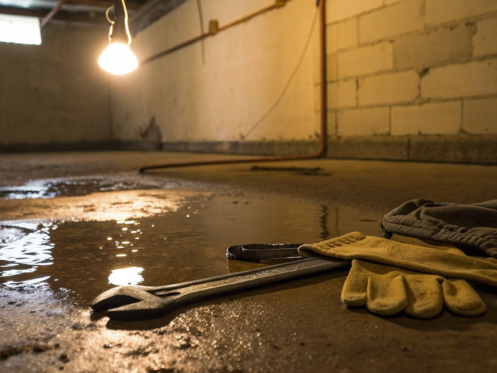
That unmistakable, foul odor hits you first. Then you see it—dirty water pooling around the floor drain, refusing to go down. A sewer backup is one of the most stressful and unpleasant problems a homeowner can face. Your mind starts racing with questions: What caused this? How bad is the damage? What do I do right now? A clogged sewer line in your basement isn’t just a mess; it’s a sign of a serious issue within your home’s plumbing system. This guide will walk you through everything you need to know, from identifying the root cause to taking immediate action and preventing it from ever happening again.
Key Takeaways
- Protect Your Pipes with Smart Habits: The most common sewer clogs are preventable. Avoid sending grease, coffee grounds, and so-called “flushable” wipes down your drains to stop blockages before they can form.
- Recognize System-Wide Warning Signs: A main sewer line issue affects your entire home, not just one sink. If you notice multiple drains backing up, hear gurgling sounds, or smell foul odors, it’s a clear signal of a serious problem.
- Leave Main Line Clogs to the Pros: While a plunger works for minor clogs, a main sewer line backup requires professional tools. DIY attempts can damage pipes, so call an expert who can use sewer cameras and hydro jetting for a safe and effective fix.
Why Is My Basement Sewer Line Clogged?
Discovering a sewer backup in your basement is a frustrating experience, and it’s natural to wonder what went wrong. Most of the time, the problem isn’t due to a single event but rather a gradual buildup or an issue that’s been developing for years. Understanding the root cause is the first step toward finding the right solution and preventing it from happening again. From invasive tree roots to everyday household habits, several common culprits are likely behind that messy backup.
Tree Root Intrusion
One of the most common—and surprising—causes of a main sewer line clog is tree root intrusion. Your beautiful yard’s trees have extensive root systems that naturally seek out water and nutrients. If your sewer line has even a tiny crack or a loose joint, tree roots can find their way inside. Once they’re in, they continue to grow, creating a dense web that catches waste and toilet paper, eventually causing a complete blockage. This is especially common in older homes throughout Tucson and Sahuarita with clay or cast iron pipes. It’s not your fault; it’s just nature finding a path of least resistance. Our drains and sewer services can identify and clear these stubborn roots.
Grease and Food Waste Buildup
What you send down your kitchen sink has a huge impact on your home’s plumbing. While it might be liquid when you pour it, cooking grease, fats, and oils solidify as they cool inside your pipes. This sticky residue acts like glue, trapping food particles, coffee grounds, and other debris that flows past. Over time, this buildup narrows the pipe until it forms a tough, stubborn clog that water can no longer pass through. To protect your pipes, always scrape grease and food scraps into the trash before washing dishes. Even small amounts can contribute to a major backup in your basement down the line.
Flushing Inappropriate Items
Your toilet is designed to handle human waste and toilet paper—and that’s it. Flushing anything else is a recipe for a sewer line disaster. So-called “flushable” wipes are a primary offender; they don’t break down nearly as quickly as toilet paper and can easily snag in your pipes, starting a clog. Other items like paper towels, cotton balls, feminine hygiene products, and dental floss should never be flushed. These materials are not designed to disintegrate in water and will accumulate in your sewer line, leading to a messy and expensive backup that requires professional attention.
Aging Pipe Deterioration
If you live in an older home in areas like Oro Valley or Oracle Foothills, your sewer lines might simply be reaching the end of their lifespan. Pipes made from materials like cast iron or clay, which were common decades ago, can deteriorate over time. Cast iron pipes can rust and corrode from the inside out, creating rough surfaces that snag debris and eventually lead to cracks or a full collapse. Clay pipes are brittle and can crack under the pressure of shifting soil. When these older pipes fail, they not only cause blockages but can also lead to significant leaks. An inspection can determine the health of your residential plumbing system.
Is Your Basement Sewer Line Clogged? Look for These Signs
A clogged sewer line is more than a minor inconvenience; it’s a plumbing emergency waiting to happen. Unlike a simple clog in a single sink, a main sewer line issue affects your entire home’s plumbing system. Because your basement is the lowest point in the house, it’s often the first place you’ll spot trouble. Knowing what to look for can help you catch the problem early and prevent a messy, expensive disaster. If you notice any of these signs, it’s time to pay close attention.
Multiple Drain Backups
Is your shower drain slow, your toilet threatening to overflow, and your kitchen sink taking forever to empty? When multiple fixtures start backing up at the same time, it’s a huge red flag. A single clog might affect one drain, but a main sewer line blockage impacts them all. You might also notice that using one appliance causes a backup somewhere else. For example, if running the washing machine makes water gurgle up in your toilet or shower, it’s a classic sign that the wastewater has nowhere to go. This happens because all your home’s drains lead to the main sewer line, and if that line is blocked, the water is forced back up through the lowest available openings. Our team can quickly diagnose these complex drains and sewer issues.
Gurgling Sounds from Fixtures
Your plumbing shouldn’t sound like a science experiment. If you hear strange gurgling or bubbling noises coming from your drains, especially after flushing a toilet or draining a sink, listen up. These sounds are caused by trapped air being pushed through water because of a blockage in the sewer line. Essentially, your plumbing system is struggling to drain, and the gurgling is a cry for help. While it might seem like a small annoyance, it’s often one of the earliest warning signs of a developing clog. Ignoring these sounds gives the blockage more time to worsen, eventually leading to a full-blown backup.
Sewage Odors in the Basement
You should never smell sewage in your home. If you notice a foul, rotten-egg odor coming from your basement drains or anywhere else, it’s a clear indicator of a sewer line problem. That unpleasant smell is sewer gas escaping from the pipes, which means wastewater isn’t flowing away from your house as it should. Not only is the odor unpleasant, but sewer gas can also contain harmful bacteria and pose a health risk to your family. Don’t just try to mask the smell with air fresheners. It’s a serious issue that points to a crack or clog in your line, requiring professional residential plumbing services to resolve safely.
Water Pooling Around Floor Drains
Your basement floor drain is your last line of defense against flooding, but it can also be the first place a sewer backup shows up. If you see water puddling around or backing up out of the floor drain, it means the main sewer pipe underneath your basement is completely full. Since the floor drain is the lowest point in your home’s plumbing, it’s the first exit point for backed-up sewage. This isn’t just clean water; it’s wastewater from your entire house, and it can cause significant property damage and create an unsanitary mess. If you see this, stop using your water immediately and schedule online for emergency service.
Suspect a Sewer Clog? Here’s What to Do Right Now
A sewer backup is one of the most stressful situations a homeowner can face. But don’t panic. Taking a few immediate, calculated steps can prevent the problem from getting worse and protect your home and family. If you see signs of a main sewer line clog, like multiple backed-up drains or foul odors, follow this action plan right away.
Stop Using All Plumbing Fixtures
The very first thing you need to do is stop sending more water down your drains. That means no flushing toilets, no running the dishwasher, no taking showers, and no using the washing machine. Every drop of water you add to your plumbing system has nowhere to go and will only contribute to the backup, potentially causing more sewage to spill into your basement or home. It’s a simple but critical step to contain the mess while you figure out your next move.
Turn Off the Main Water Supply
To be absolutely sure no more water enters your pipes, find and turn off your home’s main water supply. This valve is usually located where the main water line enters your house—often in the basement, a crawl space, or near your water heater. Sometimes it’s outside near the water meter. Turning it off (usually by rotating it clockwise) cuts off the water flow to your entire home. This is a crucial preventative measure that stops the situation from escalating while you wait for professional help to arrive.
Protect Yourself from Health Hazards
Sewage is more than just dirty water; it’s a serious health risk filled with bacteria, viruses, and other harmful pathogens. If you must be near the affected area, protect yourself. Put on waterproof boots, rubber gloves, and a face mask to avoid direct contact with the contaminated water and to prevent inhaling hazardous fumes. Your health and safety are the top priority, so keep a safe distance whenever possible and leave the cleanup to professionals who have the proper protective equipment.
Document the Damage for Insurance
Before anything gets moved or cleaned up, pull out your phone and start documenting everything. Take clear photos and videos of the backup, the source of the water, and any damage to your floors, walls, furniture, or belongings. Make detailed notes about when you first noticed the problem. This evidence will be incredibly important if you need to file a homeowner’s insurance claim. Having solid documentation makes the claims process much smoother and helps ensure you get the coverage you’re entitled to.
Call for Emergency Plumbing Service
A main sewer line clog is not a DIY project. Over-the-counter chemical drain cleaners won’t touch a serious blockage and can even damage your pipes. This is a job for a licensed professional. Call for emergency drains and sewer service immediately. A certified plumber has the specialized tools, like sewer cameras and hydro jetting equipment, to accurately diagnose the cause of the clog and clear it safely. If you’re in Tucson, Oro Valley, or Sahuarita, our team is available 24/7 to handle these exact situations.
Can I Fix a Sewer Clog Myself?
When you’re facing a plumbing backup, it’s tempting to roll up your sleeves and try a DIY fix. While you can often handle a simple clogged sink, a main sewer line clog is a different challenge entirely. Tackling it without the right tools and knowledge can cause more harm than good. Understanding what you can do—and what you absolutely shouldn’t—is key to protecting your home.
Simple DIY Methods for Minor Clogs
If a single fixture is clogged, like a sink or a toilet, reaching for a plunger is a good first step. For a slightly tougher clog in a shower drain, a small plumbing snake might do the trick. These tools are great for isolated issues. However, if you notice multiple drains backing up at the same time, that’s a clear sign the problem isn’t in a single pipe—it’s in your main sewer line. This is a much bigger issue that simple DIY methods can’t solve. When you see widespread symptoms, it’s time to call for professional residential plumbing help to prevent a small problem from turning into a major mess.
The Hot Water and Baking Soda Trick
You’ve probably seen the advice online: pour baking soda and vinegar down a slow drain. This fizzy combination can sometimes loosen minor buildup from soap or grease in a single pipe, helping water flow a bit better. But let’s be clear—this is not a fix for a clogged sewer line. A true sewer blockage caused by tree roots, flushed objects, or heavy waste won’t be affected by this home remedy. Relying on it can give you a false sense of security while the real problem gets worse. It might offer a moment of relief for a slow sink, but it’s not a solution for your main line.
When to Avoid DIY Attempts
Here’s my most important piece of advice: never try to clear your main sewer line yourself. This is a job that absolutely requires professional equipment and expertise. Using a consumer-grade snake on a main line clog can cause the cable to break off inside the pipe, creating a much more complicated and expensive repair. More importantly, you risk exposing yourself and your family to hazardous waste and bacteria from raw sewage. Without the right protective gear, you’re putting your health on the line. When you suspect the main line is clogged, the safest and most effective step is to call for professional Drains & Sewer services.
Why Professional Hydro Jetting Is More Effective
So, what do the pros do differently? We use advanced techniques like hydro jetting. Unlike a snake that just pokes a hole through a blockage, hydro jetting uses powerful streams of high-pressure water to completely scour the inside of your pipes. It blasts away years of accumulated grease, sludge, and even invasive tree roots, restoring the pipe to its original flow capacity. This method doesn’t just clear the immediate clog; it provides a thorough cleaning that helps prevent new ones from forming. It’s a safe, powerful, and long-lasting solution that DIY methods simply can’t match. When you’re ready for a real fix, you can schedule online with our team.
How Professionals Tackle Sewer Problems
When you’re facing a major sewer clog, it’s time to call in the experts. While DIY methods might work for a simple sink clog, a main sewer line backup is a different beast entirely. Professionals have the training, experience, and specialized equipment to handle these tough jobs safely and effectively. They don’t just guess what the problem is; they use advanced techniques to pinpoint the issue and apply the right solution, saving you time, money, and a whole lot of stress. Let’s walk through the process our team at Fusion Plumbing & Air uses to get your plumbing back on track.
The Sewer Camera Inspection Process
The first step is always a thorough diagnosis. We use a high-resolution sewer camera inspection to get a clear look inside your pipes. A small, waterproof camera is fed down the line, sending a live video feed back to our technician. This allows us to see the exact location and cause of the clog—whether it’s invasive tree roots, a buildup of grease, or a collapsed pipe. This no-dig approach means we can accurately diagnose all kinds of sewer and drain issues without tearing up your yard, providing a precise roadmap for the solution.
Hydro Jetting vs. Traditional Snaking
Once we know what we’re dealing with, we can choose the best tool for the job. For many clogs, a traditional mechanical snake or auger can break up the blockage. However, for more stubborn or widespread issues like heavy grease buildup or root intrusion, hydro jetting is a far more effective solution. This method uses highly pressurized water to blast away debris and scour the inside of your pipes clean. It doesn’t just poke a hole through the clog; it thoroughly cleans the entire pipe wall, helping to prevent future backups.
Your Treatment Options
Based on the camera inspection, our technicians will walk you through your options. For a straightforward clog, hydro jetting might be all you need. If we find damage to the pipe itself, like cracks or corrosion, we’ll discuss repair options. The key is that you’ll have a clear understanding of the problem and the recommended solution. For a main sewer line backup where you see sewage in multiple drains, DIY attempts with plungers or chemicals are not enough and can often make the problem worse. Professional intervention is essential to protect your home and health.
Deciding Between Repair and Replacement
Sometimes, the inspection reveals that an old sewer line is nearing the end of its life. While a repair might fix the immediate problem, it could be a temporary fix if the pipes are weak or deteriorating. In these cases, replacing the damaged section of the sewer line can be more cost-effective in the long run than paying for repeated service calls. We’ll always provide a transparent assessment to help you make the best decision for your home and budget. If you’re facing recurring issues, it’s a good idea to schedule an inspection to see if a replacement is the right long-term solution.
Common Myths About Sewer Clogs, Busted
When you’re facing a sewer problem, misinformation can lead you down a path that makes things worse. A lot of so-called common knowledge is outdated or just plain wrong. To help you protect your plumbing and your wallet, let’s clear up a few of the most persistent myths about sewer clogs. Understanding the truth can save you from costly repairs and a whole lot of frustration.
Myth: “Flushable” Wipes Are Safe for Pipes
This is one of the most common and damaging myths out there. While the package might say “flushable,” these wipes simply don’t break down in water the way toilet paper does. Instead of dissolving, they tend to snag on imperfections inside your pipes, clumping together with grease, hair, and other debris. Over time, this creates dense, stubborn blockages that can lead to a serious sewer backup. Remember, your toilet is not a trash can. The only things that should ever be flushed are human waste and toilet paper. Everything else, including those “flushable” wipes, belongs in the garbage.
Myth: Chemical Drain Cleaners Are a Quick Fix
Reaching for a bottle of chemical drain cleaner seems like an easy solution, but it often causes more harm than good. These harsh chemicals can generate intense heat that may crack pipes, and their corrosive nature can eat away at your plumbing over time, especially in older homes. More importantly, they rarely solve the underlying issue. A chemical cleaner might temporarily clear a small path through a clog caused by grease, but it won’t do anything for tree roots or a collapsed pipe. For recurring issues, you need professional drain and sewer services to diagnose and fix the real problem safely.
Myth: A Slow Drain Isn’t a Big Deal
It’s easy to ignore a sink or shower that takes a little longer to drain, but a slow drain is your plumbing system’s way of sending up a flare. It’s an early warning sign that a clog is forming somewhere down the line. By putting it off, you’re giving that blockage time to grow bigger and more compacted. What starts as a minor inconvenience can quickly become a complete stoppage, leading to overflowing fixtures and messy water damage. Addressing a slow drain right away is always easier and less expensive than dealing with an emergency backup later on.
Myth: It’s Always the City’s Fault
Many homeowners in Tucson assume that if their sewer backs up, it must be a problem with the city’s main line. While that’s sometimes the case, you are responsible for the sewer lateral—the section of pipe that runs from your home to the municipal sewer connection. If the clog or damage is located anywhere on that lateral, the responsibility for the repair falls on you. A professional plumber can perform a sewer camera inspection to pinpoint the exact location of the problem, determining whether it’s your issue or the city’s and saving you a major headache.
Sewer Line Repair Costs in Tucson: A Breakdown
Dealing with a sewer line issue is stressful enough without the added worry of a surprise bill. While every situation is unique, understanding the potential costs can help you feel more prepared. In Tucson, the price for a sewer line repair can range anywhere from a few hundred dollars to several thousand, but knowing what influences that final number puts you in a much better position.
Factors That Affect Repair Costs
The cost of a sewer line repair isn’t a one-size-fits-all number. Several key factors determine the final price. The extent and location of the damage play the biggest roles. A small, easily accessible crack will cost significantly less to fix than a major collapse under your driveway. The material of your pipes and the age of your home’s infrastructure also matter. Older homes in Tucson might have clay or cast iron pipes that require more specialized repair methods. Finally, the technique used for the repair—whether it’s traditional trenching or a more modern, trenchless method—will impact the overall cost. We always start with a thorough camera inspection to accurately diagnose the problem and give you a clear, upfront estimate.
Understanding Your Insurance Coverage
Many homeowners are surprised to learn that standard insurance policies often don’t cover sewer line repairs, especially if the damage is due to normal wear and tear or tree root intrusion. It’s a good idea to review your policy now, before you have an emergency, to see what’s covered. Some providers offer additional riders or separate sewer line insurance policies, which can be a worthwhile investment for peace of mind. This type of coverage can help absorb the cost of a major repair, turning a potential financial crisis into a manageable inconvenience. Taking a few minutes to call your insurance agent can save you a lot of stress down the road.
Emergency Service vs. Scheduled Repairs
There’s a significant cost difference between a planned repair and a middle-of-the-night emergency call. Emergency services are naturally more expensive due to the immediate dispatch of technicians, often outside of regular business hours. While you can’t plan for every disaster, you can take steps to prevent them. Scheduling routine maintenance allows technicians to spot potential issues like small cracks or root growth before they cause a catastrophic backup. A proactive approach with a maintenance agreement is almost always more affordable than reacting to a full-blown sewer emergency and can help you avoid the higher costs and stress that come with urgent repairs.
How to Prevent Future Basement Sewer Clogs
After dealing with a sewer line clog, the last thing you want is a repeat performance. The good news is that you can take proactive steps to keep your pipes clear and your basement dry. A little prevention goes a long way in protecting your home from messy and expensive backups. By being mindful of what goes down your drains and scheduling occasional professional care, you can significantly reduce the risk of future problems. Here are four key strategies to keep your sewer line flowing smoothly.
Practice Proper Waste Disposal
The simplest way to prevent clogs is to be careful about what you send down your pipes. Your plumbing system is designed to handle very specific things, and treating it like a trash can is a recipe for disaster. In the kitchen, never pour grease, oil, or fat down the drain. These substances solidify in pipes, creating stubborn blockages. Coffee grounds and fibrous food scraps should also go in the compost or trash.
In the bathroom, the rule is even simpler: only flush human waste and toilet paper. Even products labeled as “flushable” often fail to disintegrate properly, making them a frequent culprit in clogged sewer lines. Things like paper towels, cotton swabs, and feminine hygiene products belong in the garbage can, not the toilet.
Schedule Regular Drain Maintenance
Just like your car, your home’s plumbing system benefits from routine check-ups. If you live in an older home or have had backups before, scheduling yearly drain and sewer services can be a smart move. Professional drain cleaning is far more effective than store-bought chemical cleaners, which can actually damage your pipes over time. A professional service can clear out accumulating sludge, grease, and other debris before it builds into a full-blown clog. Think of it as a small investment that helps you avoid the much higher cost and stress of an emergency plumbing call down the road.
Get Annual Professional Inspections
An annual inspection by a licensed plumber can catch potential issues before they turn into major headaches. This is especially important if your Tucson-area home has large, mature trees in the yard, as tree roots are a primary cause of sewer line damage. During an inspection, a technician can run a specialized camera through your sewer line to get a clear look at its condition. This allows them to spot early signs of tree root intrusion, cracks, or corrosion that you would never see otherwise. Catching these problems early gives you more options for repair and helps you maintain your home’s entire residential plumbing system.
Consider a Backwater Valve Installation
For the ultimate peace of mind, a backwater valve is an excellent long-term solution. This device is installed on your sewer line and acts as a one-way gate. It allows wastewater to flow out of your home but automatically closes if sewage from the municipal line starts to back up. This effectively stops a city-side sewer problem from becoming your basement disaster. While it requires a professional installation, the cost is often less than the damage from a single sewage flood. If you live in an area prone to backups or simply want an extra layer of protection, you can schedule an appointment to see if a backwater valve is right for your home.
When to Call for Emergency Plumbing Help
Some plumbing issues are minor annoyances, but a clogged sewer line is in a different league. Knowing when to pick up the phone for professional help can save you from major headaches, costly repairs, and serious health risks. If you’re on the fence about the severity of your situation, it’s always better to be safe than sorry. Let’s walk through the signs that mean you need to call an expert right away, especially if you’re in Tucson, Marana, or the surrounding areas.
Red Flags That Require Immediate Attention
The biggest red flag of a main sewer line clog is when multiple fixtures back up at the same time. If flushing a toilet causes water to gurgle up in your shower drain, or running the washing machine leads to a backup in a kitchen sink, you’re likely dealing with a system-wide problem, not a simple clog. When you see wastewater or raw sewage coming back up through your drains, it’s a clear signal that the blockage is serious. This is a true plumbing emergency that requires immediate professional attention to prevent further damage and health hazards.
Protecting Your Family’s Health and Safety
A sewer line clog is more than just a mess; it’s a direct threat to your family’s health. The backed-up water and raw sewage are teeming with harmful bacteria, viruses, and other pathogens that can cause significant illness. Exposure can happen through direct skin contact or by breathing in airborne contaminants. A severely clogged line can also cause pipes to crack or leak, potentially releasing hazardous sewer gases like methane and hydrogen sulfide into your home. Your family’s safety is the top priority, which is why a sewer backup should always be treated as an urgent issue requiring professional residential plumbing services.
Minimizing Property Damage Risks
Water and sewage can cause devastating damage to your property in a very short amount of time. A basement flood can ruin flooring, drywall, furniture, and irreplaceable personal belongings. More importantly, prolonged water exposure can compromise your home’s structural integrity by damaging the foundation. The longer the water sits, the higher the risk of mold growth and the more expensive the cleanup and repairs will be. If you suspect a main sewer line clog, immediately stop using all water fixtures and schedule an emergency service. This simple step can prevent thousands of dollars in damage.
Related Articles
- 5 Signs You Have a Main Sewer Line Clog
- Sewer Line Repair: A Complete Homeowner’s Guide
- Clogged Drain Cleaning: A Step-by-Step Guide
Frequently Asked Questions
How can I tell if the clog is in my main sewer line or just a single drain? The easiest way to tell is by observing how many fixtures are affected. If only your kitchen sink is slow to drain, the clog is likely isolated to that specific pipe. However, if you notice multiple drains backing up at once, hear gurgling from your toilet when the shower is running, or see water pooling in your basement floor drain, you’re almost certainly dealing with a clog in your main sewer line.
My house is relatively new. Can I still get a main sewer line clog? Yes, you absolutely can. While older homes are more susceptible to issues like pipe deterioration and tree root intrusion, clogs in newer homes are still common. These are typically caused by household habits, such as pouring grease down the kitchen sink or flushing items that don’t break down, like “flushable” wipes and paper towels. No matter the age of your home, what goes down the drain matters.
Will my homeowner’s insurance cover the cost of a sewer line backup? Unfortunately, most standard homeowner’s insurance policies do not automatically cover damage from a sewer line backup. This type of coverage often needs to be added as a separate endorsement or rider to your policy. It’s always a good idea to call your insurance agent to review your specific coverage and discuss adding this protection, as it can save you from significant out-of-pocket expenses.
Is there anything I can do to stop tree roots from getting into my pipes? While you can’t stop a tree’s roots from seeking water, you can take steps to protect your pipes. If you have an older home, a professional camera inspection can identify any existing cracks or weak points that might attract roots. For a long-term solution, regular hydro jetting can clear out any roots that have started to creep in before they cause a complete blockage. Being mindful of where you plant new trees can also help prevent future issues.
How often should I have my sewer lines professionally inspected? A good rule of thumb is to schedule a professional sewer camera inspection every one to two years. This is especially important if you live in an older home, have large, mature trees on your property, or have experienced slow drains in the past. Think of it as a preventative check-up that allows a professional to spot and address small issues before they have a chance to become messy, expensive emergencies.