Your air conditioner usually gives you warning signs before it fails completely. A strange new noise, air that isn’t quite as cold as it used to be, or a sudden spike in your energy bill are all clues that something is wrong. Ignoring these red flags can turn a minor issue into a major system failure, leaving you with a much bigger problem in the middle of a heatwave. This guide will teach you how to spot these early warning signs. Knowing what to look and listen for will help you act quickly and decide when it’s time to call for a professional central air conditioner repair.
Key Takeaways
- Master Basic Maintenance to Prevent Breakdowns: Simple tasks like changing your air filter and clearing your outdoor unit are your best defense against common AC problems. Combining these habits with a professional annual tune-up will extend your system’s life and keep your energy bills low.
- Troubleshoot the Simple Stuff First: Before calling for service, always check your thermostat settings, air filter, and circuit breaker. These simple checks can often solve the problem, but if you notice serious warning signs like strange noises or burning smells, it’s time to call a professional immediately.
- Make the Repair vs. Replace Decision with Confidence: Use the 50% rule (age of unit x repair cost) to guide your choice. If the total exceeds $5,000, or if your system is over 12 years old and needs frequent repairs, investing in a new, efficient unit is usually the smarter long-term financial decision.
What Are the Most Common Central AC Problems?
When your air conditioner stops working on a sweltering Tucson day, it’s easy to assume the worst. But more often than not, the culprit is one of a handful of common issues. Understanding what might be going wrong is the first step toward getting your cool air back. From simple fixes you can handle yourself to problems that need a professional touch, let’s walk through the most frequent AC troubles homeowners face. Knowing what to look for can save you time, stress, and maybe even a service call.
A Faulty Thermostat
Before you panic, check your thermostat. It’s the brain of your entire HVAC system, and if it’s not working correctly, it can’t tell your AC what to do. The issue could be as simple as dead batteries or an incorrect setting (like being switched to “heat” or “fan”). Sometimes, a thermostat can lose its calibration and read the room temperature incorrectly, causing it to cycle on and off at the wrong times or not turn on at all. Always make this your first stop in the troubleshooting process; it’s the easiest potential fix and can save you a lot of hassle.
Clogged Air Filters
Your AC’s air filter is its first line of defense, trapping dust, pollen, and other debris. When it gets clogged, it severely restricts airflow. This forces your system to work much harder to pull in air, reducing its efficiency and cooling power. A dirty filter can lead to bigger problems, like a frozen evaporator coil, because the cold air has nowhere to go. Swapping out your air filter is one of the most important and simple maintenance tasks you can do. Making it a regular habit is key to keeping your system running smoothly and is a core part of any good maintenance agreement.
Low Refrigerant or Leaks
Refrigerant is the lifeblood of your air conditioner; it’s the substance that absorbs heat from your home’s air. If your system is low on refrigerant, it’s not because it got “used up”—it means there’s a leak somewhere. You might notice your AC is running but not blowing cold air, or you may hear a hissing sound. Because handling refrigerant requires special certification and equipment, this is not a DIY job. If you suspect a leak, it’s time to call in a professional for cooling services to find and fix the leak before recharging the system.
Icy Evaporator Coils
Finding ice on your AC unit is a clear sign that something is wrong. The evaporator coil is the part of your indoor unit that gets cold and absorbs heat. When airflow is blocked (often by a dirty filter) or refrigerant levels are low, the coil can get too cold and cause the condensation on it to freeze solid. This ice buildup acts as an insulator, preventing the coil from cooling your air. If you see ice, turn your AC system off immediately to allow it to thaw completely, then call a technician to diagnose and fix the underlying cause.
A Blocked Outdoor Unit
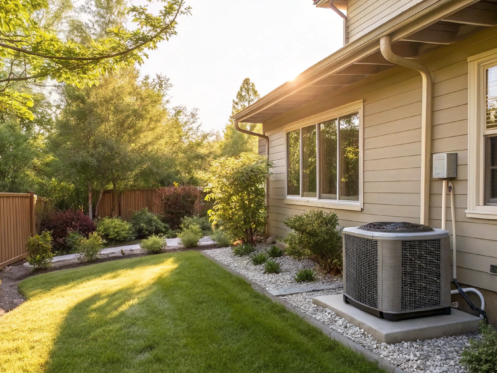
Your central air system has two main parts: an indoor unit and an outdoor unit. The outdoor unit, or condenser, is responsible for releasing the heat that was removed from your home. To do this effectively, it needs plenty of clear space for airflow. If it’s crowded by overgrown shrubs, covered in grass clippings, or clogged with dirt and leaves, it can’t get rid of heat. This can cause your system to overheat and shut down. A quick visual inspection and clearing away any debris from around the unit can make a huge difference in its performance.
Electrical Problems
Your air conditioner relies on a complex system of electrical components to function, and a failure in any one of them can bring the whole operation to a halt. Common electrical issues include a tripped circuit breaker, frayed wiring, or a failed capacitor, which helps the motors start and run. While it’s always a good idea to check your home’s breaker box first, most electrical repairs should be left to a professional. Working with high voltage is dangerous, so if a simple breaker reset doesn’t solve the problem, it’s best to schedule an appointment with a certified technician.
A Clogged Condensate Drain
As your AC cools your home, it also removes humidity from the air. This moisture collects and is funneled outside through a condensate drain line. Over time, this drain line can become clogged with algae, mold, and debris, causing water to back up. Most modern systems have a safety switch that will shut the entire unit down if it detects a clog to prevent water damage. If your AC suddenly stops working, a blocked drain line is a very common culprit. While some homeowners can clear the line themselves, it’s often a task best left to a professional during a routine maintenance visit.
How to Troubleshoot Your AC Before You Call for Help
When your air conditioner stops working on a sweltering Tucson day, it’s easy to panic. But before you pick up the phone, a few simple checks can sometimes solve the problem and save you the cost of a service call. Many common AC issues have surprisingly simple fixes that you can handle yourself in just a few minutes. Walking through these troubleshooting steps can help you identify the root of the problem. At best, you’ll get your cool air back on your own. At worst, you’ll have more information to give your technician, which can help speed up the repair process.
Check the Thermostat First
It might sound too simple, but you’d be surprised how often the thermostat is the culprit. Start here before you investigate anything else. First, make sure it’s set to “cool” and that the temperature is set at least five degrees below the current room temperature. Sometimes, a family member might have changed the settings without you realizing it. If the screen is blank, the batteries may have died, so try replacing them. For smart thermostats, check if it has lost its Wi-Fi connection. If these simple adjustments don’t kick the AC on, you can move on to the next step.
Inspect the Air Filter
Your AC system’s air filter is essential for trapping dust, pollen, and other debris, but it can’t do its job forever. A dirty, clogged filter is one of the most common reasons for AC problems. It restricts airflow, forcing your system to work harder and preventing it from cooling your home effectively. This can even cause the coils to freeze over. Slide your filter out and hold it up to a light. If you can’t see light through it, it’s time for a replacement. We recommend checking your filter monthly and changing it at least every three months as part of a good maintenance agreement.
Clear Your Outdoor Unit
Your central air conditioner has an outdoor unit, called the condenser, that works to release heat from your home. For it to work properly, it needs plenty of breathing room. Take a walk outside and inspect the unit. Over time, things like leaves, grass clippings, dirt, and weeds can build up around it, blocking airflow. Clear away any debris within a two-foot radius of the unit. You can also gently rinse the exterior fins with a garden hose—never a pressure washer—to wash away any caked-on grime. This simple cleanup helps your system run more efficiently and cool your home more effectively.
Check the Circuit Breaker
An air conditioner uses a lot of power, and it’s not uncommon for it to trip a circuit breaker, especially during a power surge or when it’s working overtime on a hot day. Head to your home’s main electrical panel and look for the breaker labeled for your AC or air handler. If it’s in the “off” position or in the middle, flip it completely off and then back on again. If the breaker trips again right away, don’t keep resetting it. This indicates a more serious electrical issue that needs professional attention. In that case, it’s best to schedule an appointment with a certified technician.
Look for Ice on the Coils
Seeing ice on your air conditioner might seem like a sign that it’s working extra hard, but it’s actually a major red flag. Ice buildup on the evaporator coils (located in the indoor unit) or on the copper refrigerant lines is usually caused by poor airflow from a dirty filter or a low refrigerant level. If you spot ice, turn your AC system off completely but leave the fan running to help the ice melt faster. Once it’s thawed, you can try changing the air filter to see if that solves the airflow problem. However, ice often points to a refrigerant leak, which requires professional cooling services to fix.
Check the Condensate Drain Line
Your AC doesn’t just cool the air; it also removes humidity. That moisture, called condensate, is funneled outside through a PVC pipe known as the condensate drain line. If this line gets clogged with algae, mold, or dirt, the water can back up into your system. Most modern AC units have a safety switch that will shut the system down to prevent water damage. You can often clear a minor clog yourself by using a wet/dry shop vacuum on the end of the drain line outside your home. If you’re not comfortable doing this or it doesn’t solve the problem, our team can help with any drains and sewer issues.
Warning Signs Your AC Needs Immediate Repair
While some air conditioner issues can be solved with a bit of DIY troubleshooting, certain red flags signal a deeper problem that needs a professional’s touch. Ignoring these warning signs can lead to more extensive damage, costlier repairs, or even a complete system failure—something no one wants in the middle of a Tucson summer. If you notice any of the following issues, it’s best to turn off your AC and call for help right away.
Hearing Strange Noises
Your air conditioner should operate with a consistent, low hum. If you suddenly hear loud or unusual sounds like banging, clanking, or grinding, it’s a clear sign that something is wrong inside the unit. These noises often point to a loose or broken part, such as a fan belt or a motor component. A high-pitched squealing could indicate a problem with the motor bearings. Continuing to run the AC with these issues can cause a chain reaction of damage. It’s safest to shut the system down and have a technician inspect your cooling services to prevent a small problem from becoming a major one.
Weak Airflow or Warm Air
Is your AC running, but the air coming from the vents feels weak or isn’t cold? After checking for a clogged air filter, this is a major warning sign. Weak airflow can be caused by a failing blower motor or blockages deep within your ductwork. If the air is warm, you could be dealing with a more serious issue like a compressor failure or a refrigerant leak. An AC that can’t cool effectively will run constantly, driving up your energy bills without providing comfort. Regular tune-ups through a maintenance agreement can help catch these problems before they leave you sweating.
Noticing Odd Smells
Unpleasant odors coming from your vents should never be ignored. A musty or mildewy smell often indicates the presence of mold or bacteria growing inside your unit or ductwork, which can negatively impact your home’s air quality and your health. If you detect a burning smell, it could be a sign of an electrical problem, like overheated wiring or a failing motor. This is a serious fire hazard, so you should turn off your AC at the circuit breaker immediately. Don’t wait—schedule an online appointment with a professional to diagnose and fix the source of the smell.
Your Energy Bill Spiked
A sudden, unexplained jump in your electricity bill is often one of the first signs that your air conditioner is struggling. When a component is failing or the system is low on refrigerant, your AC has to work much harder and run longer to cool your home. This drop in efficiency means it consumes significantly more energy, leading to a spike in your monthly costs. While energy prices can fluctuate, a sharp increase that isn’t tied to a heatwave points to an internal problem. An inspection can pinpoint the inefficiency and get your system running smoothly again.
Seeing Water Leaks
While your AC unit naturally produces condensation, you should never see water pooling around the indoor or outdoor unit. A water leak is typically caused by a clogged condensate drain line, which is supposed to carry moisture safely away from your home. If this line is blocked, water can back up and overflow, leading to significant water damage, mold growth, and even electrical issues. In some cases, a leak could also be refrigerant, which is a more serious problem. A professional can clear any blockages in your drains and ensure your system is operating safely.
What Does Central AC Repair Usually Cost?
Let’s talk about one of the biggest questions on every homeowner’s mind when the AC goes out: “How much is this going to cost?” It’s a valid concern, especially when you’re dealing with the Tucson heat. While there’s no single price tag for every repair, understanding the typical costs can help you feel more prepared. The final bill depends on what’s wrong with your system, but we can break down the common expenses.
Understanding the Service Call Fee
When you call an HVAC technician, the first charge you’ll likely encounter is a service call fee. Think of this as a diagnostic charge. It covers the technician’s time, travel, and expertise to come to your home and figure out exactly what’s going on with your AC unit. This fee typically runs between $75 and $150. Many reputable companies will apply this fee toward the total cost of the repair if you decide to move forward with the work, so be sure to ask about their policy.
Typical Costs for Common Repairs
For most common issues, you can expect the repair cost to fall somewhere between $150 and $650. This range covers a lot of the frequent culprits, like a faulty capacitor—a small but vital part that helps the motor run. Replacing a capacitor, including parts and labor, usually costs between $150 and $400. Other common fixes in this price range include thermostat replacements or clearing a clogged drain line. Of course, these are just estimates, and the best way to know for sure is to have a professional diagnose the specific problem with your system.
Costs for Major Replacements
If the problem is more serious, the costs will naturally be higher. A compressor failure is one of the most expensive issues to fix, with replacement costs ranging from $1,000 to over $3,000. The compressor is the heart of your AC system, so this is a major repair. At this price point, you might start weighing the cost against a full system replacement. A brand-new central AC unit can cost anywhere from $2,500 to $15,000, depending on the size and efficiency of the model you choose.
What Affects the Final Price?
Several factors can influence the final cost of your AC repair. The specific part that needs to be replaced is the biggest variable, but other things play a role, too. The age and type of your AC unit, whether it’s still under warranty, and even how easy it is for a technician to access can affect the labor charges. Emergency service outside of regular business hours will also cost more. A trustworthy company will always provide clear, upfront pricing so you know exactly what to expect. When you’re ready, you can schedule an appointment to get a transparent quote.
Should You Repair or Replace Your Central AC?
Deciding whether to repair your struggling air conditioner or invest in a new one is a major decision, especially when you’re facing a sweltering Tucson summer. It’s not just about the immediate cost; it’s about long-term savings, reliability, and your family’s comfort. While a simple repair might seem like the easy choice, it can sometimes be like putting a bandage on a much bigger problem. A quick fix today could lead to another breakdown in a few weeks, leaving you right back where you started—hot, frustrated, and out of more money.
To make the best call for your home and your budget, you need to look at the full picture. This means going beyond the initial repair quote and considering several key factors. How old is your current system? A unit that’s over a decade old is often running on borrowed time, and its efficiency has likely dropped significantly. You also need to weigh the cost of the repair against the price of a new unit. If a single repair costs half as much as a replacement, it’s rarely a good investment. We’ll explore a simple rule of thumb to help with this calculation. Finally, think about your system’s history. Are breakdowns becoming a regular occurrence? Are your energy bills creeping higher each month? These are clear signs that your AC is struggling to keep up. We’ll break down each of these points to give you the clarity you need to choose confidently between repair and replacement.
Consider Your AC’s Age and Condition
The first thing to look at is your AC unit’s age. Most central air conditioners have a lifespan of about 12 to 15 years. If your system is approaching or has passed that milestone, it’s living on borrowed time. As an AC unit gets older, its efficiency drops, and its parts start to wear out. Pouring money into frequent repairs for an aging system often isn’t a wise investment. Instead, that money could go toward a new, high-efficiency unit that will lower your energy bills and provide more reliable comfort. Upgrading can feel like a big step, but our team can walk you through modern cooling services that offer better performance and long-term savings.
Follow the 50% Rule
Here’s a handy guideline to help you make a smart financial decision: the 50% rule, sometimes called the $5,000 rule. The math is simple: multiply the age of your AC unit by the estimated repair cost. If the total is more than $5,000, replacement is almost always the more economical choice. For example, if you have a 10-year-old unit and the repair will cost $600, the total comes to $6,000. In this case, you’re better off replacing it. This rule helps you avoid sinking too much money into an old system that is likely to break down again soon. To figure this out, you’ll need a firm repair quote, which we can provide after a thorough inspection.
Are Breakdowns and Bills Piling Up?
Think about how often you’ve had to call for AC repairs over the last couple of years. If your technician has become a regular visitor, it’s a clear sign your system is failing. One repair might be manageable, but multiple service calls add up quickly and point to a system that’s no longer reliable. Another red flag is a sudden spike in your energy bills. An inefficient, aging AC has to work much harder to cool your home, which drives up your electricity usage. If you’re dealing with both frequent breakdowns and climbing utility costs, a new system will offer peace of mind and predictable monthly expenses.
Know About the R-22 Phase-Out
If your air conditioner was manufactured before 2010, it probably uses a refrigerant called R-22, also known as Freon. The EPA has phased out R-22 due to its harmful effects on the ozone layer, and as of 2020, it can no longer be produced or imported in the U.S. This means the remaining supply is extremely limited and expensive. If your older unit has a refrigerant leak, the cost to recharge it with R-22 can be astronomical. Because of the high cost and scarcity, it rarely makes sense to perform this type of repair on an old system. Investing in a new, eco-friendly unit is a much better solution that also sets you up for easier and more affordable AC maintenance in the future.
How to Choose the Right AC Repair Company in Tucson
When your AC gives out in the middle of a Tucson summer, the last thing you want is the added stress of finding a reliable repair company. You need someone fast, but you also need someone you can trust to do the job right without overcharging you. Choosing the right partner for your cooling services is about more than just a quick fix; it’s about ensuring your home stays comfortable and your system runs efficiently for years to come. The right technician can be the difference between a lasting repair and a recurring problem that costs you more time and money down the road.
So, how do you sort through the options and find a team that’s truly professional? It comes down to looking for a few key qualities that separate the experts from the rest. A great AC company will be properly licensed and insured, available when you need them most (because ACs rarely break during business hours), stand behind their work with solid guarantees, and be completely upfront about their pricing. Taking a few minutes to verify these details can save you a major headache. Let’s walk through exactly what to look for so you can feel confident in your choice and get back to enjoying a cool, comfortable home.
Check for Licenses and Certifications
This is the first and most important box to check. Before you let any technician work on your AC system, make sure the company is licensed, bonded, and insured. This isn’t just red tape; it’s your protection as a homeowner. A license proves that the technicians have met the state’s requirements for knowledge and competency. Being insured and bonded protects you from liability in case of accidents or property damage during the repair. Any reputable company will be happy to provide proof of their credentials. If a company is hesitant to share this information, consider it a major red flag and move on.
Look for 24/7 Emergency Service
Air conditioners have a knack for breaking down at the worst possible times—like on a sweltering holiday weekend or in the middle of the night. That’s why finding a company that offers 24/7 emergency service is so crucial. You don’t want to be stuck waiting for days in the heat for a repair. A company that’s available around the clock shows a commitment to its customers’ comfort and well-being. At Fusion, we understand that emergencies don’t stick to a 9-to-5 schedule, which is why our team is always ready to help. You can schedule a service call anytime, knowing we’ll be there to get your system back up and running.
Ask About Warranties and Guarantees
A confident company will always stand behind the quality of its work. Before you agree to any repairs, ask about the warranties or guarantees they offer on both parts and labor. A solid warranty is a sign that the company uses high-quality parts and trusts its technicians to perform reliable, lasting repairs. This gives you peace of mind knowing that if the same issue pops up again shortly after the service, you won’t have to pay for it all over again. Don’t be afraid to ask for the details in writing so you know exactly what’s covered and for how long. It’s a simple step that protects your investment.
Find a Company with Clear Pricing
No one likes surprise fees on their final bill. A trustworthy AC repair company will be transparent and upfront about its pricing structure. When you call for service, they should be able to explain their service call fee and how they charge for parts and labor. Ask for an estimate before any work begins. While the final cost can sometimes change if unexpected issues are discovered, the company should communicate with you clearly before proceeding with additional repairs. At Fusion, we believe in honest, straightforward pricing, so you always know what to expect. We even offer financing options to make unexpected repairs more manageable.
Why Is Regular AC Maintenance So Important?
Think of your central air conditioner like your car. You wouldn’t drive it for years without an oil change or a tune-up, right? Your AC system works just as hard, especially during a scorching Tucson summer, and it needs the same kind of preventative care to perform its best. Skipping regular maintenance might seem like a way to save a few dollars now, but it often leads to bigger, more expensive problems down the road. A small investment in a professional tune-up can prevent surprise breakdowns, keep your energy bills in check, and ensure your home stays cool and comfortable when you need it most.
Regular AC maintenance is one of the smartest things you can do as a homeowner. It’s a proactive step that protects your investment and gives you peace of mind. During a maintenance visit, a certified technician will inspect, clean, and tune every part of your system, making sure it’s ready to handle the heat. This simple check-up addresses minor issues before they become major headaches, keeping your system running efficiently for years. By scheduling routine service, you’re not just maintaining your AC; you’re taking care of your home and your budget.
Save Money and Improve Efficiency
A well-maintained air conditioner is an efficient air conditioner. Over time, dust and debris can build up on coils and filters, forcing your system to work harder to cool your home. This extra effort uses more electricity, which shows up as a higher monthly energy bill. During a professional tune-up, a technician cleans these critical components, lubricates moving parts, and ensures everything is running smoothly. This simple service can significantly improve your system’s efficiency, allowing it to cool your home more effectively while using less power. A maintenance agreement often pays for itself through lower utility costs and fewer repair calls.
Help Your System Last Longer
Your central air conditioning system is a major home investment, and you want it to last as long as possible. Regular maintenance is the key to extending its lifespan. Just like any complex piece of machinery, your AC experiences wear and tear from constant use. A routine service call allows a technician to address this wear and tear, tightening electrical connections, checking refrigerant levels, and ensuring all parts are in good working order. This preventative care helps your system function without interruption and as efficiently as possible, reducing the strain that leads to premature failure. Protecting your investment with regular cooling services can help you avoid the massive cost of an early replacement.
Catch Problems Early
Nothing is worse than your AC breaking down in the middle of a July heatwave. Regular maintenance can save you from these unexpected and costly emergency repairs. During a tune-up, a trained technician can identify potential issues like minor refrigerant leaks, worn-out components, or electrical problems before they cause a complete system failure. Finding and fixing a small problem is almost always faster and cheaper than dealing with a major breakdown. It’s the difference between a simple part replacement during a scheduled visit and a frantic, expensive call for emergency service. You can schedule an appointment online to get ahead of any potential issues before the summer heat arrives.
Breathe Cleaner Air
Your AC system doesn’t just cool your home; it also plays a huge role in your indoor air quality. As air circulates through the system, the filter traps dust, pollen, pet dander, and other allergens. However, if the system isn’t cleaned regularly, these contaminants can build up inside the unit and get blown back into your home. Regular maintenance includes a thorough cleaning of coils, drain pans, and other components where mold and bacteria can grow. This ensures the air circulating through your home is cleaner and healthier, which is especially important for anyone with allergies or asthma. A clean system provides consistent comfort and better air for your family to breathe.
What AC Maintenance Can You Do Yourself?
While most air conditioner repairs require a trained technician, you can handle a few key maintenance tasks yourself. Taking care of these simple things can make a huge difference in your AC’s performance and lifespan, helping you avoid unnecessary service calls. Think of it as the basic upkeep that keeps your system running efficiently between professional tune-ups.
Regularly performing these checks helps your AC run more efficiently, which can lower your energy bills and prevent small issues from turning into major, expensive problems. It’s all about being proactive. These tasks don’t require special tools or technical knowledge—just a little bit of your time. Committing to this routine is one of the best ways to support the health of your HVAC system. For more comprehensive care, consider a professional maintenance agreement to keep everything in top shape year-round.
Change Your Air Filter Regularly
This is probably the single most important maintenance task you can do for your AC. A dirty, clogged air filter restricts airflow, forcing your system to work much harder to cool your home. This strain can lead to reduced efficiency, higher energy bills, and even system breakdowns. A clean filter also improves your home’s air quality by trapping dust, pollen, and other allergens.
Check your filter once a month, especially during the heavy-use summer months here in Tucson. Depending on your filter type and household (for example, if you have pets or allergy sufferers), you’ll likely need to replace it every one to three months. It’s a quick, easy, and inexpensive step that pays off big time.
Keep the Outdoor Unit Clear
Your outdoor AC unit, called the condenser, needs to breathe. It works by pulling in air and releasing the heat from inside your home. If it’s surrounded by weeds, bushes, or other debris, it can’t function properly. This can cause the unit to overheat and struggle to cool your house effectively.
Take a walk around your outdoor unit every few weeks. Trim back any plants, grass, or shrubs to ensure there are at least two feet of clear space on all sides. You should also clear away any leaves, twigs, or dirt that have collected on or around the unit. For a deeper clean, you can gently spray the outside of the unit with a garden hose to wash away dust and grime.
Perform Visual Checks
You don’t need to be an expert to spot when something looks off. Once in a while, take a closer look at your HVAC equipment. Before you inspect the outdoor unit, make sure you turn off the power to it at the circuit breaker for safety. Then, you can carefully look inside the access panel for things like rodent nests or frayed wires.
Also, keep an eye out for any water pooling around your indoor or outdoor units, as this could signal a clogged drain line or another issue. If you notice anything that seems damaged or out of place, especially electrical wiring, it’s best not to touch it. Instead, give a professional a call to handle the cooling services safely.
Replace Thermostat Batteries
It might sound too simple, but a faulty thermostat is often the culprit when an AC stops working. Before you assume the worst, check the screen. If it’s blank or showing a low battery indicator, you may have found your fix. Most modern digital thermostats run on batteries, and when they die, the thermostat can’t communicate with your AC system.
Most thermostat covers pop right off or slide up, giving you easy access to the batteries. Swap them out with a fresh pair and see if that solves the problem. This simple step can save you the time and expense of a service call. If new batteries don’t bring your thermostat back to life, then it’s time to troubleshoot other potential issues.
Related Articles
- AC Noises To Keep In Mind And How To Fix Them | Fusion
- 10 Reasons Why Your AC Unit Is Short Cycling | Fusion
- Should I Replace vs. Repair My Air Conditioning Unit | Fusion
- 3 Air Conditioning Myths That Are Costing You Money | Fusion
- How To Clean My AC Unit | Fusion Plumbing & Air
Frequently Asked Questions
How often should I really change my air filter in a dusty place like Tucson? While the general rule of thumb is every three months, Tucson’s dusty environment means you should check your filter monthly. If you have pets that shed or family members with allergies, you might find you need to change it every 30 to 60 days. A clean filter is the easiest way to keep your system running efficiently and prevent the strain that leads to bigger, more expensive problems.
My AC is running, but the air coming out isn’t cold. What should I check first? The first and simplest thing to check is your air filter. A severely clogged filter can restrict airflow so much that it prevents your home from cooling down. If you’ve replaced the filter and the air is still warm, you could be dealing with a more significant issue like a refrigerant leak or frozen evaporator coils. At that point, it’s best to call a professional to diagnose the problem correctly.
Is it really worth paying for a regular maintenance plan? Absolutely. Think of a maintenance plan as preventative care for one of your home’s most expensive appliances. A technician can catch small issues before they turn into major breakdowns, which saves you from costly emergency repairs. Regular tune-ups also keep your system running at peak efficiency, which lowers your monthly energy bills and helps your AC unit last years longer.
Why is my AC unit covered in ice? I thought that meant it was working extra hard. It’s a common misconception, but ice is always a sign of a problem. It typically means that either airflow is being blocked or your system is low on refrigerant. The most common cause of blocked airflow is a dirty filter, which prevents air from moving over the cold evaporator coils, causing them to freeze. If you see ice, turn your system off to let it thaw completely and then call a technician to find and fix the root cause.
What’s the very first thing I should do if my AC just stops working completely? Before you panic, check two simple things. First, look at your thermostat to make sure the screen isn’t blank (which could mean dead batteries) and that it’s set to “cool.” Second, go to your home’s electrical panel and check the circuit breaker for the AC unit. If it has been tripped, flip it off and then back on once. If neither of these quick fixes solves the problem, it’s time to call for professional help.