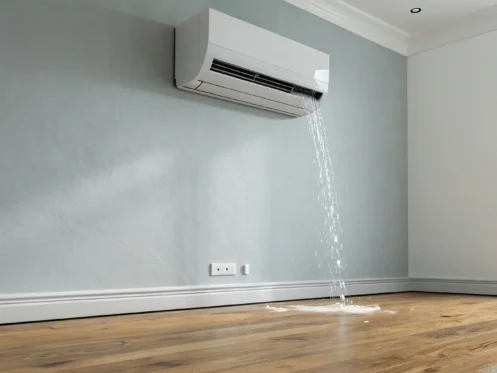
That moment of discovery when you spot water pooling around your AC unit can send you down two paths: immediate panic or a determined search for a DIY solution. The truth is, some causes are simple enough for a quick fix, while others are definite signs you need an expert. Before you can decide which path to take, you need to understand the potential culprits. So, why is my ac unit leaking water? It could be anything from a dirty air filter causing coils to freeze to a cracked drain pan. This article will help you troubleshoot the issue, covering simple steps to try first and the clear warning signs that mean it’s time to call for professional help.
Key Takeaways
- Focus on Drainage First: A water puddle almost always points to a drainage problem, not a random system failure. The most common causes are a clogged condensate line or frozen evaporator coils, which often happen because of a dirty air filter blocking airflow.
- Prioritize Simple Preventative Tasks: You can stop most leaks before they start with basic upkeep. Make a habit of changing your air filter monthly and periodically flushing the drain line to ensure condensation has a clear path to exit your home.
- Recognize When to Call for Help: If your DIY fixes don’t work, or if you notice serious signs like persistent leaks, strange noises, or musty odors, it’s time for a professional. These symptoms suggest a deeper issue that requires an expert for a safe and lasting repair.
Why Is My AC Leaking? Common Causes
Finding a puddle of water near your indoor air conditioning unit is alarming, especially during a hot Tucson summer. While it’s a clear sign that something is wrong, it’s also a very common issue. An AC leak almost always points to a problem with how the unit handles condensation. Your air conditioner doesn’t just cool the air; it also removes humidity, and that collected moisture needs a safe way to exit your home. When it can’t, you get a leak. From a simple clog to a more complex mechanical failure, let’s walk through the most frequent reasons your AC might be leaking water.
Clogged Condensate Drain Line
This is, by far, the most common culprit behind an AC water leak. Your AC has a condensate drain line, which is a small pipe designed to carry moisture from the unit to the outside. Over time, this line can get clogged with dirt, dust, algae, and other debris. When a blockage forms, the water has nowhere to go. It backs up in the pipe and eventually overflows from the drain pan, creating a puddle on your floor. Professional drain cleaning can quickly clear the blockage and get water flowing correctly again.
Frozen Evaporator Coils
The evaporator coil is the part of your indoor AC unit that gets cold to cool your home’s air. If it gets too cold, a layer of ice can form on its surface. This is usually a symptom of another issue, like restricted airflow or low refrigerant. When your AC unit cycles off, this ice begins to melt. The sudden rush of melting water can be too much for the drain pan to handle at once, causing it to overflow. If you see ice on your unit, it’s a definite sign you need professional cooling services.
Damaged or Full Drain Pan
Your AC’s drain pan sits directly underneath the evaporator coils to catch condensation. If your air conditioner is older, typically around 12 to 15 years, this pan can start to show its age. Metal pans can rust through, and plastic pans can crack over time. Even a tiny crack is enough to cause a persistent leak. In other cases, if the drain line is clogged, the pan will simply fill up and overflow. Regular inspections as part of a maintenance agreement can help catch a deteriorating pan before it fails completely.
Low Refrigerant
Refrigerant is the chemical that allows your AC to cool the air. When the refrigerant level is low, it usually means there’s a leak somewhere in the system. Low refrigerant changes the pressure within the AC unit, causing the evaporator coils to get extremely cold and freeze over. As we’ve covered, this leads to an overflowing drain pan when the ice melts. A refrigerant leak is a serious issue that reduces cooling efficiency and requires an expert fix. If you hear a hissing or bubbling noise, it’s time to schedule an appointment right away.
Dirty Air Filter
Here’s one of the most preventable causes of an AC leak. A dirty, clogged air filter severely restricts airflow across the evaporator coils. Without a steady supply of warm air moving over them, the coils can’t absorb enough heat, so their temperature plummets and they freeze. Once the unit cycles off, the ice melts and creates a leak. It’s a chain reaction that starts with a simple filter. Changing your air filter regularly is a small task that protects your system from this and many other problems, keeping it running efficiently all summer long in Oro Valley and beyond.
Improper Installation
Sometimes, the problem isn’t with a part that has failed but with the original installation itself. If the AC unit or the condensate drain line was not installed with the correct slope, water cannot drain away properly with gravity. Instead, it will pool in the line or the drain pan until it overflows. This is why having your system installed by a qualified and experienced team is so important. A proper installation ensures everything is aligned for correct drainage, preventing frustrating leaks for homeowners in Tucson, Marana, and Sahuarita.
What to Do About a Clogged Drain Line
A clogged condensate drain line is one of the most frequent culprits behind a leaky AC unit. Your air conditioner naturally pulls moisture from the air, and this drain line is the designated exit route for that water. When it gets blocked with dust, algae, or other gunk, the water has nowhere to go but back into your home, often overflowing the drain pan and causing a mess.
The good news is that addressing a clog is often straightforward. Before you panic about water damage, there are a few steps you can take to identify and even clear the blockage yourself. From spotting the initial signs to trying a couple of simple DIY fixes, you might be able to solve the problem in under an hour. However, some situations, like a failed part, will require professional help. Our team is always ready to handle any cooling services you need, from simple clogs to complex repairs across Tucson and Marana.
Signs Your Condensate Line Is Blocked
Noticing the signs of a clog early can save you from a major headache and potential water damage. The most obvious red flag is standing water in the drain pan located under your indoor air handler. You might also see water dripping directly from the unit itself. Another common sign is a musty or moldy smell near your indoor unit or vents, which indicates that water is sitting stagnant somewhere in the system. In some cases, your AC might even shut off entirely; many systems have a float switch that cuts power when it detects overflowing water to prevent damage.
How to Clear the Drain Line Yourself
If you’re feeling handy, you can often clear a simple clog with a wet/dry vacuum. First, turn off the power to your AC unit at the thermostat and the breaker box for safety. Then, find the condensate drain line outside your home; it’s usually a white PVC pipe near your outdoor unit. Attach your wet/dry vacuum’s hose to the end of the pipe, creating as tight a seal as you can with your hands or a cloth. Let the vacuum run for a few minutes to suck out the blockage. This simple action can often pull the debris right out.
Using a Wet/Dry Vacuum and Vinegar
For more stubborn clogs or as a preventative measure, vinegar can be a great tool. After attempting to vacuum the line from the outside, you can also flush it from the inside. Find the access tee on your drain line, which is typically a T-shaped pipe with a cap near your indoor unit. Uncap it and slowly pour about a cup of distilled white vinegar into the line. Let it sit for 30 minutes to an hour. The vinegar helps dissolve any algae or sludge buildup. Afterward, flush the line with water to wash everything out.
What if the Condensate Pump Fails?
Some AC systems, especially those installed in basements or attics, use a small condensate pump to push water outside because gravity can’t do the job alone. If this pump breaks, the water reservoir will overflow, causing a leak even if the drain line itself is clear. You’ll know the pump has likely failed if you see a full water tank and the pump isn’t running. Replacing a condensate pump involves electrical wiring and ensuring it’s correctly connected to your system, so this is a job best left to a professional. If you suspect a pump failure, it’s time to schedule an appointment with a certified technician.
How to Handle Frozen Evaporator Coils
Seeing ice on your indoor AC unit is a clear sign something is wrong. While it might seem counterintuitive for an air conditioner to get too cold, frozen evaporator coils are a common cause of water leaks. Here’s a breakdown of why it happens and what you should do about it.
Why Frozen Coils Cause Water to Overflow
Your AC’s evaporator coil is designed to get cold, but it shouldn’t freeze. When it does, a thick layer of ice builds up. As your system cycles off or the ice begins to thaw, it produces a large amount of water all at once. This sudden rush of melting ice can easily overwhelm the drain pan, causing it to overflow and spill onto the floor or into your ceiling. Think of it like a flash flood inside your AC unit; the drainage system simply can’t keep up with the volume of water, leading to a significant leak.
What to Do Immediately for Frozen Coils
If you spot ice on your evaporator coils, the first and most important step is to turn your air conditioner off completely at the thermostat. This stops the cooling process and prevents further ice from forming, which could damage your compressor. Next, you need to let the ice melt on its own. This can take several hours, so be patient. You can place some old towels around the base of your indoor unit to catch any water that overflows during the thaw. Do not try to chip or scrape the ice off, as you could easily damage the delicate coils.
How Poor Airflow Causes Ice Buildup
One of the most frequent culprits behind frozen coils is restricted airflow. Your AC needs a steady stream of warm air moving across the evaporator coil to prevent it from getting too cold. When a dirty air filter blocks this airflow, the coil’s temperature drops below freezing, and the humidity in the air freezes onto its surface. Changing your air filter regularly is a simple but crucial step in preventing this problem. Blocked vents or failing blower motors can also restrict airflow and lead to the same icy situation.
The Link Between Low Refrigerant and Freezing
Refrigerant is the lifeblood of your AC system, and when levels are low, it can cause major problems. Low refrigerant reduces the pressure within the system, which in turn causes the evaporator coil’s temperature to plummet and freeze over. This is not a DIY fix. Refrigerant is a hazardous substance, and a low level almost always indicates a leak that needs to be located and repaired by a professional. If you suspect a refrigerant issue, it’s time to call for expert cooling services to handle the problem safely and effectively.
Simple DIY Fixes to Try First
Before you pick up the phone, there are a few simple troubleshooting steps you can take. Often, an AC leak is caused by a minor issue that you can resolve yourself in just a few minutes. These quick checks can save you time and money, and they’re great habits for maintaining your system’s health. Let’s walk through the four most common DIY fixes for a leaking air conditioner.
Check and Replace Your Air Filter
A dirty air filter is one of the most frequent causes of AC problems, including water leaks. When the filter gets clogged with dust and debris, it restricts airflow over the evaporator coils. This lack of warm air can cause the coils to get too cold and freeze over. When the ice eventually melts, the drain pan can’t always handle the sudden rush of water, leading to an overflow.
Check your filter once a month. If you hold it up to a light and can’t see through it, it’s time for a replacement. This simple task not only prevents leaks but also improves your home’s air quality and your system’s efficiency. Regular professional tune-ups included in a maintenance agreement can also help you stay on top of this.
Inspect and Clean the Drain Pan
Your AC’s drain pan sits under the indoor unit and is designed to catch normal condensation. However, if the pan is damaged or the drain line is clogged, water will spill out. Start by turning off the power to your AC system for safety. Then, locate the drain pan and inspect it for any cracks or rust, which are common in older units.
If the pan is intact but holding standing water, you likely have a blockage in the drain line. If the pan itself is damaged, it will need to be replaced by a professional. A cracked pan is a guaranteed leak, and our team can handle that replacement for you. For any complex repairs, you can always count on our expert cooling services.
Perform Basic Drain Line Maintenance
If your drain pan is overflowing, the next step is to clear the condensate drain line. This small pipe carries condensation from the drain pan to the outside of your home. Over time, it can become clogged with algae, mold, and dirt, causing water to back up. You can often clear a minor clog yourself using a wet/dry vacuum.
Find where the PVC pipe exits your home and use the vacuum to suck out the blockage. You may be surprised at what comes out. To help prevent future growth, you can pour a cup of distilled vinegar down the line every few months. If the clog is severe or you’re not comfortable doing this, it’s best to call for professional help with your drains.
Manage Your Home’s Humidity
Especially during Tucson’s monsoon season, high indoor humidity can make your air conditioner work overtime, producing more condensation than the system is designed to handle. This excess moisture can overwhelm the drain pan and cause a leak. Your AC unit is your home’s primary dehumidifier, but sometimes it needs a little help.
Consider using a standalone dehumidifier on particularly humid days. You can also reduce indoor moisture by running exhaust fans when you cook or shower and ensuring your windows and doors are well-sealed. If your home constantly feels damp and your AC is leaking, it might be a sign that your system is improperly sized or needs a check-up. You can always schedule an appointment online for a professional assessment.
When Is It Time to Call a Professional?
While I’m all for a good DIY fix, there are times when it’s best to put down the tools and call in a professional. Some AC issues are more complex than they appear, and trying to fix them yourself can sometimes lead to bigger headaches and more expensive repairs. Knowing when to tag in an expert is key to protecting your home and your air conditioning system. If you spot any of the following signs, it’s a clear signal that you need a professional technician.
Warning Signs of a Serious AC Problem
A small puddle is one thing, but if you see significant water pooling around your indoor unit, it’s a major red flag. A leaking AC can damage your home with water and make your unit work harder, which uses more electricity and costs you more money. Look for signs of water damage on your ceiling, walls, or floors near the unit. If the leak is accompanied by a system that struggles to cool your home or runs constantly, the problem is likely beyond a simple fix. Ignoring these symptoms can lead to costly structural repairs or even a total system breakdown. Our team can diagnose these serious issues and provide expert cooling services to get your system running safely again.
The Leak Persists After Your DIY Fixes
You’ve done your homework, changed the air filter, and even cleaned out the condensate drain line, but the leak just won’t quit. First off, kudos for trying! But if the problem persists, it’s a strong indicator that the cause is something deeper. A persistent leak could mean you have a cracked drain pan, a malfunctioning condensate pump, or a blockage that’s too far down the line to clear on your own. Continuing to run the AC in this state risks further water damage. If cleaning the drain line yourself doesn’t fix the problem, it’s time to call a technician. Don’t hesitate to schedule an appointment online so a professional can pinpoint the exact cause.
You Hear Strange Noises or Smell Odors
Your AC should be relatively quiet, so any new or unusual sounds are cause for concern. Grinding, rattling, or buzzing noises can point to a failing motor or a loose part that needs immediate attention. Similarly, you should never ignore strange smells. A musty or moldy odor suggests microbial growth in your ducts or on the coils, while a burning smell could indicate a serious electrical problem. If you suspect issues like a damaged drain pan or a broken water pump, it’s always best to get professional help. Our technicians in Tucson and Marana can safely inspect your system and resolve the source of these sensory warnings.
You Suspect a Refrigerant Leak or Electrical Issue
If you think your AC is low on refrigerant, this is a job exclusively for a certified professional. Refrigerant is a hazardous substance, and handling it requires special tools and training. If your AC doesn’t have enough refrigerant, it can’t cool properly, which can lead to the coil freezing and leaking water. Likewise, any electrical issues, like the unit tripping the breaker or you smelling something burning, are serious safety risks. Don’t attempt to fix these yourself. A professional can safely handle these complex repairs and prevent a dangerous situation. Our maintenance agreement can help catch these problems early during routine inspections.
You Notice Frequent Clogs or Mold Growth
Dealing with a clogged drain line once is annoying, but if it becomes a recurring issue, there’s likely an underlying problem. The line might have been installed improperly, or it may lack the right slope to drain effectively. Visible mold is another sign you need an expert right away. If you find mold, a professional can assess if it can be thoroughly cleaned or if there’s a bigger issue at play. Our technicians can identify the root cause of frequent drains and sewer clogs and perform safe mold remediation, ensuring the air in your Sahuarita or Oracle Foothills home stays clean and healthy.
How to Prevent Future AC Water Leaks
After dealing with a water leak, the last thing you want is a repeat performance. The good news is that you can prevent most future leaks with a little proactive care. Staying on top of simple maintenance tasks not only keeps your AC running efficiently but also helps you avoid the stress and expense of water damage. Think of it as a small investment of your time that pays off big in peace of mind, especially when those Tucson summer temperatures start to climb. These simple habits will help keep your system happy, healthy, and leak-free.
Change Filters and Inspect Drains Monthly
One of the easiest and most effective habits you can adopt is changing your air filter every 30 days. A dirty filter clogs up your system and restricts airflow. When air can’t move freely across the evaporator coils, they can get too cold and freeze over. Once that ice melts, the excess water can easily overwhelm your drain pan and cause a leak. While you’re swapping out the filter, take a quick look at your condensate drain line. A monthly check helps you spot potential blockages before they become a major headache.
Schedule an Annual Professional Tune-Up
Think of an annual tune-up as a wellness check for your air conditioner. Having a professional inspect your system once a year, ideally in the spring, is the best way to catch and fix small issues before they turn into big, leaky problems. During a tune-up, a technician will thoroughly clean the coils, flush the drain line to clear out any gunk, and check refrigerant levels. This preventative service ensures everything is working correctly for the season ahead. Our maintenance agreement makes it easy to stay on schedule and protect your investment without having to think about it.
Keep Your Outdoor Unit Clear and Level
Your indoor AC unit isn’t the only part that needs attention. The outdoor unit, or condenser, needs plenty of room to breathe. Make it a habit to check on it every few weeks, especially after storms or windy days. Clear away any leaves, grass clippings, or branches that have collected around it, and trim back any shrubs or plants to maintain at least two feet of clearance. Also, make sure the concrete pad it sits on is level. If the unit is tilted, it can interfere with proper drainage and lead to water issues.
Monitor Humidity and System Performance
Your air conditioner does more than just cool your home; it also removes humidity from the air. Here in Arizona, high indoor humidity can sometimes force your system to work overtime, producing more condensation than the drain system can handle. You can keep an eye on this by using an inexpensive tool called a hygrometer. For optimal comfort and AC performance, try to keep your home’s humidity level below 60%. If you notice your home feels consistently damp or muggy, it could be a sign your AC is struggling or improperly sized for your space.
Related Articles
- Water Heater Leaking? Your Step-by-Step Guide
- Cost to Fix a Leaking Pipe: A 2026 Price Guide
- The Ultimate Plumbing Maintenance Checklist
- How to Stop a Toilet That Randomly Runs at Night
Frequently Asked Questions
My AC is leaking right now. Should I turn it off? Yes, turning off your air conditioner at the thermostat is the best first step. This stops the cooling cycle, which prevents the system from producing more water and gives you a chance to investigate without risking further damage to your floors, ceiling, or the AC unit itself. It’s a simple action that can save you from a much bigger headache.
Is a small amount of water around my AC unit normal? No, it is not. Your air conditioner is a closed system, and while it creates condensation, that water has a designated path to exit your home. Any puddle, drip, or moisture you find around the indoor unit is a clear sign that something is wrong. It could be a simple clog or something more serious, but it always needs to be addressed.
I cleared the drain line like you suggested, but it’s still leaking. What does that mean? If you’ve already tried the DIY drain line fix and the leak continues, it’s a strong signal that the problem is more complex. The issue could be a hidden crack in the drain pan, a malfunctioning condensate pump, or a blockage that’s too severe to be cleared with a vacuum. When a straightforward fix doesn’t work, it’s time to let a professional technician take a look to find the true source of the problem.
How can I tell if my AC is leaking because of a dirty filter or a more serious refrigerant issue? Both problems can cause your evaporator coils to freeze and leak water, but there are a few clues. A dirty filter is something you can see and replace yourself. A refrigerant issue, however, is often accompanied by other signs like a hissing sound or a noticeable decline in cooling power. Because refrigerant is a hazardous material, you should always call a professional if you suspect a leak.
What’s the worst that can happen if I ignore a small AC leak? Ignoring even a small leak can lead to big problems. That persistent moisture can cause serious water damage to your floors, drywall, and ceilings, which can lead to mold growth. It also means your AC is not running efficiently, which drives up your energy bills. Over time, the underlying issue can cause a complete system breakdown, resulting in a much more expensive repair or replacement.