
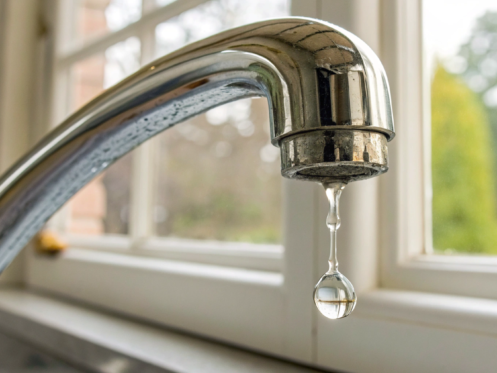
You can control your thermostat, your lights, and your security cameras from your phone, so why not your plumbing? Modern water leak detection brings your home’s plumbing into the 21st century, giving you unprecedented control and awareness. These systems do more than just sound an alarm; they learn your family’s water usage patterns, send instant alerts to your smartphone the moment a problem is detected, and can even shut off the water supply automatically to prevent damage. This technology empowers you to be proactive about your home’s health instead of just reacting to emergencies. We’ll cover the key features to look for, from smart home integration to automatic shut-off, to help you find the right system for your needs.
Key Takeaways
- Match the detector to your home’s needs: Simple point sensors are an affordable way to monitor specific spots like under a sink, while a whole-house system offers complete protection by tracking your main water line and sending alerts to your phone.
- Prioritize features that prevent major damage: The most valuable functions are instant smartphone notifications and an automatic water shut-off, which can stop a catastrophic flood before it starts, especially when you’re away.
- Know the installation requirements: While you can place battery-powered sensors yourself in minutes, a whole-house system must be installed by a licensed plumber to ensure it functions correctly and reliably protects your entire home.
What Are the Best Water Leak Detectors?
Choosing the right water leak detector can feel overwhelming, but it really comes down to your home’s needs and your budget. Think of it as picking a security system for your plumbing. Some options are like simple alarms you place by a door, while others are comprehensive systems that monitor the whole house and can take action for you. The goal is to find a solution that gives you peace of mind, whether you’re at home or on vacation.
The main types of detectors fall into a few key categories. You have simple, standalone point sensors that you can place in high-risk spots. Then there are smart detectors that connect to your Wi-Fi and send alerts straight to your phone. For the ultimate protection, whole-house systems monitor your entire water supply and can even shut it off automatically if a major leak is detected. Finally, there are the professional-grade tools, like acoustic detectors, that experts use to find hidden leaks without any guesswork. We’ll look at each of these so you can decide which approach is the best fit for protecting your home from water damage.
Smart Detectors for Instant Mobile Alerts
If you want to know about a leak the second it happens, a smart detector is your best bet. These devices connect to your home’s Wi-Fi and send an immediate notification to your smartphone if they sense moisture. This means you can act quickly, even if you’re at work or out of town. Most are small, battery-powered pucks that you simply place on the floor in leak-prone areas. They are an affordable and easy way to protect your home from hidden water damage and give you incredible peace of mind without a complicated setup process.
Whole-House Systems with Automatic Shut-Off
For comprehensive protection, a whole-house system is the gold standard. These devices are installed directly on your main water line and constantly monitor the flow of water into your home. They are smart enough to learn your household’s typical water usage patterns and can identify abnormalities that signal a leak. The best feature? Many of these systems, like some popular models, can automatically shut off the water supply when a serious leak is detected, preventing a small drip from turning into a major flood. Because they connect to your plumbing system, these devices require professional installation from a licensed plumber.
Point Sensors for High-Risk Areas
Point sensors are the simplest and most affordable type of leak detector. These are small, individual alarms that you place directly in areas where leaks are most likely to occur. Think about putting them under your kitchen and bathroom sinks, behind the washing machine, next to the water heater, or near your sump pump. When the sensor comes into contact with water, it sounds a loud audible alarm to let you know there’s a problem. While many basic models don’t connect to your phone, they are an excellent, budget-friendly first line of defense for your home’s most vulnerable spots and can help you catch issues with your drains and sewer lines early.
Professional-Grade Acoustic Detectors
Sometimes, a leak is hidden behind a wall or under a concrete slab, making it impossible to spot with a standard detector. This is where professional-grade acoustic detectors come in. These are highly sensitive listening devices that technicians use to pinpoint the exact location of a leak. The equipment is designed to amplify the specific sound frequencies of water escaping from a pressurized pipe. This technology allows a professional to find the source of the problem with incredible accuracy, saving you from the unnecessary cost and mess of tearing up floors and walls. If you suspect a hidden leak, it’s best to schedule a service call with experts who have the right tools for the job.
How Water Leak Detectors Work
Acoustic Sensors: Listening for Leaks
Think of an acoustic sensor as a stethoscope for your pipes. These highly sensitive devices are designed to “listen” for the distinct sounds water makes when escaping a pipe, even if it’s buried behind a wall or under your foundation. Professional plumbers rely on this technology to pinpoint a hidden leak’s exact location without any destructive guesswork. The sensor amplifies the unique noise of escaping water, guiding our technicians directly to the problem. This non-invasive approach is a key part of our residential plumbing services, saving you time, money, and preventing unnecessary damage to your home.
Flow Monitors: Tracking Your Water Usage
A flow monitor acts like a security guard for your main water line. It constantly measures the water entering your home and learns your household’s typical usage patterns. If the monitor detects continuous flow when all your faucets are off—a classic sign of a leak—it will alert you. This is great for catching everything from a running toilet to a slab leak. Some of the best systems can even automatically shut off the water to prevent major damage, giving you total peace of mind while you’re away from home.
Thermal Imaging: Seeing Temperature Changes
Leaks hidden inside walls or under floors are notoriously tough to find, but thermal imaging makes it possible. This technology uses an infrared camera to detect subtle temperature differences on surfaces. A hidden water leak creates a cold spot on a wall or floor, which shows up clearly on the camera’s display. This allows a professional to “see” the moisture without tearing things apart. It’s an essential tool for diagnosing tricky drain and sewer issues and confirming a leak’s location before any repairs begin, ensuring we get it right the first time.
Smart Home Integration: Connecting Your Devices
Modern leak detectors can connect to your home’s Wi-Fi to send instant alerts directly to your smartphone the moment they sense trouble. This means you’ll know about a problem whether you’re at work or on vacation, allowing you to act fast. Many smart systems also let you monitor your water usage through a dedicated app. If you get an alert about a potential leak, you can prevent costly damage before it escalates by immediately getting help. It gives you the power to schedule a professional inspection right from your phone.
Key Features to Look for in a Leak Detector
Shopping for a water leak detector can feel a bit like navigating a sea of tech gadgets. With so many options on the market, how do you know which one is right for your home? The best device for you will depend on your budget, your home’s layout, and how much control you want. To help you narrow it down, let’s walk through the most important features to look for. Focusing on these key elements will ensure you invest in a system that provides real protection and peace of mind, helping you catch small issues before they turn into major, costly repairs.
Instant Alerts and Notifications
The whole point of a leak detector is to find out about a problem the moment it starts. That’s why instant alerts are a non-negotiable feature. The best systems will send a notification directly to your smartphone as soon as water is detected. This allows you to take immediate action, whether you’re at home or on vacation. For property managers and homeowners alike, these systems empower you to identify leaks before they can escalate into serious water damage. An immediate alert gives you the critical time needed to shut off the water or call a professional for an emergency plumbing repair.
Accuracy and Coverage Area
A good leak detector needs to be both accurate and able to cover the areas you’re most concerned about. Accuracy is key to avoiding the frustration of false alarms. Look for systems with advanced sensors that can measure changes in humidity or use thermal imaging to spot temperature differences caused by moisture. These sophisticated technologies help pinpoint risks with greater precision, so you’re only alerted when there’s a real issue. Consider where you’ll place the sensors—near washing machines, water heaters, and under sinks—to ensure you have coverage in all the high-risk zones of your home.
Automatic Water Shut-Off
An automatic water shut-off is arguably the most powerful feature a leak detection system can have. When the detector senses a leak, it doesn’t just send you an alert—it automatically closes your home’s main water valve, stopping the flow of water completely. This single feature can be the difference between a small puddle and a full-blown flood, especially if a pipe bursts while you’re away. A system with this capability can protect your home from catastrophic damage and may even qualify you for a discount on your homeowner’s insurance.
Ease of Installation and Maintenance
Think about how the system will be installed and maintained. Some simple, battery-operated point sensors are easy to place yourself. However, whole-house systems that connect to your main water line often require professional installation to ensure they function correctly. While a DIY setup might seem appealing, having a professional handle the installation guarantees it meets all safety and performance standards. This is especially important as leak detection practices are often guided by regulatory protocols to ensure safety. If you prefer a hands-off approach, you can always schedule an appointment with a trusted plumber.
Remote Monitoring and App Control
In today’s connected world, the ability to monitor your home from anywhere is a huge plus. Many modern leak detectors come with a dedicated smartphone app that lets you check the status of your plumbing system, receive alerts, and even shut off your water remotely. Some of the most advanced systems use AI to learn your household’s typical water usage patterns. This allows them to detect even subtle, slow leaks that might otherwise go unnoticed for months. This level of control and insight gives you ultimate peace of mind, knowing your home is protected 24/7.
Pros and Cons of Different Leak Detectors
Choosing the right water leak detector isn’t a one-size-fits-all situation. Each type comes with its own set of benefits and trade-offs, from cost and installation to the level of protection it offers. Understanding these differences will help you find the perfect fit for your home and budget. Let’s break down the pros and cons of the most common options so you can make an informed decision and protect your property from water damage.
Smart Detectors: Convenience vs. Cost
Smart leak detectors are a popular choice for good reason. Their biggest advantage is convenience. These devices connect to your home’s Wi-Fi and send instant alerts directly to your smartphone the moment they sense moisture. This means you can be at work or on vacation and still know what’s happening at home. As CNET notes, they are an effective way to stop water damage before it leads to expensive mold problems. The main drawback is the cost, which can add up if you need to place multiple sensors around your house. They also depend on a stable Wi-Fi connection to function, so an internet outage could leave you unprotected.
Whole-House Systems: Total Protection vs. Complex Setup
If you’re looking for comprehensive protection, a whole-house system is the gold standard. These devices are installed directly on your main water line and monitor the flow of water throughout your entire home. Their standout feature is the ability to automatically shut off the water supply when a leak is detected, preventing a minor drip from turning into a major flood. This level of security is why they are a top choice for both homeowners and facility managers looking to prevent water damage. The primary downside is the complexity and cost of installation. This is not a DIY project; you’ll need a professional plumber to ensure it’s installed correctly.
Point Sensors: Affordable vs. Limited Range
Point sensors are the most budget-friendly and straightforward option. These small, battery-powered devices are incredibly easy to use—you simply place them on the floor in leak-prone areas like under sinks, behind toilets, or next to your water heater. When the sensor comes into contact with water, it sounds a loud alarm. The main limitation is their small coverage area. A point sensor can only detect a leak if water physically reaches it, meaning a problem on the other side of the room could go unnoticed. To be effective, you’ll need to strategically place several sensors throughout your home’s high-risk zones, especially near your drains and sewer lines.
Dealing with False Alarms
No matter which system you choose, false alarms can be a concern. High humidity, condensation, or even a spilled drink can sometimes trigger a sensor. While annoying, a false alarm is far better than a missed leak. Many modern detectors allow you to adjust sensitivity levels to reduce these occurrences. It’s also worth noting that some devices offer added benefits, like temperature sensors that warn you about freezing pipes before they burst. According to insurance experts, while water leaks can’t be fully prevented, the right detector can make all the difference in containing the damage. Proper placement and professional installation can go a long way in minimizing false alarms and maximizing peace of mind.
How to Save on Your Water Leak Detector
A water leak detector is a smart investment that can save you thousands in potential water damage repairs, but the upfront cost can feel like a lot. The good news is there are several ways to reduce the price of the device and its installation. From insurance perks to local rebates, a little research can go a long way in making this home protection upgrade more affordable. By exploring these options, you can get peace of mind without straining your budget.
Check for Insurance Discounts
Here’s a little-known secret: your insurance provider wants you to prevent water damage just as much as you do. Because a leak detector can stop a catastrophe before it starts, many companies offer premium discounts for installing one. For example, some insurers provide discounts for smart home safety devices, including systems that detect leaks and automatically shut off your water. It’s definitely worth a call to your insurance agent to see what kind of savings you might qualify for. A quick five-minute conversation could save you money on your policy for years to come.
Look for Utility Company Rebates
Local utility companies are often on the lookout for ways to encourage water conservation. Since undetected leaks are a major source of water waste, some providers offer rebates or incentives for homeowners who install leak detection systems. While these programs vary by location, you can check your utility company’s website or give them a call to ask about any available offers. You might be surprised to find a rebate that covers a portion of the device’s cost, making it an even smarter financial decision for your home.
Compare Retailer and Manufacturer Deals
Just like with any other tech gadget, it pays to shop around for your water leak detector. Prices can vary significantly between different retailers and manufacturers. Check online stores and local home improvement centers to compare models and watch for seasonal sales or special promotions. Big-box stores often carry a wide variety of water leak detectors, from simple point sensors to advanced smart systems. Taking the time to compare your options ensures you get the features you need at the best possible price.
Ask About Professional Installation Packages
While some simple sensors are easy to install yourself, whole-house systems often require professional installation to ensure they’re connected correctly to your main water line. When you get a quote, ask your plumbing company if they offer any installation packages. Sometimes, bundling the device and the installation service together can be more cost-effective than purchasing them separately. At Fusion Plumbing & Air, we can help you find the right system for your home and handle the entire installation process. Feel free to schedule an appointment to discuss your options with our team.
Related Articles
- Is Your Water Heater Leaking From the Top? | Fusion Plumbing & Air
- How to Repair a Leaky Toilet | Fusion Plumbing & Air
- Reasons To Never Use Flex Seal to Repair Your Plumbing | Fusion
- 5 Signs That Your Main Water Line Is In Trouble | Fusion Plumbing
- Our Services | Fusion Plumbing & Air | Tucson, AZ
Frequently Asked Questions
Where are the most important places to put water leak sensors? You’ll want to place sensors in any area where a leak could go unnoticed for a while. Think low-traffic but high-risk spots. The most common locations are next to your water heater, behind the washing machine, and under the kitchen and bathroom sinks. It’s also a great idea to put one in your basement near the sump pump or in any utility closet that contains plumbing fixtures. The goal is to cover the places where a small drip could turn into a big problem before you spot it.
What happens if the power or Wi-Fi goes out? Will my detector still work? This depends on the type of detector you have. Basic, battery-powered point sensors will still sound a loud audible alarm since they don’t rely on power or an internet connection. For smart detectors and whole-house systems, it varies. Many have battery backups to keep them running during a power outage, but they won’t be able to send alerts to your phone without a working Wi-Fi signal. It’s a key feature to check when you’re comparing different models.
Can I install a whole-house water leak detector myself? While it might be tempting to tackle it yourself, installing a whole-house system is a job best left to a professional plumber. These systems connect directly to your home’s main water line, and an improper installation could lead to serious leaks or damage your plumbing. A licensed professional will ensure the device is installed correctly, functions properly, and meets all local code requirements, giving you confidence that your home is truly protected.
How can I tell if I have a hidden leak that a standard sensor won’t catch? Sometimes the signs of a hidden leak are subtle. You might notice an unexplained increase in your water bill, a musty smell you can’t locate, or a warm spot on your floor. Other clues include low water pressure or the sound of running water when all your faucets are off. If you suspect a leak is hiding behind a wall or under your foundation, a standard sensor won’t find it. That’s when it’s time to call in a professional who can use acoustic tools to pinpoint the exact location without any guesswork.
Are water leak detectors really worth the investment? Absolutely. Think of a water leak detector less as an expense and more as an insurance policy against a much bigger disaster. The cost of a detector is minor compared to the expense of repairing significant water damage, dealing with mold remediation, and replacing ruined flooring, drywall, and personal belongings. A good system provides peace of mind by catching a problem early, potentially saving you thousands of dollars and a massive headache down the road.