
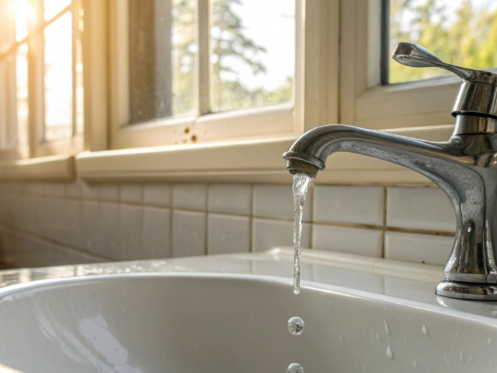
A small, slow drip behind a wall or under your foundation can cause more damage than a sudden pipe burst. These hidden leaks are the most dangerous because they can silently rot your home’s structure, warp floors, and create a perfect environment for mold long before you ever see a water spot. By the time the signs are obvious, the repair bill is often huge. This is precisely why proactive water leak detection is one of the most important things you can do as a homeowner. It’s not just about fixing a nuisance; it’s about protecting your biggest investment and your family’s health from a quiet but serious threat.
Key Takeaways
- Use Your Water Meter for a Simple Leak Test: Before you buy any gadgets, you can confirm a hidden leak with a simple, no-cost check. Note your water meter reading, avoid using water for a couple of hours, and check it again. If the number has changed, you likely have a leak that needs attention.
- Smart Technology Offers Protection from Anywhere: Modern leak detectors can send instant alerts directly to your phone, allowing you to act fast even when you’re away from home. This technology is a powerful tool for preventing a small drip from turning into a major flood.
- Professional Tools Pinpoint Hidden Problems: For leaks buried deep within walls or under your foundation, DIY methods often aren’t enough. A professional can use advanced equipment like thermal imaging and acoustic sensors to find the exact source of a leak without unnecessary damage to your home.
Why Water Leak Detection is So Important
A small drip under the sink is annoying, but it’s the leaks you can’t see that pose the biggest threat to your home. Hidden water leaks behind walls, under floors, or in your foundation can cause serious structural damage and lead to expensive mold problems long before you notice any obvious signs like a water stain. Think of it this way: a slow, steady leak is a silent home invader, quietly compromising your property’s integrity and your family’s air quality.
That’s why water leak detection is so critical. It’s not just about fixing a dripping faucet; it’s about protecting your investment and your health. Catching a leak early can be the difference between a simple pipe repair and a massive, expensive restoration project. Modern leak detectors are a smart and often overlooked tool that can stop a small problem from turning into a catastrophe. By being proactive, you can save yourself thousands of dollars and a lot of stress. When you’re dealing with something as important as your home’s plumbing, getting expert eyes on the problem is key. If you suspect an issue, it’s always best to consult with a professional for residential plumbing services.
How to Spot a Hidden Water Leak
Think you might have a leak but can’t find the source? There’s a simple test you can do yourself. First, make sure all water-using appliances are turned off—no dishwashers, no sprinklers, no showers. Next, find your water meter and check the reading. Wait a couple of hours without using any water, then check it again. If the reading has changed, even slightly, you likely have a leak somewhere in your system.
Other telltale signs of a water leak include a sudden and unexplained spike in your water bill, the sound of running water when everything is off, or persistent musty odors. Pay attention to damp spots on walls, ceilings, or floors, as these are clear indicators that moisture is accumulating where it shouldn’t be.
The Real Cost of Ignoring a Leak
Putting off a leak repair might seem harmless, but the delay can be incredibly costly. A single small leak can waste gallons of water every day, driving up your utility bills month after month. Beyond the wasted water, the physical damage can be extensive. Water can warp floorboards, crumble drywall, and compromise your home’s structural supports in as little as 24 hours.
Even more concerning is the health risk. Mold and mildew can begin to grow within 24 to 48 hours of a leak starting, creating poor indoor air quality that can affect your family’s well-being. The cost of water damage restoration and mold remediation can easily run into thousands of dollars, making the price of a prompt repair seem minor in comparison. Investing in leak detection is one of the smartest financial decisions a homeowner can make.
Smart vs. Traditional Detection Methods
Traditionally, finding a leak meant waiting for visible signs of damage and then calling a plumber to hunt for the source. This reactive approach often meant the damage was already done. Today, smart leak detectors offer a proactive solution. These devices use advanced sensors to identify leaks early, sometimes before you would ever notice them on your own.
The best smart systems use a combination of flow sensors and remote wireless detectors placed in high-risk areas like near water heaters or under sinks. When a leak is detected, the system can send an alert directly to your phone, allowing you to take immediate action—even if you’re not home. Some advanced systems can even shut off your main water supply automatically to prevent a flood.
The Best Ways to Detect Water Leaks
Finding a water leak doesn’t always require tearing down a wall. You can often pinpoint the source with a few simple checks and some affordable technology. The key is to be proactive. By regularly checking for leaks, you can catch small issues before they turn into costly water damage emergencies. From using your home’s own water meter to setting up smart detectors that send alerts to your phone, there are several effective methods at your disposal.
Think of leak detection as a layered defense for your home. Your own eyes and ears are the first line, followed by simple tools and detectors. For the really tough, hidden leaks, that’s when you bring in the pros with their advanced equipment. We’ll walk through each of these methods so you can feel confident protecting your property. If you ever suspect a problem with your residential plumbing, these steps will help you figure out what’s going on and what to do next.
Check Your Water Meter and Look for Clues
One of the most reliable ways to confirm a hidden leak is by using your water meter. First, make sure all water-using appliances are turned off—no dishwashers running, no laundry, no showers. Head outside and check your water meter. Take a picture or write down the number. Then, wait for at least two hours without using any water. If the reading on the meter has changed when you check it again, you likely have a leak somewhere in your system. This simple test can detect even slow drips that might otherwise go unnoticed for months. If the meter test confirms your suspicions, it’s time to schedule a professional inspection.
Use Electronic Leak Detectors
For an extra layer of security, consider placing electronic leak detectors in high-risk areas. These small, battery-powered devices are an affordable and easy way to get an early warning. You can place them anywhere a leak might occur: under the kitchen sink, behind the toilet, next to the water heater, or near your washing machine. The moment the sensor comes into contact with water, it sounds a loud alarm, giving you a chance to shut off the water and address the problem immediately. You can find these detectors at most home improvement stores, and they provide excellent peace of mind for just a small investment.
Get Alerts on Your Phone with Smart Detectors
If you want to take your home protection to the next level, smart water leak detectors are a fantastic option. Like their simpler electronic counterparts, they sense moisture, but instead of just sounding a local alarm, they also send an instant notification directly to your smartphone. This is incredibly valuable if a leak happens while you’re at work or on vacation, allowing you to call a plumber or a neighbor to intervene before major damage occurs. Some advanced smart leak detectors can even integrate with a smart water shutoff valve to automatically stop the flow of water.
When to Call a Pro: Acoustic & Thermal Imaging
Sometimes, a leak is buried deep within a wall or under a concrete slab, making it impossible to find with basic methods. This is where professional leak detection services become essential. At Fusion Plumbing & Air, our technicians use advanced tools like acoustic listening devices to hear the faint sound of dripping or running water behind surfaces. We also use thermal imaging cameras, which can detect temperature differences in walls and floors caused by moisture. This technology allows us to pinpoint the exact location of a hidden drain or sewer line leak without unnecessary and destructive guesswork.
Choose the Right Leak Detector for Your Home
Finding the right water leak detector can feel like a big decision, but it really comes down to your home’s needs and your personal preferences. Whether you’re a tech enthusiast who loves a smart home or someone who just wants a simple, effective solution, there’s a device out there for you. These detectors are an affordable and easy way to protect your home from water damage. Let’s walk through the key things to consider so you can pick the perfect one with confidence.
Key Features to Look For
When you start shopping, you’ll notice two main types of detectors: standalone sensors and whole-home systems. Standalone sensors are small, battery-powered devices you place in leak-prone areas like under the sink or near the water heater. If they sense moisture, they’ll sound an audible alarm. Whole-home systems are more advanced and are installed directly on your main water line. Many of these can connect to your existing home security system, but there are plenty of great standalone options if you don’t have one. Think about what works best for your space and budget.
Smart Home Integration and Mobile Alerts
If you want peace of mind when you’re away from home, a smart leak detector is a fantastic choice. These devices use Wi-Fi to send instant alerts directly to your phone the moment they detect a leak, allowing you to act fast. This is a game-changer for preventing a small drip from turning into a major disaster. Some smart detectors also monitor for low temperatures, which can help you prevent pipes from freezing and bursting during a rare Tucson cold snap. Getting a push notification gives you the power to call for help immediately, no matter where you are.
Battery Life and Overall Reliability
A leak detector is only useful if it’s working, so reliability is crucial. When comparing models, check the battery life—many last up to two years, which means less maintenance for you. You also want a device that sends alerts quickly and consistently. Look for reviews that mention how fast notifications come through. Another feature to consider is the siren volume. A loud alarm is great for when you’re home, but if it’s on the quiet side, you’ll want to make sure you have reliable mobile alerts as a backup.
DIY vs. Professional Installation
Many simple, standalone sensors are incredibly easy to set up yourself. You just place them on the floor and you’re done. However, for a whole-home system with an automatic shut-off valve, you’ll need professional installation. These systems are connected to your main water line and can automatically stop the water flow when a leak is detected, offering the ultimate protection. While they cost more upfront, the investment can save you thousands in potential damage. For a secure and correct setup, it’s always best to have a licensed plumber handle the installation of your plumbing systems.
Top Water Leak Detectors on the Market
Once you know what you’re looking for, it’s time to explore the options. The market is full of great water leak detectors, from simple battery-powered alarms to sophisticated smart systems that integrate with your entire home. The right choice really comes down to your budget, your home’s specific needs, and how much peace of mind you’re looking for. To help you get started, we’ve broken down some of the most popular and reliable choices available today. Whether you want a straightforward solution or a high-tech system that does the work for you, there’s a detector out there that’s a perfect fit for your Tucson home.
Our Top Picks for Tucson Homes
For complete protection, the best systems combine two types of technology: flow sensors and remote wireless detectors. A whole-home flow sensor is installed directly on your main water line to monitor the overall flow of water into your house. It learns your typical usage patterns and can flag anything unusual, like a slow, constant drip or a sudden burst. Then, you can place individual wireless sensors in high-risk areas like behind the washing machine, under the kitchen sink, or near the water heater. This dual approach ensures you catch everything from major pipe breaks to minor appliance leaks. Some of the best water leak detector systems on the market offer this comprehensive coverage.
Trusted Brands: Honeywell and Pipehorn
When you’re investing in home safety, sticking with a trusted brand is always a smart move. You’ve probably seen the name Honeywell on thermostats and other home devices; they also make reliable, easy-to-use water leak detectors that are great for DIY setups. For more advanced needs, a brand like Pipehorn offers professional-grade equipment designed for accuracy and durability. These brands provide a range of models, so you can find something that fits your budget without sacrificing quality. Choosing a well-regarded manufacturer means you’re getting a product that’s been tested and proven to protect homes from water damage effectively.
Smart Sensor Options: Aqara and More
If you love the convenience of smart home technology, you’ll appreciate what smart water leak detectors can do. Brands like Phyn, Moen, and Aqara offer sensors that connect to your Wi-Fi and send instant alerts to your phone the moment a leak is detected. This means you’ll know about a problem whether you’re at work or on vacation. The most advanced models, like the Phyn Plus, can even automatically shut off your home’s main water supply to prevent a catastrophe. These features offer an incredible level of control and are among the best water leak detectors for anyone wanting to modernize their home’s safety net.
Compare Costs and Features
The cost of a water leak detector can vary widely. A simple, standalone sensor might only cost around $50, while a professionally installed, whole-home system with automatic shut-off can range from $1,800 to nearly $7,000. While the initial investment for a comprehensive system is higher, it can save you tens of thousands of dollars by preventing a major flood. When comparing options, think about the value of features like automatic shut-off and smartphone alerts. For a system that requires professional installation, it’s crucial to have it done right. You can always schedule an appointment online with our team to discuss the best options for your home and ensure a flawless setup.
Common Leak Detector Issues (and How to Fix Them)
Water leak detectors are fantastic tools, but like any piece of technology, they can have their off days. The good news is that most common issues are easy to fix yourself. A little troubleshooting can ensure your device is always ready to protect your home from water damage. Instead of getting frustrated, think of it as a quick check-up to keep your first line of defense in top shape. From pesky false alarms to a weak Wi-Fi signal, we’ll walk through the simple solutions to get your system running smoothly again.
Handle False Alarms and Delayed Alerts
Nothing is more annoying than an alarm that cries wolf. If your detector sends alerts when there’s no leak, it’s often due to placement. High humidity from a steamy shower or condensation near a window can sometimes trigger a sensor. Try moving the device to a slightly different spot in the same area. The best water leak detectors often use a combination of sensors to reduce false positives. On the flip side, a delayed alert defeats the purpose of having a detector at all. If notifications are slow, check your home’s Wi-Fi signal. A weak connection can cause a lag between the sensor detecting water and the alert reaching your phone.
Keep Up with Batteries and Maintenance
Most standalone water leak detectors run on batteries, and a dead battery means zero protection. While many models have batteries that last up to two years, it’s easy to forget about them. The simplest fix is to set an annual reminder on your phone to test the device and swap out the batteries. Many smart detectors will also send you a low-battery notification. When you get one, don’t put it off! Taking care of your home’s systems is always easier than dealing with an emergency, which is why a regular maintenance agreement for all your home systems can provide peace of mind.
Connect to Your Smart Home System
A smart leak detector is most powerful when it’s part of a larger system. Many modern devices can connect to an automatic water shutoff valve. This means that if a leak is detected, the system doesn’t just send you an alert—it automatically turns off your main water supply to stop the flood in its tracks. If you’re having trouble getting your detector to sync with your smart home hub or a shutoff valve, start with the basics. Reboot your router and double-check the device’s app settings. If the technology feels overwhelming or you want a professional to install an automatic shutoff valve, you can always schedule online with our team for help.
Related Articles
- How to Repair a Leaky Toilet | Fusion Plumbing & Air
- Reasons To Never Use Flex Seal to Repair Your Plumbing | Fusion
- Is Your Water Heater Leaking From the Top? | Fusion Plumbing & Air
- 4 Common Plumbing Problems & How to Avoid | Fusion Plumbing
- 5 Signs That Your Main Water Line Is In Trouble | Fusion Plumbing
Frequently Asked Questions
Where are the best places to put water leak sensors in my house? You’ll want to place individual sensors in any area where a leak could cause significant damage. Think low and out of sight. The most critical spots are next to your water heater, behind the washing machine, and under the kitchen and bathroom sinks. It’s also a great idea to place one behind your toilet and near your refrigerator’s ice maker line. If you have a basement, putting a sensor near the sump pump or in any low-lying corner can give you an essential early warning.
If my detector’s alarm goes off, what should I do first? First, stay calm and quickly check the area around the sensor for any visible water. If you find a leak, your immediate goal is to stop the water flow. If the leak is coming from an appliance like a toilet or washing machine, you can usually turn off the water using the small valve on the supply line behind it. If you can’t find the source or it’s a major leak, go straight to your home’s main water shutoff valve and turn it off. Once the water is stopped, give a professional plumber a call.
Is a whole-home system with automatic shut-off really worth the high cost? While the upfront investment is higher, a whole-home system offers the ultimate protection and peace of mind. Think of it as insurance against a catastrophe. A simple sensor will alert you to a problem, but if you’re on vacation or just away for the day, that alert can’t stop a flood. An automatic shut-off system acts instantly to cut the water supply, preventing a small drip from turning into a devastating and expensive water damage event. For many homeowners, the cost is justified by the thousands of dollars it can save in potential repairs.
Can a leak detector help with a leak in my sewer line or outside pipes? Most of the detectors we’ve discussed are designed to sense clean water from your indoor plumbing supply lines. They won’t be able to detect a leak in a buried sewer line or an underground irrigation pipe. Those types of leaks present different signs, such as soggy spots in your yard, unpleasant odors, or a sudden drop in water pressure. Finding them requires specialized professional equipment, like acoustic listeners and thermal cameras, that can pinpoint the problem without tearing up your property.
Do I still need a leak detector if I have a newer home? Absolutely. While new plumbing systems are generally reliable, problems can still happen. Faulty appliance connections, defects in manufacturing, or even a simple installation error can cause a leak in a home of any age. Water damage doesn’t discriminate based on how old your house is. Installing leak detectors is a smart, proactive measure that protects your investment, whether your home was built last year or fifty years ago.