
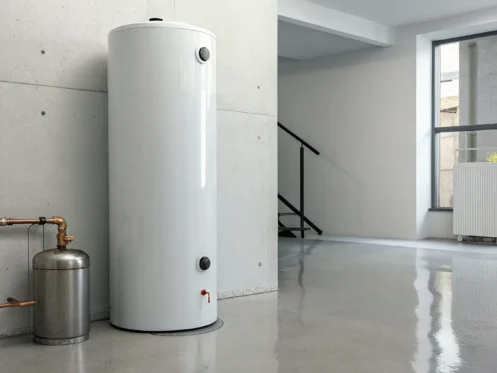
Your home should be a place of peace and quiet, so when a major appliance starts making a racket, it’s hard to ignore. A sudden pop, hiss, or bang from the utility closet can be unsettling. If your water heater is making noise, it’s not just being difficult; it’s trying to tell you something important about its health. Each sound is a clue, pointing to a specific issue ranging from a simple fix to a serious problem that needs immediate attention. This guide will help you play detective, decipher what those noises mean, and figure out the right steps to restore quiet to your home.
Key Takeaways
- Decode the noises: Different sounds point to specific problems. Popping often means sediment buildup, hissing can indicate a leak, and banging is usually a sign of water pressure fluctuations.
- Make annual flushing a priority: The best way to prevent the common popping and rumbling sounds is to flush the sediment from your tank once a year. This simple maintenance step improves efficiency and extends the life of your heater.
- Know your limits for safety: While you can handle simple fixes like tightening loose pipes, always call a professional for leaks, persistent noises, or any potential gas or electrical issues. It’s the safest way to protect your home and family.
What’s That Sound? A Guide to Common Water Heater Noises
Your water heater should operate quietly in the background, so when it starts making strange noises, it’s easy to feel a little concerned. Is that pop, hiss, or bang a sign of a major problem? Often, the specific sound your water heater is making can tell you exactly what’s wrong. Think of it as your appliance’s way of communicating. By learning to interpret these sounds, you can figure out whether you’re dealing with a simple fix or if it’s time to call in a professional. Let’s break down the most common noises and what they mean for your home in Tucson.
Popping and Crackling: The Sound of Sediment
If your water heater sounds like a popcorn machine, you’re likely dealing with sediment buildup. Over time, minerals like calcium and magnesium naturally present in our water settle at the bottom of the tank. When the burner heats the water, steam bubbles form underneath this layer of sediment. The popping or crackling noise you hear is the sound of those bubbles forcing their way through the mineral buildup. While this isn’t an immediate emergency, it does make your heater less efficient and can lead to overheating. An annual tank flushing as part of a maintenance agreement can clear out this sediment and keep your unit running smoothly.
Hissing and Sizzling: A Sign of a Leak
A hissing or sizzling sound often points to a leak. This noise usually happens when water drips from a crack in the tank or a faulty connection and hits a hot surface, like the burner assembly or heating element. It’s the same sound you’d hear if you flicked water onto a hot skillet. You might also notice condensation on the unit itself. A leak, no matter how small, should be addressed right away to prevent water damage and potential system failure. If you hear hissing, it’s a good idea to inspect the unit for visible drips and call for professional water heater repair to get it sorted out quickly.
Rumbling and Banging: The Effect of Water Hammer
Loud banging or rumbling noises can be startling, and they often signal an issue called “water hammer.” This happens when the flow of water in your pipes is suddenly shut off, causing a shockwave that rattles the pipes. Think about how a fast-moving car would jolt if it hit a wall; it’s a similar principle with water. This abrupt stop creates a burst of pressure that can damage your pipes and the water heater itself over time. While sometimes related to heavy sediment buildup, it can also be a sign of high water pressure throughout your home’s plumbing system.
Whistling and Screeching: A Pressure Problem
A high-pitched whistling or screeching sound, like a tea kettle boiling, usually indicates that pressure is building inside the tank. This could be caused by a loose valve allowing air to escape or, more seriously, a malfunctioning temperature and pressure (T&P) relief valve. The T&P valve is a critical safety feature designed to release excess pressure. If it’s not working correctly, the pressure can build to dangerous levels. This is not a sound to ignore. If you hear whistling, it’s best to have a certified technician inspect your system to ensure everything is operating safely.
Ticking and Tapping: Normal Thermal Expansion
Occasional ticking or tapping sounds are often a normal part of your water heater’s operation. These noises are typically caused by the metal components of the unit expanding and contracting as they heat up and cool down. You might also hear it from the heat traps or check valves in the water lines. However, if the ticking becomes very loud, frequent, or sounds more like a sharp clicking, it could indicate a problem with a component like the thermostat or heating element. While usually harmless, any change in the sound’s pattern is worth noting when you schedule an online inspection.
Why Is Your Water Heater Making So Much Noise?
A noisy water heater can be unsettling, turning a quiet home into a source of pops, hisses, and bangs. While some sounds are perfectly normal, others are your water heater’s way of telling you something is wrong. Ignoring these auditory clues can lead to bigger, more expensive problems, like a major leak or a complete system failure. The good news is that each sound tells a story about what’s happening inside the tank and pipes.
Understanding the cause of the noise is the first step toward finding a solution. From mineral buildup to pressure fluctuations, the reasons for a noisy water heater are varied. Below, we’ll break down the most common culprits behind those strange sounds. This will help you identify what’s going on with your system and decide on the best course of action. Whether it’s a simple fix or a job for a professional, we’re here to help you get your peace and quiet back.
Sediment Buildup Is Creating Steam Bubbles
If you hear a popping or crackling sound, like popcorn in the microwave, you’re likely dealing with sediment buildup. Here in Arizona, our water is notoriously hard, meaning it’s full of minerals like calcium and magnesium. Over time, these minerals settle at the bottom of your water heater tank. When the heating element kicks on, it has to heat the water through this layer of sediment. This process traps steam bubbles underneath the mineral layer, and the popping sound you hear is the bubbles escaping. This not only makes noise but also reduces your heater’s efficiency and can shorten its lifespan. Regular residential plumbing maintenance can help manage this common issue.
Water Is Leaking onto Hot Components
A hissing or sizzling sound often points to a leak. This noise typically occurs when water drips onto a hot part of the unit, like the burner assembly or the electric heating element. The water instantly turns to steam, creating a distinct sizzle. The leak could be coming from a crack in the tank, a faulty valve, or a loose connection. Even a small leak is a serious problem that needs immediate attention, as it can lead to significant water damage, mold growth, and eventual failure of the water heater. If you hear hissing, it’s wise to inspect the unit for any visible signs of moisture and call a professional.
Pipes Are Expanding or Have Loose Connections
Do you hear a faint ticking or tapping sound coming from your water heater or the surrounding pipes? This is often just the sound of metal parts expanding and contracting as they heat up and cool down, which is completely normal. However, if the ticking becomes loud, constant, or is a new development, it could indicate a problem. Loud ticking might mean that the pipe straps securing your plumbing have come loose, causing the pipes to move and tap against walls or framing. While not an emergency, it’s a good idea to have it checked out to prevent unnecessary wear and tear on your plumbing system.
Water Pressure Is Fluctuating
A loud banging or hammering noise, often called a “water hammer,” is usually caused by sudden changes in water pressure. This happens when a valve closes quickly, abruptly stopping the flow of water and sending a shockwave through your pipes. This can happen with toilets, washing machines, or dishwashers. While the sound might seem to come from the water heater, it’s actually a problem within your plumbing system. Over time, the force from water hammer can damage pipes, joints, and connections. Addressing issues with your home’s drains and sewer lines can sometimes help regulate pressure throughout your system.
Air Is Trapped in the Water Lines
Gurgling or sputtering sounds, especially when you first turn on a hot water tap, can indicate that air is trapped in your water lines. Air can enter the system for various reasons, including recent plumbing work or issues with the municipal water supply. While trapped air isn’t typically a dangerous problem, it can be annoying and may affect your water heater’s performance. In some cases, you can resolve this by carefully bleeding the air out of your plumbing lines. If the sound persists or you’re not comfortable performing this task, it’s best to schedule an online appointment with a professional plumber to investigate.
How to Diagnose the Problem by Its Sound
Your water heater is one of those appliances you probably don’t think about until it starts making strange noises. But listening closely to those sounds can give you major clues about what’s going on inside the tank. Different noises point to different issues, from simple fixes to problems that need a professional’s touch. Think of yourself as a detective; identifying the sound is the first step to solving the mystery and getting your quiet, efficient water heater back.
Linking Popping and Rumbling to Sediment
If your water heater sounds like it’s popping popcorn, the most likely culprit is sediment buildup. Over time, minerals from our hard Tucson water settle at the bottom of the tank, creating a thick layer. When the burner kicks on, it heats the water at the bottom first, and steam bubbles get trapped under that sediment layer. The popping or crackling you hear is those bubbles forcing their way out. A rumbling sound often accompanies this, caused by the restricted water flow. An annual tank flush is the best way to clear this out and prevent damage. Regular professional maintenance can keep your system running smoothly and quietly.
Using Hissing Sounds to Find Leaks
A hissing or sizzling sound is an immediate red flag that water is dripping onto a hot surface, like the burner or heating element. Start by carefully inspecting the outside of your water heater. Look for any signs of moisture or active drips around the pipes, valves, and the base of the tank itself. If you can’t spot an obvious external leak, the problem is likely inside the unit. An internal leak can be tricky and potentially hazardous to fix on your own. It’s best to turn off the water supply to the heater and call a professional for plumbing services to diagnose and repair the issue safely.
Connecting Banging Noises to Water Pressure
Loud banging or hammering sounds from your pipes after you turn off a faucet are known as “water hammer.” This happens when the flow of water stops abruptly, sending a shockwave through your plumbing system. While it might just seem like an annoying noise, that sudden pressure surge can stress your pipes and connections, eventually leading to leaks or damage. Installing a water hammer arrestor or adjusting your home’s water pressure can solve the problem. Since this involves working with your home’s plumbing system, it’s a good idea to have a professional handle the installation to ensure it’s done correctly.
Telling Normal Ticking from Problem Sounds
Occasional ticking or tapping sounds are often a normal part of your water heater’s operation. These noises can be caused by the metal components expanding and contracting as they heat up and cool down, or by the heating elements cycling on and off. However, if the ticking is constant, loud, or sounds more like a rapid tapping, it could indicate fluctuating water pressure or loose pipe straps. You can check to see if the pipes connected to the heater are securely fastened. If the sound persists, it’s wise to have a technician schedule a visit to check your water pressure and ensure everything is working as it should.
DIY Fixes for a Noisy Water Heater
Hearing strange noises from your water heater can be alarming, but don’t panic just yet. Many common sounds are signs of minor issues you can often resolve yourself with a little bit of know-how. Taking a hands-on approach can not only quiet a noisy unit but also help extend its lifespan and improve its efficiency. Before you start, always prioritize safety. Make sure to turn off the power or gas supply to the water heater before performing any maintenance. If a task feels too complicated or you’re ever unsure, it’s always best to get professional help.
Below are five common fixes for a noisy water heater that you can try at home. These steps address the most frequent causes of popping, banging, and hissing sounds. Working through them can help you diagnose the problem and, in many cases, solve it without needing to make a service call. For homeowners in Tucson, Marana, and Sahuarita, keeping up with this basic maintenance is key to getting the most out of your appliance. These fixes are straightforward and address the root causes of most noises, from mineral buildup to pressure fluctuations. Let’s walk through each one so you can feel confident tackling the issue and restoring peace and quiet to your home.
Flush the Tank to Remove Sediment
If you’re hearing popping or crackling sounds, the likely culprit is sediment buildup. Over time, minerals from the water settle at the bottom of your tank. When the burner kicks on, water trapped under this layer of sediment turns to steam, creating bubbles that pop as they escape. The solution is to flush the tank. This involves turning off the power and water supply, connecting a garden hose to the drain valve, and letting the water drain out completely to clear the sediment. Performing this task annually is one of the best things you can do for your water heater’s health and is often included in a professional maintenance agreement.
Tighten Loose Pipe Straps and Connections
A ticking or tapping noise often points to loose pipes. As water heats and cools, the metal pipes expand and contract. The pipes connected to your water heater are held in place by straps. If these straps are loose, the pipes can move and tap against the wall or the unit itself. Take a look at the hot and cold water lines running to and from your heater. You should see metal straps securing them to the wall. Check if they are snug. If you find any that are loose, a few turns with a screwdriver or a wrench is usually all it takes to quiet the noise.
Adjust the Temperature to Prevent Overheating
Is your water heater hissing or sizzling? This could be a sign that the temperature is set too high. When the water is excessively hot, it can create excess pressure and may even cause small amounts of water to vaporize upon contact with super-heated elements. Most experts recommend setting your water heater’s thermostat to 120°F for a good balance of safety and performance. You can usually find the temperature dial near the bottom of the tank. Lowering the temperature not only can solve the noise issue but also reduces the risk of scalding and can save you a little money on your energy bills.
Install Water Hammer Arrestors
A loud banging or hammering sound when you turn off a faucet is known as a water hammer. This happens when the fast-moving water in your pipes comes to a sudden stop, creating a shockwave that rattles your plumbing. While it’s a common issue in many homes, it can damage your pipes and appliances over time. The fix is to install a water hammer arrestor, which is a small device that absorbs the pressure shock. While some experienced DIYers can install these, it does require cutting into your water lines. If that sounds like too much, our team can handle the residential plumbing work for you.
Check the Temperature and Pressure Relief Valve
The temperature and pressure (T&P) relief valve is a critical safety feature on your water heater. If it senses too much pressure or heat inside the tank, it automatically opens to release it. Sometimes, this valve can start to leak slightly, causing a hissing or dripping sound. You can test it by placing a bucket under the discharge pipe and briefly lifting the lever. A burst of water should come out. If it continues to drip after you let go, or if no water comes out at all, the valve needs to be replaced immediately. A faulty T&P valve is a serious safety hazard, so don’t hesitate to schedule online for a professional inspection.
When Is It Time to Call a Professional?
While some water heater noises can be managed with a bit of DIY effort, certain sounds and symptoms are clear signals that you need an expert. Trying to fix complex issues on your own can lead to bigger problems, from water damage to serious safety hazards. If you’re ever in doubt, the safest and most effective choice is to call a certified technician. Recognizing when a problem is beyond a simple fix will save you time, money, and stress in the long run.
DIY Fixes Don’t Stop the Noise
You’ve flushed the tank, checked the pipes, and done everything you can, but the noise just won’t quit. A persistent popping, rumbling, or whistling sound that doesn’t go away after basic maintenance is your water heater’s way of telling you there’s a deeper issue. Ignoring it can lead to reduced efficiency or even a complete system failure. If your efforts haven’t silenced the sound, it’s time to hand the job over to a professional who can accurately diagnose and resolve the root cause. Our team handles all types of residential plumbing issues and can get to the bottom of it quickly.
You See Leaks, Pooling Water, or Moisture
Any sign of water where it shouldn’t be is a major red flag. Hissing or sizzling sounds often point to a leak, where water is dripping onto the hot burner assembly. You might also notice moisture, puddles, or water stains around the base of your unit. Leaks need to be addressed immediately to prevent significant water damage to your floors, walls, and home structure. Even a small drip can be a symptom of a corroded tank or a faulty valve that requires professional repair or replacement. Don’t wait for a small puddle to become a big problem.
You Suspect a Gas or Electrical Issue
When it comes to gas or electrical components, there is no room for error. If you have a gas water heater and smell rotten eggs, leave your home immediately and call your gas company, then a professional plumber. For electric models, any sign of water pooling near the unit is a serious electrical hazard. These situations are not safe for DIY repairs. A certified technician has the training and tools to safely handle gas lines and electrical connections, ensuring your system is repaired correctly and your family is kept safe. You can schedule an appointment online with our team for prompt service.
The Problem Is Beyond Basic Maintenance
Sometimes, a noisy water heater is a symptom of a larger problem that simple maintenance can’t fix. Issues like a failing heating element, a malfunctioning thermostat, or severe sediment buildup that has hardened inside the tank require professional expertise. Continuing to run a water heater with these problems can lead to a sudden breakdown, leaving you without hot water when you need it most. Investing in a professional diagnosis is the best way to protect your appliance and ensure it runs efficiently for years to come. Regular check-ups under a maintenance agreement can also help catch these issues early.
How to Prevent Future Water Heater Noises
Once you’ve quieted your noisy water heater, the last thing you want is for the sounds to return. A little proactive care can make a huge difference in keeping your system running smoothly and silently for years to come. Think of it as a simple check-up to prevent major headaches down the road. By staying on top of a few key tasks, you can protect your investment, avoid surprise repairs, and ensure you always have the quiet, reliable hot water you depend on. Here’s how you can stay ahead of the game and prevent future water heater noises.
Schedule Annual Tank Flushing and Maintenance
The single most effective way to prevent popping and rumbling sounds is to have your water heater tank flushed annually. Over time, minerals like calcium and magnesium settle at the bottom of the tank, creating a layer of sediment. Flushing this sediment out keeps your system efficient and quiet. This is especially important in places like Tucson with hard water. A professional can also inspect the anode rod, which helps prevent rust. Signing up for a maintenance agreement is a great way to ensure this crucial task is never forgotten and your system is always in top shape.
Install a Sediment Filter to Improve Water Quality
Another great strategy is to stop sediment before it even enters your tank. You can have a sediment filter installed on the water line that feeds into your water heater. This device captures minerals and debris, ensuring the water entering your tank is much cleaner. It’s a fantastic way to reduce the rate of sediment buildup, which extends the life of your water heater and keeps it from making those annoying popping sounds. This simple addition can significantly improve your home’s overall residential plumbing health and reduce the need for frequent flushing.
Inspect Temperature and Pressure Valves Regularly
Your water heater has several important valves, including the temperature and pressure (T&P) relief valve and the water inlet and outlet valves. It’s a good idea to visually inspect them every few months. Make sure they aren’t leaking and that the settings appear correct. The T&P valve is a critical safety feature that releases pressure if it gets too high, so ensuring it’s in good working order is essential. If you’re ever unsure about what you’re looking at or suspect a problem, it’s always best to schedule an online visit from a certified technician.
Maintain Proper Water Pressure in Your Home
Extremely high water pressure can cause a banging noise known as water hammer, which can damage your pipes and your water heater. Your home should have a pressure-reducing valve to keep the water pressure within a safe range, typically between 40 and 60 psi. If you hear banging noises throughout your house when you turn faucets on or off, your water pressure might be too high. While some homeowners can adjust this themselves, managing your home’s water pressure is a job best left to a professional to avoid causing any damage to your plumbing system.
Related Articles
Frequently Asked Questions
Are the noises my water heater is making dangerous? While most sounds like popping aren’t an immediate emergency, they often point to problems that can become serious if ignored. However, some noises demand immediate attention. A high-pitched whistling sound can indicate dangerous pressure buildup, and a hissing sound could mean water is leaking onto electrical or gas components. If you hear either of these, it’s best to call a professional right away to ensure your system is operating safely.
How often should I really flush my water heater in Tucson? Because the water here in Tucson and the surrounding areas is so hard, an annual flush is the best practice. That mineral-rich water leads to sediment buildup much faster than in other places. Sticking to a yearly schedule will keep your heater running efficiently, prevent damage to the tank, and stop those popping and rumbling sounds before they start.
My water heater is only making a quiet popping sound. Can I just ignore it for now? It’s tempting to ignore a minor noise, but that popping is a sign that a layer of sediment is making your heater work harder than it should. This not only uses more energy, which you’ll see on your utility bills, but it also puts extra stress on the tank. Over time, this can lead to overheating and cause the unit to fail much sooner than it should, so it’s best to address it.
What’s the difference between normal ticking and a sound I should worry about? A faint, occasional ticking sound is usually just the metal parts of the unit or your pipes expanding and contracting with temperature changes, which is perfectly normal. You should pay more attention if the sound is loud, constant, or sounds more like a sharp clicking. This could indicate loose pipe straps or fluctuating water pressure, which are issues worth having a professional look into.
Why would a new water heater be making noise already? It can be frustrating to hear noises from a brand-new unit, but it does happen. The most common reasons are air trapped in the lines from the installation process, which can cause a gurgling sound, or incorrect water pressure settings. In rare cases, if the water is extremely hard, a small amount of sediment can build up quickly. If the noise persists, it’s a good idea to have the installer come back to check it out.