
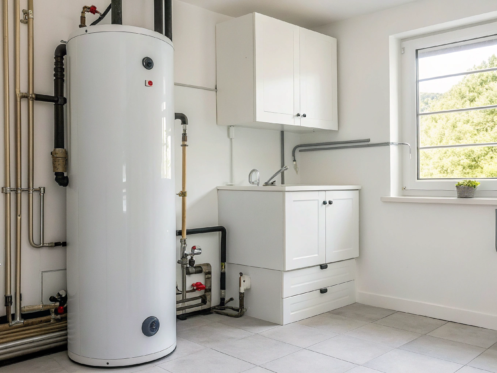
That moment your morning shower turns unexpectedly icy is a universal sign of dread for any homeowner. It usually means your water heater has finally given up. While it’s tempting to panic, this is also an opportunity to upgrade your home’s comfort and efficiency. But where do you even begin? Choosing the right model, understanding the costs, and deciding between a DIY project and calling a professional can feel overwhelming. This guide is your complete roadmap. We’ll walk you through every stage of the process, ensuring your new water heater installation is a smooth, successful, and safe investment in your home.
Key Takeaways
- Match your water heater to your lifestyle: Base your choice between a traditional tank, tankless, or hybrid model on your family’s daily hot water demand, your budget, and your long-term energy efficiency goals.
- Prioritize non-negotiable safety steps: Before starting any work, always shut off the water, gas, and electricity. Use the new safety valves provided with your unit and ensure proper ventilation for gas heaters to prevent dangerous situations.
- Recognize when to call a professional: While a straightforward swap might be a manageable DIY project, tasks involving new gas lines, complex plumbing, or local permit requirements are best left to a licensed expert to ensure the job is done safely and correctly.
Choosing Your New Water Heater
Picking a new water heater is a big decision that impacts your daily comfort and your utility bills for years to come. Before you get into the nitty-gritty of installation, you first need to choose the right unit for your home. The best choice depends on your family’s size, your budget, and how much you value energy efficiency. Think about how much hot water you use daily—do you often have the shower, dishwasher, and laundry running at the same time? Answering these questions will help you narrow down the options.
Let’s walk through the four main types of water heaters you’ll find on the market. Each has its own set of benefits and considerations. Understanding these differences is the first step toward making a smart investment in your home’s residential plumbing system. If you’re feeling unsure about which model fits your specific needs, our team is always ready to help you figure it out.
Traditional Tank Heaters
This is the type of water heater most of us are familiar with. A traditional tank heater stores and continuously heats a large reservoir of water—typically between 30 and 50 gallons—so it’s ready the moment you turn on the tap. They are generally the most affordable option upfront, which makes them a popular choice. However, it’s important to remember that these water heaters typically last 8–12 years, so you’ll need to budget for a replacement down the line. The main drawback is “standby heat loss,” where the unit uses energy to keep the stored water hot even when you aren’t using it.
Tankless (On-Demand) Heaters
Tankless water heaters are a game-changer for many households. Instead of storing hot water, these units use powerful gas burners or electric coils to heat water instantly as it flows through the pipes. As you can imagine, tankless water heaters are energy-efficient and can save money on energy bills because they only heat water when you need it. This means you get an endless supply of hot water and lower utility costs. The initial investment is higher than a traditional tank model, but the long-term savings and a longer lifespan of 20+ years often make it worthwhile.
Heat Pump (Hybrid) Heaters
Heat pump water heaters, also known as hybrid models, are an incredibly efficient option. They don’t generate heat directly; instead, they capture heat from the surrounding air and transfer it to the water in the tank. Think of it as a refrigerator working in reverse. Heat pump water heaters are very energy-efficient and save money over time, but they cost more to install because they are more complex. They also require more space than other models—usually at least 1,000 cubic feet of uncooled air space to work properly—so they’re best suited for a garage or large basement.
Solar-Powered Heaters
Living in sunny Arizona makes a solar-powered water heater an especially attractive option. These systems use roof-mounted solar collectors to capture the sun’s thermal energy and transfer it to an antifreeze-like fluid, which then heats the water in a storage tank. Solar water heaters cost a lot more upfront because they need special solar equipment, but they save money on energy bills in the long run. While they are the most eco-friendly choice, most systems require a backup gas or electric heater for cloudy days or periods of high demand, ensuring you’re never left in the cold.
Your Water Heater Installation Toolkit
Before you even think about turning a wrench, let’s talk about preparation. A successful DIY project is all about having the right tools and materials ready to go before you start. Scrambling to find a specific wrench or making a last-minute trip to the hardware store is frustrating and can turn a straightforward job into a major headache. Gathering everything you need first ensures the process is as smooth as possible. This isn’t just about convenience; it’s about doing the job correctly and safely. A well-prepared workspace is a safe workspace, and having the correct parts on hand prevents you from taking risky shortcuts that could lead to leaks or other problems down the road.
Think of it like cooking a new recipe. You wouldn’t start chopping vegetables without first reading the instructions and laying out all your ingredients. The same principle applies here. Taking 30 minutes to organize your toolkit can save you hours of stress. It also gives you a chance to inspect your new water heater and parts for any damage that might have occurred during shipping. If you find that you’re missing a key tool or a specific part, it’s much better to know now than when your home’s water is shut off. If you’re ever unsure about the parts you need for your specific model, our team is always ready to help with any residential plumbing questions.
The Tool Checklist
You probably have many of these tools in your garage already, but it’s always good to double-check. Here’s a basic list of what you’ll want on hand: an adjustable pipe wrench, a crescent wrench, a tubing cutter, a Phillips head and flathead screwdriver, a tape measure, and a bucket for catching any leftover water. You’ll also need a garden hose to drain the old tank. And don’t forget about moving the unit itself—water heaters are heavy and awkward. It’s a good idea to have an appliance dolly or at least one other person to help you move the old unit out and the new one in to avoid injury.
Necessary Materials and Parts
Beyond the tools, you’ll need a few specific materials to make the connections. It’s always best to use new, good-quality flexible hoses for the water lines. They make it much easier to line up the connections correctly and create a tight seal. Your new water heater will also come with a new Temperature and Pressure (T&P) relief valve—make sure you use it. It might be tempting to reuse the old one, but a new valve is essential for safety. You’ll also want to have some plumber’s tape (Teflon tape) for sealing threaded pipe joints and possibly some pipe dope, depending on the connections you’re making.
Don’t Forget Your Safety Gear
This part is non-negotiable. Before you do anything else, shut off the electricity and the main water supply to the heater. This simple step prevents the risk of electric shock or accidental flooding. Once the utilities are off, make sure you’re wearing the right gear. Sturdy work gloves will protect your hands from sharp metal edges and hot pipes, while safety goggles are a must for shielding your eyes from debris or unexpected water spray. It’s a simple precaution that makes a huge difference. If you run into any issues or feel unsafe at any point, don’t hesitate to schedule an appointment with a professional. Your safety is always the top priority.
Safety First: Key Precautions for Installation
Tackling a water heater installation yourself can be a rewarding project, but it’s one where you absolutely can’t cut corners on safety. Water heaters involve a combination of water, high pressure, and either high-voltage electricity or flammable gas. Getting it wrong can lead to serious property damage or, worse, personal injury. Before you even pick up a wrench, it’s essential to understand the major risks and how to manage them. This isn’t the time to “wing it.” A successful installation is a safe one, from start to finish.
We’ll walk through the four critical safety areas: handling electricity, managing gas lines, preventing leaks, and ensuring proper ventilation. Taking these precautions seriously is the most important part of the entire installation process. Think of this as your pre-flight checklist; skipping a step isn’t an option. Each step builds on the last, and a small oversight in the beginning can cause big problems down the line. Remember, you’re not just installing an appliance; you’re ensuring your home has safe, reliable hot water for years to come. If at any point you feel unsure or run into something unexpected, it’s always best to schedule an appointment with a professional. There’s no shame in calling for backup, and our team is always ready to help ensure the job is done right.
Handling Electrical Connections Safely
Working with electricity requires your full attention. Before you touch a single wire, head to your breaker box and shut off the power to your water heater. Don’t just assume it’s off; double-check it. A non-contact voltage tester is a great tool for this—it will confirm there’s no live current. This step is non-negotiable, as working on live wires creates a serious risk of electrical shock. Always confirm the power is completely disconnected before you proceed. It’s a simple check that can prevent a major accident.
Managing Gas Lines Securely
If you’re installing a gas water heater, you’re also working with a gas line, which demands extra caution. A mistake here can lead to dangerous gas leaks, fires, or carbon monoxide poisoning. Your first step is to shut off the gas supply valve leading to the unit. When you connect the new lines, follow the manufacturer’s instructions to the letter. After you’ve made the connections and are ready to test, you can check for leaks by applying a solution of soapy water to the fittings. If you see bubbles forming, you have a leak that needs to be fixed immediately. Proper installation is the key to preventing these hazardous situations.
Preventing Leaks and Managing Water Pressure
Water damage is no joke, and a leaky water heater connection is a common culprit. Most leaks happen at the connection points, not from the tank itself. Use plumber’s tape on all threaded fittings to create a secure, watertight seal. Once everything is connected, turn the water on slowly and carefully inspect every joint for drips. It’s also smart to check your home’s water pressure. If it’s too high, it can strain your new water heater and your entire residential plumbing system. A pressure-reducing valve can solve this problem and help extend the life of your appliances.
Ensuring Proper Ventilation
For gas and propane water heaters, proper ventilation is a life-saving requirement. The venting system is what carries dangerous combustion gases, like carbon monoxide, safely out of your home. Make sure the vent pipe has the correct upward slope and is securely connected, with no gaps or blockages. An obstructed or improperly installed vent can cause these toxic gases to build up inside your house, creating a silent and deadly hazard. A well-designed venting system is absolutely essential for your family’s safety, so give this step the attention it deserves.
Your Step-by-Step Installation Guide
Ready to get started? This guide breaks down the installation process into four manageable stages. While it might seem straightforward, remember that working with gas, electricity, and water lines comes with risks. If you feel unsure at any point, our team is always here to help.
Prep Your Space
First things first, clear the area around your old water heater to give yourself plenty of room to work. Before you touch a single tool, take the time to “read the printed instructions that came with your water heater and all the labels on the heater itself.” This step is crucial for a safe and successful installation. You’ll also need to check with your city or county for any required permits before you begin. This ensures your work is up to code and avoids any potential fines or issues down the road.
Safely Remove the Old Unit
Safety is non-negotiable. Before you start, “turn off the electricity and water supply” to the unit at the circuit breaker and the main water shutoff valve. Once everything is off, you can drain the old tank. Attach a garden hose to the drain valve and run it to a floor drain or outside. Keep in mind that water heaters are incredibly heavy, even when empty. To avoid injury, it’s best to have “at least two people or an appliance dolly” to help you move the old unit out of the way.
Install the New Water Heater
With the old unit gone, you can position your new water heater. If you’re installing a gas model, be aware that it’s a more complex job that involves connecting gas lines and ensuring proper ventilation. It’s often best to leave gas line work to a licensed professional. For any type of heater, you must “use the new Temperature and Pressure (T&P) Relief Valve that comes with your water heater.” Reusing an old one can be a serious safety hazard, so always install the new parts provided by the manufacturer.
Connect and Test Everything
Now it’s time to connect the water lines. Once they’re secure, you can slowly turn the water back on. This next part is critical: “Do NOT turn on the electrical power to the water heater until the tank is completely full of water.” Turning on the power to an empty tank will burn out the heating elements instantly. After the tank is full, carefully “check all connections for leaks.” If everything is dry, you can restore power. If you spot any issues, don’t hesitate to schedule an appointment with our experts.
DIY vs. Pro: When to Call for Help
While tackling a home improvement project yourself can be incredibly satisfying, water heater installation is one of those jobs where it pays to pause and consider the risks. It often involves working with high-voltage electricity or natural gas lines, which can be dangerous without proper training. Plus, a small mistake can lead to big problems like leaks, water damage, or even a system that doesn’t work at all. Knowing when to trade your toolbox for your phone and call a professional is key to a safe and successful installation. Let’s walk through a few scenarios where bringing in an expert is the smartest move.
When the Job Gets Complicated
Some installations are more complex than others. For example, installing a gas water heater is a particularly intricate job because it involves connecting gas lines, ensuring proper venting, and following strict local building rules. If a gas unit isn’t installed correctly, it can create a serious safety hazard in your home. Even electric models can be tricky, requiring you to work with dedicated, high-voltage circuits. A professional plumber has the experience to handle these complexities safely, ensuring every connection is secure and every component functions as it should. For peace of mind, it’s always best to trust an expert with your home’s plumbing services.
Meeting Local Code and Permit Requirements
Did you know that many cities and towns, including Tucson, require special permits for water heater installations? This is to make sure the work is done safely and meets all local building codes. These regulations are in place to protect you and your property, covering everything from seismic strapping to proper ventilation. A professional installer will know exactly what permits are needed and will ensure the final installation passes any required inspections. Handling this process yourself can be a headache, and a non-compliant installation could cause issues if you ever decide to sell your home. Let a pro handle the red tape so you can be confident the job is done right.
Warning Signs You Need a Pro
Sometimes the biggest challenge is knowing whether you need a simple repair or a full replacement. If you notice rusty or discolored hot water, it often points to internal corrosion, meaning a replacement is likely the most cost-effective option. Another clear sign is a leaking tank; while a leaky valve might be a simple fix, a leak from the tank itself means it’s time for a new unit. A good rule of thumb is if a repair is going to cost more than half the price of a new water heater, replacement makes more financial sense. A professional can help you diagnose the problem and decide on the best course of action before you schedule an installation.
What Will Water Heater Installation Cost?
Figuring out the budget for a new water heater can feel a bit like hitting a moving target. Generally, you can expect the cost to install a new water heater to fall somewhere between $1,600 and $5,800. I know, that’s a huge range! The final price tag really depends on the specifics of your home and the type of unit you choose. Think of it like buying a car—a basic sedan will have a very different price than a fully-loaded SUV.
The main variables that swing the cost are the type of water heater (like a traditional tank or a modern tankless model), the fuel it uses, and the complexity of the installation itself. If you’re simply swapping an old electric model for a similar new one, the job is pretty straightforward. But if you’re upgrading to a gas tankless unit and need new plumbing and ventilation, the labor and material costs will naturally be higher. Getting a clear, upfront quote from a trusted plumbing professional is the best way to know exactly what to expect for your home.
What Affects Professional Installation Costs?
Several key factors will shape your final installation quote. First is the tank size and type. A larger, 80-gallon tank will cost more to purchase and install than a standard 40-gallon one simply because it’s bigger and heavier. The fuel source is another major consideration. Electric water heaters often have a lower upfront installation cost, but gas models can be more economical to run over time. If you’re installing a new gas line for a gas water heater, that will add to the initial expense. The brand and efficiency rating of the unit you select will also play a significant role in the overall price.
The Real Cost of a DIY Installation
It’s tempting to try and save a few bucks by installing a water heater yourself. You might see potential savings of around $500 to $750 by tackling the project on your own. However, it’s important to weigh that against the risks. Water heater installation involves working with high-voltage electricity or gas lines, not to mention complex plumbing connections. A small mistake can lead to a major leak, property damage, or even a dangerous safety hazard. Unless you have significant plumbing and electrical experience, this is one of those jobs where calling a professional is almost always the smarter, safer, and ultimately more cost-effective choice in the long run.
Watch Out for These Hidden Costs
When you’re budgeting for your new water heater, don’t forget about the potential for a few extra costs that can pop up. Many cities and counties require a permit for this kind of work to ensure everything is installed safely and up to code. There might also be a fee for the removal and disposal of your old unit. Additionally, if your home is older, you may need to pay for upgrades to your plumbing, electrical, or ventilation systems to support the new water heater. To avoid any surprises, it’s a great idea to schedule an estimate so you can get a detailed breakdown of all the potential charges.
Common Installation Mistakes to Avoid
Installing a water heater might seem straightforward, but a few common missteps can lead to inefficient performance, costly damage, or even dangerous situations. Even the most confident DIYer can overlook a critical detail. Knowing what to watch out for is the first step in getting the job done right. From picking the wrong size unit to neglecting local regulations, these are the mistakes you’ll want to sidestep to ensure your new water heater works perfectly and safely from day one.
Avoiding Sizing and Connection Mistakes
One of the most frequent errors is choosing the wrong size water heater for your home. If it’s too small, you’ll be dealing with lukewarm showers and a constant lack of hot water. If it’s too large, you’ll be paying to heat water you don’t use, which wastes energy and money. It’s essential to calculate your household’s peak hot water demand to find the right fit. Beyond sizing, improper pipe connections are another major issue. Even a small leak can lead to significant water damage over time. Ensuring every fitting is tight and secure is non-negotiable, and it’s often where you need expert plumbing help to get it right.
Why You Shouldn’t Cut Corners on Safety
When it comes to water heater installation, safety is paramount. Forgetting to correctly install the temperature and pressure relief (T&P) valve can turn your tank into a serious hazard. This small valve is a critical safety feature that prevents the tank from exploding under excess pressure. For gas models, proper ventilation is even more crucial. Poor venting is one of the most dangerous mistakes you can make, as it can allow deadly, odorless carbon monoxide to build up in your home. If you’re not completely comfortable handling gas line services, it’s always best to leave it to a certified professional.
Steering Clear of Costly Code Violations
Every city, including Tucson, has specific building codes that regulate water heater installations. These rules cover everything from the type of pipes you can use to where the unit can be located and how it must be secured. Ignoring these local codes isn’t just a bad idea—it can lead to failed inspections, hefty fines, and the expense of having to redo the entire installation. Codes are updated periodically, so what was acceptable a few years ago might not be today. To avoid the headache and ensure your installation is fully compliant, you can schedule an installation with a licensed plumber who is up-to-date on all local requirements.
Keep Your New Water Heater Running Smoothly
Congratulations, your new water heater is installed! But the work doesn’t stop here. Just like any major appliance in your home, your water heater needs a little TLC to perform its best and last as long as possible. A bit of proactive care can make a huge difference in its efficiency and lifespan, helping you avoid surprise cold showers and unexpected repair bills.
Think of it as simple preventative maintenance. By staying on top of a few key tasks and knowing what warning signs to look for, you can protect your investment and ensure you have reliable hot water for years to come. Many of these tasks are straightforward, but if you’d rather leave it to the experts, signing up for a professional maintenance agreement can give you total peace of mind, knowing your system is always in top shape.
Simple Tasks for a Longer Lifespan
A few simple habits can significantly extend the life of your water heater. First, make it a point to drain and flush the tank once a year. This removes sediment buildup that can cause corrosion and reduce efficiency—a must-do in areas with hard water. You should also test the temperature and pressure relief valve (T&P valve) periodically to make sure it’s working correctly; this is a critical safety feature. Another easy win is insulating the hot water pipes with foam sleeves. This small step helps reduce heat loss, saving energy and delivering hotter water to your faucet faster.
Red Flags That Require a Quick Fix
It’s also important to know when your water heater is trying to tell you something is wrong. Keep an eye out for any leaks or puddles around the base of the unit, as even a small drip can signal a bigger problem. If you hear strange rumbling or popping noises, it could be a sign of sediment buildup burning off at the bottom of the tank. Another major red flag is rusty or discolored hot water, which often indicates internal corrosion. If you notice any of these issues or find yourself needing frequent repairs, it’s time to call a professional right away to diagnose the problem.
Related Articles
- How To Know When To Replace The Water Heater | Fusion
- Water Heater Replacement Tucson | Water Heater Installation
- How to Know What Size Water Heater You Need | Fusion Plumbing
- 7 Tips for Extending the Life of Your Water Heater | Fusion Plumbing & Air
- Do I Need to Replace My Water Heater | Fusion Plumbing & Air
Frequently Asked Questions
How do I know which size water heater is right for my family? Choosing the right size is all about matching the unit to your household’s “peak hour demand”—that’s the busiest hour of hot water use in your home. For traditional tank models, this is measured by its First Hour Rating (FHR). For tankless models, it’s about the flow rate. A good starting point is to think about how many people live in your home and how many hot water appliances you might run at once. If you’re unsure, it’s always best to get a professional opinion to avoid buying a unit that’s too small and leaves you with cold showers, or one that’s too big and wastes energy.
Is it a big deal to switch from a traditional tank heater to a tankless one? Switching from a tank to a tankless model is a fantastic upgrade, but it’s usually more involved than a simple swap. Tankless units have different plumbing, electrical, and venting requirements. For example, if you’re moving from an electric tank to a gas tankless heater, you’ll need a new gas line installed. These changes often require a professional to ensure everything is connected safely and meets local building codes, but the long-term energy savings and endless hot water are often well worth the initial project.
How long does a typical professional installation take? For a straightforward replacement—swapping a similar-sized tank model in the same location—a professional can usually complete the job in about two to three hours. However, if the installation is more complex, like switching fuel types or relocating the unit, it could take longer. A professional will be able to give you a more precise time estimate after looking at your specific setup.
My water heater is making strange noises. Should I be concerned? Yes, you should pay attention to any new or unusual sounds. Popping or rumbling noises are often caused by sediment buildup at the bottom of the tank. As the burner heats the water, it boils the water trapped under the sediment, causing the sounds. While it’s not an immediate emergency, it is a sign that your water heater is losing efficiency and working harder than it should, which can shorten its lifespan. It’s a good idea to have a professional take a look.
What’s the single most important maintenance task I can do for my new water heater? If you have a traditional tank-style water heater, the most beneficial thing you can do is to flush the tank annually. This process drains the tank and clears out any mineral sediment that has settled at the bottom. Here in Arizona, where we have hard water, this is especially important. Removing that sediment helps the unit run more efficiently, protects it from corrosion, and can significantly extend its service life.