
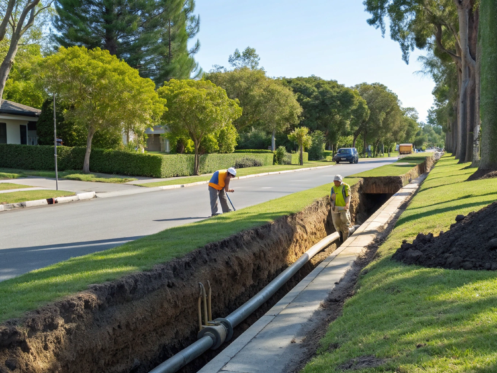
Few home repair issues cause as much stress as a problem with your main sewer line. The signs—slow drains, gurgling toilets, or unpleasant odors—are bad enough, but the traditional solution often seems worse. For years, fixing a broken sewer pipe meant digging a massive trench right through your yard, destroying lawns, gardens, and even driveways in the process. Thankfully, that disruptive and costly approach is no longer your only option. Modern technology offers a far better way. This guide is all about trenchless sewer replacement, a minimally invasive method that fixes your pipes from the inside out, saving your property and your sanity.
Key Takeaways
- Protect your property and save time: Trenchless repair fixes your sewer line without digging up your yard. Since it only needs a couple of small access points, your landscaping stays intact and the entire job is usually finished in just one day.
- A camera inspection is the crucial first step: This no-dig method isn’t a fit for every situation, especially with collapsed pipes. A professional camera inspection is the only way to accurately diagnose the problem and confirm if your pipes are a good candidate for the procedure.
- Consider the total project cost: While the initial quote for trenchless repair can be higher, it eliminates the expensive secondary costs of restoring your lawn, patio, or driveway. You’re investing in a seamless, durable pipe designed to last 50+ years, making it a smarter financial choice in the long run.
What Is Trenchless Sewer Replacement?
If you’ve ever pictured a sewer line replacement, you probably imagine a giant trench cutting through your beautiful lawn, destroying flowerbeds and maybe even a driveway. For a long time, that was the only way. Thankfully, there’s a better option now. Trenchless sewer replacement is a modern method for repairing and replacing damaged drains and sewer lines without having to dig up your entire yard.
Think of it as minimally invasive surgery for your pipes. Instead of excavating the whole length of the pipe, our technicians can fix the problem from just one or two small access points. This approach saves your landscaping, is much faster than traditional methods, and leaves you with a brand-new, durable pipe that will last for decades. It’s an efficient and effective solution for cracks, leaks, tree root invasions, and general deterioration in your home’s main sewer line. By avoiding the massive disruption of digging, you get your plumbing system back in working order with far less hassle.
How It Works
The trenchless process is straightforward and methodical. First, we perform a camera inspection to get a clear look inside your pipes and pinpoint the exact location and nature of the problem. Once we have a diagnosis, we thoroughly clean the damaged pipe to remove any debris or blockages. This step is crucial for ensuring the new pipe or liner adheres properly.
Next, depending on the chosen method, we either insert a flexible, resin-coated liner into the old pipe or use a bursting head to break the old pipe apart while pulling a new one into place. After the new pipe or liner is positioned, it’s left to cure and harden, effectively creating a strong, seamless new pipe. Finally, we do one last camera inspection to make sure everything is perfect. This process of putting a new lining inside the old pipe makes it stronger and more resilient.
The Two Main Methods: Pipe Lining vs. Pipe Bursting
There are two primary techniques used in trenchless replacement, and the right one for you depends on the condition of your existing pipes. The first is pipe lining, also known as Cured-in-Place Pipe (CIPP). With this method, a flexible tube coated in resin is inserted into the damaged pipe. It’s then inflated, pressing the resin against the walls of the old pipe. The resin hardens, creating a brand new, strong plastic pipe that is seamless and corrosion-resistant.
The second method is pipe bursting. This technique is used when the existing pipe is too damaged for lining. A new, high-density polyethylene (HDPE) pipe is pulled through the old one, while a specialized bursting head shatters the old pipe outward into the surrounding soil. This process simultaneously breaks apart the old pipe and lays a new, continuous pipe in its place. Both methods are incredibly effective, and our team can help you determine which is the best fit for your home.
The Benefits of Going Trenchless
When you hear “sewer line replacement,” you probably picture a giant trench cutting through your beautiful Tucson lawn. For years, that was the only way. But modern technology offers a much better alternative. Trenchless sewer repair gives you all the benefits of a brand-new pipe without turning your yard into a construction site. It’s a smarter, cleaner, and often more practical approach to a problem every homeowner dreads. Let’s look at why so many people are choosing this no-dig solution.
Save Your Landscaping (and Your Sanity)
You’ve spent countless hours and a good amount of money making your yard a place you love. The thought of a backhoe digging it all up is enough to cause a major headache. This is where trenchless repair truly shines. Because the process requires only a couple of small access points, your lawn, garden beds, driveway, and walkways remain almost completely untouched. We can fix your drains and sewer lines without destroying your landscaping. It’s a huge relief knowing that a major plumbing repair won’t force you to start over with your outdoor space.
Finish the Job Faster
A traditional sewer replacement can drag on for days, sometimes even a week. That means a constant disruption to your routine, with workers and equipment taking over your property. Trenchless sewer replacement is incredibly efficient in comparison. Most projects are completed in just a single day. You can leave for work in the morning and come home to a fully functional, brand-new sewer line without the prolonged mess and inconvenience. This speed means you get your home—and your life—back to normal as quickly as possible. It’s a streamlined process designed for modern homeowners.
Get a Long-Lasting, Durable Solution
Choosing a trenchless replacement isn’t just about convenience; it’s about investing in a high-quality, long-term solution. The new pipe liners are made from a durable epoxy resin that creates a seamless, jointless pipe within your old one. This new pipe is resistant to rust, corrosion, and invasive tree roots, which are common culprits in pipe damage. These modern materials are incredibly tough and are designed to last for 50 years or more. You get the peace of mind that comes with a durable, reliable fix for your home’s essential residential plumbing system.
A Greener Choice for Your Property
It might seem counterintuitive, but the less you disturb the ground, the better it is for the environment. Trenchless methods are a more eco-friendly choice because they leave the surrounding ecosystem intact. There’s no need for heavy machinery to spend days digging up your yard, which means less fuel consumption and fewer emissions. By preserving your soil, trees, and plants, you’re also protecting the natural habitat for local wildlife. This approach minimizes your project’s carbon footprint and keeps your property healthy, making it a responsible choice for both your home and the environment.
Potential Downsides to Consider
Trenchless sewer replacement is a fantastic technology, but it’s not the perfect solution for every single situation. Like any major home repair, it’s important to go in with a clear understanding of the potential limitations. Being aware of these factors helps you ask the right questions and work with your technician to find the best possible fix for your home. While the benefits like saving your lawn and finishing the job faster are huge, this method has specific requirements to be successful. Sometimes, the condition of the existing pipe or the layout of your property makes a traditional repair the smarter, more reliable choice. Our philosophy is to be transparent and recommend the solution that will serve you best in the long run, not just the one that sounds the most high-tech. By looking at the full picture—the pros and the potential cons—you can feel confident in your decision. Let’s walk through a few key considerations to keep in mind.
The Upfront Investment
Let’s be honest: the initial quote for a trenchless repair can sometimes be higher than a traditional dig-and-replace job. This is because the technology and equipment are more specialized. However, it’s crucial to look at the total project cost. Traditional methods often come with expensive secondary costs, like hiring a landscaper to fix your torn-up yard, a contractor to repave your driveway, or even a mason to rebuild a retaining wall. When you factor in the cost of restoring your property, trenchless methods are often more cost-effective in the long run. You’re not just paying for a pipe repair; you’re paying to keep your property intact.
It’s Not a Fit for Every Pipe
Trenchless methods work by using the existing damaged pipe as a guide or host. But what if that pipe is completely collapsed or has severe sags (known as “bellies”)? In these cases, there might not be a clear path for the new lining or pipe to follow. If the original pipe is too crushed or offset, a trenchless repair simply isn’t possible, and a traditional excavation becomes the only viable option. This is exactly why a thorough camera inspection is the essential first step in any sewer line service; it tells us exactly what we’re dealing with underground and whether your pipes are a good candidate for this no-dig approach.
Potential Access and Installation Hurdles
The success of a trenchless repair also depends on the conditions surrounding the pipe. We need small access points at either end of the section being repaired, and if those areas are obstructed or inaccessible, it can complicate the job. The type of pipe material also matters; some older materials don’t respond well to certain trenchless techniques. Additionally, the soil composition around the pipe or the proximity of other utility lines can present challenges that require careful planning. A professional assessment will evaluate all these factors to confirm if a trenchless approach is feasible and safe for your specific property.
Limitations with Certain Types of Damage
Trenchless pipe lining is an excellent solution for fixing cracks, leaks, and root intrusion in a pipe that is still structurally intact. However, it’s not designed to fix major structural failures. Think of it as creating a strong new pipe within the old one—if the old pipe has completely crumbled or has massive gaps, there’s nothing for the liner to properly bond to. For this kind of severe damage, pipe bursting (another trenchless method) or a traditional replacement might be the more reliable and long-lasting solution. Our goal is always to provide a permanent fix, not a temporary patch, so we’ll always recommend the method that best addresses the specific type of damage you have.
Trenchless vs. Traditional: A Head-to-Head Comparison
When you’re facing a major sewer line issue, the repair method you choose makes a huge difference. The old-school approach involves digging a massive trench, while modern trenchless technology offers a less disruptive alternative. Let’s put them side-by-side to see how they really stack up.
Property Impact: Dig vs. No-Dig
The most obvious difference between these two methods is what happens to your yard. Traditional sewer repair requires excavating a long, deep trench directly over the damaged pipe. This means tearing up everything in its path—your lawn, flower beds, patio, or even your driveway. After the repair, you’re left with the extra cost and headache of restoring your property.
Trenchless repair, on the other hand, is designed to be minimally invasive. Our technicians typically only need to dig one or two small access points to reach the pipe. This no-dig approach keeps your landscaping intact and avoids turning your yard into a construction zone. It’s a much cleaner and less stressful way to handle complex drains and sewer problems.
Comparing Project Timelines
Your time is valuable, and a lengthy repair project can throw your whole life off track. A traditional sewer replacement can take several days, sometimes even a week, from start to finish. During that time, you’ll have a crew and heavy machinery on your property, creating constant noise and disruption.
This is where trenchless methods truly shine. Because there’s no major excavation involved, the entire process is significantly faster. Most trenchless sewer replacements can be completed in just a day or two. You get your plumbing system back up and running quickly, without having to put your life on hold for a week-long construction project. It’s a faster, more efficient solution that minimizes the inconvenience to you and your family.
A Look at the Overall Costs
At first glance, the upfront cost of trenchless repair can sometimes be similar to or slightly higher than traditional methods. However, it’s crucial to look at the total project cost. With a traditional dig, the initial quote doesn’t include the thousands of dollars you might have to spend on post-project restoration. Think about the cost of re-sodding your lawn, replanting your garden, or repaving a section of your driveway.
These extra expenses are virtually eliminated with trenchless repair. The price you’re quoted is a much more accurate reflection of your final out-of-pocket cost. By avoiding extensive landscape damage, you save a significant amount of money and effort in the long run. If you’re curious about pricing for your specific situation, you can always schedule an online consultation with our team.
Which Offers Better Long-Term Value?
A sewer line replacement is a major investment, so you want a solution that will last. Traditional repairs often involve replacing a section of pipe with materials that are still vulnerable to the same old problems, like root intrusion at the joints.
Trenchless methods provide a superior, longer-lasting fix. Techniques like pipe lining create a seamless, joint-free pipe within your old one. This new pipe is made from durable epoxy resin that resists corrosion, cracks, and tree roots. These modern materials are incredibly tough and are designed to last for 50 years or more. You’re not just patching the problem; you’re installing a brand-new, high-performance pipe that adds significant long-term value and peace of mind to your home’s residential plumbing system.
Is Trenchless Replacement Right for Your Home?
Trenchless sewer replacement is a fantastic, modern solution for pipe problems, but it isn’t the right fit for every single situation. Think of it like a medical procedure—you need a proper diagnosis before you can decide on the best treatment. The only way to know for sure if this no-dig method will work for your property is to have a professional take a look. Several factors, from the type of pipe you have to the specific damage it’s sustained, will determine whether trenchless is the smartest path forward.
An expert evaluation gives you a clear picture of what’s happening underground. It helps us understand the extent of the problem and confirm if your home’s plumbing system is a good candidate for pipe lining or bursting. This initial step saves you from investing in a solution that might not be effective and ensures the repair will last for decades to come. Our team specializes in thorough drains and sewer assessments to give you complete peace of mind.
Why a Professional Inspection Comes First
Before we can recommend any solution, we need to see exactly what we’re dealing with. That’s why the first step is always a professional sewer camera inspection. We guide a high-resolution camera through your sewer line to get a real-time view of the pipe’s interior. This process is non-invasive and gives us the critical information we need to diagnose the problem accurately. It takes all the guesswork out of the equation. Instead of assuming the cause of your slow drains or backups, we can pinpoint the exact location and nature of the damage, ensuring our recommendation is tailored to your home’s specific needs.
What We Look for in Your Pipes
During the camera inspection, we’re on the lookout for a variety of issues. Older pipes, often made of materials like cast iron or clay, can face numerous problems over time. We check for cracks, corrosion, and separated joints that can lead to leaks and soil contamination. One of the most common culprits we find is tree root intrusion, where roots have forced their way into the pipe in search of water, causing significant blockages and damage. We also assess the overall structural integrity of the pipe to determine if it’s strong enough for a trenchless method like pipe lining or if it has collapsed to a point where a different approach is necessary.
Common Reasons It Might Not Work
While trenchless repair is incredibly versatile, it’s not a universal fix. Certain conditions can make it unsuitable for your property. For example, if the existing pipe is severely collapsed or has “bellies” (dips where water and waste collect), trenchless methods might not be effective. The original pipe needs to be stable enough to act as a host for a new liner or to be burst apart. Additionally, some pipe materials or extensive, widespread damage might be better handled with a traditional excavation. Our goal is to provide a lasting solution, and if a trenchless repair won’t deliver that, we’ll explain exactly why and what your best alternative is.
How Your Property’s Layout Plays a Role
The layout of your property is another key factor. Trenchless methods require small access points at the beginning and end of the damaged pipe section. In most cases, these are easy to create without disturbing your yard. However, if your sewer line is located under a new home addition, a large, established tree you want to save, or other permanent structures, accessing it can be tricky. We carefully evaluate your property to ensure we can perform the work efficiently and safely. The good news is that even in complex situations, trenchless repair is often the best way to avoid tearing up your beautiful landscaping, driveway, or patio. If you’re curious about your options, the best next step is to schedule an inspection with our team.
What Factors Affect the Cost of Trenchless Repair?
When you’re looking at a major home repair, the first question is almost always, “How much is this going to cost?” With trenchless sewer replacement, there isn’t a simple, one-size-fits-all price tag. The final cost depends on the specifics of your home and your sewer line issues. Think of it less like buying a product off the shelf and more like commissioning a custom solution for your property.
Several key factors come into play, from the size of your pipes to the ground they’re buried in. Understanding these variables can help you see what goes into a quote and why a professional inspection is the only way to get an accurate price. At Fusion Plumbing & Air, we believe in transparency, so let’s walk through the main elements that influence the cost of your drains and sewer repair.
The Length and Diameter of Your Pipe
It might seem obvious, but the size of the pipe we’re working on is a primary driver of cost. A longer stretch of damaged pipe requires more materials for the new lining or replacement pipe, as well as more labor to complete the job. It’s a simple matter of scale—repairing 100 feet of pipe will cost more than repairing 20 feet.
Similarly, the pipe’s diameter plays a big role. Wider pipes need more of the epoxy resin for lining or a larger replacement pipe for bursting. These materials are the core of the repair, so the more we need, the higher the material cost will be. During our initial camera inspection, we’ll measure the exact length and diameter to give you a precise estimate.
How the Method Affects the Price
Trenchless repair isn’t just one technique; it’s a category of solutions. The two most common methods, pipe lining and pipe bursting, have different processes and associated costs. But the biggest price comparison is between trenchless and traditional methods. While a traditional dig-and-replace job might sometimes have a lower upfront quote, it comes with significant hidden costs.
With traditional methods, you’re not just paying for the pipe repair. You’re also paying to have your yard, driveway, patio, or garden beds torn up and then put back together. Those restoration costs can add thousands to the final bill. Trenchless methods avoid that entirely, making them a more cost-effective and less disruptive choice when you consider the total project expense.
Your Property’s Unique Conditions
Every property in Tucson is different, and the unique conditions of your home can affect the project’s complexity and cost. For example, the depth of your sewer line matters—deeper pipes can be more challenging to access. The type of soil around the pipe can also be a factor; hard, rocky soil can present different challenges than softer soil.
The condition of the existing pipe is another critical piece of the puzzle. A pipe with a few cracks is a more straightforward fix than one that has completely collapsed or is severely misaligned. The layout of your plumbing and the accessibility of the sewer line also play a part. That’s why we always start with a thorough inspection before recommending a solution or providing a quote. You can schedule an appointment online for us to come take a look.
The Quality of Materials Used
When you invest in a trenchless repair, you’re investing in a long-term solution for your home. The quality of the materials used is paramount to ensuring that solution lasts for decades. We use top-of-the-line epoxy resins for pipe lining and high-density polyethylene (HDPE) pipes for bursting. These materials are engineered to be incredibly durable.
The new pipe or liner is seamless, which eliminates the joints where tree roots typically invade. It’s also corrosion-proof and rust-proof, so it won’t degrade over time like old cast iron or clay pipes. While higher-quality materials may have a higher initial cost, they come with a much longer lifespan—often 50 years or more. This durability makes it a smart investment in your home’s residential plumbing system and your peace of mind.
How to Choose Between Pipe Lining and Pipe Bursting
When you hear “trenchless sewer repair,” you’re usually hearing about one of two highly effective methods: pipe lining or pipe bursting. While both save your yard from excavation, they solve different types of problems. Think of it like fixing a wall—sometimes you just need to patch a hole, and other times you need to replace the entire section of drywall. The right choice depends entirely on the condition of your existing pipes.
Pipe Lining: What It Is and When to Use It
Pipe lining is a clever way to create a brand-new pipe directly inside your old one. We start by cleaning the existing pipe and then inserting a flexible, epoxy-saturated liner. Once it’s in place, we inflate it and let it cure, forming a hard, seamless, and durable pipe that seals off any cracks or leaks. This method is the perfect solution when your host pipe is still structurally sound but has issues like root intrusion, small cracks, or corrosion. If your drains and sewer lines are problematic but not completely collapsed, pipe lining is often the most efficient and cost-effective fix.
Pipe Bursting: How It Works and Its Advantages
If your sewer line is too damaged for lining, pipe bursting is the answer. This method is a full-on replacement. We guide a new, high-density polyethylene (HDPE) pipe through the old one using a powerful hydraulic system. As the new pipe is pulled through, a “bursting head” at the front breaks the old, damaged pipe apart. Pipe bursting is the go-to technique for pipes that are collapsed, severely broken, or have extensive root damage. One of its biggest advantages is that we can often use it to increase the size of your sewer line, improving your home’s overall flow and capacity.
Comparing Material Options
One of the great things about trenchless technology is its versatility. Both lining and bursting can be used on common sewer pipe materials, including older ones like concrete, cast iron, or clay. You don’t have to worry if your home has outdated pipes; these modern methods are designed to work with them. The new materials we install offer a major upgrade. The epoxy liner creates a jointless, corrosion-proof surface that roots can’t penetrate. Similarly, the HDPE pipes used in bursting are incredibly tough, flexible, and have a lifespan of 50 years or more, offering a long-term, reliable solution.
Key Factors in Your Decision
So, how do you know which method is right for your home? The decision almost always comes down to the condition of the existing pipe. If the pipe is completely collapsed or has large sections missing, lining isn’t an option because it needs a host pipe to mold into. In that case, pipe bursting is the clear winner. The only way to know for sure is with a professional sewer camera inspection. A camera gives us a clear view of what’s happening inside your pipes, allowing us to identify the exact problem and its severity. The first step is to schedule an inspection so we can find the best path forward.
What to Expect During the Replacement Process
Knowing what’s coming can make any home repair project feel much more manageable. A trenchless sewer replacement is a surprisingly streamlined process, and our team makes sure you’re in the loop from start to finish. We handle all the technical details, but we want you to feel confident and informed about what’s happening on your property. From the initial prep work to the final cleanup, here’s a clear look at how we get your sewer lines back in perfect working order with minimal disruption to your life.
Before We Arrive: The Prep Work
As a homeowner, you’re responsible for the sewer line that connects your house to the city’s main. Over time, these pipes—often made of older materials like cast iron or clay—can crack, corrode, or get invaded by tree roots. Before we begin, our first step is to confirm the issue and map out the best approach. We’ll identify the access points we need to use and ensure the area is clear. You won’t have to do much, but we’ll communicate everything clearly so you know exactly what to expect before our trucks pull up.
During the Installation: A Step-by-Step Look
The magic of trenchless repair happens below the surface. First, we send a specialized camera into the pipe to get a clear view of the damage. Next, we thoroughly clean the pipe to remove any blockages. Then, depending on the method, we’ll either insert a flexible, resin-coated liner that hardens into a brand-new pipe or use a bursting head to break apart the old pipe while pulling a new one into place. This entire drains and sewer service is typically completed through small entry and exit points, and most jobs are finished within a single day.
Final Checks and Quality Testing
We never pack up until we’re certain the job is done right. Once the new pipe is in place, we perform a final video inspection. We send the camera back through the line to verify that the liner has cured perfectly and the pipe is seamless, durable, and completely free of obstructions. This quality check is our promise to you that your new sewer line is ready to handle everything your home throws at it for decades to come. Your peace of mind is our top priority, and this final step ensures it.
Cleanup and Getting Your Yard Back to Normal
This is where trenchless replacement truly shines. Because we didn’t have to dig a massive trench across your property, the cleanup process is incredibly simple. We restore the small access points we used, pack up our equipment, and leave your yard looking just as it did when we arrived. You won’t have to worry about the extra cost of replanting your lawn or repairing a damaged driveway. Your residential plumbing system will be completely renewed without the mess, getting your home and your life back to normal right away.
How Long Do Trenchless Sewer Pipes Last?
When you invest in a major home repair like replacing your sewer line, you want to know it’s going to last. One of the biggest advantages of trenchless technology is its incredible longevity. Unlike old-school pipe materials that might have you calling a plumber every few years, a new trenchless sewer line is a durable, long-term solution that gives you peace of mind for decades. It’s not just a patch; it’s a permanent upgrade for your home’s plumbing system.
Expected Lifespan of New Pipes
Let’s get straight to the point: you can expect your new trenchless sewer pipes to last for at least 50 years. In many cases, they can last even longer with proper care. The modern materials used, like epoxy resin liners, are engineered to withstand the test of time. They create a seamless, joint-free pipe within your old one that is far more resilient than traditional materials like clay or cast iron. This means you won’t have to worry about the same cracks, leaks, or root intrusions that likely caused the original problem. It’s a one-and-done solution for the vast majority of homeowners.
What Affects Your Pipe’s Durability
So, what makes these new pipes so tough? It comes down to the materials. The epoxy liners used in trenchless repair are incredibly strong yet flexible, allowing them to handle shifting soil and temperature changes without cracking. They are also completely resistant to rust and corrosion, which is a major cause of failure in older metal pipes. Because the new pipe is seamless, it eliminates the joints found in traditional pipes—which are notorious weak spots where tree roots can force their way in. This modern approach to drains and sewer repair creates a stronger, more reliable pipeline from your home to the city main.
Simple Maintenance for a Long Life
While trenchless pipes are incredibly low-maintenance, a little care goes a long way in making them last well beyond their 50-year life expectancy. The best thing you can do is be mindful of what goes down your drains. Avoid pouring grease, oil, and harsh chemicals down the sink, and only flush toilet paper. To keep things flowing smoothly, consider having a professional camera inspection and cleaning every few years. This helps prevent any potential buildup and ensures your investment is protected. Our maintenance agreement is a great way to stay on top of this without having to think about it.
Understanding Your Warranty
A long-lasting product should always come with a strong warranty, and trenchless sewer replacement is no exception. Reputable installers will offer a substantial warranty that often covers the work for decades, giving you an extra layer of confidence in your investment. This warranty typically covers both the high-quality materials used and the professional installation. It’s a testament to the reliability of the technology and the skill of the technicians. When you get an estimate, always ask about the specifics of the warranty so you know exactly what’s covered and for how long. You can schedule a consultation with us to learn more about our process and warranty.
Debunking Common Myths About Trenchless Repair
Trenchless sewer repair is a fantastic modern solution, but it’s surrounded by a few persistent myths. Let’s clear the air and separate fact from fiction so you can make a confident choice for your home.
Myth vs. Reality: The Cost
A common myth is that trenchless repair is always the more expensive option. While the initial quote might seem higher, it often costs less when you look at the big picture. Traditional repairs come with significant extra costs for restoring your lawn, driveway, or patio after the digging is done. Trenchless methods avoid that collateral damage, saving you money and a major headache. When you compare the total project costs, the no-dig approach is frequently the more budget-friendly choice in the long run.
Myth vs. Reality: Reliability and Effectiveness
Many people worry that a no-dig repair can’t be as reliable as a full replacement. The truth is, trenchless technology creates a brand-new, seamless pipe that is often stronger than the original. The epoxy-resin liners we use are corrosion-proof and impenetrable to tree roots, eliminating the weak points found in old, jointed pipes. This modern approach provides a truly long-lasting solution for your home’s drains and sewer lines, giving you peace of mind for decades to come.
Myth vs. Reality: Environmental Impact
There’s a misconception that all major sewer work is bad for the environment. In reality, trenchless methods are the more eco-friendly choice. By leaving your landscape intact, this no-dig approach preserves trees, gardens, and local ecosystems. It also significantly reduces the project’s carbon footprint by eliminating the need for heavy excavation equipment that burns fuel and compacts soil. You get your pipes fixed with minimal disruption to your property and the world around you, making it a greener repair option.
Myth vs. Reality: Future Maintenance Needs
Some homeowners believe trenchless repair is a temporary patch that will require more work soon. The opposite is true—these solutions are designed to be permanent and require less upkeep. The new, jointless pipe is incredibly resilient against common issues like root intrusion and shifting soil. Because the pipe is seamless and made of durable materials, you can expect decades of worry-free performance. It’s a proactive investment that provides a long-lasting fix, not a temporary patch that will need attention again in a few years.
Related Articles
- Sewer Line Repair & Replacement Tucson, AZ | Fusion Plumbing
- Sewer Camera Inspection Tucson, AZ | Fusion Plumbing
- Drain and Sewer Company Tucson, AZ | Sewer Drain | Fusion
- Our Services | Fusion Plumbing & Air | Tucson, AZ
- Signs that my Sewer Line is Broken | Fusion Plumbing
Frequently Asked Questions
How can you replace a pipe without digging up my entire yard? It sounds a bit like magic, but it’s just smart technology. Instead of digging a long trench, we use one or two small access points to do all the work underground. From there, we can either insert a new, durable liner inside the old pipe or pull a brand-new pipe through while breaking the old one apart. Your lawn, garden, and driveway stay almost completely untouched.
Is trenchless repair a good option for older homes in Tucson? Absolutely. Many older homes have original sewer lines made of clay or cast iron, which are prone to cracks and root intrusion. Trenchless methods are specifically designed to work with these materials. We can line them or burst them to install a modern, seamless pipe that will last for decades, all without disturbing the character of your established property.
How do I know if my pipes are too damaged for a trenchless solution? The only way to know for sure is with a professional camera inspection. We guide a camera through the line to see exactly what’s going on. Generally, if the pipe is still somewhat intact, even with cracks or root damage, pipe lining is a great option. If the pipe has completely collapsed in on itself, we may need to use a different method, but the camera inspection removes all the guesswork.
Does “trenchless” mean the process is faster than traditional repairs? Yes, significantly faster. A traditional sewer replacement can disrupt your home for a week or more with all the digging and restoration work. Most trenchless projects, on the other hand, are completed in just a day or two. You get a permanent fix without having your life turned upside down by a prolonged construction project on your front lawn.
Is trenchless sewer replacement more expensive than the traditional digging method? When you look at the total project cost, trenchless repair is often the more cost-effective choice. While the initial quote might be similar to a traditional dig, it doesn’t come with the hidden costs of rebuilding your landscaping, repaving your driveway, or fixing a patio. You’re paying for the pipe repair, not for a complete yard renovation afterward.