
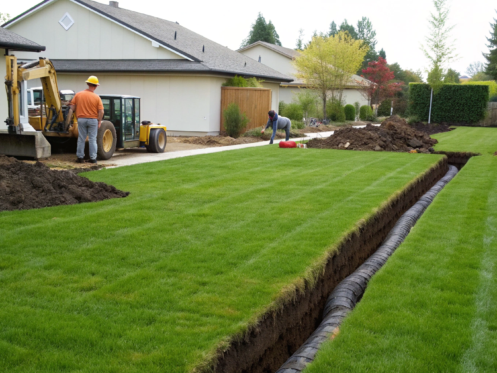
Slow drains, strange gurgling sounds, and unpleasant odors are more than just minor annoyances—they’re often the first signs of a serious sewer line problem. The diagnosis alone can be stressful, and the thought of a repair that tears up your entire lawn only adds to the anxiety. But what if you could fix the problem without destroying your property? That’s exactly what trenchless sewer replacement offers. This modern technique allows our technicians to repair your pipes from the inside out, often through just a couple of small access points. It’s an efficient, effective solution that fixes the issue without the collateral damage.
Key Takeaways
- Preserve Your Yard and Save Time: Trenchless sewer replacement uses small entry points to repair pipes from within, avoiding the destructive trenching that ruins lawns and driveways. This modern approach is also much faster, often completed in a single day.
- Get a Long-Term Fix Without Hidden Costs: The real savings from trenchless repair come from avoiding expensive landscape restoration. You also get a durable, seamless pipe that resists root intrusion and is designed to last for 50 years or more.
- A Camera Inspection Determines the Right Solution: Trenchless methods aren’t a fit for every problem, especially severely collapsed pipes. A professional camera inspection is the only way to see the true condition of your sewer line and confirm if this is the best approach for your home.
What is Trenchless Sewer Replacement?
Dealing with a broken sewer line used to mean one thing: a giant trench dug right through your beautiful Tucson yard. The thought of wrecking your landscaping, driveway, or patio just to fix a pipe is enough to cause a headache. Thankfully, there’s a modern alternative. Trenchless sewer replacement is a less invasive method for repairing or replacing underground pipes without the need for extensive excavation.
Think of it as keyhole surgery for your plumbing system. Instead of digging a long, disruptive trench, our technicians can often access the damaged pipe through a couple of small entry points. From there, we can address all sorts of common sewer line problems, from cracks and leaks caused by shifting soil to blockages from invasive tree roots. This approach saves your yard from destruction, gets the job done faster, and provides a durable, long-lasting solution to your sewer woes. It’s a smarter way to handle a tough problem, protecting your property and your peace of mind.
How Does It Work?
The trenchless process is surprisingly straightforward. First, our technicians perform a video camera inspection by sending a specialized camera down the sewer line. This lets us see exactly what’s wrong and where the problem is located without any guesswork. Once we’ve diagnosed the issue, we thoroughly clean the inside of the existing pipe to remove any debris or roots. Then, we insert a flexible, resin-coated liner into the old pipe. After it’s in place, the liner is inflated and left to cure, creating a brand new, seamless pipe right inside the old one.
Common Trenchless Methods
There are two primary methods used in trenchless sewer repair, and the right one depends on your pipe’s condition. The most common technique is Cured-In-Place Pipe (CIPP) lining, which is the “pipe-within-a-pipe” method described above. It’s perfect for repairing pipes with cracks or root intrusion. The other method is pipe bursting. This technique is used when the original pipe is too damaged to be lined. A machine pulls a new pipe through the old one, fracturing the old pipe outward while simultaneously laying the new one in its place. Our team will always assess your specific situation to determine which solution is the best fit for your home.
The Perks of Going Trenchless
When you hear “sewer repair,” you probably picture a giant trench cutting through your beautiful Tucson lawn. For years, that was the reality. But modern plumbing has a much smarter, less invasive solution. Trenchless sewer replacement offers some serious advantages over the old-school dig-and-replace method. It’s not just about avoiding a mess; it’s about saving time, money on landscaping repairs, and getting a high-quality, long-lasting fix. If you’re facing sewer line problems, understanding these perks can help you make a confident decision for your home. Let’s look at the biggest benefits.
Save Your Yard from Major Digging
This is the benefit that gets most homeowners excited. Traditional sewer repair involves excavating a long, deep trench along the entire length of the damaged pipe. This means tearing up your lawn, flowerbeds, and potentially even your driveway or patio. With trenchless methods, we avoid all that destruction. Instead, our technicians typically only need to dig one or two small access points to reach the pipe. This modern approach allows us to fix your drains and sewer lines without digging up your whole yard. Your landscaping stays intact, saving you the headache and expense of major restoration work after the job is done.
Get the Job Done Faster
A broken sewer line can bring your entire household to a halt. The last thing you want is a repair that drags on for days. Traditional sewer replacement can be a lengthy process, often taking a week or more from start to finish. Trenchless technology, on the other hand, is incredibly efficient. Because there’s no major excavation involved, the repair itself is much quicker. In many cases, the job can be done in about 24 hours. This means less disruption for your family and a faster return to your normal routine. You get your plumbing back in working order without having your property turned into a construction zone for an extended period.
A Durable, Eco-Friendly Solution
Going trenchless isn’t just a quick fix; it’s a long-term investment in your home’s plumbing. The materials used, like seamless epoxy liners, create a new pipe within the old one that is incredibly strong and corrosion-resistant. These new pipes are designed to fend off common issues like root intrusion and leaks for a very long time. In fact, trenchless pipes usually last for at least 50 years, giving you peace of mind for decades. Plus, by avoiding extensive digging, this method is better for the environment. It minimizes soil disruption and reduces the need for heavy machinery, making it a greener choice for your sewer line repair.
Potential Downsides to Consider
Trenchless sewer replacement is a fantastic technology, but it’s important to go in with a clear picture. Like any home repair method, it has specific applications and isn’t the perfect solution for every single situation. Understanding its limitations helps you make the best choice for your home and budget. Let’s walk through a few scenarios where trenchless might not be the answer and clear up some common myths so you can feel confident in your decision.
When It Might Not Be the Right Fit
The biggest factor determining if trenchless repair is right for you is the condition of your existing sewer line. If the pipe is completely collapsed, has extensive corrosion, or has severe sags (known as “bellies”), trenchless methods might not be an option. Pipe lining, for example, needs a relatively intact pipe to create a new seal inside. If the original pipe is too far gone, there’s simply nothing for the new liner to bond to. In these more severe cases, a traditional excavation is often the only way to fully replace the damaged section and ensure your drains and sewer system functions properly for years to come.
Understanding Its Limitations
Even if your pipe seems like a candidate, there are still some limitations to keep in mind. A pipe that has shifted significantly or has multiple sharp bends can be tricky for trenchless methods. While rare, a trenchless repair can sometimes fail, especially if not performed by an experienced team. This is why a thorough camera inspection is non-negotiable before any work begins. A professional will be able to tell you if your pipe’s condition makes it a poor candidate and if trenchless sewer replacement is truly the best path forward, preventing a costly mistake down the road.
Busting Common Myths
One of the most common myths is about cost. While people assume trenchless is always the cheaper option, the reality is a bit more nuanced. The upfront cost for the trenchless procedure itself can be similar to traditional digging. The major savings come from what you don’t have to pay for afterward. Because it avoids destroying your yard, driveway, or patio, you can avoid the costs associated with extensive landscape and hardscape restoration. So, when you look at the total project cost—from start to finish—trenchless often proves to be the more economical choice for your home.
How Long Do Trenchless Sewer Pipes Last?
When you invest in a major home repair like a sewer line replacement, you want it to last. It’s a big project, and the last thing you want is to worry about it again in a few years. Thankfully, one of the biggest perks of trenchless technology is its incredible durability. So, how long can you expect your new sewer pipes to hold up? The short answer: a very long time. Industry experts find that trenchless pipes usually last for at least 50 years, and with good care, they can often last even longer.
This impressive lifespan isn’t just a happy accident; it’s a result of smart engineering. The process essentially creates a brand-new, seamless pipe right inside your old one. This “pipe-within-a-pipe” is often stronger and more resilient than the original pipe ever was. It’s a true long-term solution that provides peace of mind, knowing your home’s most critical plumbing is secure for decades to come. This reliability is a huge reason why so many homeowners in Tucson are choosing this modern approach for their drains and sewer system. The longevity really comes down to two key factors: the advanced materials used to create the new pipe and the way the finished pipe stands up to its surrounding environment.
How Pipe Materials Affect Lifespan
The secret to the long life of trenchless pipes is all in the materials. Instead of using traditional pipes made of clay or cast iron, which have joints and can become brittle over time, trenchless pipe lining uses a flexible, resin-coated tube. This liner is inserted into the old pipe and then cured in place, hardening into a brand-new, seamless pipe.
These modern materials are engineered to be incredibly tough. They’re flexible enough to withstand ground shifting, they don’t rust or corrode, and they can easily handle the normal changes in temperature and exposure to household chemicals. This resilience means you get a pipe that maintains its structural integrity for decades, preventing the common cracks and leaks that plague older sewer systems.
The Impact of Your Environment
Your new trenchless pipe isn’t just strong on its own—it’s also expertly designed to defend against threats from the outside, particularly invasive tree roots. The cured-in-place lining creates a perfectly smooth, jointless inner pipe. While this slick surface is great for preventing waste buildup and ensuring good flow, its biggest advantage is that it helps stop leaks and keeps tree roots from growing inside.
Tree root intrusion is one of the top causes of sewer line failure. Roots are naturally drawn to water sources and can easily work their way into the tiny cracks and joints of older pipes, causing serious blockages and breaks. The seamless, impenetrable barrier of a trenchless liner effectively seals them out for good, protecting your yard from messy backups and your pipe from damage.
Trenchless vs. Traditional: A Cost Breakdown
When you’re facing a major sewer line repair, the cost is naturally a top concern. It’s easy to just compare the initial quotes, but that doesn’t tell the whole story. The true cost of a sewer replacement involves more than just the price of the pipe. You have to consider the labor involved, the cost of repairing your property afterward, and the long-term value of the repair. Let’s break down how trenchless and traditional methods stack up in each of these areas so you can make an informed decision for your home.
Comparing Upfront Costs
At first glance, you might assume that a high-tech solution like trenchless replacement comes with a higher price tag. That’s not always the case. Because trenchless repair is often faster and requires less intensive labor than traditional digging, the upfront cost can actually be lower. Traditional methods involve hours of excavation with heavy machinery and a larger crew. Trenchless methods, on the other hand, are more efficient. While every project is different, the reduced time and labor needed for a trenchless job can lead to significant savings on the initial invoice.
Factoring in Restoration Expenses
This is where the cost difference between the two methods becomes crystal clear. A traditional sewer repair leaves a long, deep trench across your property. That means you’re not just paying for the pipe repair—you’re also on the hook for restoring your yard. Think about the cost of re-sodding your lawn, replanting flower beds, fixing a sprinkler system, or even repaving a driveway. These restoration expenses can add thousands to your final bill. Trenchless methods save your yard and landscaping from damage, which is a huge advantage when you need professional sewer line services. You won’t have to spend a dime on post-project cleanup, making trenchless the more affordable option overall.
Thinking About Long-Term Value
A sewer line replacement is an investment in your property, and it’s important to think about the return. Traditional repairs often involve replacing just one damaged section of an old pipe, which can be a temporary fix. Trenchless methods, like pipe lining, create a brand-new, seamless pipe inside the old one. This new pipe is incredibly durable, corrosion-resistant, and jointless, which eliminates weak spots where roots can intrude. In fact, trenchless pipes are designed to last for at least 50 years. This means you’re getting a much stronger, longer-lasting solution that provides peace of mind for decades to come.
Signs Your Sewer Line Needs Help
Your home’s plumbing system usually works quietly in the background, but when your main sewer line has a problem, it sends out some pretty clear signals. Ignoring them can lead to bigger, messier, and more expensive issues down the road. The key is knowing what to look for so you can act fast. Here are the tell-tale signs that your sewer line is asking for help.
Red Flags to Look For
If you notice one or two of these issues, it’s time to pay attention. Multiple signs happening at once are a strong indicator that your main sewer line is compromised. Watch out for frequent clogs in multiple drains, especially in toilets and tubs. If you’re constantly reaching for the plunger, the problem might not be in the individual drain but further down the line. Unpleasant sewage odors wafting from your drains or yard are another major red flag. Your plumbing is designed to be airtight, so any foul smells mean there’s a crack or break somewhere. Also, take note of any unusually lush, green patches of grass in your yard—a leaking sewer pipe can act as a fertilizer.
When to Call a Pro
Some plumbing issues can be a quick fix, but sewer line problems are not a DIY project. If you’re dealing with persistent clogs or any of the red flags mentioned above, it’s time to bring in a professional. A recurring problem won’t fix itself and often gets worse with time. The only way to know exactly what’s happening inside your pipes is with a professional camera inspection. A trained technician can send a camera down the line to pinpoint the exact location and cause of the issue, whether it’s tree roots, corrosion, or a collapsed pipe. Don’t wait for a major backup to flood your home; it’s always better to schedule an inspection and get a clear diagnosis.
Is Trenchless Sewer Replacement Right for You?
Trenchless sewer replacement is an incredible technology, but it isn’t the perfect solution for every single situation. Making the right choice for your home comes down to two key factors: the current condition of your sewer pipes and the physical layout of your property. Before you decide, it’s important to get a clear picture of what’s happening underground. Let’s walk through what you need to consider to determine if a trenchless approach is the best fit for your home and budget.
Evaluating Your Sewer’s Condition
The first step is always a professional assessment. The viability of trenchless repair heavily depends on the state of your existing sewer line. Older pipes, often made of cast iron or clay, can suffer from corrosion, cracks, and aggressive tree root intrusion. Trenchless methods like pipe lining require a host pipe to be structurally sound enough to support the new liner. If your pipe is completely collapsed or has severe sags (known as “bellies”), trenchless methods simply won’t work. A thorough camera inspection is the only way to know for sure, giving a technician a clear view of the damage and helping you avoid a failed repair.
Checking Your Property’s Layout
This is where trenchless technology really shines. Take a look at your yard. Is your sewer line buried under a beautiful, mature tree, a custom patio, or a brand-new driveway? If so, traditional excavation would mean destroying those features, leading to a huge mess and thousands in restoration costs. Trenchless replacement avoids all that by requiring only small access points at either end of the pipe. This makes it an ideal solution for preserving your landscaping and hardscaping. It’s not just about saving your yard—it’s about saving you time, stress, and the extra expense of putting your property back together, getting your home’s plumbing system back to normal with minimal disruption.
What to Expect During the Process
Deciding to replace your sewer line can feel like a huge undertaking, but the trenchless process is surprisingly straightforward and minimally invasive. Unlike old-school methods that turn your yard into a construction zone, this modern approach is designed to be efficient and clean. From the initial diagnosis to the final cure, a professional team handles everything with precision. Knowing the steps involved can help you feel more confident about the process. We’ll walk you through exactly what happens, so you know what to expect from start to finish.
The Initial Camera Inspection
Before any work begins, the first step is always a thorough diagnosis. We can’t fix a problem we can’t see, which is why we start with a video camera inspection. A technician will guide a small, high-resolution waterproof camera through your sewer line to get a clear picture of what’s going on inside. This allows us to pinpoint the exact location and nature of the damage—whether it’s a crack, a blockage from tree roots, or a collapsed section. This no-dig approach ensures we have an accurate assessment without any guesswork, allowing us to create the most effective and efficient repair plan for your home.
A Step-by-Step Timeline
Once we’ve identified the problem, the repair process can often be completed in about a day. First, we thoroughly clean the existing pipe to remove any debris or blockages. Next, a flexible, resin-coated liner is inserted into the old pipe from one small access point to another. We then inflate the liner, pressing it against the walls of the original pipe. The resin cures in place, hardening to form a brand-new, seamless pipe within the old one. This new pipe is incredibly durable and resistant to future root intrusion or cracks. When you’re ready to get started, you can schedule an appointment with our team.
Caring for Your New Pipes
One of the best parts of a trenchless sewer replacement is the longevity it offers. These new pipes are built to last, with a typical lifespan of 50 years or more. To ensure they reach their full potential, a little proactive care goes a long way. We recommend periodic check-ups and cleanings to prevent any potential buildup and keep things flowing smoothly. Just like any other major system in your home, regular maintenance is key to avoiding unexpected problems down the road. Our maintenance agreement can help you stay on top of your plumbing system’s health and protect your investment for decades to come.
How to Choose the Right Contractor
Choosing a contractor for a trenchless sewer replacement is a big deal. This isn’t just any plumbing fix; it’s a significant investment in your home’s infrastructure. The right team will not only do the job correctly but also give you peace of mind. The wrong one can lead to costly mistakes and future headaches. To make sure you’re in good hands, it’s important to do a little homework and ask the right questions from the start.
What to Look for in a Pro
Trenchless sewer repair requires more skill and experience than traditional digging, so it’s crucial to hire a plumbing company you trust. Look for a team that specializes in this modern technique, not just one that lists it as a side service. An experienced crew will have the right equipment and know-how to handle any surprises that come up. They should always start with a thorough camera inspection to accurately diagnose the problem with your sewer line. This step is non-negotiable—it shows they are committed to finding the exact cause of the issue before recommending a solution, ensuring you get the right fix the first time.
Key Questions to Ask Before You Hire
When you’re vetting potential contractors, don’t be shy about asking direct questions. This is your property, and you deserve to feel confident in the team you hire. Before you sign any contracts, make sure you get clear answers to these questions:
- What is your specific experience with trenchless methods? You want a team that has successfully completed many trenchless projects, not one that’s just learning the ropes.
- What kind of warranty do you offer? Ask about coverage for both the materials used and the labor performed. A strong warranty shows the company stands behind its work.
- Are your technicians licensed, bonded, and insured? This protects you and your property in case anything goes wrong during the project.
- Can you provide a detailed, itemized estimate? This helps you understand exactly what you’re paying for and avoids surprise fees later on.
Feeling ready to talk to an expert? You can always schedule an appointment with our team to get your questions answered.
Related Articles
- Sewer Line Repair & Replacement Tucson, AZ | Fusion Plumbing
- Sewer Camera Inspection Tucson, AZ | Fusion Plumbing
- Drain and Sewer Company Tucson, AZ | Sewer Drain | Fusion
- Our Services | Fusion Plumbing & Air | Tucson, AZ
- Signs that my Sewer Line is Broken | Fusion Plumbing
Frequently Asked Questions
How do I know if my pipes are too damaged for a trenchless repair? The only way to know for sure is with a professional camera inspection. Generally, trenchless lining works best when the original pipe is still mostly intact, even if it has cracks or root intrusion. If the pipe has completely collapsed or has severe sags, a traditional excavation might be the only option because there’s no host pipe left for the new liner to bond to.
Is the new liner pipe really as strong as a brand new pipe? Yes, and in many ways, it’s even better. The epoxy resin liner creates a seamless, jointless pipe that is incredibly durable and resistant to corrosion. Because there are no seams, it eliminates the weak points where tree roots typically invade. This new “pipe-within-a-pipe” is engineered to be stronger and more resilient than many traditional pipe materials, giving you a solution that is built to last for decades.
Will this process disrupt my water and sewer service for a long time? Not at all. One of the biggest advantages of trenchless repair is its efficiency. Because there’s no major digging involved, the entire process is much faster than a traditional replacement. In most cases, the work can be completed and your service can be fully restored in about a day, minimizing the disruption to your family’s routine.
Does trenchless repair work on any type of old pipe material? Trenchless methods are very versatile and can be used on most common types of pipes, including cast iron, clay, and PVC. The more important factor isn’t the material of the pipe, but its current condition. As long as the pipe hasn’t completely collapsed, trenchless repair is usually a viable and effective solution.
Why is a camera inspection so important before starting any work? A camera inspection is the most critical first step because it takes all the guesswork out of the diagnosis. It allows a technician to see the exact location, cause, and extent of the damage inside your sewer line. This ensures that we recommend the right solution for your specific problem, preventing a costly misstep and making sure the repair is successful the first time.