
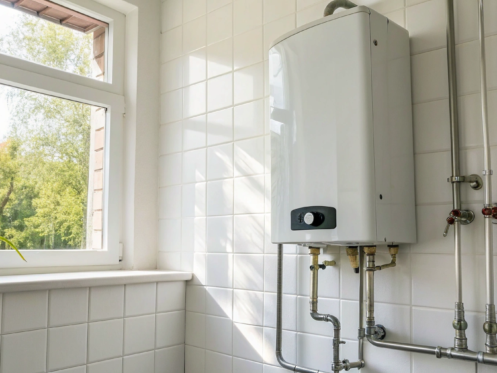
There’s nothing worse than being the last one in the family to shower, only to have the hot water run out halfway through. It’s a common frustration that a traditional tank-style water heater just can’t solve. A tankless water heater, on the other hand, heats water on demand, giving you an endless supply for back-to-back showers, laundry, and dishes. It’s a modern solution that brings convenience and efficiency to your home. But for most homeowners, the big question isn’t about the benefits—it’s about the budget. Understanding the tankless water heater installation cost is the crucial next step. In this article, we’ll walk you through a detailed breakdown of the expenses so you can plan your upgrade with confidence.
Key Takeaways
- Understand the Full Installation Cost: The final price goes beyond the unit itself, including professional labor and any necessary upgrades to your home’s plumbing, gas, or electrical systems to support the new heater.
- Focus on Long-Term Value, Not Just Upfront Price: A tankless water heater is an investment that pays off through significantly lower monthly energy bills and a lifespan that can be double that of a traditional tank model.
- Professional Help is Non-Negotiable: Hiring a licensed plumber is essential for a safe installation that protects your warranty, and annual maintenance is the key to keeping your unit running efficiently for its full 20+ year lifespan.
What is a Tankless Water Heater?
If you’ve ever had to cut a shower short because the hot water ran out, you already understand the biggest drawback of a traditional water heater. Those big, bulky tanks can only hold so much hot water at a time, and once it’s gone, you’re stuck waiting for it to refill and reheat. A tankless water heater, on the other hand, is a total game-changer. Also known as an on-demand water heater, this compact unit heats water exactly when you need it, for as long as you need it. Think of it as a personal hot water valet for your home.
Instead of storing and constantly reheating dozens of gallons of water in a closet or garage, a tankless system springs into action the moment you turn on a hot water tap. This approach not only provides a virtually endless supply of hot water for laundry, dishes, and back-to-back showers, but it also makes it a much more energy-efficient part of your home’s residential plumbing system. Because they’re so much smaller than their tank-style counterparts—about the size of a suitcase—they can be installed on almost any interior or exterior wall, freeing up valuable storage space. It’s a modern solution that offers convenience, efficiency, and a little extra room to breathe.
How Do They Work?
The magic of a tankless water heater is actually pretty straightforward. When you turn on your shower or faucet, cold water enters the unit. A flow sensor detects the water and activates a powerful heating element—either a gas burner or an electric coil. As the water flows through a series of pipes inside the heater, it’s heated to your desired temperature almost instantly. Once you turn the tap off, the sensor shuts the heating element down. It’s that simple. The system only uses energy when you’re actively using hot water, which is why they are so well-known for their efficiency.
The Benefits of Going Tankless
While the initial investment for a tankless model can be higher than a traditional one, the long-term advantages often make it a smart financial decision. The most celebrated benefit is the endless supply of hot water—no more scheduling showers! Beyond that, you’ll see significant energy savings on your monthly utility bills since you’re not paying to keep a large tank of water hot 24/7. Tankless units also boast a much longer lifespan, often lasting 20 years or more with a solid maintenance agreement in place. Plus, their compact size saves precious storage space. It’s an upgrade that delivers on convenience, efficiency, and long-term value for your home.
Breaking Down the Installation Cost
When you’re looking at the price tag for a new tankless water heater, it’s helpful to know that the final cost involves more than just the unit itself. The total investment is a combination of the equipment, the professional labor required to install it, and any modifications your home might need to accommodate the new system. Let’s break down these key components so you know exactly what to expect.
The Price of the Unit Itself
First things first: the heater. The cost of a tankless water heater unit can vary quite a bit, generally falling somewhere between $1,000 and $3,000. This range depends on the brand, model, and its specific capabilities. For instance, a smaller unit designed for a condo will naturally cost less than a high-capacity model built to supply hot water to a large family home with several bathrooms. Features like higher energy efficiency ratings, impressive flow rates, and smart technology also influence the price, placing a unit at the higher end of that spectrum.
Factoring in Labor Costs
Next up is the cost of professional installation, which is a crucial part of your investment. Labor typically runs from $1,000 to $1,500 and covers the time and expertise of a certified technician who will make sure your new heater is installed safely and up to code. The complexity of the job is the biggest factor here. Swapping an old tankless unit for a new one is often more straightforward than converting from a traditional storage-tank heater. The latter may require rerouting your home’s residential plumbing, installing new ventilation, or upgrading electrical circuits, which can increase the labor time and overall cost.
Your Total Estimated Investment
When you combine the cost of the unit with labor and potential modifications, you can expect your total investment for a tankless water heater installation to range from about $2,500 to $5,000 or more. This wide range reflects how different every home’s setup is. The specific model you choose, your home’s existing infrastructure, and the complexity of the installation all play a role in the final price. The best way to get a clear picture of what your project will cost is to have a professional assess your home and provide a detailed estimate tailored to your needs.
What Factors Affect Your Final Price?
When you get a quote for a tankless water heater, you’ll notice it’s more than just the price of the unit. Several factors unique to your home play a big role in the final cost. Understanding these variables helps you see exactly what you’re paying for and why a one-size-fits-all price doesn’t really exist. Let’s walk through the key elements that will shape your installation estimate.
Your Home’s Current Plumbing and Utilities
The first thing a technician will look at is your home’s existing setup. Are you switching from a traditional tank heater or installing a unit in a new build? A straightforward replacement is usually less complex than a brand-new installation. The size of your home and your family’s hot water habits also matter, as they determine the size and capacity of the unit you’ll need. Your home’s current residential plumbing infrastructure and whether you have gas or electric hookups will be one of the biggest factors in the overall project scope and cost. A professional evaluation is the best way to get a clear picture of what your specific home requires.
The Installation Location
Where the new unit will live in your home can significantly influence the price. If it’s going in the same spot as your old water heater, the job is typically simpler. However, tankless units are compact and can be installed in more places, like closets or on exterior walls. If you decide to move the location, the project becomes more involved. Your plumber will need to run new water lines, and potentially new gas or electrical lines, to the new spot. This extra labor and materials will add to the final cost. The complexity of the job site—think tight crawl spaces versus an open garage—also plays a part in the labor estimate.
Necessary Gas or Electrical Upgrades
Tankless water heaters are powerful, and they need the right fuel supply to work correctly. Gas models, in particular, often require a larger gas line than traditional tank heaters to meet their high-demand needs. If your current line isn’t sufficient, a new one will need to be installed. For electric models, you might need to upgrade your home’s electrical panel to handle the increased load, which involves hiring an electrician. These utility upgrades are crucial for safe and efficient operation and are a common part of the installation process for many homes. Our team can assess your current heating and utility systems to see what’s needed.
Local Permits and Inspections
A professional and safe installation always follows local building codes, and in Tucson, that often means pulling a permit. This isn’t just red tape; it’s a critical step to ensure your new water heater is installed correctly and safely, especially when dealing with gas lines. An experienced plumber will know exactly what permits are required and will handle the process for you. The cost of the permit and any required inspections will be factored into your total estimate. Skipping this step can lead to major safety hazards and issues down the road, so it’s a non-negotiable part of a quality installation. You can schedule an appointment with a certified technician to get a quote that includes all necessary permits.
Electric vs. Gas: Which is More Budget-Friendly?
When you’re deciding between a tankless water heater that runs on electricity versus one that uses natural gas, the conversation almost always comes down to cost. It’s not just about the price you see on the box; it’s about the total cost over the life of the unit. Both options have their financial pros and cons, and the right choice for your Tucson home depends on your budget, your existing utility hookups, and your long-term savings goals.
Think of it like this: one option has a lower entry fee, while the other can save you more money on your monthly bills down the road. To figure out which is the better fit, we need to look at the initial purchase price and the ongoing operating costs. Understanding both sides of the coin will help you make a confident investment in your home’s plumbing system. Let’s break down the numbers so you can see how it all adds up.
The Cost of an Electric Model
If you’re focused on the upfront cost, an electric tankless water heater will likely catch your eye first. These units are generally more affordable, with prices typically ranging from $500 to $1,500 for the heater itself. This lower initial price point makes them an attractive option for homeowners working with a tighter budget.
Installation can sometimes be simpler and less expensive too, especially if your home’s electrical panel can handle the power demand without needing a major upgrade. For smaller homes or apartments, an electric model can be a straightforward and cost-effective way to get endless hot water without a significant initial investment.
The Cost of a Gas Model
On the other side of the aisle, gas-powered tankless water heaters come with a higher initial price tag. You can expect to see costs for these units fall somewhere between $1,000 and $2,800. This higher upfront investment is mainly because the internal technology is more complex, involving burners and heat exchangers.
Installation can also be more involved, as it may require new venting to the outside and ensuring your gas lines are properly sized and connected. While the initial sticker shock might be a factor, it’s important to remember that this is only one part of the total financial picture. The real value of a gas model often reveals itself over time.
Long-Term Operating Costs
Here’s where the math gets interesting. While a gas model costs more to buy, it often costs less to run month after month. Natural gas is typically more affordable than electricity, so you’ll likely see lower utility bills. This is especially true for larger families who use a lot of hot water.
Over several years, these monthly savings can add up, eventually offsetting the higher purchase price and making the gas model the more economical choice in the long run. So, while the upfront cost is higher, many homeowners find that the long-term savings make a gas tankless water heater a smarter financial decision for their household.
Are There Hidden Costs to Consider?
When you’re budgeting for a new tankless water heater, it’s easy to focus on the price of the unit and the basic installation fee. But to get a truly accurate picture of your total investment, you need to look beyond the initial quote. Several other factors can pop up during the installation process, and being aware of them ahead of time can save you from sticker shock later. Think of it like buying a house—the list price is just the starting point.
Depending on your home’s existing infrastructure, you might need upgrades to your electrical, gas, or plumbing systems to support the new unit. Local building codes also play a big role, often requiring permits and inspections that come with their own fees. These aren’t “hidden” costs in a sneaky sense; they’re simply variables that a professional plumber can’t quote until they’ve assessed your specific situation. By understanding what these potential expenses are, you can have a more informed conversation with your technician and create a realistic budget. Our goal at Fusion is to be completely transparent, so let’s walk through the most common additional costs you might encounter.
Permit and Inspection Fees
Before any major plumbing work begins, it’s important to check your local municipal requirements. Most cities, including Tucson, require a permit for installing a new water heater. This ensures the work is done to code, which is crucial for your family’s safety. The permit itself has a fee, and a follow-up inspection to approve the installation adds another cost. While it might feel like just another expense, obtaining the right permits protects you, your home, and its future resale value. A professional installer will handle this process for you, but the fees will be part of your final bill.
Potential Electrical Panel Upgrades
Tankless water heaters, especially electric models, are powerful appliances that demand a lot of electricity to heat water instantly. If you’re switching from a traditional tank heater, your current electrical panel might not be equipped to handle the increased load. An electrician may need to upgrade your panel or run a new, dedicated circuit to the water heater’s location. This is a common requirement for older homes and is essential for operating your new unit safely and effectively without constantly tripping breakers. During your initial consultation, we can help you determine if your home’s electrical system is ready for the switch.
Venting and Gas Line Modifications
If you choose a gas-powered tankless water heater, you’ll need to make sure it’s vented properly to the outdoors. Modern high-efficiency units often require different venting materials and configurations than older tank-style heaters. This could mean installing a new vent pipe through a wall or the roof. Additionally, tankless models often need a larger diameter gas line to supply enough fuel for on-demand heating. Modifying your home’s existing gas and vent lines is a job for a licensed professional and will be factored into your installation cost.
Adding a Water Softener
Here in Tucson, we have notoriously hard water. All that mineral buildup can wreak havoc on your plumbing fixtures and appliances, and your new tankless water heater is no exception. Scale can accumulate inside the unit’s delicate components, reducing efficiency and leading to premature failure. To protect your investment and keep it running smoothly for years, installing a water softener is highly recommended. While it’s an upfront cost, it will save you money on frequent maintenance and potential repairs down the road, making it a smart addition to your home’s plumbing system.
How Much Can You Save in the Long Run?
The higher price tag on a tankless water heater can feel like a big hurdle, but it’s really just one part of the financial picture. When you look beyond the initial purchase, the long-term savings start to become clear. Think of it as an investment in your home’s efficiency. Over the life of the unit, a
While traditional tank heaters seem cheaper at first, they constantly use energy to keep dozens of gallons of water hot, whether you need it or not. This standby heat loss adds up on your monthly utility bills. A tankless model, on the other hand, only heats water when you turn on the tap. This on-demand system is far more efficient and is the primary source of your long-term savings. When you combine that efficiency with a lifespan that can be double that of a tank heater, the initial investment starts to make a lot more sense. It’s about looking at the total cost of ownership, not just the price on the box.
Lower Monthly Energy Bills
The most immediate and noticeable financial benefit of going tankless is the reduction in your monthly energy bills. Because tankless units heat water on demand, they eliminate the standby energy losses that come with traditional storage tanks. According to the Department of Energy, this can make them 24% to 34% more energy-efficient. While the upfront cost is higher, they offer long-term savings through this improved efficiency. Over a year, those savings can add up to hundreds of dollars, helping the system pay for itself over time. For Tucson homeowners, this means more money in your pocket every single month.
Comparing Maintenance and Repair Costs
It’s important to be realistic about upkeep. Tankless water heaters do require more consistent maintenance than their tank-based counterparts. To keep them running efficiently, especially in areas with hard water, they need to be professionally descaled about once a year. This service prevents mineral buildup from damaging the internal components. While this is an added cost, it’s a crucial step in protecting your investment and ensuring the unit reaches its full lifespan. Our maintenance agreement can help you manage these costs and keep your system in top shape without any hassle, ensuring you get the best performance year after year.
A Longer Lifespan for Better Value
This is where a tankless water heater truly shines as a long-term investment. A well-maintained tankless unit can last for 20 years or even longer. Compare that to a traditional tank heater, which typically needs to be replaced every 10 to 15 years. Even though tankless water heaters cost more upfront, their extended lifespan means you won’t be facing another replacement cost in a decade. When you factor in the energy savings and the convenience of endless hot water, the superior value becomes undeniable. You’re not just buying an appliance; you’re investing in a durable piece of your home’s plumbing infrastructure.
What to Know Before You Commit
Switching to a tankless water heater is a big decision, and it’s smart to have all the facts before moving forward. Beyond the price of the unit and labor, a few key details about your home and habits will shape the project’s scope and final cost. Thinking through these points ahead of time will help you and your plumber plan for a smooth installation and ensure you get the right system for your needs. It’s all about matching the technology to your home, not the other way around.
Sizing Up Your Household’s Hot Water Needs
Choosing the right size tankless water heater is about more than just counting your bathrooms. The key is to figure out your peak hot water demand. Think about a typical busy morning: could you be running a shower, the dishwasher, and a load of laundry all at once? Each of these requires a certain flow rate, measured in gallons per minute (GPM). A professional can help you calculate your home’s total GPM needs to select a unit that provides a constant stream of hot water without being overworked. This ensures you get the energy-saving benefits and endless hot water that make these systems so popular, even when your household is at its busiest.
Finding the Right Space for Your Unit
One of the best perks of a tankless water heater is its compact size. You can reclaim the closet or corner of the garage where your bulky old tank used to sit. However, where you install the new unit is just as important as its size. For gas models, proper ventilation is a must for safety, which can influence placement. The unit also needs to be accessible for future maintenance and close enough to existing utility lines to keep installation costs down. An experienced plumber can assess your home and find the ideal spot that balances efficiency, safety, and your budget, ensuring your new heater works perfectly within your home’s residential plumbing system.
Evaluating Your Home’s Utilities
A tankless water heater heats water on demand, which requires a lot of energy in a short burst. This means your home’s existing utilities might need an upgrade. Gas models often need a larger gas line than a traditional tank heater to supply enough fuel. For electric models, you may need to upgrade your electrical panel or run a new, dedicated circuit to handle the power draw. This is especially true in older homes. A thorough inspection of your current systems is a critical first step. A professional can tell you exactly what, if any, utility modifications are needed, preventing unexpected costs and delays during the installation process.
Common Myths About Installation Costs
It’s true that the upfront cost of a tankless water heater is typically higher than a traditional tank model. However, it’s a mistake to think of it only as an expense. It’s an investment that pays off over time through lower energy bills and a much longer lifespan. While online estimates might suggest an average cost, every installation is unique. The final price depends on your home’s plumbing, the type of unit you choose, and any necessary utility upgrades. The only way to get an accurate number is to have a professional assess your specific situation. You can schedule an appointment to get a clear, detailed quote with no surprises.
Why Professional Installation is a Must
It can be tempting to tackle home improvement projects yourself, but installing a tankless water heater is one job best left to the professionals. This isn’t like swapping out a faucet; it involves complex plumbing, high-voltage electrical wiring, and potentially natural gas lines. Getting it wrong can lead to more than just a cold shower—it can create serious safety hazards and costly damage.
Hiring a licensed plumber ensures the job is done right from the start. A professional handles the technical details, from securing the right permits to making sure your new unit operates at peak efficiency. Ultimately, a professional installation protects your home, your investment, and your peace of mind. It’s the smartest way to ensure you get all the benefits of your new tankless water heater without any of the risks.
Safety and Code Compliance
The most important reason to hire a professional is safety. An improperly installed gas unit can lead to dangerous carbon monoxide leaks, while a faulty electrical connection is a serious fire hazard. A licensed plumber has the training to handle these utilities safely, protecting your home and family. Beyond the immediate risks, there are also local building codes to consider. Installing a tankless water heater in Tucson without following these regulations can cause major headaches down the road, from failed home inspections to denied insurance claims. Our team provides expert residential plumbing services that are always up to code, so you never have to worry about whether the job was done correctly.
Protecting Your Warranty
Your new tankless water heater is a significant investment, and its warranty is there to protect it. However, most manufacturers state that the warranty is only valid if the unit is installed by a licensed professional. If you attempt a DIY installation and something goes wrong, you could be on the hook for the full cost of repairs or even a replacement unit. When properly installed by a certified technician, your tankless water heater will perform better and last longer. A professional installation is your best insurance policy, ensuring your warranty remains intact and your investment is secure for years to come.
Choosing the Right Plumber in Tucson
Finding the right plumber is about more than just installation—it’s about getting expert guidance from start to finish. A true professional will help you choose the right size and model for your household’s specific needs, making sure you get an efficient unit that can keep up with your demand for hot water. They have the specialized tools and experience to handle any surprises that might come up, like rerouting a pipe or upgrading a connection. At Fusion Plumbing & Air, our certified technicians have the local expertise to ensure a seamless installation. If you’re ready to make the switch, you can schedule an appointment with our team to get started.
Get the Best Value for Your Investment
A new tankless water heater is a fantastic upgrade for your home, but it’s also a significant purchase. Thinking beyond the initial price tag helps you see the full picture and make a choice you’ll be happy with for years to come. The total cost of ownership includes not just the installation but also long-term operating costs and maintenance. The good news is that with a little planning, you can manage the upfront expense and protect your new system, ensuring you get every bit of value from its efficiency and long lifespan. It’s all about making smart decisions from the start.
When you invest in a tankless system, you’re paying for on-demand hot water, lower energy bills, and a unit that can last twice as long as a traditional tank. To make that investment pay off, it’s crucial to look at the complete financial picture. This means exploring ways to reduce the initial installation cost through programs designed to reward homeowners for choosing energy-efficient appliances. It also means understanding the minimal but necessary upkeep required to keep the system in top shape, especially in an area like Tucson with its hard water challenges. By planning for both the beginning and the life of your water heater, you can avoid surprises and feel confident in your decision. We’ll walk you through how to find savings and how a simple maintenance plan can prevent future headaches, keeping your unit running like new for decades.
Exploring Financing and Rebates
Let’s be honest—the upfront cost of a tankless water heater can feel steep. But it doesn’t have to be a barrier to getting the endless hot water you want. Many homeowners use financing options to break the cost down into manageable monthly payments. Beyond that, you can often find savings that lower the initial price. Look for federal tax credits, which can cover a percentage of the installation cost for high-efficiency models. Many state and local utility companies also offer rebates to encourage energy-saving upgrades. We can help you identify which programs you qualify for and even assist with the paperwork to make sure you don’t miss out on these savings.
Planning for Future Maintenance
To keep your tankless water heater running efficiently for its full 20-year lifespan, it needs a little TLC. Because of Tucson’s hard water, manufacturers recommend annual flushing to remove mineral buildup. This simple service, which typically costs between $100 and $200, prevents clogs and protects the delicate internal components. Skipping this can lead to reduced efficiency and more expensive repairs down the road. The easiest way to stay on top of this is with a maintenance agreement. A plan bundles your annual service into a predictable cost, gives you priority service, and ensures your system is always in peak condition, saving you money on energy bills and preventing unexpected breakdowns.
Related Articles
- Tankless Water Heater Installation & Repair in Tucson, AZ
- Common Issues for Tankless Water Heaters | Fusion Plumbing
- How to Know What Size Water Heater You Need | Fusion Plumbing
- Water Heater Replacement Tucson | Water Heater Installation
- Water Heater Replacement Oro Valley AZ | Fusion Cools
Frequently Asked Questions
Is a tankless water heater really worth the high upfront cost? It’s a fair question, and the answer really comes down to looking at the total value over time. While the initial investment is higher than a traditional tank, a tankless model saves you money every month on your energy bills because it only heats water when you need it. When you combine those savings with a lifespan that can be double that of a tank heater—20 years or more—the initial cost starts to look much more reasonable. It’s an investment in efficiency and longevity that pays for itself over the years.
My quote seems high. What costs are included besides the heater itself? A quote for a tankless water heater covers the entire project, not just the unit. The final price includes the cost of professional labor, which is essential for a safe and correct installation. It also accounts for any necessary modifications to your home’s existing systems. This could involve upgrading a gas line, running a new electrical circuit, installing proper ventilation, or pulling the required local permits. These elements ensure your new heater works safely and efficiently within your home’s specific setup.
Which is a better financial choice for my Tucson home: gas or electric? This depends on whether your budget is focused on the short-term or the long-term. Electric models generally have a lower purchase price, making the initial investment easier to manage. However, gas models tend to have lower operating costs from month to month because natural gas is often more affordable than electricity. Over several years, the monthly savings from a gas unit can add up, making it the more economical choice in the long run for many families.
How long do these units last, and what kind of maintenance is required? A well-maintained tankless water heater can last for 20 years or even longer, which is a huge advantage over traditional tanks. To get that long life, especially with Tucson’s hard water, it needs a little annual care. We recommend having the unit professionally flushed once a year to remove mineral buildup. This simple service protects the internal parts from damage, keeps the heater running efficiently, and is the key to making sure your investment lasts for decades.
Why is professional installation so important if I’m trying to manage my budget? While a DIY approach might seem like a way to save money, it can end up costing you much more. An improper installation can create serious safety risks with gas or electrical lines and will almost certainly void your manufacturer’s warranty. A professional ensures the job is done safely and to code, protecting your home and your investment. It’s the only way to guarantee your new unit will operate at peak efficiency, giving you the energy savings and performance you paid for.