It’s easy to put off calling a plumber for what seems like a minor issue. Many homeowners believe a slow drain will eventually clear itself or that a foul smell is just a temporary fluke. Unfortunately, when it comes to your main sewer line, waiting is one of the most expensive mistakes you can make. These small symptoms are often your home’s early warning system for a serious problem brewing underground. By understanding the truth behind common sewer myths, you can act quickly and avoid a messy, costly emergency. This article will debunk those misconceptions and show you how to find reliable sewer repair contractors to solve the problem correctly.
Key Takeaways
- Spot problems before they become disasters: Learn to recognize your home’s warning signs, such as multiple slow drains, gurgling noises, or foul odors, which often point to a serious issue in your main sewer line that requires a professional.
- Professionals use advanced tools for accurate fixes: A qualified contractor uses technology like video camera inspections to pinpoint the exact cause of a problem and offers modern solutions like trenchless repair to fix your sewer line effectively with minimal disruption.
- Do your homework before you hire: Protect your home and investment by verifying a contractor’s license and insurance, reading recent customer reviews, and asking for a written warranty to ensure you choose a reliable and skilled professional.
What Can a Sewer Repair Contractor Do for You?
When you’re facing a problem that’s bigger than a slow-draining sink, a sewer repair contractor is the expert you need. These specialists handle the complex and often messy work of maintaining, repairing, and replacing the main sewer line that connects your home to the municipal system. They have the heavy-duty tools, technology, and expertise to tackle issues deep within your plumbing system, ensuring everything flows exactly as it should. From sudden emergencies to complete system overhauls, here’s what a professional can do for you.
Handle Sewer Line Emergencies
A backed-up sewer line is one of the most stressful emergencies a homeowner can face. A professional contractor understands the urgency and can provide a rapid response to contain the damage. Many homeowners don’t realize that their standard insurance policy may not cover damage from a sewer line break on their property, making a quick fix essential. A contractor can immediately diagnose the source of the problem, stop the backflow, and begin cleanup to protect your home and health. Whether it’s a weekend or the middle of the night, having a reliable team on call provides invaluable peace of mind when disaster strikes.
Replace Your Entire Sewer Line
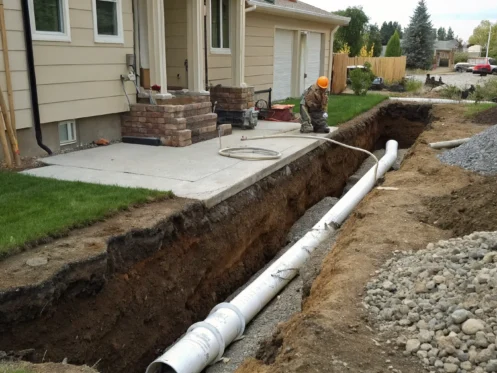
Sometimes, a simple repair isn’t enough to solve recurring sewer problems. If your pipes are old, collapsed, or severely damaged by tree roots, a full replacement might be the most effective long-term solution. While it sounds like a huge undertaking, addressing the root cause can save you a lot of money and hassle over time. A contractor will assess the condition of your entire sewer line and determine if a replacement is the right call. They manage the entire process, from securing permits to laying the new pipe, giving you a durable, reliable system and preventing the need for constant, costly patch-up sewer line repairs.
Offer Trenchless Repair Methods
Worried that fixing your sewer line means destroying your beautiful landscaping or tearing up your driveway? Modern contractors often use trenchless repair methods to avoid that exact scenario. Techniques like pipe lining and pipe bursting allow them to repair or replace your sewer line with minimal digging. Pipe lining involves inserting a new, durable liner into the existing pipe, effectively creating a brand-new pipe within the old one. This innovative approach is less invasive, faster, and often more cost-effective than traditional excavation, preserving the property you’ve worked so hard to maintain.
Diagnose Issues with Video Camera Inspections
To solve a sewer problem correctly, you first have to see it. Sewer repair contractors use specialized waterproof video cameras to perform a detailed inspection of your pipes from the inside. This technology allows them to navigate the entire length of your sewer line and get a real-time view of what’s going on. They can pinpoint the exact location of cracks, blockages, tree root intrusion, or collapsed sections without any guesswork or unnecessary digging. This precise diagnostic approach ensures that you only pay for the exact repairs you need and helps you understand the health of your plumbing system.
Clear Tough Clogs with Hydro Jetting
For the most stubborn clogs that a snake just can’t handle, contractors turn to hydro jetting. This method uses a high-pressure stream of water to blast through grease, sludge, scale buildup, and even invasive tree roots, completely clearing the pipe. Unlike a mechanical snake that just pokes a hole through the blockage, hydro jetting scours the entire inner surface of the pipe, restoring it to a like-new condition. It’s an incredibly effective way to not only remove a clog but also prevent new ones from forming anytime soon. It’s a deep clean for your drains and sewer system.
Signs You Need to Call a Sewer Repair Pro
Sewer line problems have a sneaky way of starting small. Since your main sewer line is buried underground, you can’t see the cracks, blockages, or tree roots that cause trouble. But your home will give you clues long before a major disaster strikes. Ignoring these early warnings can lead to costly water damage, unpleasant backups, and even health hazards for your family.
It’s a common misconception that sewer issues will always be obvious, but that’s not always the case. Sometimes the signs are subtle, like a drain that’s just a bit slower than usual. Learning to spot these red flags is key to protecting your property. If you notice any of the issues we’re about to cover, it’s time to put down the DIY drain cleaner and get a professional opinion. A quick inspection can save you from a much bigger headache down the road. At Fusion Plumbing & Air, we’ve seen it all, and our team is ready to diagnose and handle any drains and sewer issues for homeowners across Tucson, Oro Valley, and Marana.
Persistent Drain Clogs and Backups
An occasional clog in a single sink or shower is usually no big deal. But if you find yourself constantly reaching for the plunger, you might be dealing with a more serious problem. When multiple drains in your home start backing up at the same time, or if the same drain clogs up again and again, it’s a strong indicator of a blockage in your main sewer line.
This happens because all your home’s drains lead to that single main line. If it gets clogged, the wastewater has nowhere to go and backs up into your house. Store-bought chemical cleaners won’t fix a deep-seated clog and can even damage your pipes. When clogs become a recurring theme, it’s a clear sign to call a pro.
Foul Odors and Puddles in Your Yard
You should never smell sewage in or around your home. If you notice a persistent foul odor coming from your drains, it’s a major red flag that sewer gas is escaping into your house. This often points to a crack or break in the line.
You might also notice signs outside. A broken sewer line can leak wastewater into your yard, creating soggy patches or puddles. You may even see an area of your lawn that is suddenly much greener and more lush than the surrounding grass. These are all signs of a leak, which is not only unpleasant but also poses a significant health risk to your family and pets. Don’t ignore these smells or wet spots; they are your plumbing system’s cry for help.
Slow Drains and Gurgling Noises
Have you noticed that your toilet doesn’t flush with its usual force? Or maybe your shower drain takes forever to empty? When multiple fixtures in your home start draining slowly, it’s often a symptom of a developing clog in the main sewer line. The blockage prevents water from flowing freely, causing it to back up throughout your system.
Another telltale sign is a gurgling sound coming from your drains or toilet, especially after you flush or run water. This noise is caused by air getting trapped in the pipes by a blockage and then being forced out. Think of it as your plumbing system trying to breathe. If you’re hearing gurgles and seeing slow drains, a clog is likely forming.
Sudden Foundation Cracks or Sinkholes
This is one of the most serious signs of a sewer line problem. A leaking sewer pipe can saturate and erode the soil around and beneath your home’s foundation. Over time, this can cause the soil to shift, leading to cracks in your foundation, walls, or floors. You might also notice a dip or sinkhole forming in your yard where the soil has washed away.
Often, the culprit is invasive tree roots that have worked their way into the pipes, causing them to crack and leak. If you see any of these structural issues, it’s crucial to act fast to prevent further damage to your home. A professional can perform a camera inspection to find the source of the leak and get it fixed before the problem gets worse. If you’re worried, you can schedule an appointment online with our team.
How to Choose the Right Sewer Repair Contractor
Finding the right contractor for a sewer line issue can feel overwhelming, but it’s one of the most important decisions you’ll make for your home. This isn’t just about fixing a clog; it’s about protecting your property’s foundation, your yard, and your family’s health. The right professional will not only solve the immediate problem but also provide a lasting solution that gives you peace of mind.
Choosing a qualified contractor means looking for a team that combines technical skill with a commitment to customer service. You want someone who can accurately diagnose the issue, explain your options clearly, and perform the work correctly the first time. From verifying credentials to understanding the technology they use, taking a few extra steps to vet your options will save you from future headaches and costly, repetitive repairs. Think of it as an investment in your home’s long-term health. A great contractor will be a partner in maintaining your property, ensuring your drains and sewer lines function perfectly for years to come.
Verify Their Licensing and Insurance
Before you even discuss the details of your sewer problem, your first question should always be about licensing and insurance. This is a non-negotiable starting point. A valid license proves the contractor has met the state and local requirements to perform plumbing work, ensuring they have the necessary training and knowledge. It’s your first line of defense against shoddy workmanship.
Equally important is their insurance. A contractor should carry both liability insurance and workers’ compensation. Liability insurance protects your home and property from any accidental damage that might occur during the repair process. Workers’ compensation covers their employees if they get injured on the job, so you aren’t held responsible. Asking for proof of these documents isn’t rude; it’s a smart move that protects you completely.
Prioritize Specialized Experience
Sewer line repair is a highly specialized field. It’s not a job for a general handyman or a plumber who only occasionally handles drain issues. These projects are complex and require specific tools and deep expertise to diagnose and resolve correctly. When you’re searching for a contractor, look for a company that highlights sewer and drain services as a core part of their business.
An experienced team will have encountered a wide range of problems, from root intrusion in older clay pipes to bellied lines caused by shifting soil. This experience allows them to quickly identify the true cause of your issue and recommend the most effective, long-term solution. They’ll know whether a spot repair will suffice or if a full replacement is the more cost-effective choice in the long run.
Check Their Local Reputation and Reviews
A contractor’s reputation in your community speaks volumes. Before you commit, do a little digging online. Look up their company on Google, Yelp, and the Better Business Bureau to see what past customers in Tucson, Marana, and Sahuarita are saying. Read through both the positive and negative reviews to get a balanced picture. Pay attention to how the company responds to criticism, as this can reveal a lot about their commitment to customer satisfaction.
Don’t be afraid to ask the contractor for a list of local references you can call. Speaking directly with a few past clients can give you invaluable insight into their professionalism, timeliness, and the quality of their work. A confident, reputable company will be happy to connect you with satisfied customers.
Ask About Their Tools and Technology
The right tools can make all the difference in sewer repair, leading to a faster, more accurate, and less invasive process. Ask potential contractors what kind of technology they use. Modern plumbing companies should use high-resolution video cameras for sewer inspections. This allows them to see exactly what’s happening inside your pipes, whether it’s a clog, a crack, or a tree root intrusion, without any destructive guesswork.
This technology helps them pinpoint the problem’s precise location, which is essential for creating an effective repair plan. It also allows them to show you the issue firsthand, so you can understand the situation and feel confident in the recommended solution. A company that invests in modern equipment is a company that invests in doing the job right.
Inquire About Warranties and Guarantees
A reputable sewer repair contractor will always stand behind their work. Before any work begins, make sure you ask about the warranties or guarantees they offer on both labor and parts. A solid warranty provides you with peace of mind, knowing that if something goes wrong with the repair within a certain timeframe, the company will come back to fix it at no additional cost.
Get the warranty details in writing and make sure you understand the terms. What does it cover? How long does it last? A contractor’s willingness to guarantee their work is a strong indicator of their confidence in their skills and the quality of the materials they use. It’s a final, crucial check that ensures you’re working with a true professional.
Understanding Sewer Line Repair Costs
Let’s talk about one of the biggest concerns for any homeowner facing a major plumbing issue: the cost. A sewer line repair is a significant investment, and the final price tag can vary quite a bit. Understanding what goes into the estimate will help you feel more prepared and confident when you hire a professional. The good news is that a transparent contractor will walk you through every line item, so you know exactly what you’re paying for.
Factors That Influence the Final Price
The cost to fix a sewer line typically falls between $1,300 and $5,400, with the national average sitting around $3,300. However, this is just a ballpark figure. The final price depends heavily on your specific situation. A simple repair might cost $60 per foot, while a full replacement could be closer to $150 per foot. Factors that can increase the cost include the depth of the pipe, its location under concrete slabs or extensive landscaping, and the overall accessibility of your drains and sewer lines. The age and condition of your plumbing system also play a big role in determining the scope of the work.
Spot Repairs vs. A Full Replacement
When you get a quote, your contractor will recommend either a spot repair or a full replacement. A spot repair is a great option if the damage is contained to one small area, like a single crack or joint issue. It’s less invasive and more affordable. However, if your pipes are old, made from outdated materials, or have multiple problem areas, a full replacement is often the smarter long-term solution. While it costs more upfront, replacing the entire line prevents you from having to call for more residential plumbing repairs every few years, ultimately saving you money and stress.
What Your Insurance Might Cover
It’s a common myth that your homeowner’s insurance will pick up the tab for a sewer line repair. Unfortunately, most standard policies do not cover damage that occurs over time, such as pipes degrading with age or tree roots slowly causing blockages. As many insurance providers explain, coverage is typically reserved for “sudden and accidental” events, which rarely apply to sewer line problems. It’s always a good idea to review your policy, but you should be prepared for the repair to be an out-of-pocket expense.
Available Financing and Payment Options
Facing an unexpected sewer repair bill can be stressful, especially when you learn it likely won’t be covered by insurance. That’s why many reputable plumbing companies offer financing options to help ease the financial burden. These payment plans allow you to get the critical repairs you need now and pay for them over time in manageable installments. Don’t hesitate to ask about the available options when you get an estimate. A good contractor is there to solve your problem, and that includes helping you find a payment solution that works for your budget so you can schedule your service with peace of mind.
How to Vet a Contractor Through Reviews and References
Once you have a short list of potential contractors, it’s time to do some detective work. Online reviews and direct references are your best window into how a company truly operates. They show you what happens after the contract is signed and the work begins. While a slick website is nice, hearing from actual customers gives you the real story about a contractor’s reliability, quality, and customer service. This step is crucial for avoiding unpleasant surprises and finding a team you can trust with your home’s critical drains and sewer system. Let’s break down how to read between the lines and ask the right questions.
What to Look for in Customer Testimonials
When you’re scrolling through testimonials, look past the star ratings. The most helpful reviews are the ones that tell a story. Look for customers who describe the specific problem they had, how the contractor solved it, and what the experience was like. Did the crew show up on time? Was the final bill consistent with the initial quote? Great reviews often mention specifics, like “they finished the sewer line replacement on schedule and left my yard clean.” Vague comments like “great service” are nice, but they don’t give you the details you need to make an informed decision. The best feedback confirms that other homeowners were happy with the work.
Spotting Potential Red Flags in Reviews
Be skeptical of a company that has nothing but flawless, five-star reviews, especially if they all sound the same. A few less-than-perfect reviews can actually be a good sign, as it shows they are authentic. Pay attention to how the company responds to criticism; a professional and helpful response is a green flag. Another thing to watch for is transparency. For example, many homeowners mistakenly believe their insurance will automatically cover a sewer line repair. A trustworthy contractor will be upfront about potential costs and help you understand what your policy might exclude. This kind of honesty is a great indicator of how they’ll handle your residential plumbing project from start to finish.
Smart Questions to Ask References
If a contractor provides you with a list of references, don’t hesitate to call them. This is your chance to get an unfiltered opinion. Go into the conversation with a few specific questions prepared so you can get the most out of it.
Here are a few smart questions to ask:
- Were you happy with the quality of the work?
- Was the project completed on time and within the agreed-upon budget?
- How was the communication throughout the process?
- Were the technicians professional and respectful of your property?
- Would you hire them again for another project?
Their answers will give you a much clearer picture of what to expect and help you feel confident when you’re ready to schedule your service.
How to Verify Credentials and BBB Ratings
Reviews and references are important, but don’t skip the official background check. Before you hire anyone, confirm they are properly licensed and insured. A license proves they meet state and local requirements, while insurance protects you from liability if an accident happens on your property. You can usually verify a contractor’s license through your state’s licensing board website. Also, take a minute to check their rating with the Better Business Bureau (BBB). A good standing with the BBB shows a commitment to ethical business practices and customer satisfaction. This due diligence ensures you’re working with a legitimate and professional company that values long-term relationships, much like a good maintenance agreement does.
Common Sewer Repair Myths, Debunked
When it comes to your home’s sewer line, what you don’t know can definitely hurt you, or at least your wallet. There’s a lot of misinformation out there that can lead homeowners in Tucson to make costly mistakes. Believing these myths can turn a manageable repair into a major catastrophe. Let’s clear the air and debunk some of the most common misconceptions about sewer line repair so you can make informed decisions for your home.
Myth: Minor Sewer Issues Can Wait
It’s tempting to ignore a drain that’s just a little slow or a gurgling sound you only hear occasionally. Many people think small problems will either fix themselves or aren’t worth calling a professional about. Unfortunately, this is rarely the case. Minor symptoms are often the first warning signs of a much larger issue brewing underground, like tree root intrusion or a developing blockage. Postponing a professional look can allow the problem to worsen, leading to sewage backups, property damage, and much more expensive emergency drains and sewer services. Think of it as a small cavity; it’s much easier and cheaper to fill it now than to wait until you need a root canal.
Myth: You Can Handle Sewer Repairs Yourself
The DIY spirit is admirable, but sewer repair is one area where it’s best to leave it to the pros. Your home’s sewer system is complex and deeply integrated with municipal lines. Attempting a repair without the right training and specialized equipment can easily make the problem worse. You could damage the pipe further, violate local plumbing codes, or expose yourself and your family to hazardous waste. A professional plumber has the diagnostic tools to pinpoint the exact issue and the expertise to fix it correctly and safely the first time. Saving a few dollars on a DIY attempt isn’t worth the risk of a much larger, more complicated professional fix later.
Myth: Your Insurance Will Cover Everything
This is a painful myth to learn the hard way. Many homeowners assume their standard insurance policy will cover the cost of a sewer line repair or replacement, but that’s often not true. Most policies specifically exclude damage from gradual wear and tear, corrosion, or tree root intrusion, which are the most common causes of sewer line failure. Coverage typically only applies to “sudden and accidental” damage. It’s essential to read your policy carefully and ask your agent about adding a specific service line endorsement, which can provide coverage for these types of repairs.
Myth: Trenchless Repair Is Always the Answer
Trenchless sewer repair methods are fantastic innovations that can save your lawn from being excavated. However, they aren’t a universal solution for every sewer problem. This method works best for repairing cracks or creating a new pipe lining within a structurally sound, existing pipe. If your sewer line is severely collapsed, has improper grading (a “belly”), or is made of certain outdated materials, a traditional excavation might be the only effective option. A thorough video camera inspection by a qualified technician is the only way to determine the true condition of your pipe and identify the most appropriate repair strategy for your specific situation.
Related Articles
- Sewer Line Repair: A Complete Homeowner’s Guide
- Trenchless Sewer Replacement: A Complete Guide
- Collapsed Sewer Line Repair Cost: 2026 Guide
- What Is No-Dig Sewer Line Repair? Explained
- Trenchless Sewer Replacement: A Complete Guide
Frequently Asked Questions
What’s the first thing I should do if I think my sewer line is backing up? The very first step is to stop using all water in your home. Don’t flush toilets, run the dishwasher, or take a shower. This prevents more water from entering the system and worsening the backup. Your next call should be to a professional sewer contractor. Avoid pouring chemical drain cleaners down your drains, as they are ineffective on main line clogs and can damage your pipes.
How do I know if trenchless repair is an option for my home? Trenchless methods are a great solution, but they aren’t suitable for every situation. Generally, your existing pipe needs to be stable enough to support a new liner. If the pipe is completely collapsed or has a significant dip (called a “belly”), a traditional excavation might be necessary. The only way to know for sure is to have a professional perform a video camera inspection to assess the pipe’s condition from the inside.
Will my homeowner’s insurance help pay for a sewer line repair? In most cases, probably not. Standard homeowner’s insurance policies typically exclude damage that results from gradual wear and tear, which covers most sewer line problems like old pipes or tree root intrusion. Coverage is usually reserved for sudden, unexpected events. It’s always best to review your specific policy or call your agent to see if you have a special add-on for service line coverage.
How long does a typical sewer line repair or replacement take? The timeline really depends on the scope of the work. A straightforward spot repair or a hydro jetting service can often be completed in just a few hours. A full sewer line replacement is more involved; a traditional excavation could take several days, while a trenchless replacement is often faster and might be done in a day or two. Your contractor will give you a clear timeline after they diagnose the problem.
Is a camera inspection really necessary before starting a repair? Absolutely. A video camera inspection is the most important first step in any sewer line service. Without it, a plumber is just guessing about the cause and location of the problem. The camera feed provides a clear view inside the pipe, allowing the technician to pinpoint the exact issue, whether it’s a crack, a clog, or tree roots. This diagnostic step ensures you get the right repair and prevents you from paying for unnecessary work.