
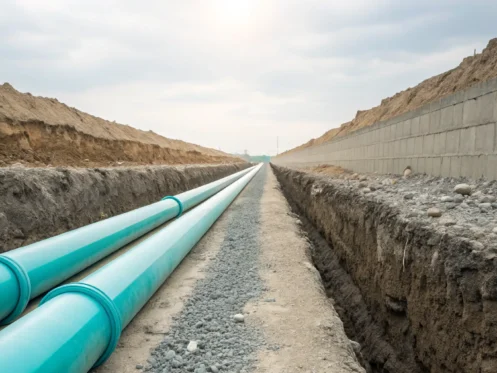
You might see figures for the sewer line replacement cost per foot online, but that number rarely tells the whole story. Is that price for the pipe alone, or does it include the intensive labor of excavation? Does it account for restoring your beautiful lawn or patio afterward? A full replacement is a complex project with many moving parts, and each one affects the final cost. This guide is designed to give you a complete picture. We’ll explore the differences between traditional and trenchless methods, explain how pipe materials impact your budget, and detail the other potential costs so you can feel fully prepared for the project ahead.
Key Takeaways
- Understand what shapes your quote: The final price isn’t random; it’s based on your property’s specific challenges, including pipe depth, soil type, and the repair method chosen (traditional vs. trenchless).
- Look beyond the main quote for the total cost: Remember to factor in additional expenses like camera inspections, city permits, and potential landscape restoration, which can add thousands to a traditional excavation project.
- Take control of the budget with smart planning: You can make the project more affordable by getting multiple estimates, asking about financing options to manage payments, and checking if your homeowner’s insurance offers any coverage.
What’s the Average Cost to Replace a Sewer Line?
Let’s talk about the numbers. Facing a full sewer line replacement is a big deal, and one of the first questions on your mind is probably, “How much is this going to cost?” The honest answer is: it varies. A lot. The final price tag depends on your home’s specific situation, the materials used, and the complexity of the job. Think of it less like buying a product off the shelf and more like a custom project tailored to your property.
Understanding the potential cost helps you plan and avoid surprises. While national statistics provide a starting point, the price for a project in Tucson can be quite different. We’ll break down the typical costs, explore what influences them, and give you a clearer picture of what to expect for your home’s drains and sewer system. This way, you can approach the project feeling informed and prepared.
National Averages vs. Local Prices
Across the country, homeowners can expect to pay anywhere from $3,000 to $10,000 for a standard sewer line replacement. Some sources even note that costs can range from about $2,500 to nearly $5,000 per 100 feet, depending on regional labor rates and the cost of living. These figures are a helpful baseline, but they don’t tell the whole story. Local factors, from permit fees to soil conditions, create a unique pricing landscape in every city. That’s why a national average is just a starting point for your budget, not the final word.
The Breakdown: Labor and Materials
The total cost of a sewer line replacement generally falls into two main categories: labor and materials. Labor is often the largest part of the expense, covering the skilled technicians’ time, heavy machinery for excavation, and the expertise needed to do the job right. A straightforward project might fall in the $3,000 to $12,000 range, but complex situations can push the final price much higher. The materials, meaning the pipes themselves, also contribute to the cost. Different pipe materials come at different price points, which we’ll explore a bit later.
Pricing Specific to the Tucson Area
So, what does this mean for homeowners in Tucson, Oro Valley, or Marana? While we can’t give a one-size-fits-all price, we can tell you that local conditions matter. Our region’s unique soil, like hard caliche, can make excavation more challenging and time-consuming, which directly impacts the labor portion of your bill. The only way to get a truly accurate figure for your property is to have a professional assess the situation. An on-site evaluation allows a technician to see the pipe’s depth, accessibility, and any potential obstacles, leading to a precise quote.
What Factors Influence the Final Price?
When you get a quote for a sewer line replacement, the final number is much more than just the cost of a new pipe. Several factors unique to your property play a huge role in determining the total price. Think of it like a custom project, because every home and its underground landscape is different. The final estimate accounts for everything from how hard it is to reach the pipes to the type of soil in your yard, which is why you’ll see a range of prices if you’re researching online.
Understanding these variables helps you see exactly where your money is going and allows you to have a more informed conversation with your plumbing technician. Key elements that shape the cost include the depth and accessibility of the sewer line, the ground conditions on your property, local permit requirements, and the total length of pipe that needs to be replaced. Let’s look at how each of these can affect your project’s budget. A professional assessment is the only way to get a truly accurate price for your specific sewer line needs. Getting a clear breakdown from your plumber helps demystify the final cost and ensures there are no surprises along the way.
Pipe Depth and Accessibility
One of the biggest cost drivers is simply how hard it is to get to the damaged pipe. A shallow line buried under soft grass is relatively easy to access. However, if your sewer line is several feet deep, the job immediately becomes more complex. As one industry expert notes, “Deeper pipes mean more digging, which takes longer.” This extra excavation requires more labor hours and sometimes heavier machinery.
Accessibility also includes any obstacles on the surface. Is the pipe located under a concrete driveway, a custom patio, or mature landscaping? Removing and later restoring these features adds significant time and expense to the project, making a straightforward replacement much more involved.
Your Property’s Soil and Terrain
What’s happening underground in your yard matters just as much as what’s on the surface. The type of soil on your property can significantly influence the cost of excavation. Here in the Tucson area, it’s common to encounter hard, compacted caliche or rocky soil. Digging through this kind of terrain is far more difficult and time-consuming than working with soft, sandy soil.
Challenging ground conditions often require specialized equipment to break through the tough layers, which increases both labor and equipment rental costs. A professional technician will assess your property’s soil during the initial inspection to determine the best excavation method and factor it into your quote.
Location and Local Permit Rules
Sewer line replacement isn’t a job you can just start digging for. Municipalities, including Tucson, Oro Valley, and Marana, have specific regulations and require permits for this kind of work. According to plumbing professionals, it’s standard for local utility departments to require permits and inspections for any major sewer repair or replacement.
These permits ensure the work is done safely and up to code, protecting both you and the public water system. The cost of pulling these permits, along with any associated inspection fees, is typically included in your overall project price. While it’s an added expense, it’s a necessary step for a safe and legally compliant installation.
The Length of Pipe Being Replaced
This factor is pretty straightforward: the more pipe you need to replace, the higher the total cost will be. Most sewer line replacement projects are priced per linear foot. This per-foot cost typically bundles the price of the new pipe material with the labor required to install it. A small, partial replacement of a 10-foot section will be much more affordable than a full replacement running 100 feet from your home to the street.
While prices vary, some reports show national averages can range from $2,450 to $4,870 per 100 feet. A thorough inspection will determine the exact length of damaged pipe that needs to be addressed for a precise estimate.
Does the Pipe Material Change the Cost?
Yes, the material used for your new sewer line absolutely plays a big role in the final cost. Think of it like choosing flooring for your house; you can go with budget-friendly vinyl or premium hardwood, and both have different price points and lifespans. The same principle applies to the pipes buried under your yard. Each material offers a unique balance of durability, longevity, and cost, and the right choice often depends on your budget and long-term plans for your home. Our team can walk you through the best options for your specific situation, ensuring you get a reliable system that fits your needs. We handle all types of drain and sewer issues and can help you make an informed decision.
PVC: The Affordable Standard
For most homeowners in Tucson, PVC (Polyvinyl Chloride) is the go-to material, and for good reason. It’s incredibly cost-effective, typically running around $4.50 per foot, which makes a big difference on a large project. But don’t let the low price fool you; PVC is also tough and built to last. With a potential lifespan of over 100 years, it’s a reliable, long-term solution that won’t break the bank. Its resistance to corrosion and root intrusion makes it a smart and practical choice for residential sewer lines. It’s the perfect blend of affordability and performance, which is why it has become the modern standard for many plumbing projects.
Cast Iron: A Durable, Premium Choice
If you’re looking for maximum durability, cast iron is the heavy-duty champion of sewer pipes. It’s known for its incredible strength and ability to withstand heavy loads and intense pressure, which is why it was the standard for many years. This strength comes at a higher price, making it a premium choice compared to PVC. While the material itself is more expensive, its longevity can make it a worthwhile investment for some properties. If your sewer line runs under a driveway or in an area with a lot of ground movement, the structural integrity of cast iron might be exactly what you need for ultimate peace of mind.
Other Options: ABS and Copper Pipes
Beyond PVC and cast iron, a couple of other materials might come up. ABS (Acrylonitrile Butadiene Styrene) is another type of plastic pipe, similar to PVC but slightly more flexible. It costs a bit more, around $6 per linear foot, and generally has a lifespan of 50 to 80 years. Copper is another option, though it’s rarely used for main sewer lines due to its high cost, which can be around $85 per foot. While copper is extremely durable and corrosion-resistant, its price point makes it more practical for smaller water supply lines inside your home rather than an entire sewer replacement project.
Traditional vs. Trenchless: A Cost Comparison
When your sewer line needs replacing, you have two main paths to consider: the traditional dig-and-replace method or a modern trenchless approach. Each has its own process and, importantly, its own price tag. Understanding the financial differences can help you make the best choice for your home and your budget, especially when you factor in not just the repair itself, but the aftermath.
The Price of Traditional Excavation
The traditional method is exactly what it sounds like: a team digs a large trench across your property to access and replace the damaged pipe. Because this is a labor-intensive process, a large portion of the cost is tied to the excavation itself. Nationally, a traditional sewer line repair can run anywhere from $3,000 to $6,000, with an average project cost of around $4,000. The final price depends heavily on how deep the pipe is and how difficult it is to access. If your sewer line runs under a driveway or mature landscaping, the complexity and cost can increase significantly.
How Much Does Trenchless Repair Cost?
Trenchless sewer repair is a less invasive alternative that avoids major digging. Methods like pipe bursting or pipe lining allow technicians to repair or replace the line through small access points. The cost for trenchless methods typically falls between $60 and $250 per foot, with total project costs often ranging from $6,000 to $12,000. While the upfront quote might sometimes be higher than a traditional repair, it’s crucial to look at the bigger picture. By avoiding extensive excavation, you sidestep the costs and headaches of restoring your property, which can make trenchless a more economical choice in the long run.
Budgeting for Landscape Restoration
This is where the true cost of traditional excavation often reveals itself. Digging a trench through your yard means destroying your lawn, garden beds, walkways, or even your driveway. Restoring these features can add thousands of dollars to your final bill, with estimates ranging from $3,000 to $8,000 in landscaping costs alone. Trenchless methods, on the other hand, preserve your property. Since there’s no massive trench to refill, you won’t have to worry about replanting your lawn or repaving your driveway. This makes trenchless repair a much cleaner and often more affordable option when you consider the total project expense. When you need help with your drains and sewer lines, it’s worth asking about the method that best protects your home’s value.
Are There Hidden Costs to Plan For?
When you get a quote for a sewer line replacement, it covers the major parts of the job, like labor and materials. But what about the other expenses that can pop up along the way? Thinking about these potential costs ahead of time can help you create a more realistic budget and avoid surprises. From initial inspections to unexpected repairs, a few factors can add to your final bill. Being aware of these possibilities is the best way to feel prepared for the entire project.
Video Camera Inspection Fees
Before a plumber can give you an accurate repair plan, they need to see exactly what’s happening inside your pipes. This is where a video camera inspection comes in. A technician feeds a small, waterproof camera into your sewer line to identify the precise location and cause of the problem, whether it’s a crack, a blockage, or a total collapse. This diagnostic step is crucial for an effective repair and usually costs between $100 and $500. Think of it as an investment in getting the job done right the first time, preventing more extensive and costly work later.
City Permits and Regulations
Sewer line work isn’t something you can just start digging for. Most municipalities, including Tucson and surrounding communities like Oro Valley and Sahuarita, require permits for sewer repair or replacement. These permits ensure the work meets local codes and safety standards. The cost and process for obtaining a permit can vary, but a reputable plumbing company will handle all the paperwork for you. This fee is often separate from the main project quote, so it’s a good idea to ask about it upfront when you schedule an appointment.
Removing Tree Roots and Blockages
One of the most common culprits behind sewer line damage is tree roots. They can sneak into tiny cracks in your pipes, growing larger over time and causing serious blockages or even breaking the pipe apart. If roots are the source of your problem, they’ll need to be cleared out before the pipe can be repaired or replaced. This process, often done with specialized cutting tools, is an additional service that adds to the overall cost. Clearing a significant blockage is a necessary step to ensure your new drains and sewer lines function properly.
Unexpected Issues and Extra Repairs
Sometimes, the full extent of a problem isn’t clear until the work begins. Once excavation starts, your plumber might uncover other issues that need attention. For example, the damage could be more widespread than the initial inspection showed, or they might find that other sections of your plumbing system are also compromised. The depth of the pipe and the soil conditions can also present unforeseen challenges. A professional team will communicate these findings with you immediately and explain any additional repairs needed to ensure a lasting solution for your home.
How to Financially Prepare for the Project
A sewer line replacement is a significant home improvement project, and the price tag can feel intimidating. But with a little planning, you can approach it with confidence instead of stress. Taking the time to understand your options, review your finances, and find the right partner for the job will make the entire process smoother. It’s about more than just finding the lowest price; it’s about securing the best value and ensuring the work is done right the first time. This is an investment in your home’s health and your peace of mind, so it’s worth doing your homework to protect your property.
Thinking ahead can save you from the sticker shock of an emergency repair. We’ll walk through a few practical steps you can take to prepare financially. From gathering quotes and exploring payment plans to understanding your insurance coverage, these actions will put you in control. A proactive approach not only helps your budget but also protects your home from the extensive damage a failed sewer line can cause. By breaking down the financial side of things, you can make clear, informed decisions for your property in Tucson, Oro Valley, or the surrounding communities. Let’s get you prepared for the project ahead.
Why You Should Get Multiple Estimates
When you’re facing a major repair, it’s smart to get a few different opinions. You wouldn’t buy the first car you test drive, and the same logic applies here. Getting several price estimates from different companies allows you to compare not just the cost, but also the proposed solution, the materials used, and the timeline. This process helps you spot any outliers, whether a quote is unusually high or suspiciously low. A trustworthy plumber will provide a detailed, transparent quote that explains every charge. This is your chance to ask questions and find a team you feel comfortable with for your home in Tucson.
Exploring Your Financing and Payment Options
The final cost of a sewer line replacement depends on many factors, including the pipe’s depth, the presence of tree roots, and the overall complexity of the job. Because the price can be substantial, many homeowners look for flexible ways to pay. Most reputable plumbing companies understand this and offer financing options to help manage the expense. These plans can break down a large, upfront cost into smaller, more manageable monthly payments. Don’t hesitate to ask about payment plans when you get your estimate. It’s a common and practical way to get essential work done without draining your savings.
Checking Your Homeowner’s Insurance Policy
Before you assume you’re on the hook for the entire bill, take a moment to review your homeowner’s insurance policy. While standard policies often don’t cover sewer line failure from normal wear and tear, some do offer coverage for specific situations, like damage from invasive tree roots. Additionally, some homeowners have a separate rider or a sewer line protection plan that can save a lot of money. A quick call to your insurance agent can clarify what your policy covers, potentially reducing your out-of-pocket costs significantly. It’s a simple step that could make a big financial difference.
The Cost Difference: Planned vs. Emergency Replacement
Waiting for a sewer line to fail completely is almost always more expensive than addressing a known issue proactively. Emergency services often come with premium charges for after-hours or weekend work. A planned replacement, on the other hand, allows for proper scheduling and preparation, which helps keep costs down. For example, a full 100-foot replacement can cost anywhere from $6,000 to $25,000, with emergency jobs landing on the higher end of that spectrum. Regular inspections and a maintenance agreement can help you catch problems early, turning a potential crisis into a manageable project.
Why Do Replacement Quotes Vary So Much?
If you’ve started collecting quotes for a sewer line replacement, you’ve probably noticed they can be all over the map. One contractor might give you a number that seems reasonable, while another provides a quote that’s thousands of dollars higher. This isn’t necessarily a red flag; it’s a reflection of how different every single sewer line project is. The final price tag depends on a unique combination of factors specific to your home, your property, and even your neighborhood.
Understanding what goes into a quote will help you compare estimates fairly and choose the right team for the job. It’s not just about the pipe itself. Technicians have to consider the age of your plumbing system, the local cost of labor, and any unique challenges your property presents. From the material of your old pipes to the soil in your yard, every detail plays a role in determining the scope of the work and, ultimately, the cost. Let’s break down the three biggest variables that cause these price differences.
The Age and Condition of Your Pipes
The first thing a plumber will assess is the state of your existing sewer line. If your home was built more than 50 years ago, there’s a good chance it still has its original cast iron pipes. While durable for their time, these older pipes are susceptible to corrosion, rust, and cracks after decades of use. A heavily degraded or collapsed line requires a much more involved replacement process than a newer PVC pipe with a single, isolated break. Our technicians can perform a camera inspection to see exactly what’s happening inside your pipes and determine if a full replacement is the best solution for your drains and sewer system.
How Local Labor Rates Affect Price
Labor is one of the most significant costs in any major home repair, and sewer line replacement is no exception. The rates for licensed, experienced plumbers can vary quite a bit from one city to another, influenced by the local cost of living and demand for skilled technicians. While national averages can give you a general idea, your final quote will always reflect the pricing specific to the Tucson area. That’s why it’s so important to get an estimate from a local company that understands the market and can provide an accurate, all-inclusive price for your project.
The Unique Complexity of Your Project
No two properties are identical, and the specific layout of your yard can dramatically affect the cost. A sewer line running under an open, grassy area is relatively easy to access. However, if your line is buried deep underground or sits beneath a driveway, a mature tree, or a custom patio, the project becomes much more complex. These obstacles require more labor, specialized equipment, and careful planning to avoid damaging your property. The complexity of the job is often the biggest reason for a wide range of quotes, as each contractor may propose a different approach to handle the specific challenges of your residential plumbing system.
Related Articles
- What’s the Cost to Replace 50 Feet of Sewer Line?
- Collapsed Sewer Line Repair Cost: 2026 Guide
- How Much Does Pipe Bursting Sewer Line Replacement Cost?
Frequently Asked Questions
Why can’t I get a firm price over the phone? A sewer line replacement is a custom job, not an off-the-shelf product. The final cost depends entirely on factors unique to your property, like the pipe’s depth, the type of soil in your yard (we see a lot of tough caliche here in Tucson), and whether we have to dig through a patio or driveway. An honest quote is only possible after a technician sees the situation in person.
Is the trenchless method always the best choice? Trenchless repair is a fantastic option that saves your landscaping from being completely dug up, which can make it more cost-effective in the long run. However, it isn’t a universal solution. For certain types of pipe damage or specific property layouts, traditional excavation might still be the most effective or even the only viable method. The right approach depends on what a camera inspection reveals about your pipes.
Will my homeowner’s insurance help pay for this? It’s possible, but you’ll need to check your specific policy. Most standard homeowner’s insurance doesn’t cover damage from simple wear and tear or neglect. However, some policies may cover damage caused by a specific event, like invasive tree roots. The best thing you can do is call your insurance agent right away to understand your coverage before you begin any work.
What’s the first step I should take if I think my sewer line is broken? The very first step is to call a professional for a video camera inspection. This is the only way to know for sure what’s happening inside your pipes. A camera inspection pinpoints the exact location and cause of the problem, which allows a technician to create an accurate plan and give you a precise quote for the repair.
Besides the pipe itself, what is the biggest factor that increases the cost? The single biggest cost driver is almost always accessibility. Simply put, how hard it is to get to the damaged pipe has a huge impact on the labor involved. A line that is buried deep under a concrete driveway and mature trees will cost significantly more to replace than a shallow pipe located in an open, grassy yard.