Ignoring your plumbing is one of the most expensive gambles a homeowner can make. A tiny drip you’ve been meaning to fix can waste hundreds of gallons of water, while a slow drain can be the first warning sign of a major sewer line backup. These aren’t just minor inconveniences; they are budget-breaking emergencies waiting to happen. The best defense is a consistent plumbing maintenance plan. By investing a small amount of time in regular check-ups, you can catch issues early, extend the life of your pipes and appliances, and protect your home from costly water damage. In this article, we’ll show you exactly what to do, from simple monthly checks to knowing when it’s time to call a professional for help.
Key Takeaways
- A simple routine is your best defense: You don’t need to be an expert to protect your home. A consistent schedule of quick, monthly checks for leaks and slow drains can catch small problems before they turn into major, expensive repairs.
- Protect your pipes from the inside out: What goes down your drains has a huge impact on your plumbing’s health. Avoid harsh chemical cleaners and so-called “flushable” wipes, as they can corrode pipes and create serious blockages.
- Know when a job requires a professional: Smart homeownership means recognizing your limits. For recurring clogs, sudden changes in water pressure, or signs of hidden leaks, calling an expert is the safest and most effective way to solve the problem.
What Is Plumbing Maintenance (And Why It Matters)
Think of plumbing maintenance as a regular health check-up for your home’s circulatory system. It’s the proactive, preventative care that keeps water flowing where it should and stops small issues from turning into full-blown emergencies. So often, we only think about our pipes when something goes wrong—a clogged drain, a leaky faucet, or worse, a burst pipe. But a little bit of attention now can save you a ton of stress and money later. Regular maintenance is all about catching those minor problems early, ensuring your systems are efficient, and giving you peace of mind. It’s the simplest way to protect your property and keep your daily routine running without a hitch.
A Simple Definition
At its core, plumbing maintenance is a series of routine checks and services on your home’s entire water system. This includes all the pipes, drains, faucets, toilets, and even your water heater. The goal is simple: make sure everything is working correctly. This means ensuring clean water is delivered efficiently to your taps and appliances while wastewater is disposed of properly. It’s about more than just fixing leaks; it’s about inspecting for corrosion, testing water pressure, and cleaning out drains to prevent future clogs. Think of it as the essential upkeep that keeps your residential plumbing in top shape.
The Real Cost of Neglecting Your Pipes
Ignoring your plumbing is one of the most expensive mistakes a homeowner can make. A tiny, seemingly harmless drip can waste hundreds of gallons of water and lead to mold growth and structural damage over time. Small problems that aren’t addressed almost always become bigger, more complex, and far more costly repairs. For example, having a professional clean your main sewer line might cost a few hundred dollars. But waiting until it’s completely blocked could lead to a replacement costing thousands, not to mention the expense of repairing a torn-up yard. A small investment in maintenance is your best defense against these budget-breaking emergencies.
How Often Should You Do Plumbing Maintenance?
Think of plumbing maintenance like a regular health checkup for your home. A little proactive care goes a long way in preventing major headaches and surprise expenses down the road. But how often is enough? The ideal schedule really depends on the age of your home and your plumbing system. A newer home might not need as much hand-holding, while a historic property will thank you for more frequent attention.
The key is consistency. By creating a simple routine, you can catch small issues before they become full-blown emergencies. We’ve broken down a practical timeline to help you keep your pipes in top shape all year long.
Your Monthly, Quarterly, and Annual Checklist
A simple checklist can make plumbing maintenance feel much more manageable. Start by adding these tasks to your calendar:
-
Monthly: Pay attention to your sinks and showers. If you notice water draining slowly, you could have a clog forming. Instead of reaching for harsh chemical cleaners that can damage your pipes, try a gentler approach. Pouring a mix of hot water, vinegar, and baking soda down your slow drains once a month can help clear minor buildup.
-
Quarterly: Every few months, check your toilets for silent leaks. A simple trick is to add a few drops of food coloring to the tank and wait about 30 minutes without flushing. If you see color in the bowl, you have a leak that’s wasting water and money.
-
Annually: At least once a year, it’s wise to have a professional inspection. An expert can spot underlying issues you might miss, from water heater sediment to hidden pipe corrosion. For older homes, an annual checkup is essential. A professional maintenance plan can make this process simple and affordable.
Prepping Your Plumbing for Tucson’s Seasons
Living in Tucson means our plumbing faces unique seasonal demands. While we don’t have to worry about deep freezes, a little preparation can make a big difference.
Before our brief winter arrives, disconnect and drain your outdoor hoses and cover the faucets to protect them during those rare cold snaps. In the spring, before the summer heat and monsoon season kick in, it’s a good time to have your water heater checked for efficiency. This is also a great time to ensure your air conditioner’s condensate line is clear, as a clog can cause water damage inside your home. A quick seasonal check-in ensures your entire plumbing system is ready for whatever the weather brings.
Your DIY Plumbing Maintenance Checklist
Staying on top of your plumbing doesn’t have to be a huge chore. By breaking it down into manageable monthly, quarterly, and annual tasks, you can catch small issues before they become big, expensive emergencies. This simple checklist covers the basics that any homeowner can handle to keep their system running smoothly. Think of it as a little bit of prevention that goes a long way in protecting your home and your wallet.
Simple Monthly Checks
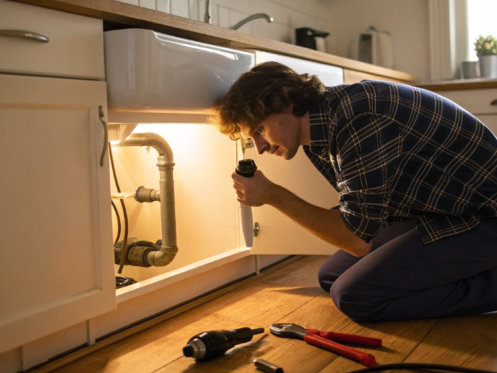
Once a month, take a few minutes to give your plumbing a quick once-over. Start by cleaning your sink and shower faucets to remove any mineral buildup—a common issue here in Tucson. This keeps your fixtures looking great and ensures proper water flow. Next, check all your drains. If you notice water draining slowly in a sink or tub, you might have a clog forming. Finally, do a quick visual inspection under all your sinks. Look for small drips or signs of moisture on the cabinet floor. Catching a tiny leak early can save you from serious water damage down the road.
Key Quarterly Tasks
Every few months, it’s a good idea to handle a few slightly more involved tasks. If you noticed any slow drains during your monthly check, now is the time to address them. Instead of reaching for harsh chemical cleaners that can damage your pipes, try a gentler approach. A mixture of hot water, vinegar, and baking soda can often clear minor blockages. This is also the perfect time to inspect the hoses connected to your washing machine, dishwasher, and refrigerator ice maker. Look for any cracks, bulges, or leaks and replace them if they show any signs of wear.
Important Annual To-Dos
Set aside time once a year for a few key maintenance tasks. First, flush your water heater to remove sediment buildup. This is especially important with Tucson’s hard water, as minerals can settle at the bottom of the tank, reducing efficiency and shortening its lifespan. Next, take a look at all the visible pipes in your home, including those in the basement or crawl space, checking for rust or corrosion. While you’re handling your own to-dos, it’s also smart to schedule a professional drains and sewer inspection. A pro can spot hidden issues in your main line, preventing messy backups. For total peace of mind, consider a maintenance agreement to keep everything in top shape.
Warning Signs Your Plumbing Needs Attention
Even with the best maintenance routine, your plumbing system will occasionally send out an S.O.S. The key is knowing how to spot these signals before a small issue turns into a full-blown emergency. Your home’s pipes, drains, and fixtures are constantly working, and they have subtle (and not-so-subtle) ways of telling you when something is wrong. Paying attention to these warning signs can save you from costly water damage and major headaches down the road. Think of it as learning your home’s language—once you know what to look for, you can act quickly and keep things flowing smoothly.
Changes in Water Pressure and Flow
You know what the water flow in your shower or kitchen sink should feel like. If you suddenly notice a weak trickle or a surprisingly powerful blast, it’s a clear sign that something is off. Low water pressure can make simple tasks like washing dishes frustratingly slow, while pressure that’s too high can put serious stress on your pipes and joints, leading to leaks or even a burst pipe. You can easily check your home’s pressure with a simple gauge from a hardware store; just attach it to an outdoor spigot. If the reading is off, it’s time to investigate the cause.
Strange Sounds and Odors
Your plumbing system should operate quietly for the most part. If you start hearing unusual noises like banging, gurgling, or whistling when you turn on a faucet or flush a toilet, your pipes are trying to tell you something. These sounds can indicate anything from air trapped in the lines to a developing clog. Similarly, you should never ignore foul odors coming from your drains. A persistent sewer-like smell is a major red flag that could point to a problem with your vent pipe or a blockage in your main drains and sewer lines. Don’t just mask the smell—get it checked out.
Visible Leaks and Water Damage
This might seem obvious, but small leaks can be easy to miss. Make it a habit to periodically check under sinks, behind toilets, and around appliances like your water heater and washing machine for any signs of moisture, rust, or drips. Also, keep an eye out for more subtle clues like water stains on ceilings or walls, peeling paint, or warped flooring, as these often point to a hidden leak within your walls. An unexpectedly high water bill is another classic sign of a hidden leak. If you spot any of these issues, it’s best to call for professional residential plumbing services to find and fix the source.
Common Plumbing Maintenance Mistakes to Avoid
We all want to save a little time and money, but some common plumbing “hacks” can backfire in a big way. A quick fix might seem convenient at the moment, but it can lead to expensive, stressful repairs down the road. Knowing what not to do is just as important as knowing what to do. By avoiding a few key mistakes, you can protect your pipes, prevent emergencies, and keep your home’s plumbing system running smoothly for years to come. Let’s walk through some of the most frequent missteps homeowners make.
The Truth About “Flushable” Wipes
Despite what the packaging says, so-called “flushable” wipes are one of the biggest enemies of your plumbing system. Here’s the deal: they are not safe to flush. Unlike toilet paper, which is designed to break down quickly in water, these wipes are made with synthetic fibers that hold them together. They don’t disintegrate, and once they’re in your pipes, they can snag, gather grease and other debris, and create stubborn clogs. Over time, this can lead to serious sewer line backups that require professional help to clear. The only things that should ever be flushed are human waste and toilet paper—everything else belongs in the trash can.
Why Chemical Drain Cleaners Do More Harm Than Good
When you have a clog, reaching for a bottle of chemical drain cleaner feels like an easy solution. Unfortunately, using these harsh products is not safe for your pipes. The powerful chemicals that dissolve hair and gunk can also eat away at your plumbing, especially if you have older pipes. This corrosion can cause leaks and lead to much more costly repairs than simply clearing a clog. Plus, these chemicals often only burn a small tunnel through the blockage, meaning the problem will likely return. Instead of pouring chemicals down the drain, try a drain snake or call us for a safe and effective professional drain cleaning.
The Danger of Ignoring a Slow Drain
It’s easy to dismiss a slow-draining sink or shower as a minor annoyance, but you shouldn’t. A slow drain isn’t just an inconvenience; it can indicate a larger problem that, if ignored, may lead to significant plumbing issues. It’s your plumbing system’s way of telling you that a clog is forming somewhere down the line. This could be a simple buildup of hair and soap scum, or it could be a more serious issue like tree roots invading your main sewer line. Letting it go can result in a complete blockage, foul odors, or even a messy water backup. If you notice a drain slowing down, it’s best to schedule a professional inspection to find the root cause.
Your DIY Plumbing Maintenance Toolkit
Having the right tools on hand can make the difference between a quick fix and a full-blown panic. You don’t need a truck full of equipment, but a small, dedicated plumbing toolkit empowers you to handle minor issues confidently. Think of it as your first-aid kit for your home’s water system, ready to go when you need it most. Assembling this kit is a simple weekend project that prepares you for the most common plumbing hiccups.
Essential Tools for Every Homeowner
You can put together a great basic kit without breaking the bank. Start with a couple of plungers—a cup plunger for sinks and a flange plunger for toilets. You’ll also want a set of pliers and an adjustable wrench for tightening and loosening fixtures. The tool most people associate with plumbing is the classic pipe wrench, which is perfect for tackling stubborn fittings. Round out your kit with some plumber’s tape for sealing threads and a small hand auger (or drain snake) to clear simple clogs in sinks and tubs. With these items, you’ll be prepared for most common household repairs.
Smart Devices for Leak Detection
Beyond the basics, technology offers some fantastic ways to protect your home. Smart leak detectors are small sensors you can place near potential trouble spots like your water heater, washing machine, or under the kitchen sink. If they sense moisture, these smart devices send an alert straight to your phone. This early warning can be a lifesaver, helping you catch a small drip before it turns into a disastrous flood. It’s a simple, modern way to prevent water damage and gain peace of mind, especially when you’re away from home.
The Payoff: Long-Term Benefits of Regular Maintenance
All the small checks and tasks on your maintenance list might seem like a chore, but they add up to significant long-term gains. Think of it as an investment in your home’s health and your own peace of mind. Consistent care for your plumbing system protects you from sudden disasters, saves you money, and keeps your home running smoothly for years to come. It’s the difference between proactively managing your home and reactively dealing with costly, stressful emergencies.
Save Money and Prevent Emergencies
One of the most compelling reasons to keep up with plumbing maintenance is the money it saves. It’s easy to put off fixing a slow drain or a tiny drip, but ignoring small issues can lead to much bigger, more expensive repairs and water damage later on. A simple, affordable fix today can prevent a catastrophic and costly pipe burst tomorrow.
Regular maintenance helps you catch these minor problems before they escalate. By keeping your drains and sewer lines clear and your pipes in good condition, you avoid the panic and high cost of an emergency call. Consistent care protects your pipes and appliances from wearing out too fast, ensuring your entire system works efficiently and reliably when you need it most.
Extend Your System’s Lifespan and Protect Your Home’s Value
Your home’s plumbing is a complex system you rely on every day. Just like any other major system, it needs regular attention to function well for the long haul. Consistent maintenance helps your pipes, fixtures, and appliances like your water heater last longer, delaying the need for expensive replacements. It also improves your system’s efficiency, which can help lower your water and energy bills.
This proactive care also protects your property value. A home with a well-documented history of professional plumbing maintenance is a major selling point. Potential buyers see it as a sign of a well-cared-for home, free of hidden issues. For homeowners who want to ensure their system is always in top shape, a professional maintenance agreement can provide scheduled check-ups and peace of mind.
Know When to Call a Professional
While this checklist empowers you to handle a lot of your home’s plumbing maintenance, it’s just as important to know when to put the tools down and pick up the phone. Being a savvy homeowner isn’t about doing everything yourself; it’s about knowing the difference between a simple fix and a potential disaster. Think of a professional plumber as your partner in protecting your home. Calling for help with a tricky issue is one of the smartest moves you can make to prevent a small problem from turning into a costly, stressful emergency.
Understanding Your DIY Limits
One of the biggest myths about plumbing is that you only need to worry about it when a tap stops running or a toilet won’t flush. The truth is, your plumbing system often gives you subtle hints that something is wrong long before a complete failure. Your DIY maintenance tasks are perfect for catching these early signs. However, diagnosing the root cause of an issue often requires specialized tools and experience. Pushing your DIY skills too far can accidentally make the problem worse. The goal is to be proactive, and sometimes the most proactive step you can take is admitting a job is out of your league.
Tasks Best Left to the Experts
Some situations are clear signals that it’s time to call for professional help. Don’t hesitate if you run into any of these issues—an expert can solve the problem safely and efficiently, saving you from further damage.
Here are a few signs that you need to call a plumber:
- Stubbornly low water pressure. If you’ve cleaned your faucet aerators and showerheads and the pressure is still weak throughout your house, there could be a deeper issue, like a hidden leak or a problem with your main water line.
- Drains that won’t clear. If you’ve tried plunging or using a drain snake and you still have slow or completely clogged drains and sewer lines, it’s time for a pro. A recurring clog can signal a blockage deep within your pipes.
- Water stains on walls or ceilings. A discolored patch, even a small one, is a major red flag for a hidden leak. Ignoring it can lead to serious structural damage and mold growth.
- Plumbing emergencies. For issues like a burst pipe, an overflowing toilet that won’t stop, or any sign of a sewer backup, don’t wait. Shut off your main water valve and call for help immediately.
When you face an issue you can’t handle, a professional’s expertise is your best defense against bigger problems. If you’re ever in doubt, it’s always better to be safe and schedule a service call.
Related Articles
- 4 Common Plumbing Problems & How to Avoid | Fusion Plumbing
- 8 Issues That Need Professional Plumbing Services | Fusion
- 7 Tips for Extending the Life of Your Water Heater | Fusion Plumbing & Air
- Reasons To Never Use Flex Seal to Repair Your Plumbing | Fusion
- Signs You Need to Call a Professional Plumber | Fusion
Frequently Asked Questions
Is a professional maintenance plan actually worth the cost? Think of it this way: you’re choosing to pay a small, predictable amount now to avoid a huge, unexpected expense later. A maintenance plan is about catching small issues, like minor corrosion or sediment buildup in your water heater, before they can cause a catastrophic failure. It’s a proactive strategy that saves you from the stress and high cost of emergency repairs, ultimately protecting your home and your budget.
How can I tell if a clogged drain is a simple fix or something more serious? A good rule of thumb is to try the simplest solution first. If a plunger or a basic drain snake doesn’t clear the blockage after a couple of attempts, it’s time to stop. Persistent clogs, or drains that clog up in multiple places at once, often point to a deeper problem in your main sewer line. Pushing a DIY fix too far can damage your pipes, so it’s best to call a professional when the simple methods don’t work.
My water pressure seems fine. Do I still need to worry about it? Water pressure can be tricky because what feels “fine” might actually be too high. Consistently high pressure puts constant stress on your entire plumbing system—the pipes, joints, and appliance hoses—which can lead to leaks and premature failures. It’s a silent problem that can cause a lot of damage over time. A quick check with an inexpensive pressure gauge can tell you if your system is operating within a safe range.
Are “natural” drain cleaners safe to use instead of chemical ones? While homemade solutions like hot water, vinegar, and baking soda are great for routine cleaning to prevent buildup, they usually aren’t powerful enough to clear an existing, stubborn clog. They are certainly a safer first step than harsh chemicals, but they won’t solve a serious blockage. For a clog that won’t budge, the safest and most effective option is always professional drain cleaning.
What’s the single most important thing I can do to prevent a major plumbing disaster? The most important thing you can do is pay attention. Your plumbing system will almost always give you warning signs before a major failure. Don’t ignore a slow drain, a gurgling toilet, a small drip under the sink, or a sudden spike in your water bill. Addressing these small clues right away is the single best way to catch a problem while it’s still small, manageable, and inexpensive to fix.