Nothing tests a homeowner’s composure quite like a failing air conditioner during a sweltering Arizona summer. The sudden need for a replacement can be stressful, forcing you into a quick decision you might later regret. When you’re in a rush, it’s hard to properly research your options or understand the true costs. This guide is here to help you navigate that process with confidence. We’ll break down exactly how much does a new ac unit cost with installation, looking at everything from the equipment itself to labor and potential hidden fees. Our goal is to give you the information you need to make a smart, unhurried decision for your home’s comfort, whether you’re in Sahuarita or right here in Tucson.
Key Takeaways
- Budget for the whole project, not just the unit: The final price of a new AC includes the system itself, installation labor, your home’s size and layout, and any necessary ductwork or electrical modifications.
- Invest in efficiency to save money over time: A high-efficiency unit with a strong SEER rating may cost more upfront, but it leads to significant savings on your monthly energy bills and can qualify for rebates.
- Hire a qualified pro and plan your timing: A professional installation is critical for your system’s performance, and scheduling the replacement during the off-season (fall or spring) can help you avoid peak prices and long waits.
How Much Does a New AC Unit Cost?
Figuring out the budget for a new air conditioner can feel like a big task, especially with so many options on the market. The truth is, there’s no single price tag. The final cost depends heavily on the type of system you choose, the size of your home, and the specifics of the installation. A system that works perfectly for a small home in Marana might not be the right fit for a larger property in the Oracle Foothills.
To give you a clear idea of what to expect, let’s break down the costs associated with the most common types of air conditioners. We’ll look at everything from whole-home central air systems to smaller, single-room units. This will help you understand the price ranges and find a solution that fits both your cooling needs and your budget. Remember, investing in the right system is about more than just the initial price; it’s about long-term comfort and efficiency.
Central Air Conditioning
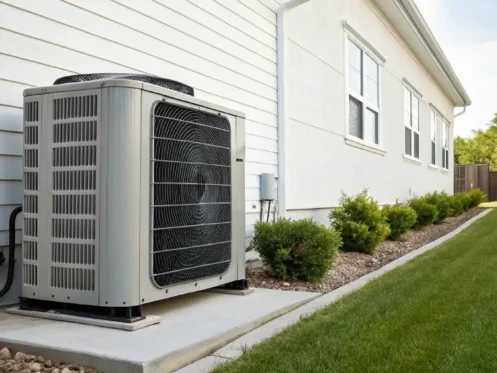
For most homeowners in Tucson and Sahuarita, a central air conditioning system is the standard for whole-home cooling. These systems use a network of ducts to distribute cool air evenly throughout your house. The cost to replace a central AC unit can range from $5,500 to $16,000. This estimate typically includes the new unit itself, professional installation labor, and any necessary permits. While it’s a significant investment, a modern central air system is one of the most effective ways to handle the Arizona heat, providing consistent and reliable comfort for your entire family.
Ductless Mini-Splits
Ductless mini-splits are a flexible and energy-efficient alternative, especially for homes without existing ductwork or for cooling specific areas. These systems consist of an outdoor unit connected to one or more indoor units mounted on walls or ceilings. They are perfect for home additions, converted garages, or creating different temperature zones within your home. While they are highly efficient for smaller spaces, using them to cool an entire house often requires multiple indoor units, which can increase the overall cost compared to a traditional central system.
Window and Portable Units
If you only need to cool a single room or a small apartment, window and portable units are the most budget-friendly options. Window air conditioners are compact and designed to cool a contained space effectively. Portable air conditioners offer even more flexibility, as you can move them from room to room as needed, and they typically cost between $100 and $500. These units are generally a DIY installation and are best suited for supplemental cooling rather than serving as a primary source for an entire home.
What Factors Into the Cost of a New AC?
Figuring out the cost of a new air conditioner can feel a bit like solving a puzzle. It’s not just one single price tag; it’s a combination of different pieces that come together to form the final number. From the type of system you choose to the unique layout of your Tucson home, several key factors play a role. Understanding these elements will help you see the full picture and make a confident decision when it’s time to invest in your home’s comfort. Let’s break down exactly what goes into the price of a new AC.
AC System Type and Brand
The first major piece of the puzzle is the AC system itself. Are you looking for a central air conditioner to cool your entire house, or is a ductless mini-split a better fit for a specific area? Central air is a popular choice for larger homes in places like Marana and Sahuarita, while mini-splits offer targeted, efficient cooling for smaller spaces. The brand you choose also matters. While some brands come with a higher initial cost, they often provide superior reliability and stronger warranties, which can save you headaches down the road. Our team can walk you through the best cooling services and brands for your budget and needs.
Your Home’s Size and Cooling Needs
It makes sense that a larger home requires a more powerful air conditioner, and that power comes with a higher price. The size of your AC unit, measured in BTUs (British Thermal Units), needs to be perfectly matched to your home’s square footage. An undersized unit will struggle to keep up on hot Tucson days, constantly running without ever making you comfortable. On the other hand, an oversized unit will cool the space too quickly and shut off, leading to poor humidity control and wasted energy. Getting this balance right is essential for both comfort and cost-effectiveness, which is why a professional assessment is so important.
Installation Complexity and Labor
Installing a new AC is much more than just setting a box outside your house. The process involves careful planning and skilled labor, which is a significant part of the total cost. Our technicians handle everything from safely removing your old unit to making sure the new one is perfectly connected to your ductwork and electrical system. The complexity of the job can vary. For example, if your home in Oro Valley needs new ductwork or if the unit needs to be installed in a hard-to-reach place, it can add to the labor time. When you schedule an installation with us, you’re paying for a safe, correct, and efficient setup.
Energy Efficiency Ratings (SEER)
Think of an AC unit’s SEER (Seasonal Energy Efficiency Ratio) rating like a car’s miles per gallon. The higher the SEER rating, the more efficiently the unit uses electricity to cool your home. High-SEER models typically have a higher upfront cost, but they can lead to significant savings on your monthly energy bills over the life of the system. This is a classic case of investing a bit more now to save a lot more later. We can help you compare different models and find a high-efficiency unit that fits your budget and provides long-term value, especially with our helpful maintenance agreements to keep it running at peak performance.
Does Home Size Affect AC Installation Costs?
Yes, the size of your home is one of the most significant factors determining the cost of a new air conditioner. A larger home in Tucson or Marana simply has more space to cool, which requires a more powerful and, therefore, more expensive AC unit. However, it’s not just about raw square footage. The right AC for your home depends on a variety of unique characteristics, including your home’s layout, ceiling height, window placement, and insulation levels.
Think of it like this: two homes can have the same square footage, but if one has vaulted ceilings and large, south-facing windows, it will need a different cooling solution than a home with standard ceilings and more shade. That’s why a professional assessment is so important. A one-size-fits-all approach often leads to an inefficient system that costs you more in the long run. An expert technician will evaluate your specific needs to recommend a system that cools your home effectively without wasting energy. This tailored approach ensures you get the comfort you need without overpaying for a unit that’s too powerful for your space.
What is a Manual J Load Calculation?
A Manual J Load Calculation is the industry standard for properly sizing an HVAC system. It’s a detailed analysis that a certified technician performs to determine the exact cooling needs of your home. This isn’t a quick guess based on square footage; it’s a comprehensive evaluation that considers factors like your home’s orientation, the number and quality of windows, local climate, insulation levels, and even the number of people living in the house. This calculation ensures the AC unit you install is a perfect fit. A professional load calculation prevents the common mistake of installing an oversized unit, which can lead to higher energy bills and a shorter system lifespan.
Square Footage and BTUs
While a Manual J calculation is the most accurate method, you can get a general idea of cost based on square footage. The cooling power of an air conditioner is measured in British Thermal Units (BTUs). The more square footage you have, the more BTUs you’ll need to keep your home comfortable. As a rough guideline, homeowners might see installation costs ranging from $3 to $7 per square foot. So, for a 2,000-square-foot home, you could be looking at a wide price range. This is just a starting point, as the final BTU requirement and cost will be determined by the specific factors of your home in Oro Valley or Sahuarita.
Cooling Multi-Story Homes and Zones
Cooling a multi-story home or a house with a sprawling layout presents unique challenges. Heat naturally rises, often leaving upper floors much warmer than the ground level. These homes may require a zoned system, which uses multiple thermostats to control the temperature in different areas independently, or even multiple AC units. The condition of your existing ductwork also plays a huge role in the final cost. If your ducts are old, leaky, or improperly sized, they may need to be repaired or replaced for the new system to work efficiently. Our team provides expert cooling services to handle these complex installations, ensuring every room in your home stays comfortable.
Are There Hidden Costs When Installing an AC?
When you’re budgeting for a new air conditioner, it’s easy to focus on the price of the unit itself. But the final bill often includes more than just the equipment. Several factors can pop up during the installation process that add to the total cost. Think of it like buying a new piece of furniture; the price tag is one thing, but you also have to account for delivery and assembly. Understanding these potential costs ahead of time helps you create a more realistic budget and avoid any last-minute surprises.
A trustworthy contractor will walk you through these possibilities in your initial quote, but it’s always smart to know what to ask about. From your home’s existing infrastructure to local code requirements, several elements can influence the final price. These aren’t about upselling; they’re about ensuring your new system is installed safely and performs at its peak for years to come. A quality installation is just as critical as the AC unit you choose. In fact, poor installation can lead to higher energy bills and a less comfortable home, completely defeating the purpose of your upgrade. That’s why a comprehensive approach to cooling services looks at the whole picture, not just the box. From homes in Sahuarita to Oracle Foothills, every installation is unique, and a detailed quote should reflect that.
Ductwork Repair or Modification
Your ductwork is the highway that delivers cool air throughout your home. If that highway is full of potholes or is too narrow, even the most powerful AC unit won’t perform efficiently. In many homes, especially older ones in Tucson, existing ducts can be leaky, poorly insulated, or simply not designed for a modern, high-efficiency system. Fixing or replacing old air ducts can add to the overall cost of your new AC installation, but it’s a crucial step. Ignoring faulty ductwork means you’ll be paying for cool air that never even reaches your rooms, leading to higher energy bills and uneven temperatures. Think of it as an investment in your home’s overall efficiency.
Electrical Upgrades and Permits
A new air conditioner often has different electrical needs than the one it’s replacing. Your home might require electrical updates to support the new system safely. This could involve running new wiring for a smart thermostat or even making modifications to your home’s main electrical panel to handle the load. These upgrades are not a DIY project; they require a licensed electrician to ensure everything is up to code and safe for your family. Depending on the scope of the work, these updates can add between $100 and $600 to your installation costs. Additionally, most electrical work requires a permit from your local municipality, which is another small but important cost to factor into your budget.
Removing and Disposing of Your Old Unit
Once your new AC is ready to be installed, what happens to the old one? You can’t just leave it on the curb. Old air conditioning units contain refrigerants and other materials that must be disposed of according to strict environmental regulations. A professional HVAC contractor will handle the safe removal and proper disposal of your old unit as part of their service. This process ensures that harmful chemicals don’t leak into the environment. While this service is typically included in a professional installation quote, it’s an essential part of the job that contributes to the overall cost. It also saves you a major headache and ensures the entire replacement process is handled responsibly.
New Drainage and Condensate Lines
As your AC cools the air, it also removes humidity. This moisture collects and has to go somewhere, which is the job of the condensate drain line. If your existing drain line is clogged, cracked, or not properly sloped, it will need to be repaired or replaced to prevent water damage and mold growth. In some cases, like if your indoor unit is located in a basement or an area without a direct path for gravity drainage, a special condensate pump may be needed. Installing a pump ensures water is moved out of your home effectively and can be an additional, but necessary, expense to protect your property.
Can a High-Efficiency AC Unit Save You Money?
The short answer is a resounding yes. While a high-efficiency air conditioner often comes with a higher price tag, it’s an investment that can pay for itself over time. Think of it less as an expense and more as a long-term strategy for reducing your household costs, especially here in the Arizona heat. The savings come from a few key areas: lower energy consumption, reduced utility bills, and potential financial incentives. Let’s break down exactly how upgrading your AC can put money back in your pocket.
Understanding SEER Ratings
What exactly makes an AC unit “high-efficiency”? It all comes down to its SEER rating. SEER stands for Seasonal Energy Efficiency Ratio, and it’s a simple way to measure how much cooling an air conditioner produces for each unit of electricity it uses. The higher the SEER rating, the more efficient the unit is. While a system with a higher SEER rating might have a larger upfront cost, it uses significantly less energy to cool your home. This efficiency is key to unlocking long-term savings and is a critical factor to consider when choosing a new system for your home in Tucson or Marana.
Lowering Your Monthly Utility Bills
A more efficient AC unit directly translates to lower monthly energy bills. An older, less efficient system has to work much harder to keep your home cool, consuming a lot of electricity in the process. A new, high-efficiency model does the same job using a fraction of the power. Over the course of a long, hot summer in Sahuarita, those savings add up quickly. Investing in modern cooling services can reduce your energy consumption, making your home more comfortable and your budget a little healthier. To keep it running at peak performance, a regular maintenance agreement is also a smart move.
Finding Rebates and Tax Credits
The initial cost of a high-efficiency unit can feel intimidating, but you might not have to cover the full amount yourself. Many government and utility programs offer incentives to encourage homeowners to choose energy-efficient appliances. You may be eligible for local utility rebates, federal tax credits, or even special offers from the manufacturer. These programs can significantly reduce the upfront cost of your new AC system. Our team stays current on the latest incentives available in Oro Valley and Oracle Foothills, and we can help you identify the rebates and credits that apply to your purchase when you schedule an installation.
How to Choose the Right AC Contractor
Choosing a new air conditioner is a big decision, but picking the right team to install it is just as important. The quality of the installation directly affects your new system’s performance, efficiency, and lifespan. A great contractor ensures everything is set up correctly from the start, saving you from future headaches and costly repairs. Think of it as an investment in your home’s comfort and your peace of mind. When you’re looking for a partner to handle your cooling services, you want a team that is transparent, skilled, and reliable. Taking the time to vet your options will pay off for years to come, ensuring you get the most out of your new AC unit.
Check for Licenses, Insurance, and Certifications
Before you even look at a quote, make sure any contractor you consider is properly licensed and insured. This is your first line of defense. A license proves the technicians have met state and local requirements for performing HVAC work safely and correctly. Insurance protects you and your home in the unlikely event of an accident or property damage during the installation. Don’t be shy about asking for proof of both. A professional company will have this information ready and will be happy to share it. Certifications from organizations like NATE (North American Technician Excellence) are another great sign, as they show a commitment to the highest industry standards.
How to Compare Installation Quotes
It’s a good idea to get at least three written quotes from different local companies. This helps you understand the average cost for your project in areas like Tucson or Marana. However, don’t let price be your only guide. The cheapest quote often cuts corners. A detailed quote should break down all the costs, including the specific equipment model, labor charges, necessary permits, and any additional materials. If a quote seems vague, ask questions. A trustworthy contractor will provide clear, upfront pricing so you can make an informed decision without any surprises. When you’re ready, you can schedule an appointment to get a comprehensive estimate.
What to Look for in a Warranty
A solid warranty is a sign that a contractor stands behind their work. You’ll typically see two types of warranties: a manufacturer’s warranty, which covers the parts of the AC unit itself, and a labor warranty from the installer. The labor warranty is crucial because it covers the quality of the installation. A company that is confident in its technicians will offer a strong guarantee on their workmanship. This protects your investment and shows that they are committed to getting the job done right. Regular tune-ups can also help keep your warranty valid, so consider a maintenance agreement to protect your new system.
What Are My Financing Options for a New AC?
A new air conditioner is a major home investment, and the price tag can feel intimidating. The good news is you don’t have to pay for it all at once. Most homeowners in Tucson use financing to spread out the cost, making a high-efficiency system much more accessible. Thinking about how to pay for your new AC is just as important as choosing the right unit for your home. It ensures you can get a reliable, energy-efficient model that will keep you cool for years to come without causing financial strain.
At Fusion Plumbing & Air, we believe everyone deserves to be comfortable in their home, which is why we help our customers find payment solutions that work for their budgets. When you start exploring your options, you’ll generally find two main paths: traditional payment plans and special promotional offers. Understanding how each one works will help you make a confident decision for your home and finances. We can walk you through the specifics for your new system and find a plan that makes sense for you, whether you live in Oro Valley, Marana, or Sahuarita. Our team is here to make the entire process, from selection to payment, as smooth as possible.
HVAC Financing and Payment Plans
The most straightforward way to manage the cost of a new AC is with an HVAC financing plan. Many companies offer these plans to help you pay for your new system over time instead of in one lump sum. This approach breaks the total cost down into predictable, fixed monthly payments that are easier to fit into your household budget.
This allows you to get the efficient, reliable air conditioner you need now without draining your savings. When we provide a quote for your new system, we can also show you what the monthly payments would look like. Our goal is to make our cooling services affordable so you can enjoy a comfortable home year-round.
Credit and Promotional Offers
Keep an eye out for special financing promotions, as they can save you a lot of money. These offers often include low or even no-interest plans for a set period, which means more of your payment goes directly toward the new unit instead of interest charges. These deals are a great way to invest in a high-quality system without the stress of immediate high costs.
It’s always a good idea to read the terms carefully so you understand what happens after the promotional period ends. The best plan is one that fits your budget and has favorable terms for the long run. When you’re ready, you can schedule an appointment with our team to discuss your AC needs and any current financing offers we have available.
When Is the Best Time to Replace an AC Unit?
Timing your AC replacement is about more than just convenience; it can significantly impact your budget and overall stress levels. Let’s be honest, few things are more stressful than your air conditioner giving out during a sweltering Tucson summer. That’s when you’re forced into a rushed decision, often paying a premium for an emergency installation and settling for whatever system is available right away. Thinking about your AC replacement as a major home investment, similar to a renovation or buying a new car, helps put the decision into perspective.
A proactive approach gives you the power. By planning your replacement, you have the time to research different models, understand your home’s specific cooling needs with a proper load calculation, and find the most energy-efficient system for your budget. You can also schedule the installation for a time that works for you, not just when a technician can squeeze you in between emergency calls. The key is to think about your AC’s health before it fails. Considering the season and planning ahead can make the entire process smoother and more affordable, ensuring your home in Oro Valley or Sahuarita stays cool and comfortable when you need it most.
Does the Season Affect AC Prices?
Yes, the time of year definitely plays a role in AC replacement costs. The HVAC industry experiences peak seasons, just like any other business. In summer, when temperatures soar, demand for cooling services skyrockets. Technicians are incredibly busy with emergency repairs and installations, which can lead to higher prices and longer wait times.
The best time to buy a new air conditioner is typically during the “shoulder seasons” of fall and spring. During these milder months, demand is lower, and HVAC companies often have more scheduling flexibility. You might even find off-season promotions or deals. Planning your installation for autumn or early spring allows you to avoid the summer rush and potentially save some money in the process.
Planned Upgrades vs. Emergency Replacements
There’s a world of difference between planning an AC upgrade and dealing with an emergency replacement. When your system fails unexpectedly on a 100-degree day, you’re in a tough spot. You need a solution fast, which leaves little room to compare quotes or research the most efficient unit for your home. This urgency can lead to higher costs and a less-than-ideal installation experience.
A planned replacement puts you in control. You can take your time to find the perfect system, secure financing if needed, and schedule the work without pressure. Regular system check-ups through a maintenance agreement can help you spot warning signs early, turning a potential crisis into a manageable project. This foresight not only saves you from a sweltering home but also ensures you make a smart, long-term investment.
Common Myths About AC Installation Costs
When it comes to a big home investment like a new air conditioner, misinformation can be costly. It’s easy to get caught up in advice from neighbors or outdated articles online, but falling for common myths can lead to paying more for less comfort. Let’s clear the air and look at some of the most frequent misconceptions about AC installation costs so you can make a confident, informed decision for your home in Tucson.
Why a Bigger AC Isn’t Always Better
It seems logical to think that a bigger, more powerful AC unit will cool your home better, but that’s one of the biggest myths out there. An oversized system is actually less effective. It will cool your space too quickly, causing it to constantly turn on and off in short bursts, a process known as short cycling. This not only drives up your energy bills but also creates uneven temperatures and fails to properly dehumidify your home. The key is getting a unit that’s perfectly sized for your space, which requires a professional calculation. Our team provides expert cooling services to ensure your new AC is the perfect fit for efficiency and comfort.
The Real Cost of a DIY Installation
With so many tutorials available online, tackling an AC installation yourself might seem like a great way to save money. However, this is a job best left to certified professionals. Improper installation can lead to a whole host of expensive problems, from refrigerant leaks and poor airflow to electrical issues and a voided manufacturer’s warranty. What starts as a money-saving project can quickly turn into a series of costly repair calls. Investing in a professional installation ensures your system runs safely and efficiently from day one, saving you stress and money in the long run. If you’re ready for a proper installation, you can schedule an appointment with our team.
Upfront Price vs. Long-Term Cost
The initial price tag for a new AC unit can feel intimidating, but focusing only on that number can be a mistake. The true cost of an air conditioner includes both the purchase price and its operating costs over its entire lifespan. A cheaper, less efficient model might save you money today, but it will likely lead to higher monthly utility bills for the next 10 to 15 years. Believing certain AC myths could be costing you money by preventing you from seeing the bigger picture. Investing in a high-efficiency unit often provides significant long-term savings that more than make up for the higher initial cost.
Related Articles
- New AC Unit Installation: A Step-by-Step Guide
- AC Installation with Financing: A Complete Guide
- Central Air Conditioner Repair: A Cost & Fix Guide
- HVAC Efficiency 101: The Ultimate Homeowner’s Guide
- HVAC Marana: Your Complete Guide to Services
Frequently Asked Questions
Why can’t I get a simple price quote over the phone? A price quote over the phone would be a guess, and we’d rather give you an accurate, reliable number. The final cost depends on unique factors in your home, like the condition of your ductwork, your electrical panel’s capacity, and the specific layout of your space. A quick in-person assessment allows us to see the full picture and provide a detailed quote with no surprises.
Is a high-SEER unit really worth the extra cost in Arizona? Absolutely. Given our long and intense summers, your air conditioner is one of the hardest-working appliances in your home. A high-SEER unit uses significantly less electricity to produce the same amount of cool air. While the initial investment is higher, the substantial savings on your monthly utility bills can help the system pay for itself over time.
How long does a typical AC installation take? A straightforward replacement of an existing central air conditioning unit can usually be completed in one full day. However, the timeline can change if the job is more complex. For example, if your home needs new ductwork or significant electrical upgrades, the installation might take a bit longer. We always provide a clear timeline before we begin any work.
Should I replace my furnace at the same time as my air conditioner? It’s a very smart move to replace both at the same time if they are of a similar age. Your furnace and AC share the same indoor air handler, and new systems are designed to work together as a matched set for optimal performance and efficiency. Mismatching an old furnace with a new AC can reduce the system’s efficiency and potentially shorten its lifespan.
What’s the first step if I think I need a new AC? The best first step is to schedule a professional consultation. A certified technician can inspect your current system, assess its condition, and perform a proper load calculation to determine the exact cooling needs of your home. This gives you the accurate information you need to explore your options and choose the right system for your budget and comfort.