
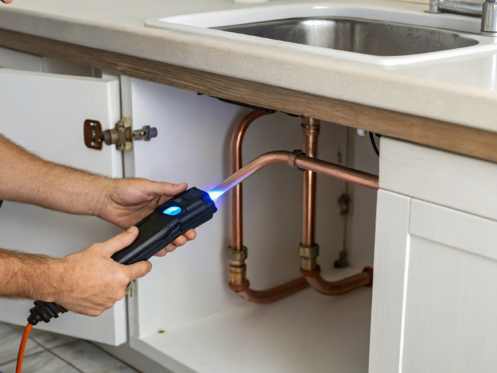
We use technology to manage nearly every part of our lives, so why not use it to protect our biggest investment? Your home’s plumbing system works around the clock, and a sudden failure can be catastrophic. Modern smart home technology offers a powerful solution. Instead of just hoping for the best, you can install a system that actively monitors your water usage, sends an alert to your phone at the first sign of trouble, and can even shut off your main water line automatically. This is the future of home protection. In this post, we’ll explore how leak detection for water works and help you find the right smart system for your home.
Key Takeaways
- Early Detection is Your Best Defense: A small, hidden leak can quickly lead to thousands in damages from rot, mold, and structural issues. Investing in any form of leak detection is the most effective way to protect your property and your wallet from costly repairs.
- Tailor a Solution to Your Home: Protection comes in many forms, from simple DIY water meter checks to smart spot sensors and comprehensive whole-home systems with automatic shutoff. You can layer these tools to create a customized defense that fits your property’s needs and your budget.
- Recognize When to Call a Professional: Smart devices are powerful, but they can’t find every problem. An unexplained spike in your water bill, musty odors, or damp spots are clear signals that it’s time to call an expert who can use specialized equipment to pinpoint hidden leaks accurately.
What is Water Leak Detection (and Why Is It a Lifesaver)?
Think of water leak detection as an early warning system for your home’s plumbing. These systems are designed to find leaks—from tiny drips behind a wall to a sudden pipe burst—before they have a chance to cause serious, expensive damage. It’s one of the smartest ways to protect your property, because by the time you see a water spot on the ceiling, the problem is already much bigger than you think.
The world of leak detection includes everything from simple, battery-powered sensors you can place under a sink to advanced whole-home systems that monitor your entire water supply in real time. The goal is always the same: to give you a heads-up so you can take action immediately. A small, hidden leak can quickly lead to warped floors, damaged drywall, and even mold growth, turning a minor repair into a major renovation. By catching it early, you save yourself a massive headache and a lot of money. It’s not just about fixing a pipe; it’s about preserving the health and safety of your home’s entire plumbing system.
How These Systems Find Leaks
So, how do these devices actually find a leak? It depends on the type of system you have. The two most common types for homeowners are spot sensors and whole-home systems. Spot sensors are small detectors you place in leak-prone areas, like under the dishwasher or next to the water heater. They sound an alarm or send an alert to your phone the moment they come into contact with water.
Whole-home systems are more comprehensive. They are installed directly onto your main water line and monitor the flow of water into your house. If the system detects unusual activity—like water running for an extended period when no one is home—it alerts you. Many of these smart water leak detectors can even shut off your water main automatically to prevent a catastrophe. Professionals also use specialized tools, like acoustic detectors, to pinpoint the exact location of hidden leaks without tearing up your walls.
The Real Cost of a Hidden Drip
It’s easy to dismiss a tiny drip as no big deal, but the numbers tell a different story. A single faucet dripping slowly can waste over 3,000 gallons of water in a year. That’s not just a hit to your water bill; it’s a sign of a bigger issue that could be causing silent damage. Water can seep into your home’s foundation, rot the wood framing, and create the perfect environment for mold to thrive.
The financial impact goes beyond repair costs. Water damage is a major red flag for insurance companies. After a claim, you could see your premiums go up. In some cases, if an insurer is concerned that a small leak could lead to a much larger mold problem down the line, they might even choose not to renew your policy. That’s why addressing issues with your drains and sewer lines promptly is so critical. A small investment in leak detection can save you from these cascading costs.
Your Leak Detection Options
Finding the right way to detect leaks in your home depends on your budget, your comfort with technology, and how much protection you’re looking for. The good news is that there are fantastic options at every level, from simple manual checks you can perform in minutes to sophisticated smart systems that monitor your entire home around the clock. Think of it as choosing the right security system for your plumbing. You can start small with a few key checks and add more layers of protection as you see fit. Let’s walk through the most common and effective methods available so you can decide what makes the most sense for your property.
Simple DIY Checks You Can Do Right Now
Before you spend a dime, you can use a tool you already have to check for hidden leaks: your water meter. Your meter is one of the most reliable indicators of a leak on your property. To start, turn off every single water-using appliance in your home—faucets, showers, washing machine, dishwasher, everything. Now, go look at your water meter. Most have a small leak indicator, often a red triangle or a small black dial, that spins when water is flowing. If everything is off but that indicator is still moving, you have a leak. For slower leaks, try writing down the number on the meter, avoid using any water for six to eight hours (overnight is perfect), and check it again. If the number has gone up, it’s a clear sign that water is escaping somewhere in your residential plumbing system.
Using Spot Sensors for High-Risk Areas
If you want an affordable tech upgrade, spot sensors are an excellent starting point. These are small, often battery-powered devices that you place on the floor in areas prone to leaks. Think about the usual suspects: under the kitchen and bathroom sinks, behind the toilet, and next to your water heater, washing machine, or sump pump. These smart water leak detectors are incredibly simple—they just sit there quietly until they come into contact with water. The moment they detect moisture, they sound an alarm and send an alert straight to your smartphone. This gives you an immediate heads-up, allowing you to address a small puddle before it turns into a major flood. They’re a low-cost way to get a lot of peace of mind.
Protecting Your Entire Home from Leaks
For comprehensive protection, a whole-home leak detection system is the ultimate solution. Unlike spot sensors that monitor a single area, these systems are installed directly on your main water line. From that central point, they monitor the flow of all water entering your house. The most powerful feature of these systems is the automatic water shutoff. If a catastrophic leak occurs, like a burst pipe, the system can automatically close your home’s main water valve, stopping the flow of water and preventing thousands of dollars in damage. Systems like the Flo by Moen learn your home’s typical water usage patterns and can alert you to any irregularities, big or small. While installation is more involved, the level of protection is unmatched.
Getting Smart with Advanced Leak Detectors
For homeowners who love data and want the deepest insight into their water usage, advanced monitors offer a new level of intelligence. A device like the Flume 2 Smart Home Water Monitor is a great example. It straps directly onto your existing water meter without any plumbing required and uses sensors to track your water flow in real-time. This technology is sensitive enough to detect even tiny, low-flow drips that might not register on your meter’s leak indicator. It learns your household’s habits and sends instant alerts to your phone for any unusual activity, helping you pinpoint waste and catch small problems before they escalate. It’s a powerful tool for not only preventing damage but also for conserving water and lowering your monthly bills.
How Do Leak Detection Systems Work?
It might seem like magic, but leak detection systems rely on some pretty clever technology to keep your home safe. They aren’t just waiting for a puddle to form; modern systems are proactive, using a combination of sensors and smart alerts to catch problems the moment they start. From simple alarms to whole-home systems that talk to your smartphone, the goal is always the same: to give you a heads-up before a small drip becomes a disaster. Let’s break down exactly how they pull it off.
The Technology Behind the Sensors
At the heart of any leak detection system is the sensor. The simplest ones are spot detectors that you place near water heaters or under sinks; they sound an alarm when their metallic contacts touch water. More advanced systems use different methods. For example, some professional-grade tools use acoustic detectors to actually listen for the sound of a leak inside your walls. Others monitor the flow of water into your home, flagging any unusual patterns that could signal a hidden problem. These water leak solutions can range from standalone alarms to complex networks that include automatic shut-off valves, giving you a powerful defense against water damage.
How You Get Alerts and Notifications
What good is a detector if you aren’t home to hear it? That’s where smart technology comes in. Most modern smart water leak detectors connect to your home’s Wi-Fi and send an instant notification to your smartphone if they sense moisture or unusual water flow. This means you can be at work or on vacation and still know exactly what’s happening at home. Some systems track your overall water usage and can send alerts if they detect a continuous flow that might indicate a running toilet or a pinhole leak in a pipe. Many also monitor temperature and humidity, warning you about potential pipe freezes before they happen.
Connecting Your System to Your Smart Home
For those who love a connected home, many leak detectors integrate seamlessly with your existing smart home setup. You can connect them to systems like Amazon Alexa, Google Assistant, or Apple HomeKit. This allows you to check the status of your system with a simple voice command or incorporate it into your smart home routines. For instance, you could set up a routine where your smart lights flash red if a leak is detected, giving you a clear visual cue. This level of smart home integration adds another layer of convenience and control, making it easier than ever to protect your property and manage your home’s systems from anywhere.
Key Features to Look For in a Leak Detector
Once you start shopping for a leak detector, you’ll notice the options range from simple alarms to complex smart systems. The right choice for your home depends on your needs and budget, but a few key features can make a world of difference in catching a leak before it becomes a disaster. Think about how much control and information you want. Do you just need a loud alarm to go off if water is detected, or do you want a notification sent to your phone when you’re on vacation?
Modern systems offer much more than a simple alert. They can integrate with your smart home, monitor environmental conditions that put your pipes at risk, and even take action on their own to prevent damage. Understanding these features will help you pick a system that provides true peace of mind. We’ll walk through the most important ones to consider, from remote control via your phone to the life-saving ability to shut off your water main automatically.
Smartphone Apps for Remote Control
One of the biggest advantages of a smart leak detector is the ability to get alerts and manage your system from anywhere. Most smart water leak detectors connect to your home’s Wi-Fi and come with a dedicated smartphone app. If the sensor detects moisture, it sends an instant notification straight to your phone. This is incredibly valuable if you’re at work or out of town, allowing you to call a neighbor or a professional plumber immediately. These apps often let you check the device’s status, monitor battery life, and silence alarms remotely, giving you full control no matter where you are.
Monitoring for Temperature and Humidity
Some of the most significant water damage comes from environmental factors, not just a faulty pipe. That’s why many advanced detectors also monitor ambient temperature and humidity. This feature is a game-changer for preventing weather-related issues. A temperature alert can warn you if a room is getting cold enough for pipes to freeze and burst. In our humid monsoon season here in Tucson, a high-humidity alert can tip you off to excess moisture that could lead to mold growth long before you see or smell it. This turns your leak detector into a proactive tool for protecting your home’s health and your residential plumbing.
The Automatic Water Shutoff Fail-Safe
An automatic water shutoff is arguably the most important feature a whole-home system can have. If a major leak is detected, the system doesn’t just send you an alert—it automatically closes your home’s main water valve, stopping the flow of water in its tracks. This single feature can be the difference between a small puddle and a completely flooded home. Systems like the Flo by Moen monitor your water usage patterns and can shut off the water if they detect unusual activity, providing an essential fail-safe against catastrophic damage. It’s the ultimate protection for your property, especially when you’re away.
Powering Your Device: Battery vs. Plug-In
How your leak detector is powered might seem like a small detail, but it affects where you can place it and its reliability. Battery-powered sensors offer the most flexibility. You can place them anywhere a leak might occur—under sinks, behind toilets, or near a water heater—without worrying about finding an outlet. The Flume 2 Smart Home Water Monitor, for example, uses batteries for easy installation. The downside is that you’ll need to monitor and replace the batteries. Plug-in models provide continuous power, so you never have to worry about them dying, but they must be placed near an electrical outlet, which can limit your options.
Top Water Leak Detection Solutions
Once you understand your options, you can find the right solution to protect your property. From professional-grade equipment to smart home gadgets, there are plenty of ways to catch leaks before they cause a catastrophe. The best approach often combines a few different methods for total peace of mind.
When to Call the Pros: Fusion’s Expert Services
DIY tools and smart sensors are fantastic for catching common issues, but some leaks are masters of disguise. When you suspect a leak but can’t find the source, it’s time to call in the experts. Professionals use specialized equipment, like acoustic detectors with highly sensitive sensors, to pinpoint hidden leaks in walls, under slabs, or in other hard-to-reach places. Trying to find these on your own can lead to unnecessary damage and wasted time. Our team at Fusion Plumbing & Air has the tools and training to locate the exact source of the problem quickly, saving you from the headache of a major repair down the line. If you’re dealing with a mysterious spike in your water bill or damp spots you can’t explain, let our residential plumbing experts take a look.
Leading Smart Leak Detector Brands
For day-to-day monitoring, smart water leak detectors are a game-changer. These devices can save you a ton of money and stress by alerting you to problems early. As you start shopping, you’ll find two main categories: spot sensors and whole-home systems. Spot sensors are small, individual devices you place in high-risk areas like under the sink, behind the toilet, or near the water heater. Whole-home systems are more comprehensive, installed directly on your main water line to monitor the flow throughout your entire house. Popular brands like Moen, Phyn, and Flo by Moen offer a range of smart water leak detectors to fit different needs and budgets.
Comparing Top Features and Performance
The most effective systems often combine technologies for the best coverage. Many top-rated whole-home detectors use flow sensors to identify unusual water usage, catching both small drips and major pipe bursts. To supplement this, you can place remote wireless leak detectors, often called “pucks,” in specific locations. These pucks are great for detecting pooled water from an appliance failure or a leaky pipe. When comparing models, look for features that fit your lifestyle, like a user-friendly app, automatic water shut-off capabilities, and long battery life. The best water leak detector systems are the ones that give you reliable alerts without being a hassle to manage.
How Much Does Leak Detection Cost?
Figuring out the cost of leak detection is a bit like choosing a home security system—the price varies based on the level of protection you’re looking for. You can start with simple, affordable devices or invest in a comprehensive system that monitors your entire home. The good news is that there’s a solution for every budget, and any investment you make now is a fraction of what you’d spend repairing extensive water damage down the road.
The cost spectrum ranges from under $50 for a basic DIY sensor to several hundred dollars for a smart whole-home system. If you suspect a hidden leak that requires a professional touch, the cost will involve a service call for expert diagnostics. Think of it as three main tiers: budget-friendly DIY options for specific spots, mid-range smart systems for broader coverage and remote alerts, and premium solutions that offer the ultimate protection, including professional services for those tough-to-find problems. Each level provides a different degree of security, allowing you to choose what makes the most sense for your property and peace of mind.
Budget-Friendly DIY Options
If you’re just getting started, budget-friendly DIY sensors are a fantastic first step. These are typically small, standalone devices you can place in high-risk areas like under the kitchen sink, behind the toilet, or next to your water heater. Most of these sensors cost less than $50 and are incredibly easy to set up—just place them on the floor and you’re done. When they come into contact with water, they emit a loud alarm, giving you an immediate heads-up. Some basic smart water leak detectors use Bluetooth to send an alert to your phone when you’re nearby, while others use Wi-Fi to notify you no matter where you are.
Mid-Range Smart Systems
For more comprehensive coverage and convenience, mid-range smart systems are an excellent choice. These devices, typically ranging from $50 to a few hundred dollars, connect to your home’s Wi-Fi network to send instant alerts directly to your smartphone. This means you’ll know about a potential leak whether you’re at work or on vacation. Many of these systems also monitor for temperature and humidity, helping you prevent frozen pipes during a cold snap. A great example is the First Alert L1 Wi-Fi Water Leak and Freeze Detector, which offers these dual-purpose features in one easy-to-install device, giving you more protection for your investment.
Premium Whole-Home and Professional Solutions
For the highest level of protection, premium whole-home systems are the gold standard. These devices are installed directly onto your main water line and actively monitor the flow of water throughout your entire house. Their standout feature is the automatic water shutoff. If a major leak is detected, the system can automatically turn off your water supply, preventing a catastrophe. A system like the Flo by Moen Smart Water Shutoff offers this complete protection. When a leak is already suspected but hidden behind a wall or under a slab, it’s time to call for professional leak detection. Our technicians use advanced equipment to pinpoint the exact source of the problem without unnecessary damage to your home.
Common Myths About Water Leaks
When it comes to water leaks, what you don’t know can definitely hurt your home and your wallet. A few common misconceptions float around that can lead homeowners to underestimate the risk of a hidden leak, causing them to delay necessary repairs. Believing these myths can turn a small, fixable issue into a major disaster involving water damage, mold growth, and costly renovations. Let’s set the record straight on three of the most persistent myths about water leaks so you can protect your property with the right information.
Myth: You’ll Always See a Leak
It would be nice if every leak announced itself with a convenient puddle on the floor, but that’s rarely the case. The most destructive leaks are often the ones you can’t see. They can happen behind walls, under floorboards, or within your home’s foundation, slowly causing rot and structural damage without any obvious signs. Experts note that these hidden leaks can go undetected until significant damage has already occurred. That’s why relying on your eyes alone isn’t enough. Professional residential plumbing services use specialized tools to find these invisible threats before they get out of hand.
Myth: DIY Methods Are All You Need
While there’s a time and place for a good DIY project, hunting for a mysterious water leak usually isn’t one of them. Your own senses might help you spot an obvious drip under the sink, but they are often “not comprehensive enough to detect hidden or complex leaks.” Professionals use advanced acoustic equipment, thermal imaging, and pressure testers to pinpoint the exact source of a leak with incredible accuracy. Trying to find it yourself can waste time and even lead to more damage, like cutting into drywall in the wrong spot. For complex issues, especially those involving drains and sewer lines, calling an expert is the fastest way to get a reliable solution.
Myth: Leaks Only Happen in Old Homes
It’s easy to assume that brand-new pipes and fixtures are immune to problems, but age is just one factor in a pipe’s integrity. Leaks can happen in any home, regardless of how old it is. Poor installation, high water pressure, shifting ground, or simple material defects can cause pipes to fail in new constructions, too. This is why proactive care is so important for every homeowner. Instead of waiting for a problem to surface, consider a preventative maintenance agreement to keep your plumbing system in top shape. Regular inspections can catch potential issues early, whether your home is 50 years old or five months old.
The Biggest Benefits of a Leak Detection System
Investing in a water leak detection system is one of the smartest moves you can make to protect your property. Think of it as a 24/7 security guard for your plumbing that saves you money, prevents massive headaches, and gives you something priceless: peace of mind. From stopping a disaster before it starts to trimming your monthly bills, here’s why a leak detector is an essential part of any modern home.
Prevent Costly Water Damage
The most critical benefit is stopping water damage in its tracks. Leaks often start silently, hidden behind walls or under floors, where they cause rot, mold, and structural issues before you even see a puddle. A detection system acts as your first line of defense, catching a leak the moment it begins so you can address the problem immediately. This proactive approach is key to our residential plumbing philosophy. It’s the difference between a simple fix and a costly renovation that ruins your floors, furniture, and cherished belongings.
Save Water and Lower Your Bills
A constantly running toilet or a slow drip from a faucet might not seem like a big deal, but the wasted water adds up, inflating your water bill month after month. A good leak detection system monitors your usage and alerts you to unusual activity, helping you pinpoint and fix inefficiencies. Many homeowners find they can reduce their water use significantly after installing a monitor. Over time, the savings on your utility bills can offset the cost of the system, making it an investment that pays for itself.
Gain Peace of Mind (and Potential Insurance Perks)
There’s nothing worse than coming home from vacation to a water disaster. A leak detection system lets you leave home without worrying about your plumbing. Beyond that comfort, it’s a smart financial move. Insurance companies are often wary of water damage claims, as they can lead to costly mold problems. Some insurers may offer discounts on your premium if you have a leak detector installed. More importantly, preventing water damage helps you avoid claims that could cause your rates to spike or even get your policy dropped. It’s a simple step for major security.
How to Choose the Right System for You
With so many options out there, picking the right leak detection system can feel a little overwhelming. But it doesn’t have to be. The best choice for you really comes down to your specific property, your daily life, and your budget. Think of it less like a one-size-fits-all solution and more like tailoring a system to fit your home or business perfectly. By considering a few key factors, you can find a setup that gives you total peace of mind without breaking the bank.
Assess Your Property’s Unique Needs
Every property has its own quirks. An older home with original plumbing has different vulnerabilities than a brand-new build. Start by walking through your space and identifying high-risk areas, like the laundry room, under sinks, or near the water heater. Do you have pipes in hard-to-reach places like crawl spaces or behind walls? For these spots, you might need more advanced tools. Some professional-grade systems use specialized water leak detection equipment, like acoustic sensors, to pinpoint hidden issues. For ongoing protection, there are also monitoring systems that check your pipes in real time, offering a constant watch over your plumbing’s health.
Home vs. Business: What’s the Difference?
The needs of a homeowner are very different from those of a business owner. For a typical house, a few well-placed spot sensors or a whole-home system connected to your main water line is usually enough. But for a commercial property like an office building or restaurant, the stakes are higher and the plumbing is more complex. Commercial spaces often benefit from systems with rope or cable sensors that can cover large areas like server rooms or long stretches of pipe. These multi-location systems are designed to handle the scale and complexity of a business’s water supply, ensuring every critical area is protected.
Match a System to Your Budget
Your budget will play a big role in your decision, but remember that this is an investment in protecting your property. Smart water leak detectors can save you a fortune in potential water damage repairs down the road. You can find simple, effective spot sensors for as little as $50, while more comprehensive smart systems can cost over $500. Products like the Flume 2 Smart Home Water Monitor attach to your water meter to track usage and detect leaks without any complex plumbing work. The key is to balance upfront cost with the level of protection you need. Even a basic system is far better than no system at all.
When Is It Time to Call a Professional?
DIY leak detectors are fantastic tools for catching obvious issues, but they have their limits. Sometimes, a persistent problem or a hard-to-find leak calls for backup. Knowing when to put down the wrench and pick up the phone can save you a ton of time, money, and stress in the long run. If you’ve tried the DIY route and are still stumped, or if you’re facing a problem that just feels too big to handle, it’s probably time to bring in an expert. A professional plumber doesn’t just fix the leak you can see; they have the tools and training to find the hidden source of the problem and ensure it won’t come back to haunt you.
Warning Signs You Can’t Ignore
One of the biggest red flags is a sudden, unexplained spike in your water bill. High water bills often happen because of hidden leaks in your plumbing, toilets, or even your sprinkler system. You might also notice other subtle signs, like a musty smell you can’t place, damp spots on walls or ceilings, or the sound of running water when all your faucets are off. These are classic signs of leaks occurring behind walls or under floors, where they can cause serious damage before you ever see a drop of water. Don’t dismiss a tiny drip, either. Even a minor leak can waste over 3,000 gallons of water a year, so it’s crucial to address any signs immediately.
The Advantages of Professional Detection and Repair
So, what does a professional bring to the table? For starters, they have specialized equipment that you won’t find at your local hardware store. Tools like acoustic leak detectors can pinpoint the exact location of a hidden leak without any destructive guesswork. This means we can find the problem without tearing up your walls or floors. Beyond the cool tech, you’re paying for expertise. Our technicians can quickly diagnose the issue and recommend the best fix. We also believe in prevention, which is why regular inspections are so important for catching leaks early. Ultimately, calling a pro gives you peace of mind, knowing the job is done right. If you suspect a leak, don’t wait for it to get worse—schedule a visit with our team.
Related Articles
- How to Repair a Leaky Toilet | Fusion Plumbing & Air
- Is Your Water Heater Leaking From the Top? | Fusion Plumbing & Air
- Reasons To Never Use Flex Seal to Repair Your Plumbing | Fusion
- 5 Signs That Your Main Water Line Is In Trouble | Fusion Plumbing
Frequently Asked Questions
Is a leak detection system really worth the investment? Absolutely. Think of it less as an expense and more as an insurance policy against a massive headache. The cost of a detection system is a tiny fraction of what you would spend on repairing water damage, dealing with mold remediation, and replacing ruined floors or furniture. Plus, by catching small drips you didn’t know you had, the system can help lower your monthly water bill, eventually paying for itself.
What’s the first step I should take if I suspect a leak but can’t find it? Before you do anything else, use your water meter to confirm your suspicion. Make sure all water is turned off in your house, then go check the meter. If the small leak indicator dial is still spinning, you definitely have a leak somewhere. Since you can’t see it, the next best step is to call a professional. We have specialized tools that can find the exact source without having to open up your walls on a hunch.
Can I install a whole-home leak detection system myself? While placing battery-powered spot sensors is a simple DIY task you can do in minutes, installing a whole-home system is a different story. These systems connect directly to your main water line, which requires cutting into your plumbing. To ensure it’s installed correctly and functions properly without causing new problems, this is a job best left to a licensed plumber.
Will a smart leak detector work if my Wi-Fi or power goes out? It depends on the device. Most battery-powered spot sensors will still sound a loud, local alarm even without Wi-Fi, so you’ll know if you’re home. However, you won’t receive a notification on your phone. Some whole-home systems have a battery backup that allows the automatic shutoff valve to work during a power outage, but again, the smart features that rely on an internet connection will be down.
My house is brand new. Do I still need to worry about leaks? Yes, it’s a common myth that only old homes have leaks. While aging pipes are a known risk, problems in new homes can arise from faulty materials, high water pressure, or improper installation during construction. A leak detection system provides peace of mind regardless of your home’s age, acting as a constant monitor for any unexpected issues.