
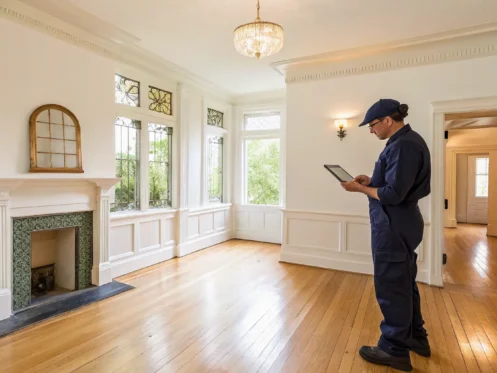
Older homes are full of stories, but they often lack one crucial feature for life in Arizona: modern air conditioning. Many were built before central air was common, leaving them with no ductwork, outdated electrical panels, and decades-old insulation. These hurdles can make the project feel impossible, leaving you to wonder if you’re stuck with noisy window units forever. However, with the right plan and professional expertise, you can overcome these challenges. This article is your roadmap. We’ll break down the specific issues and provide clear, actionable solutions, showing you that installing central air conditioner in old house is entirely achievable and can be done without compromising your home’s unique structure.
Key Takeaways
- Address foundational issues first: Before choosing an AC unit, improve your home’s efficiency by sealing air leaks and upgrading insulation. It is also critical to have a professional confirm your electrical panel can handle the new system.
- Explore duct-free options: If your home lacks existing ductwork, you do not need a major renovation. Modern solutions like ductless mini-splits and high-velocity systems provide powerful cooling while preserving your home’s original structure.
- Vet your contractor carefully: The installer is as important as the equipment. Choose a licensed, local contractor with proven experience in older homes and insist they perform a Manual J load calculation to ensure the system is sized correctly for your space.
Challenges of Installing AC in an Old House
Adding modern air conditioning to an older home is a fantastic upgrade, especially here in Tucson. But these charming houses often come with unique quirks that can make AC installation a bit more complex than in a newer build. Understanding these potential hurdles from the start helps you plan your project, set a realistic budget, and choose the right system for your home. From a lack of existing ductwork to outdated electrical panels and poor insulation, each challenge requires a professional assessment to find a solution that respects your home’s character while delivering the cool comfort you need.
Little to No Existing Ductwork
Many older homes in areas like Oro Valley and the Oracle Foothills were built before central air conditioning became standard. Because of this, they often have outdated ductwork or no ducts at all. If your home relies on a boiler or radiators for heat, you likely don’t have the necessary channels to distribute cool air from a traditional central AC unit. Installing a full ductwork system is a major project, but it’s not your only choice. A qualified technician can help you explore all your cooling services, from installing new ducts to considering a ductless alternative that fits your home’s layout.
Outdated Electrical Systems
A powerful central air conditioner needs a lot of electrical support, typically its own dedicated 30-amp circuit. The electrical panels in older homes were not designed to handle this kind of load, and an overloaded panel is a serious fire hazard. Before any AC installation can begin, a professional must assess your electrical system to see if it can support the new unit. An electrical panel upgrade is often a necessary safety measure to ensure your new AC runs efficiently and without risk. This critical step protects both your investment and your family.
Poor Insulation and Air Leaks
What’s the point of paying to cool air if it just escapes outside? Older homes are notorious for having poor insulation and countless tiny air leaks around windows, doors, and foundations. Without proper insulation in the walls and attic, your new AC system will have to run constantly to maintain a comfortable temperature, leading to sky-high energy bills. Before investing in a new system, it’s wise to address these issues. Sealing gaps and adding insulation can dramatically improve your home’s efficiency, making any AC system you choose far more effective and affordable to run.
Structural and Architectural Limitations
Part of the beauty of an older home is its unique structure and historical character, and an AC installation shouldn’t compromise that. Lath and plaster walls, solid wood beams, and intricate layouts require a careful and considered approach to integrate a modern comfort system without causing damage. This might involve creative solutions, like running small ducts through closets. Working with a contractor who has experience in Marana and Sahuarita’s older homes is essential to find a way to preserve your home’s character while making it comfortable for modern life.
What’s the Best AC System for an Older Home?
Choosing the right air conditioning system for an older home in Tucson can feel like a puzzle, but modern technology offers some fantastic solutions that work with your home’s unique character, not against it. The best option depends on your home’s structure, your budget, and whether you have existing ductwork. Let’s walk through the most common choices so you can find the perfect fit for keeping your historic home comfortable.
Ductless Mini-Split Systems
If your older home doesn’t have ductwork, a ductless mini-split system is often the best way to go. These systems are incredibly efficient and don’t require major, invasive construction. A mini-split consists of an outdoor compressor unit connected to one or more indoor air-handling units mounted on walls or ceilings. This setup allows you to create different temperature zones throughout your house, cooling only the rooms you’re using. Because they don’t need ducts, you can install air conditioning without tearing into walls, preserving your home’s original plaster and architectural details. They are a top choice for providing powerful heating and cooling with minimal disruption.
High-Velocity Mini-Duct Systems
A high-velocity system is another excellent, though less common, option for homes without existing ductwork. Think of it as a hybrid between traditional central air and a mini-split. Instead of large, rigid metal ducts, this system uses flexible tubes that are only about two inches in diameter. These small tubes can be easily threaded through existing walls, ceilings, and closets with very little impact on your home’s structure. The vents are small and discreet, making them a premier choice for historic homes where preserving the original aesthetic is a top priority. This system delivers quiet, even cooling without the need for major renovations.
Traditional Central Air with New Ductwork
If your older home already has a forced-air heating system, you’re in luck. Adding central air is often much simpler and more affordable because the existing ductwork can typically be used for cooling. However, if your home has no ducts at all, installing a traditional central air system is a major project. It involves cutting into walls, floors, and ceilings to run the large ducts, which can be costly and potentially damage historic features. Our team can assess your current heating system and ductwork to see if this is a viable path for your home.
Window AC Units as a Temporary Fix
Window AC units can provide immediate relief from the Tucson heat, but they are best viewed as a temporary fix rather than a permanent solution. While inexpensive upfront, they are notoriously inefficient, leading to higher energy bills. They also block your windows, can be noisy, and require seasonal installation and removal. For a whole-home solution that provides consistent comfort and better energy efficiency, a professionally installed system is the way to go. If you’re tired of juggling window units, it might be time to schedule an assessment to explore more permanent and efficient cooling options.
How Your Home’s Layout Affects AC Installation
The unique character of an older home is often found in its layout, but these charming quirks can present real challenges for an AC installation. It’s not just about the total square footage; the shape, height, and flow of your rooms play a huge role in determining the right cooling solution. An experienced technician will look at your home’s floor plan as a roadmap to designing an effective and efficient system.
Things like vaulted ceilings, split levels, and narrow corridors all influence where ductwork can run and what size unit you’ll need. A system that’s perfect for a modern, box-like layout might leave an older home with frustrating hot and cold spots. This is why a one-size-fits-all approach rarely works. Getting a professional evaluation is the best first step to understanding how your home’s specific design will impact the project. Our team can assess your space in Tucson, Oro Valley, or Marana to create a plan that works with your home’s architecture, not against it.
High Ceilings and Open Floor Plans
Soaring ceilings and open-concept spaces are beautiful, but they can be tricky to cool. Because heat naturally rises, all the warm air in the room collects in that extra vertical space, forcing your AC to work harder to cool the area where you actually live. Large, single-pane windows, common in older homes, can also let in a lot of solar heat. When you combine these features, a traditional central air system may struggle to distribute cool air evenly, leading to inconsistent temperatures and higher energy bills. Finding the right modern cooling solutions is key to keeping these grand spaces comfortable without breaking the bank.
Narrow Hallways and Tight Spaces
Many older homes in the Tucson area weren’t built with central air conditioning in mind. This often means there are no pre-existing pathways for ductwork. Running new ducts through narrow hallways, shallow attics, or cramped crawl spaces requires careful planning and expertise. The accessibility of these areas is a major factor in the installation process. A skilled technician will need to find creative and minimally invasive routes to install the ductwork without compromising your home’s structural integrity or historic charm. This is where having a professional team with experience in older properties makes all the difference.
Irregular Room Shapes and Zoning Needs
Does your home have a converted attic, a sunroom addition, or just a few oddly shaped rooms that are always warmer than the rest of the house? These irregularities can make it difficult to maintain a consistent temperature throughout your home with a single thermostat. In these cases, zoned HVAC systems can be a fantastic solution. Zoning divides your home into different areas, allowing you to control the temperature in each one independently. This not only makes your living space more comfortable but also improves energy efficiency, since you won’t be over-cooling rooms that don’t need it.
Prepare Your Old House for a New AC System
Before you even start getting quotes for a new AC unit, there are a few things you need to do to get your house ready. Think of it as creating the perfect environment for your new system to do its job efficiently. Older homes have a lot of character, but they also have quirks that can make a brand-new air conditioner work way too hard. Taking care of these issues first ensures your investment pays off with lower energy bills and a longer lifespan for your AC. A little prep work goes a long way in making your home a cool, comfortable oasis, especially during a hot Tucson summer. These steps will make sure that once your new system is installed, all that wonderful cool air stays right where it belongs: inside your home.
Seal Air Leaks First
Older homes are notorious for being drafty. Over the years, gaps and cracks can form around window frames, door jambs, and even where pipes enter the walls. These little openings might not seem like a big deal, but they add up, allowing the cool air your AC produces to escape while letting hot outdoor air sneak in. Before you do anything else, your first mission is to find and seal these air leaks. You can handle many of them yourself with a bit of caulk or weatherstripping. Taking the time to do this helps create a tighter building envelope, making it much easier for your new AC to maintain a consistent, comfortable temperature without running constantly.
Upgrade Your Insulation
Once you’ve sealed up the air leaks, the next thing to look at is your insulation. This is a big one. Many older homes have little to no insulation in the attic or walls, which is like trying to stay cool in the summer without any shade. Insulation acts as a thermal barrier, preventing the sun’s heat from baking your home and keeping the conditioned air inside. Installing a new, powerful AC system without first upgrading your home’s insulation is like pouring water into a leaky bucket. Your system will be forced to work overtime, leading to high energy bills and premature wear and tear. It’s a critical step that ensures your home is ready for modern cooling.
Assess Your Existing Heating System
The type of heating system you currently have plays a huge role in what kind of AC installation you can expect. If your home has a forced-air furnace, you’re in luck. This means you already have a network of ducts running through your walls and ceilings to deliver heat. In many cases, our technicians can use this existing ductwork for your new central air system, which makes the installation process much simpler and more affordable. If your home uses radiators or baseboard heaters, you won’t have pre-existing ducts. This isn’t a dealbreaker, but it does mean we’ll need to explore other options. A professional can assess your current heating services to determine the best path forward.
Upgrade Your Electrical Panel
Modern air conditioners require a significant amount of power, and the electrical systems in many older homes just weren’t designed to handle that kind of load. A central AC unit typically needs its own dedicated 240-volt, 30-amp circuit. If your electrical panel is already full or uses an outdated fuse box, it will likely need to be upgraded to safely support your new system. This is not a DIY project and is a crucial safety measure. During an initial consultation, a qualified HVAC technician can inspect your electrical system to see if an upgrade is necessary. If you’re unsure about your home’s electrical capacity, it’s best to have a professional take a look before you commit to a new system. You can schedule online with our team for a thorough home assessment.
How Much Does It Cost to Add Central Air to an Old House?
Let’s talk about the big question: the budget. Adding central air to an older house is a significant upgrade, and the cost can vary quite a bit. You won’t find a single, one-size-fits-all price tag. The final number depends on your home’s specific needs, its current condition, and the type of system you choose. For some homes, especially those with existing ductwork, the project might land around $12,000. For others that need a complete system with new ducts from scratch, the cost could be closer to $20,000 or more.
The biggest variables are the size of your home, whether you need new ductwork, the state of your electrical panel, and your home’s insulation. Think of it less as buying a product and more as a custom installation tailored to your space. While it’s a major investment, installing modern cooling services is one of the best ways to improve your comfort and increase your home’s value, especially here in the Tucson heat. The only way to get a precise figure for your property is to have a professional take a look. You can schedule a consultation to get a detailed estimate based on your home’s unique layout and your family’s needs.
Cost by System Type
The type of AC system you choose will be a major line item on your invoice. If your home already has a furnace and ductwork, adding a traditional central air conditioner is often the most straightforward path. In other cases, a heat pump, which handles both your heating and cooling needs, can be an efficient all-in-one solution. For a 1,700-square-foot older home, a project that includes a new AC, heater, and some ductwork modifications could be around $18,000. If you’re just adding a heat pump to an existing furnace, you might be looking at something closer to $12,000. Ductless mini-splits and high-velocity systems have their own cost structures, which we cover in other sections.
Ductwork Installation Costs
Ductwork is often the make-or-break factor for the budget. If your older home has a forced-air furnace, you’re in luck; we can often use the existing ducts, which saves thousands of dollars. However, if your home is heated by radiators or baseboard heaters, you’ll need a brand-new ductwork system. Installing ducts from scratch is a complex job that involves opening walls and ceilings. The cost can run from $15 to over $40 per linear foot. For a whole-house installation, this part of the project alone can easily add $10,000 or more to the final bill, on top of the cost of the AC unit itself.
Factors That Can Drive Up the Price
Besides the system type and ductwork, several other factors can affect the total cost. The biggest one is your home’s existing infrastructure. If your electrical panel is old and can’t handle the load of a modern AC unit, it will need to be upgraded. Poor insulation and air leaks are also common in older homes around Tucson and Sahuarita. If your home isn’t properly sealed, your new AC will have to work much harder, leading to higher energy bills. We might recommend addressing insulation and sealing leaks first to ensure your new system runs efficiently. The accessibility of your attic, crawlspace, and walls can also influence labor costs.
Financing Options for Tucson Homeowners
Paying for a new central air system doesn’t have to happen all at once. Many homeowners in Oro Valley and Marana take advantage of financing options to spread the cost over time into manageable monthly payments. When you schedule an estimate, be sure to ask about the available financing plans. Additionally, it’s worth looking into federal tax credits and local rebates for installing high-efficiency systems. These incentives can help offset the initial investment. Once your new system is installed, protecting it with a regular service plan is a smart move. Our maintenance agreement ensures your system stays in peak condition, preventing costly repairs and keeping it efficient for years to come.
What to Expect During the Installation
Once you’ve chosen the right AC system for your older home, the installation process begins. It’s natural to feel a little nervous about a major project in a house full of character, but knowing what’s coming can make all the difference. A professional installation is about more than just equipment; it’s a carefully planned process designed to integrate modern comfort into your home’s unique framework with precision and care. Our technicians treat your home like it’s their own, focusing on a clean, efficient, and respectful workflow from start to finish.
The entire process is a collaboration. Before any work begins, our team will walk you through the plan, showing you where ducts or units will be placed and explaining how we’ll protect your property. We understand that your home in Tucson or Sahuarita is a piece of history, and our goal is to enhance its comfort without disturbing its charm. From laying down protective coverings to cleaning up thoroughly at the end of each day, we handle every step with attention to detail. You can count on clear communication and a focus on getting the job done right, ensuring your new cooling system feels like it was always meant to be there. Our certified technicians have extensive experience working in the unique homes found across Oro Valley and Marana, so they know how to handle the specific challenges older properties present.
Timeline by System Type
The time it takes to install your new air conditioner depends entirely on the system you choose and the work required. If we are installing a ductless mini-split system, the process is often completed in just a day or two since it doesn’t require extensive ductwork. However, a full installation of a traditional central air system with new ducts in a home that’s never had them is a more involved project. For a typical older house, you can expect this to take anywhere from three to five days. Our team will give you a precise and reliable timeline before we start, so you can plan accordingly and know exactly what to expect.
Protecting Your Home’s Structure
Your home’s history is important, and our top priority is to protect its structural integrity and original features. Our technicians are trained to work in older homes with materials like plaster walls and hardwood floors. We take great care to plan duct routes that minimize cutting and disruption. When we do need to make openings for vents or lines, we do so with precision to avoid unnecessary damage. We use drop cloths and protective coverings to keep your home clean and safe throughout the installation. You can trust our team to find the best ways to integrate your new HVAC system while respecting the craftsmanship of your home.
Preserving Your Home’s Character
Modern comfort shouldn’t come at the cost of your home’s charm. We specialize in installations that blend seamlessly with your home’s aesthetic. Ductless mini-split systems are a fantastic choice because the indoor units are sleek and can be placed high on a wall, out of direct sight. Another great option is a high-velocity system, which uses small, flexible ducts that can be snaked through walls and ceilings with minimal impact. If you opt for a traditional system, we can source vents and grilles in various styles, including vintage designs that complement your home’s character. After the installation, a maintenance agreement will ensure your discreet system continues to run perfectly for years to come.
Maintain Your New AC System in an Older Home
Getting a new air conditioner installed is a huge win for your older home, but the work doesn’t stop there. To protect your investment and keep it running smoothly for years, consistent maintenance is key. Older homes in places like Tucson and Marana often have unique quirks, like more dust and drafts, which means your new AC system might have to work a little harder. A simple maintenance routine will ensure it operates efficiently, keeps your energy bills in check, and provides reliable comfort through the hot Arizona summers.
Regular Filter Changes and Duct Inspections
One of the easiest and most effective maintenance tasks is changing your air filter. In dustier older homes, a clogged filter forces your system to work overtime, driving up energy costs. Check your filter monthly and plan to replace it every one to three months to improve air quality and efficiency. It’s also smart to have your ductwork inspected for leaks or blockages that could compromise airflow. Our professional cooling services include thorough inspections to keep everything in top shape.
Schedule Annual Tune-Ups
Think of an annual tune-up as a wellness check for your air conditioner. Having a professional inspect your system once a year is the best way to catch small issues before they become expensive problems. During a tune-up, a technician cleans the coils, checks refrigerant levels, and inspects electrical components. This is especially important for a new system in an older house to prevent unexpected breakdowns. We make it easy for homeowners in Sahuarita and Oro Valley with our straightforward maintenance agreement that takes the guesswork out of scheduling.
Know the Warning Signs
You know your home best, so you’re the first line of defense in spotting AC trouble. Keep an ear out for any unusual noises, like grinding or squealing, and pay attention to how well the system is cooling. Are there new hot spots, or is the air not as cold? A sudden increase in your energy bills is another red flag. These are all signs your AC needs attention. Addressing issues early can prevent a minor hiccup from turning into a major repair. If something feels off, trust your gut and schedule an appointment online with a professional.
Find the Right HVAC Contractor for Your Older Home
Choosing an HVAC system is a big decision, but the contractor you hire to install it is arguably even more important. The best equipment in the world won’t keep you comfortable if it’s installed incorrectly, and the stakes are even higher in an older home. A great contractor acts as a partner, helping you find a solution that respects your home’s character while delivering modern comfort. They’ll know how to work around structural quirks, protect original features, and ensure the system is sized and configured perfectly for your space. This isn’t just a technical job; it’s a craft that requires a delicate touch.
Finding this kind of professional requires a little homework. You’re not just looking for someone who can connect the equipment; you’re looking for a problem-solver with specific experience in retrofitting older properties. They need to be fluent in both the latest cooling services and the timeless construction methods used in homes across Tucson, Marana, and Sahuarita. A contractor who understands the unique challenges of our local architecture can anticipate issues before they become costly problems. By asking the right questions and prioritizing local expertise, you can find a team that will get the job done right, protecting your investment and your home’s unique story.
Questions to Ask Before Hiring
When you’re ready to get quotes, treat it like an interview. You’re hiring an expert for a critical job, so it’s important to be thorough. Start with the basics, like confirming they are licensed, bonded, and insured, but don’t stop there. Ask specifically about their experience installing AC in older homes. A contractor who has worked on properties similar to yours will be better prepared for any surprises. One of the most important questions you can ask is, “Will you perform a Manual J load calculation?” This industry-standard assessment helps determine the exact size of the AC system your home needs by analyzing its square footage, insulation levels, window types, and local climate. This step is crucial for efficiency and comfort. Finally, while getting multiple quotes is wise, remember that the cheapest option isn’t always the best, especially for a complex project. You can schedule an appointment with us to get a detailed, transparent estimate.
Why Local Expertise Matters in Tucson
Tucson’s historic neighborhoods, from Oracle Foothills to the city center, are filled with homes that have incredible character. A local contractor with experience in the area will understand how to preserve that character while making your home comfortable. They’ll know the challenges of working with adobe, brick, and other materials common in our region’s older houses. This expertise is key to retrofitting a new system without damaging your home’s architectural integrity. An experienced local team will also be familiar with any specific building codes or preservation guidelines in your area. They can help you make choices that respect your home’s history while providing efficient, reliable cooling for the desert heat. Choosing a contractor who knows Tucson’s homes inside and out means you’re getting a partner who values your property’s unique story as much as you do.
Related Articles
- How to Install Central Air With Existing Ductwork
- Install HVAC System with Ductwork: A Complete Guide
- New AC Unit Installation: A Step-by-Step Guide
Frequently Asked Questions
My older home has no ducts. What’s the most affordable way to add AC? When you’re starting without any ductwork, the most affordable option depends on how you look at cost. Window units have the lowest upfront price, but their inefficiency leads to high energy bills, making them expensive over time. A ductless mini-split system is a fantastic investment because it avoids the major construction and cost of adding a full ductwork system. While the initial price is higher than a window unit, its high efficiency provides long-term savings and whole-home comfort without the invasive installation process.
Is a ductless mini-split system powerful enough for a whole house? Yes, absolutely. A common misconception is that mini-splits are only for single rooms. In reality, a single outdoor compressor can connect to multiple indoor units placed in different rooms throughout your house. This setup is powerful enough to cool an entire home and has the added benefit of creating zones, so you can set different temperatures in different areas or turn off cooling in rooms you aren’t using. It’s a flexible and highly efficient solution for many older properties.
I’m worried about the installation process damaging my home’s plaster walls and floors. How is this prevented? This is a valid concern, and protecting your home’s character is a top priority for a professional team. An experienced contractor will start by carefully planning the installation to be as minimally invasive as possible. This includes using drop cloths and protective coverings to keep everything clean. For the installation itself, technicians will choose routes for lines or small ducts that minimize cutting. This is where options like ductless or high-velocity systems are so valuable, as they require very little, if any, major modification to your home’s original structure.
Will upgrading my insulation and sealing leaks really make a big difference? It makes a huge difference. Think of it this way: installing a powerful new AC in a poorly insulated, drafty house is like pouring water into a leaky bucket. All that cool, conditioned air will escape, and hot air will find its way in. Your new system will have to run constantly just to keep up, which wastes energy and causes premature wear. By sealing leaks and adding proper insulation first, you create a tight, efficient home where your new AC can work smarter, not harder, saving you money on energy bills for years to come.
How do I know if my electrical panel needs to be upgraded? Determining if your electrical panel can handle a new AC system is not something you should try to figure out on your own. Modern air conditioners require a lot of power, and a professional assessment is the only way to know for sure if your current panel is safe and sufficient. During an initial consultation, a qualified technician will inspect your electrical system as a standard part of the process. This step is essential for your safety and for the proper function of your new air conditioner.