
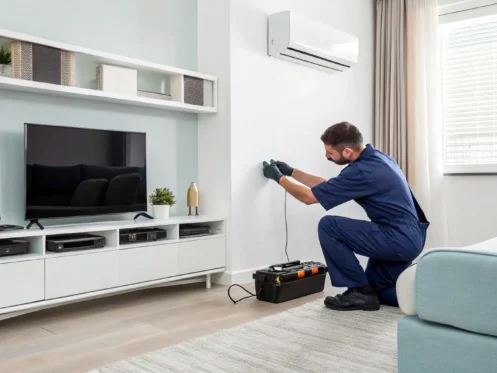
An emergency AC repair is about more than just fixing a broken part; it’s about restoring your family’s comfort and safety right away. The higher cost reflects the value of that immediate response. You’re paying for a certified technician to leave their home on a weekend or late at night and arrive at your door in Oro Valley or Marana ready to solve the problem. Understanding this helps put the price into perspective. To give you a concrete answer to how much does emergency ac repair cost, we will explore the specific charges, including trip fees, after-hours labor, and parts, so you can see what goes into a 24/7 service call.
Key Takeaways
- Emergency calls have a different price structure: The higher cost of an after-hours service call covers the immediate dispatch and premium labor rates for technicians. To avoid surprises, always ask about the emergency fee and pricing structure when you call.
- Regular maintenance is your best defense: The most effective way to prevent a costly, unexpected breakdown is by scheduling routine AC tune-ups. A maintenance plan helps catch small issues before they become major problems on a hot weekend.
- Check the basics before calling for help: Before you schedule an emergency visit, take a moment to check your thermostat settings, circuit breaker, and air filter. A simple reset or a clean filter might solve the problem and save you a service fee.
What Is an AC Emergency (And Why Does It Cost More)?
Let’s be honest, a broken air conditioner in the middle of a Tucson summer feels like an emergency every time. But in the world of HVAC, an “emergency” has a specific meaning, and it often comes with a different price tag. Understanding what truly counts as an emergency and why it costs more can help you make a clear-headed decision when you’re feeling the heat.
An emergency service call is designed for situations that can’t wait until regular business hours without posing a risk to your health, safety, or property. This is different from your AC simply not feeling as cool as it used to, which can likely wait for a standard appointment. The higher cost reflects the immediate, off-hours response required to solve a critical problem. It covers the expense of getting a certified technician to your door in Oro Valley or Sahuarita on a Sunday evening or in the middle of the night, ensuring your home remains safe and comfortable.
What Qualifies as Emergency AC Service?
So, what turns a standard AC problem into a true emergency? Generally, it’s any issue that puts your family or your home in immediate danger. If you have vulnerable individuals at home, like young children or elderly relatives, a complete AC failure during a heatwave is a serious health risk. Other clear signs of an emergency include smelling burning plastic or electrical odors coming from your vents, which could indicate a dangerous electrical fault. A major water leak from your indoor unit that threatens to cause significant property damage also qualifies. These are the times when you need immediate professional cooling services to prevent a bad situation from getting worse.
Why After-Hours and Weekends Cost Extra
The higher price for emergency service isn’t arbitrary; it’s based on the real costs of providing immediate support outside of standard 9-to-5 hours. Think of it this way: you’re paying for a technician’s immediate availability. This means compensating them for leaving their family on a weekend or coming out late at night. These calls often require overtime pay. Additionally, accessing parts after hours can be more difficult and expensive. While a standard service call might cost a flat rate, an emergency visit can be two to three times higher because of the urgency and logistics involved in getting your system running again right away.
Common Myths About Emergency Repair Costs
There’s a lot of anxiety around the cost of emergency repairs, which leads to a few common myths. One is that the price will be unpredictably high. While it is more expensive, a trustworthy company will be transparent about their emergency rates and diagnostic fees before they even send a technician. Another myth is that your warranty won’t cover emergency repairs. In reality, many manufacturer and home warranties do include provisions for emergency service. It’s always a good idea to review your policy so you know what’s covered. Don’t let fear of the unknown stop you from making a necessary call that could protect your home and family.
What’s the Real Cost of an Emergency AC Repair?
It’s the question on everyone’s mind when their AC fails at the worst possible time: How much is this going to set me back? While every situation is unique, understanding the basic cost structure can help you know what to expect. The final price tag for an emergency AC repair depends on the service fees, the specific problem, and the rates for after-hours work.
Typical Emergency Service Costs in Tucson
When your AC gives out after 5 p.m. or on a weekend, the first thing to expect is an after-hours service fee. Think of it as a charge for getting a technician to your door immediately, outside of their regular schedule. Here in Tucson, this fee typically runs between $50 and $150 on top of the standard service call. This initial cost covers the urgency of your request and ensures a certified pro is available to help when you need it most, no matter the time. It’s the price of convenience and immediate relief from that sweltering Arizona heat.
How Different AC Problems Affect the Price
The final bill for your emergency repair will depend heavily on what’s actually wrong with your unit. A simple fix is one thing, but a major component failure is another. Procrastinating on a small issue can also cause costs to skyrocket. For example, a refrigerant leak that might initially cost around $500 to fix can quickly turn into a $3,500 problem if ignored, potentially damaging your compressor. Common culprits for emergency calls, like worn-out belts or failing motors, also vary in price depending on the parts and labor required. The key takeaway is that addressing problems early is always the most cost-effective approach.
Comparing Emergency vs. Standard Service Rates
So, how much more are you really paying for an emergency call? During regular business hours, a standard service visit might start with a fee between $75 and $200, plus an hourly labor rate of up to $150. For an after-hours emergency, that hourly rate can jump to as much as $250. When you factor in the emergency fee, labor, and parts, a total emergency repair can often land somewhere between $600 and $1,100. While the higher price reflects the immediate, off-hours response, it’s a clear reason why a maintenance agreement is so valuable for preventing these costly surprises in the first place.
What Factors Increase the Cost of Your Repair?
When your AC gives out in the middle of a Tucson summer, the first thing on your mind is getting it fixed fast. But the second is probably, “How much is this going to cost?” The truth is, the price of an emergency repair isn’t one-size-fits-all. Several key factors can influence your final bill, from the time you call to the specific issue with your unit. Understanding these variables can help you feel more prepared and in control when you get the invoice.
The Time of Day (or Night)
It probably won’t surprise you that a call at 2 a.m. on a Saturday costs more than one at 2 p.m. on a Tuesday. Most HVAC companies have an after-hours fee for emergency service. This fee, which can range from $50 to $150, covers the extra cost of dispatching a technician outside of normal business hours. Think of it as compensation for pulling a skilled professional away from their family or weekend plans to restore your comfort. It ensures that you can get expert help whenever you need it, day or night.
The Complexity of the Repair and Parts Needed
The nature of the problem is one of the biggest cost drivers. A simple fix, like replacing a faulty capacitor, will be far less expensive than a major issue like a refrigerant leak or a failed compressor. Emergency rates can sometimes double the cost of a standard repair, pushing the total higher due to the urgency. If your system requires a specific part that the technician doesn’t have on their truck, it might need to be special-ordered, which can also add to the final cost. Our technicians always diagnose the issue first and explain the necessary cooling services before starting any work.
Your AC’s Age and How Easy It Is to Access
The age and condition of your air conditioner play a big role in repair costs. Older units can be trickier to fix, as parts may be discontinued or harder to find. They are also more likely to have cascading failures, where one broken part has caused damage to others. Additionally, where your unit is located matters. If it’s in a tight crawl space, a cramped attic, or on a steep roof, the technician will need more time to access it safely. This extra labor can increase the bill. This is why a maintenance agreement is so valuable; it keeps your system in top shape and helps catch problems early.
Peak Season Pricing in Arizona
Here in Arizona, air conditioners work overtime during the summer. This is our peak season, and the high demand for repairs across Tucson, Oro Valley, and Marana can sometimes affect pricing. More importantly, delaying a repair during this time can be a costly mistake. What starts as a minor issue, like a small refrigerant leak, can quickly become a catastrophic failure in extreme heat. Putting off a simple repair can easily turn it into a much larger problem. Acting fast not only gets your cool air back sooner but can also save you a significant amount of money in the long run.
Are There Other Fees to Expect?
When you get a bill for an emergency AC repair, it’s helpful to understand exactly what you’re paying for. The final cost isn’t just a single number; it’s a combination of several factors that cover the technician’s expertise, time, and the materials needed to get your home cool again. Knowing about these potential fees ahead of time can help you feel more prepared and confident when you make the call. Let’s break down the common charges you might see on your invoice so you know what to expect from start to finish.
Trip Fees and Diagnostic Charges
Most professional HVAC companies charge a standard trip fee, sometimes called a service call fee. This covers the cost of getting a certified technician and a fully stocked service vehicle to your home in Tucson or Marana. Think of it as the cost of mobilizing an expert to your doorstep. This fee typically ranges from $75 to $200 and often includes the initial diagnostic work. The technician will inspect your system, identify the root of the problem, and explain the necessary repairs before any further work begins.
Higher Labor Rates for After-Hours Calls
One of the main reasons emergency service costs more is the higher labor rate. Calling for help on a Saturday night or a holiday means a technician is leaving their family or personal time to solve your AC crisis. To compensate them for being on-call and working outside of standard 9-to-5 hours, companies charge a premium. It’s common for these emergency labor rates to be significantly higher than standard rates, sometimes even double. This ensures that skilled professionals are available whenever you need them, day or night.
Cost of Parts and Rush Orders
If your AC repair requires a new part, like a capacitor or a fan motor, the cost of that component will be added to your bill. Technicians carry many common parts on their trucks, but some issues require specific components that might need to be picked up from a local supplier. If this happens after hours, there can be extra charges associated with opening a supply house or placing a rush order. The technician will always discuss the cost of any needed parts with you before installing them, so you’ll know what to expect.
What Makes Up the Final Bill?
Your final bill is a straightforward sum of these different elements: the trip fee, the cost of labor, and the price of any replacement parts. A transparent technician will walk you through each charge so there are no surprises. While it might seem like a lot at once, remember that delaying a repair can lead to more extensive damage and a much higher bill down the road. Addressing the problem quickly with professional cooling services is almost always the most cost-effective choice in the long run.
How to Save Money on Emergency AC Repairs
An unexpected AC breakdown is stressful, especially when it happens on a sweltering Tucson night. While you can’t predict every problem, you can take steps to prevent a cooling crisis and keep emergency repair costs from wrecking your budget. A little proactive care goes a long way in protecting your system and your wallet.
Invest in a Regular Maintenance Plan
The single best way to avoid an AC emergency is to prevent it from happening in the first place. A regular maintenance plan is like a check-up for your cooling system. During a tune-up, a technician can spot worn-out parts, low refrigerant, or other minor issues before they cause a total system failure. In fact, homeowners who schedule routine HVAC maintenance are 50% less likely to experience an emergency breakdown. Signing up for a maintenance agreement ensures your system is inspected and cleaned regularly, keeping it running efficiently and reliably all year long. This simple step can save you from the headache and high cost of an after-hours repair call.
Know the Early Warning Signs of AC Failure
Your air conditioner will often give you hints that something is wrong before it quits completely. Understanding these common problems helps you act fast to prevent a bigger issue. Pay attention to warning signs like strange rattling or grinding noises, weak airflow from your vents, air that isn’t cold, or a unit that turns on and off more frequently than usual. Even a sudden, unexplained jump in your electricity bill can signal a problem. Catching these issues early allows you to schedule a standard cooling service call during regular business hours, which is always more affordable than waiting for a complete breakdown on a weekend.
What to Check Before You Make the Call
Before you pick up the phone for an emergency repair, a few simple troubleshooting steps could save you a service fee. First, check your thermostat. Make sure it’s set to “cool” and the temperature is lower than the current room temperature. Next, head to your electrical panel and check the circuit breaker for the AC unit; it may have tripped and just needs to be reset. Finally, inspect your air filter. A severely clogged filter can block airflow and cause your system to shut down. If these quick checks don’t solve the problem, you’ll know it’s time to schedule a visit from a professional.
How a Tune-Up Can Prevent an Emergency
Think of an annual tune-up as a powerful tool for extending the life of your AC. Beyond just preventing breakdowns, regular maintenance can add 5 to 10 years to your unit’s lifespan. During a service visit, a technician will clean essential components like the evaporator and condenser coils, check refrigerant levels, and tighten electrical connections. This work helps your system run more efficiently, which can save you up to 15% on your annual energy bills. A well-maintained unit doesn’t have to work as hard to cool your home, reducing wear and tear on its parts and making a sudden failure far less likely.
What to Know Before You Call for an Emergency Repair
When your AC gives out in the middle of a Tucson summer night, it’s easy to feel panicked. But taking a few moments to prepare can make the entire repair process smoother, faster, and more predictable. Before you pick up the phone, running through a quick mental checklist helps you confirm you have a real emergency, understand potential costs, and choose the right team for the job. A little preparation ensures you get the help you need without any added stress.
Is It a Real Emergency? When to Call vs. Wait
The first step is to determine if your situation truly requires an after-hours call. A true AC emergency is any issue that puts your family’s health, safety, or property at risk. For example, if you smell burning plastic, hear loud grinding or screeching noises, or see water pooling around your indoor unit, it’s time to call for help immediately. The same goes for a complete system failure during extreme heat, especially if you have children, elderly family members, or pets at home. If your system is just struggling to keep up on a mild day or making a minor new noise, you might be able to wait and schedule a standard appointment.
Key Questions to Ask About Pricing
No one likes financial surprises, especially during a stressful repair. When you call for an emergency service, it’s important to ask about pricing upfront. Most companies charge an after-hours fee on top of their standard service call, which can range from $50 to over $150. Be direct and ask, “What is your emergency service fee?” and “Are your hourly labor rates higher for after-hours calls?” A trustworthy company will be transparent about their diagnostic charges, trip fees, and how they bill for parts and labor. This conversation helps you understand the potential costs before a technician even heads to your home.
How to Choose the Right AC Company
In an emergency, you need a company you can count on to show up quickly and do the job right. Not all HVAC companies offer the same level of emergency care; some may just forward you to an answering machine. Look for a company with a proven track record of providing 24/7 service in areas like Tucson, Oro Valley, and Marana. Check for positive online reviews that specifically mention their emergency response. You want a team of certified technicians who are equipped to handle urgent repairs. Choosing a reliable provider for your cooling services ensures you get professional, efficient help when you need it most.
How to Prepare for the Technician’s Arrival
While you wait for help, a few simple steps can make the repair process more efficient. First, do a quick check of the basics: make sure your thermostat is set to “cool” and that the circuit breaker for your AC unit hasn’t tripped. Next, clear a path to both your indoor air handler and the outdoor condenser unit. Removing any clutter, toys, or yard debris allows the technician to get to work safely and immediately. Finally, be ready to describe the problem clearly, including any strange sounds or smells you noticed and when the issue started. This information helps the technician diagnose the problem faster.
Related Articles
- Need 24 Hour AC Repair? Here’s What to Expect
- Central Air Conditioner Repair Cost: What to Expect
- Central Air Conditioner Repair: A Cost & Fix Guide
- Emergency 24 Hour AC Repair: What to Expect
Frequently Asked Questions
How can I tell if a company’s emergency fee is fair? A fair price comes down to transparency. While emergency rates are always higher than standard ones, a trustworthy company will be upfront about all potential costs before sending a technician. When you call, ask directly about their after-hours trip fee and their hourly labor rate. A reasonable fee in the Tucson area will likely be between $50 and $150 on top of the standard service call. Be wary of any company that is vague about pricing or won’t give you a clear answer over the phone.
If my AC breaks down at night, is it okay to just wait until morning to call? This really depends on your situation. If the breakdown poses an immediate risk, like you smell something burning or have a major water leak, you should call for help right away. Similarly, if you have vulnerable people at home, such as young children or elderly relatives, a complete cooling failure during a hot night is a health concern that warrants an emergency call. However, if your system is just making a minor noise or not cooling as well as it used to, it’s perfectly fine to wait until morning to schedule a standard, more affordable appointment.
Does having a maintenance plan mean my emergency repair will be cheaper? While a maintenance plan’s main benefit is preventing breakdowns in the first place, many agreements do offer financial perks. Some plans include benefits like waived diagnostic fees, discounts on parts and labor, or priority service, which can definitely reduce the final cost of an emergency repair. It’s a good idea to review the specifics of your maintenance agreement so you know exactly what benefits you have if you ever need to make that after-hours call.
What happens if the technician can’t get the necessary part during an after-hours call? This is a great question. Professional technicians stock their trucks with the most common replacement parts to handle the majority of repairs on the spot. However, some issues require a specific component that isn’t standard. In this case, the technician will diagnose the problem and, if possible, perform a temporary fix to get your system running safely overnight. They will then explain the situation, order the necessary part first thing in the morning, and schedule a follow-up visit to complete the permanent repair.
Is there anything I should do myself before calling for an emergency repair? Yes, taking a few quick steps can sometimes save you the cost of a service call. First, check that your thermostat is set to “cool” and the temperature is set lower than the current room temperature. Next, check your home’s circuit breaker panel to see if the breaker connected to your AC unit has tripped. Finally, take a look at your air filter; a severely clogged filter can restrict airflow and cause your system to shut down. If none of these simple checks solve the problem, you’ll know it’s time to call a professional.