
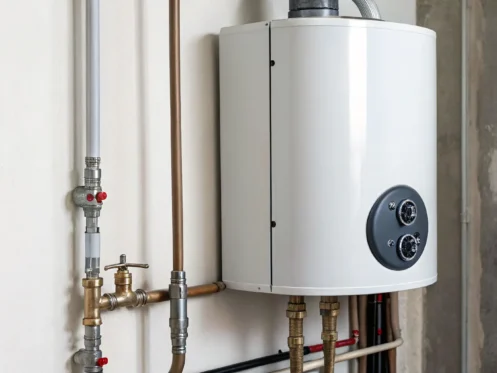
Is your morning shower a game of temperature roulette? If you’re tired of unpredictable hot water, you’re not alone. These frustrating fluctuations are one of the clearest signs that your GSW water heater thermostat is beginning to fail. This small but essential device is responsible for regulating your water temperature, and when it stops working correctly, your comfort is the first thing to go. We’ll explain the four key warning signs that point to a thermostat issue, show you how to safely perform a few diagnostic checks, and help you understand the differences between gas and electric models so you can get your hot water back to being reliable.
Key Takeaways
- Identify the Warning Signs: If your water temperature fluctuates, runs out too quickly, or disappears completely, your thermostat is the likely culprit. Recognizing these symptoms early is the key to a fast and simple fix.
- Prioritize Safety Over a DIY Fix: While checking the reset button is a simple first step, replacing a thermostat involves electrical or gas systems. A mistake can be dangerous and void your warranty, making professional installation the safest choice.
- Get the Right Part for the Job: Gas and electric water heaters use completely different thermostats that are not interchangeable. Always match the replacement part to your specific GSW model number to ensure it works correctly and efficiently.
What Is a GSW Water Heater Thermostat?
Think of your GSW water heater’s thermostat as its brain. It’s the small but mighty component that tells your system when to get to work and when to take a break. Its primary job is to monitor and control the water temperature inside the tank, ensuring you have hot water when you need it without it becoming dangerously hot. Just like the thermostat on your wall controls your home’s AC and heating, the one on your water heater maintains a consistent and safe temperature for your showers, dishes, and laundry. When this part isn’t working correctly, you’ll notice it right away, which is why understanding its function is the first step in any troubleshooting process.
The Role of a GSW Thermostat
At its core, the thermostat’s role is simple: it reads the water temperature and turns the heating mechanism on or off to match your desired setting. When the water inside the tank cools down below a certain point, the thermostat signals the heating element (in an electric model) or the burner (in a gas model) to kick on. Once the water reaches the preset temperature, the thermostat cuts the power, preventing overheating and saving energy. This constant cycle ensures a ready supply of hot water while also acting as a crucial safety device. Without a functioning thermostat, your water could become lukewarm or, worse, reach scalding temperatures.
How Does a GSW Thermostat Work?
The way a GSW thermostat operates depends on whether you have a gas or an electric water heater. In a gas model, the thermostat is typically built into the gas control valve. It contains a sensor that expands or contracts with temperature changes, physically opening or closing the valve to control the flow of gas to the burner. Electric water heaters usually have a different setup. They often feature two separate thermostats—an upper and a lower one—that work together to manage two distinct heating elements. Understanding which type you have is essential for diagnosing any issues with your residential plumbing.
Dual Thermostats and Temperature Control
If you have an electric GSW water heater, its dual-thermostat system offers more precise temperature control and faster hot water recovery. Here’s how it works: the upper thermostat and heating element are the first to activate, quickly heating the water at the top of the tank for immediate use. Once the top portion is hot, power is transferred to the lower thermostat and element, which then heats the rest of the water in the tank. This tandem operation ensures the entire tank is heated efficiently and allows the system to replenish hot water more quickly after you’ve used a large amount.
Built-In Safety and Energy-Saving Features
A properly functioning GSW thermostat does more than just provide comfort—it’s a key player in your home’s safety and energy efficiency. By keeping the water at a safe temperature (the Department of Energy recommends 120°F), it helps prevent accidental burns. Setting your thermostat lower also has another major benefit: it saves you money. For every 10°F you reduce the temperature, you can save up to 5% on your water heating costs. This simple adjustment also slows mineral buildup and corrosion in your tank, which helps your water heater last longer and run more efficiently. Including a thermostat check in your annual tune-up, like those in our maintenance agreement, is a great way to keep it working perfectly.
Is Your GSW Thermostat Failing? 4 Warning Signs
When your hot water starts acting up, it’s easy to assume the worst—that you need a whole new water heater. But often, the problem is much smaller and simpler to fix. The thermostat is the brain of your GSW water heater, telling it when to heat the water and when to stop. If that brain starts to misfire, you’ll notice some pretty clear signs around your house. Paying attention to these warnings can help you catch the problem early, saving you from a cold shower and a bigger repair bill down the line. Here are four common red flags that point to a failing GSW thermostat.
Fluctuating Water Temperatures
Is your morning shower a game of temperature roulette? If the water goes from scalding hot to lukewarm without you touching the dial, your water heater’s thermostat is likely the culprit. A healthy thermostat maintains a steady temperature, but a failing one struggles to regulate the heating elements correctly. This inconsistent water temperature is one of the most common signs of a malfunction. Instead of just living with unpredictable water, it’s a good idea to have a professional take a look. A simple thermostat adjustment or replacement can get your hot water back to a comfortable and reliable temperature.
No Hot Water
Waking up to a completely cold shower is a frustrating way to start the day. If you’ve checked your circuit breaker and everything looks fine, the issue often points directly to the thermostat. In an electric water heater, the thermostat’s job is to send power to the heating elements. If it fails, the elements never get the signal to turn on, leaving you with a tank full of cold water. A malfunctioning lower thermostat is frequently the problem when there’s no power to the element. Before you start troubleshooting complex parts, give our team a call for expert residential plumbing services in Tucson.
Hot Water Runs Out Too Fast
Do you feel like your hot water supply is dwindling? If your showers are getting shorter and you’re the last one in the family to get a warm wash, a faulty thermostat could be to blame. When the thermostat doesn’t accurately sense the water temperature, it may shut off the heating elements prematurely. This means the tank never gets fully heated, leaving you with a limited supply of hot water that runs out much faster than it should. This is a common issue with GSW hot water tanks and a clear sign that your thermostat needs a professional inspection to restore your hot water capacity.
Strange Noises or Constant Cycling
Your water heater should operate relatively quietly. If you start hearing unusual sounds like popping, hissing, or sizzling, it’s time to pay attention. These noises, combined with the unit turning on and off more frequently than usual (a process called cycling), can indicate a thermostat problem. A faulty thermostat might be causing the heating elements to overheat or cycle erratically. While some water heater problems can be fixed with simple adjustments, these signs often point to a more serious issue that requires a professional. For your safety, it’s best to have a technician diagnose the sound, and you can schedule online with us anytime.
How to Safely Troubleshoot Your GSW Thermostat
If your water heater is acting up, the thermostat is often the first place to look. Before you get overwhelmed, know that a few simple checks can help you figure out what’s going on. Walking through these troubleshooting steps can help you identify whether it’s a quick fix or a job for a professional. Just remember, working with electrical appliances requires care, so your safety should always be the top priority.
Safety First: What to Do Before You Begin
Before you even think about touching your water heater, you need to shut off the power. Find your home’s main electrical panel (the circuit breaker box) and switch off the breaker dedicated to your water heater. This is the most important step to prevent electric shock. If you’re ever unsure about which breaker it is or feel uneasy about working with your home’s electrical systems, it’s always best to pause. For any complex water heater issues, calling for professional residential plumbing services is the safest and most reliable choice. Your well-being is not worth the risk.
A Simple Diagnostic Checklist
Is your thermostat actually the problem? A few tell-tale signs can point you in the right direction. The most common indicator is inconsistent water temperature—one minute it’s scalding hot, and the next it’s barely lukewarm. You might also find you have no hot water at all, or that your hot water supply runs out much faster than it used to. Pay attention to these symptoms. If they sound familiar, there’s a good chance your GSW thermostat is malfunctioning and needs a closer look. This initial check helps confirm your suspicions before you proceed with more hands-on troubleshooting.
Check the Power Supply and Breaker
Sometimes, the simplest solution is the right one. Head back to your circuit breaker and make sure the switch for your water heater hasn’t tripped. A tripped breaker will be stuck in the middle position or flipped to “Off.” If it has, try resetting it by flipping it completely off and then back on. If the breaker trips again immediately, leave it off and call a professional, as this indicates a more serious electrical problem. If the breaker looks fine, the issue could still be a lack of power reaching the heating element, which often points to a faulty lower thermostat.
Test the Thermostat with a Multimeter
If you’re comfortable with basic electrical tools, you can use a multimeter to test your thermostat. After confirming the power is off, you can access the thermostat and check for continuity. A multimeter will tell you if the thermostat is successfully sending power to the heating elements. If the reading shows no power or an inconsistent flow, the thermostat is likely broken and needs to be replaced. This step provides a definitive answer, but it requires some technical skill. If you don’t own a multimeter or feel unsure about this process, it’s the perfect time to schedule an appointment with our expert technicians.
Inspect the Reset Button and Temperature Dial
Many GSW electric water heaters have a high-limit reset button on the thermostat. It’s usually a small red button. With the power still off, press this button firmly. If you hear or feel a click, it means the button had tripped, and you may have just solved the problem. Also, take a moment to check the temperature dial. It’s possible it was accidentally turned down. While you’re there, make sure it’s set to a safe and efficient temperature—around 120°F is recommended for most households to prevent scalding and save energy.
Find the Right GSW Thermostat for Your Heater
Once you’ve identified a faulty thermostat, the next step is finding the right replacement. GSW thermostats aren’t one-size-fits-all; the correct model depends entirely on whether you have a gas or an electric water heater. These systems heat water differently, so their temperature control components are designed with unique functions and safety features. Let’s look at what sets them apart so you can find the perfect match for your unit.
Thermostats for Electric Water Heaters
Electric water heaters are a bit different because they typically use a dual-thermostat system. You’ll find one upper and one lower thermostat, each connected to its own heating element. The top thermostat gets priority, heating the water in the upper portion of the tank first. Once that’s done, it passes the job to the lower thermostat and element to heat the rest of the water. This tag-team approach ensures the entire tank is heated efficiently. If you’re having trouble with your electric model, it’s important to test both thermostats, as a failure in either one can disrupt your hot water supply. For any complex residential plumbing issues, it’s always best to consult a professional.
Thermostats for Gas Water Heaters
With a gas water heater, the thermostat is part of a larger, integrated component: the gas control valve. This single unit is the command center for your heater. It includes the temperature dial you use to set your desired heat level, the pilot light controls, and the thermostat itself, which tells the burner when to ignite. Because this valve is directly connected to your home’s gas line, it’s a critical safety component. Any work on a gas control valve requires a deep understanding of gas appliances. If you suspect an issue with your gas water heater’s thermostat, we strongly recommend calling a certified technician to handle the inspection and replacement.
Understanding Compatibility and Key Differences
The fundamental difference between these thermostats comes down to how each water heater type generates heat. An electric model uses electrical resistance through heating elements, while a gas unit burns natural gas. This means their control systems are not interchangeable. An electric thermostat is designed to manage an electrical circuit, while a gas thermostat is built to regulate gas flow. Gas water heaters are often slightly more energy-efficient because they heat water more quickly. Understanding this distinction is key to ensuring you purchase the correct, compatible thermostat for a safe and effective repair.
What Makes GSW Thermostats a Reliable Choice
GSW has built a reputation for creating water heaters that are safe, dependable, and energy-efficient. Their thermostats reflect this commitment to quality. Many GSW thermostats feature a robust metal construction for durability and an integrated copper probe for highly accurate temperature readings. These design choices ensure your water heater operates reliably and maintains a consistent temperature, preventing unexpected cold showers. When you choose a genuine GSW part, you’re investing in the longevity of your appliance. Keeping these components in top shape is easy with a regular maintenance agreement to catch any potential issues early.
DIY vs. Professional Thermostat Replacement
Deciding to replace your GSW water heater thermostat yourself can feel empowering, but it’s a job that comes with real risks. While tackling a home project can be satisfying, water heaters combine water, high temperatures, and either electricity or gas. This isn’t like painting a room or fixing a leaky faucet; a small mistake can lead to big problems. Before you grab your toolbox, it’s important to weigh the convenience of a DIY fix against the safety and assurance of professional service. Let’s walk through what you need to consider to make the right choice for your home.
When to Call Fusion Plumbing & Air
Your safety always comes first. If you notice anything that makes you uncomfortable, it’s time to put down the tools and pick up the phone. You should always call a professional if you smell gas, as this could indicate a dangerous leak. You should also call for help if you’re not confident working with electrical wiring. A mistake can lead to shocks or damage to your home’s electrical system. Even if you just feel unsure at any point, that’s a good enough reason to let an expert take over. Our certified technicians are ready to help homeowners in Tucson, Oro Valley, and Sahuarita. You can schedule an appointment online anytime.
The Risks of a DIY Replacement
Trying to replace a thermostat without the right knowledge can do more harm than good. An incorrect installation can lead to ongoing water temperature problems, leaks, or even permanent damage to the water heater itself. For gas water heaters, the risks are even higher. You should never attempt to disassemble any gas water heater components on your own. A faulty connection can create a serious safety hazard for your family. Beyond the immediate dangers, a DIY error could also void your water heater’s warranty, leaving you responsible for the full cost of future repairs. Trusting a professional with your residential plumbing needs ensures the job is done correctly and safely.
Tools and Skills Needed for a DIY Install
A successful thermostat replacement requires more than just a how-to video. At a minimum, you’ll need the correct replacement thermostat for your GSW model, a set of screwdrivers, and a multimeter to safely test for electrical currents. The most important skill you need is confidence in working with electricity. You must know how to safely shut off power at the breaker and use a multimeter to confirm there is no live current before you begin. If you’re not familiar with these steps or don’t own a multimeter, it’s a clear sign that this project is best left to a trained technician who handles these tasks every day.
Comparing Costs and Protecting Your Warranty
It’s tempting to focus on the cost of the part, which is typically between $20 and $50. However, the true cost of a DIY project includes the value of your time and the potential risks. Professional installation may range from $150 to $350, but that price includes the technician’s expertise, the right tools, and the guarantee of a safe, correct installation. Think of it as an investment in peace of mind. Furthermore, many manufacturer warranties require that repairs be performed by a licensed professional. A DIY repair could void your warranty, making you financially responsible for much larger problems down the road. Professional service protects your investment, much like our maintenance agreement helps keep your systems running smoothly.
How to Get the Right GSW Thermostat
Once you’ve figured out that the thermostat is the problem, the next step is finding the right replacement part. This might seem like a simple task, but getting the wrong component can lead to more headaches, poor performance, or even damage to your water heater. The key is to focus on compatibility and quality from the start. Making the right choice ensures your water heater gets back to running efficiently and safely, so you can enjoy reliable hot water without any more interruptions. Let’s walk through how to find the perfect match for your GSW unit.
Match the Thermostat to Your Water Heater Model
When it comes to replacement parts, compatibility is everything. The easiest way to guarantee a perfect fit is to get a thermostat from the same company that made your water heater. This ensures the part is designed to work seamlessly with your specific unit, taking the guesswork out of the equation. Each GSW model has unique specifications, and using a generic or mismatched thermostat can cause operational issues or prevent your heater from working efficiently. Before you buy, locate your water heater’s model number—it’s usually on a sticker on the side of the tank—and use it to find the exact thermostat you need.
Where to Purchase GSW Thermostats
To make sure you’re getting a genuine component, it’s best to buy from an authorized or reputable supplier. For example, some online retailers sell real GSW water heater parts, which means you can trust you’re getting a quality product that won’t fail prematurely. While it might be tempting to grab the cheapest option you can find online, counterfeit or low-quality parts often don’t last and can even pose a safety risk. Sticking with trusted retailers ensures your new thermostat will perform reliably for years to come.
Get Professional Installation in Tucson, Oro Valley, and Marana
If you’re not completely comfortable working with your water heater’s electrical components, it’s always best to call a professional. Handling electrical wiring can be hazardous, and a small mistake can lead to bigger problems. Our team at Fusion Plumbing & Air is here to help residents in Tucson, Oro Valley, Marana, and the surrounding areas with safe and correct thermostat installation. We have the right tools and expertise to get the job done quickly, ensuring your water heater is running properly and your warranty remains intact. Don’t risk it—schedule an appointment online and let our certified technicians handle it for you.
Related Articles
- Tankless Water Heater Repair: A Complete Guide
- How To Know When To Replace The Water Heater | Fusion
- Electric Water Heater Leaking From Bottom? What to Do
Frequently Asked Questions
My water temperature is all over the place. Is it definitely the thermostat? Fluctuating water temperature is one of the most common signs of a failing thermostat, so it’s a very likely suspect. However, it could also be caused by a faulty heating element or sediment buildup in the tank. The best first step is to walk through a few simple troubleshooting checks, like making sure the power is on and the reset button hasn’t tripped. If those simple fixes don’t solve it, it’s a good idea to have a professional diagnose the issue to be certain.
Can I just turn up the temperature dial to get hotter water? While you can adjust the temperature dial, it’s important to do so with caution. Most experts, including the Department of Energy, recommend setting your water heater to 120°F. This temperature is hot enough for all household needs but is low enough to reduce the risk of accidental burns. Setting it higher not only increases safety risks but also makes your water heater work harder, which can raise your energy bills and shorten the life of the unit.
What’s the little red button on my thermostat for? That red button is a high-limit safety switch, also known as the reset button. It’s designed to automatically shut off power to the water heater if the water temperature gets dangerously high. If you suddenly have no hot water, one of the first things you should do (after turning off the power at the breaker) is press this button firmly. If you hear a click, it means the switch was tripped, and you may have just solved your problem.
Is it safe for me to replace the thermostat myself? If you have experience with electrical work and own the right tools, like a multimeter, replacing a thermostat on an electric water heater can be a manageable DIY project. However, if you have a gas water heater, you should never attempt this repair on your own due to the risks involved with gas lines. For most people, calling a professional is the safest and most reliable option, as it ensures the job is done correctly and keeps your warranty valid.
How can I prevent my thermostat from failing in the future? Thermostats don’t last forever, but you can help extend their life with regular maintenance. An annual professional tune-up is the best way to keep your entire water heater system in good shape. During an inspection, a technician can check the thermostat’s accuracy, clean components, and catch small issues before they lead to a complete failure, ensuring you have consistent and reliable hot water.