
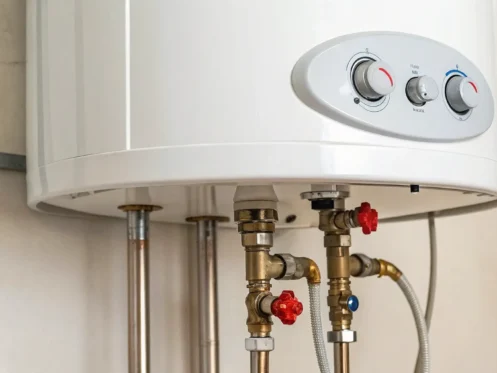
Your gas water heater is a quiet workhorse, reliably heating water day in and day out—until it isn’t. When a gas water heater shuts off by itself, it’s not a random glitch; it’s a deliberate action triggered by one of its safety systems. Think of it as the appliance raising a red flag. The problem could stem from a number of sources, such as a failing thermocouple that can no longer sense the pilot flame, or sediment buildup from Tucson’s hard water causing the tank to overheat. Understanding these potential causes is the first step toward a solution. Before you can fix the problem, you need to diagnose it correctly. Here’s a breakdown of the most common reasons for a shutdown.
Key Takeaways
- A Shutdown Is a Safety Feature: When your gas water heater turns off, it’s often a safety mechanism at work. The most common causes are a faulty thermocouple that can’t detect the pilot flame or a blocked vent, both of which shut the system down to prevent potential gas leaks or carbon monoxide buildup.
- Annual Maintenance Is Your Best Defense: You can prevent most unexpected shutdowns with simple upkeep. Flushing the tank once a year is crucial for removing the mineral sediment common in Tucson’s water, which prevents overheating and improves efficiency.
- Some Problems Require a Professional: While you can check the pilot light or clean vents yourself, you should always call a certified technician for recurring issues. If you smell gas, the pilot light won’t stay lit, or you hear loud rumbling from the tank, it’s a clear sign you need expert help.
Why Does My Gas Water Heater Keep Shutting Off?
It’s incredibly frustrating when you’re expecting a hot shower and get a blast of cold water instead. If your gas water heater keeps shutting off, it’s not just an inconvenience—it’s a safety mechanism telling you something is wrong. The system is designed to cut the gas supply when it detects a potential hazard, so while it’s annoying, it’s also keeping you safe. Several common issues can trigger this automatic shutdown, from a simple sensor failure to a blocked vent. Understanding these potential causes is the first step toward getting your hot water running reliably again. Let’s walk through the most frequent culprits behind a gas water heater that won’t stay on.
A Faulty Thermocouple
Think of the thermocouple as a tiny flame-sensing safety guard. Its job is to detect the heat from the pilot light and, in response, hold the gas valve open. If the thermocouple fails, it can no longer sense the flame, even if it’s lit. Mistakenly thinking the pilot is out, it signals the gas valve to close, cutting off the fuel supply to prevent a gas leak. This is one of the most common reasons a water heater shuts down. Thermocouples can wear out over time or get coated in soot, which interferes with their ability to work correctly. If this little sensor is the problem, a straightforward replacement is usually all that’s needed for a professional repair.
Blocked Vents
Your gas water heater needs to breathe. Proper airflow is essential for the combustion process and for safely venting harmful exhaust gases, like carbon monoxide, out of your home. If the flue vent becomes blocked by a bird’s nest, debris, or soot buildup, the system can’t exhaust properly. Modern water heaters have sensors that detect this backdraft or lack of airflow. As a critical safety measure, the unit will shut itself down to prevent dangerous gases from entering your living space. It’s crucial to keep the area around your water heater clear and ensure the venting system is unobstructed all the way to the outside.
Pilot Light Issues
Sometimes, the thermocouple is working perfectly, but the pilot light itself is the problem. A pilot light flame should be a steady, crisp blue. If it’s weak, yellow, or flickering, it may not be generating enough heat to keep the thermocouple engaged. This can be caused by a dirty pilot orifice, which gets clogged with dust or debris over time, restricting gas flow. A draft in the room can also blow the pilot light out. While relighting the pilot is a simple fix, if it continues to go out, it points to an underlying issue that needs a closer look from a technician.
Gas Supply Problems
The issue might not be with your water heater at all, but with the gas supply feeding it. A problem anywhere along the line can interrupt the flow of fuel and cause the unit to shut off. This could be a malfunctioning gas control valve on the water heater itself, which is responsible for regulating the gas sent to the burner and pilot. It could also be an issue with your home’s main gas line or even a temporary interruption from your utility provider. If you suspect a gas supply problem or smell gas, it’s vital to contact a professional immediately to ensure your home is safe.
Overheating Protection
Every gas water heater is equipped with a high-limit switch, another important safety feature. This switch monitors the water temperature and will shut the entire system down if it gets dangerously hot. Overheating is often caused by two things: a faulty thermostat that isn’t reading the temperature correctly or a significant buildup of sediment at the bottom of the tank. The sediment creates a barrier that forces the burner to work harder and longer to heat the water, leading to overheating. The shutdown is the system protecting itself—and you—from excessive temperature and pressure, which could damage the tank.
Sediment Buildup
If you live in Tucson or surrounding areas like Marana and Sahuarita, you know we have hard water. Over time, minerals like calcium and magnesium settle at the bottom of your water heater tank, forming a thick layer of sediment. This layer acts as an insulator, making it difficult for the burner to heat the water efficiently. The system has to run longer and hotter to compensate, which can lead to overheating and trigger the high-limit switch. You might hear popping or rumbling sounds as water gets trapped and boils under the sediment. An annual tank flush is the best way to prevent this and is a key part of our maintenance agreement.
How to Troubleshoot Your Gas Water Heater
When your hot water suddenly goes cold, it’s tempting to panic. But before you assume the worst, there are a few simple troubleshooting steps you can take. Many common gas water heater issues can be resolved with a little investigation. Walking through these checks can help you identify the problem and, in some cases, fix it yourself. For anything that feels too complex or involves the gas supply directly, it’s always best to call in a professional. Your safety is the top priority.
Check and Relight the Pilot Light
The first and easiest thing to check is the pilot light. This tiny, continuous flame is what ignites the main burner when your water needs heating. If it goes out, your water heater won’t work. Look for a small access panel or door near the bottom of your tank. You should be able to see a small blue flame. If you don’t see one, the pilot is out. Your water heater will have instructions printed on it for relighting it safely. Follow them carefully. If the pilot light relights but doesn’t stay on, you might be dealing with a different issue, like a faulty thermocouple.
Inspect the Thermocouple
The thermocouple is a crucial safety device that sits next to the pilot light. Its job is to sense the heat from the flame and signal the gas valve to stay open. If the pilot light goes out, the thermocouple cools down and shuts off the gas supply to prevent a leak. If the thermocouple is dirty, bent, or failing, it won’t be able to detect the flame properly and will keep shutting the gas off, causing the pilot to go out repeatedly. While cleaning it is sometimes possible, this component is often the reason you need professional heating services, as a replacement is usually the most reliable fix.
Clear Blocked Vents
Your gas water heater needs a steady flow of air to operate correctly—a process called combustion. Most units have air intake vents or screens near the bottom to draw in air. Over time, these can get clogged with dust, lint, and pet hair, especially if your heater is in a laundry room or closet. When the vents are blocked, the burner can be starved of oxygen, causing it to shut down as a safety measure. You can clean these vents by first turning off the water heater, then using a vacuum with a brush attachment to gently clear away any debris.
Test the Gas Valve
The gas valve is the control center for your water heater. On many modern units, the valve has a small LED light that blinks in specific patterns to indicate a problem. Think of it as a code that tells you what’s wrong. You can find a guide to these codes on a sticker on the heater or in the owner’s manual. While this can help you diagnose the issue, you should never attempt to repair the gas valve yourself. If you suspect a problem with the valve, it’s time to schedule an appointment with a certified technician to handle it safely.
Flush the Tank
Over time, minerals like calcium and magnesium naturally present in Tucson’s water can settle at the bottom of your water heater tank, creating a layer of sediment. This buildup can cause a host of problems, including creating hot spots that make the tank overheat and trigger the high-limit switch to shut the unit down. Flushing your tank once a year removes this sediment. You can do this by turning off the gas and water supply, connecting a garden hose to the drain valve at the bottom, and letting it drain until the water runs clear. This is a key part of any good maintenance agreement.
Reset the Temperature
Your water heater has a high-limit switch that acts as a safety feature, shutting the unit off if the water gets dangerously hot. Sometimes, a power surge or a faulty thermostat can cause the temperature to spike, tripping this switch. Check the temperature dial on your gas control valve. For both safety and energy efficiency, it should be set around 120°F. If it’s set much higher, you’re not only risking a shutdown but also potential scalding and higher energy bills. Lowering the temperature to the recommended setting can often solve the problem.
Warning Signs of a Failing Thermocouple
The thermocouple is a small but mighty safety device in your gas water heater. Think of it as a sensor that confirms the pilot light is lit. If it detects a flame, it keeps the gas valve open. If the flame goes out, the thermocouple signals the valve to shut, preventing dangerous gas leaks. When this component starts to fail, it can cause your water heater to shut off unexpectedly. Spotting the warning signs early can save you from a cold shower and a lot of frustration.
Pilot Light Keeps Going Out
Is your pilot light playing a game of now-you-see-me, now-you-don’t? This is the most common sign of a bad thermocouple. The thermocouple’s main job is to sense the heat from the pilot flame. If it’s failing, it can no longer detect the heat properly. As a safety precaution, it will tell the main gas valve to close, which extinguishes the pilot light. You might be able to relight it, but if the thermocouple is faulty, it will just go out again shortly after. This isn’t just an annoyance; it’s your water heater’s safety system telling you something is wrong.
Weak or Flickering Flame
Take a look at your pilot light. A healthy flame should be a steady, bright blue color. If you see a weak, flickering, or yellow flame, it’s a red flag. A weak flame might not produce enough heat for the thermocouple to sense, causing it to shut off the gas supply. This type of flame often points to a dirty or clogged burner assembly, which can also damage the thermocouple tip over time. The thermocouple needs to be consistently enveloped in a proper flame to generate the tiny electrical current that keeps the gas valve open.
Inconsistent Hot Water
If your hot water supply is unpredictable—warm one minute and cold the next—a failing thermocouple could be the culprit. When the thermocouple functions intermittently, it will randomly shut off the gas to the burner. This means the water in your tank isn’t being heated consistently. You might get a short burst of hot water followed by a lukewarm or cold stream. This frustrating cycle happens because the burner isn’t staying on long enough to heat the entire tank, a direct result of the thermocouple’s erratic performance.
Visible Corrosion or Damage
Sometimes, you can spot a problem just by looking. A visual inspection of the thermocouple can reveal obvious signs of wear and tear. Look for corrosion, soot buildup, or any physical damage like a bent or broken tip. The thermocouple is a thin metal rod that sits directly in the pilot flame, so it’s exposed to constant high heat. Over time, it can degrade. If you see that it’s visibly damaged or heavily corroded, it has likely reached the end of its lifespan and can no longer function reliably.
Should You Clean or Replace It?
If you notice soot or light buildup on the thermocouple, you might be able to clean it. You can gently rub the tip with a piece of fine-grit sandpaper or an emery cloth to remove the residue. However, if the thermocouple is bent, cracked, or heavily corroded, cleaning won’t help, and it must be replaced. While replacing a thermocouple is a relatively inexpensive fix, it requires shutting off the gas and working in a tight space. For safety and peace of mind, it’s often best to have a professional handle your water heater repair.
When to Call a Pro for Water Heater Repairs
Some water heater issues are simple enough to troubleshoot on your own, but many problems require a trained eye and the right tools. Trying to fix complex issues yourself can be ineffective and, more importantly, unsafe, especially with gas appliances. If you’ve tried the basic steps and are still without hot water, or if you notice any of the following red flags, it’s time to put down the wrench and pick up the phone. These signs indicate a more serious problem that needs a professional diagnosis to protect your home and family.
You Smell Gas
This is the most critical warning sign. If you smell sulfur or “rotten eggs” near your water heater, you could have a gas leak. Do not try to find the leak yourself or operate any electrical switches. Your first step is to turn off the gas supply to the appliance if you can do so safely. Then, leave your home immediately. Once you are a safe distance away, call your gas company to report the leak, followed by a call to a certified technician for water heater repairs. Your safety is the top priority.
The Pilot Light Won’t Stay Lit
If you’ve successfully relit the pilot light multiple times only to have it go out again, it’s a clear sign of an underlying problem. While a draft can sometimes be the culprit, the most common cause is a failing thermocouple. This safety device is designed to shut off the gas supply if the pilot light goes out. When it malfunctions, it can cut the gas flow even when the pilot is lit, causing the heater to shut down. Replacing a thermocouple can be a tricky job, and if done incorrectly, it can create a serious safety hazard. It’s best to have a professional handle the replacement to ensure it’s installed correctly.
Water Temperature Is Unpredictable
Are your showers suddenly turning lukewarm halfway through? Or maybe the water is scalding hot one minute and cold the next. Inconsistent water temperature is more than just an annoyance; it points to a problem with one of your water heater’s core components. The issue could be a faulty thermostat that isn’t reading the temperature correctly or a failing gas valve that isn’t delivering a steady supply of fuel. Instead of guessing, let a professional diagnose the problem. Our team can quickly identify the source of the temperature swings and get your hot water back to a reliable, comfortable level.
You Hear Strange Noises or See Leaks
Your water heater should operate relatively quietly. If you start hearing popping, rumbling, or banging sounds, it’s often a sign of excessive sediment buildup at the bottom of the tank. This layer of mineral deposits can trap water underneath, causing it to boil and create those noises, which puts a lot of stress on the tank. And if you see any water pooling around the base of the unit, you have a leak. A leak can be caused by a faulty valve or a crack in the tank itself. Both strange noises and leaks are urgent signs that your water heater needs immediate professional attention.
Carbon Monoxide Detector Goes Off
This is a serious emergency. A gas water heater that isn’t venting properly can release carbon monoxide (CO)—a colorless, odorless, and potentially fatal gas—into your home. If your CO detector goes off, do not try to figure out the source. Evacuate everyone from the house immediately and call 911 or your local fire department from outside. Once the immediate danger has been addressed by emergency services, you’ll need a qualified technician to inspect your gas appliances. A professional can find the source of the leak and ensure your system is venting correctly before it’s safe to return.
Electrical Problems Arise
While it’s a gas appliance, your water heater still relies on electrical components like the igniter and thermostat to function. If you’ve gone through the basic troubleshooting steps and nothing seems to work, the problem could be electrical. Issues like faulty wiring or a malfunctioning electronic gas control valve are not DIY-friendly fixes. Working with electrical components and gas lines at the same time is dangerous without proper training. If you suspect an electrical issue, it’s safest to schedule an appointment with a certified technician who can safely handle both the electrical and gas systems of your water heater.
How to Prevent Your Gas Water Heater from Shutting Off
An ounce of prevention is worth a pound of cure, especially when it comes to your home’s hot water supply. Instead of waiting for a problem to leave you with a cold shower, you can take a few simple, proactive steps to keep your gas water heater running smoothly. Regular maintenance not only prevents unexpected shutdowns but also extends the life of your unit and keeps it operating efficiently. Think of it as a small investment of your time that pays off with reliable hot water and peace of mind. These routine checks are easy to incorporate into your home maintenance schedule and can save you from the headache of a sudden breakdown. For homeowners in Tucson, Marana, and Sahuarita, a little upkeep goes a long way in protecting one of your home’s most important appliances.
Inspect the Pilot Light Monthly
Make it a habit to check on your water heater’s pilot light about once a month. A healthy pilot light burns with a strong, steady blue flame. If you peek inside and see a weak, yellow, or flickering flame, it’s a red flag. This usually means the burner is dirty or clogged, which can interfere with the thermocouple’s ability to detect the flame and lead to a shutdown. A quick visual inspection is all it takes to catch this issue early. If the flame doesn’t look right, it’s best to call a professional for a cleaning and inspection to ensure your system is burning safely and efficiently.
Flush the Tank Annually
Sediment buildup is one of the most common causes of water heater problems, especially in areas with hard water. Minerals like calcium and magnesium settle at the bottom of the tank, forming a layer that insulates the water from the burner. This forces the system to work harder, causing it to overheat and shut off. Flushing the tank once a year removes this sediment. You can set an annual reminder on your calendar to get it done. This simple task is included in our Maintenance Agreement, which makes it easy to stay on top of this and other essential upkeep for your home’s systems.
Clean Vents and Air Intakes Regularly
Your gas water heater needs a steady supply of air to function correctly. Over time, the air inlet screens and vents can get clogged with dust, lint, and dirt, restricting airflow. When the unit can’t get enough air, the burner can’t operate properly, which often triggers a safety shutdown. Take a few minutes every few months to wipe down the vents and vacuum any debris from the air intakes around the base of the unit. This simple cleaning task ensures your water heater can breathe freely and helps prevent it from shutting off unexpectedly.
Monitor the Thermostat
It’s a good idea to check your water heater’s thermostat setting periodically. For both safety and efficiency, most manufacturers recommend a temperature between 120°F and 130°F. If the temperature is set too high, it can cause the water to overheat, which will trip the high-limit switch and shut the unit down as a safety precaution. Setting the temperature correctly not only prevents these shutdowns but also helps you save on energy bills and reduces the risk of scalding. If you find your water temperature is inconsistent, it might be a sign of a failing thermostat that needs professional attention from our heating services team.
Check the Anode Rod
Inside your water heater tank is a component called an anode rod, and its entire job is to prevent the tank from rusting. This “sacrificial” rod corrodes over time so that your tank doesn’t. Once the anode rod is completely worn away, the tank itself will start to rust, leading to leaks and eventual failure. You should have the anode rod inspected every two to three years. Replacing a depleted rod is a simple, inexpensive repair that can add years to the life of your water heater. Since this requires shutting off the water and partially draining the tank, many homeowners in Oro Valley and Oracle Foothills prefer to schedule online and let our experts handle it.
Expert Gas Water Heater Service in Tucson
While it’s great to be a hands-on homeowner, some jobs are best left to the pros—especially when they involve gas appliances. If you’ve tried the basic troubleshooting steps and your water heater still won’t cooperate, it’s time to call for professional help. Working with gas lines and combustion systems requires specialized knowledge and tools to ensure the job is done safely and correctly.
Our certified technicians at Fusion Plumbing & Air have the training to accurately diagnose what’s going on with your unit. Often, the issue is a small but vital part like the thermocouple. This component is a crucial safety device that controls the gas supply to the pilot light, shutting it off to prevent a gas leak if the flame goes out. Our team knows exactly how to test, clean, or replace a faulty thermocouple to get your hot water running again.
From complex repairs to routine maintenance, we provide expert residential plumbing services for homeowners across Tucson, Oro Valley, Marana, and Sahuarita. Don’t risk your safety or another cold shower. If your gas water heater is acting up, let our friendly experts handle it. You can schedule an appointment online today for fast, reliable service you can trust.
Related Articles
- Tankless Water Heater Repair: A Complete Guide
- Leaking Water Heater? An Emergency Step-by-Step Guide
- Water Heater Leaking? Here’s What to Do Right Now
- Water Heater Leaking? Your Step-by-Step Guide
Frequently Asked Questions
How often should I have my gas water heater professionally serviced? For most homes, especially here in Tucson where hard water is common, an annual professional check-up is a great rule of thumb. This yearly service should include flushing the tank to clear out sediment and inspecting the anode rod. This simple routine not only prevents unexpected shutdowns but also helps your water heater run more efficiently and last longer.
Is it safe to replace a thermocouple on my own? While it might seem like a straightforward fix, I always recommend leaving any work involving gas lines to a certified professional. The part itself is inexpensive, but an incorrect installation can lead to a dangerous gas leak. For your safety and peace of mind, it’s a job best handled by a trained technician who has the right tools and experience.
My pilot light won’t stay lit. Does that automatically mean the thermocouple is bad? A faulty thermocouple is the most frequent reason a pilot light won’t stay lit, but it’s not the only possibility. The issue could also be a dirty or clogged pilot orifice that’s creating a weak flame, or even a strong draft near the unit. A professional can quickly diagnose the true cause and determine if the thermocouple needs to be replaced or if another component simply needs a cleaning or adjustment.
What do popping or rumbling noises from my water heater mean? Those strange sounds are a definite sign that you have a significant layer of mineral sediment at the bottom of your tank. The noise you’re hearing is water getting trapped under that sediment and boiling. While it’s not an immediate emergency like a gas leak, it does mean your water heater is under a lot of stress, which can lead to tank damage and leaks. You should schedule a service call soon to have the tank flushed.
Can I prevent sediment buildup in my tank? Yes, you absolutely can. The most effective way to manage sediment is to have your water heater tank flushed annually. This process removes the mineral deposits that have settled at the bottom. If you want to address the problem at its source, you could also consider installing a whole-home water softener, which treats the hard water before it ever enters your water heater.