
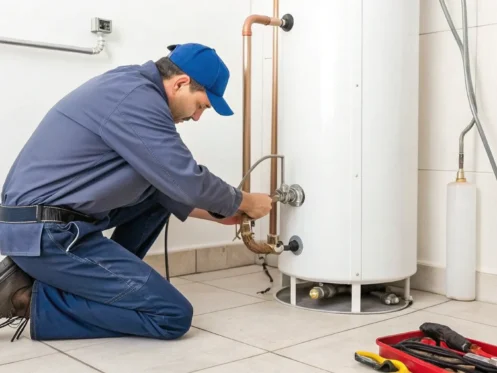
That sputtering sound from the garage. The water that’s more lukewarm than hot. These are the subtle hints your water heater sends before it decides to quit for good, usually at the worst possible moment. No one wants to deal with an emergency breakdown, but knowing the warning signs can turn a potential crisis into a planned upgrade. This guide is your roadmap for navigating a gas water heater replacement. We’ll cover everything from recognizing when your old unit is failing to choosing a new one that fits your family’s needs and budget. Think of it less as a stressful chore and more as an opportunity to improve your home’s efficiency and ensure you have reliable hot water for years to come.
Key Takeaways
- Act on the Warning Signs: Don’t wait for a total failure. Leaks, rusty water, and strange noises are clear signals that your water heater is nearing the end of its 8-12 year lifespan. Planning a replacement saves you from the cost and chaos of an emergency.
- Choose for Long-Term Value: The right water heater balances upfront cost with future performance. Consider your family’s needs to select the correct tank size and look at the UEF rating to find an efficient model that will lower your utility bills for years to come.
- Always Hire a Licensed Professional: Installing a gas water heater is a complex job with serious safety risks. A professional installation is essential for meeting local codes, ensuring your family’s safety, and protecting your manufacturer’s warranty.
When Is It Time to Replace Your Gas Water Heater?
No one wants to start their day with a surprise ice-cold shower. Your gas water heater works hard behind the scenes, but it won’t last forever. Most traditional tank heaters have a lifespan of about 8 to 12 years. Paying attention to the warning signs can help you plan for a replacement before you’re left with no hot water and a potential mess on your hands.
Knowing when to repair versus when to replace can feel tricky, but some issues are clear indicators that your unit is on its last legs. If your water heater is getting up there in age and starting to show signs of trouble, replacing it is often the smarter, safer, and more cost-effective choice in the long run. It gives you a chance to upgrade to a more efficient model and prevents the stress of an emergency breakdown.
Key Signs Your Old Unit Is Failing
Your water heater will usually give you a few hints before it fails completely. If you notice any of these red flags, it’s time to start thinking about a replacement. A major sign is a lack of hot water or water that doesn’t stay hot for long. You might also see rusty or discolored water coming from your taps, which points to corrosion inside the tank.
Listen for unusual sounds like popping, rumbling, or banging. These noises are often caused by sediment buildup hardening at the bottom of the tank, making it less efficient and causing the metal to become brittle. The most urgent sign, however, is any visible leak. Even a small puddle around the base of your water heater means it’s time to call a professional for residential plumbing services right away.
Why Professional Installation Is a Smart Move
While a DIY installation might seem like a way to save money, it comes with serious risks. A gas water heater involves connecting gas lines, water pipes, and ventilation—all of which need to be done perfectly to ensure your family’s safety. Professionals understand the specific building codes in Tucson and surrounding areas like Marana and Oro Valley, ensuring your installation is compliant and safe.
Hiring a certified technician also protects your investment. Many manufacturers’ warranties are voided by improper installation, and a pro’s work often comes with its own labor guarantee. A small mistake during a DIY install can lead to gas leaks, water damage, or poor performance, resulting in much costlier repairs down the road. It’s always best to schedule an appointment with an expert to get the job done right.
Breaking Down the Cost of a New Gas Water Heater
Figuring out the budget for a new water heater can feel a bit like solving a puzzle. The price you see on the box at a home improvement store is just one piece. The total cost includes the unit itself, the skilled labor to install it correctly and safely, and a few other potential fees that are important to plan for. Understanding each part of the equation helps you know exactly what you’re paying for and ensures there are no surprises along the way.
Think of it this way: you’re not just buying an appliance; you’re investing in a professional service that brings reliable hot water to your home for the next decade or more. Let’s walk through the three main components of the cost so you can create a realistic budget and make a confident choice for your home in Tucson.
How Much Does the Unit Itself Cost?
The gas water heater unit is your first major expense, typically ranging from $500 to $1,200. The final price depends on the brand, size, and features you choose. While gas models can have a slightly higher upfront cost than their electric counterparts, they often make up for it with lower monthly operating costs, saving you money over the life of the heater.
When you factor in professional installation, the total cost for a replacement usually falls between $1,100 and $4,000. This all-in price covers not just the appliance but the expertise needed to get it running perfectly.
What to Budget for Installation Labor
Professional installation is a critical part of your investment, and the labor costs can range from $600 to $3,000. You might wonder why there’s such a wide range. The final price depends on the complexity of the job. For example, if your new unit is a different size than the old one, our technicians may need to adjust the plumbing lines or gas connections. Upgrading the venting system to meet current safety codes can also affect the cost.
Hiring a certified technician ensures all connections are secure and your system is operating safely. Our team handles all aspects of residential plumbing to make sure your installation is seamless.
Are There Any Hidden or Additional Fees?
We believe in transparency, so it’s important to talk about costs that can sometimes be overlooked. Most installations require a permit from your local municipality to ensure the work is done to code. These permits, along with any required inspections, are a standard part of the process and contribute to the final cost. They’re a crucial step for your safety and peace of mind.
To avoid any surprises, always ask for a detailed, itemized quote that includes the unit, labor, materials, and any permit fees. When you’re ready, you can schedule online with us, and we’ll provide a clear, upfront estimate for your Tucson home.
A Look at Top Gas Water Heater Brands
Choosing a new water heater can feel like a big decision, but you don’t have to sort through dozens of brands to find a great one. Over the years, our team has installed and serviced countless units across Tucson, and a few names consistently stand out for their performance and reliability. Getting familiar with these top brands is a great first step in finding the perfect fit for your home.
Rheem
Rheem is a household name for a reason—they offer a wide range of gas water heaters that fit different homes and budgets. Their Performance series is especially popular, known for being a reliable and efficient choice without a hefty price tag. You can typically expect a Rheem unit to cost between $500 and $1,000 installed. While many homeowners are happy with their purchase, it’s worth noting that some reviews mention issues with long-term reliability and customer service for warranty claims. A solid warranty is included, which offers a good baseline of protection for your investment.
A.O. Smith
If you’re looking for innovative technology and energy efficiency, A.O. Smith is a brand to consider. They are well-regarded for building quality water heaters with features like advanced insulation that help lower your energy bills over time. A.O. Smith offers both traditional tank and tankless models, with prices generally falling between $600 and $1,500. Homeowners often choose this brand for its strong performance and commitment to quality, making it a dependable option for consistent hot water. Many customer reviews highlight the brand’s solid reputation and the longevity of their units.
Bradford White
Bradford White is a favorite among plumbing professionals because of its focus on durability and high-quality construction. Their water heaters are built to last and often include advanced technology for better performance. One thing that sets them apart is that their products are primarily sold through certified contractors rather than big-box retail stores. This ensures that a qualified technician handles the installation. While this can sometimes make them harder to find, working with a professional plumbing company gives you direct access. Expect prices to range from $700 to $1,500, backed by a strong warranty.
Bosch
Bosch has earned a stellar reputation, especially for its highly efficient tankless gas water heaters. If you’re interested in saving space and getting hot water on demand, Bosch is a top contender. Their units are praised for their compact design and energy-saving performance, which can make a real difference on your utility bills. A Bosch tankless heater is a great fit for modern homes where efficiency is a priority. Depending on the model you choose, you can expect the price to be between $800 and $1,500. Customers often point to the quiet operation and consistent hot water supply as major benefits.
Tank vs. Tankless: Which Is Right for You?
Choosing a new water heater often comes down to one big question: should you stick with a traditional tank model or switch to a tankless one? Both have their place, and the best fit for your home in Tucson depends on your budget, family size, and long-term goals. A traditional heater stores and keeps a large amount of water hot 24/7, while a tankless unit heats water instantly as you need it. Let’s break down the key differences to help you decide.
The Pros and Cons of Traditional Tank Heaters
Traditional tank water heaters are the familiar workhorses found in most homes. Their biggest advantage is the lower upfront cost, which makes them an accessible option if you’re on a tight budget. Installation is also typically simpler and less expensive, especially if you’re just replacing an old tank unit.
However, there are downsides. Because the tank constantly heats water to keep it ready, you experience “standby heat loss,” which can lead to higher energy bills. They also have a limited supply; once the hot water is gone, you have to wait for the tank to refill and reheat. These units take up significant floor space and generally last about 8 to 10 years. For many homeowners, they are a reliable part of their home’s residential plumbing system.
The Benefits of Going Tankless
Tankless water heaters, also known as on-demand heaters, are a fantastic long-term investment. Their main benefit is energy efficiency. By heating water only when you turn on the tap, they eliminate standby heat loss and can significantly lower your monthly utility bills. You also get a continuous, endless supply of hot water—no more cold showers!
These units are compact, freeing up valuable closet or garage space, and they can last 20 years or more with proper maintenance. The primary drawback is the higher initial cost for both the unit and installation, which can be more complex. However, if you plan to stay in your home for a while, the energy savings can eventually offset that initial investment. You can always schedule an appointment to get a precise quote for your home.
Comparing Cost and Energy Efficiency
When you put them side-by-side, the choice comes down to upfront cost versus long-term savings. A traditional 50-gallon gas water heater replacement might cost between $1,100 and $4,000, including installation. It’s a more manageable initial expense. A tankless system, on the other hand, can run from $7,000 to $11,000 installed.
While the tankless price tag is higher, its superior energy efficiency means you’ll save money every month on your gas bill. Over its 20-year lifespan, those savings can really add up, making it a smarter financial move in the long run. If your priority is a lower initial bill, a traditional tank is a solid choice. If you’re focused on long-term efficiency and endless hot water, going tankless is worth the investment in your home’s heating services.
Key Features to Consider in a New Gas Water Heater
Once you start shopping for a new water heater, you’ll quickly realize there’s more to it than just picking a brand. The right unit for your home in Tucson depends on a few key technical specs that directly impact your daily comfort and monthly utility bills. Thinking through these features ahead of time helps you make a smart investment that you’ll be happy with for years to come. When you work with a professional, they can walk you through the options, but it’s always good to understand the basics yourself.
Choosing the perfect model involves balancing upfront cost with long-term performance and savings. The main things you’ll want to consider are the tank size, energy efficiency rating, recovery rate, and the length of the warranty. Each of these plays a crucial role in how well the water heater meets your household’s needs. Getting these details right ensures you have plenty of hot water when you need it without overpaying for a system that’s more than you require. Our team is always ready to help you assess your needs and find the perfect fit for your residential plumbing system.
Finding the Right Tank Size for Your Home
The most obvious feature is the tank’s capacity, measured in gallons. It’s tempting to just get the same size you had before, but your needs may have changed. As a general rule, a 40-gallon tank is usually enough for a one- or two-person household. If you have a larger family, you’ll likely need a bigger tank—something in the 50- to 75-gallon range—to keep up with simultaneous demands like laundry, dishes, and showers.
Getting the size right is a balancing act. A tank that’s too small will leave you with lukewarm showers, while one that’s too large will waste energy by constantly heating water you don’t use. A professional can help you calculate your home’s peak hot water demand to find the perfect size.
Decoding Energy Efficiency Ratings
A water heater’s efficiency is indicated by its Uniform Energy Factor (UEF) rating. In simple terms, the higher the UEF number, the more efficiently the unit converts gas into hot water. While models with higher efficiency ratings often come with a higher price tag, they can save you a significant amount of money on your energy bills over the life of the unit.
Think of it as an investment in lower long-term costs. An ENERGY STAR certified model, for example, is designed to be about 8% more efficient than a standard model. Over a decade or more, those savings really add up, often offsetting the initial higher cost of the water heater.
Understanding Recovery Rate and Performance
Beyond tank size, you’ll want to look at the recovery rate. This number tells you how many gallons of water the unit can heat in one hour. It’s a key indicator of performance, especially for busy households in Marana or Sahuarita. If your family tends to use a lot of hot water in a short amount of time—like during the morning rush for showers—a high recovery rate is essential.
A water heater with a fast recovery rate can quickly replenish the hot water supply, meaning the last person to shower won’t be left in the cold. This spec, combined with the right tank size, ensures you have a steady and reliable stream of hot water whenever you need it.
Why the Warranty Matters
A water heater warranty is more than just a piece of paper; it’s a reflection of the manufacturer’s confidence in their product. Warranties typically cover the tank and parts for a set number of years, often ranging from 6 to 12 years. A longer warranty period usually indicates a better-quality unit with more durable components.
It’s also important to know that most manufacturers require the unit to be installed by a licensed professional for the warranty to be valid. Regular upkeep is also key, and a preventative maintenance agreement can help ensure your system stays in top shape and meets warranty requirements, protecting you from unexpected repair costs down the road.
DIY vs. Hiring a Pro: What’s the Best Choice?
Tackling a home improvement project yourself can be incredibly rewarding. There’s a real sense of accomplishment in fixing something with your own two hands, not to mention the potential cost savings. But when it comes to replacing a gas water heater, the stakes are significantly higher than painting a room or installing a new faucet. This isn’t just a simple plumbing job; it involves gas lines, ventilation, and local building codes.
Making the choice between a DIY replacement and hiring a professional comes down to more than just your budget. It’s about ensuring the safety of your home and family, avoiding costly mistakes, and making sure your new appliance works efficiently for years to come. Before you head to the hardware store, it’s important to understand the risks involved and the long-term benefits of leaving this particular job to a certified technician. Let’s walk through the key factors you should consider to make the best decision for your home in Tucson.
The Safety Risks and Code Hurdles of DIY
The biggest reason to pause before attempting a DIY gas water heater installation is safety. Working with natural gas lines is not something to take lightly. A small mistake, like an improperly sealed connection, can lead to a gas leak, creating a serious risk of fire or even an explosion. Beyond the immediate danger of gas, improper venting can release carbon monoxide—a colorless, odorless gas—into your home. For these reasons, most municipalities, including those in and around Tucson, require a permit for this kind of work. A permit ensures a qualified inspector will check the installation to confirm it meets all safety codes, giving you peace of mind that the job was done right.
Common (and Costly) DIY Installation Mistakes
While watching a few online tutorials can make the process look simple, a lot can go wrong without hands-on experience. Common DIY mistakes range from choosing the wrong size unit for your home to incorrect soldering on water pipes, which can cause slow leaks and significant water damage over time. Other frequent errors include improper temperature and pressure relief valve installation or incorrect venting, which can cause the unit to run inefficiently or fail prematurely. What starts as an effort to save a few hundred dollars can quickly turn into a much more expensive problem, requiring an emergency call to a professional to fix the original issue and the new one you’ve accidentally created.
How Installation Affects Permits and Insurance
Even if you manage to install the unit correctly, skipping the permit process can cause major headaches later. When it comes time to sell your home, a home inspector will likely flag an unpermitted water heater installation, which can delay or even derail the sale. More importantly, your homeowner’s insurance policy might not cover damages caused by an appliance that was installed without the proper permits or by an unlicensed individual. A flood or fire resulting from a faulty DIY job could leave you responsible for the full cost of repairs. Getting a professional residential plumbing installation ensures the work is permitted, insured, and up to code.
What to Expect During a Professional Installation
Knowing what happens on installation day can make the entire process feel much smoother. When you hire a professional, you’re not just paying for a new water heater; you’re paying for a safe, efficient, and code-compliant job from start to finish. The process is typically straightforward and can be completed in just a few hours, leaving you with reliable hot water. Here’s a step-by-step look at what our technicians do when they arrive at your home.
Preparing for the Install and Removing the Old Unit
First things first, our technician will prepare the workspace to protect your home, often laying down cloths or mats. They’ll then shut off the water, gas, and electrical supply to your old water heater. The next step is to safely drain the old tank, which can take some time depending on its size. Once it’s empty, the technician will disconnect the lines and carefully remove the old, heavy unit from your home. A professional quote should always include the cost of hauling away and disposing of your old water heater, so you aren’t left with it on your curb.
The Installation Process, Step by Step
With the old unit out of the way, we bring in the new one. The technician will set the new water heater in place, making sure it’s level and secure. From there, they’ll connect the hot and cold water lines. For a gas model, the next crucial step is connecting the gas line and ensuring the venting is installed correctly to safely direct exhaust fumes outside. Proper residential plumbing practices are essential here, as even small mistakes can lead to leaks or inefficient operation down the road. The actual replacement work is usually not complicated for an experienced technician and doesn’t take very long.
Final Testing to Ensure Safety and Performance
Before we call the job done, we conduct thorough testing. The technician will slowly fill the new tank with water and meticulously check all connections for any signs of leaks. Once the tank is full, they will light the pilot and test the burner, adjusting the temperature to your desired setting. We run a full cycle to confirm everything is operating safely and efficiently. This final check is critical because installation mistakes can lead to poor performance or costly long-term damage. When you’re ready for a safe and reliable installation, you can schedule an appointment with our team.
How to Choose the Perfect Gas Water Heater
Picking out a new water heater isn’t just about grabbing one off the shelf. To get the most value and ensure you have enough hot water for everyone, you need to match the unit to your home and family. Thinking through a few key factors beforehand will help you make a confident choice and avoid the headache of an undersized or improperly installed heater. Let’s walk through what you need to consider to find the perfect model for your home in Tucson.
Calculating Your Household’s Hot Water Needs
First, think about how much hot water your household actually uses. A good starting point is your family size. A 40-gallon tank is often plenty for one or two people, but if you have a larger family, you’ll likely need a 75-gallon tank or bigger to keep up with demand. Consider your daily habits, too. Do multiple people shower around the same time? Do you run the dishwasher and washing machine frequently? All of these activities add up. A professional can help you assess your peak demand to find a heater that won’t leave you in the cold. Our team is experienced in all types of residential plumbing and can help you find the perfect fit.
Factoring in Space and Venting Requirements
Next, take a look at where your current water heater lives. A new unit needs to fit into the same spot, so physical dimensions are important. This is especially true if you’re considering a different type or size. Gas water heaters also have specific venting requirements to safely direct exhaust fumes outside your home. Proper ventilation is a critical safety measure that prevents the buildup of dangerous gases like carbon monoxide. A professional technician will evaluate your current setup to ensure a new heater can be installed safely and efficiently, making any necessary adjustments to meet code. You can schedule an appointment online for a hassle-free assessment.
Understanding Local Building Codes
Finally, it’s important to be aware of local building codes. Here in Tucson and the surrounding communities like Marana and Sahuarita, a permit is often required for a water heater replacement. This isn’t just red tape; it’s a safety check. A permit ensures an inspector verifies that the installation meets all current standards, from proper venting to secure connections. Skipping this step can cause major issues down the road, especially if you decide to sell your home. When you work with a licensed professional, they handle the entire permitting process for you, giving you peace of mind that your new water heater is installed correctly and safely.
Making Your Water Heater Replacement More Affordable
A new water heater is a major home investment, but the final price tag doesn’t have to be a shock. With a little planning, you can find ways to lower the overall cost and make the expense much more manageable for your budget. From taking advantage of special offers to getting a clear, professional quote, there are several practical steps you can take. Let’s walk through a few simple strategies to help you save money on your water heater replacement without cutting corners on quality or safety.
Finding Manufacturer Rebates and Promotions
One of the best ways to save money is by looking for manufacturer rebates. Big brands often run promotions that can take a nice chunk off the price of a new unit. Sometimes, they even offer incentives for replacing an older, but still working, water heater with a more energy-efficient model. It’s worth spending a few minutes searching the manufacturer’s website or asking your plumbing technician about current deals. These programs can make a high-efficiency model much more accessible and are a smart way to get a better unit for less. Taking advantage of a rebate could be the difference that makes a top-tier, energy-saving water heater fit comfortably within your budget.
Exploring Your Financing Options
Paying for a new water heater all at once can be tough on the budget, especially if it’s an unexpected expense. That’s where financing comes in. Instead of a single large payment, you can spread the cost out over several months with manageable installments. Many professional plumbing companies offer flexible financing options to help homeowners manage the cost. This approach makes it easier to get the right water heater for your home now without draining your savings, ensuring you don’t have to settle for a less efficient model due to upfront cost concerns. It’s a practical solution that gives you financial breathing room while still getting a reliable, high-quality appliance.
Get a Professional Quote in Tucson
Before you make a final decision, it’s essential to get a detailed, professional quote. This helps you compare prices and understand exactly what’s included in the installation. A trustworthy quote should break down the cost of the unit, labor, and any necessary materials or permits. For homeowners in Tucson, Oro Valley, and Sahuarita, getting a clear estimate ensures there are no surprises. When you’re ready, you can schedule an appointment with a certified technician who can assess your needs and provide an accurate, upfront price for your gas water heater replacement. This step empowers you to make an informed choice that aligns with both your home’s needs and your budget.
Related Articles
- Water Heater Installation: A Complete DIY Guide
- Water Heater Leaking? Your Step-by-Step Guide
- Tankless Water Heater Repair: A Complete Guide
- Water Heater Leaking? Here’s What to Do Right Now
Frequently Asked Questions
How can I tell if my water heater needs a simple repair or a full replacement? The decision often comes down to two things: age and the cost of the repair. If your water heater is more than eight years old and needs a major, expensive fix, replacing it is almost always the smarter financial move. Minor issues on a newer unit might be worth repairing, but a leaking tank is a definite sign that it’s time for a full replacement, no matter its age.
Why is my water heater making a popping or rumbling sound? That noise is usually caused by a layer of mineral sediment that has built up and hardened at the bottom of the tank over the years. When the burner kicks on, it has to heat the water through this layer of sediment, causing the water underneath to boil and create those popping sounds. This process is inefficient and puts a lot of stress on the tank, which can eventually lead to leaks.
How long does a professional installation typically take? A straightforward replacement, where we are swapping out an old tank heater for a new one of a similar size, usually takes about two to four hours. This gives our technicians enough time to safely drain and remove the old unit, position and connect the new one, and run thorough tests to ensure everything is working safely and correctly before they leave.
Is a tankless water heater really worth the extra cost? It can be, but it depends on your priorities. If your main goal is to keep the initial cost low, a traditional tank heater is a great choice. However, if you plan to stay in your home for a long time and value long-term energy savings and an endless supply of hot water, a tankless model is a fantastic investment that can pay for itself over time through lower utility bills.
What’s the most important factor to consider when choosing a new water heater? While brand and efficiency are important, getting the right size for your household is the most critical factor for your day-to-day comfort. A tank that’s too small will constantly leave you without enough hot water, while one that’s too large will waste energy. A professional can help you calculate your family’s peak usage to ensure you choose a size that perfectly matches your needs.