
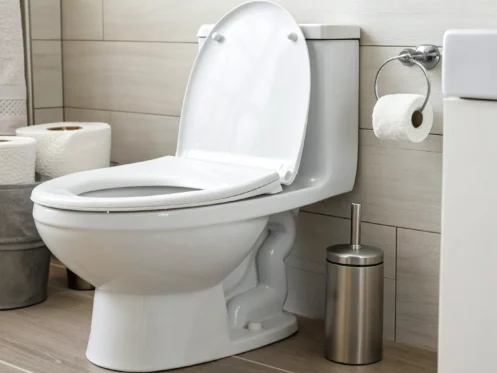
That phantom flushing or constant hissing from your toilet means it’s time to play detective. The source of a running toilet is almost always hiding in plain sight inside the tank. Whether it’s a degraded flapper, a misadjusted float, or a simple chain issue, a quick investigation can reveal the culprit. Understanding what each part does is the key to a successful repair. This guide is designed to help homeowners in Oro Valley and Sahuarita learn how to fix a running toilet after flushing by confidently identifying and correcting the problem, often without needing to call for professional help.
Key Takeaways
- Start with a simple diagnosis: Before buying any parts, lift the tank lid to check for common culprits like a tangled chain, a misaligned flapper, or a water level that is too high. This simple step can often reveal the exact cause of the leak.
- Focus on adjustments first: Many running toilets can be fixed without new parts. Correcting the chain length, repositioning the float to lower the water level, or cleaning the flapper’s seal are simple adjustments that often solve the problem immediately.
- Don’t ignore a persistent problem: If you have tried the simple fixes and the toilet still runs, it is time to call a professional. A persistent leak wastes a significant amount of water and money, and an expert can pinpoint a more complex issue you might have missed.
Why Won’t My Toilet Stop Running?
That constant hissing or trickling sound from your toilet isn’t just annoying; it’s a sign that water is being wasted, which can drive up your utility bills. The good news is that a running toilet is one of the most common household plumbing issues, and the cause is almost always a small, inexpensive part inside the tank. Before you can fix it, you need to play detective and figure out what’s causing the problem.
Most of the time, the issue lies with one of four key components that work together to control the flush cycle. Understanding what these parts do will help you quickly identify the source of the leak. If you’re dealing with a toilet that just won’t quit, one of these culprits is likely to blame. Let’s take a look at the usual suspects.
A Look at the Usual Suspects
The Faulty Flapper
Think of the flapper as the first place to look. This is the rubber seal at the bottom of your toilet tank that lifts when you flush and then drops back down to stop water from flowing into the bowl. Over time, this little part can degrade, warp, or get covered in mineral buildup, preventing it from creating a tight seal. When water seeps from the tank into the bowl, the fill valve kicks on to refill the tank, causing that constant running sound. A worn-out toilet flapper is often the number one reason your toilet won’t stop running.
Fill Valve Glitches
The fill valve is the tall assembly, usually on the left side of the tank, responsible for refilling the tank with water after you flush. It’s designed to shut off automatically once the water reaches a certain level. If the fill valve is old, clogged with debris, or broken, it might not shut off completely. This causes water to keep flowing, where it will typically drain into the overflow tube to prevent the tank from flooding your bathroom. This constant flow means the valve never truly stops working, and you’re left with a toilet that runs nonstop.
An Out-of-Place Float
Connected to the fill valve is a float, which is either a large ball or a plastic cup that rises with the water level. The float’s job is to tell the fill valve when to stop filling. If the float is set too high, the water level will rise above the overflow tube before the float can signal the valve to shut off. This creates a continuous cycle of filling and draining. Learning how to adjust the toilet float height is a simple fix that can often solve the problem immediately without you needing to buy any new parts.
A Tangled or Incorrectly Sized Chain
The small chain that connects the flush handle to the flapper can also be the source of your trouble. If the chain is too short, it will hold the flapper slightly open, allowing water to leak continuously into the bowl. If it’s too long, it can get caught underneath the flapper, preventing it from sealing properly. Making sure the chain has just a little bit of slack but isn’t long enough to get in the way is key to a well-functioning flush. It’s a small detail that can make a big difference.
How to Pinpoint the Problem
That constant, faint sound of running water from your toilet isn’t just annoying; it’s a sign that something is wrong inside the tank. It’s also a major water-waster, silently adding to your utility bill every month. The good news is that you can usually find the source of the problem yourself with a little detective work. Most running toilet issues originate from a handful of components inside the tank, and figuring out which one is misbehaving is the first step toward a quiet, efficient toilet.
Before you start thinking about complex repairs, let’s walk through a few simple diagnostic checks. You won’t need any special tools for this part, just your eyes and ears. By taking a few minutes to look inside the tank, you can often spot the culprit right away. Whether it’s a worn-out part or a simple adjustment, identifying the issue correctly will save you time and frustration. If you follow these steps and still feel unsure, remember that our team is always here to help with any residential plumbing needs in Tucson and the surrounding communities.
Your Step-by-Step Diagnosis Guide
Ready to get started? The first thing you need to do is carefully lift the lid off your toilet tank and set it somewhere safe where it won’t get knocked over. Inside, you’ll see the inner workings of your toilet. It might look a little complicated, but we’re only going to focus on a few key parts: the flapper, the fill valve, the float, and the chain. These components work together to control the flow of water, and when one of them acts up, you get a running toilet. Let’s go through the checks one by one.
Start With a Visual Check
With the lid off, just take a look inside the tank. Do you see anything obviously out of place? Sometimes the chain that connects to the flapper can get tangled or caught on something, preventing the flapper from closing properly. Also, look at the float mechanism. If the float is set too high, water will constantly spill into the overflow tube, which is the large vertical pipe in the middle of the tank. This constant overflow forces the fill valve to keep running to replace the water, creating a never-ending cycle.
Test the Flapper’s Seal
The flapper is the rubber stopper at the bottom of the tank that lifts when you flush. Often, the reason a toilet keeps running is that the flapper isn’t closing all the way, allowing water to leak from the tank into the bowl. After the toilet has finished filling, gently press down on the flapper with a stick or your hand. If the running sound stops, you’ve found your problem. The flapper is either worn out, dirty, or misaligned and needs to be cleaned or replaced.
Check the Water Level and Float
Look at the water level in the tank. It should stop about an inch below the top of the overflow tube. If the water is flowing into the tube, the water level is too high. This is usually caused by an improperly adjusted float. The float, which can be a ball or a cup-style device, rises with the water and tells the fill valve when to shut off. If the water level is too high, it means the float isn’t signaling the valve to stop in time, causing a continuous run.
Listen for Telltale Sounds
Sometimes, your ears can tell you what’s wrong. If you hear a faint hissing sound coming from the fill valve (the tall mechanism usually on the left side of the tank), it could mean the valve itself is failing and not shutting off completely. This is more than just an irritating noise; a running toilet can waste up to 200 gallons of water every single day. That’s a significant amount of wasted water and money. If you suspect a leak but can’t see one, try adding a few drops of food coloring to the tank water and wait 20 minutes without flushing. If you see colored water in the bowl, you have a flapper leak.
What You’ll Need for the Fix
Before you roll up your sleeves, taking a few minutes to gather your supplies will make the entire process much smoother. Having the right tools and replacement parts on hand means you can get the job done in one go, without any last-minute trips to the hardware store.
Gather Your Tools and Parts
Most running toilet repairs don’t require a specialized arsenal of equipment. You likely have everything you need in your garage or under the sink already. Here’s a quick checklist of what to grab before you get started.
Your Basic Toolkit
For most fixes, you’ll just need a few simple items: a sponge and a small bucket to handle leftover water, old towels to protect your floor, and a pair of pliers or an adjustable wrench. While many toilet repairs are manageable DIY projects, having the right tools is half the battle. If you find the issue is more complex than you thought, our team is always ready to handle any residential plumbing challenge, ensuring the job is done right.
Essential Replacement Parts
A running toilet is often caused by a worn-out part that costs less than a fancy coffee. The most common culprits are the flapper and the fill valve. A worn or warped flapper won’t create a tight seal, and a faulty fill valve can fail to shut off the water supply. It’s a good idea to have a universal replacement kit for both on hand, as they are the most likely sources of your leak.
A Quick Safety Prep
First things first: turn off the water. The shut-off valve is usually located on the wall behind the toilet. Turn it clockwise until it stops. Next, flush the toilet to drain the tank, and use your sponge to soak up any remaining water. This gives you a clean, dry workspace and prevents a mini-flood on your bathroom floor. It’s also a great time to inspect the old parts for obvious wear or misalignment before you start the repair.
How to Fix a Faulty Flapper
A Simple Guide to a Common Problem
The flapper is that rubber stopper at the bottom of your toilet tank. When you press the flush handle, a chain lifts the flapper, letting water rush into the bowl. Once the tank is empty, the flapper should drop back down and create a watertight seal. If that seal isn’t perfect, water will continuously leak from the tank into the bowl, causing that constant running sound. A faulty flapper is one of the most common causes of toilet leaks, but the good news is that it’s an easy and affordable fix you can likely do yourself. Let’s walk through how to inspect and fix it.
Clean the Flapper and Seat
Over time, minerals and grime can build up on the flapper and the valve seat it rests on, preventing a proper seal. To clean it, first turn off the water supply using the valve behind the toilet, then flush to drain the tank. Unhook the flapper and wipe it and the seat with a cloth and some vinegar. If the rubber looks warped, brittle, or cracked, cleaning won’t be enough, and it’s best to just replace it.
Adjust the Flapper’s Position
The chain connecting the flapper to the flush handle can also be the culprit. If the chain is too short, it will pull the flapper up, preventing it from sealing completely. If it’s too long, it can get caught underneath the flapper. The chain should have just a little slack when closed, about half an inch. You can easily adjust the length by moving the clip to a different link on the chain until it’s just right.
Replace a Worn-Out Flapper
If your flapper is old or damaged, a replacement is your best bet. Flappers are inexpensive and easy to find at any hardware store. Just make sure you buy the right type for your toilet model. With the water off and the tank empty, unhook the old flapper from the overflow pipe and lift chain. Clip the new one in its place, attach the chain, and adjust it to the correct length. Turn the water back on, let the tank fill, and give it a test flush.
How to Adjust the Toilet Float
The toilet float is the unsung hero of your toilet tank. It’s the part that bobs on the surface of the water, and its job is to tell the fill valve when the tank is full. When the float is out of position, it can’t do its job correctly. If it’s set too high, the water level rises above the overflow tube, and water constantly drains out, causing the toilet to run. If it’s set too low, you won’t get a strong, effective flush. The good news is that adjusting the float is one of the easiest toilet repairs you can make. It’s a quick fix that can save a surprising amount of water and lower your utility bills.
Most toilets use one of two float styles: a ball float, which is a plastic sphere attached to a long metal arm, or a cup float, a more compact cylinder that moves up and down the fill valve shaft. Both are simple to adjust once you know what you’re looking for. This simple adjustment doesn’t require any special tools and can usually be done in just a few minutes. It’s a great first step for any homeowner looking to get more comfortable with basic home repairs. Of course, if you open the tank and find the problem is more complex, or you’d rather leave it to the pros for any residential plumbing issues, you can always schedule an appointment online with our team serving Tucson, Marana, and Sahuarita.
Getting the Water Level Just Right
Before you start making adjustments, it’s important to know your goal. The water level in your toilet tank should stop about one inch below the top of the overflow tube—that open pipe standing in the middle of the tank. This gap is essential. It ensures the fill valve shuts off completely after a flush, preventing water from constantly spilling into the overflow and running up your water bill. A level that’s too low will give you a weak flush, while one that’s too high is just wasteful. Take a second to mark this ideal spot with a pencil so you have a clear target.
Adjusting a Ball Float
If your toilet has a classic ball float on a metal arm, find the adjustment screw on top of the fill valve where the arm connects. To lower the water level, simply turn this screw clockwise. This action lowers the float ball, signaling the fill valve to shut off sooner. Make a small adjustment, then flush the toilet to check the new water level.
Modifying a Cup Float
Newer toilets often have a cup float, which is a cylinder that moves up and down the fill valve. To adjust this type, look for a metal clip to pinch and slide or a plastic screw to turn. By moving the float down along its rod, you lower the tank’s water level. As with the ball float, make a small change and then flush to test it.
Set the Correct Water Level
After any adjustment, the final step is to test your work. Flush the toilet and watch the tank refill. The water should stop about one inch below the top of the overflow tube. If it’s still not quite right, repeat the adjustment process with another small turn or slide. Once the water stops at the correct level, you’re all set.
How to Fix the Toilet Chain
The small metal chain inside your toilet tank plays a surprisingly big role. When you press the flush handle, a lever lifts this chain, which in turn pulls up the flapper and releases water into the bowl. It’s a simple mechanism, but if the chain is the wrong length, tangled, or disconnected, it can cause that constant, annoying running sound. A faulty chain is one of the most common reasons a toilet keeps running, preventing the flapper from creating a proper seal after you flush. This constant trickle of water is not just irritating; it’s also a major source of water waste that can lead to a surprisingly high water bill.
The good news is that fixing a toilet chain is one of the easiest DIY toilet repairs. It usually doesn’t require any special tools and can be done in just a few minutes, saving you water and restoring your peace of mind. Before you assume you have a major plumbing problem on your hands, it’s always worth taking a peek inside the tank to check on this little component. A quick adjustment here can often solve the problem completely.
Correcting Chain-Related Issues
When your toilet won’t stop running, the chain is one of the first places to check. Most chain-related problems fall into two main categories: the length is incorrect, or the chain has come loose from its connection points. Both of these issues prevent the flapper from creating the tight seal needed to stop water from flowing into the bowl after a flush. Luckily, these are straightforward problems to diagnose and fix with just a few simple steps. Let’s walk through how to identify and correct these common culprits to get your toilet working properly again.
Get the Chain Length Just Right
The length of the toilet chain is a classic Goldilocks situation: it can’t be too long or too short. If the chain is too tight, it will hold the flapper slightly open, allowing water to constantly leak from the tank into the bowl. If it’s too loose, it might not lift the flapper high enough for a full flush, or worse, it could get tangled or caught under the flapper, preventing it from sealing. The ideal length allows for just a little bit of slack when the flapper is closed. You should be able to see one or two links of slack. If you need to adjust it, you can simply move the clip to a different link on the chain to shorten or lengthen it as needed. This simple adjustment is a key part of many common residential plumbing fixes.
Reconnect a Loose or Broken Chain
Sometimes the fix is as simple as finding that the chain has come unhooked from either the flush lever arm or the flapper itself. Take a look inside the tank to see if the chain is dangling freely. If it is, you can usually just hook it back into place. Check the clip or hook at each end; over time, they can corrode or break. If a clip is broken, you can find a replacement at any hardware store. Make sure it’s securely fastened at both ends. If you’ve reconnected the chain and adjusted the length but the toilet still runs, it might be a sign of a more complex issue. In that case, it might be time to schedule an appointment with a professional.
When to Replace the Fill Valve
If you’ve checked the flapper and the chain and your toilet is still running, it’s time to look at the fill valve. This is the tall assembly inside your tank that’s responsible for refilling it with water after you flush. Over time, the seals and components inside the fill valve can wear out, get clogged with mineral deposits, or simply break. When this happens, it can’t properly sense the water level or shut off the flow, leading to that constant, annoying running sound and wasted water.
Replacing a fill valve might sound intimidating, but it’s one of the most common residential plumbing repairs and is manageable for most homeowners. It’s a great way to solve the problem for good without having to replace the entire toilet. Of course, if you get started and feel like you’re in over your head, our team is always here to help homeowners in Tucson and Marana. The key is to correctly identify that the fill valve is the source of your trouble before you start buying parts.
Is It Time for a New Part?
So, how do you know for sure that the fill valve is the culprit? Before you head to the hardware store, take a moment to observe what’s happening inside the tank. The fill valve is the mechanism that the water supply line connects to from the outside. After a flush, its job is to let water in until the float rises to a specific level, which then shuts off the water. If this process isn’t happening correctly, you’ll see some clear signs that it’s time for a replacement.
Signs Your Fill Valve Is Failing
Your toilet will give you a few telltale clues when the fill valve is on its way out. One of the most obvious signs is when water continues to flow into the overflow tube even after the tank is full. This happens when the float is set too high or the shut-off mechanism is broken. You might also hear a hissing or gurgling sound long after the flush cycle is complete. Another symptom is a tank that fills very slowly or intermittently starts and stops refilling on its own. If you see any of these issues, a new fill valve is likely the solution.
How to Replace the Fill Valve
Ready to swap it out? First, turn off the water supply using the valve on the wall behind the toilet. Flush the toilet to drain the tank, and use a sponge to soak up any remaining water. Place a bucket under the tank to catch drips, then unscrew the water supply line and the locknut on the underside of the tank that holds the old fill valve in place. Lift the old valve out, insert the new one, and tighten the new locknut by hand. Finally, reattach the water supply line.
Test Your New Valve
Once the new fill valve is installed, it’s time to make sure everything is working correctly. Turn the water supply back on and let the tank fill completely. Watch to see that the water stops at the correct level, which is usually about an inch below the top of the overflow tube. You may need to adjust the float on your new valve to get this right. Flush the toilet a few times and carefully check for any leaks around the base of the tank where you connected the new part. If everything is dry and the toilet stops running, you’re all set. If you still have issues, it might be time to schedule a service with a professional.
Common DIY Mistakes to Avoid
Tackling a running toilet on your own can feel empowering, but a few common missteps can turn a simple fix into a much bigger headache. Knowing what not to do is just as important as knowing the steps to take. Avoiding these pitfalls will help you save time, prevent damage, and ensure your repair actually lasts. Let’s walk through some of the most frequent mistakes homeowners in Tucson make so you can get the job done right.
Fix It Right the First Time
While the urge to handle it yourself is strong, the main goal is to solve the problem for good. A quick, temporary fix might stop the noise for a day, but it doesn’t address the underlying issue, which can lead to wasted water and higher bills. Sometimes, a DIY attempt can even create new problems. If you’re ever unsure, remember that calling a professional for toilet repair ensures the issue is resolved correctly and thoroughly from the start, giving you peace of mind.
Don’t Overtighten Parts
When dealing with plumbing, it’s easy to assume that tighter is always better. However, most toilet components are made of plastic or connect to porcelain, both of which can crack under too much pressure. When you tighten bolts or supply line connections, turn them until they are snug, then give them another quarter-turn. Overtightening can lead to hairline fractures that cause slow leaks or even a complete break, which is a much more serious problem than the one you started with.
Use the Right Replacement Parts
A trip to the hardware store can be overwhelming with all the different options for flappers, fill valves, and floats. Grabbing the wrong part is a very common mistake. A flapper that doesn’t create a perfect seal or a fill valve that isn’t compatible with your toilet model will not solve the problem. To avoid a second trip, take a picture of your toilet’s inner workings or bring the old, worn-out part with you to the store to find an exact match.
Address the Real Problem
A running toilet is a symptom, not the core issue. Simply jiggling the handle might stop the running temporarily, but it doesn’t fix what’s causing it. The real culprit could be a waterlogged float, a tangled chain, or a leaky flapper. For example, if the float is set too high, water will constantly spill into the overflow tube. Take the time to properly diagnose the root cause instead of settling for a quick fix that doesn’t last.
Always Shut Off the Water First
This might seem obvious, but in the rush to fix the annoyance, many people forget this critical first step. Before you do anything inside the tank, you must turn off the water supply. Look for the small knob on the wall or floor behind the toilet and turn it clockwise until it stops. After it’s off, flush the toilet to drain the tank. Skipping this step will lead to a watery mess all over your bathroom floor the moment you try to remove any parts.
How to Prevent Future Problems
Fixing your toilet is a great feeling, but making sure the problem doesn’t come back is even better. A little proactive care can save you from future headaches, wasted water, and surprise repair bills. You don’t need to be a plumbing expert to keep your toilet in good shape. By paying attention and performing some simple checks, you can keep it running smoothly for years. Think of it as a small investment that pays off big time by helping you avoid emergency calls and costly fixes down the road.
Regular maintenance is the key to a healthy plumbing system, and it starts with understanding what to look for. Our team often sees small, fixable issues turn into major problems simply because they were ignored. Taking a few minutes every few months to check on your toilet can make all the difference, ensuring everything works as it should and giving you peace of mind. This approach not only extends the life of your toilet but also contributes to a more efficient home. For those who prefer a hands-off approach, our maintenance agreement can provide that regular, expert oversight for your entire home’s system.
Simple Maintenance for a Healthy Toilet
Perform Regular Check-ups
A running toilet should never be ignored. Making a habit of regularly checking your toilet’s parts can prevent bigger problems and costly repairs down the line. Just lift the tank lid every six months and take a quick look inside. Check the flapper for any signs of warping or decay, and make sure the chain is hanging freely without any kinks. Look for mineral buildup around the fill valve, which can cause it to stick. You can also add a few drops of food coloring to the tank water and wait 30 minutes without flushing. If you see color in the bowl, you have a silent leak, likely from a faulty flapper. Catching these issues early saves water and money.
Know the Early Warning Signs
Your toilet will often tell you when something is wrong, you just have to know what to listen for. Common issues often start small, like a bad flapper seal or a failing fill valve. If you hear a faint hissing sound long after you’ve flushed, it could be the fill valve failing to shut off the water supply completely. If the float is set too high, you might notice water constantly trickling into the overflow tube. Another sign is “phantom flushing,” where the toilet refills on its own. This usually points to a slow leak from the tank into the bowl. When you notice these signs, it’s time to investigate. Addressing them quickly can prevent water damage and keep your utility bills in check. If you’re unsure, our residential plumbing team is always here to help.
When to Call a Professional
While many running toilet issues are simple enough to handle on your own, there are times when calling for backup is the smartest move. A persistent problem can be more than just annoying; it can lead to significant water waste and a surprisingly high water bill. Knowing when to step back and let an expert take over is key to getting a lasting solution without causing more complex issues. If you find yourself stuck, don’t hesitate to reach out to a professional who can resolve the problem quickly and correctly.
Know When You Need an Expert
Recognizing when a problem is out of your league can save you time, money, and a major headache. While the satisfaction of a successful DIY fix is great, some situations require a trained eye and specialized tools. Here are a couple of clear signs that it’s time to call in a professional for your home in Tucson, Marana, or the surrounding areas.
The Fix Is Beyond Your Skill Set
You’ve given it your best shot, but some toilet troubles are more complex than they appear on the surface. What seems like a simple flapper issue could be a symptom of a cracked fill valve or a problem with the water supply line. A professional plumber has the experience to accurately diagnose the root cause and has the right tools for the job. Instead of spending more time and money on parts that don’t solve the problem, you can trust an expert to provide a thorough, long-lasting solution. Our team is experienced in all types of residential plumbing repairs.
The Problem Just Won’t Quit
If you’ve followed all the steps, replaced the parts you thought were faulty, and your toilet is still running, it’s time to stop troubleshooting. A persistent issue often indicates a deeper problem that isn’t obvious. A constantly running toilet can waste up to 200 gallons of water or more per day, which can significantly increase your utility bills. Rather than letting the problem continue, it’s best to consult a professional who can identify and resolve the issue effectively. If you’re ready for a fix that works, you can schedule an appointment online with our team.
Related Articles
- Running Toilet Repair: A Step-by-Step Guide
- How to Stop a Toilet That Randomly Runs at Night
- How to Fix a Dual Flush Toilet That Keeps Running
Frequently Asked Questions
How much water am I really losing with a running toilet? It’s easy to underestimate, but a constantly running toilet can waste a surprising amount of water. A moderate leak can waste around 200 gallons every single day. To put that in perspective, that’s enough water for several loads of laundry or a few long showers. This silent leak can cause a noticeable spike in your water bill, so it’s a problem you’ll want to address as soon as you spot it.
I replaced the flapper, but my toilet is still running. What did I do wrong? This is a common point of frustration, so don’t worry. If a new flapper didn’t solve the problem, the issue might be the valve seat it rests on. Over time, the seat can get nicked or develop mineral buildup, preventing even a new flapper from creating a perfect seal. You can try gently cleaning the seat with a non-abrasive pad. It’s also possible you bought a flapper that isn’t the right model for your toilet, so double-checking compatibility is always a good idea.
Are those drop-in bleach tablets for the tank a good idea? While they promise a clean bowl with no effort, those chemical tablets can do more harm than good. The harsh chemicals, especially bleach, can eat away at the rubber and plastic components inside your tank, like the flapper and the fill valve seals. This damage can cause the parts to degrade prematurely, leading to the very leaks you’re trying to prevent. It’s better to stick to cleaning the bowl directly.
My toilet makes a hissing sound long after I flush. What does that mean? That persistent hissing is almost always a sign that your fill valve is failing. The sound you hear is water being forced through a valve that isn’t closing completely. This means water is constantly flowing into the tank and then draining down the overflow tube. It’s a clear signal that the fill valve’s internal seals are worn out and the entire mechanism likely needs to be replaced.
How often should I expect to replace the parts inside my toilet? The lifespan of your toilet’s internal parts can vary, but a good rule of thumb is to expect to replace the flapper and other seals every four to five years. Hard water, which is common in areas like Tucson, can cause parts to wear out more quickly due to mineral buildup. Performing a quick visual check inside the tank once or twice a year can help you catch wear and tear before it turns into a constant leak.