
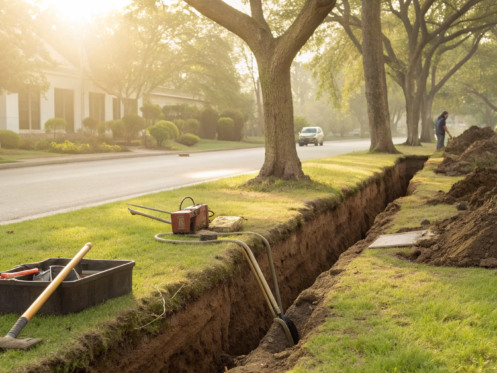
That strange gurgling sound from your toilet and the slow-draining shower are more than just minor annoyances—they can be early warnings of a failing main sewer line. Ignoring these signs can lead to messy backups and costly emergency calls. When you start connecting the dots, the next logical question is about the potential financial hit. Understanding the cost to replace 50 feet of sewer line is the first step toward finding a solution. This article will help you recognize the key symptoms, explore your repair options, and get a realistic picture of the budget required to protect your property from further damage.
Key Takeaways
- Understand the Cost Factors: The price for a sewer line replacement isn’t one-size-fits-all. The final total is based on the repair method, your pipe’s location, and the materials used, which explains why quotes can vary so widely.
- Ask About Trenchless Repair Options: Before agreeing to a full excavation, inquire about trenchless methods like pipe lining or bursting. These modern techniques can often replace your sewer line without destroying your yard, saving you thousands in landscaping costs.
- Vet Your Contractor and Your Quote: Protect your investment by getting multiple quotes from licensed and insured specialists. Be sure to ask about potential extra costs like permits and landscape restoration to avoid surprises on the final bill.
How Much Does It Cost to Replace 50 Feet of Sewer Line?
When you’re facing a major plumbing issue, the first question on your mind is usually about the cost. So, how much does it cost to replace 50 feet of sewer line? The honest answer is: it depends. The final price tag can swing quite a bit based on the replacement method, the materials used, and how complex the job is for your specific property in Tucson or Sahuarita.
Let’s break down the numbers. If you go with a traditional replacement, which involves digging a trench to access and remove the old pipe, you can generally expect to pay between $3,000 and $12,000 for 50 feet. For really tricky situations, like lines that are hard to reach or run under concrete, that cost can climb past $25,000. This method is thorough but can mean extra costs for landscaping repair later on.
A less invasive option is trenchless sewer repair. This modern approach avoids major excavation and can cost anywhere from $55 to $250 per foot. For a 50-foot section, that puts the range between $2,750 and $12,500. While the top end is similar to traditional methods, you often save money by not having to restore your entire yard. The type of pipe material also plays a role. For example, just replacing 50 feet of old cast iron pipe can run from $1,200 to $3,700 for the materials and labor involved. The best way to get a clear picture of your costs is to have a professional drains and sewer service assess your situation and provide a detailed quote.
What Factors into Your Final Sewer Line Replacement Cost?
Figuring out the cost of a sewer line replacement isn’t as simple as looking up a price online. The final number on your invoice depends on a unique set of circumstances specific to your property. Think of it less like buying a product off the shelf and more like a custom project for your home. Several key factors come into play, from the type of pipes you have buried underground to the condition of the soil in your yard. Understanding these variables will help you see the full picture and make an informed decision when you get a quote.
The Depth and Location of Your Pipe
One of the biggest cost drivers is simply where your sewer line is and how deep it’s buried. A shallow pipe in an open, grassy area is relatively easy to get to. However, if your line runs deep beneath the ground or is located under a concrete driveway, a mature tree, or your prized rose garden, the job gets more complicated. Accessibility is key. The more work it takes to reach the pipe, the more labor is involved, which directly impacts the cost. Our team always evaluates the site carefully to find the most efficient and least disruptive way to access your sewer line.
What Your Pipes Are Made Of
The material used for your new sewer line plays a significant role in the total cost. Older homes might have pipes made of clay or cast iron, but modern replacements typically use durable and more affordable plastics like PVC or ABS. While cast iron is incredibly strong, it’s also much heavier and more expensive than its plastic counterparts. For example, replacing 50 feet of pipe with cast iron can cost thousands more than using PVC. We can walk you through the pros and cons of each material, helping you choose the best option for your home’s needs and your budget.
Soil Conditions and How Easy It Is to Access the Line
Here in Arizona, we know that not all dirt is created equal. The type of soil on your property can affect the difficulty of the excavation. Hard, rocky, or dense clay soil requires more effort and sometimes specialized equipment to dig through compared to softer, loamier soil. This can increase labor time and costs. Similarly, if your sewer line is in a hard-to-reach spot where heavy machinery can’t go, the excavation will have to be done by hand. This manual labor is more intensive and will be reflected in the final price of your residential plumbing project.
The Extent of the Damage
The condition of your existing sewer line is another critical factor. Are we dealing with a single crack, or has the entire line collapsed due to tree root intrusion? A minor repair on a small section of pipe will naturally cost less than a full-scale replacement of a 50-foot line. A professional camera inspection is the only way to know for sure. This allows us to see exactly what’s going on underground and determine the precise scope of the work. In some complex situations, extensive damage can push costs higher, but an accurate diagnosis ensures you’re only paying for the work you truly need.
Local Permits and Regulations
Sewer line replacement is not a DIY project—it’s a major plumbing job that requires permits from your local municipality, whether you’re in Tucson, Marana, or Oro Valley. The cost of the permit itself is a direct expense, but a professional contractor also handles all the paperwork and ensures the project meets local building codes. This is a crucial step that protects you as a homeowner. Working with a licensed and insured team like Fusion Plumbing & Air guarantees that your new sewer line is installed correctly and legally, preventing any future headaches with city inspections or property sales.
Traditional vs. Trenchless: Which Replacement Method Is Best?
When you hear “sewer line replacement,” you probably picture a giant trench running through your front yard, destroying your lawn and landscaping. For a long time, that was the only option. This traditional, open-trench method involves digging up the entire length of the old pipe to lay a new one. It’s effective, but it’s also incredibly disruptive and can add thousands in restoration costs for your driveway, garden, or patio.
Thankfully, technology has given us a better way. Trenchless sewer repair methods allow professionals to fix your pipes with minimal digging, often only requiring one or two small access points. This approach saves your landscaping, is usually completed much faster, and can be more cost-effective in the long run. Choosing between traditional and trenchless methods depends on several factors, including the condition of your existing pipes, the extent of the damage, and your property’s layout. Understanding the process and costs of each will help you make an informed decision for your home in Tucson.
The Traditional Method: Process and Costs
The traditional method is exactly what it sounds like: a crew digs a long, deep trench to expose the entire damaged sewer line. Once the old pipe is accessible, it’s removed and a new one is installed. While this approach is sometimes necessary for completely collapsed or severely misaligned pipes, it comes at a high price. The cost isn’t just in the plumbing work; it’s in the extensive excavation and the subsequent restoration of your property. You’ll have to budget for repairing your lawn, concrete, or any other structures that were in the way. This method can be quite expensive, with total project costs often running from several thousand to over ten thousand dollars, depending on the complexity and length of the line.
Trenchless Technology: Your Options and Their Price
Trenchless technology offers a far less invasive solution for your drains and sewer problems. The two most common methods are pipe bursting and pipe lining. With pipe bursting, a new pipe is pulled through the old one, fracturing the damaged pipe outward as it goes. Pipe lining involves inserting a flexible, resin-coated tube into the existing pipe, which then hardens to create a brand-new, seamless pipe inside the old one. Both methods require very little digging. Costs for trenchless repair typically range from $60 to $250 per foot, making the total project cost for a 50-foot line significantly lower than the traditional method when you account for the savings on landscape repair.
How to Choose the Right Method for Your Home
So, which method is right for you? The answer depends entirely on your specific situation. If your pipe is completely collapsed or has severe structural issues, the traditional method might be the only viable option. However, for cracks, leaks, and root intrusion, trenchless methods are often the superior choice. The best first step is to have a professional conduct a sewer camera inspection. This allows a technician to see exactly what’s going on inside your pipes and provide a clear recommendation. An expert can assess the damage and help you weigh the pros and cons of each method for your home. When you’re ready, you can schedule an inspection online to get a definitive answer.
Are There Hidden Costs to Budget For?
Getting a quote for a sewer line replacement is a huge step, but it’s important to know that the number on that initial estimate might not be the final total. Several other expenses can pop up during the project, and being prepared for them can save you a lot of stress. Think of it like planning a road trip—you budget for gas and hotels, but you also set aside money for food, tolls, and souvenirs. When it comes to your sewer line, knowing the potential “extras” helps you create a realistic budget from the start. Let’s walk through some of the most common costs that can fly under the radar.
Initial Camera Inspections
Before a plumber can even think about replacing your sewer line, they need to see exactly what’s going on down there. This requires a sewer camera inspection, where a specialized waterproof camera is fed through your pipes to identify the exact location and cause of the problem. While this is a critical diagnostic step, it’s often billed separately from the replacement itself. Think of it as the co-pay for a specialist visit—it’s an upfront cost that provides the essential information needed for an accurate diagnosis and an effective treatment plan. Without it, you’re just guessing, which could lead to more expensive and unnecessary work down the road.
City Permits and Follow-Up Inspections
Major plumbing work isn’t something you can just start on a whim. Because your sewer line connects to the municipal system, cities like Tucson and Sahuarita require permits for replacement projects. This process ensures that all the work is done safely and meets local building codes. Your contractor will typically handle the paperwork to secure the necessary permits, but the cost is passed on to you. After the work is complete, a city inspector will likely need to visit to sign off on the project. These permits and inspections are non-negotiable, but a reputable contractor will include these fees in their quote so you aren’t caught by surprise.
Restoring Your Yard and Landscaping
This is often the biggest and most overlooked expense. If your sewer line replacement requires traditional trenching, it means a large portion of your yard will be dug up. The cost of the plumbing work itself doesn’t include putting your beautiful desert landscaping, patio, or driveway back together again. Restoring your property can range from reseeding grass to re-laying pavers or even repairing concrete. These landscaping and hardscaping costs can add thousands to your final bill. It’s crucial to have a clear conversation with your plumber about the extent of the excavation and to get separate quotes from landscapers if needed.
Utility and Connection Fees
Your sewer line doesn’t exist in a vacuum; it’s part of a complex underground network. During a replacement, your contractor may need to work around other utility lines, like gas or water. Sometimes, there are also specific fees associated with connecting your new line to the city’s main sewer system. These utility and connection fees can vary depending on your property’s location and local regulations. When reviewing a quote, ask if these potential fees are included or if they might be billed separately. A transparent plumbing professional will be upfront about these possibilities so you can plan accordingly.
Key Signs Your Sewer Line Needs to Be Replaced
Your home’s sewer line works silently underground, but when it fails, the signs are hard to miss. Ignoring them can lead to messy backups, property damage, and expensive emergency repairs. Fortunately, your plumbing system often gives you clear warnings that a problem is developing. Recognizing these red flags allows you to act before a small issue becomes a major disaster. Here are the key signs that your sewer line needs professional attention.
Drains That Keep Backing Up
A single clogged sink is an annoyance, but multiple drains backing up at once points to a bigger problem. If flushing a toilet causes water to gurgle up in your shower, or running the washing machine leads to a backup in a nearby sink, take note. These are classic symptoms of a blockage in your main sewer line, as wastewater has nowhere to go but back into your home. This isn’t a DIY fix; it requires professional drain and sewer services to find and resolve the root cause.
Foul Smells or Signs of Water Damage
You can’t mistake the foul odor of sewage. If you smell it in your bathrooms, basement, or yard, it’s a sure sign your sewer line is compromised. A cracked pipe is allowing sewer gas to escape and permeate your property. Inside, you might also spot water damage, like damp spots or mold on your walls and floors, particularly on the lowest level. These symptoms indicate a leak that has been active long enough to seep through your home’s foundation. Don’t ignore these signs; they point to a serious issue that our residential plumbing experts can diagnose.
Soggy, Unexplained Patches in Your Yard
Have you noticed a patch of grass that’s suddenly much greener than the surrounding area? Or maybe you’ve found a damp, soggy spot that never seems to dry out. While it might look like a healthy lawn, this is often a tell-tale sign of a broken sewer line leaking waste and water into your soil. This leakage acts as a fertilizer, causing the grass above to thrive. You might also notice an indentation in your lawn where the soil has become saturated. If you see these signs, it’s best to schedule an inspection to see what’s happening beneath the surface.
Common Misconceptions That Can Cost You More
When you’re facing a major home repair like a sewer line replacement, misinformation can lead to unnecessary stress and expenses. Let’s clear up a few common myths about the process so you can make confident, cost-effective decisions for your home in Tucson. Believing these old tales can easily add hundreds, if not thousands, of dollars to your final bill.
Myth: Sewer Repair Always Wrecks Your Landscaping
Many homeowners in areas like Oro Valley and Sahuarita put off sewer repairs because they picture their beautiful yard being completely destroyed by heavy machinery. It’s a valid concern, but thankfully, it’s largely a thing of the past. Modern plumbing has come a long way, and today’s trenchless repair methods are designed to be minimally invasive. Techniques like pipe lining and pipe bursting allow professionals to repair or replace your sewer line with only a couple of small access points. This means your lawn, garden beds, and driveway can often remain perfectly intact, saving you the significant cost and hassle of landscape restoration.
Myth: Any Plumber Is a Sewer Line Expert
While most plumbers can handle a clogged sink or a running toilet, sewer line replacement is a highly specialized field. It requires specific training, advanced diagnostic tools like camera scopes, and a deep understanding of local codes in places like Marana. Hiring a general plumber who dabbles in sewer work can lead to a misdiagnosis or a faulty installation, which will only cause more expensive problems later. It’s crucial to work with a company whose team has proven experience with complex drains and sewer services. An expert will get the job done right the first time, saving you from future headaches and repeat repairs.
Myth: The First Quote Is the Best Quote
Getting just one estimate for a sewer line replacement is one of the biggest financial mistakes a homeowner can make. Prices can vary significantly between contractors based on their experience, the materials they use, and the replacement method they recommend. Don’t just jump on the first offer you receive. Take the time to get at least two or three detailed quotes from licensed and insured professionals. This allows you to compare not just the final price, but the scope of work, the proposed solution, and the quality of materials. Making an informed choice ensures you get the best value, not just the cheapest upfront cost.
How to Save Money on Your Sewer Line Replacement
Facing a sewer line replacement is stressful enough without worrying about the cost. While it’s a significant investment in your home’s health, there are practical ways to manage the expense. A little bit of planning and research can go a long way in protecting your budget and ensuring you get quality work that lasts. Taking these steps will help you feel more in control of the process and confident in your decisions.
Get Multiple Quotes from Licensed Professionals
Your first step should always be to get a few different opinions. Don’t just go with the first plumber you call. Getting several quotes for both the initial camera inspection and the replacement work itself helps you understand the fair market rate in the Tucson area. You’ll quickly see how prices can vary—some companies charge by the foot, and that rate can range anywhere from $55 to over $250. By comparing bids, you can spot any outliers and find the best value. Just remember, the cheapest option isn’t always the best. Make sure you’re comparing quotes from licensed, insured, and reputable sewer line experts who can stand behind their work.
Consider the Timing of Your Project
If your sewer line issue isn’t a full-blown emergency, you might have some flexibility with timing that can work in your favor. Plumbers are often busiest during certain seasons, so scheduling work during a slower period could potentially lead to more competitive pricing or better availability. The final cost of a replacement depends on factors like the pipe’s location, its length, and the permits required. While you can’t control all these variables, planning ahead gives you time to prepare your budget and property. If you suspect a problem but it hasn’t failed completely, it’s wise to schedule an inspection sooner rather than later to avoid a more expensive emergency call down the road.
Explore Your Insurance and Financing Options
Before you pay out-of-pocket, do a little digging into your existing coverage. Take a look at your homeowner’s insurance policy to see if it includes service line protection. Some policies offer this as an add-on, which could cover a significant portion of the replacement cost for a small deductible. It’s definitely worth a phone call to your insurance agent to find out. Given that a full replacement can range from $3,000 to over $12,000, it’s also a good idea to ask your plumbing contractor about their payment options. Many professional companies, including Fusion Plumbing & Air, offer financing plans to help homeowners manage the cost of large, unexpected repairs without draining their savings.
What to Look For in a Sewer Line Contractor
Choosing the right contractor for a sewer line replacement is a huge decision. This isn’t just about finding someone to do a job; it’s about trusting a team with the integrity of your home’s most critical systems. The right partner will not only fix the problem but also provide clear communication, transparent pricing, and the peace of mind that the work is done right. When you’re vetting potential companies in Tucson, Marana, or Sahuarita, keep an eye out for a few key qualities that separate the pros from the rest. These aren’t just suggestions—they’re the essentials for protecting your property and your investment.
Proper Licensing and Insurance
First things first: never hire a contractor who isn’t properly licensed and insured. This is non-negotiable. A license is proof that the company meets all of Arizona’s state and local regulations and is committed to following building codes. This is crucial for ensuring the work is done safely and legally, protecting your home’s value. Insurance, including liability and worker’s compensation, protects you from being held responsible for any accidents that might happen on your property during the project. Don’t be shy about asking for proof of both. A reputable company will have them ready and will be happy to show you.
Proven Experience with Sewer Lines
Sewer line replacement is a specialized field. It’s much more complex than clearing a simple clog, so you want a team with specific, proven experience. When you’re talking to potential contractors, ask how long they’ve been handling drains and sewer lines. Look for a company that can point to years of successful projects and has technicians who understand the unique challenges of Tucson’s soil and infrastructure. A contractor with deep experience will be able to accurately diagnose the problem, recommend the best replacement method for your situation, and complete the job efficiently, minimizing disruption to your home and life.
24/7 Emergency Availability
Sewer line problems rarely happen at a convenient time. A backup or break can occur in the middle of the night, on a weekend, or during a holiday. That’s why it’s so important to choose a contractor who offers 24/7 emergency service. Knowing you have a reliable team to call can prevent a stressful situation from turning into a catastrophic one. A quick response can stop further water damage, protect your property, and save you money in the long run. Before you commit, ask about their availability and average response times for emergencies in areas like Oro Valley and Oracle Foothills.
Related Articles
- Trenchless Sewer Replacement: A Complete Guide
- Sewer Line Repair: A Complete Homeowner’s Guide
- Trenchless Sewer Replacement: A Complete Guide
Frequently Asked Questions
Why is there such a big price range for sewer line replacement? The final cost is a lot like a custom project quote because every property is unique. The price depends heavily on whether we need to dig a large trench across your yard or if we can use a less invasive trenchless method. Other factors, like how deep the pipe is buried, what kind of soil we have to get through, and whether the line runs under your driveway or patio, also play a big part in the final number.
How do I know if I need a simple repair or a full replacement? The only way to know for sure is with a professional camera inspection. A technician will run a camera through the pipe to see the exact condition of the line. A small, isolated crack or a single joint issue might only need a spot repair. However, if the pipe has collapsed, is severely cracked along its length, or has been taken over by tree roots, a full replacement is usually the most reliable long-term solution.
Is the trenchless method always the best and cheapest option? Trenchless repair is a fantastic option that saves your landscaping and is often faster, but it isn’t a silver bullet for every situation. It’s ideal for fixing cracks, leaks, and root damage in a pipe that is still structurally intact. However, if your sewer line has completely collapsed or is severely misaligned, the traditional open-trench method might be the only way to properly install a new, correctly graded pipe.
Will my homeowner’s insurance help pay for the replacement? It’s possible, but you’ll need to check your specific policy. Standard homeowner’s insurance typically doesn’t cover sewer line replacement, as it’s often considered a maintenance issue. However, some policies offer an add-on called “service line coverage” that can help with the cost. It’s always worth a call to your insurance agent to review your coverage before you start the project.
How long does the whole replacement process usually take? The timeline really depends on the method used. A trenchless replacement is surprisingly fast and can often be completed in just one or two days since there’s very little digging involved. A traditional replacement that requires extensive excavation will take longer, usually several days for the plumbing work, plus additional time afterward for you to arrange for landscaping and any concrete or patio repairs.