
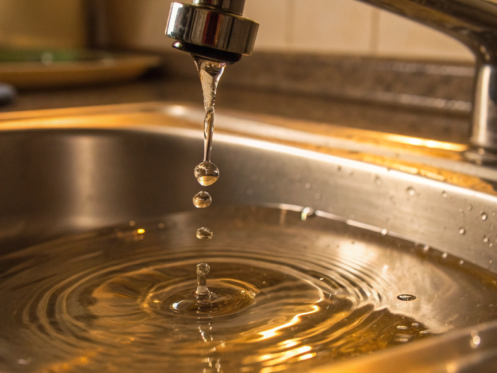
The quote you get for the plumbing work is just one piece of the puzzle. When you’re trying to budget for a leak, it’s crucial to consider the potential “hidden” costs that often come with it. The most significant of these is water damage restoration, which can easily cost more than the plumbing repair itself. Water can ruin drywall, warp flooring, and lead to mold growth that requires professional remediation. The final cost to fix a leaking pipe should also account for any diagnostic fees, emergency service charges for after-hours calls, and even city permits for larger jobs. We’ll break down all these potential expenses so you can understand the true financial scope of the problem and avoid any sticker shock.
Key Takeaways
- Your final repair cost depends on the details: The price isn’t one-size-fits-all and is determined by the pipe’s material and location, the severity of the leak, and whether you need emergency service after hours.
- Budget for more than just the plumbing fix: The plumber’s quote is just the starting point. Remember to account for potential secondary costs like repairing water-damaged drywall, diagnostic fees to locate the leak, and any necessary permits.
- Prevention is the most affordable strategy: Investing in a professional maintenance plan is the best way to avoid the high cost and stress of a surprise leak. Regular inspections catch small issues like corrosion or high water pressure before they cause a major pipe burst.
How Much Does Leaking Pipe Repair Cost?
When you discover a leaking pipe, your first thought is probably, “How much is this going to set me back?” It’s a fair question, but the answer isn’t a simple flat rate. The final cost depends on a few key things: the type of leak you’re dealing with, where it’s located, and what kind of pipe needs fixing. Think of it less like buying a product off the shelf and more like a custom service tailored to your home’s specific issue.
A simple fix under the sink will cost much less than a major leak hidden behind a wall or under your home’s foundation. The goal is to get a clear picture of what you’re up against so you can make an informed decision without any surprises. Below, we’ll break down the typical costs based on the kind of repair and what you can expect to see here in the Tucson area. This will give you a solid baseline for what to anticipate when you call in a professional.
Breaking Down Costs by Repair Type
The nature of the leak itself is the biggest factor in determining your repair bill. A minor drip is a completely different ballgame than a burst pipe. Based on national averages, here’s a general idea of what you might expect to pay for different types of leaking pipe repairs:
- Clogged Pipes: If a clog is the source of your leak, clearing it out typically costs between $150 and $300.
- Water Line Leaks: Fixing a leak in the pipes that bring fresh water into your home can range from $190 to over $1,500, depending on its severity.
- Waste Line Leaks: A leak in a drain or sewer line can be a complex job, with costs ranging from $150 to $4,700.
- Burst Pipes: This is an emergency. The repair itself can run from $400 to $1,500, but that doesn’t include the cost of water damage cleanup, which can easily add another $1,000 to $2,000.
Price Differences Across Tucson & Surrounding Areas
Here in Arizona, local factors like labor rates and material costs play a role. For a basic leak repair in Tucson, Oro Valley, or Marana, homeowners can generally expect to pay somewhere between $340 and $411. However, this is just an average baseline. The final price can shift based on the specific conditions at your property.
For example, an urgent, after-hours emergency call will naturally cost more than a scheduled appointment during the week. It’s also important to remember potential “hidden” costs. If the plumber has to cut into drywall or remove flooring to access the pipe, you’ll need to factor in the cost of those repairs as well. Getting a clear, upfront quote from your plumber is the best way to understand the full financial picture.
What Factors Change the Cost of a Pipe Repair?
When you discover a leaking pipe, one of the first questions that comes to mind is, “How much is this going to set me back?” The honest answer is: it depends. No two leaks are exactly alike, and the final price tag on a repair can vary quite a bit. Think of it less like buying a product off the shelf and more like a custom service tailored to your specific problem. The cost is influenced by a handful of key variables that a professional plumber will assess when they arrive.
The price depends on many things, like the type of pipe, what caused the leak, how old your pipes are, and where the leak is located. A simple fix under the kitchen sink will have a very different invoice than a burst pipe hidden behind a wall. Understanding these factors can help you get a clearer picture of what to expect and why one repair might be more involved than another. We’ll break down the four main elements that determine the cost of your residential plumbing repair: the pipe’s material and age, the leak’s location, the extent of the damage, and when you call for help.
Your Pipe’s Material and Age
The type of pipes running through your home plays a big role in the repair cost. Common materials like PVC and PEX are generally inexpensive and relatively simple to work with, which can keep labor costs down. On the other hand, older homes in Tucson might have copper, galvanized steel, or cast iron pipes. These materials can be more expensive and often require more specialized labor, like soldering, which takes more time and skill. The age of your plumbing system matters, too. Older pipes can become brittle and may require a more delicate touch, or a plumber might recommend replacing a larger section to prevent future leaks, which would affect the final cost.
The Leak’s Location and Accessibility
Where the leak is hiding is one of the biggest cost drivers. A dripping pipe right under your bathroom sink is easy to see and reach, making for a quick and straightforward repair. However, as one expert notes, hard-to-reach leaks cost more. If the problem pipe is inside a wall, under a concrete slab, or in a tight crawlspace, the job instantly becomes more complex. A plumber will need to spend time and effort just getting to the pipe—which could involve cutting into drywall or even jackhammering concrete. This added labor, plus the eventual cost of patching up the access point, will increase the overall price of the repair.
The Extent of the Damage
The severity of the leak directly impacts the cost. A slow, steady drip from a loose joint is a much different scenario than a pipe that has completely burst and is flooding your basement. The exact cost can be very different for each situation because it depends on what caused the leak and how much damage there is. A minor repair might just involve tightening a fitting or replacing a small section of pipe. A major failure, however, could require replacing a significant portion of your plumbing and will likely involve additional costs for water damage restoration, which isn’t part of the plumbing bill itself.
When You Call for Service
The timing of your call can also affect the price. If you notice a small leak and can schedule an appointment during regular business hours, you’ll pay standard service rates. But pipes don’t always cooperate with a 9-to-5 schedule. If a pipe bursts in the middle of the night or on a holiday weekend, you’ll need emergency service. This immediate, on-demand response typically comes at a premium rate. While it costs more, having access to a 24/7 plumber can save you from catastrophic water damage, making it a necessary expense when you’re in a real bind.
How Pipe Material Affects Your Repair Bill
Not all pipes are created equal, and the material running through your walls and under your floors plays a huge role in what a repair will cost. Think of it like fixing a car—the price for a part on a luxury sedan is going to be different from the same part on a standard commuter car. The same logic applies to your home’s plumbing. Different materials require unique tools, replacement parts, and repair techniques, all of which factor into the final invoice.
Older homes in Tucson might have cast iron or galvanized steel pipes, while newer constructions often use copper, PVC, or PEX. Each has its own set of pros and cons when it comes to longevity and ease of repair. A plumber might need to solder a copper pipe, which takes more skill and time than simply cutting and replacing a section of PVC. Understanding what kind of pipes you have can give you a clearer picture of potential costs and help you budget for any residential plumbing issues that pop up. If you’re not sure what you’re working with, a professional can identify the material during an inspection.
Fixing PVC Pipes
If your home has PVC (polyvinyl chloride) pipes—those familiar white plastic pipes—you’re in luck when it comes to repair costs. PVC is one of the most affordable and straightforward materials to fix. A typical repair for a leak in a PVC pipe can run from $150 to $500. The lower cost is thanks to the inexpensive material and the relatively simple repair process, which usually involves cutting out the damaged section and cementing a new piece in its place. Because it’s a common material, parts are readily available, helping keep the price down and the repair time short.
Repairing Copper Pipes
Copper pipes have been a plumbing standard for decades because they are incredibly durable and long-lasting. However, that durability comes with a higher price tag for repairs. Fixing a leaking copper pipe typically costs between $200 and $1,500. The material itself is more expensive than plastic, and the repair process is more labor-intensive. It often requires a skilled technician to precisely cut, fit, and solder the new pipe section to create a permanent, leak-proof seal. While the upfront repair cost is higher, a well-maintained copper system can last for over 50 years.
Handling Galvanized Steel and Cast Iron
If you live in an older home around Tucson or Oro Valley, you might have galvanized steel or cast iron pipes. While tough, these materials are prone to rust and corrosion over time, making repairs complicated and expensive. A fix can range from $300 to $1,200 or even more. These heavy pipes are difficult to work with and often require specialized tools to cut and thread. Corrosion can also make it hard to get a good seal, and sometimes, repairing one spot can cause a leak in another. For these older drains and sewer lines, replacing an entire section is often a more reliable long-term solution than a simple patch.
Mending PEX Pipes
PEX (cross-linked polyethylene) is a flexible plastic tubing that has become a popular choice in modern plumbing. Its flexibility is a major advantage when it comes to repairs, making it one of the more affordable options. You can expect to pay between $150 and $400 to fix a PEX pipe leak. Because the tubing can bend around corners, technicians can often access and repair it with less demolition—meaning fewer holes in your walls. The repair process typically involves using special crimping tools to secure new fittings, which is often faster and simpler than working with rigid metal pipes.
What Are the Telltale Signs of a Leaking Pipe?
Some pipe leaks make a grand entrance, like a burst pipe under the sink that immediately floods your kitchen floor. Others are much sneakier, causing slow, steady damage behind the scenes without you even realizing it. Knowing what to look for can help you catch a leak early and save yourself a major headache and expense down the road. The signs can be pretty obvious, like a growing water stain on the ceiling, or more subtle, like a musty smell you just can’t seem to place. It’s easy to dismiss a small issue, but even a tiny drip can lead to significant problems like mold growth, wood rot, and compromised structural integrity. These issues aren’t just costly; they can also affect your family’s health by degrading your home’s air quality. That’s why being proactive is so important. Paying close attention to your home and your utility bills is the best way to spot trouble before it gets out of hand. Let’s walk through the most common red flags that point to a leaking pipe, from the glaringly obvious to the cleverly concealed.
Obvious Signs of Water Damage
The most straightforward signs of a leak are the ones you can see. If you notice discoloration or dark stains appearing on your walls or ceilings, it’s a classic indicator that water is escaping from a pipe somewhere. You might also see paint or wallpaper starting to bubble, peel, or flake away from the wall. Don’t ignore warped floorboards or damp spots on your carpet, either. These visible clues often point to a problem with your home’s residential plumbing system. Even a small, seemingly harmless stain is a warning that shouldn’t be ignored, as it’s usually just the tip of the iceberg.
Clues You Have a Hidden Leak
Unfortunately, some of the most destructive leaks are the ones you can’t see. A slow drip behind a wall or under your foundation can go unnoticed for weeks or months, leading to serious structural damage and mold growth. A persistent musty or earthy smell in a specific room is a major clue that moisture is building up somewhere it shouldn’t be. You might also spot visible mold or mildew patches popping up on walls, especially in corners or near the baseboards. These hidden issues are often connected to your drains and sewer lines, where a small crack can release moisture over a long period.
That Surprise Spike in Your Water Bill
Your water bill can be one of the most reliable leak detectors you have. If you open your bill and are shocked by how high it is, but your family’s water habits haven’t changed, a leak is the most likely culprit. A single dripping faucet can waste gallons of water a day, but a hidden leak in your plumbing line can waste much more. Take a moment to compare your latest bill with statements from previous months. If you see a significant, unexplained jump, it’s time to investigate. Don’t wait for water damage to appear—it’s best to schedule an inspection and find the source of the problem right away.
Beyond the Pipe: What Are the Hidden Costs?
When you get a quote for a pipe repair, it’s easy to focus on the number for the fix itself. But the final bill can sometimes look a little different. The cost of the actual pipe repair is just one piece of the puzzle. Several other expenses can pop up, especially if the leak has been going on for a while or is in a tricky spot. Understanding these potential “hidden” costs ahead of time can help you budget more accurately and avoid any sticker shock. From cleaning up the mess to paying for emergency service, let’s look at what else might factor into your total repair cost.
Cleaning Up Water Damage
One of the most significant hidden costs of a leaking pipe is repairing the water damage it leaves behind. Water can wreak havoc on your home, seeping into drywall, warping floorboards, and ruining carpets. Even a seemingly small leak can lead to a major cleanup project. You might need to replace sections of your wall, install new flooring, or even call in a mold remediation specialist if the area has been damp for too long. This is why addressing a leak quickly is so important—the longer you wait, the more extensive and expensive the secondary residential plumbing damage becomes.
Inspection and Diagnostic Fees
Before a plumber can fix a leak, they have to find it. While some leaks are obvious, others are hidden behind walls or under floors, requiring some detective work. Most professional plumbers charge a diagnostic fee for their time and expertise to pinpoint the exact source of the problem. This fee typically covers the initial assessment and can range from around $80 to $100. Think of it as an investment in getting the job done right the first time. A thorough inspection ensures that the true cause of the leak is identified, preventing a quick patch-up that could fail later.
Permits and Code Compliance
For more extensive plumbing jobs, like re-piping a section of your home or moving sewer lines, you may need a permit from your local municipality in Tucson or Sahuarita. Permit fees are an administrative cost that ensures the work is done to current safety and building codes. These fees are almost never included in the initial repair estimate, so it’s something to ask your plumber about. Working with a licensed and insured company like Fusion ensures that all necessary permits are pulled and that the repair meets all local regulations, protecting your home’s value and your family’s safety.
Emergency Service Fees
Plumbing emergencies rarely stick to a 9-to-5 schedule. If you have a pipe burst in the middle of the night or on a holiday weekend, you’ll need to call for emergency service. Because technicians are on-call 24/7, these services come at a premium—often 1.5 to 3 times the standard rate. While nobody wants to pay extra, this fee ensures you can get immediate help to prevent catastrophic water damage. When water is flooding your home, the ability to schedule online and get a professional out right away is worth the added cost.
How Does the Leak’s Location Impact the Price?
When it comes to fixing a leaking pipe, where the problem is located is one of the biggest factors in the final bill. A simple leak under the kitchen sink is a completely different project than one hidden deep within your home’s foundation. The easier it is for a plumber to access and repair the pipe, the less time and labor it will take, which translates directly into savings for you. Let’s break down how accessibility plays a major role in the cost of repairs.
Easy-to-Reach vs. Hidden Leaks
The most straightforward and affordable repairs are for leaks you can see. Think of a dripping pipe under a bathroom sink or a visible leak on your water heater. Because a technician can get to these spots without any demolition, the job is usually quick. You can expect costs for these exposed pipe repairs to be on the lower end. However, the price starts to climb when the leak is hidden. A pipe concealed behind drywall, under floorboards, or inside a cabinet requires more work to access, which adds to the labor time and overall cost of the repair.
Leaks in Walls and Ceilings
A water stain spreading across your ceiling or down a wall is a homeowner’s nightmare, and for good reason. These leaks are tricky because the first step is finding the exact source, which might not be right where the stain is. Repairing these involves carefully cutting into the drywall or ceiling, fixing the pipe, and then patching the area back up. This extra work—both for the plumbing and the eventual wall repair—is why the cost for these types of residential plumbing issues can be significantly higher than for an exposed leak.
The Challenge of Underground and Slab Leaks
Underground and slab leaks are among the most complex and expensive plumbing repairs. A slab leak occurs when a pipe running beneath your home’s concrete foundation breaks. Since these pipes are buried, locating them requires specialized electronic detection equipment. The repair itself can involve jackhammering through the concrete to reach the pipe, which is a major undertaking. Because of the intensive labor and specialized tools needed, fixing these drains and sewer lines is a significant investment, but it’s crucial for protecting your home’s structural integrity.
Should You Try to Fix a Leaking Pipe Yourself?
When you spot a leak, your first instinct might be to grab a wrench and search for a quick tutorial. The idea of saving time and money is tempting, but when it comes to plumbing, a simple mistake can turn a small drip into a major disaster. Before you roll up your sleeves, it’s crucial to understand which situations are manageable and which ones absolutely require a professional.
When to DIY (and When Not To)
Let’s be honest: very few pipe leaks are good candidates for a DIY fix. If you have experience and the right tools, you might be able to handle tightening a loose connection on a P-trap under your sink. However, most leaks are signs of a bigger issue. You should always call a professional if you notice signs of a hidden leak, like a sudden drop in water pressure, damp spots on walls or ceilings, or a musty smell. Any leak that requires cutting into a pipe or opening up a wall is firmly in the “don’t touch” category. Playing guessing games with your home’s plumbing system is a risk that just isn’t worth taking.
The Risks of a DIY Fix
Attempting a DIY repair without the right expertise can backfire spectacularly. A common mistake is over-tightening a fitting, which can crack the pipe and turn a slow drip into a gushing leak. Using the wrong materials, like an incompatible pipe or sealant, can create a temporary patch that fails under pressure, often when you’re not home. The biggest risk is causing hidden damage. An improper repair can create a slow, undetected leak inside your walls, leading to serious water damage, wood rot, and mold growth that can compromise your home’s structure and your family’s health. For peace of mind, it’s always safer to rely on professional residential plumbing services.
DIY vs. Pro: A Cost Breakdown
A DIY repair kit might only cost you $20, which seems like a great deal compared to a professional service call. But what’s the potential cost if that fix fails? Homeowners can spend thousands on water damage restoration—sometimes over $4,000—to repair the mess from a single leak. That doesn’t even include the cost of mold remediation or replacing ruined drywall, flooring, and furniture. A professional plumber not only fixes the immediate problem but also diagnoses the underlying cause, ensuring the repair is done right the first time. Investing in a professional fix upfront is the best way to protect yourself from the staggering hidden costs of a DIY job gone wrong.
Your Options for Emergency Leak Repair in Tucson
Discovering a leak is a stressful moment for any homeowner. Whether it’s a sudden pipe burst under the sink or a slow drip inside a wall, your first instinct is to stop the water and limit the damage. The good news is that you have options, even in the middle of the night. The key is to act quickly and know who to call. For residents in Tucson, Oro Valley, and Marana, understanding your choices can mean the difference between a minor inconvenience and a major renovation project.
While a few temporary fixes can hold you over, a leaking pipe always requires a professional solution. Attempting a complex repair on your own can often lead to more significant problems and higher costs down the line. That’s why having a plan is so important. Your immediate goal is damage control, followed by getting an expert on the scene to handle the permanent repair. Fusion Plumbing & Air offers 24/7 emergency service to ensure you get the help you need, right when you need it.
Quick Fixes to Minimize Damage
Before you do anything else, find your home’s main water shut-off valve and turn it off. This single step will stop the flow of water and prevent the situation from getting worse. Once the water is off, you can try a temporary patch to contain the mess. For very small drips, wrapping the area tightly with duct tape or electrical tape can sometimes work for a short period. For more serious leaks on copper or steel pipes, a pipe clamp can be a more secure, temporary solution. Remember, these are just stop-gap measures to minimize water damage until a professional plumber arrives. They are not permanent fixes.
Finding 24/7 Professional Help
While a DIY patch might feel empowering, it’s not a long-term solution. A licensed plumber is essential for diagnosing the root cause of the leak and ensuring the repair is done correctly and up to code. This is especially critical because a failed DIY attempt can have serious consequences. For instance, if a pipe you tried to fix bursts and causes major flooding, your insurance company may not cover the damages. That’s why it’s always best to call for professional help right away. Companies that offer emergency plumbing services in Tucson, Sahuarita, and the surrounding communities can provide a permanent, reliable repair and give you peace of mind.
Does Insurance Cover Emergency Repairs?
The question of insurance coverage is often a major source of stress during a plumbing emergency. Water damage remediation can be expensive, sometimes costing thousands of dollars. Whether your homeowner’s policy covers the repair and cleanup depends on the cause of the leak. Most policies cover damage from sudden and accidental events, like a burst pipe, but may not cover issues caused by gradual wear and tear or lack of maintenance. There are many common misconceptions about water damage and insurance, so it’s a good idea to review your policy now to understand what’s covered before you ever need to make a claim.
How to Financially Prepare for a Pipe Leak
A surprise pipe leak is one of the most stressful things a homeowner can face. Beyond the immediate mess, the financial hit can be a major source of anxiety. But you don’t have to be caught completely off guard. A little bit of financial planning can make a world of difference when you’re dealing with an unexpected plumbing emergency. By understanding your insurance, knowing your payment options, and investing in preventative care, you can protect your home and your wallet.
Know Your Insurance Policy
The time to figure out your homeowner’s insurance policy is before you have water on your floor. Pull out your documents or call your agent to get clear on what’s covered. Most policies cover sudden and accidental water damage, like from a burst pipe, but often exclude damage from gradual leaks or poor maintenance. It’s also critical to know that if a pipe bursts after a DIY repair attempt, your insurer may not cover the costs. Understanding these details ahead of time helps you avoid claim denials and prepares you for any out-of-pocket expenses.
Financing for Major Repairs
When you learn that the average homeowner can spend up to $4,100 on water remediation services alone, the need for a financial plan becomes clear. That figure doesn’t even include the pipe repair itself. It’s smart to have an emergency fund for home repairs, but if a major leak happens before you’ve saved up, don’t panic. Many professional plumbing companies understand this and offer flexible financing options to help you manage the cost of urgent repairs. This allows you to get the necessary work done immediately to prevent further damage.
Saving with a Maintenance Plan
The old saying “an ounce of prevention is worth a pound of cure” is especially true for plumbing. Small, slow leaks are often the most destructive because they can go unnoticed for months, silently causing rot and mold. A professional maintenance agreement is your best defense against these hidden disasters. During a routine inspection, a technician can spot early signs of corrosion, test water pressure, and identify weak points before they fail. This small, regular investment is one of the most effective ways to avoid the massive expense of a major pipe burst.
How to Prevent Costly Pipe Leaks in the First Place
Let’s be honest: no one wants to deal with a burst pipe. The good news is that you can often avoid the biggest plumbing disasters with a little proactive care. Instead of waiting for a leak to announce itself with a water stain on your ceiling, you can take a few simple steps to protect your home and your wallet. Thinking ahead not only saves you from the stress of an emergency but also helps you avoid the high costs of water damage and complex repairs. A little prevention goes a long way in keeping your home’s plumbing system healthy and reliable for years to come.
The Power of Regular Inspections
Think of a plumbing inspection as a routine check-up for your home. Regular inspections can help a professional spot potential issues before they turn into expensive, full-blown emergencies. A trained technician can identify early signs of corrosion, check for pinhole leaks, test your water pressure, and assess the overall health of your pipes. It’s much easier and more affordable to fix these small problems early than to deal with the aftermath of a major pipe failure. By having a professional take a look at your system annually, you can catch trouble in its tracks and keep your residential plumbing in top shape.
Consider Early Detection Systems
Some of the most destructive leaks are the ones you can’t see. A slow, hidden drip behind a wall or under a floorboard can cause serious structural damage and mold growth before you even know it’s there. This is where early detection systems come in. Smart water monitors and leak detectors are designed to catch these hidden issues. These devices can track your water usage and alert you to unusual patterns, or they can sense moisture in places it shouldn’t be. Installing one can give you incredible peace of mind, knowing you have an early warning system in place to protect your home from silent but significant water damage.
Why a Pro Maintenance Program Pays Off
While it might be tempting to ignore your plumbing until something goes wrong, a professional maintenance plan is one of the smartest investments you can make for your home. Enrolling in a maintenance agreement ensures that a licensed and experienced plumber is regularly checking your system. A pro can diagnose and fix issues correctly the first time, preventing them from becoming bigger, more expensive problems later on. They have the tools and expertise to spot subtle warning signs you might miss. This consistent, professional oversight keeps your pipes, drains, and fixtures working efficiently and helps you avoid the unexpected cost and hassle of a plumbing emergency.
Related Articles
- Trenchless Sewer Replacement: A Complete Guide
- How to Repair a Leaky Toilet | Fusion Plumbing & Air
- Sewer Line Repair: A Complete Homeowner’s Guide
- Leak Detection for Water: A Homeowner’s Guide
Frequently Asked Questions
What’s the very first thing I should do if I discover a leaking pipe? Before you even think about calling a plumber, your immediate priority is to stop the flow of water. Find your home’s main water shut-off valve—often located in a utility closet, basement, or outside near your water meter—and turn it clockwise until it’s completely closed. This single action can prevent a minor issue from turning into a major flood and gives you the breathing room to call for professional help without the situation getting worse.
Why can’t I get an exact price for a pipe repair over the phone? Giving a flat rate over the phone would be a disservice to you because every leak is unique. A professional needs to see the situation in person to give you an accurate quote. The final cost depends on what kind of pipe you have, how difficult it is to access the leak, and the extent of the damage. An honest plumber will assess these factors on-site to provide a transparent price for the specific work your home needs.
Is a tiny, slow drip really something I need to worry about right away? Absolutely. It’s easy to dismiss a small drip, but it’s often a warning sign of a bigger problem. That constant moisture can silently cause serious damage behind your walls or under your floors, leading to wood rot, structural issues, and mold growth. Addressing a small leak promptly is always more affordable than dealing with the extensive water damage and remediation costs that come from letting it go.
Will my homeowner’s insurance pay for the pipe repair and the water damage? This is a great question, and the answer usually depends on the cause of the leak. Most insurance policies will cover the damage caused by a sudden and accidental event, like a burst pipe. However, they often won’t cover the cost of repairing the pipe itself, nor will they typically cover damage from slow, gradual leaks that result from poor maintenance. It’s always best to review your specific policy so you know what to expect.
How can I save money on pipe repairs in the long run? The most effective way to save money is to prevent emergencies from happening in the first place. Investing in a professional maintenance plan is your best defense. During a routine inspection, a technician can spot early signs of corrosion or wear and fix them before they fail. This proactive approach helps you avoid the high cost and stress of an unexpected pipe burst and the extensive water damage that comes with it.