That strange rattling sound from your outdoor unit. The lukewarm air coming from your vents. A sudden, shocking spike in your electricity bill. These aren’t just minor annoyances; they’re often your air conditioner’s way of telling you its most vital component is in trouble. The compressor is the engine of your cooling system, and when it starts to fail, it gives you clues. Ignoring them can lead to a complete breakdown at the worst possible time. This article is your guide to decoding those signals. We’ll explore the common signs of compressor failure and help you understand when it’s time to call a professional for a central air conditioner compressor repair.
Key Takeaways
- Prioritize Annual Maintenance: The most common causes of compressor failure, like dirty coils and refrigerant leaks, are highly preventable. Scheduling a yearly professional tune-up is the single best way to protect your AC’s most important part and avoid a stressful, expensive breakdown.
- Listen for the Warning Signs: Your AC will give you clues before it fails completely. Pay attention to new sounds like rattling or screeching, weaker airflow from your vents, or a sudden spike in your energy bills. Catching these red flags early can turn a potential emergency into a manageable repair.
- Know When to Repair vs. Replace: Use the 50% rule as your guide. If a repair quote is more than half the cost of a new system, replacement is the smarter long-term investment. For units over 10 years old, upgrading often makes more financial sense due to better energy efficiency and a new warranty.
What Is an AC Compressor, Anyway?
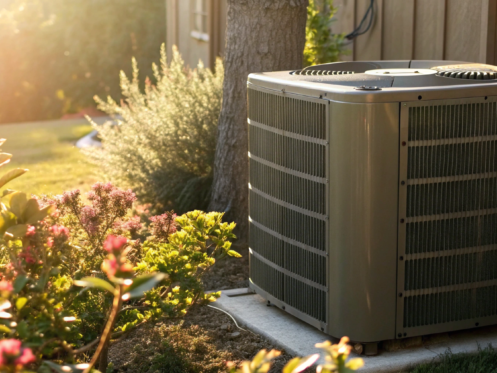
If you’ve ever wondered what makes your air conditioner tick, a big part of the answer lies in the compressor. Think of it as the heart of your entire cooling system. It’s located inside that large metal unit sitting outside your home, and it has one of the most demanding jobs in the whole setup. Its main role is to circulate the refrigerant—the special fluid that absorbs heat from your indoor air and moves it outside.
Without a healthy compressor, your AC simply can’t cool your home. It’s the engine that drives the entire process, creating the pressure changes needed to transfer heat. When you hear that familiar hum as your AC kicks on, that’s the compressor getting to work. Understanding what it does and how it functions can help you spot problems early and know when it’s time to call for professional help.
What It Does for Your Cooling System
The compressor’s primary job is to pressurize, or compress, the refrigerant gas. It draws in cool, low-pressure refrigerant from the indoor unit and squeezes it, which dramatically increases its temperature and pressure. This high-energy state is essential for the next step in the cooling cycle. By putting the refrigerant under pressure, the compressor gives it the momentum it needs to travel through the coils and release heat effectively.
Essentially, the compressor doesn’t create cold air; it creates the conditions that allow your AC to remove heat from your home. If it fails, the refrigerant just sits there, and your system can’t perform the heat exchange. That’s why a broken compressor is a serious issue that brings all cooling services to a halt.
How It Works with the Rest of Your AC
The compressor is a critical player in a continuous loop called the refrigeration cycle. After it compresses the refrigerant into a hot, high-pressure gas, it pushes it into the condenser coils—the metal fins you can see on your outdoor unit. As a fan blows air across these coils, the heat from the refrigerant is released into the outdoor air.
Once it has shed its heat, the refrigerant cools down and condenses into a high-pressure liquid. From there, it travels back inside to the evaporator coil. As it expands and turns back into a gas, it absorbs heat from your indoor air, cooling it down before it’s blown through your vents. The now-warm, low-pressure gas then cycles back outside to the compressor, and the whole process starts over again.
Signs Your AC Compressor Is Failing
Your AC compressor is the heart of your cooling system, pumping refrigerant through the lines to pull heat and humidity out of your home. It’s a heavy-lifting job, and here in Tucson, that work is practically non-stop for months on end. All that constant pressure means the compressor is often the first major component to show signs of wear. Ignoring these signals can lead to a complete system breakdown—usually on the hottest day of the year—leaving you with an uncomfortable home and a stressful emergency.
The good news is that compressors rarely fail without warning. They’ll give you clues that something is wrong, from strange noises to a sudden jump in your energy bills. Learning to spot these signs can save you from a sweaty weekend and a much more expensive fix down the road. Think of it as your AC’s way of asking for help before a small issue becomes a catastrophic failure. Being proactive is key. By paying attention to how your system runs day-to-day, you can catch problems early and make an informed decision about repairs. Let’s walk through the most common red flags that tell you it’s time to call a professional.
Your AC Won’t Start or Keeps Turning On and Off
One of the most obvious signs of a problem is when your AC unit struggles to start. You might hear a clicking sound, but the fan and compressor never kick on. This often points to an issue with the start capacitor, a small part that gives the compressor the jolt it needs to get going. Another red flag is “short-cycling,” which is when the AC turns on and off every few minutes. This erratic behavior puts a massive strain on the compressor and can be caused by electrical issues or overheating. If your system is having trouble starting or staying on, it’s a clear signal that you need professional cooling services to diagnose the root cause.
Strange Noises and Overheating
Your air conditioner should operate with a consistent, low hum. If you suddenly start hearing loud or unusual sounds coming from the outdoor unit, it’s time to listen closely. A failing compressor can make rattling, clanking, or buzzing noises as its internal parts wear out. An even more alarming sound is a high-pitched screeching or screaming, which can indicate dangerously high pressure inside the compressor. These noises often go hand-in-hand with overheating, as the component struggles to function. Don’t ignore these auditory warnings; it’s best to turn the system off and schedule an appointment online to prevent further damage.
Weak Airflow and Spiking Energy Bills
Is your AC running, but the air coming out of your vents feels lukewarm or weak? A struggling compressor can’t properly circulate refrigerant through the system, which is essential for cooling the air. The result is poor cooling performance, even if the system runs constantly. This inefficiency will show up on your monthly utility bill. If you see a sudden, unexplained spike in your electricity costs, it’s often because your AC is working much harder to achieve the same results. A well-maintained system runs efficiently, so a drop in performance and a rise in costs are strong indicators that the compressor needs attention. A regular maintenance agreement can help you catch these issues before they become major problems.
Why Do AC Compressors Fail?
The AC compressor is the powerhouse of your cooling system, but it’s not invincible. When it fails, it brings your home’s comfort to a screeching halt. Understanding what causes a compressor to break down can help you spot trouble early and even prevent a costly failure. Most issues boil down to three main culprits: a lack of maintenance, system-related problems like leaks, or just the inevitable effects of time and a demanding climate. Knowing the “why” behind the failure is the first step toward figuring out your best next move.
Skipped Maintenance and Debris Buildup
Think of your outdoor AC unit like any other hard-working machine—it needs regular cleaning to function properly. Over time, things like dust, leaves, grass clippings, and cottonwood fluff can build up on the condenser coil. This layer of grime acts like an insulating blanket, trapping heat inside the unit. When that happens, your compressor has to work much harder to cool your home, which can lead to overheating and eventual failure. This is one of the most common and preventable causes of compressor damage. A simple, consistent maintenance agreement ensures a professional keeps your system clean and running efficiently, protecting its most vital component.
Refrigerant Leaks and Electrical Faults
Your air conditioner relies on a precise amount of refrigerant to cool your home. It’s a closed system, so if the level is low, it means you have a leak somewhere. When refrigerant leaks out, the pressure inside the system drops, forcing the compressor to run constantly to try and meet the demand from your thermostat. This immense strain can quickly burn out the compressor motor. Similarly, electrical problems like failing capacitors, acid contamination, or frayed wiring can prevent the compressor from starting correctly or cause it to shut off and on repeatedly, leading to serious damage. These are issues that require professional cooling services to diagnose and fix correctly.
Simple Wear and Tear Over Time
Even the most well-maintained air conditioner won’t last forever, especially in a place like Tucson where it runs almost nonstop for a good part of the year. The compressor is a mechanical part with pistons, bearings, and a motor that are in constant motion whenever your AC is on. After years of enduring long, hot summers, these components simply wear out. This gradual decline is a normal part of your AC’s lifecycle. If your system is over 10 years old and the compressor gives out, it’s often a sign that other parts are nearing the end of their lifespan, too. When that happens, it’s time to schedule an appointment to have a technician assess the situation.
Quick Troubleshooting Steps Before You Call a Pro
When your AC starts acting up, it’s easy to assume the worst—and a major repair bill. But before you panic, there are a few simple things you can check on your own. Sometimes, the fix is surprisingly easy and doesn’t require a professional at all. Walking through these quick troubleshooting steps can help you identify a minor issue or, at the very least, gather useful information for your technician. It’s a great way to feel more in control and potentially save yourself a service call for one of our cooling services.
Check Your Breaker Box and Thermostat
Start with the basics: power and settings. Your AC system can’t run without electricity, so head to your home’s circuit breaker box to make sure the switch for the AC is on. Sometimes a breaker trips, and all it needs is to be flipped off and then on again. Next, take a look at your thermostat. Is it set to “cool”? Is the temperature set lower than the current room temperature? If it’s a digital thermostat, it might just need new batteries. These simple checks cover the most common culprits and take just a few minutes to rule out.
Look for Blocked Airflow
Your air conditioner needs to breathe. If airflow is restricted, it can’t cool your home effectively and can even cause the system to overheat and shut down. Start by checking your air filter; a dirty, clogged filter is a top offender for AC problems. If it’s filthy, replace it. Then, walk through your home and make sure your air vents (registers) aren’t blocked by furniture, rugs, or curtains. Finally, step outside and inspect your outdoor unit. Clear away any leaves, grass clippings, or debris, and make sure plants or shrubs are trimmed back at least two feet to give it plenty of room.
Take Notes for the Technician
If you’ve gone through these steps and the AC still isn’t working, it’s time to call for backup. But your work isn’t done! As you try to diagnose the problem, make a list of what you found and the steps you took. Did you hear a strange clanking or hissing sound? Did the unit turn on but blow warm air? When did you first notice the issue? Giving this information to your technician helps them pinpoint the problem faster, saving you time and money. When you’re ready, you can schedule an appointment online with our team.
Your Options: Repairing vs. Replacing
When your AC compressor gives out, especially during a Tucson summer, it feels like a major crisis. The good news is that you have choices. A failed compressor doesn’t automatically mean you need to buy a brand-new air conditioner, and a professional technician can help you weigh your options without high-pressure sales tactics. The right path forward really depends on your system’s age, its overall condition, and your budget. It can be tough to know what to do, but understanding your options is the first step toward making a confident decision.
Think of it like this: you wouldn’t scrap a whole car just because it needs a new battery, but you also wouldn’t put a brand-new engine in a car with a rusted-out frame. It’s all about finding the right balance between the immediate fix and the long-term value. A professional diagnosis is key, as it will tell you whether you’re dealing with a single faulty part or a system that’s nearing the end of its life. An honest assessment will look at the compressor, but also the refrigerant levels, the condition of the coils, and the electrical components to give you a complete picture. Let’s walk through the three main routes you can take to get your cool air flowing again.
Just Replacing the Compressor
Think of this as the most targeted surgery for your AC system. If the compressor is the only part that has failed and the rest of your air conditioner is relatively new and in excellent shape, simply replacing the broken component can be a great choice. This is often the most cost-effective option upfront. A qualified technician can inspect your entire system to confirm that the other parts, like the coils and fans, have enough life left in them to make a compressor-only replacement a smart investment. It’s a practical fix for a younger unit with an isolated problem.
Replacing the Entire Outdoor Unit
Sometimes, it makes more sense to replace the entire outdoor unit, also known as the condensing unit. This is the metal box in your yard that houses the compressor, condenser coil, and fan. This option is a solid middle ground if your outdoor unit has seen better days but your indoor components are still in good working order. It helps ensure the new compressor works seamlessly with its surrounding parts, which can improve efficiency and reliability compared to just dropping a new compressor into an old, weathered unit.
When to Replace the Whole AC System
If your air conditioner is more than 10 years old, it’s usually time to start thinking about a full replacement. Technology has come a long way, and new systems are significantly more energy-efficient. A good rule of thumb is the 50% rule: if the cost of a repair is 50% or more of the cost of a new system, replacing it is the smarter financial move. While the initial investment is higher, a full replacement can save you money over time through lower energy bills and by avoiding the cycle of frequent, costly repairs on an aging unit. Our team can walk you through the latest high-efficiency cooling services to find the perfect fit for your home.
Repair or Replace? How to Make the Right Call
Deciding whether to repair a failing AC compressor or replace the entire unit can feel like a high-stakes guessing game. You want to make the most cost-effective choice, but you also don’t want to throw money at a temporary fix for a system that’s on its last legs. The good news is that you don’t have to make this decision blind. By looking at a few key factors—your system’s age, the cost of the repair, and its overall performance—you can get a clear picture of the smartest path forward.
Think of it this way: a newer car with a flat tire is an obvious repair. An old car with a failing transmission? That’s a much bigger conversation. Your AC system is no different. A simple repair might be all you need to get years more out of a younger unit. But if your system is older and the compressor is just one of several worn-out parts, investing in a full replacement could save you money and headaches down the road. Let’s walk through how to weigh your options so you can feel confident in your choice.
Consider Your AC’s Age and Efficiency
The age of your air conditioner is one of the most important clues. Generally, if your system is less than 10 years old and has been well-maintained, a repair is often the most sensible option. However, once an AC unit passes the decade mark, its reliability and efficiency start to decline. Pouring money into a major repair for an older system can be a short-term solution to a long-term problem. A new, modern AC will be significantly more energy-efficient, which means you’ll see savings on your monthly utility bills. When you’re weighing the cost of a new compressor, remember to factor in the long-term energy savings a full replacement could offer.
A Quick Cost Comparison
Let’s talk numbers. A major repair like a compressor replacement can be expensive, so it’s smart to compare that cost to the price of a new unit. A helpful guideline is the 50% rule: if the cost of the repair is more than half the cost of a brand-new system, replacement is almost always the better financial move. Investing a large sum into an aging unit that might experience another major failure next summer just doesn’t make sense. While a new system is a bigger upfront investment, it comes with a new warranty and the peace of mind that you won’t be facing another surprise repair bill anytime soon.
Red Flags That Point to a Full Replacement
Sometimes, your air conditioner gives you clear signs that it’s time to say goodbye. If your compressor is overheating, the motor struggles to start, or the unit is constantly turning on and off (a problem called short-cycling), you’re likely looking at more than a simple fix. These are often symptoms of a compressor that is failing completely. While some compressor issues can be repaired, these specific red flags often indicate that the unit is too far gone. Instead of paying for a costly repair that might not last, it’s often wiser to put that money toward a full system replacement. When you’re ready for a professional opinion, our team can help you diagnose the problem and schedule an appointment to explore your options.
Breaking Down the Cost of Compressor Repair
Let’s talk about the bottom line. When you’re facing a major AC repair, the cost is often the biggest factor in your decision. Understanding what goes into the price tag can help you feel more in control and make a choice that works for your budget, both now and in the long run. The final cost isn’t just about the new part; it’s a mix of the equipment itself, the complexity of the job, and the type of system you have. Getting a clear picture of these expenses is the first step toward a solution that keeps your home cool without causing financial stress. It’s about weighing the immediate repair cost against the potential for long-term savings and improved efficiency.
Typical Repair Costs in Tucson
When your AC compressor gives out, the most common question is, “How much is this going to set me back?” In the Tucson area, a straightforward compressor replacement can be a significant investment. Recent cost guides show that homeowners can expect to pay anywhere from $800 to $2,300. The average price tends to land around $1,200. This estimate typically covers the cost of the new compressor part plus the professional labor needed to get your system running smoothly again. It’s a wide range, but it gives you a realistic starting point for what to expect when you start getting quotes from local technicians.
What Influences the Final Price?
Several key factors can push your final bill toward the higher or lower end of that range. The size and type of your air conditioner play a huge role; a larger unit for a bigger home will require a more powerful and expensive compressor. The specific brand and whether the part is still under warranty can also make a big difference in your out-of-pocket expense. Finally, the complexity of the installation affects labor costs. A unit that’s difficult to access or requires extra modifications will take more time. That’s why getting a detailed quote for your specific cooling system is so important for an accurate price.
The Long-Term Savings of an Upgrade
While the initial price of a new compressor can be a shock, it’s worth looking at the long-term financial picture. Opting for a modern, high-efficiency model isn’t just a repair—it’s an upgrade. Home improvement experts at This Old House note that a new, efficient compressor can trim $100 to $300 off your energy bills each year. Over time, those savings add up significantly. A properly installed high-efficiency system can cut your energy use by up to 30%, making your home more comfortable and your utility bills much more manageable. It turns a necessary expense into a smart investment for your home.
How to Keep Your Compressor Healthy
The best way to handle a compressor failure is to prevent it from happening in the first place. A little proactive care goes a long way in extending the life of your AC system and keeping your home comfortable, especially when the Tucson heat is at its peak. By taking a few simple steps, you can keep your compressor running smoothly and avoid the stress and expense of a major breakdown.
The Importance of Regular Maintenance
Think of regular maintenance as a check-up for your air conditioner. It’s a smart, simple way to keep your system running efficiently and catch small issues before they turn into costly repairs. During a maintenance visit, a technician can clean essential components, check for wear and tear, and ensure everything is working as it should. This consistent care helps your compressor avoid unnecessary strain, which can significantly extend its lifespan. Signing up for a maintenance agreement is one of the easiest ways to stay on top of this and protect your investment.
Smart Ways to Use Your AC
You don’t have to be an HVAC expert to help your compressor stay healthy. A few simple habits can make a huge difference. First, make sure you clean or replace your air filters every few months. A clogged filter restricts airflow, forcing your entire system to work harder and putting extra stress on the compressor. It’s also a good idea to keep the area around your outdoor unit clear. Trim back any bushes or weeds and remove leaves or other debris to ensure air can circulate freely.
Why Professional Tune-Ups Matter
While changing filters is a great DIY task, some jobs are best left to a trained professional. An AC compressor is a complex piece of equipment, and you shouldn’t try to fix intricate problems on your own. A technician has the tools and expertise to safely check refrigerant levels, inspect electrical connections, and diagnose issues you might not see. A working AC compressor is essential for staying cool and safe in our climate. Regular professional cooling services ensure your system is in good hands, giving you peace of mind all summer long.
Choosing the Right Pro for Your Compressor Repair
When your AC compressor is on the fritz, it’s not the time for a DIY project. This is a complex piece of machinery, and a small mistake can lead to bigger, more expensive problems—or even void your warranty. Finding the right professional is the most important step you can take to get your cool air back without the extra stress. A great technician will not only fix the immediate issue but also help you understand your options, ensuring you make a smart investment for your home. The right partner will provide clear communication, transparent pricing, and the expertise to get the job done right the first time.
What to Look For in an HVAC Tech
First things first, you want a technician who is licensed, bonded, and insured. This is non-negotiable, as it protects you and your home. Look for a company with a team of certified professionals who have a strong track record in the Tucson area. Experience matters, especially when dealing with the unique demands our climate puts on cooling systems. A top-tier contractor will also do more than just swap out a part. If you’re considering a replacement, they should perform a “Manual J load calculation.” This sounds technical, but it simply ensures your new unit is the perfect size for your home. An AC that’s too big or too small will struggle to work efficiently, leading to higher bills and a shorter lifespan.
Key Questions to Ask Before You Hire
Before you commit to a service, it’s smart to do a little interviewing. You should always try to get at least three detailed quotes from different HVAC contractors to compare your options. When you call, have a list of questions ready. Start with the basics: “Are your technicians certified?” and “Can you provide an itemized, written estimate?” This helps you avoid surprise fees later. It’s also wise to ask about their experience with your specific AC brand and what kind of timeline you can expect for the repair. Don’t forget to inquire about payment plans or financing options, as this can make an unexpected repair much more manageable.
Don’t Forget About Warranties and 24/7 Service
A reputable company will always stand behind its work. Ask about the warranties they offer on both parts and labor. This guarantee is your peace of mind that the repair is built to last. It’s also a key reason to avoid trying to fix the compressor yourself, as DIY work can instantly void any existing manufacturer warranties. And since AC issues rarely happen at a convenient time, look for a company that offers 24/7 emergency service. Knowing you can get help during a sweltering weekend is invaluable. Finally, ask if they offer a maintenance agreement. Regular tune-ups are the best way to protect your compressor and keep your entire system running smoothly for years to come.
Related Articles
- 3 Signs to Repair An HVAC System | Fusion Plumbing & Air
- Should I Repair Or Replace My HVAC Unit | Fusion
- Should I Replace vs. Repair My Air Conditioning Unit | Fusion
- Signs to replace an HVAC | Fusion Plumbing & Air
- AC Noises To Keep In Mind And How To Fix Them | Fusion
Frequently Asked Questions
If my AC is blowing warm air, is the compressor definitely broken? Not always, but it’s a strong possibility. A compressor’s job is to circulate refrigerant, and if it fails, the cooling process stops. However, warm air can also be caused by other issues like a low refrigerant level from a leak, a dirty air filter restricting airflow, or a problem with the indoor unit. The best way to know for sure is to have a professional technician diagnose the system to pinpoint the exact cause.
Can I just ignore a strange noise coming from my outdoor unit? It’s never a good idea to ignore loud or unusual noises from your AC. Sounds like rattling, clanking, or high-pitched screeching are your system’s way of telling you something is seriously wrong inside the compressor. Continuing to run the unit can cause the damaged parts to break further, leading to a much more expensive and catastrophic failure. Your safest bet is to turn the system off and call for service right away.
How long can I expect my AC compressor to last here in Tucson? An AC compressor in a milder climate might last 15 years or more, but our intense Tucson heat puts a much heavier strain on them. With consistent use for many months out of the year, a well-maintained compressor here typically has a lifespan of about 10 to 12 years. Regular maintenance is the key to helping it reach and sometimes even exceed that average.
Is it worth repairing a compressor on an AC unit that’s over 10 years old? This is a tough call, but usually, it’s not the most cost-effective choice. A compressor is a major component, and replacing it is a significant investment. When you put a brand-new part into a system that old, you run the risk of another major component failing soon after. In most cases, putting that repair money toward a new, more energy-efficient system is the smarter long-term financial decision.
What’s the most important thing I can do to prevent my compressor from failing? The single best thing you can do is schedule regular, professional maintenance. An annual tune-up allows a technician to clean the coils, check refrigerant levels, and test electrical components. This preventative care keeps the compressor from overworking due to issues like debris buildup or low refrigerant, which are two of the most common causes of failure.