
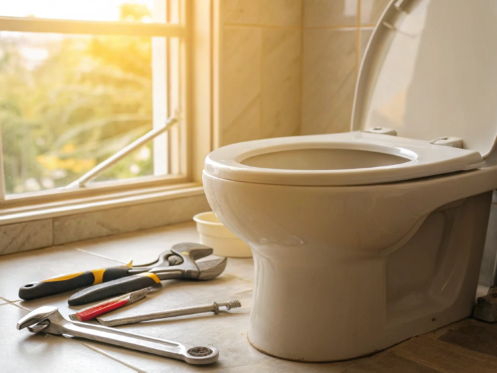
A sudden, unexplained spike in your water bill is a clear red flag. Before you start checking every faucet, the most likely culprit is often the quietest one: your toilet. A single toilet with an internal leak can waste hundreds of gallons of water every single day, silently draining your wallet. This is especially true if you’ve noticed your toilet randomly runs at night, refilling itself for no apparent reason. That sound is the evidence of a constant leak. We’ll show you how to perform a few simple checks to confirm the leak and fix the most common causes behind it.
Key Takeaways
- Identify the Leak with a Quick Test: That phantom flushing sound is usually a worn-out flapper. Confirm it by putting a few drops of food coloring in the toilet tank—if the color seeps into the bowl within 30 minutes without flushing, you’ve found your problem.
- Focus on Simple Adjustments First: Most running toilets can be fixed by replacing the inexpensive rubber flapper or adjusting the chain’s length. Regularly cleaning mineral buildup from the tank can also prevent future leaks and keep parts working correctly.
- Know When to Step Aside for a Pro: If you’ve tried the basic fixes and the toilet still runs, or if you notice any cracks in the porcelain, it’s time to call a plumber. Pushing your DIY skills too far can lead to bigger messes and costly water damage.
Why Is My Toilet Running at Night?
That mysterious sound of your toilet refilling in the dead of night isn’t just a minor annoyance—it’s a clear sign that something is wrong. This “phantom flushing” is usually caused by a slow, internal leak that allows water to seep from the tank into the bowl. When the water level in the tank drops low enough, the fill valve kicks in to refill it, creating that familiar running sound. While it might seem like a small issue, it can waste a surprising amount of water and drive up your utility bills.
Most of the time, the culprit is a simple, worn-out part inside the toilet tank. The main components to check are the flapper, the fill valve, and the float and chain assembly. These parts work together to control the flow of water, and when one fails, the whole system gets out of sync. In some less common cases, the issue might even be related to changes in your home’s water pressure. Understanding what causes these phantom flushes is the first step toward a quiet night and a properly functioning toilet. If you’re dealing with persistent residential plumbing issues, identifying the source is key.
The Worn-Out Flapper
Think of the flapper as the drain plug for your toilet tank. This rubber seal sits at the bottom of the tank, and when you flush, it lifts to let water rush into the bowl. Once the flush is complete, it drops back down to create a watertight seal. Over time, this rubber can degrade, warp, or crack, especially in areas with hard water like Tucson. Mineral buildup can also prevent it from sealing properly. When the flapper is worn out, it allows water to slowly leak from the tank into the bowl. This gradual drop in the water level is what triggers your toilet to randomly run as it refills the tank.
A Faulty Fill Valve
The fill valve is the tall mechanism inside your tank responsible for refilling it with water after you flush. It’s designed to shut off automatically once the water reaches a specific level. If the fill valve is old, clogged with sediment, or broken, it may not shut off completely. When this happens, water will continuously flow into the tank. To prevent an overflow, the excess water drains down the overflow tube and into the bowl. This creates a constant, quiet running sound and wastes a significant amount of water. A faulty fill valve is one of the most common reasons for a constantly running toilet.
Float and Chain Issues
Sometimes, the problem isn’t a broken part but a simple misadjustment. The flush handle is connected to the flapper by a small chain. If this chain is too short or tangled, it can hold the flapper slightly open, preventing a proper seal and causing a slow leak. On the other hand, if the chain is too long, it can get caught underneath the flapper with the same result. Similarly, the float (either a ball or a cup) tells the fill valve when to stop filling. If the float is set too high, the water level will rise above the overflow tube, causing the toilet to run continuously.
Temperature Changes in Your Pipes
If your toilet seems to run at random intervals without a clear pattern, the cause could be fluctuations in your home’s water pressure. This can happen when temperatures drop at night, causing the water in your pipes to contract and pressure to shift slightly. Sometimes, work being done on the municipal water supply can also cause these changes. This brief pressure fluctuation can be just enough to make the fill valve open for a moment, letting a small amount of water into the tank. While less common than a bad flapper, it can explain why a toilet runs intermittently. These issues often point to the broader drains and sewer system connected to your home.
Is Your Toilet Leaking? Here’s How to Check
That mysterious running sound isn’t just annoying—it’s a clear sign that your toilet is leaking water from the tank into the bowl. This “internal” leak might not leave puddles on your floor, but it can waste a shocking amount of water and money over time. Before you can fix the problem, you need to confirm where the leak is coming from. Luckily, there are a few simple, surefire ways to play detective and figure out what’s going on inside your toilet tank. These checks take just a few minutes and don’t require any special tools.
The Food Coloring Trick
This is the easiest way to get a definite answer about a leaky flapper. Grab some food coloring from your kitchen pantry and put a few drops into the toilet tank (the back part, not the bowl). Don’t flush! Just walk away and let it sit for at least 30 minutes, though a few hours is even better. When you come back, check the water in the toilet bowl. If you see any trace of the color in the bowl, you’ve found your culprit. It means the flapper isn’t creating a tight seal, allowing water to seep from the tank into the bowl.
Listen for Ghostly Sounds
Sometimes, the best tool you have is your own ears. A toilet that’s working correctly should be silent unless it’s refilling right after a flush. If you hear a faint hissing or trickling sound coming from the toilet, that’s the sound of water constantly running. These sounds are often more noticeable at night when the house is quiet. You might also hear the toilet briefly start refilling on its own, as if it was just flushed. This “phantom flush” happens when the tank water level drops low enough to trigger the fill valve, a classic sign of a slow leak.
Watch the Water Level
Lift the lid off your toilet tank and take a look inside. You’ll see a vertical overflow tube in the middle. The water level in the tank should always be about an inch below the top of this tube. If the water is spilling over into the tube, the fill valve or float is set too high and needs to be adjusted. This causes a constant, silent leak that sends water straight down the drain. It’s an easy thing to spot and often a simple fix, but it wastes a significant amount of water if left unchecked.
Keep an Eye on Your Water Bill
Your utility bill is one of the most reliable leak detectors you have. A single running toilet can waste hundreds, or even thousands, of gallons of water every day. If you notice a sudden, unexplained spike in your water bill, a running toilet is a likely suspect. This kind of leak can easily add $50 or more to your monthly bill. If you’ve ruled out other causes, it’s time to investigate your toilets. A higher bill is a strong signal that it’s time to address your home’s residential plumbing to prevent further waste.
Telltale Signs of a Running Toilet
A running toilet is more than just an annoying sound; it’s a clear sign that something’s wrong. Ignoring it can lead to a surprising amount of wasted water and a much higher utility bill. Fortunately, your toilet will usually give you a few obvious clues that it needs attention. If you notice any of these signs, it’s time to investigate what’s happening inside the tank.
That Constant Hissing Sound
You know the sound—that faint but persistent hiss long after you’ve flushed. This isn’t just a quirky noise your toilet makes; it’s the sound of money and water going down the drain. This hissing usually means water is constantly trickling from the tank into the bowl because a part inside, like the flapper or fill valve, isn’t working correctly. While it might be easy to tune out, this sound is a direct alert that your toilet is wasting water 24/7. Addressing these kinds of common residential plumbing issues quickly can save you a lot of hassle later on.
The Self-Flushing “Phantom” Toilet
Have you ever been startled in the middle of the night by your toilet refilling on its own? This “phantom flush” happens when there’s a slow, silent leak from the tank into the bowl. Over time, the water level in the tank drops low enough to trigger the fill valve, which kicks on to refill the tank. This is almost always caused by a worn-out flapper that no longer creates a tight seal. While it might seem mysterious, it’s a straightforward sign that a component needs to be replaced before it wastes even more water.
A Higher-Than-Normal Water Bill
If your latest water bill made you do a double-take, a running toilet could be the culprit. A single leaky toilet can waste hundreds, or even thousands, of gallons of water every day. That adds up quickly and can cause a significant, unexpected spike in your monthly expenses. Many toilet leaks are silent, so a surprisingly high bill might be the first and only sign you get. Don’t just pay it and hope it goes away next month. Take a moment to check your toilets; it’s one of the most common sources of hidden water waste in a home.
Your Step-by-Step Guide to Fixing a Running Toilet
Ready to silence that noisy toilet for good? Tackling this common household issue is often more straightforward than you might think. With a little patience and the right guidance, you can diagnose and fix the problem yourself. This guide will walk you through everything you need to know, from gathering your supplies to testing your handiwork. Let’s get started.
Step 1: Gather Your Tools
Before you get your hands dirty, it’s smart to have all your supplies in one place. This simple prep work makes the whole process go much faster. You’ll likely need a 4-in-1 screwdriver, an adjustable wrench, a small bucket or container, locking pliers, and a tape measure. A shop vacuum can also be helpful for removing the last bit of water from the tank. Having these necessary tools ready means you won’t have to stop mid-project to search for something.
Step 2: Shut Off the Water and Empty the Tank
First things first: you need to stop the water flow to the toilet. Look for the oval-shaped shutoff valve on the wall or floor behind the toilet and turn it clockwise until it stops. This is a crucial step to prevent any accidental spills or flooding while you work. Once the water is off, flush the toilet to drain the tank completely. You can use a sponge or the shop vacuum to get rid of any remaining water at the bottom.
Step 3: Check and Adjust the Flapper
The flapper is the rubber seal at the bottom of your tank that lifts when you flush. It’s one of the most common reasons for a running toilet. Over time, the rubber can warp, crack, or get covered in mineral buildup, preventing it from creating a tight seal. Inspect the flapper for any signs of wear and tear. If it looks damaged, it’s an easy and inexpensive part to replace. Simply unhook it from the overflow pipe and the chain, and pop a new one in its place.
Step 4: Correct the Chain Length
The small chain that connects the flush handle to the flapper needs to be just the right length. If the chain is too short, it will pull on the flapper, preventing it from sealing completely. If it’s too long, it can get tangled or caught underneath the flapper, also causing a leak. There should be just a little bit of slack in the chain when the flapper is closed. You can easily adjust the length by moving the clip to a different link on the chain.
Step 5: Replace the Fill Valve
If the flapper and chain seem fine, the next part to check is the fill valve. This is the tall mechanism that refills the tank with water after you flush. If the fill valve is old or broken, it might not shut off properly, allowing water to continuously run into the tank. While replacing a fill valve is a bit more involved than changing a flapper, it’s still a manageable DIY project for most homeowners. You can find replacement kits at any hardware store with detailed instructions.
Step 6: Adjust the Float
The float is the part that tells the fill valve when to stop filling the tank. If the float is set too high, the water level will rise above the overflow tube, causing the toilet to run constantly. You want the water level to stop about an inch below the top of the overflow tube. Depending on your toilet model, you can adjust it by turning a screw on top of the fill valve or by gently bending the metal rod that connects to the float ball.
Step 7: Clean Away Mineral Buildup
Here in Tucson, hard water is a fact of life, and it can cause problems for your plumbing. Mineral deposits can build up on the flapper, the fill valve, and around the flush valve opening, preventing parts from sealing correctly. Take a moment to scrub away any visible buildup with a non-abrasive brush. This simple cleaning can sometimes be all it takes to stop a slow leak and get your toilet working properly again.
Step 8: Test Your Work
Once you’ve made your adjustments or replaced a part, it’s time for the moment of truth. Turn the water supply valve back on (counter-clockwise) and let the tank fill up. Listen carefully to make sure the water stops running once the tank is full. Give it a flush and watch to see that everything operates smoothly. If the hissing has stopped and the water level is stable, you’ve successfully fixed your running toilet. If you’re still having trouble, our team is always here to help with any drain and sewer issues.
When to Call a Plumber for a Running Toilet
There’s a special kind of satisfaction that comes from fixing something yourself. But when it comes to plumbing, there’s a fine line between a successful DIY project and an accidental indoor swimming pool. While many running toilet issues can be solved with a few simple adjustments, it’s crucial to recognize when a problem is beyond a quick fix. Ignoring the signs or pushing your DIY skills too far can lead to bigger, more expensive problems. If you find yourself in any of the following situations, it’s time to put down the wrench and call in a professional.
Your DIY Fixes Aren’t Working
You’ve replaced the flapper, adjusted the float, and untangled the chain, but your toilet is still running. When you’ve tried all the common solutions and the problem persists, it’s a sign that something more complex is going on. The issue could be related to your home’s water pressure, possibly pointing to a faulty Pressure Reducing Valve (PRV). Instead of getting frustrated and potentially causing more damage, it’s best to let an expert identify the root cause and get your toilet working correctly.
You Spot Cracks in the Tank or Bowl
A crack in your toilet’s porcelain is a major red flag. Whether it’s a hairline fracture in the tank or a more noticeable crack in the bowl, this is not a DIY situation. Toilets are heavy and surprisingly fragile; trying to repair one yourself can easily make the crack worse and cause a serious flood. Water damage from a failed toilet can be extensive and costly. If you see any cracks, the safest move is to shut off the water to the toilet and schedule a professional inspection right away.
The Problem Seems Complicated
Sometimes, you just have to trust your gut. If you lift the tank lid and the inner workings look like a confusing mess of parts you don’t recognize, it’s okay to admit you’re out of your depth. While many plumbing tasks are manageable for homeowners, it’s important to know your limitations. A running toilet could be a symptom of a larger issue within your home’s residential plumbing system. If the problem feels too complicated or you’re just not confident in your ability to fix it, calling a professional is the smartest and safest choice.
You’re Worried About Water Damage
That constant running sound isn’t just annoying—it’s the sound of money and water going down the drain. A continuously running toilet can waste anywhere from 200 to 4,000 gallons of water every single day. This not only causes a massive spike in your water bill but also creates a constant risk of overflow and water damage to your floors, subfloor, and even the ceiling below. The potential cost of repairing water damage far outweighs the cost of a service call. Don’t let a small leak turn into a huge disaster; protect your home and your wallet by addressing it promptly.
Common DIY Toilet Repair Mistakes to Avoid
Tackling a running toilet on your own can feel empowering, but a few common missteps can quickly turn a simple fix into a bigger headache. Many toilet repairs are straightforward, but knowing what not to do is just as important as knowing the right steps. By avoiding these frequent mistakes, you can save yourself time, prevent water damage, and ensure your repair actually solves the problem for good. If you ever feel out of your depth, remember that our team is always ready to help with any residential plumbing issue.
Forgetting to Check the Flapper Seal
One of the most common reasons a toilet runs is a worn-out flapper. This rubber seal at the bottom of your tank is designed to stop water from flowing into the bowl between flushes. Over time, it can warp, crack, or get covered in mineral buildup, preventing it from creating a tight seal. Many people overlook this simple part and jump to more complex repairs. Always start by checking the flapper. If it looks worn or doesn’t sit flat, replacing it is an inexpensive fix that often solves the problem instantly.
Setting the Float Too High or Low
The float is the part inside your toilet tank that rises with the water level, signaling the fill valve to shut off when the tank is full. If you set the float too high, the water level will rise above the overflow tube, and the fill valve will never stop running. If it’s set too low, you’ll have a weak flush. Most toilets have a line inside the tank indicating the correct water level. Make sure your float is adjusted to stop the water right at that mark for an efficient, leak-free flush.
Leaving the Water Supply On
Before you start any work inside the toilet tank, your first step should always be to turn off the water supply. The shut-off valve is typically located on the wall behind the toilet. Forgetting this crucial step can lead to an unexpected gush of water all over your bathroom floor, turning a minor repair into a major cleanup. Once the water is off, flush the toilet to drain the tank completely. This gives you a dry, clean space to work and prevents any accidental flooding.
Using Harsh Chemicals
When you have a clog, it can be tempting to pour a chemical drain cleaner into your toilet bowl. However, these harsh chemicals can do more harm than good. They can corrode the plastic and rubber components inside your tank and pipes, like the flapper and gaskets, leading to new leaks and more significant damage over time. For stubborn clogs, it’s much safer to use a plunger or an auger. If that doesn’t work, it’s best to call for professional drain and sewer services to clear the blockage without damaging your plumbing.
Keep Your Toilet from Running: Simple Prevention Tips
An ounce of prevention is worth a pound of cure, especially when it comes to your home’s plumbing. A running toilet isn’t just annoying; it’s a quiet drain on your water bill. The good news is that you can often prevent this common issue with a little proactive care. By incorporating a few simple habits into your routine, you can keep your toilet’s internal parts in good working order and catch small problems before they turn into late-night headaches. These tips will help you save water, money, and the hassle of an unexpected repair. Think of it as a small investment of your time that pays off in peace of mind and a healthier plumbing system for your home.
Schedule Regular Cleanings
It’s easy to forget about the inside of your toilet tank, but giving it a regular cleaning can make a huge difference. Over time, mineral deposits and sediment from Tucson’s hard water can build up on the flapper, fill valve, and other components. This buildup can prevent parts from sealing properly, leading to those sneaky, persistent leaks. Once every six months or so, pour a cup of white vinegar into the tank and let it sit for about 30 minutes before flushing. This simple step helps dissolve mineral buildup and keeps everything moving smoothly, ensuring a tight seal every time.
Maintain the Right Water Level
The water level in your toilet tank is set for a reason. If it’s too high, water will constantly spill into the overflow tube, causing the toilet to run nonstop. If it’s too low, you won’t get a powerful enough flush. Take a peek inside your tank; you should see a mark indicating the correct water level. If the water is above that line, you’ll need to adjust the float. For older toilets with a float ball, you can gently bend the arm downward. For newer models, you can typically adjust the float cup by turning a screw or sliding a clip.
Only Flush What’s Meant to Be Flushed
Your toilet is designed to handle one thing: human waste and toilet paper. Flushing anything else—like so-called “flushable” wipes, paper towels, cotton swabs, or feminine hygiene products—is asking for trouble. These items don’t break down properly and can easily cause clogs deep within your pipes. A blockage puts extra strain on your entire plumbing system and can lead to all sorts of issues, including a toilet that won’t stop running. Stick to the basics to keep your pipes clear and your toilet functioning as it should.
Get an Annual Plumbing Check-Up
While many minor toilet fixes are great for a weekend DIY project, it’s smart to know your limits. An annual professional inspection is one of the best ways to prevent plumbing surprises. A trained technician can spot worn-out parts you might miss, check for silent leaks, and ensure your entire system is in top shape. Our maintenance agreement is designed to catch these small issues before they become major, costly emergencies. Think of it as a check-up for your home’s plumbing that keeps everything flowing smoothly all year long.
Related Articles
- How to Repair a Leaky Toilet | Fusion Plumbing & Air
- 4 Common Plumbing Problems & How to Avoid | Fusion Plumbing
- 8 Issues That Need Professional Plumbing Services | Fusion
- Signs You Need to Call a Professional Plumber | Fusion
Frequently Asked Questions
How much water can a running toilet really waste? It’s shocking how much water a running toilet can waste. Even a small, silent leak can use up hundreds of gallons a day, which is more than an entire family might use for showers. This can easily add a significant amount to your monthly water bill, so it’s a problem you’ll want to address as soon as you notice it.
I replaced the flapper, but my toilet is still running. What should I check next? It’s frustrating when the most common fix doesn’t work. If a new flapper didn’t solve the problem, the next thing to inspect is the chain that connects it to the handle. If it’s too short or too long, it can prevent the flapper from sealing correctly. After that, take a look at the fill valve and the float to make sure they are shutting off the water at the right level inside the tank.
Is it safe to turn off the water to the toilet until I can fix it? Absolutely. If you can’t get to the repair right away, shutting off the water is a smart move to stop the waste. You can do this by turning the small, oval-shaped valve on the wall or floor behind the toilet clockwise until it stops. This gives you time to figure out your next steps without worrying about a high water bill.
Why does my toilet only seem to run in the middle of the night? This is what we call a “phantom flush,” and it’s usually caused by a very slow leak from the tank into the bowl. Your house is quiet at night, so you’re more likely to hear the toilet kick on to refill itself after the water level has dropped. It’s a clear sign that a part, most often the flapper, is worn out and needs to be replaced.
Can Tucson’s hard water really cause my toilet to run? Yes, it definitely can. The minerals in our hard water build up over time on the rubber and plastic parts inside your toilet tank. This buildup can make the flapper stiff and prevent it from creating a watertight seal. It can also clog the fill valve, causing it to run continuously. Regularly cleaning the tank can help manage this.