That furnace keeping you warm in the winter might be the key to a cool, comfortable summer. Many homeowners in Tucson and Oro Valley wonder if they can add central air conditioning using the ductwork they already have. The short answer is yes, you often can, and it saves a lot of money and mess. However, ducts designed just for heating aren’t always a perfect match for cooling. Before you move forward, it’s important to know if your system is truly ready. We’ll explain the critical factors that determine compatibility and show you how to install central air with existing ductwork the right way, ensuring your investment keeps you cool for years to come.
Key Takeaways
- Get Your Ductwork Inspected First: While using existing ducts is a major cost saver, they still need a professional evaluation. An inspection identifies leaks, sizing issues, or poor insulation that can waste energy and cause uneven cooling with your new AC system.
- Rely on a Pro for Installation: Adding central air is a complex job that involves electrical work, refrigerant lines, and system balancing. A certified technician will correctly size the unit for your home, ensure it integrates with your furnace, and test the airflow for consistent comfort.
- Budget for Potential Upgrades: The final cost includes more than just the AC unit itself. Be prepared for potential modifications like sealing leaks, adding insulation, or adjusting dampers to ensure your new, efficient system performs at its best.
Can You Use Your Existing Ductwork for Central Air?
If your home already has ductwork from a furnace, you’re likely wondering if you can use it for a new central air system. The short answer is yes, you often can, and doing so can save you a significant amount of money and time. When you can use your existing ducts, the installation process becomes much simpler, focusing mainly on the new AC units rather than a major home renovation that involves tearing open walls and ceilings.
However, it’s not always a perfect match. Ducts designed solely for heating might not be ideal for cooling. The size, layout, and condition of your current ductwork all play a crucial role in determining whether it can effectively distribute cool air throughout your home. Before moving forward, it’s essential to have a professional evaluate your system to ensure it’s up to the task. This step prevents future headaches like uneven cooling, poor efficiency, and unnecessary strain on your new AC unit. A proper assessment from a certified technician will tell you if your ducts are ready to go or if they need a few modifications to handle the demands of a central air conditioner, ensuring you get the most out of your investment.
The Pros of Using Your Current Ducts
Using your existing ductwork is a huge win for your budget and timeline. The most significant advantage is the cost savings. You get to skip the expensive and disruptive process of installing a brand-new duct system. Instead, the project focuses on the AC equipment itself. This makes the installation of your new cooling services much faster and cleaner. Because the framework is already in place, your new air conditioner can integrate smoothly with your current furnace, creating a unified system for year-round comfort. This approach is often perfectly feasible, even in older homes, making it an accessible upgrade for many homeowners in Tucson.
When Your Ducts Aren’t the Right Fit
While using existing ducts is ideal, sometimes they just aren’t the right fit for central air. Heating and cooling have different airflow needs. Since hot air rises, heating vents are often placed low to the ground. Cool air, on the other hand, sinks. If your vents are on the floor, the chilled air might just pool there, leaving the rest of the room uncomfortably warm. The integrity of the ducts is another factor. Over time, ducts can develop leaks, which means your precious cool air escapes before it ever reaches your rooms. An expert evaluation can spot these issues and determine if your system can be sealed or if it needs more significant adjustments to work efficiently.
Is Your Home Ready for a New Central Air System?
Before you start picking out a new central air conditioner, it’s a good idea to make sure your home is prepared for the upgrade. A new AC system doesn’t work in a vacuum; it relies on your home’s existing infrastructure, like your ductwork and furnace. Taking a little time to assess these components can make the installation process smoother and ensure your new system runs as efficiently as possible from day one. Think of it as preparing the foundation before building the house. A solid setup means you’ll get the cool, comfortable air you’re looking for without any surprises. Let’s walk through the three key areas you’ll want to check: your ducts, your furnace, and your home’s available space and power.
Checking Your Ductwork’s Compatibility
If your home already has ductwork from a furnace, you’re in a great starting position. Using your existing ducts can save you a significant amount of money and spare you the mess of a major installation project. However, just because the ducts are there doesn’t mean they’re ready for central air. They need a thorough inspection first. Over time, ducts can develop leaks, become disconnected, or lose their insulation. These issues can cause your new, efficient AC to waste energy by cooling your attic or crawlspace instead of your living room. A professional technician can perform tests to find and seal any leaks, ensuring all that refreshing, cool air gets exactly where you want it to go.
What to Consider About Your Furnace
Your furnace and air conditioner are partners in your home’s HVAC system, so they need to work well together. Many furnaces, even older models, are designed to accommodate a new cooling coil, which is the indoor component of a central air system. The first step is to see if your current furnace has a designated spot for these coils. An HVAC professional can quickly determine if your furnace is compatible and if its blower motor is powerful enough to circulate the cool air effectively throughout your home. Making sure your heating system is ready will help you get the most out of your new air conditioner.
Do You Have Enough Space and Power?
A central air system has two main parts: an indoor unit and an outdoor unit, and you’ll need adequate space for both. The outdoor condenser needs a flat, stable spot outside with plenty of clearance for airflow. Inside, the evaporator coil needs to fit with your furnace. Beyond physical space, your home’s electrical system must be up to the task. Central air conditioners are powerful machines that require a dedicated 240-volt circuit. An electrician or HVAC technician can check your electrical panel to see if it can handle the additional load. Getting a professional assessment of your home’s cooling needs ensures the unit is sized correctly for maximum efficiency and comfort.
How to Check the Condition of Your Ductwork
Before you invest in a new central air system, it’s essential to know if your existing ductwork is up to the task. Having ducts is a great start, but their condition is what truly determines how efficiently and effectively your new AC will cool your home. Leaky, poorly sized, or uninsulated ducts can waste energy, reduce comfort, and strain your new equipment. Taking a moment to assess your ductwork can save you from unexpected costs and headaches down the road. Here’s how you can get a clear picture of what you’re working with.
A Quick DIY Inspection Checklist
You don’t need to be an expert to do a basic health check on your ductwork. Grab a flashlight and take a look at any accessible ducts in your attic, crawlspace, or basement. First, look for any obvious physical damage like dents, punctures, or disconnected sections. Next, with your system running, carefully feel around the seams and joints for any escaping air. You can also look for dust streaks around these connections, which are a telltale sign of a leak. Finally, pay attention to the sounds your system makes. Loud rattling or whistling noises can indicate loose parts or airflow issues.
Why a Professional Evaluation Matters
A visual inspection is a great first step, but it won’t reveal the full story. An experienced HVAC contractor can perform a comprehensive assessment to identify issues you can’t see, like hidden leaks, internal blockages, or improper sizing that could hinder your new AC’s performance. Professionals use specialized tools to measure airflow and pinpoint exact problem areas. Getting a professional evaluation is the best way to confirm your ductwork can handle a modern, high-efficiency system. Our team can determine if your ducts are ready or if they need a few upgrades to deliver perfect comfort.
Telltale Signs Your Ducts Need Repair
Sometimes, your home sends clear signals that your ductwork is struggling. If you’ve noticed any of these issues, your ducts likely need attention before you install a new central air unit. Be on the lookout for rooms that are consistently hotter or colder than others, as this points to an airflow imbalance. Weak airflow from your vents is another major red flag. If your energy bills are creeping up without explanation or your home seems excessively dusty, your ducts could be leaking. Older homes, especially those with outdated “gravity furnaces,” often have ductwork that is the wrong size for modern AC systems.
What Upgrades Might Your Ductwork Need?
Even if your home has existing ductwork, it might need a few updates to work well with a modern central air conditioner. Think of your ducts as the highways for cool air. If those highways have potholes, are too narrow, or lead to the wrong places, you won’t get the comfort and efficiency you’re paying for. Making the right upgrades ensures your new AC system can perform at its best from day one, delivering consistent cooling without wasting energy.
Before connecting a new unit, it’s a good idea to have a professional inspect your ductwork. A trained technician can spot issues that aren’t obvious and recommend the most effective solutions. Common upgrades involve sealing leaks, adding insulation, and sometimes even resizing sections of the ductwork to handle the airflow from a new system. These changes can make a huge difference in your home’s comfort and your monthly energy bills, especially in places like Tucson and Oro Valley where ACs work hard all summer.
Sealing and Insulating for Efficiency
Leaky ducts are a major source of energy waste. Small gaps, cracks, and loose connections can let a surprising amount of cool air escape into your attic, crawlspace, or walls. This means your AC has to run longer and harder to cool your home, driving up your energy bills. A professional can perform a test to find these leaks and seal them properly. Our team provides thorough cooling services that include checking for and sealing any air leaks.
Insulation is just as important. If your ducts run through unconditioned spaces like a hot attic, the cool air inside them will warm up before it ever reaches your rooms. Wrapping the ducts in proper insulation keeps the air cold on its journey, ensuring you get the maximum cooling effect from your system.
Adjusting Duct Size for Better Airflow
The size of your ducts has a big impact on how well your central air system works. Older homes, especially those originally built with heating-only systems, sometimes have ductwork that is too large or too small for a modern air conditioner. An AC unit is designed to move a specific amount of air, and if the ducts can’t support that airflow, you’ll run into problems. Ducts that are too small can restrict airflow, straining your system, while ducts that are too large can lead to weak airflow from your vents. A professional can determine if your ductwork needs to be resized for optimal performance.
How to Balance Your System
Have you ever noticed that one room in your house is an icebox while another is always a little too warm? That’s often a sign of an unbalanced system. Balancing involves adjusting dampers within the ductwork to ensure each room gets the right amount of conditioned air. It’s a delicate process. If the air moves too quickly, it won’t have enough time to remove humidity, leaving your home feeling clammy. If it moves too slowly, the indoor coil on your AC unit could freeze over. A technician uses specialized tools to measure and adjust the airflow from each vent, creating even, comfortable temperatures throughout your home. You can schedule an appointment with our team to get your system properly balanced.
What Does the Installation Process Look Like?
Once you’ve determined your ductwork is ready, the actual installation is a multi-step process that a professional team can handle efficiently. It’s more than just plugging in a new appliance; it involves careful selection, precise connection, and thorough testing to ensure everything works together perfectly. From choosing the right air conditioner for your home’s unique needs to making sure every vent delivers cool air, each step is crucial for long-term comfort and efficiency. Understanding what to expect can make the entire experience smoother and give you peace of mind that the job is being done right.
Choosing the Right AC Unit
Selecting the right AC unit is the foundation of a successful installation. It’s not about picking the biggest or most expensive model. Instead, the perfect unit is one that’s correctly sized for your home. A system that’s too small will struggle to cool your space on hot Tucson days, while one that’s too large will cycle on and off too frequently, wasting energy and failing to dehumidify properly. A technician will perform a special calculation to determine the exact cooling power your home needs, considering factors like square footage, insulation, and window placement. This ensures your new system provides consistent comfort without breaking the bank on your energy bills.
Installing the New Equipment
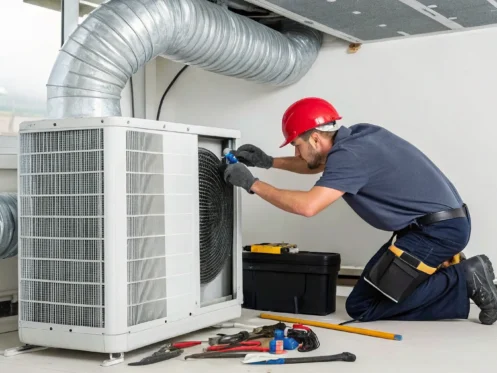
With the right unit selected, the physical installation begins. If you have a forced-air furnace, your new central air system will integrate with it. The process involves placing an outdoor condenser unit on a stable, level pad and connecting it to an indoor evaporator coil, which is typically installed on top of your furnace. Our technicians will then connect the two units with refrigerant lines. They will also check that your furnace’s fan is strong enough to handle the increased airflow needed for cooling. This integration is key to creating a seamless, year-round home comfort system that uses your existing heating services infrastructure.
Testing and Final Checks
The job isn’t finished once the equipment is in place. The final and most critical phase is testing. Even if your ducts are in generally good shape, they can have small leaks that have developed over time. A professional will inspect your ductwork, sealing any gaps to ensure the cool air your new system produces actually reaches your rooms instead of getting lost in the attic or crawlspace. We then test the entire system, checking refrigerant levels and airflow to each room to make sure everything is running at peak efficiency. This final check is essential for a balanced system and is a standard part of our cooling services.
Common Installation Hiccups to Watch For
Adding a central air conditioner to your home is an exciting upgrade, but pairing new technology with older infrastructure can sometimes lead to a few bumps in the road. Even with careful planning, you might encounter some quirks as your new system settles in. Being aware of these common issues ahead of time helps you know what to look for and what questions to ask your HVAC technician. A professional installation will address these potential problems from the start, but it’s always good to understand what’s happening behind the scenes (and in your walls).
When a new AC unit is connected to ductwork that was designed for a different type of system, like an old furnace, mismatches can occur. These can affect everything from the temperature consistency between rooms to the humidity levels in your home. For example, ducts that are too large, too small, or leaky can seriously undermine your new system’s performance, leading to higher energy bills and less comfort. The good news is that these are all solvable problems, especially when caught early. Below, we’ll cover the most frequent installation hiccups so you can feel confident about your home’s new cooling system.
Solving Uneven Airflow Issues
Have you ever noticed that your upstairs is much warmer than your downstairs, even with the AC running? This is a classic airflow problem. Since cool air is dense and sinks, it can be challenging to get it to the upper levels of your home, especially if your ductwork was originally designed for a heating system with floor vents. The cool air simply pools on the first floor, leaving the upstairs rooms uncomfortably warm. A skilled technician can solve this by balancing your system, which might involve installing dampers to redirect airflow or adjusting vent covers. Proper cooling services include a thorough evaluation to ensure every room gets the comfort it deserves.
Dealing with Temperature Swings
If your home feels cool but still a bit clammy, or if your AC seems to be working overtime without much effect, the problem could be airflow speed. Air needs to move through your system at just the right pace. If it moves too quickly, it won’t have enough time to remove humidity from the air, leaving you with that sticky feeling. If it moves too slowly, the indoor cooling coil can get too cold and freeze over, which can stop your system from working altogether. Achieving this balance is key to both comfort and system longevity. If you’re experiencing frustrating temperature swings in your Tucson home, it’s best to have a professional take a look.
What if the New System and Old Ducts Don’t Match?
Not all ductwork is created equal. Ducts designed for older heating systems, like gravity furnaces, are often the wrong size for modern, high-efficiency air conditioners. Ducts that are too large or too small will prevent your new AC from performing at its best. Another common issue is leaky ductwork. Over time, seals can degrade and create small gaps or holes. These leaks allow precious cool air to escape into your attic or crawlspace instead of your living areas, wasting energy and money. A professional can test your ducts for leaks and seal them properly, ensuring your new system and old ducts work together seamlessly.
How Much Does It Cost to Add Central Air?
Figuring out the budget for a new central air system is a top priority for any homeowner. The good news is that if your home already has ductwork from a furnace, you’re starting with a significant cost advantage. You get to skip the complex and expensive process of installing a brand-new duct system from scratch.
However, the final price tag depends on a few key factors. The main variables include the cost of the AC unit itself, the labor required for installation, and whether your existing ducts need any modifications to work efficiently with the new system. Understanding these components will help you get a clearer picture of the total investment and ensure there are no surprises along the way. Let’s break down what you can expect to pay for when adding central air to your home.
Breaking Down Equipment Costs
When you already have ductwork, your primary equipment costs are for the new air conditioning units. This typically includes the outdoor condenser and the indoor evaporator coil, which works with your furnace. You’re not just paying for the hardware; you’re also investing in getting the right size unit for your home’s square footage and layout. A system that’s too small will struggle to cool your home, while one that’s too large will cycle on and off too frequently, wasting energy. You might also consider a new smart thermostat to get the most out of your new, efficient cooling services.
What to Expect for Labor and Installation
On average, installing a new central air system using existing ductwork can range from $6,000 to $14,000. This estimate assumes your ducts are in good condition, properly sized, and well-sealed. The final cost will depend on the complexity of the job, the specific equipment you choose, and local labor rates in areas like Tucson and Marana. The best way to get an accurate number for your home is to have a professional technician take a look at your setup. You can schedule an online consultation to get a detailed, no-obligation estimate based on your home’s unique needs.
Budgeting for Potential Duct Modifications
Even if you have ductwork, it might not be in perfect shape. Over the years, ducts can develop small leaks, come loose at the seams, or collect debris. Leaky ducts can lose up to 30% of your cooled air before it ever reaches your rooms, which means you’re paying to cool your attic or crawlspace. A technician can inspect your ductwork for leaks and seal them to maximize efficiency. This small upfront investment can lead to significant savings on your energy bills down the road. Keeping your system in top shape with a maintenance agreement can also help prevent these issues from developing.
Should You Hire a Pro for the Installation?
While it can be tempting to tackle home improvement projects yourself, installing a central air conditioner is a complex job that requires specialized skills. Unlike painting a room or changing a light fixture, this installation involves working with electrical systems, refrigerant lines, and your home’s ductwork. A small mistake can lead to big problems, like poor performance, high energy bills, or even damage to the new unit. Hiring a professional ensures the job is done safely and correctly from the start, giving you peace of mind and a reliable cooling system for years to come.
DIY vs. Professional: Making the Right Choice
Installing central air involves much more than just connecting a new unit. A professional technician will first perform a thorough assessment of your home. This includes calculating the exact size and efficiency your new AC unit needs to be and evaluating the condition of your existing ductwork and insulation. An improperly sized unit can lead to short cycling or constant running, both of which waste energy and cause premature wear. A pro ensures your entire system works together efficiently, so you can get the most out of your investment in home cooling services.
How to Choose a Great HVAC Contractor
When you’re ready to hire a contractor, look for a team that prioritizes a detailed evaluation. A qualified technician should always perform a professional duct inspection to check for leaks or damage before connecting a new system. Sealing any leaks ensures the cool air your AC produces actually reaches your rooms instead of getting lost in the attic or crawlspace. Be sure to ask for quotes from a few local HVAC professionals in the Tucson area. A trustworthy contractor will provide a clear, written estimate and be happy to answer all your questions. When you’re ready for an expert opinion, you can schedule an online consultation with a certified team.
How to Care for Your New Central Air System
A new central air system is a fantastic investment in your home’s comfort, especially with the intense heat we get in Tucson. To keep it running smoothly and efficiently for years to come, a little regular care goes a long way. Think of it like routine maintenance for your car; these simple steps protect your investment, prevent surprise breakdowns, and help keep your energy bills in check. By staying on top of a few key tasks, you can ensure your system delivers cool, reliable air when you need it most.
Your Essential Maintenance Checklist
Keeping your new AC in top shape doesn’t have to be complicated. Start with one of the easiest yet most important tasks: changing the air filter. A clogged filter forces your system to work harder, which wastes energy and can lead to damage. Check it once a month and plan to replace it every three months. You should also take a walk outside and make sure the area around your outdoor unit is clear of leaves, branches, and debris to allow for proper airflow. For everything else, having a professional take a look is your best bet. An annual tune-up is the perfect way to catch small issues before they become big problems, and our maintenance agreement makes scheduling that visit simple and stress-free.
Simple Tips to Save Energy and Money
Beyond basic maintenance, a few smart habits can make a real difference in your cooling costs. If you don’t already have one, a programmable or smart thermostat is a game-changer. You can set it to use less energy while you’re at work or asleep, tailoring your cooling schedule to your life. Also, make sure your ductwork is properly sealed and insulated. Leaky ducts can lose a significant amount of cool air before it ever reaches your rooms, forcing your new system to run longer to cool your home. If you suspect any issues with your system’s performance or just want an expert opinion, our team is always ready to help with professional cooling services in Tucson, Marana, and Sahuarita.
Related Articles
- New AC Unit Installation: A Step-by-Step Guide
- HVAC Efficiency 101: The Ultimate Homeowner’s Guide
- AC Not Blowing Cold Air But Running? What to Check
Frequently Asked Questions
How can I tell if my old furnace is compatible with a new AC unit? The age of your furnace isn’t the only thing that matters. The most important factors are whether it has enough physical space for the new indoor cooling coil and if its blower motor is powerful enough to circulate the heavier, cool air. Most modern forced-air furnaces are designed to work with a central air conditioner, but a technician can confirm this for you with a quick inspection.
My house already has hot and cold spots. Will a new central air system fix this? A new AC unit by itself likely won’t solve uneven temperature issues. Hot and cold spots are usually a sign of problems within your ductwork, such as leaks, blockages, or an unbalanced system. Before installing a new unit, it’s best to have a professional assess your ducts. They can often make adjustments, like sealing leaks or adjusting dampers, to ensure conditioned air is distributed evenly to every room.
How long does the installation process usually take if I’m using my existing ducts? When your ductwork is in good shape, the installation is much faster than starting from scratch. Most installations can be completed in a day or two. The process involves setting up the outdoor and indoor units, connecting the refrigerant and electrical lines, and then testing the entire system to make sure everything is running perfectly.
Is it worth paying for duct repairs, or should I just get a whole new system? In almost every case, repairing your existing ducts is far more cost-effective than a full replacement. Sealing leaks, adding insulation, or even resizing a few sections are targeted fixes that make a huge impact on comfort and efficiency. A full ductwork replacement is a major, disruptive renovation, so it’s typically only necessary if the system is severely damaged or completely wrong for your home.
What’s the most important thing to look for when hiring a contractor for this job? Look for a contractor who insists on a thorough evaluation before giving you a quote. A great technician won’t just talk about AC models; they will want to inspect your furnace, check your electrical panel, and, most importantly, perform tests on your ductwork to check for leaks and proper airflow. This comprehensive approach shows they are focused on creating a system that will work efficiently for your specific home.