There’s a certain satisfaction that comes from fixing something in your own home. But while tackling a leaky sink or painting a room is a great weekend project, some jobs are strictly for the professionals. Gas line work is at the very top of that list. Due to the high risk of fire, explosion, and carbon monoxide poisoning, attempting a DIY fix is incredibly dangerous. The tools, training, and safety protocols required are non-negotiable. This guide will explain the common causes of gas line damage, the warning signs you need to watch for, and why calling a certified expert for gas line repair is the most important decision you can make.
Key Takeaways
- Know the Safety Protocol for a Suspected Leak: If you smell rotten eggs or hear a hissing sound, your only job is to get everyone out of the house immediately. Don’t touch light switches or use your phone until you are a safe distance away, then call for emergency help.
- Gas Line Work is Strictly for Professionals: The risks of a DIY repair, including fire or explosion, are far too high. Always hire a licensed and certified technician who has the proper tools and training to handle gas lines safely and according to code.
- Prevent Emergencies with Proactive Care: You can avoid most gas line issues by scheduling annual professional inspections to catch corrosion early. Also, remember to call 811 to have underground lines marked before you do any digging in your yard.
What Is Gas Line Repair?
Gas line repair involves the professional service of fixing or replacing the pipes that deliver natural gas or propane to your home’s appliances, like your furnace, water heater, and stove. It’s one of the most critical services a homeowner might ever need because gas line problems are incredibly dangerous. A damaged or leaking line isn’t just an inconvenience; it’s a serious safety hazard that can lead to fires, explosions, or carbon monoxide poisoning. This is why gas line work should never be a DIY project and must be handled by a licensed professional.
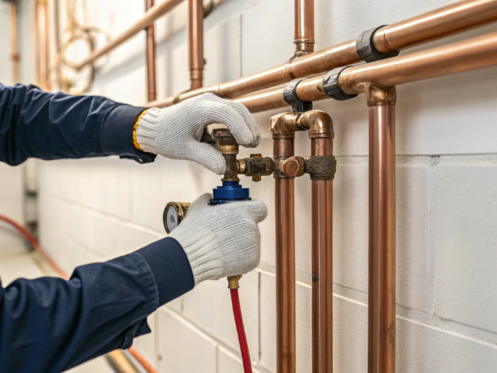
When you have an issue with a gas line, a certified technician will come to your home to locate the source of the problem, whether it’s a corroded pipe, a loose fitting, or damage from an external source. They use specialized equipment to detect leaks and ensure the repair is done safely and correctly. The process includes a thorough inspection, a clear explanation of the issue, and a precise repair or replacement that meets all local safety codes. The goal is to restore the safe flow of gas to your appliances and give you peace of mind. Because the stakes are so high, it’s essential to rely on trained professionals who understand the procedures and safety protocols required to handle these systems.
Common Gas Lines in Your Home
It’s helpful to understand which gas lines are your responsibility. The utility company owns and maintains the main gas line that runs to the meter outside your property. However, from the meter to your house and throughout your home, those lines belong to you. This network of pipes, which connects to your furnace, water heater, fireplace, and kitchen stove, is your responsibility to maintain and repair. When one of these lines has an issue, you’ll need to call a licensed plumber. Our team is fully certified to handle all types of residential plumbing and gas line services, ensuring your system is safe and up to code.
When You Need Gas Line Repair
If you even suspect a gas leak, you need to act quickly and put safety first. Natural gas is odorless, so utility companies add a chemical called mercaptan to give it a distinct smell, often described as rotten eggs or sulfur. This is the most obvious sign of a leak. Other red flags include a hissing or whistling sound near a gas line or appliance, bubbles in standing water outside, or houseplants that are suddenly dying for no apparent reason. Don’t wait to see if the problem gets worse. A gas leak is an emergency, and you should contact a professional or emergency services right away.
Warning Signs of a Gas Leak
Knowing how to spot a gas leak is one of the most important things you can do to keep your home and family safe. Gas leaks are serious, but the signs are often subtle and easy to miss if you aren’t paying attention. By learning to recognize unusual smells, sounds, and even physical symptoms, you can catch a problem before it becomes an emergency. Trust your senses—if something feels off, it’s always worth investigating.
A Rotten Egg Smell
The most common sign of a gas leak is that distinct smell of rotten eggs or sulfur. Natural gas is actually odorless on its own, so utility companies add a chemical called mercaptan to give it that foul smell as a safety measure. If you catch a whiff of this odor, especially near gas appliances like your stove, furnace, or water heater, take it seriously. This smell is your first and clearest warning that you may have a leak in your home’s residential plumbing system and need to act quickly.
Hissing or Whistling Noises
Sometimes, you can hear a gas leak before you smell it. A damaged pipe or a loose fitting can create a faint but steady hissing or whistling sound as gas escapes. You’re most likely to hear this near your gas lines, meter, or appliances. If you suspect a leak, turn off any background noise like the TV or radio and listen carefully. While it might seem like a small sound, a hiss is a direct indication that gas is actively leaking and that a part of your system needs immediate, professional repair.
Dead Plants and Other Visual Clues
A gas leak can also leave visual clues, particularly outside your home. If you have an underground gas line, a leak can starve the surrounding soil of oxygen, causing a patch of grass, shrubs, or other plants to suddenly turn brown and die. You might also notice bubbles in standing water or see dust blowing from a spot in the ground on a calm day. These are all signs that gas is escaping from a buried line on your property and affecting the environment around it.
Unexplained Physical Symptoms
Gas leaks can have a direct and dangerous impact on your health. Because leaking gas displaces oxygen in the air, exposure can lead to physical symptoms like dizziness, headaches, nausea, fatigue, and confusion. If you or your family members start feeling unwell without a clear reason, a gas leak could be the cause. Pay close attention if the symptoms seem to improve when you leave the house and return once you’re back inside. Your health is the top priority, so if you notice these signs, evacuate the area and schedule an inspection right away.
What to Do If You Suspect a Gas Leak
If you notice any of the warning signs of a gas leak, your next steps are critical. Acting quickly and correctly can protect your family and your property. It’s easy to feel panicked in a situation like this, but following a clear safety plan makes all the difference. Here’s exactly what you need to do—and what you absolutely should not do—the moment you suspect a gas leak in your home.
Step 1: Evacuate Immediately
Your absolute first priority is safety. Get everyone, including pets, out of the house immediately. Don’t waste a second trying to find the source of the leak or grabbing personal belongings—just go. On your way out, leave the door open to help ventilate the building. The goal is to put as much distance as possible between you and the potential leak. Once everyone is a safe distance away, like at a neighbor’s house down the street, you can move on to the next step. Remember, things can be replaced, but people can’t.
What to Avoid During a Gas Leak
Natural gas is highly flammable, and the smallest spark can cause a fire or explosion. That’s why it’s crucial to avoid anything that could create one. Do not flip any light switches on or off. Don’t use your landline or cell phone inside the house, and don’t unplug any appliances. Avoid using lighters, matches, or creating any kind of flame. You should also avoid starting your car if it’s parked in an attached garage. Anything with an electrical charge or open flame is a serious hazard until you are far away from the property and the gas has been shut off by a professional.
Who to Call for Emergency Help
Once you are safely outside and away from the building, it’s time to call for help. First, contact your local gas utility’s emergency number to report the leak so they can shut off the supply. If the smell is very strong or if anyone is feeling ill, call 911 immediately. After you’ve made those calls, you’ll need a certified professional to handle the gas line repair. Our team at Fusion Plumbing & Air is available 24/7 for emergency residential plumbing services. We have the expertise to safely locate the source of the leak, perform the necessary repairs, and ensure your system is secure before restoring service.
What Causes Gas Line Damage?
Gas lines are built to last, but they aren’t invincible. Damage can happen for a variety of reasons, some of which are completely out of your control. Understanding what puts your gas lines at risk is the first step in preventing a dangerous situation. From the natural aging process of your home’s infrastructure to accidental mishaps during a weekend project, several factors can compromise the integrity of these crucial pipes. Knowing the common culprits helps you stay vigilant and recognize when it’s time to call for a professional inspection. Let’s walk through the main causes of gas line damage so you can keep your home and family safe.
Aging and Corroded Pipes
Just like any other part of your home, gas pipes have a lifespan. Over time, materials like steel and iron can corrode, especially when exposed to moisture and soil minerals. This corrosion creates weak spots, rust, and tiny cracks that can eventually lead to a gas leak. If your home is older, the pipes may simply be reaching the end of their service life. While a small repair might seem like a quick fix, severely corroded or rusty pipes often require a full replacement to ensure safety. It’s always better to address the root cause rather than patching up a system that’s already failing.
Accidental Damage
One of the most common causes of gas line damage is accidental impact. This often happens during landscaping, excavation, or even simple DIY home improvement projects. You might be digging a new garden bed or setting a fence post and unknowingly strike a buried gas line. Even utility work in the neighborhood can sometimes lead to accidental damage. These incidents can cause immediate and significant leaks. That’s why it’s so important to know where your utility lines are before you start any project that involves digging. A quick call can help you locate underground lines and prevent a dangerous mistake.
Improper Installation or Maintenance
Gas line work is not a DIY job. Proper installation requires specific materials, techniques, and a deep understanding of local building codes to ensure everything is sealed and connected correctly. If a line was installed by someone without the right training or license, it could have been done with substandard materials or improper fittings, creating a hazard from day one. Similarly, a lack of regular professional maintenance can allow small issues to grow into major problems. Only licensed and trained plumbers should ever work on gas lines, as their expertise is crucial for preventing future leaks and ensuring your system is safe.
Shifting Soil and Weather
Here in Arizona, the ground isn’t always static. Shifting soil, erosion, and even seismic activity can put immense stress on underground pipes. As the ground moves, it can bend, warp, or even break gas lines, compromising their connections and integrity. Extreme weather can also play a role, as heavy rains can saturate the soil and cause it to shift. This kind of damage is often hidden from view, making it particularly dangerous. If you notice signs of significant ground settling on your property, it’s a good idea to have your underground plumbing and gas lines inspected to catch any potential issues early.
The Professional Gas Line Repair Process
Once you’ve safely evacuated and called for help, you might wonder what happens next. A professional gas line repair isn’t just a quick fix; it’s a meticulous process designed to keep you and your property safe. Our certified technicians follow a strict, multi-step procedure to handle the situation correctly from start to finish. Here’s a look at what you can expect when a Fusion expert arrives at your door.
Detecting and Assessing the Leak
The first order of business is to confirm there’s a leak and find exactly where it’s coming from. While you might have noticed a rotten egg smell or a hissing sound, our technicians use professional-grade gas leak detectors to pinpoint the source with precision. They’ll thoroughly inspect your gas lines, fittings, and appliances to assess the extent of the damage. This careful investigation helps us understand the full scope of the problem, ensuring we address the root cause and not just the symptoms of the leak.
Safely Shutting Off the Gas
Your safety is the absolute top priority. Before any repair work begins, the technician will immediately shut off the gas supply at the meter or the valve leading to the affected line. This crucial step stops the flow of gas, eliminates the immediate danger, and creates a safe environment for our team to work. We never take chances when it comes to gas. Securing the line is a non-negotiable part of our process, allowing us to move on to the repair phase without risk of fire, explosion, or further gas exposure.
Repairing or Replacing the Line
With the gas off and the area secured, we can get to work on the fix. Depending on the age and condition of your pipes, this could mean a simple repair or a full replacement. For minor issues like a loose fitting or a small crack, a targeted repair might be all that’s needed. However, if the pipe is old, corroded, or extensively damaged, replacing the entire section is the safest long-term solution. We’ll walk you through the options and explain why we recommend a specific course of action for your home’s residential plumbing system.
Testing for Safety and Restoring Your Property
After the repair or replacement is complete, we don’t just pack up and leave. We conduct thorough pressure tests on the gas line to guarantee it’s perfectly sealed and 100% leak-free. This is a critical safety check to confirm the integrity of our work. Once we’re certain the line is secure, we’ll safely restore your gas service, relight the pilot lights on your appliances, and ensure everything is functioning correctly. Our goal is to leave your home safer than we found it, so you can have complete peace of mind when you schedule online with us.
How Much Does Gas Line Repair Cost?
Let’s talk about one of the biggest questions on every homeowner’s mind: the cost. When you’re dealing with something as critical as a gas line, you want the problem fixed correctly and safely, but you also need to understand the potential impact on your budget. Gas line repair costs aren’t one-size-fits-all; they can vary quite a bit depending on the specifics of your situation.
Understanding the typical price range and the factors that influence it can help you prepare and avoid surprises. From minor fixes to major replacements, knowing what to expect financially is the first step toward making a clear-headed decision in a stressful situation. Here’s a breakdown of what goes into the cost of a professional gas line repair.
Typical Repair Costs
On average, most homeowners spend around $600 for a gas line repair. The typical price range falls somewhere between $270 and $940. Of course, this is just a ballpark figure. A simple, minor fix might only cost you about $120. On the other end of the spectrum, a complex job—like one that requires digging up a buried line in your yard—could run as high as $5,000. This wide range is why it’s so important to get a detailed quote from a certified technician who has assessed the problem in person.
What Influences the Final Price?
So, why the big difference in price? Several key factors determine the final cost of your repair. The biggest one is the accessibility of the gas line. If the damaged pipe is easy to get to, the labor costs will be lower. However, if the line is hidden behind a wall, tucked away in a tight crawlspace, or buried underground, the job becomes much more involved. Technicians will need to cut through drywall or excavate your yard to reach the pipe, which adds significant time and labor to the project. The extent of the damage also plays a huge role.
Potential Additional Costs
Beyond the basic repair, a few other expenses might pop up. For example, if the leak was behind a wall, you’ll need to factor in the cost of drywall repair, which can add several hundred dollars to the total. If digging is required, excavation costs can quickly push the price into the thousands. Other potential costs include a system inspection, a pressure test to confirm the repair is secure, or capping an old line that’s no longer in use. When you need professional plumbing services, a good technician will outline all these potential costs upfront so you know exactly what to expect.
Common (and Dangerous) Gas Line Mistakes
When it comes to your home’s gas lines, what you don’t know can hurt you. A potential gas leak is one of the most serious issues a homeowner can face, and how you react in those first few moments is critical. Unfortunately, in a moment of panic, it’s easy to make a mistake that can turn a dangerous situation into a catastrophic one.
Understanding these pitfalls is the first step toward keeping your family and property safe. From brushing off subtle warning signs to underestimating the complexity of the repair, these errors are easy to make when you’re trying to solve a problem quickly. Let’s walk through the most frequent—and hazardous—mistakes people make when dealing with their gas lines, so you can be prepared to act correctly and confidently if you ever suspect a problem.
Ignoring the Warning Signs
It’s easy to dismiss a faint, strange smell or a sound you can’t quite place. But when it comes to gas lines, even the smallest clue deserves your full attention. Ignoring the warning signs of a gas leak is a gamble you can’t afford to take. Be on the lookout for a distinct sulfur or rotten egg odor, a hissing or whistling sound near gas pipes, or even a patch of dead grass or dying plants in your yard above a buried gas line. An unexpectedly high gas bill can also be a red flag. These are your home’s early-warning system, and paying attention to them is the first line of defense against a potential disaster.
Trying to Fix It Yourself
The DIY spirit is great for painting a room or assembling furniture, but it has no place in your home’s gas system. Attempting to fix a gas line on your own is incredibly dangerous. These systems are complex and pressurized, and one wrong move could lead to a fire, an explosion, or carbon monoxide poisoning. Tasks like gas line repair should only ever be handled by licensed and trained professionals who have the right tools, knowledge, and safety protocols to do the job correctly. It might be tempting to try a quick fix, but the risks are far too high. For your safety and peace of mind, always leave it to the experts.
Using Electronics Near a Suspected Leak
If you think you have a gas leak, your first instinct might be to grab your phone to call for help or flip on a light switch to see better. Please, don’t do this. Natural gas is highly flammable, and even a tiny spark can ignite it. Using any electronic device—including your cell phone, landline, light switches, or even ringing a doorbell—can create that spark. The safest thing you can do is leave everything as is. Don’t touch any electronics or appliances. Just get everyone out of the house immediately and call for help from a safe distance away from the property.
Waiting to Call a Professional
When you suspect a gas leak, time is not on your side. Hesitation can have devastating consequences. Some people wait, thinking the smell might go away or that it’s not a big deal. This is a critical mistake. As soon as you smell gas or notice any other warning sign, your immediate priority is to evacuate the building. Once you are safely outside and away from the house, call 911 or your local gas utility’s emergency line. After the immediate danger is addressed, you’ll need a certified technician to find and fix the source. Acting quickly is the most important thing you can do to protect your home and your loved ones.
How to Prevent Future Gas Line Problems
Staying on top of your home’s gas system is one of the best ways to ensure your family’s safety and avoid the stress of an emergency repair. Being proactive doesn’t have to be complicated. By building a few simple habits into your home maintenance routine, you can protect your gas lines and catch potential issues long before they become serious hazards. Think of it as a small investment in your peace of mind.
Schedule Regular Inspections
Just like your car or your HVAC system, your gas lines benefit from a regular check-up. We recommend having a qualified plumber inspect your gas system at least once a year. During an inspection, a professional can spot early signs of corrosion, wear, or minor leaks that are invisible to the naked eye. This simple step is the most effective way to catch problems early and handle them on your own terms. Our maintenance agreement includes comprehensive safety checks to keep your home’s essential systems running smoothly and safely.
Know Your Home’s Safety Measures
Preparation is your best defense. Make sure everyone in your household knows the immediate steps to take if they suspect a gas leak: evacuate the house, don’t use any electronics or light switches, and call for help from a safe distance. It’s also a good idea to know where your gas meter and shut-off valve are located. While you should always leave the hands-on work to a licensed professional, knowing the location can be helpful when you’re on the phone with emergency services or your plumbing team.
Protect Gas Lines During Home Projects
Planning a landscaping project or a home renovation? Accidental damage from digging is a common cause of gas line emergencies. Before you start any project that involves digging, always call 811 to have your underground utility lines marked. This is a free service and it’s the law. If your renovation involves moving appliances or walls, remember that gas line work is not a DIY job. It requires specific tools, training, and licensing to be done safely. If you’re planning a project, it’s always best to schedule a consultation with a professional to ensure the work is done right.
Need a Gas Line Expert in Tucson?
When you’re dealing with a potential gas line issue, there’s no room for guesswork. Your safety, and the safety of everyone in your home, is the top priority. Gas line repair is absolutely not a DIY project; it requires specialized knowledge, tools, and a deep understanding of safety protocols to prevent serious risks like fires or carbon monoxide poisoning. Attempting to fix it yourself can have devastating consequences.
That’s why it’s essential to call a licensed professional. In Tucson, you need a plumber with the right qualifications and experience to handle gas systems safely and correctly. A certified technician can accurately diagnose the problem, perform the necessary residential plumbing repairs, and ensure your system is up to code and completely secure before leaving your property. They have the training to manage every step of the process, from leak detection to final safety checks.
At Fusion Plumbing & Air, our team of certified technicians is always ready to help. We understand the urgency of gas line problems and are equipped to provide fast, reliable, and safe solutions for your home or business. We treat your property with the same care we’d want for our own families. If you suspect a leak or need a professional inspection, don’t hesitate. You can schedule an appointment online or call us anytime for 24/7 emergency service. Your peace of mind is our primary goal.
Related Articles
- Gas Line Repair and Installation Tucson, AZ | Fusion
- 9 Signs of a Gas Line Leak in Your Home | Fusion
- Our Services | Fusion Plumbing & Air | Tucson, AZ
- 5 Signs That Your Main Water Line Is In Trouble | Fusion Plumbing
- Sewer Line Repair & Replacement Tucson, AZ | Fusion Plumbing
Frequently Asked Questions
How often should I have my gas lines inspected? Think of it like an annual check-up for your home’s most critical systems. We recommend having a licensed professional inspect your gas lines once a year. This isn’t just about ticking a box; it’s about catching subtle issues like early-stage corrosion or minor fitting stress before they can develop into a serious safety hazard. A yearly inspection is one of the simplest and most effective ways to ensure everything is in good working order and to give yourself valuable peace of mind.
Is it safe to shut off the gas myself if I suspect a leak? Your only job in that moment is to get yourself and your family out of the house safely. While it might seem proactive to try and shut the gas off at the meter, it’s best to leave that to the professionals. Fumbling with valves you’re unfamiliar with can create additional risks. The safest and most effective protocol is to evacuate immediately, get a safe distance away from the property, and then call your utility company’s emergency line or 911.
My home is new, so are my gas lines automatically safe? While new construction means you don’t have to worry about old, corroded pipes, it doesn’t guarantee a problem-free system. Gas line issues in new homes can arise from improper installation during the building phase or from accidental damage. For instance, landscaping work, fence installation, or even significant soil settling around the foundation can put stress on or damage buried lines. It’s always wise to be aware of the warning signs, no matter the age of your home.
Will my carbon monoxide detector alert me to a natural gas leak? This is a fantastic question, and the answer is no. These two devices detect completely different dangers. A natural gas detector is designed to sense the raw, unburned gas leaking from a pipe or fitting. A carbon monoxide (CO) detector senses the presence of carbon monoxide, a toxic, odorless gas created when fuel burns incompletely. For comprehensive safety, you really need both types of detectors in your home.
What determines if a gas line needs a simple repair versus a full replacement? The decision really comes down to the overall health and integrity of the pipe. If the problem is a single, isolated issue—like a loose fitting on a pipe that is otherwise in great shape—a targeted repair is often sufficient. However, if a technician finds widespread corrosion, rust, or significant damage along a section of the line, a full replacement is the only responsible and safe long-term solution. It’s about addressing the root cause, not just patching a symptom.