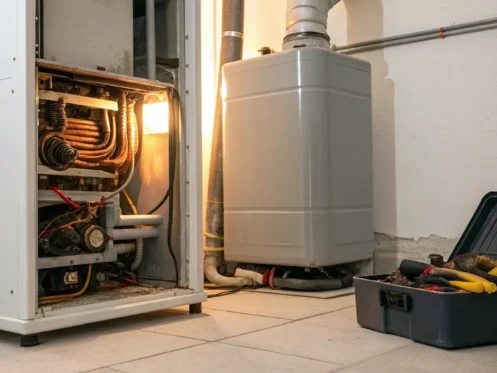
That persistent rattling from the utility closet or the unexplained spike in your energy bill are more than just minor annoyances—they’re often the first signs that your furnace is on its last legs. Once you accept that a replacement is on the horizon, your focus immediately shifts to the budget. The overall furnace replacement cost is one of the most significant investments you’ll make in your home, and it’s crucial to understand what you’re paying for. This article is designed to be your guide, breaking down the costs associated with different furnace types, efficiency ratings, and installation requirements, so you can feel prepared and in control of the process from start to finish.
Key Takeaways
- Look Beyond the Sticker Price: Your final furnace cost is a custom quote based on the unit’s fuel type, its energy efficiency rating, your home’s size, and the complexity of the professional installation.
- Assess if It’s Time for a Replacement: Consider replacing your furnace if it’s over 15 years old or if a single repair costs half as much as a new unit. Frequent breakdowns and rising energy bills are also clear signs it’s time to upgrade.
- Prioritize Long-Term Savings Over Upfront Price: A cheaper furnace isn’t always the most affordable. Investing in a high-efficiency model and protecting your system with a warranty and maintenance plan will save you more money over time.
How Much Does a New Furnace Cost?
Let’s talk numbers. When your old furnace is on its last legs, the first question on your mind is probably, “How much is this going to cost me?” The honest answer is: it varies. A lot. A complete furnace replacement can cost anywhere from $3,800 to $10,000. For a typical home, the national average for a new gas furnace installation lands around $7,000.
But that’s just a ballpark figure. The final price depends on several key factors, like the type of fuel your furnace uses, its energy efficiency rating, and the size of your home. The complexity of the installation and any necessary ductwork modifications also play a big role. Think of it less like buying a product off the shelf and more like a custom project for your home. Our team provides expert heating services across Tucson, Marana, and Sahuarita, and we always start with a thorough assessment to give you a clear, upfront quote. We’ll look at your existing setup, discuss your needs, and make sure you understand every part of the estimate. Understanding these variables is the first step to creating a realistic budget and making a smart investment in your home’s comfort for years to come.
Average Costs by Furnace Type
The type of fuel your furnace uses is one of the biggest factors in its price. Natural gas furnaces are the most common, but they also have the widest price range, typically from $3,800 to $10,000. Electric furnaces are usually less expensive upfront, falling between $2,000 and $6,000. If your home uses propane or oil, you can expect to pay somewhere in the middle. Propane units generally cost $3,000 to $5,000, while oil furnaces are on the higher end, from $6,000 to $10,000. These cost estimates reflect not just the unit itself but also the complexity of installation and local fuel availability for each type.
How Home Size Affects the Price
A furnace that’s too small will struggle to heat your home, while one that’s too big will cycle on and off too frequently, wasting energy and causing unnecessary wear. That’s why getting the right size is crucial, and it’s directly tied to your home’s square footage. A smaller home around 1,000 square feet might need a furnace costing between $3,500 and $5,500. For a mid-sized home of 1,500 to 2,000 square feet, the price typically ranges from $5,000 to $7,500. Larger homes over 2,000 square feet will require a more powerful—and more expensive—unit, often costing $6,000 to $9,000. Our technicians can perform a proper load calculation to ensure your new heating system is perfectly sized for your space.
What Affects the Cost of a New Furnace?
When you start looking at furnace replacement, the price tag can feel a bit like a moving target. That’s because the final cost isn’t just for the furnace itself; it’s a combination of several important factors. The total investment for a new furnace installation typically falls between $4,000 and $10,000, but understanding what influences that range is key to making a smart decision for your home and budget. Think of it less as a single purchase and more as a customized solution for your home’s specific needs.
From the type of fuel it uses to its energy efficiency rating, every detail plays a role. The size of your home and the complexity of the installation also have a major impact on the final quote. Getting familiar with these elements will help you understand exactly what you’re paying for and why one furnace might be priced differently from another. Our goal is to provide expert heating services that keep you comfortable, and that starts with helping you understand your options. Let’s break down the four main components that determine the cost of a new furnace.
Furnace Type and Fuel Source
The first major factor in the cost of your new furnace is the type of fuel it uses. In Tucson and the surrounding areas, the most common options are natural gas and electricity. Natural gas furnaces often have a higher upfront cost, typically ranging from $3,800 to $10,000, but can offer lower monthly operating costs if you have access to a gas line. Electric furnaces are generally less expensive to purchase, with prices between $2,000 and $6,000, making them an accessible option. However, their running costs can be higher depending on local electricity rates. The right choice depends on your home’s existing connections and your long-term budget goals.
Energy Efficiency (AFUE Rating)
A furnace’s efficiency is measured by its Annual Fuel Utilization Efficiency (AFUE) rating. Think of it like the MPG rating on a car—the higher the number, the more heat you get for every dollar you spend on fuel. A standard-efficiency furnace might have an AFUE of 80%, meaning 80% of the fuel is converted to heat and 20% is lost. High-efficiency models, with AFUE ratings of 90% or more, cost more upfront (sometimes up to $12,000), but they can significantly reduce your monthly utility bills. Investing in a higher AFUE rating often pays for itself over the furnace’s lifespan through energy savings.
Installation and Labor
You’re not just buying a piece of equipment; you’re paying for the skill and expertise required to install it safely and correctly. Labor costs typically make up a significant portion of the total price, often between $1,000 and $3,000. This fee covers the work of certified technicians who will remove your old unit, ensure the new one is properly connected, test the system, and make sure everything is up to code. Proper installation is critical for your furnace’s performance, efficiency, and longevity, so this is one area where you don’t want to cut corners. When you’re ready for a professional quote, you can schedule an appointment online with our team.
Your Home’s Size and Heating Needs (BTUs)
Furnaces are sized by their heating output, measured in British Thermal Units (BTUs). It’s crucial to get a furnace that’s the right size for your home. A unit that’s too small will run constantly without ever properly heating your space, while one that’s too large will cycle on and off too frequently, wasting energy and causing unnecessary wear and tear. A professional will calculate your home’s specific heating needs based on its square footage, insulation, and layout. For example, a 1,500-square-foot home might need a furnace that costs between $5,000 and $7,500, while a larger 2,500-square-foot home could require a unit costing up to $9,000.
Breaking Down Costs by Furnace Type
The fuel your furnace uses is one of the biggest factors in its overall cost, both for the unit itself and for your monthly energy bills. Natural gas, electricity, oil, and propane are the most common options, and each comes with a different price tag. Understanding these differences is the first step in choosing the right system for your home in Tucson, Oro Valley, or the surrounding communities. Let’s look at the typical cost ranges you can expect for each type, so you can get a clearer picture of the investment.
Gas Furnace Costs
Gas furnaces are the most popular choice for home heating in areas with access to natural gas lines. They are known for being reliable and cost-effective to run. The upfront cost for a standard gas furnace typically falls between $3,000 and $6,000. While our winters in Tucson aren’t as harsh as in other parts of the country, the final price will still depend on the unit’s size, efficiency rating, and the complexity of the installation. Our team can help you find the right model for your home’s specific needs and provide a full range of heating services to ensure it’s installed perfectly.
Electric Furnace Costs
Electric furnaces are another common option, especially in homes that don’t have a natural gas connection. They tend to be less expensive to purchase and install, with costs generally ranging from $2,000 to $6,000. However, their operating costs can be higher since electricity often costs more than natural gas. An electric furnace can be a great choice for smaller homes in areas like Marana or Sahuarita, or for homeowners who prioritize a lower upfront investment. They are also known for their durability and long lifespan, making them a dependable heating solution for many years.
Oil and Propane Furnace Costs
While less common in Tucson, oil and propane furnaces are important options for homes without access to the natural gas grid. Oil furnaces are typically the most expensive, with prices ranging from $6,000 to $10,000, plus the cost of a storage tank. Propane furnaces are a bit more affordable, usually costing between $3,000 and $5,000. Both require on-site fuel storage and regular deliveries, which adds another layer to managing your home’s heating. These systems are powerful and effective, making them a solid choice for properties in more remote locations.
High-Efficiency Furnace Costs
If long-term savings are your priority, a high-efficiency furnace is worth considering. These units can cost up to $12,000, but they are designed to convert more fuel into heat, which significantly lowers your monthly utility bills. A high-efficiency model is an investment that pays for itself over time through energy savings. To keep these advanced systems running at their peak, regular tune-ups are essential. A consistent maintenance agreement ensures your furnace operates efficiently year after year, protecting your investment and keeping your home comfortable while using less energy.
Repair or Replace? How to Decide
Deciding whether to repair your furnace or replace it entirely is a major decision. It’s not just about the upfront cost; it’s about your home’s comfort, your energy bills, and your peace of mind for years to come. While a quick fix might seem tempting, it can sometimes be a temporary solution to a much bigger problem. Let’s walk through the key factors to help you make a confident and cost-effective choice for your home in Tucson.
Consider Your Furnace’s Age
One of the most straightforward indicators is your furnace’s age. A well-maintained furnace typically lasts between 15 and 20 years. If your unit is approaching this age range or has already passed the 20-year mark, replacement often becomes the more logical option. As furnaces get older, their efficiency drops, and critical components begin to wear out. Investing in a major repair for a system that’s near the end of its life may not be the best use of your money. Thinking about a replacement proactively can save you from a sudden breakdown during a cold spell. Our team can assess your current system and provide honest advice on your heating services options.
Are Your Repair Bills Piling Up?
Are you on a first-name basis with your HVAC technician? Frequent repairs are a clear sign that your furnace is on its last legs. A good rule of thumb is the 50% rule: if a repair costs 50% or more of the price of a new furnace, it’s time to replace it. This is especially true if your furnace is already more than two-thirds of the way through its expected lifespan. Pouring money into an aging system can feel like a losing battle. Instead of paying for one expensive repair after another, that money could be a down payment on a new, reliable, and energy-efficient unit that will save you money in the long run.
Warning Signs It’s Time for a Replacement
Sometimes your furnace will give you clear hints that it’s time for a change, even if it hasn’t broken down completely. Just because your system is still running doesn’t mean it’s running efficiently or safely. Keep an eye out for these warning signs:
- Rising Energy Bills: If your heating costs are climbing without a change in your usage, your furnace is likely losing efficiency.
- Strange Noises: Loud banging, rattling, or squealing sounds can indicate serious mechanical issues.
- Uneven Heating: Are some rooms in your house cozy while others are freezing? This suggests your furnace can no longer distribute heat effectively.
- Visible Rust or Cracks: Any visible corrosion or cracks on the furnace itself, especially on the heat exchanger, are a major red flag and a potential safety hazard.
Regular check-ups can help catch these problems early. A consistent maintenance agreement ensures a professional is inspecting your system and can alert you when it’s time to plan for a replacement.
What Are the Hidden Costs of Furnace Replacement?
When you start shopping for a new furnace, the sticker price on the unit is what usually catches your eye. But that number is just one piece of the puzzle. The final invoice for a full replacement often includes several other essential costs, and knowing what to expect helps you budget accurately and avoid surprises. These aren’t “hidden” fees that a reputable company tries to sneak past you; they are necessary parts of a safe, efficient, and code-compliant installation.
Think of it like buying a car—the manufacturer’s suggested retail price is just the starting point. You still have taxes, registration, and other fees to get it on the road. A furnace replacement is similar. The total cost includes the labor to install it, potential modifications to your home’s ductwork, local permits, and sometimes even electrical upgrades. A trustworthy technician will always provide a detailed quote that breaks down every line item, so you know exactly what you’re paying for. At Fusion Plumbing & Air, we believe in full transparency, ensuring you have a clear picture of the total investment in your home’s comfort and safety from the very beginning.
Labor and Installation
The cost of labor is a significant part of your total furnace replacement bill, often making up 30% to 50% of the final price. This fee covers more than just the physical work of removing your old unit and putting in the new one. You’re paying for the expertise and training of certified technicians who know how to handle the complexities of electrical wiring, gas lines, and ventilation. Proper installation is critical for your system’s efficiency and your family’s safety. An incorrectly installed furnace can lead to poor performance, a shorter lifespan, and even dangerous carbon monoxide leaks. Our team of skilled professionals provides expert heating services across Tucson, ensuring every installation meets the highest safety and quality standards.
Ductwork Repairs or Modifications
Your new furnace is only as good as the ductwork that distributes its warm air. If your ducts are old, leaky, or improperly sized for your new system, you won’t get the efficiency or comfort you’re paying for. During an inspection, a technician might find that your existing ductwork needs repairs or changes, which can add anywhere from $500 to $3,000 to the project cost. This might involve sealing leaks, replacing damaged sections, or even rerouting ducts to improve airflow. While it’s an added expense, investing in your ductwork ensures your new high-efficiency furnace can actually perform at its best, saving you money on energy bills for years to come.
Permits and Code Compliance
Replacing a furnace isn’t a simple appliance swap; it’s a major home system installation that requires a permit from your local municipality. This is a non-negotiable step that ensures the work is done to current safety codes. The cost for permits and subsequent inspections can range from $50 to $300, depending on where you live in the Tucson area. A professional HVAC company will handle the entire permitting process for you, from filing the paperwork to scheduling the inspection. This fee guarantees that your new furnace is installed safely and legally, protecting your home and giving you peace of mind.
Thermostat and Electrical Upgrades
To get the most out of a modern furnace, you’ll likely need a new thermostat. Pairing a high-efficiency furnace with an old, outdated thermostat is like trying to use a new computer with a dial-up modem. Upgrading to a programmable or smart thermostat, which can cost between $150 and $400, allows you to fine-tune your heating schedule and maximize energy savings. In some cases, especially in older homes, your electrical panel may also need updates to safely support the new furnace. When you schedule an estimate, our technicians will assess your entire system to see if any of these upgrades are needed for your home.
How to Save Money on Your New Furnace
A new furnace is a significant investment in your home’s comfort, but the price tag doesn’t have to be a shock. With a little planning and smart decision-making, you can manage the cost without sacrificing quality. From choosing the right time for installation to taking advantage of available incentives, here are some practical ways to save money on your furnace replacement.
Pick the Right Time and the Right Team
Timing your furnace replacement can make a real difference. The best times to schedule an installation are during the “shoulder seasons”—spring and fall. HVAC technicians are less busy during these milder months compared to the peak summer and winter seasons. This off-season timing can sometimes lead to better pricing and more flexible scheduling.
Just as important as when you replace your furnace is who you hire to do it. While it might be tempting to go with the cheapest quote, remember that labor can make up a large portion of the total cost for a reason. A professional, high-quality installation from a certified team ensures your new furnace runs efficiently and safely, saving you from costly repairs down the road. Choosing an experienced company like Fusion Plumbing & Air for your heating services guarantees the job is done right the first time.
Find Rebates, Tax Credits, and Financing
Don’t leave free money on the table! Many utility companies, as well as federal and state governments, offer rebates and tax credits for installing high-efficiency furnaces. These models might have a higher upfront cost, but they can significantly reduce your monthly heating bills, and the incentives help offset the initial price. Check your local utility provider’s website and government energy sites for programs you might qualify for.
Many HVAC companies also understand that a new furnace is a major expense and offer financing options to make it more manageable. Spreading the cost over time with monthly payments can ease the immediate financial burden. At Fusion Plumbing & Air, we can help you find a payment solution that fits your budget. You can also save on future repairs and keep your new system in top shape with a preventative maintenance agreement.
Get Multiple Quotes and Ensure Proper Sizing
It’s always a good idea to get a few different quotes before making a final decision. This helps you get a clear picture of the average cost for a furnace replacement in areas like Tucson, Marana, and Sahuarita. While the total price can range from $4,000 to $10,000 depending on the unit and complexity of the job, comparing estimates from reputable companies ensures you’re getting a fair price.
When a technician comes to your home, make sure they do more than just glance at your old unit. A crucial step is to perform a proper load calculation to determine the right size furnace for your home. A furnace that’s too big or too small will struggle to heat your space effectively, leading to higher energy bills and a shorter lifespan. A trustworthy technician will measure your home and consider factors like insulation and window quality to ensure a perfect fit. You can schedule an online consultation to get a professional assessment.
Making the Best Choice for Your Home
Choosing a new furnace is a major decision, and it’s about more than just finding the lowest price. You’re investing in your home’s comfort and safety for the next 15 to 20 years. To make the best choice, you need to look at the complete picture, from the initial cost to long-term efficiency and reliability. It’s about finding a balance that fits your budget now while also saving you money and stress down the road. Thinking through these factors will help you select a system that keeps your family warm and your energy bills in check for years to come.
Balance Upfront Cost vs. Long-Term Savings
It’s easy to focus on the initial price tag, but the cheapest furnace isn’t always the most affordable option in the long run. High-efficiency models might cost more upfront, but they can significantly lower your monthly heating bills. Think of it as an investment that pays you back over time. Here in Tucson, where we get our share of chilly nights, those energy savings can really add up. A more efficient unit uses less fuel to generate the same amount of heat, which is better for your wallet and the environment. When you get a quote, ask about the long-term operating costs to see the full financial picture.
Don’t Forget Warranty and Maintenance
A new furnace is a significant investment, and a solid warranty is your best protection. Look for warranties that cover not just parts but also labor, as that can save you from unexpected repair costs. But a great warranty is only half the equation. To keep it valid and ensure your furnace runs at peak performance, regular professional check-ups are essential. A proactive maintenance agreement helps catch small issues before they become major headaches, extends the life of your system, and keeps it running efficiently. This simple step gives you peace of mind, knowing your system is reliable when you need it most.
Common Myths About Furnace Lifespan
A few common misconceptions can lead homeowners to replace their furnaces too early or wait too long. One popular myth is that you only need to change the filter once a year. In reality, a dirty filter restricts airflow, forcing your system to work harder and driving up energy costs. You should check it monthly. Another myth is that if the furnace still turns on, it doesn’t need replacing. An older, inefficient unit might still run, but it could be costing you a fortune in wasted energy. Our team can provide expert heating services to assess your system’s actual performance and help you decide if a replacement makes financial sense.
Related Articles
- The Real Cost of New Gas Furnace and Installation
- New Furnace Installation: A Complete Guide
- New Furnace Cost With Installation: What to Expect
Frequently Asked Questions
Why is a high-efficiency furnace so much more expensive, and is it worth it for Tucson’s milder winters? High-efficiency furnaces cost more because they have more advanced technology and components, like a second heat exchanger, that allow them to capture and use more of the heat they generate. While our winters aren’t extreme, an efficient unit can still make a noticeable difference in your monthly utility bills during those chilly months. It’s an investment in lower long-term operating costs and often provides more consistent, comfortable heat throughout your home.
How long does a typical furnace installation take? A straightforward furnace replacement can usually be completed in a single day, often within 4 to 8 hours. If the job is more complex and requires significant changes to your ductwork or electrical system, it might extend into a second day. A professional technician will always assess the situation first and give you a clear and realistic timeline before any work begins.
Do I need to replace my air conditioner at the same time as my furnace? You don’t always have to, but it’s often a smart move. Your furnace and air conditioner share the same blower motor and ductwork, and modern systems are designed to work together for optimal efficiency. Pairing a new, high-efficiency furnace with an older, less-efficient AC can sometimes hinder performance. Replacing both at once can save you money on labor costs and ensures you have a perfectly matched system that will run smoothly for years.
Can I save money by installing the furnace myself? While it might seem like a way to cut costs, installing a furnace is a job that should always be left to a certified professional. The process involves working with high-voltage electricity, natural gas lines, and complex ventilation systems. An incorrect installation is not only inefficient but also incredibly dangerous, posing risks of fire or carbon monoxide poisoning. Plus, most manufacturer warranties require professional installation to be valid.
Besides the price, what’s the most important factor when choosing a new furnace? The single most important factor is getting the right size furnace for your home. A unit that’s too small will constantly run without ever making you comfortable, while one that’s too large will turn on and off frequently, wasting energy and causing premature wear. A professional load calculation ensures the furnace is perfectly matched to your home’s specific heating needs, which has a bigger impact on your long-term comfort and energy bills than the initial price tag.