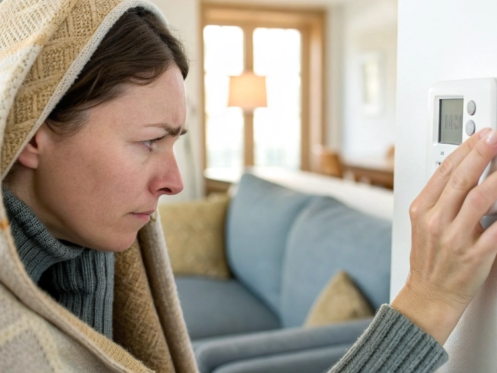
When your furnace is blowing cold air, think of yourself as a detective. Your goal is to find the culprit, and the best way to do that is through a process of elimination. Instead of jumping to conclusions about a major system failure, we’ll start with the easiest and most common suspects first. Is it a simple mistake at the thermostat? A dirty air filter that’s choking the system? By methodically checking these potential issues, you can often solve the problem yourself or, at the very least, gather crucial information that will help a technician diagnose it faster if you need to make a call.
Key Takeaways
- Start with Simple Troubleshooting: Before assuming a major repair is needed, check for common culprits like an incorrect thermostat setting (ensure it’s on “Heat” and “Auto”) or a clogged air filter, as these often cause a furnace to blow cold air.
- Prioritize Annual Maintenance for Reliability: The best way to prevent unexpected breakdowns is with a yearly professional tune-up. This service addresses wear and tear, cleans critical components, and ensures your system runs safely and efficiently all season.
- Recognize Critical Warning Signs: For your safety, immediately call a professional if you smell gas, hear loud banging or screeching noises, or find the circuit breaker repeatedly tripping. These symptoms point to serious issues that require expert attention.
Why Is My Furnace Blowing Cold Air?
It’s one of the most frustrating homeownership moments: you crank up the heat on a chilly Tucson morning, only to be met with a blast of cold air. Before you panic, know that this is a common issue with a handful of likely causes. Often, the fix is surprisingly simple and something you can check yourself. From a simple setting mistake to a clogged filter, your furnace is trying to tell you something is wrong. Many modern furnaces have built-in safety features that will shut down the heating components to prevent damage, but allow the fan to continue running. This is why you might feel air moving, but it isn’t warm. The good news is that you can diagnose many of these issues without needing a technical background. Think of it as a process of elimination. By checking the easiest and most common culprits first, you can often solve the problem in minutes or, at the very least, provide valuable information to a technician if you need to make a call. Let’s walk through the most frequent reasons your furnace might be giving you the cold shoulder and what you can do about it.
Common Thermostat Issues
The first place you should always check is your thermostat. It’s the brain of your entire HVAC system, and a simple incorrect setting is the most common reason for cold air. Someone in your household might have accidentally switched the system to “cool,” or the fan setting might have been changed. Check to see if your fan is set to “on” instead of “auto.” When the fan is set to “on,” it runs continuously, even when the furnace isn’t actively heating. This means it will blow cool, unheated air through your vents between heating cycles. Switching it back to “auto” ensures the fan only runs when your furnace is producing heat.
A Clogged Air Filter
Your furnace’s air filter is its unsung hero, but when it gets clogged with dust and debris, it can cause major problems. A dirty filter restricts airflow, forcing your furnace to work much harder to pull in air. This strain can cause the heat exchanger—the part that actually warms the air—to overheat. As a safety precaution, your furnace will shut off the burners to prevent damage or a fire hazard. However, the blower fan may continue to run, circulating the unheated air throughout your home. Regularly checking and replacing your air filter every 1-3 months is one of the easiest ways to keep your system running smoothly.
Pilot Light or Ignition Problems
If you have an older furnace, it likely uses a small, continuously burning flame called a pilot light to ignite the gas burners. If that flame goes out, your furnace has no way to produce heat, but the fan might still operate and blow cold air. Newer furnaces use an electronic ignition system instead. If this system fails, the result is the same: no heat. You can often find instructions on your furnace for safely relighting the pilot light. If it won’t stay lit or if you have an electronic ignition system that isn’t working, it’s a sign you need professional heating services.
Interrupted Gas Supply
Your furnace can’t create heat without fuel. An interruption in your gas supply will stop the burners from igniting, even if the rest of the system seems to be working. This could be due to a number of things. The gas valve leading to your furnace might have been accidentally turned off, or if you use propane or oil, your tank could simply be empty. It’s also possible there’s an issue with the gas line from your utility provider. First, check to make sure the gas valve is in the “on” position. If it is, and other gas appliances in your home are also not working, you may need to contact your gas company.
Leaky or Damaged Ductwork
Your ductwork is the delivery system that carries warm air from your furnace to every room in your house. If there are holes, gaps, or loose connections in the ducts, problems can arise. Leaky ducts running through unheated areas like a crawlspace or attic can pull in cold air and mix it with the warm air from your furnace. This will make the air coming out of your vents feel lukewarm or even cold. It also means you’re paying to heat your attic instead of your living room. You might notice that some rooms are much colder than others or see an unexplained spike in your energy bills.
Electrical or Blower Motor Malfunctions
Your furnace is a complex machine with many interconnected electrical components. A malfunction in the control board, a faulty sensor, or an issue with the blower motor can all lead to the system blowing cold air. For example, the system might signal the blower fan to turn on, but a separate issue prevents the burners from ever igniting. These types of problems are more complex than a simple filter change and can be difficult to diagnose without the right tools and expertise. If you’ve checked the basics and your furnace is still not heating, it’s time to schedule an appointment with a certified technician to safely inspect the electrical components.
Your Furnace Troubleshooting Checklist
It’s incredibly frustrating when you expect warm air and get a blast of cold instead. Before you panic or reach for the phone, there are a few simple things you can check yourself. Running through this quick troubleshooting checklist can often solve the problem without needing a service call. These steps cover the most common culprits behind a furnace blowing cold air, and they’re all things you can safely inspect on your own. Let’s walk through them one by one to see if we can get your heat back up and running. Think of this as your first line of defense against a chilly house. It’s empowering to know you can handle some of these issues, and it might just save you time and money.
First, Check Your Thermostat Settings
I know it sounds almost too simple, but you’d be surprised how often the thermostat is the source of the issue. Start here first. Take a look at your thermostat and confirm it’s set to “Heat.” Sometimes it can get accidentally switched to “Cool” or “Off.” Next, check the fan setting. If it’s set to “On,” the blower will run continuously, even when the furnace isn’t actively heating. This will push cool air through your vents between heating cycles. Make sure the fan is set to “Auto.” Finally, ensure the temperature is set several degrees higher than the current room temperature to actually trigger the heating cycle. If your settings are correct and the problem persists, it’s time to move on to the next step.
Inspect the Air Filter
Your furnace’s air filter is the unsung hero of your HVAC system, but when it gets clogged, it can cause a lot of trouble. A dirty filter restricts airflow, which can cause your furnace to overheat. As a safety measure, the furnace will shut off its burners to prevent damage, but the fan may continue to run, circulating unheated air. Find the filter compartment on your furnace, slide the old filter out, and hold it up to a light. If you can’t see light through it, it’s definitely time for a replacement. Swapping out a dirty filter is an easy and inexpensive fix that can restore proper airflow. Regular filter changes are a key part of our maintenance agreement for this very reason.
Examine the Pilot Light or Ignition System
If you have an older gas furnace, it likely uses a pilot light—a small, continuously burning flame—to ignite the burners. If that flame goes out, your furnace can’t produce heat. You can usually see the pilot light through a small window. A healthy flame should be a steady blue color. If it’s out, flickering, or yellow, there’s an issue. Newer furnaces use an electronic ignition system instead. If this system fails, you might hear a clicking sound as it tries (and fails) to light the burners. While some people are comfortable relighting a pilot light, dealing with ignition systems can be tricky. If you’re not confident or notice any issues, it’s safest to schedule an appointment with a professional.
Look for Diagnostic Error Codes
Many modern furnaces are equipped with a self-diagnostic feature that can help you figure out what’s wrong. Usually, there’s a small, clear window on one of the furnace panels where you can see a blinking LED light. This light will flash in a specific sequence to signal an error code. For example, three short flashes followed by two long ones might indicate a specific problem. There’s often a chart on the inside of the furnace access panel that deciphers these codes for you. Take note of the flashing pattern you see. This information is incredibly helpful for a technician and can speed up the repair process significantly when you call for heating services.
Verify Your Gas and Power Supply
Your furnace needs both fuel and electricity to work, so a problem with either supply will shut it down. First, check your home’s circuit breaker panel to see if the breaker for the furnace has tripped. If it has, flip it back to the “On” position. Also, look for a power switch on or near the furnace unit itself—it often looks like a standard light switch—and make sure it’s turned on. If the power is fine, check your gas supply. See if other gas appliances, like your stove or water heater, are working. If they aren’t, there may be an issue with the gas line to your home. If you ever smell gas, leave your house immediately and call your utility company from a safe distance.
Simple Fixes to Try Before Calling a Pro
Before you panic and assume the worst, take a deep breath. Many times, a furnace blowing cold air is caused by a minor issue you can easily fix yourself. Walking through these simple checks can save you time, money, and the stress of a service call. These are the go-to first steps for any homeowner dealing with a chilly surprise from their vents. If you try these fixes and are still left in the cold, that’s your cue to give a professional a call. But first, let’s see if we can get that warm air flowing again with a little DIY troubleshooting.
Replace a Dirty Air Filter
A clogged air filter is one of the most common culprits behind furnace problems. When the filter is packed with dust and debris, it restricts airflow, forcing your furnace to work much harder to circulate air. This can cause the system to overheat and trigger a safety feature that shuts off the burners, leaving only the fan running—which is why you feel cold air. Check your furnace filter and if it looks dirty, replace it. Most filters should be changed every one to three months to keep your system running efficiently and prevent unnecessary strain on its components.
Switch the Thermostat from “Cool” to “Heat”
It might sound obvious, but it happens to the best of us. Someone in the house might have accidentally switched the thermostat settings. Double-check that your thermostat is set to “Heat” instead of “Cool.” You should also check the fan setting. If the fan is set to “On,” it will run continuously, even when the furnace isn’t actively heating. This will push cool air through your vents between heating cycles. Changing the fan setting to “Auto” ensures it only runs when your furnace is producing heat, which should solve the problem if this was the cause.
Safely Relight the Pilot Light
If you have an older furnace, it may have a pilot light that has gone out. Without this small, constant flame, your furnace’s burners can’t ignite to heat the air. You can usually relight it by following the manufacturer’s instructions printed on a label inside the furnace cabinet. A healthy pilot flame should be a steady blue color. If you see a weak, flickering, or yellow flame, it could indicate a problem with the gas supply or a dirty orifice. If the pilot light won’t stay lit after you relight it, you may have a faulty thermocouple, which requires professional heating services.
Reset the Circuit Breaker
Your furnace has its own circuit in your home’s electrical panel. If that breaker has tripped, it will cut power to the furnace’s heating elements, but it might not shut off the fan. This means the blower will continue to operate, circulating unheated air throughout your home. Find your electrical panel and look for the breaker labeled “Furnace,” “Heater,” or “HVAC.” Flip it completely to the “Off” position, then switch it back to “On.” If the breaker trips again shortly after, there’s likely an underlying electrical issue that needs an expert diagnosis.
Clear Any Blocked Vents
Your furnace can’t effectively heat your home if the air has nowhere to go. Take a quick walk through your house and make sure that none of your supply or return air vents are blocked by furniture, rugs, or other items. Obstructed vents can disrupt airflow, causing pressure to build up within the system and leading to overheating and shutdowns. While you’re at it, check for any obvious holes or loose connections in your accessible ductwork. Significant leaks can allow cold air from your attic or crawlspace to get into the system, cooling the warm air before it reaches you.
When to Call an HVAC Technician
While it’s great to be able to handle small home repairs, some furnace problems are too complex or dangerous to tackle on your own. Knowing when to step back and call a professional can save you time, prevent further damage, and, most importantly, keep your family safe. If you’ve run through the basic troubleshooting checklist and are still shivering, it’s probably time to bring in an expert. Certain signs are clear indicators that you need professional heating services. Here are the situations where you should put down the tools and pick up the phone.
You Suspect a Gas Leak
This is the most critical reason to call for help immediately. If you smell rotten eggs or sulfur near your furnace or anywhere in your home, you could have a natural gas leak. Gas is highly flammable and poses a serious safety risk. Do not try to find the source of the leak or fix it yourself. Your first step should be to get everyone out of the house. Once you are safely outside, call your gas company’s emergency line, and then call a certified HVAC professional. A faulty gas valve or burner requires expert attention, and this is a job that should only be handled by a qualified technician.
You’re Dealing with Electrical Problems
Furnace malfunctions are often tied to electrical issues. If your circuit breaker trips every time the furnace kicks on, or if you notice flickering lights that coincide with the heating cycle, it’s a red flag. An electrical problem could be the reason your furnace’s fan is running but the burner won’t ignite, leaving you with a stream of cold air. Working with electrical components is dangerous if you don’t have the proper training. To avoid the risk of shock or causing more damage to your system, it’s best to let a professional handle it. If you think the problem is electrical, it’s safest to schedule a service call with our certified team.
Your DIY Fixes Aren’t Working
You’ve done your due diligence. You changed the filter, checked the thermostat, and confirmed the pilot light is on, but your furnace is still blowing cold air. There’s no shame in calling for backup. Continuing to experiment with your furnace could accidentally make a small problem much bigger. At this point, it’s more efficient to have an expert diagnose the issue. A trained technician has specialized tools and the experience to identify the root cause quickly, whether it’s a faulty sensor or a more complex internal problem. They can get your heat running again and give you peace of mind.
You Notice Serious Mechanical Issues
Your furnace shouldn’t be making a racket. Loud and unusual noises like banging, screeching, or grinding are cries for help. These sounds often point to a serious mechanical problem, such as a failing blower motor, worn-out bearings, or a loose component. Ignoring these noises can lead to a complete system breakdown. Many furnace problems simply need a professional to be fixed safely and correctly. Catching these issues early can prevent more expensive repairs down the road, which is why a regular maintenance agreement can be so valuable for spotting worn parts before they fail.
Warning Signs of a Major Furnace Problem
Sometimes, a furnace blowing cold air is just one symptom of a much bigger issue. While you can troubleshoot minor problems on your own, certain red flags indicate it’s time to step back and call a professional. Ignoring these warning signs can lead to more expensive repairs or even create unsafe living conditions for you and your family. If you notice any of the following issues happening alongside your heating problems, don’t wait to get an expert opinion. These signs often point to a serious malfunction that requires the skill and tools of a certified technician to diagnose and fix correctly.
Hearing Strange Noises
Your furnace should operate relatively quietly, so loud or unusual sounds are a clear sign that something is wrong. Pay attention to banging, rattling, or high-pitched squealing. A banging noise could mean there’s an issue with your ignition system, while rattling often points to loose components or panels. Squealing frequently indicates a problem with the blower motor or a belt. These aren’t normal operational sounds; they’re your furnace’s way of telling you it needs immediate attention. Continuing to run the system could cause more damage, so it’s best to call for professional heating services to get to the root of the problem.
Smelling Unusual Odors
Strange smells coming from your vents are a serious warning sign that should never be ignored. If you detect a rotten egg or sulfur-like smell, you could have a natural gas leak. In this case, you should turn off your furnace, leave your home immediately, and call your gas company and an HVAC professional. A burning or electrical smell is also a major concern, as it could indicate an overheated motor or frayed wiring, which is a fire hazard. Don’t try to diagnose these issues yourself. For your safety, turn the system off and have a technician inspect it right away.
Noticing Frequent On-and-Off Cycling
Does your furnace turn on for a few minutes, shut off, and then turn back on again in a repeating cycle? This is known as short cycling, and it’s a sign that something is preventing your furnace from completing a full heating cycle. While a severely clogged air filter can cause this, it can also point to a malfunctioning thermostat, an oversized furnace, or an overheating issue. Short cycling puts a massive strain on your system’s components, leading to higher energy bills and premature failure. An annual maintenance plan can help catch the underlying causes before they turn into a complete system breakdown.
Seeing a Yellow Pilot Light
If you have an older furnace with a pilot light, it’s important to know what a healthy flame looks like. The pilot light should be a steady, blue color. If you see a yellow or flickering flame, it’s a sign of a problem. A yellow flame indicates that the furnace isn’t getting enough oxygen for complete combustion, which can mean the burners are dirty or there’s a ventilation issue. More importantly, this can lead to the production of carbon monoxide, a colorless, odorless gas that is extremely dangerous. This is a serious safety hazard, so you should turn off your furnace and schedule a professional furnace repair immediately.
Furnace Running But Not Heating? Here’s Why
It’s one of the most confusing furnace problems: you can hear it running, the fan is blowing, but the air coming out of your vents is lukewarm or even cold. What gives? If your furnace seems to be working but isn’t actually heating your home, it’s usually a sign that a key part of the heating process is failing. The system’s safety features often shut down the burners while allowing the fan to continue running to prevent further damage or a hazardous situation. Let’s look at a few common reasons why this happens.
Insufficient Gas Pressure
Your furnace needs a steady, consistent supply of fuel to create heat. If the gas pressure is too low, the burners won’t be able to stay lit, even though the rest of the system tries to operate normally. You might notice the furnace cycling on and off frequently or the pilot light struggling to stay on. This problem can stem from issues with the gas line, a problem with the municipal supply, or an internal valve malfunction. Because working with gas lines is dangerous, this is a job best left to a certified technician who can safely diagnose and fix the issue. If you suspect a fuel supply problem, it’s time to call for professional heating services.
A Faulty Heat Exchanger
The heat exchanger is the component responsible for transferring heat from the combustion chamber to the air that gets blown through your home. If it’s cracked or malfunctioning, it’s a serious safety hazard that can leak carbon monoxide. Often, a related but less severe issue is a dirty flame sensor. This small rod is designed to confirm that a flame is present when the gas is on. If it’s covered in grime, it can’t detect the flame and will shut the burners off as a safety precaution, leaving the fan to blow unheated air. Regular furnace maintenance is the best way to keep components like the flame sensor clean and catch potential heat exchanger issues early.
Restricted Airflow in Your Ducts
Your furnace can’t heat your home effectively if it can’t breathe. The most common cause of restricted airflow is a dirty, clogged air filter. When the filter is packed with dust and debris, air can’t pass through easily. This forces the furnace to work harder, causing it to overheat and trigger a safety switch that shuts down the burners. The fan, however, may keep running and circulate cool air. Beyond the filter, you could also be dealing with blocked vents, crushed sections of ductwork, or leaks that let all that cozy warm air escape before it ever reaches your rooms. Checking your filter is a simple first step, but for bigger ductwork issues, you’ll need a professional inspection.
How to Prevent Your Furnace from Blowing Cold Air
An ounce of prevention is worth a pound of cure, especially when it comes to your home’s heating system. Instead of waiting for a chilly surprise, you can take a few proactive steps to keep your furnace running smoothly all winter long. These simple habits can save you from the discomfort of a cold house and the stress of an emergency repair call. Think of it as easy insurance for a warm and cozy home.
Schedule Annual Maintenance with Fusion Plumbing & Air
The single most effective way to prevent furnace problems is to schedule a professional tune-up every year before the cold weather hits. During a maintenance visit, a certified technician will perform a comprehensive inspection, cleaning, and adjustment of your system. They’ll clean essential components, tighten electrical connections, and replace any worn-out parts before they can fail. This not only helps prevent your furnace from blowing cold air but also improves its efficiency and extends its lifespan. Our Maintenance Agreement makes it easy to stay on top of this crucial task and keep your system in peak condition.
Replace Your Air Filter Every 1-3 Months
One of the simplest yet most overlooked maintenance tasks is changing your furnace’s air filter. A dirty, clogged filter is a major cause of furnace issues. It restricts airflow, forcing your system to work much harder to circulate air. This strain can cause the furnace to overheat and trigger a safety switch that shuts down the burners, leaving the fan to blow unheated air through your home. To avoid this, check your filter monthly and plan to replace it every one to three months. It’s a quick, inexpensive task that has a huge impact on your furnace’s health and performance.
Keep Vents and Ducts Unobstructed
For your furnace to heat your home effectively, warm air needs a clear path from the unit to your rooms. Take a quick walk through your house and make sure that none of your supply or return air vents are blocked by furniture, rugs, or curtains. Obstructed vents can disrupt airflow and create pressure imbalances that lead to heating problems. It’s also wise to consider the state of your ductwork. Leaky or disconnected ducts can pull cold air from your attic or crawlspace into your heating system. While you can seal small gaps yourself, it’s best to have our team inspect your entire duct system if you suspect a larger issue with your heating services.
Monitor Your Thermostat’s Batteries
Sometimes, the problem isn’t with your furnace at all—it’s the thermostat. Before you assume the worst, check this simple control panel. If your thermostat is battery-powered, weak or dead batteries can cause it to malfunction and fail to communicate properly with your furnace. Also, double-check your settings. Make sure the system is set to “HEAT” and that the fan is set to “AUTO.” If the fan is set to “ON,” it will run continuously, even when the furnace isn’t actively heating. This means it will blow cool air between heating cycles. Switching it to “AUTO” ensures the fan only runs when it’s supposed to.
What Does Furnace Repair Cost in Tucson?
When your furnace stops working, one of the first questions that comes to mind is, “How much is this going to cost?” It’s a valid concern, and the answer depends on what’s wrong with the unit. While a simple fix might be relatively inexpensive, a major component failure can be a significant investment. Understanding the potential costs can help you make an informed decision without the stress of the unknown. Below, we’ll break down typical repair costs in the Tucson area, the factors that influence the final price, and how to decide when it’s time to replace your furnace instead of repairing it.
Common Repair Price Ranges
In Tucson, most homeowners can expect to pay between $90 and $800 for a furnace repair, with the average cost landing around $230. The final price tag really depends on the specific part that needs attention. For example, a faulty thermostat is a common issue and replacing it typically costs between $150 and $450. A more involved job, like replacing a heat strip in an electric furnace, might range from $385 to $685. For less common gas furnaces in our area, a major repair like a heat exchanger replacement can be much more expensive, sometimes costing over $1,500.
Factors That Affect the Cost
Several key factors determine the final cost of your furnace repair. The type of furnace you have—gas or electric—plays a big role, as parts and labor can vary. The age of your unit is another important consideration; parts for older furnaces can be harder to find and more expensive. Of course, the specific problem is the biggest variable. A simple sensor cleaning will cost much less than replacing a blower motor. At Fusion Plumbing & Air, our technicians always diagnose the issue first and provide a clear, upfront estimate for any heating services so you know exactly what to expect before we begin any work.
Deciding Between Repair and Replacement
Sometimes, the big question isn’t just about the cost of the repair, but whether it makes more sense to replace the entire unit. A good rule of thumb is the 50% rule: if the repair cost is 50% or more of the price of a new furnace, replacement is usually the better long-term investment. In Arizona, a new furnace installation can range from $5,000 to $8,500. While that’s a significant upfront cost, a new, more energy-efficient unit can save you money on utility bills and prevent the headache of future breakdowns. If you’re facing a costly repair on an older furnace, it’s worth weighing your options.
Keep Your Tucson Home Cozy and Warm
When the desert nights get chilly, the last thing you want is a furnace that can’t keep up. Keeping your Tucson home consistently warm and comfortable all winter long doesn’t have to be a challenge—it often comes down to a few simple checks and a little proactive care. As we’ve covered, small things like double-checking your thermostat settings and regularly changing your air filter can make a huge difference in your furnace’s performance and prevent it from blowing cold air.
Beyond these quick fixes, issues like leaky ductwork can quietly waste heated air and drive up your energy bills, leaving some rooms feeling drafty no matter how high you set the thermostat. While you can handle some basic tasks yourself, the single best way to prevent unexpected breakdowns and ensure your system runs efficiently is with professional upkeep. An annual tune-up allows a certified technician to inspect electrical connections, clean key components, and test safety controls. Think of it as a wellness check for your home’s heating system, catching small problems before they become major, expensive headaches.
Taking these steps ensures you’re not left in the cold when you need warmth the most. By scheduling annual maintenance, you can extend the life of your furnace, improve its efficiency, and enjoy peace of mind all season. Our team is always here to help with any heating services you need to keep your home the cozy retreat it should be.
Related Articles
- 9 Common Causes of Strange Furnace Noises | Fusion
- Is Your Furnace Ignitor Bad? | Fusion
- What is Causing My Furnace to Click? | Fusion Plumbing & Air
- 3 Signs to Repair An HVAC System | Fusion Plumbing & Air
- Don’t Let A Faulty Furnace Ruin Your Tucson Winters | Fusion
Frequently Asked Questions
Why is my furnace fan running but the air isn’t warm? This is a common scenario and it’s often a built-in safety feature at work. When your furnace detects a problem, like overheating from a clogged air filter or an issue with the ignition, it will shut down the burners to prevent damage. However, the fan may continue to run to circulate air and help the system cool down. It’s your furnace’s way of telling you that one part of the heating process has failed.
How often should I actually change my furnace filter? The standard advice is every one to three months, but it really depends on your home. If you have pets that shed, live in a dusty area like Tucson, or have family members with allergies, you should check it monthly. A good rule of thumb is to hold the filter up to a light. If you can’t see the light through it, it’s time for a new one, regardless of how long it’s been.
Is it dangerous to try and fix my furnace myself? While simple tasks like changing the air filter or checking the thermostat are perfectly safe for homeowners, you should leave most other repairs to a professional. Anything involving your home’s gas line or complex electrical components requires specialized training and tools. Attempting these repairs yourself can be dangerous and may lead to bigger, more expensive problems.
My furnace keeps turning on and off every few minutes. Is that a big deal? Yes, this is called short cycling, and it’s a clear sign that something is wrong. This constant starting and stopping puts a huge amount of strain on the most critical parts of your furnace, which can lead to premature failure. It also wastes a lot of energy. While a dirty filter can cause this, it can also point to more serious issues that need a technician to diagnose.
What’s the very first thing I should check if my furnace blows cold air? Before you do anything else, go check your thermostat. It sounds almost too simple, but an incorrect setting is the number one reason for this issue. Make sure the system is switched to “Heat” and that the fan is set to “Auto,” not “On.” This quick check solves the problem more often than you’d think and can save you the time and cost of a service call.