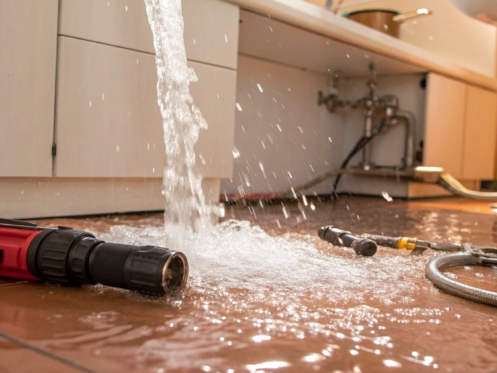
A burst pipe doesn’t wait for business hours. It usually happens at 3 a.m. on a holiday weekend, sending you into a full-blown panic. In that moment, it’s hard to think clearly. Is this a real emergency? Who do I call? What do I do right now to stop the water from ruining my floors? This guide is your calm in the storm. We’ll walk you through how to tell a minor issue from a true catastrophe that requires an emergency plumber. You’ll learn the immediate steps to take to protect your home, how to choose a reliable professional without getting ripped off, and what to expect when it comes to cost. Think of this as your action plan for any plumbing crisis.
Key Takeaways
- Know when it’s a true emergency: If a problem threatens significant water damage or your safety—like a burst pipe, sewer backup, or gas smell—it’s time to call for help immediately. Your first action should be to shut off the main water valve to minimize damage.
- Choose your plumber wisely, even in a panic: A reliable emergency plumber is always licensed, insured, and transparent about their pricing. Take a minute to check reviews and confirm they offer upfront estimates to avoid poor work and surprise fees.
- Preventative maintenance is your best defense: You can avoid most plumbing disasters with proactive care. Scheduling regular professional inspections and paying attention to early warning signs like slow drains or gurgling sounds will save you from future stress and costly repairs.
What Is an Emergency Plumber?
Think of an emergency plumber as a first responder for your home. They are the specialists you call when a plumbing problem is too urgent to wait for a scheduled appointment. These issues often happen outside of typical business hours and have the potential to cause serious water damage, create unsanitary conditions, or disrupt your life if not handled immediately. Unlike a standard plumbing visit for a planned upgrade or a minor drip, an emergency call is for a crisis that needs a fast and effective solution.
An emergency plumber is equipped with the specific tools and expertise to diagnose and resolve critical problems quickly. They understand the stress and potential chaos a sudden pipe burst or sewer backup can cause. Their job is to get to your home promptly, control the situation to prevent further damage, and perform the necessary repairs to restore safety and function to your plumbing system. Essentially, they’re your go-to professional for any plumbing catastrophe that simply can’t wait until morning.
Common Services They Provide
Emergency plumbers are trained to handle a wide variety of high-stakes situations. While you might call a plumber for a routine installation, an emergency visit is reserved for problems that pose an immediate threat to your property. Some of the most common urgent issues they address include burst pipes, overflowing toilets, and sudden water heater failures. They also tackle serious drain and sewer blockages that can cause wastewater to back up into your home. Gas line leaks, which are extremely dangerous, also require an immediate emergency response. Essentially, if it’s leaking, flooding, or clogged to the point of being unusable, an emergency plumber can fix it.
Why 24/7 Availability Matters
Plumbing disasters rarely happen at a convenient time. A pipe is just as likely to burst in the middle of the night as it is on a Tuesday afternoon. That’s why 24/7 availability is the cornerstone of emergency plumbing services. Having access to a professional plumber around the clock means you can get immediate help to minimize water damage, protect your belongings, and keep your family safe. Waiting until the next business day can turn a manageable repair into a costly restoration project involving new floors, drywall, and mold remediation. A rapid response limits the damage and gives you priceless peace of mind, knowing that help is on the way no matter when a crisis strikes.
When to Call an Emergency Plumber
It’s the middle of the night, and you hear the unmistakable sound of running water—but all the faucets are off. Or maybe you’ve noticed a foul smell coming from your drains for days, and now nothing will go down. It can be tough to know the difference between a minor annoyance and a full-blown plumbing catastrophe. A problem that needs immediate attention is one that threatens to cause significant water damage to your home or property. Knowing how to spot the signs of a true emergency helps you act quickly to protect your home and get the professional help you need, right when you need it.
Obvious Signs of a Plumbing Emergency
Some plumbing problems are impossible to ignore. If you see water actively flooding your home from a burst pipe, that’s an emergency. Your first move should be to shut off your home’s main water supply to stop the flow and prevent further damage. Other clear signs of an emergency include a complete loss of water, a sewage backup coming up through your drains, or the smell of gas near an appliance like your water heater. These situations pose an immediate risk to your property and your safety. Don’t hesitate to call for emergency plumbing services if you experience any of these issues.
Subtle Issues You Shouldn’t Ignore
Not all plumbing emergencies start with a flood. Sometimes, the signs are much quieter. Have you noticed your drains are getting slower and making gurgling sounds? That could be a sign of a serious clog or even tree roots invading your sewer line. Another subtle clue is a sudden or consistent drop in water pressure throughout your house, which might point to a hidden leak or a failing pressure-reducing valve. While these issues might not seem urgent at first, ignoring them can lead to burst pipes or major backups. It’s always better to have a professional inspect these small problems before they become big ones.
Deciding to Act Now vs. Waiting
So, how do you decide whether to make the call now or wait until morning? Here’s a good rule of thumb: if the problem is causing damage and you can’t stop it, it’s an emergency. For example, if a single toilet is overflowing, you can usually turn off the water supply using the small valve behind it. This contains the issue and might allow you to wait for a standard appointment. But if you can’t isolate the leak or if multiple fixtures are affected, you need help right away. Knowing where your main water shut-off valve is located is crucial, as it allows you to stop all water flow and minimize damage while you wait for a plumber to arrive. When in doubt, it’s always safest to schedule a service call.
How to Choose the Right Emergency Plumber
When you’re dealing with a burst pipe or an overflowing toilet, it’s tempting to call the first plumber you find on Google. But taking a few extra minutes to vet your options can save you from a much bigger headache down the road. A plumbing emergency is stressful enough without adding an unreliable technician or a surprise bill to the mix. Knowing what to look for ahead of time will help you make a clear-headed decision when it matters most. Here are the three essential things to check before you hire an emergency plumber.
Verify Licensing and Insurance
First things first: make sure any plumber you consider is properly licensed and insured. This isn’t just a formality; it’s your safety net. A license proves the plumber has met the state’s requirements for knowledge and competence, ensuring the work will be done correctly and up to code. Insurance protects you and your home from liability in case of accidents or property damage during the repair. A reputable company will always be transparent about their credentials. For example, every technician at Fusion Plumbing & Air meets state licensing requirements, giving you peace of mind that your home is in capable hands. Working with a fully certified team is a key part of a good maintenance agreement.
Look for Fast Response Times and Good Reviews
In a plumbing emergency, time is of the essence. The longer you wait, the more likely you are to face significant water damage. Look for a company that offers 24/7 availability and guarantees a fast response. Many top-tier services, like Roto-Rooter, aim to have a plumber at your door within two hours. Check online reviews on platforms like Google and Yelp to see what other customers have said about a company’s emergency services. Are they punctual? Do they communicate well? Positive feedback from others who have been in your shoes is one of the best indicators of reliable residential plumbing service.
Ask for Upfront, Transparent Pricing
The last thing you need during a crisis is a massive, unexpected bill. A trustworthy plumber will provide clear, upfront pricing before any work begins. While they may not be able to give you a final quote over the phone, they should be able to explain their service fees and hourly rates. Once they arrive and assess the situation, they should give you a detailed estimate to approve. Companies that emphasize transparent pricing with no hidden fees are showing respect for you and your budget. If a plumber is vague about costs or pressures you to agree to work without a clear price, it’s a major red flag. You can always schedule online to get a clear assessment and quote.
Understanding Emergency Plumbing Costs
When you’re dealing with a plumbing crisis, the last thing you want is a surprise bill. It’s true that emergency services cost more than a scheduled appointment, and for good reason. You’re paying for immediate, after-hours availability and the expertise to solve a problem under pressure, preventing what could be thousands of dollars in water damage. The key is working with a company that is transparent about its pricing from the very beginning, so you know exactly what to expect. At Fusion, we believe in clear, upfront communication, ensuring you can make an informed decision even when you’re in a stressful situation.
Breaking Down Service Fees and Rates
Let’s talk about the numbers. Generally, emergency plumbers charge a higher hourly rate than they would for a standard service call. National averages show this can be anywhere from 1.5 to 3 times the normal rate. This premium covers the cost of dispatching a skilled technician to your home immediately, often outside of regular business hours. While rates vary, this structure is standard across the industry. The most important thing is to find a plumber who explains their fee structure clearly. Before any work starts, you should understand if there’s a flat-rate dispatch fee and what the hourly charges will be. This transparency is a hallmark of a trustworthy residential plumbing professional.
What Factors Influence the Final Cost?
Two main things will shape your final bill: when you call and what the problem is. A call on a holiday weekend will naturally cost more than one on a Tuesday evening. The complexity of the job is the other major factor. For example, clearing a simple clogged drain will be much less expensive than repairing a burst pipe inside a wall or addressing a major sewer line issue. The parts and specific equipment needed for the repair also contribute to the total cost. A reputable plumber will assess the situation upon arrival and give you a detailed estimate before they get to work, allowing you to approve the cost and move forward with confidence.
What to Do While You Wait for Help
Okay, you’ve made the call and help is on the way. That waiting period can feel incredibly stressful, especially when you see water spreading where it shouldn’t be. But you’re not helpless. Taking a few smart, simple steps right now can make a huge difference in protecting your home from further damage. It’s all about damage control and staying safe until the professionals arrive to handle your residential plumbing emergency. Think of it as first aid for your home’s plumbing. Let’s walk through what you can do—and just as importantly, what you shouldn’t do—while you wait.
Immediate Steps to Minimize Damage
If you’re dealing with a major leak, your first and most important job is to stop the flow of water. Find your home’s main water shut-off valve and turn it off immediately. This single action can prevent a small problem from turning into a catastrophic flood, saving you from extensive water damage and costly repairs. If you aren’t sure where your main valve is, now is a great time to find it for future reference—it’s often in a basement, crawl space, or utility closet. For smaller issues, like an overflowing toilet or a leaking sink, you can often find a dedicated shut-off valve on the pipe leading directly to that fixture. Turning that off will contain the problem without cutting water to your entire house.
Safety First: What Not to Do
In a panic, it’s tempting to try anything to fix the problem, but some actions can make things much worse. If you smell gas, leave the property immediately and call for help from a safe distance; never try to turn off the gas supply yourself. For clogged drains, resist the urge to pour harsh chemical cleaners down the pipe. These products often fail to solve the underlying issue and can cause serious corrosion to your plumbing system. Our team has seen firsthand how DIY drain cleaning attempts can lead to more complex and expensive repairs. Your main priorities are to prevent further water damage and keep everyone safe. Let the trained technicians handle the rest.
How to Prevent Future Plumbing Emergencies
Dealing with a plumbing emergency is stressful enough, and the last thing you want is a repeat performance. While you can’t predict every problem, taking a few proactive steps can keep your plumbing system healthy and save you from future headaches. Think of it as a small investment in your home’s well-being. By being mindful and consistent, you can stay ahead of most major issues and keep your water flowing exactly where it should.
The Value of Regular Maintenance
The most effective way to prevent plumbing emergencies is with consistent, professional maintenance. Just like your car needs regular oil changes, your plumbing system needs periodic check-ups to function at its best. During a maintenance visit, a technician can spot and fix small issues—like a minor leak or corrosion—before they turn into a disaster. Signing up for a preventative maintenance plan is a smart way to ensure your system gets the attention it needs. These regular tune-ups keep everything in top condition, giving you confidence that your home is protected.
Simple Ways to Protect Your Pipes
Beyond professional maintenance, adopt a few easy habits to protect your plumbing. First, make sure everyone in your household knows the location of the main water shut-off valve. In an emergency, this can stop water damage in its tracks. Be mindful of what goes down your drains; avoid pouring grease or coffee grounds down the kitchen sink, as these are common culprits for stubborn clogs. Using drain catchers can also prevent hair from causing blockages. If you notice your drains are slowing down, it’s best to call for professional drain cleaning before the problem gets worse.
Know the Early Warning Signs
Your home’s plumbing often gives subtle clues that something is wrong long before a crisis hits. Learning to recognize these early warning signs is key. Pay attention to a sudden drop in water pressure, gurgling sounds from your drains, or a toilet that constantly runs. Even a slow drip can indicate a bigger issue. If you notice any of these symptoms, don’t ignore them. It’s always better to have a professional take a look. A quick inspection can diagnose the root cause and help you avoid a costly repair later. You can easily schedule a check-up to get an expert opinion.
Related Articles
- 4 Common Plumbing Problems & How to Avoid | Fusion Plumbing
- Signs You Need to Call a Professional Plumber | Fusion
- 8 Issues That Need Professional Plumbing Services | Fusion
- When to Call a Professional Plumber
- Plumbing Company Tucson, AZ | Emergency Plumbing | Fusion
Frequently Asked Questions
How do I know if my plumbing issue is a true emergency or if it can wait until morning? A great way to decide is to ask yourself: is the problem causing active damage that I can’t stop? If you have a burst pipe flooding your kitchen, that’s an emergency. The same goes for a sewage backup, which is a health hazard. However, if a single toilet is clogged but not overflowing, you can likely shut off its water supply and wait for a standard appointment. If you can’t contain the issue or it poses a risk to your property or safety, it’s time to make the call.
What is the absolute first thing I should do when I discover a major water leak? Before you even call a plumber, your top priority is to shut off your home’s main water supply. This single action stops the flow of water at its source and is the most effective way to prevent further damage while you wait for help to arrive. Every homeowner should know where this valve is located—it’s often in a basement, garage, or utility closet near the water meter.
Why do emergency plumbing services cost more than regular appointments? The higher cost covers the immediate availability of a skilled professional outside of standard business hours. You are paying for a rapid response service designed to solve a crisis and prevent what could be thousands of dollars in water damage. This premium ensures a technician is ready to go with a fully stocked truck, day or night, to get your home back to normal as quickly as possible.
I have a really bad clog. Is it safe to use a chemical drain cleaner while I wait for help? Please don’t. While it seems like a quick fix, harsh chemical cleaners can cause serious corrosion to your pipes, leading to much bigger problems down the road. They often fail to clear the entire blockage and can make the professional repair more difficult and dangerous for the technician. It’s always safer to wait for a professional to assess the clog and use the proper tools to clear it correctly.
Besides regular maintenance, what’s one simple thing I can do to protect my home from plumbing disasters? Make sure every responsible person in your household knows the location of the main water shut-off valve and how to use it. This is your home’s emergency stop button for most water-related crises. Taking five minutes to find it and test the valve now can save you from immense stress and costly damage later on. It’s the simplest and most powerful preventative step you can take.