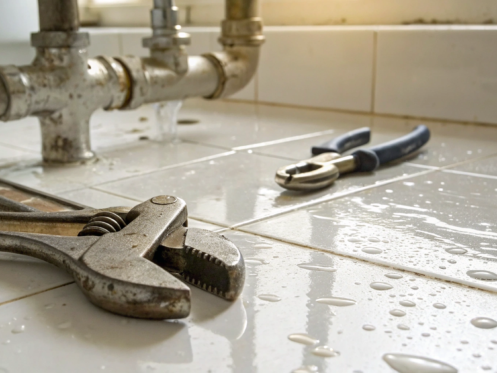
It’s the middle of the night when a strange sound wakes you up. Is it dripping? Gushing? You stumble out of bed to find a growing puddle on your kitchen floor. Panic sets in. This is the moment every homeowner dreads, when a small problem becomes a full-blown crisis that can’t wait until morning. Knowing what to do next can mean the difference between a quick fix and thousands of dollars in water damage. You need a clear plan, not a frantic search for help. This guide will walk you through exactly how to identify a true crisis, what immediate steps to take to protect your home, and how to choose the right emergency plumber to get the job done right.
Key Takeaways
- Know When It’s a Real Emergency: A problem qualifies as an emergency if it poses an immediate threat of water damage or a health hazard, like a burst pipe or sewer backup. Your first move should always be to locate and shut off your home’s main water supply to prevent further damage.
- Choose a Qualified Plumber, Not Just the First One: Even in a crisis, take a moment to verify that the plumber you call is licensed, insured, and has positive customer reviews. Confirming they offer true 24/7 service ensures you get a rapid and professional response.
- Prevent Future Disasters with Proactive Care: You can avoid most plumbing emergencies with regular professional maintenance. Pay attention to early warning signs like slow drains, gurgling noises, or small drips, and address them before they escalate into a major crisis.
What Qualifies as a Plumbing Emergency?
A plumbing emergency is any problem that needs to be fixed right away to prevent serious harm to your home and family. Think of it this way: if waiting until the next business day would cause significant water damage, create a health hazard, or put your safety at risk, you’ve got an emergency on your hands. The key difference between a minor annoyance and a true crisis is the potential for escalating damage. A slow drip under the sink can probably wait, but a burst pipe flooding your kitchen absolutely cannot.
Problems like a major leak, a complete sewer backup, or a suspected gas leak are situations that demand immediate, professional attention. These aren’t just inconvenient; they can quickly lead to ruined floors, damaged foundations, mold growth, and unsafe living conditions. An emergency plumber is trained to handle these high-stakes scenarios, providing the rapid response needed to protect your property. When you’re facing a sudden plumbing disaster, knowing who to call can make all the difference.
What an Emergency Plumber Does
An emergency plumber is your first responder for urgent plumbing crises. Their job is to arrive quickly, diagnose the problem, and implement a solution to stop any further damage. Unlike a standard appointment, their focus is on immediate containment and repair. Emergency plumbers use specialized tools and knowledge to make sure repairs are done correctly and safely, preventing health risks and more extensive property damage. Here at Fusion Plumbing & Air, our team is available 24/7 to handle everything from sudden water heater failures to gas leaks and overflowing toilets, providing expert residential plumbing solutions when you need them most.
Common Crises That Can’t Wait
Some plumbing issues are too serious to ignore. If you notice any of the following problems, it’s time to pick up the phone immediately. Common plumbing emergencies include burst pipes, which can release gallons of water into your home in minutes, and complete water heater failure, leaving you without hot water and potentially causing a major leak. You should also never wait to address a sewer backup, as it poses a significant health hazard. Other critical issues include overflowing toilets that won’t stop, major leaks from faucets or pipes, and any signs of a gas leak, which you can often identify by a rotten egg smell.
Is It an Emergency? Key Signs to Look For
Some plumbing problems are just annoying, like a slow-draining sink. Others are full-blown catastrophes that can cause major damage to your home and even pose a health risk. Knowing the difference helps you act fast when it really counts. If you’re standing in a puddle of water wondering whether to call for help, you’re in the right place. Let’s walk through the most common plumbing emergencies so you can identify the problem and know exactly what to do next. These are the situations that can’t wait until morning.
Spotting Burst or Leaking Pipes
A burst pipe is the classic plumbing emergency. If you see water gushing from a pipe or wall, you need to act immediately to prevent serious flooding and water damage. Other signs can be more subtle, like a sudden drop in water pressure, damp spots appearing on your ceiling or walls, or the sound of running water when all your faucets are off. Your first move should always be to shut off your home’s main water supply. This will stop the flow of water and give you a moment to call a professional. A burst pipe won’t fix itself, and the potential for damage grows with every minute that passes. Getting expert residential plumbing help is essential.
Handling Sewage Backups and Overflowing Toilets
This is one emergency no one wants to face. If you notice foul odors coming from your drains, hear gurgling sounds, or see wastewater backing up into your sinks, showers, or toilets, you likely have a main sewer line clog. This isn’t just messy—it’s a serious health hazard that requires immediate attention. Similarly, an overflowing toilet can quickly flood your bathroom. If this happens, don’t panic. Reach behind the toilet and turn the small water valve clockwise to shut off the water supply to the tank. Then, call for professional drains and sewer services right away to handle the blockage safely and effectively.
Identifying Water Heater Failure and Gas Leaks
Your water heater is an essential appliance, but it can cause major problems when it fails. Signs of trouble include a lack of hot water, puddles of water around the base of the tank, or loud popping and rumbling noises. While a cold shower is inconvenient, a leak can cause significant damage. An even more critical emergency is a gas leak. If you smell rotten eggs, it could be a natural gas leak from one of your appliances or a buildup of dangerous hydrogen sulfide gas from your sewer lines. In this case, do not use any electronics or light switches. Evacuate your home immediately, then call your gas company and an emergency plumber from a safe location for immediate heating services.
Your First Steps in a Plumbing Emergency
A plumbing emergency can feel overwhelming, but taking a few key steps right away can make a huge difference. While your first instinct might be to panic, a clear head will help you minimize damage and get the situation under control until a professional arrives. Think of it as first aid for your home’s plumbing system. By knowing exactly what to do, you can protect your property and ensure a smoother repair process. The goal is to stop the immediate threat—usually flowing water—and create a safe environment for the plumber to work. Let’s walk through the three most important actions to take the moment you realize you have a plumbing crisis on your hands.
How to Shut Off Your Main Water Supply
This is your absolute first move. Finding and turning off your home’s main water supply valve stops the flow of water at its source, which is crucial for preventing a small leak from turning into a major flood. Take a moment before an emergency happens to locate this valve. It’s often found in a basement, crawl space, garage, or on an exterior wall. It will have either a round, wheel-like handle (turn it clockwise to close) or a lever handle (give it a quarter turn). Shutting off the water buys you precious time and is the single most effective thing you can do to limit damage while you wait for help with your residential plumbing.
Containing Water Damage and Staying Safe
Once the water is off, your next priority is safety. If water is anywhere near electrical outlets or appliances, head to your breaker box and shut off the electricity to that area—but only if you can do so safely without standing in water. After securing the power, focus on damage control. Use towels, buckets, and a mop to soak up as much water as possible. If you have a wet/dry vacuum, now is its time to shine. Move any furniture, rugs, and other belongings out of the affected area to protect them from water damage. Taking these steps can significantly reduce repair costs and prevent mold growth down the line.
Prepping for Your Plumber’s Arrival
You’ve shut off the water, started cleanup, and called for help. Now what? You can make the repair process faster and more efficient by preparing for your plumber’s arrival. Start by clearing a path to the problem area. Move any furniture, boxes, or other items that might be in the way so your technician has plenty of room to work. It’s also a good idea to take a few photos or a short video of the leak and any resulting damage for your insurance records. When you schedule your service, our team will let you know if there’s anything else you should do before we get there.
How to Choose the Right Emergency Plumber
When water is flooding your home, your first instinct is to call the first plumber you find. But taking a moment to vet your options can save you from a bigger headache. The right emergency plumber will not only fix the immediate problem but also provide peace of mind with professional, reliable service. To make a smart choice under pressure, focus on a few key qualifications: proper credentials, round-the-clock availability, and a solid reputation.
Why Licensing and Insurance Are Non-Negotiable
This is your most important checkpoint. A licensed plumber has proven they meet state standards for knowledge and experience. More importantly, confirm the company is fully insured. This protects you and your home; if an accident happens on your property during the repair, their insurance covers the costs, not yours. A professional company will always be transparent about their credentials because it shows they are committed to high-quality, responsible residential plumbing services. Don’t be afraid to ask for proof—it’s your right as a homeowner.
Finding a Plumber with 24/7 Availability
A plumbing emergency rarely happens at a convenient time, so you need a plumber who is available 24/7. When you’re searching, look specifically for “24/7 emergency services” to ensure they have technicians ready to go day or night. Beyond availability, check that they handle the specific type of crisis you’re facing. A good emergency plumber offers a wide range of drain and sewer services and can tackle anything from a burst pipe to a major backup. You need a team that can diagnose and solve the problem on the spot.
Checking Customer Reviews and Guarantees
A plumber’s reputation is built on real customer experiences. Before you call, do a quick online search for reviews. Look for patterns in the feedback—are customers consistently praising their fast response times, professionalism, and fair pricing? A history of positive feedback is a great sign. Also, check if the company offers a satisfaction guarantee or a warranty on their work. This shows they stand behind the quality of their repairs. A company confident in its service will always back it up, which is why many homeowners invest in a maintenance agreement for long-term peace of mind.
What to Expect: The Cost of an Emergency Call
A plumbing emergency is stressful enough without worrying about a surprise bill. While it’s true that emergency services come at a premium, understanding how the costs are calculated can give you a sense of control in a chaotic situation. The final price isn’t arbitrary; it’s based on a few key factors, including the time of day, the parts required, and the complexity of the job. Knowing what to expect financially helps you make clear-headed decisions when you need to most.
At Fusion Plumbing & Air, we believe in transparency. We want to walk you through what goes into the cost of an emergency call so you feel informed and confident in your choice. Our technicians will always assess the situation and explain the necessary repairs and associated costs before any work begins. There are no hidden fees or last-minute surprises. We’re here to solve your plumbing problem quickly and fairly, without adding financial stress to the mix. That’s why we also offer flexible financing options to ensure you can get the critical repairs you need, right when you need them. Your safety and peace of mind are our top priorities, and that includes being upfront about the investment required to protect your home.
Understanding Emergency Service Rates
When you call for an emergency plumber, you’re paying for immediate availability—often outside of standard 9-to-5 business hours. Because of this, you can expect the rates to be higher than a scheduled appointment. Generally, emergency plumbers charge about 1.5 to 3 times more than they would for a regular service call, with an average hourly rate sitting around $170. This premium covers the cost of having skilled technicians on standby, ready to head your way at a moment’s notice, whether it’s midnight or a holiday weekend. Think of it as paying for the peace of mind that comes with a rapid response to your residential plumbing crisis.
What Factors Influence the Final Price
The total cost of an emergency visit can vary quite a bit, with hourly rates ranging anywhere from $60 to $600. Two main things will determine your final bill: when you call and what kind of problem you have. A call on a weeknight, for example, might cost less than one on a major holiday. Similarly, a simple fix for an overflowing toilet will be less expensive than a major sewer line backup. To give you a clearer picture, evening calls often fall between $60 and $300 per hour, while weekend rates can be $80 to $400 per hour. Holiday calls see the biggest jump, potentially reaching $120 to $600 per hour.
Exploring Your Payment and Financing Options
Before you even pick up the phone, it’s a good idea to quickly check your homeowner’s insurance policy or home warranty, as some unexpected plumbing disasters may be covered. For very large jobs, like a complete pipe replacement, getting a second opinion can be a good practice to ensure a fair price. However, the most important thing is to stop the immediate damage. We understand that a major repair isn’t always in the budget, which is why we offer flexible financing options to help manage the cost. When you schedule your service, don’t hesitate to ask about our payment plans. Our goal is to get your home back to normal without causing financial strain.
How to Prevent Future Plumbing Emergencies
Dealing with a plumbing emergency is stressful enough the first time around. The good news is that you can take simple, proactive steps to dramatically lower the chances of it happening again. A little bit of prevention goes a long way in keeping your home’s plumbing system healthy, saving you from the headache and expense of another crisis. Think of it as routine care for one of your home’s most critical systems. By staying ahead of potential problems, you not only protect your property from water damage but also extend the life of your pipes and fixtures. You don’t have to be a plumbing expert to make a difference—just a little awareness and a few good habits can keep things running smoothly for years to come.
The Value of Regular Maintenance
The single best way to avoid a plumbing disaster is through consistent, professional maintenance. When you’re proactive, you catch small issues before they have a chance to become full-blown emergencies. Scheduling regular drain cleaning keeps water flowing freely and prevents the kind of stubborn blockages that lead to backups. The same goes for your water heater; having it inspected annually can prevent unexpected leaks or total failure. A professional can spot wear and tear you might miss, ensuring everything is in top shape. Our maintenance agreement is designed to make this easy, helping you protect your investment and maintain peace of mind.
Early Warning Signs You Shouldn’t Ignore
Your plumbing system often gives you hints that something is wrong long before a crisis hits. Paying attention to these clues is key. Things like a frequently clogged toilet, a sink that drains slower than it used to, or a faucet that constantly drips are more than just minor annoyances—they’re signs of underlying problems. Listen for strange noises from your water heater or notice any puddles forming around its base. Even a small leak from the hot or cold water inlet can signal a bigger issue on the horizon. Addressing these small residential plumbing issues promptly can prevent a much larger, and more expensive, emergency repair down the road.
Simple Prevention Tips for Your Home
Beyond professional maintenance, there are a few simple things you can do yourself to protect your home. First, make sure everyone in your household knows where the main water shut-off valve is and how to use it. In an emergency, this can stop water flow immediately and minimize damage. Periodically, take a walk around your home and check under sinks, behind toilets, and around outdoor faucets for any signs of leaks, rust, or corrosion. It’s also a good practice to gently flush your water heater to clear out sediment buildup, which can improve its efficiency and lifespan. If you spot anything that doesn’t look right, it’s always best to schedule an inspection and get a professional opinion.
Related Articles
- Is Your Water Heater Leaking From the Top?
- Signs You Need to Call a Professional Plumber
- Our Services | Fusion Plumbing & Air
- 4 Common Plumbing Problems & How to Avoid Them
- 8 Issues That Need Professional Plumbing Services
Frequently Asked Questions
What’s the absolute first thing I should do if I see water gushing from a pipe? Your immediate priority is to stop the flow of water. Go straight to your home’s main water shut-off valve and turn it clockwise until it’s closed. This single action can prevent catastrophic flooding and water damage while you call for professional help. If you don’t know where your valve is, take a few minutes to find it now—it’s often in the garage, basement, or on an exterior wall.
My toilet is overflowing! How do I make it stop right now? Don’t panic. Reach behind the base of the toilet and you’ll find a small, oval-shaped handle on the water supply line coming out of the wall. Turn this valve clockwise to shut off the water flowing into the tank. This will stop the toilet from refilling and overflowing, giving you a moment to breathe and call a plumber to fix the underlying clog.
I smell something like rotten eggs in my house. Is this a plumbing emergency? Yes, this is a critical emergency that requires immediate action. A rotten egg smell could indicate a natural gas leak or a dangerous buildup of sewer gas. Do not turn any lights on or off or use your phone inside. Evacuate your home immediately, and from a safe distance, call your gas company first, followed by an emergency plumber.
How do I know if I’m being overcharged for an emergency service? Emergency rates are naturally higher than standard appointments because they require technicians to be available 24/7. However, a trustworthy plumber will be completely transparent about their pricing. They should explain the costs and the scope of the work required before they begin, so you know exactly what to expect. A reputable company will focus on providing a clear solution, not on surprising you with a bill.
Can I really prevent a major plumbing disaster from happening? Absolutely. While you can’t prevent every issue, you can significantly reduce your risk with proactive care. The best defense is having your plumbing system professionally inspected and maintained regularly. This allows a technician to spot and fix small problems, like minor leaks or slow drains, before they have a chance to turn into a full-blown crisis.