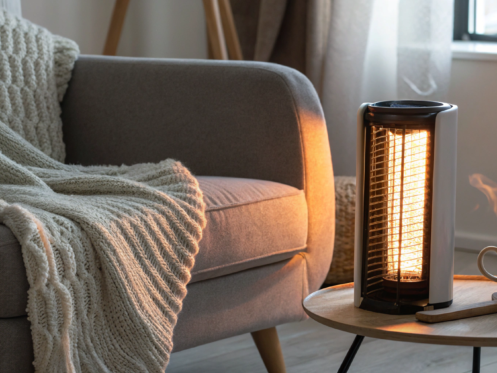
A heater that blows cold air doesn’t automatically mean your entire system is broken. In fact, it’s often a sign that one of your heater’s safety features is working exactly as it should. For example, a clogged air filter can cause the system to overheat, prompting it to shut off the heating elements to prevent damage while the fan continues to run. This guide is designed to help you become your own detective. We’ll explore the most likely reasons for the problem, from simple fixes you can do in five minutes to more complex issues that need a professional. If you’re dealing with an electric heater blowing cold air in house, how to fix it starts with understanding what’s really going on.
Key Takeaways
- Check the Basics First: Many heating issues stem from simple oversights. Before assuming a major failure, confirm your thermostat is set to “HEAT,” inspect your air filter for clogs, and verify that the circuit breaker hasn’t tripped.
- Prevent Problems with Regular Care: Consistent maintenance is the key to avoiding cold air surprises. Commit to changing your air filter every 1-3 months and schedule an annual professional inspection to keep your system running efficiently and reliably.
- Recognize When to Call a Pro: While DIY checks are helpful, some issues require an expert. If you smell burning odors, hear loud mechanical noises, or if the problem continues after basic troubleshooting, it’s time to call a certified technician for a safe and accurate repair.
Why Is My Electric Heater Blowing Cold Air?
There’s nothing quite as frustrating as turning on your heater for a chilly Tucson evening, only to be met with a blast of cold air. When your electric heater isn’t doing its one job, it’s easy to assume the worst. But before you panic, know that the cause is often a simple issue you can identify and sometimes even fix yourself. The problem could be anything from a wrong setting on your thermostat to a clogged filter or a tripped breaker.
Of course, some issues are more complex and point to a problem with the internal components of your heating system, like the heating element or the blower fan. Understanding the most common reasons your heater is blowing cold air can help you figure out your next steps—whether it’s a quick DIY fix or a call to a professional. Let’s walk through the likely culprits so you can get your home warm and comfortable again.
Is Your Thermostat Set Correctly?
Before you go any further, let’s start with the simplest check: your thermostat. It acts as the command center for your entire HVAC system, and a wrong setting can easily trick you into thinking your heater is broken. First, make sure the system is set to “HEAT.” It sounds obvious, but it’s surprising how often it gets switched to “COOL” or “OFF” by accident.
Next, check the fan setting. If your fan is set to “ON,” it will run continuously, circulating air even when the heating elements aren’t active. This means you’ll feel room-temperature or cool air blowing from your vents between heating cycles. For warm air only when the system is heating, switch the fan to “AUTO.” Finally, if you have a digital thermostat, check the batteries—low power can cause all sorts of strange behavior.
Could You Have a Clogged Air Filter?
A dirty air filter is one of the most common causes of heating problems, including blowing cold air. Your heater needs a steady flow of air to work correctly. When the filter gets clogged with dust, pet dander, and other debris, it chokes off that airflow. This forces your system to work much harder and can cause the internal components to overheat.
As a safety measure, your heater will often shut off its heating elements to prevent damage from overheating. However, the blower fan may continue to run, circulating the unheated air throughout your home. The fix is simple: check your air filter. If it’s visibly dirty, replacing it might solve the problem instantly. Regular filter changes are a key part of any maintenance plan and can prevent a lot of headaches down the road.
Are There Electrical or Breaker Issues?
Electric heaters draw a significant amount of power, and sometimes that can lead to a tripped circuit breaker. Your home’s electrical panel is designed to shut off power to a circuit when it becomes overloaded to prevent a fire. If the breaker connected to your furnace trips, it will cut power to the heating elements, but the blower fan might still have power and continue to run on a separate circuit.
Head to your electrical panel and look for a breaker that is in the “OFF” or middle position. If you find one, flip it firmly back to the “ON” position. If the breaker trips again right away, don’t keep resetting it. This indicates a more serious electrical problem that needs professional attention. For persistent electrical issues, it’s always safest to call for expert heating services.
What About a Faulty Heating Element?
If your thermostat is set correctly and your filter is clean, the problem might be with the heating element itself. In an electric furnace, metal coils or strips heat up like the filament in a toaster, and the blower fan pushes air over them to warm your home. Over time, these elements can crack, break, or simply burn out.
When a heating element fails, your system loses its ability to produce heat. The fan will still operate as normal, but the air it circulates will be cold because there’s nothing to warm it up. Replacing a heating element involves working with high-voltage electrical components and should always be handled by a qualified technician. It’s a repair that requires specific tools and expertise to ensure it’s done safely and correctly.
Is the Blower Fan Working Properly?
The blower fan is responsible for pushing air—warm or cold—through your home’s ductwork. If there’s an issue with the fan’s motor or other components, it can affect your system’s performance. Sometimes, a malfunctioning blower motor can run without activating the heating elements, or it might not be moving air effectively. You might also hear unusual noises, like rattling or screeching, which could point to a problem with the fan’s belt or bearings.
While a completely broken fan would mean no airflow at all, a partially failing one can cause intermittent issues. This is another one of those problems that requires a professional diagnosis. A technician can inspect the blower motor, belts, and capacitors to pinpoint the exact cause. If you suspect a fan issue, it’s best to schedule an appointment to have it checked out.
What to Check First When Your Heater Blows Cold Air
When your heater starts blowing cold air, it’s easy to assume the worst. But before you panic, take a deep breath. Often, the problem is something you can identify and fix yourself in just a few minutes. Working through a few simple checks can save you time, stress, and the cost of a service call. Start with the easiest potential culprits first. These troubleshooting steps will help you rule out common issues and get your home warm again. If you run through this list and still feel a chill, you’ll know it’s time to call in the experts for a closer look.
Confirm Your Thermostat Settings
It might sound too simple, but your thermostat is the first place you should look. A wrong setting is one of the most common reasons a heater acts up. First, make sure the system is set to ‘HEAT’ and not ‘COOL’ or ‘FAN.’ It’s an easy mistake to make, especially when the seasons are changing. Next, check the temperature setting to ensure it’s high enough to signal the heater to turn on. If you have a digital thermostat, dead or dying batteries can also cause problems, so try replacing them. If these adjustments don’t work, the thermostat itself could be malfunctioning, but checking the basic settings is a crucial first step.
Check the Circuit Breaker
Your electric heater relies on a dedicated circuit to draw the power it needs. If that circuit gets overloaded, the breaker will trip to prevent damage, cutting power to your unit. Head to your home’s electrical panel and look for a breaker switch that is in the ‘OFF’ position or stuck in the middle. If you find one, flip it firmly back to the ‘ON’ position. If the breaker trips again right away, don’t keep resetting it. This indicates a more serious electrical issue that requires professional attention. Persistent breaker problems are a sign you should schedule an appointment with a certified technician to diagnose the underlying cause safely.
Inspect Your Air Filter and Vents
A clogged air filter is a classic cause of heating problems. When the filter is packed with dust and debris, it restricts airflow to your system. This can cause the heater to overheat and trigger a safety feature that shuts off the heating element, leaving the fan to blow unheated, room-temperature air. Check your filter and if it looks dirty, replace it. You should also walk through your home and make sure all the supply and return vents are open and not blocked by furniture, rugs, or curtains. Proper airflow is essential for any heating system to work efficiently and effectively.
Look for a Manual Reset Button
Many electric furnaces have a high-limit switch with a manual reset button. This is another safety feature that trips if the internal temperature gets too high, often due to a clogged filter or blocked airflow. The reset button is usually a small red or yellow button located on the furnace itself, near the limit switch. Before you press it, turn off the power to your heater at the circuit breaker. After locating the button, press it firmly. Then, restore power and turn your thermostat back on. If the heater starts working again, you’ve likely found the problem—but you still need to figure out why it overheated in the first place.
How to Fix Common Thermostat Problems
Your thermostat is the brain of your heating system, telling it when to turn on and how warm to get. When it’s not working correctly, your heater won’t get the right instructions, which can lead to it blowing cold air or not turning on at all. Before you assume the worst about your heater, it’s always a good idea to check the thermostat first. Many common issues are surprisingly simple to fix yourself, saving you time and a service call. From incorrect settings to dead batteries, a few quick checks can often get your system back up and running. Let’s walk through the most frequent thermostat troubles and how to solve them.
Adjust the Temperature and Mode
It might sound obvious, but one of the most common reasons a heater blows cold air is a simple settings mix-up. Someone in the house might have accidentally switched the thermostat from “Heat” to “Cool” or “Fan.” Start by checking the mode and making sure it’s set to “Heat.” Next, look at the temperature setting. For the heat to kick on, the set temperature must be higher than the current room temperature. If your thermostat is set to 68 degrees and the room is already 70, your heater won’t turn on. Try raising the temperature a few degrees to see if that triggers the heating cycle.
Replace the Batteries
If your thermostat screen is blank or unresponsive, the first thing to check is the batteries. Many digital thermostats run on battery power, and when they die, the thermostat can’t communicate with your heating system. Most models have a low-battery indicator, but it’s easy to miss. To replace them, you can usually pull the thermostat cover straight off the wall mount. Pop in a fresh set of batteries and see if that restores power. If the screen comes back on but the heater still isn’t working, the thermostat might be old or failing and could need to be replaced.
Check for Calibration or Wiring Issues
Sometimes, a thermostat can lose its calibration, meaning it isn’t reading the room’s temperature correctly. If it thinks the room is warmer than it actually is, it won’t signal the heater to turn on. Another potential issue is a loose wire. Over time, connections can loosen, interrupting the signal to your furnace. If you feel comfortable, you can turn off the power to your HVAC system at the circuit breaker and remove the thermostat cover to gently check that all wires are securely connected. However, working with wiring can be tricky, and it’s often best to leave it to a professional to avoid causing further damage to your heating system.
Test Your Thermostat’s Functionality
After you’ve checked the settings, replaced the batteries, and confirmed the wiring looks okay, it’s time to test the thermostat. Turn the heat setting up by at least five degrees and wait a few minutes. You should hear a click from the thermostat, followed by your heater kicking on. If nothing happens, the thermostat itself may be faulty. At this point, if you’ve tried the simple fixes and the problem continues, it’s a good sign that a deeper issue is at play. Rather than guessing, it’s safest to have a professional diagnose the problem. A certified technician can safely handle electrical components and ensure your system is repaired correctly, and you can easily schedule an appointment online.
Your Step-by-Step Heater Troubleshooting Guide
When your heater starts blowing cold air, it’s easy to assume the worst. But before you panic, there are several simple troubleshooting steps you can take that might solve the problem right away. Working through these checks can help you identify the issue and, in many cases, fix it yourself without needing to make a service call. This guide will walk you through the most common culprits, from a simple reset to checking for blocked airflow. Let’s get your home warm and cozy again.
Reset the Heater
Many electric heaters have a manual reset button, which is a safety feature that trips if the unit overheats. This is often caused by something simple, like a clogged filter restricting airflow or a temporary power surge. Look for a small red or black button on the heater itself, usually located near the control panel or on the main body of the unit. Press it once to see if it resets the system. If the heater starts working again but trips repeatedly, it’s a clear sign of an underlying issue that needs a closer look. While a single reset can be a quick fix, frequent tripping means it’s time to investigate the root cause to prevent further problems.
Test and Reset the Circuit Breaker
Your heater needs a lot of power to run, and sometimes it can trip a circuit breaker, cutting off electricity to the heating elements while the fan continues to run on a separate circuit. Head to your home’s main electrical panel and look for the breaker that controls your furnace or heating system. A tripped breaker will be shifted to the middle or “off” position. To reset it, you must first flip the switch completely to the “off” position, then firmly back to “on.” While you’re at it, check for a separate power switch on or near the furnace unit itself—it often looks like a standard light switch and can be accidentally turned off.
Clean or Replace the Air Filter
A dirty air filter is one of the most common reasons a heater stops producing heat. When the filter gets clogged with dust, pet dander, and other debris, it chokes off the airflow your system needs to work properly. This restriction can cause the internal components to overheat, triggering a safety switch that shuts off the heating elements while leaving the fan running. The result? Cold air blowing through your vents. Check your filter, and if you can’t see light through it, it’s time for a replacement. Regularly changing your filter is a simple task that is often included in a professional maintenance agreement and is crucial for your system’s health.
Clear Any Blocked Vents
Your heater can’t warm your home effectively if the air has nowhere to go. Proper airflow is a two-way street, requiring both clear supply vents (where warm air comes out) and return vents (where air is pulled back into the system). Take a quick walk through your house and check all the vents in each room. Make sure they aren’t blocked by furniture, rugs, curtains, or anything else. Even a partially blocked vent can disrupt the airflow balance in your home, leading to cold spots and making your system work harder than it needs to. Ensuring all your vents are clear is a free and easy way to improve your heater’s performance.
Inspect the Wiring and Connections
If you feel comfortable doing so, a quick visual inspection of the wiring can sometimes reveal the problem. First, and most importantly, turn off all power to your heater at the circuit breaker for safety. Once you’re sure the power is off, you can remove the cover panel on your thermostat and look for any loose or disconnected wires. You can also check the wiring in the heater’s access panel. If you see anything that looks obviously disconnected, you may have found the issue. However, if you notice frayed wires, burn marks, or feel unsure at any point, it’s best to stop immediately. Electrical work can be dangerous, so it’s wise to call for professional heating services in these situations.
Simple Fixes for Common Heater Problems
When your heater starts blowing cold air, it’s easy to assume the worst. But before you panic, know that some of the most common heater issues have surprisingly simple solutions you can handle yourself. Working through these basic checks can often restore warmth to your home in minutes and save you the cost of a service call. Below are a few straightforward fixes you can try. Just remember to always prioritize your safety—if a step feels too complex or involves electrical work you’re not comfortable with, it’s always best to call in a professional.
Replace the Air Filter
One of the most frequent culprits behind a malfunctioning heater is a dirty air filter. When the filter gets clogged with dust and debris, it restricts airflow, forcing your system to work harder. As a safety measure, your heater might overheat and shut itself down, leaving you with nothing but cool, room-temperature air blowing from your vents.
The fix is as simple as it gets: check and replace your air filter. You should be doing this every 1–3 months anyway to keep your system running efficiently. A fresh filter can immediately restore proper airflow and get the heat running again. This small task is a key part of any good maintenance agreement and something you can easily do yourself.
Reset the Circuit Breaker
Your electric heater needs a consistent supply of power to do its job. Sometimes, a power surge or an overloaded circuit can cause the breaker connected to your HVAC system to trip, cutting off electricity. When this happens, your system’s fan might still run, but the heating elements won’t have the power to warm the air.
Head to your home’s main electrical panel and look for the breaker switch labeled for your furnace or HVAC. If it’s in the “off” position or stuck in the middle, flip it completely off and then back on again. If the breaker trips again right away, don’t keep resetting it. This indicates a deeper electrical problem that requires professional heating services.
Clean the Heating Elements
Inside your electric heater are metal coils, or heating elements, that glow hot to warm the air that passes over them. Over time, these elements can burn out or break. If this happens, your system will only be able to circulate unheated air. While it might sound like a simple part to replace, this is not a DIY job.
Heating elements operate on high voltage, and attempting to inspect or handle them without proper training is extremely dangerous. If you suspect a faulty heating element is your problem, the safest and smartest move is to turn off your system and schedule an appointment with a certified technician who can safely diagnose and replace the component.
Address Loose Connections
Just like any other complex appliance, your heater relies on a network of wires to function correctly. A single loose connection can interrupt the flow of electricity to the heating components, causing the system to fail. While tightening a wire sounds easy, it’s another task best left to the experts.
To safely inspect the wiring, a technician would first shut off all power to the unit at the main circuit breaker. Working with electrical systems carries a significant risk of shock if you’re not trained. If you’ve tried the simpler fixes without success, a potential wiring issue is a clear sign it’s time to call for professional help. A trained technician can quickly and safely identify and fix any loose connections.
Clear Blocked Vents
Sometimes, the problem isn’t with your heater at all, but with how the warm air is distributed through your home. If vents are blocked by furniture, rugs, or curtains, the heated air can’t circulate properly, making rooms feel cold. Do a quick walk-through of your home and make sure all supply and return air vents are clear of obstructions.
If your vents are clear but the airflow still feels weak in certain areas, you might have a bigger issue, like leaky or disconnected ductwork hidden in your walls or attic. Cracks in the ducts can let all that precious warm air escape before it ever reaches your rooms. This requires a professional inspection to locate and seal the leaks.
How to Prevent Cold Air Problems with Maintenance
The best way to deal with a heater blowing cold air is to prevent it from happening in the first place. A little proactive care can save you from a chilly surprise and an unexpected repair bill. Think of it as a simple check-up for one of the most important systems in your home. By staying on top of a few key tasks, you can keep your electric heater running reliably all season long, ensuring your home in Tucson stays warm and comfortable when you need it most.
Change Your Filter Every 1-3 Months
One of the most common culprits behind a malfunctioning heater is a dirty air filter. When your filter gets clogged with dust and debris, it restricts airflow. This forces your heater to work much harder to pull in air, which can cause it to overheat. As a safety measure, the system will often shut off the heating elements to prevent damage, leaving the fan to blow cool, room-temperature air through your vents. The fix is simple: check your air filter monthly and replace it every one to three months. It’s an easy and inexpensive task that makes a huge difference in your heater’s performance and efficiency.
Schedule an Annual Professional Inspection
While changing the filter is a great DIY step, nothing beats a professional tune-up. Scheduling an annual inspection with an HVAC expert ensures every part of your system is in top shape. A technician will clean internal components, lubricate moving parts, check electrical connections, and test safety controls. This yearly check-up allows them to spot and fix minor issues before they turn into major, costly breakdowns. Signing up for a maintenance agreement is a fantastic way to make this effortless, as it keeps your system running efficiently and gives you peace of mind knowing your heater is ready for winter.
Keep Heating Components and Vents Clean
Proper airflow is critical for your heater to work correctly, and that goes beyond just the filter. Make sure the area around your indoor furnace unit is clear of clutter, like boxes or storage items, to allow for proper air intake. You should also walk through your home and check that all heating vents are open and uncovered. Furniture, rugs, and curtains can easily block them, trapping heat and disrupting circulation. This can lead to the same overheating issue caused by a clogged filter, so a quick visual check around your home can help keep the warm air flowing freely.
Test Your Thermostat Regularly
Your thermostat is the brain of your heating system, and if it isn’t working correctly, it can’t tell your heater what to do. It’s a good habit to test it periodically. Start with the basics: make sure it’s set to “heat” and the temperature is set higher than the current room temperature. Check the batteries, as weak or dead batteries are a frequent cause of thermostat issues. If you have an older dial-style thermostat, it may lose its calibration over time. Testing it regularly helps you catch these simple problems before you assume the heater itself is broken.
Check Electrical Connections
Your electric heater relies on a steady flow of power to its heating elements. Over time, vibrations can cause electrical connections to become loose, interrupting the power and preventing the elements from warming up. While you can visually inspect the unit for anything that looks obviously disconnected, you should never handle wiring yourself. Electrical work is dangerous and should always be left to a certified professional. If you’ve checked everything else and suspect an electrical issue, it’s time to call for expert heating services. A technician can safely inspect and tighten all connections to restore power and get your heat working again.
When to Call a Professional for Heater Repair
While many minor heater issues can be resolved with a bit of DIY troubleshooting, some problems require a trained eye and a professional touch. Knowing when to step back and call for help can save you time, prevent further damage, and ensure your home stays safe and warm. If you’ve run through the basic checks and are still left in the cold, it’s probably time to let an expert take over. Certain signs are clear indicators that the problem is beyond a simple fix.
You Notice Strange Odors or Safety Concerns
Your senses are one of your best tools for detecting a serious heater problem. If you smell something burning, a plastic or metallic odor, or anything that seems unusual, turn the unit off immediately. These smells can indicate overheating wires or melting components, which are serious fire hazards. Similarly, if you hear loud or persistent noises like banging, grinding, or high-pitched whistling, it’s a sign that something is mechanically wrong. Don’t ignore these warnings; it’s always safer to have a professional diagnose the source of strange odors or noises and ensure your system is operating safely.
The Problem Persists After Troubleshooting
You’ve done your due diligence. You checked the thermostat, reset the breaker, and even replaced the air filter, but your heater is still blowing cold air. When you’ve tried all the simple fixes and the problem continues, it’s a clear sign that the issue is more complex. Continuing to run a malfunctioning heater can sometimes lead to more significant and costly damage. Instead of getting frustrated, take it as your cue to call in a professional. An experienced technician can quickly identify the root cause, whether it’s a faulty sensor or a failing motor, and provide the right heating services to get things working again.
You Hear Unusual Noises or It Cycles Frequently
Your heater should operate relatively quietly. So, when you start hearing loud banging, rattling, or grinding sounds, it’s a red flag. These noises often point to a problem with the blower motor, a loose part, or another internal mechanical failure that requires professional attention. Another symptom to watch for is frequent cycling—when the heater turns on and off in short, repeated bursts. This could be caused by a faulty thermostat, restricted airflow, or an oversized unit. Both unusual noises and rapid cycling suggest your system is working inefficiently and needs a professional inspection to prevent a complete breakdown.
A Complex Part Needs Replacing
Some components in an electric heater are simply not designed for DIY replacement. The heating element, for example, is the core component responsible for generating warmth. If it burns out or breaks, the entire unit will fail to produce heat. Replacing it involves working with complex wiring and high voltages, which can be dangerous without proper training and tools. The same goes for parts like the blower motor or the sequencer. If you suspect a major component has failed, your best and safest option is to have a certified technician handle the replacement.
Your Heater Produces No Heat at All
If your heater is running but produces no heat whatsoever, and you’ve already ruled out thermostat and breaker issues, the problem is almost certainly internal. This could be due to a failed heating element, a faulty sequencer, or a wiring problem that’s preventing power from reaching the heating components. At this point, you’ve exhausted the simple solutions. Instead of guessing, it’s time to call an HVAC expert who can accurately diagnose the issue. Whether you’re in Tucson, Marana, or Sahuarita, our team can find the source of the problem and restore warmth to your home.
How to Keep Your Electric Heater Running Smoothly
A little proactive care for your electric heater can make a huge difference in its performance and longevity. Instead of waiting for a problem to pop up (like an unwelcome blast of cold air on a chilly morning), you can take a few simple steps to keep your system in top shape. Consistent maintenance not only helps prevent breakdowns but also ensures your heater runs efficiently, saving you money on energy bills. Think of it as a small investment of your time that pays off with reliable warmth and peace of mind all season long.
Follow a Seasonal Maintenance Schedule
Just like your car, your heating system benefits from regular tune-ups. Following a seasonal maintenance schedule helps your heater work well, prevents breakdowns, and makes it last longer. Before the cold weather arrives, make it a habit to inspect your system. This includes simple tasks like changing the air filter and ensuring all vents are clear. For a more thorough check-up, an annual professional inspection is key. To make it even easier, consider a maintenance agreement to ensure you never forget this crucial step for your home’s comfort.
Know the Proper Usage and Safety Tips
Operating your electric heater safely is just as important as maintaining it. The most critical rule is to always turn off the power at the circuit breaker before you inspect or work on the unit itself. This simple action prevents electric shock. You should also keep the area around your heater clear of flammable materials like curtains and furniture. If you ever notice a burning smell or see scorch marks near the unit, turn it off immediately and call a professional. These are signs of a serious issue that requires expert attention.
Watch for Early Warning Signs
Your heater will often give you clues that something is wrong before it stops working completely. Paying attention to these early warning signs can help you address small issues before they become major repairs. If your electric heater starts blowing cool air, that’s a clear signal something isn’t right. Other signs include unusual noises like rattling or buzzing, frequent cycling, or an unexpected jump in your electricity bill. Catching these problems early is the best way to keep your system running smoothly.
Understand the Benefits of Professional Maintenance
While DIY troubleshooting is great for simple fixes, some problems require a trained eye. If you’ve tried the basic steps and your heater still isn’t working correctly, it’s time to call a professional. Technicians are trained to safely handle electrical parts, diagnose problems correctly, and ensure your furnace warranty stays valid. Professional heating services provide a thorough inspection and tune-up that goes beyond a simple filter change, ensuring your system is safe, efficient, and ready for winter. It’s a smart investment in your home’s comfort and your family’s safety.
Related Articles
Frequently Asked Questions
I checked my thermostat and filter, but it’s still blowing cold. What should I check next? The next logical step is to look at your home’s circuit breaker panel. Find the breaker connected to your heater and see if it has tripped. If resetting it doesn’t work or it trips again immediately, you should stop and call a professional. You can also do a quick walk-through of your home to make sure all the air vents are open and not blocked by furniture, which can disrupt airflow and cause the system to overheat.
Is it dangerous for my heater to blow cold air? While the cold air itself isn’t harmful, it can be a symptom of a dangerous underlying issue. For instance, if the problem stems from faulty wiring or an electrical short, it could pose a fire risk. If you ever smell something burning or hear loud grinding or banging noises coming from your system, you should turn it off at the breaker right away and schedule a service call. It’s always better to be safe.
My circuit breaker trips every time the heat kicks on. What’s going on? A breaker that trips repeatedly is your electrical system’s way of telling you something is wrong. It means your heater is drawing more power than the circuit can safely handle. This is often caused by an internal issue like a failing motor or a short in the wiring. Do not keep resetting it, as this can lead to electrical damage or even a fire. This situation definitely requires a professional diagnosis to find and fix the root cause safely.
How can I tell if the problem is my thermostat or the heater itself? Start with the simple checks on the thermostat. If replacing the batteries and confirming the settings are correct doesn’t solve the problem, listen closely. When you turn up the heat, you should hear a faint click from the thermostat, which is the signal being sent to the heater. If you hear that click but the air from your vents never gets warm, the issue is almost certainly within the heating unit itself.
Why is regular maintenance so important if my heater seems to be working fine now? Think of maintenance as preventative care for one of your home’s most important systems. Small, unnoticed issues like a loose wire or a struggling part can turn into a complete breakdown on the coldest night of the year. An annual tune-up allows a technician to clean components, test safety controls, and fix minor problems before they become expensive emergencies, ensuring your heater runs efficiently and reliably all season.